
Photos from current listings. Actual item, color, and included accessories may vary.
Professional Espresso Machine Buying Guide
A professional espresso machine for home means commercial-grade brew mechanics—58mm portafilters, PID temperature control, and stable pressure—compressed into a countertop footprint. The core trade-off is between thermal stability and recovery speed: single-boiler machines are cheaper but force you to wait between brewing and steaming, while dual-boiler or heat-exchanger designs let you do both simultaneously. The decision rule is simple: if you drink milk drinks back-to-back or entertain, buy a dual-boiler or heat exchanger with a 58mm group; if you drink straight espresso one or two shots at a time, a PID-controlled single boiler with a 58mm group is the durable minimum.
Median $175.50 · New & pre-owned listings
Key takeaways
- 58mm portafilter is the commercial standard—54mm and pressurized baskets limit dose size, tamper availability, and extraction consistency.
- Dual boiler (independent brew and steam) vs heat exchanger (brew-priority with steam recovery) vs single boiler (switch between modes) determines back-to-back milk drink workflow.
- PID temperature control holds brew temp within ±1°C; without PID, temperature swings of 3–5°C cause sour or bitter shots.
At a glance
- Category
- Coffee Makers & Espresso
- Last updated
- Nov 27, 2026
Current offers
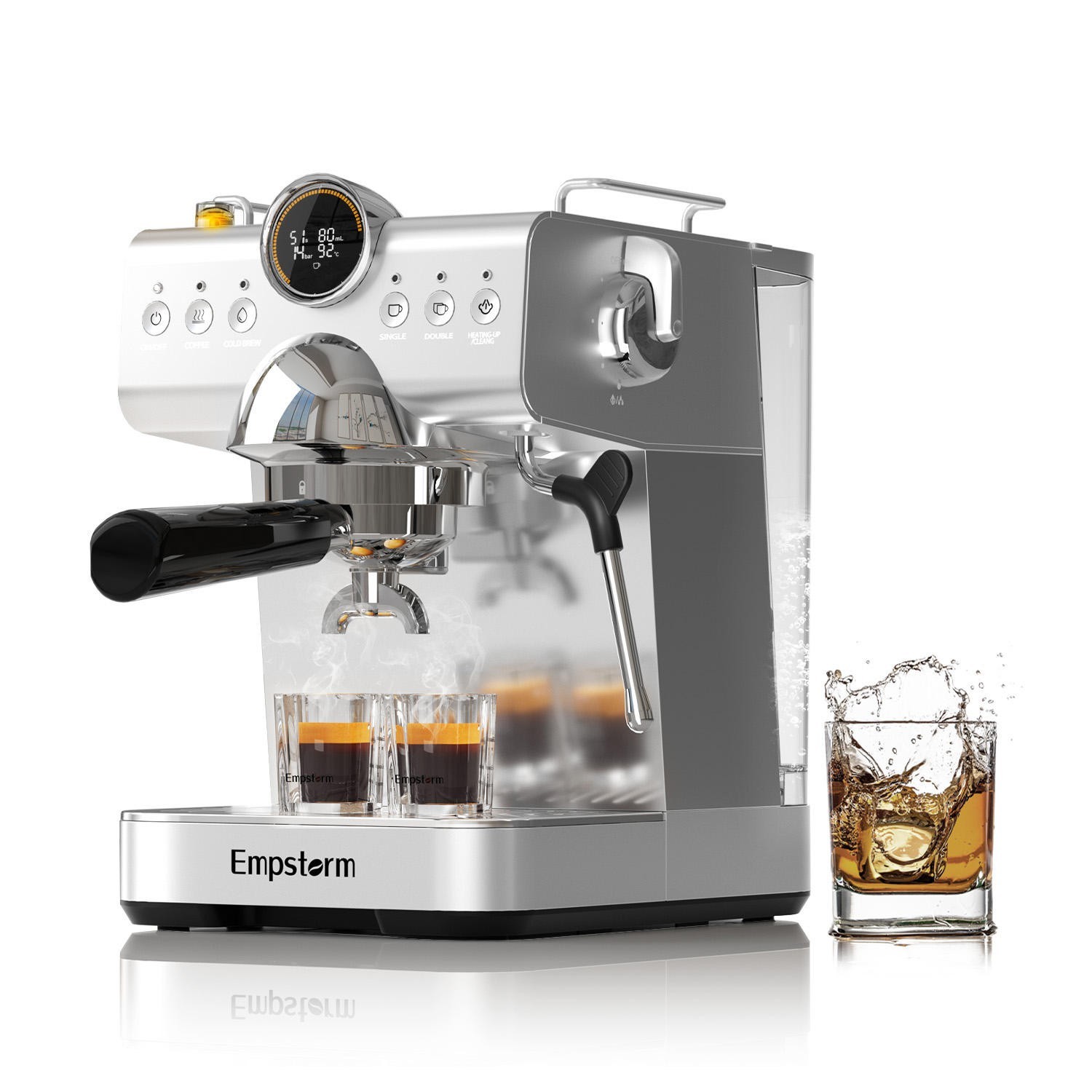 20 Bar Espresso Machine with Cold Brew, Professional Expresso Machines for home$220.00New · Last checked Nov 23, 2026View on eBay
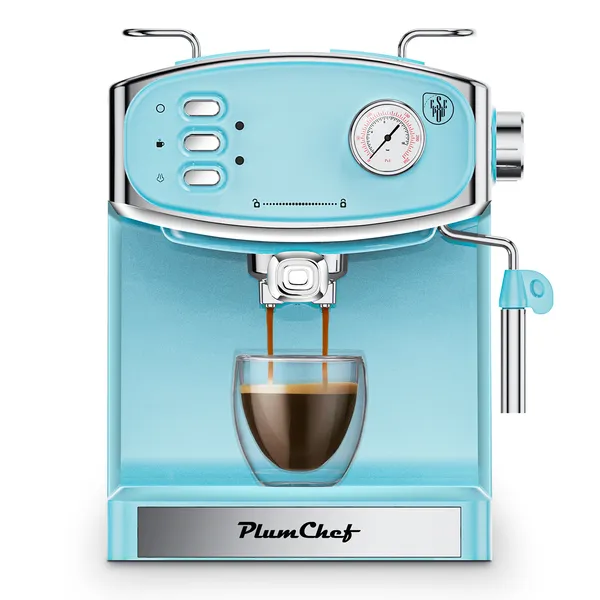 20 Bar Espresso Machine For Home- Professional Compact Maker With Milk Frother Steam Wand, Pressure Gauge & 54oz Large Water Tank, Low Noise Fast Brewing For Cappuccino, Latte$96.99View on Mallflare
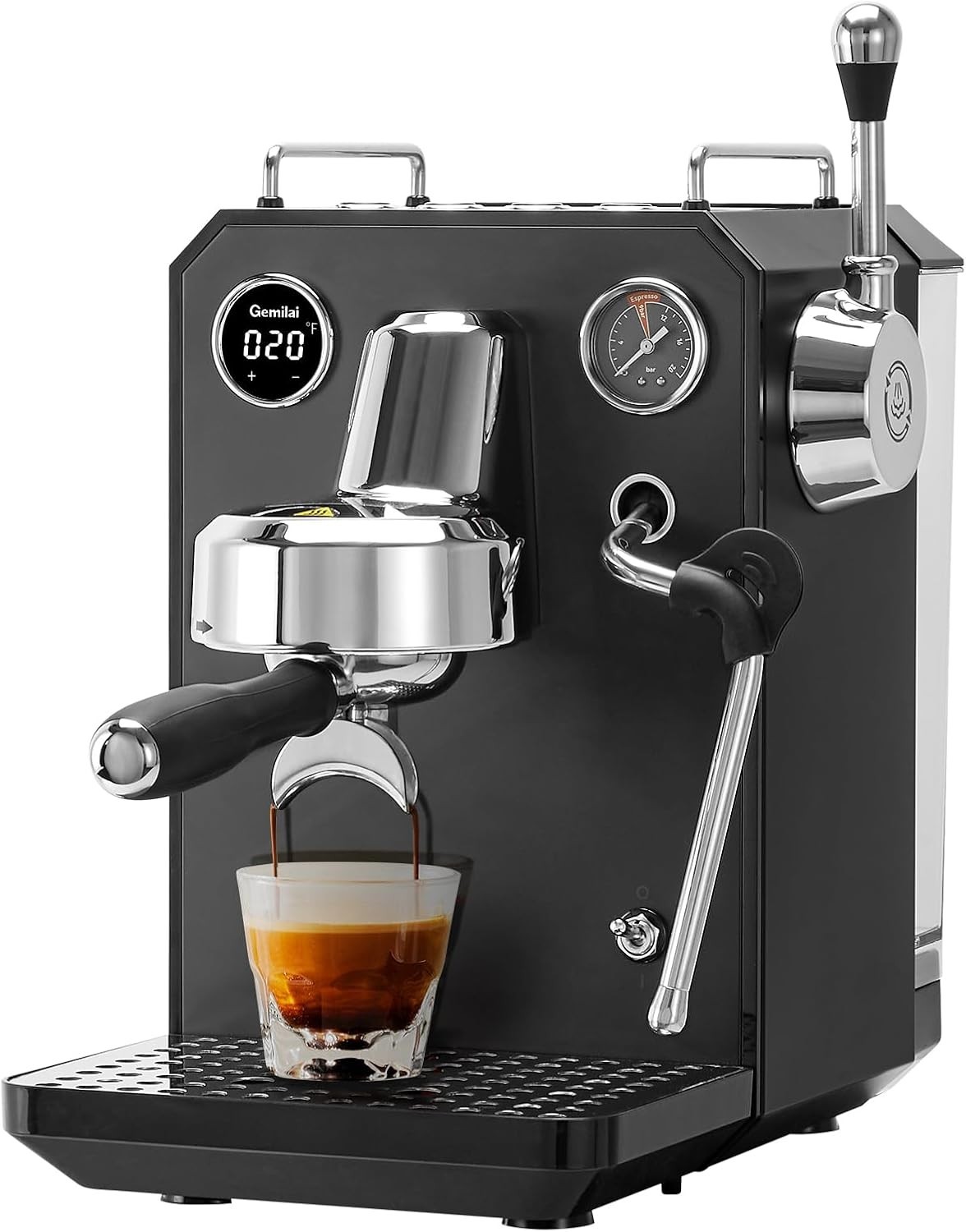 Gemilai Owl G3006 Espresso Machine 15 Bar Professional Coffee Maker Black$229.00Open box · Last checked Nov 21, 2026View on eBay
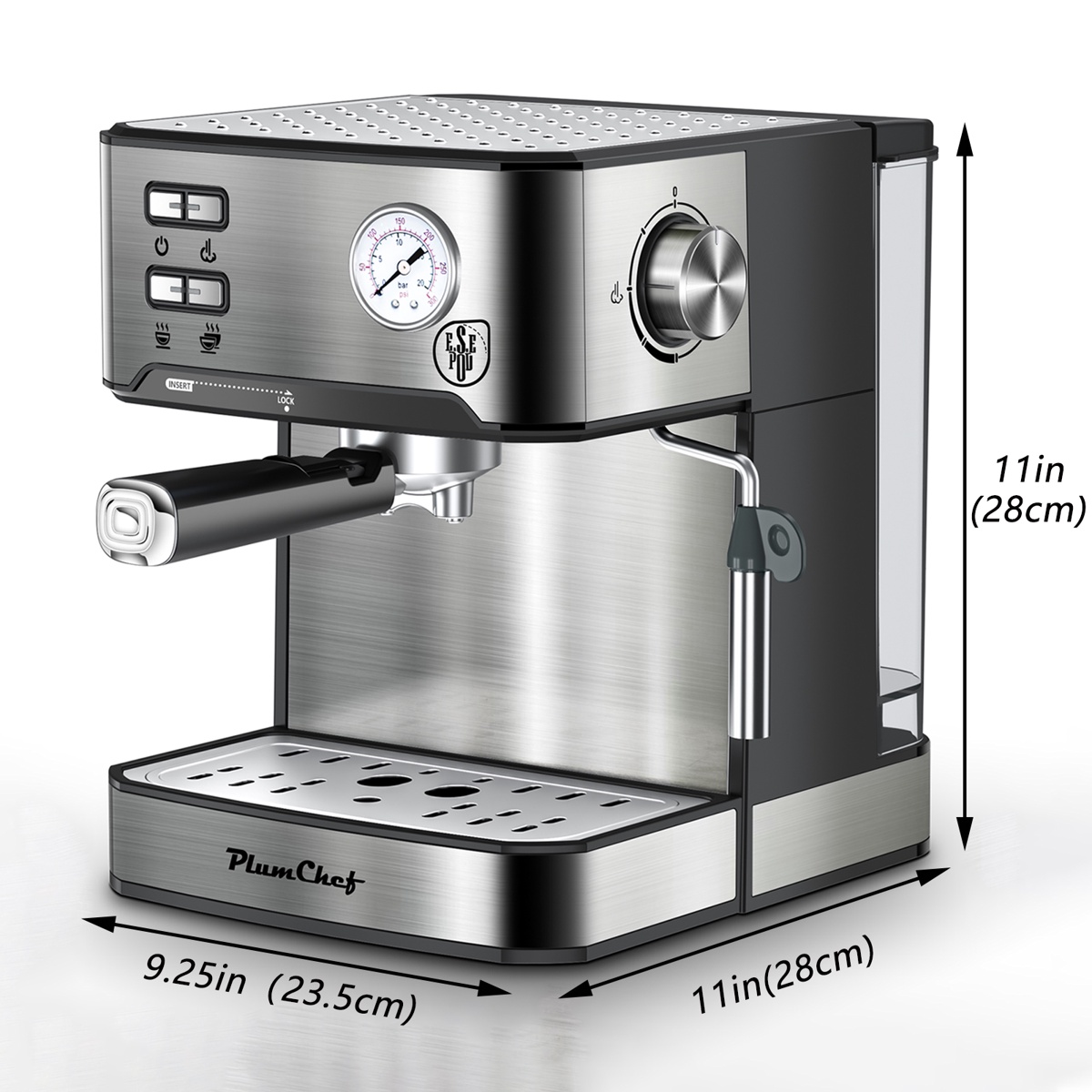 20 Bar Professional Espresso Machine With Milk Frother, Single Double Shot, ESE Pod Compatible, Visual Display Of Pressure, Removable Water Tank For Cappuccino, Latte, Machiato For Home Barista$104.99View on Mallflare
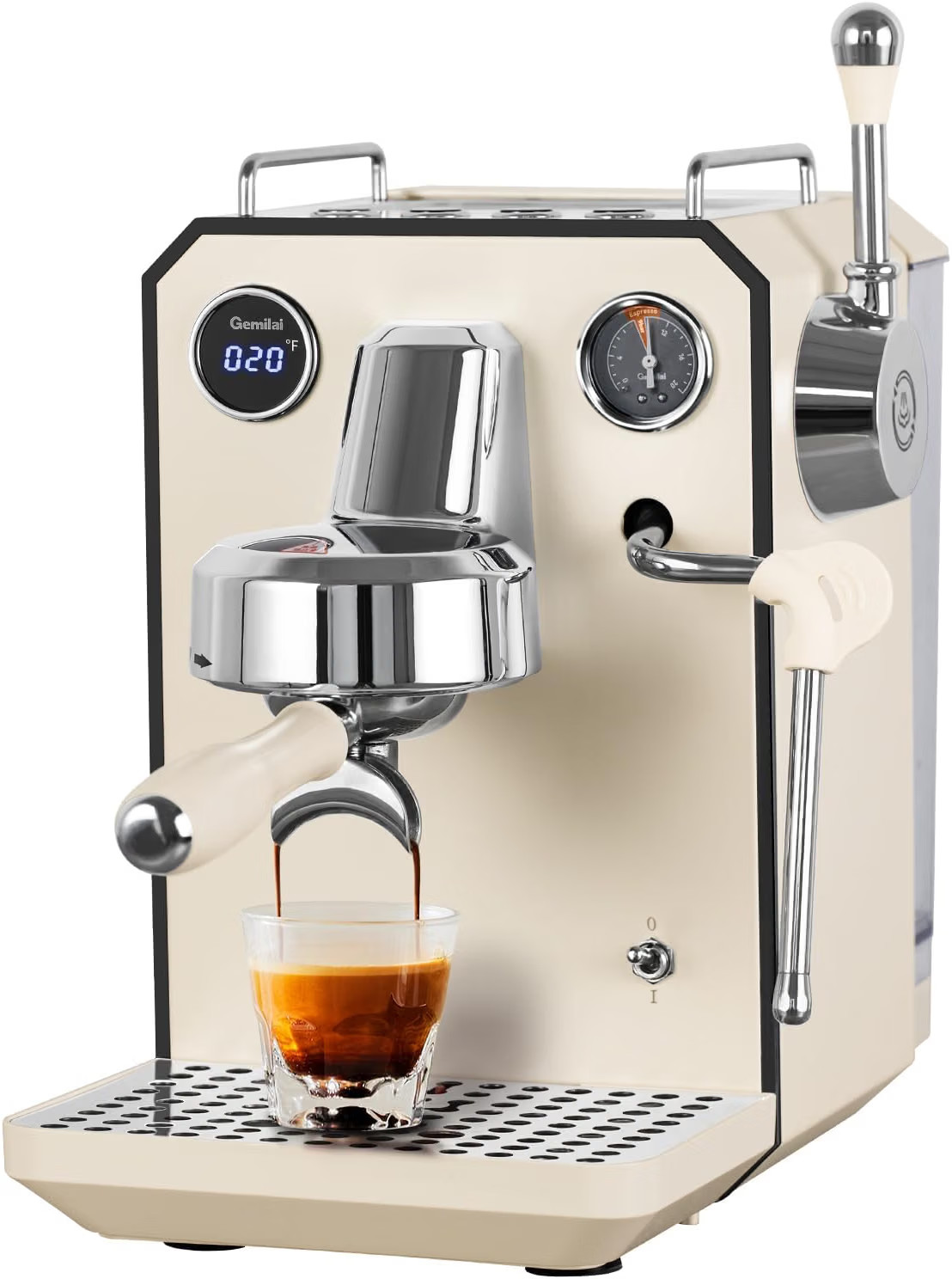 Gemilai Owl G3006 Espresso Machine 15 Bar Professional Coffee Maker White$229.00Open box · Last checked Nov 21, 2026View on eBay
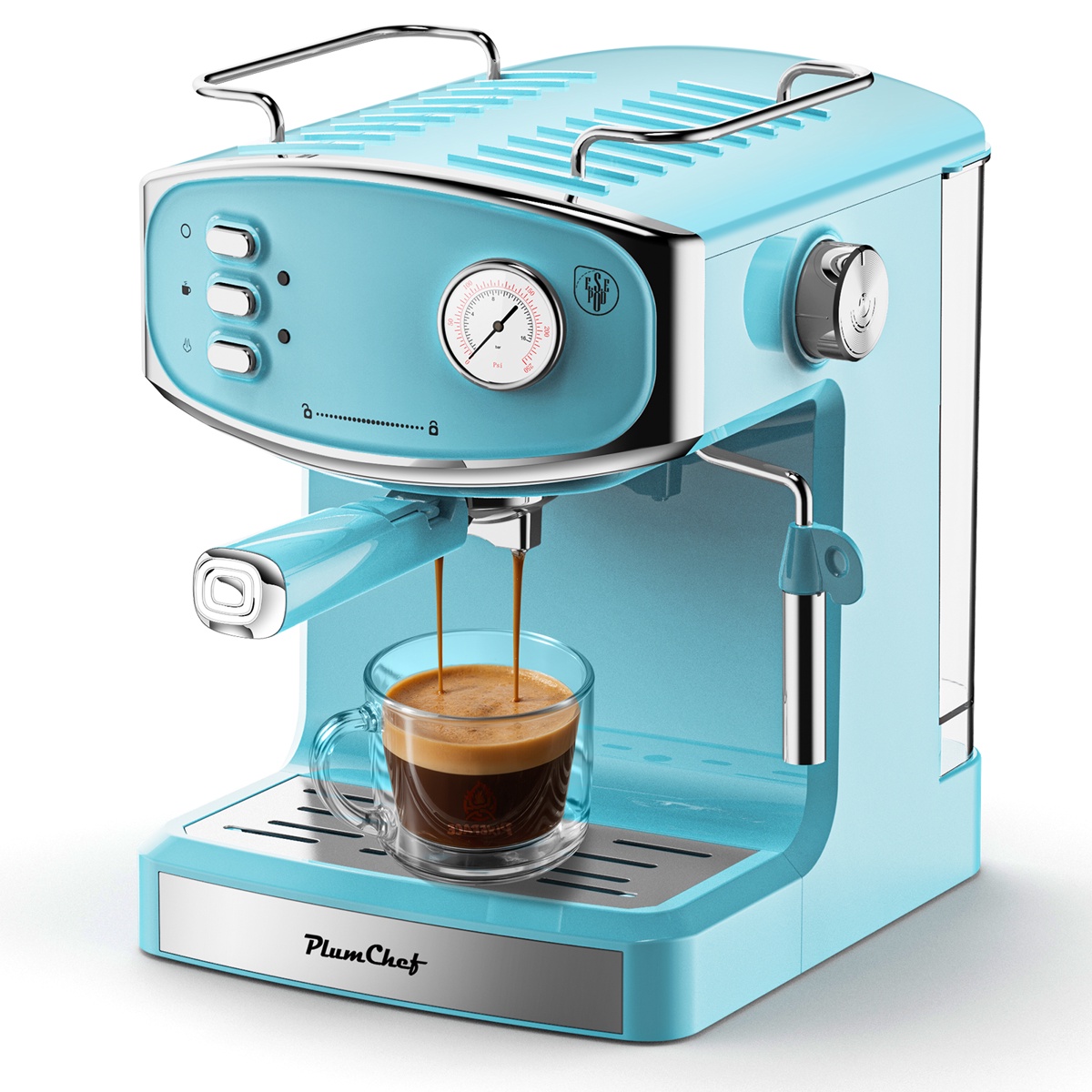 20 Bar Espresso Machine - Professional Compact Maker With Milk Frother, 54oz Large Water Tank, Low Noise, For Cappuccino, Latte, Blue$104.99View on Mallflare
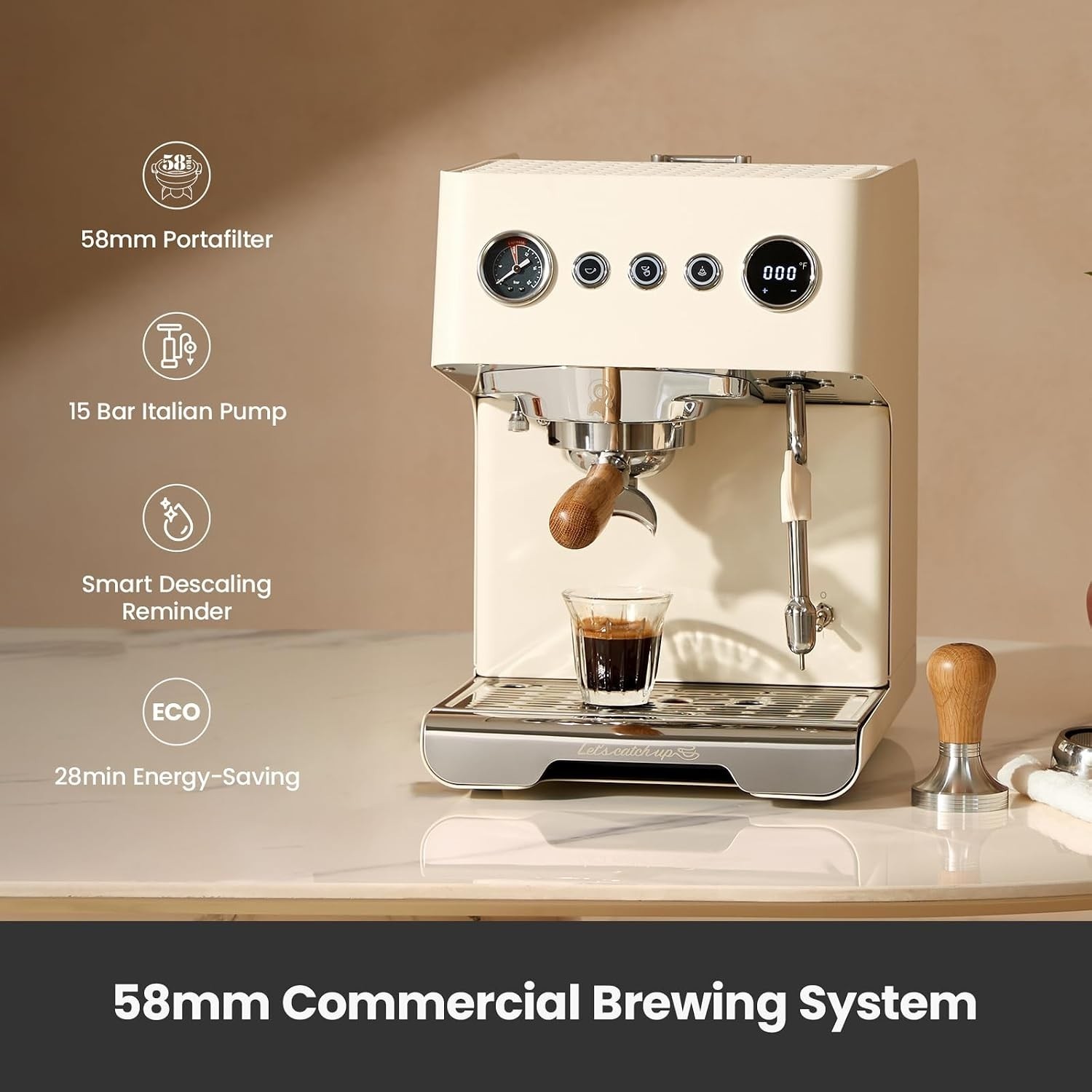 Gemilai G3028A Espresso Machine, 15 Bar Professional Coffee Maker with Adjustabl$499.00Open box · Last checked Nov 21, 2026View on eBay
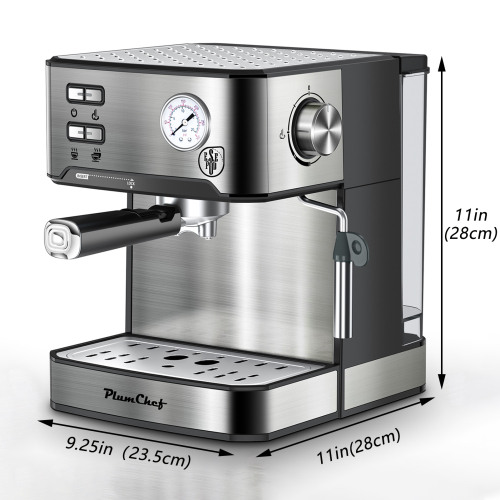 20 Bar Professional Espresso Machine With Milk Frother, Single & Double Shot, ESE Pod Compatible, Pressure Display, Removable Water Tank For Cappuccino, Latte, & Macchiato Home Barista Edition$130.99View on Mallflare
Highlights
- 58mm portafilter is the commercial standard—54mm and pressurized baskets limit dose size, tamper availability, and extraction consistency.
- Dual boiler (independent brew and steam) vs heat exchanger (brew-priority with steam recovery) vs single boiler (switch between modes) determines back-to-back milk drink workflow.
- PID temperature control holds brew temp within ±1°C; without PID, temperature swings of 3–5°C cause sour or bitter shots.
- Rotary pump (quieter, plumbable, stable 9 bar) vs vibration pump (standard 15–20 bar rating, louder, pressure ramps) is the main internal build-grade split.
Best use cases
- Best fit: daily straight-espresso drinker who wants one or two shots—pick a PID single boiler with 58mm group and OPV set to 9 bar; skip dual boilers to save counter space and warm-up time.
- Best fit: household making 2+ milk drinks back-to-back—pick a dual boiler or heat exchanger with independent steam; skip single-boiler thermoblock units that stall between shots.
- Best fit: small kitchen with 15-amp circuit and no plumbing—pick a vibration-pump reservoir machine with 2L+ tank; skip rotary-plumbed models unless you can run a water line and dedicated circuit.
- Wrong fit: buying a 20-bar pressurized-basket machine for ‘professional’ results—pressurized baskets mask grind errors but cap extraction quality; skip them if you own a good grinder and want cafe-level shots.
Buying tips
- Match the group size: 58mm accepts commercial baskets, tampers, and distribution tools; 51mm and 54mm are proprietary and limit upgrade paths.
- Check boiler material: stainless steel or brass resists scale and corrosion; aluminum boilers require softened water and are a durability compromise.
- For dual-boiler or heat-exchanger machines, confirm a 15-amp dedicated circuit—most 120V prosumer models draw 1400–1800W at peak.
- Prefer machines with an OPV (over-pressure valve) adjustable to 9 bar; 15–20 bar pump ratings are marketing—brew pressure should be 9 bar at the group.
Specs
| Portafilter Size | 58mm commercial / 54mm / 51mm |
|---|---|
| Boiler Type | Single / Heat exchanger / Dual |
| Pump Type | Vibration vs Rotary |
| Temperature Control | PID ±1°C vs Thermostat |
Related searches
What to check before buying
- Measure counter depth and height clearance: prosumer units run 35–45cm deep and 40cm tall—confirm space above for filling the reservoir.
- Confirm your electrical circuit: 15A dedicated outlet for 120V models; check plug type (NEMA 5-15) and avoid sharing with high-draw appliances.
- Check water hardness: if above 150 ppm, plan for a softener or use low-mineral bottled water to protect boilers and avoid descaling.
- Budget for a burr grinder and a 58mm tamper—these are required companion parts for any non-pressurized professional setup.
FAQ
Data sources: eBay / Amazon listings and product attribute feeds. Updated Nov 27, 2026.
Some links on this page are affiliate links. If you buy after clicking one, we may earn a commission at no extra cost to you. This does not change which products appear here or their order. Affiliate disclosure.