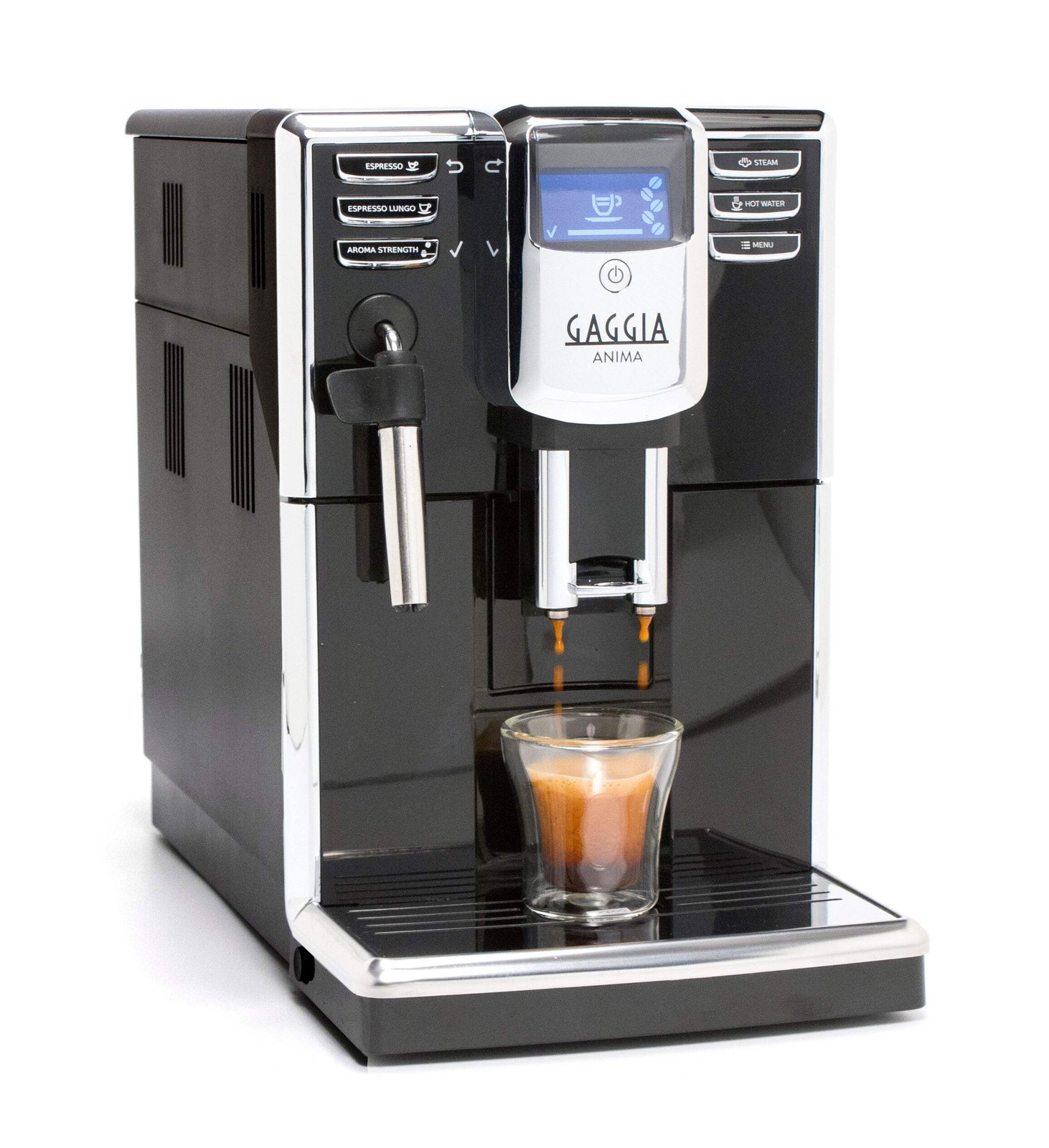

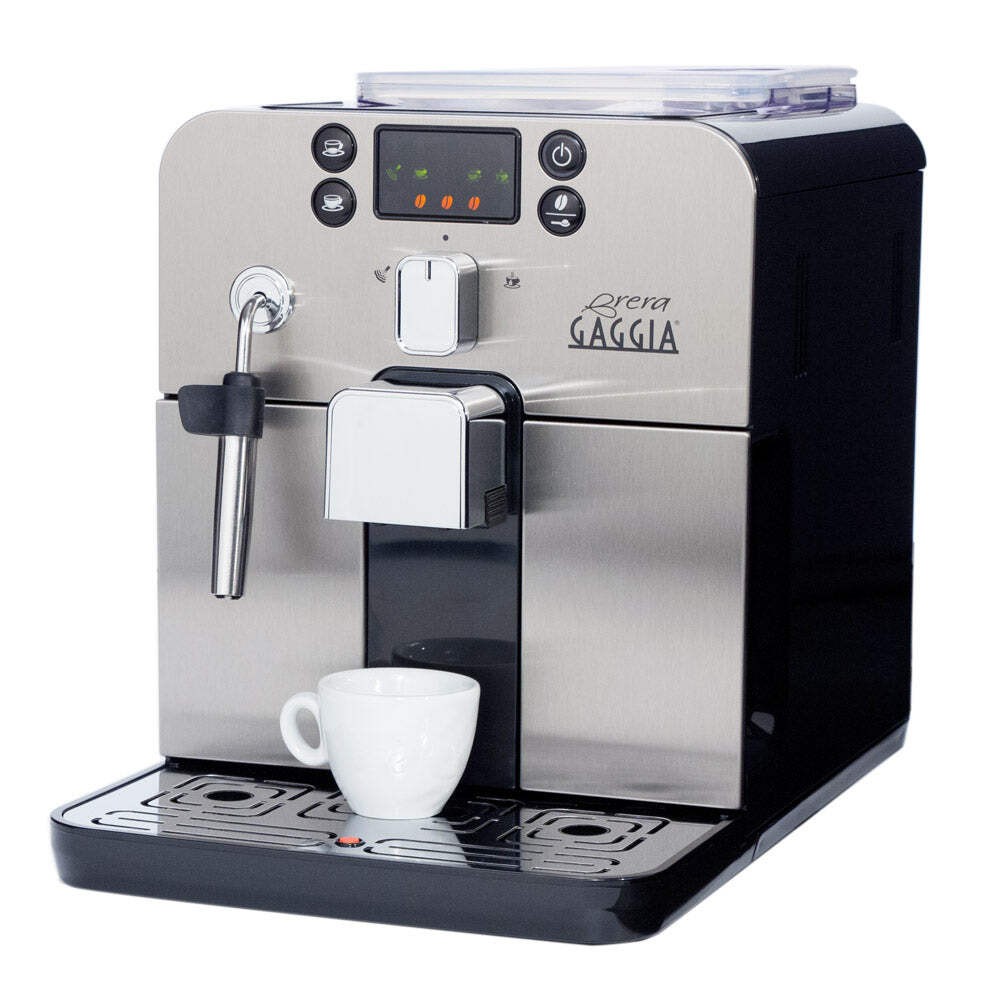
Photos from current listings. Actual item, color, and included accessories may vary.
Super Automatic Espresso Machine Buying Guide
A super automatic espresso machine integrates the grinder, dosing, tamping, and brewing into one push-button unit, trading manual control for repeatable convenience. The core trade-off is burr quality and brew-group architecture versus milk-system complexity and cleaning burden: conical steel burrs and a removable, serviceable brew group define durable machines, while plastic burr sets and sealed brew paths signal compromise. The decision rule: prioritize a ceramic or hardened-steel conical burr grinder and a user-removable brew group; treat automatic milk frothing as an optional module that adds daily cleaning work.
Median $392.50 · New & pre-owned listings
Key takeaways
- Burr material separates tiers: hardened steel or ceramic conical burrs hold alignment and grind consistency for years, while coated or plastic burr carriers wear and drift out of calibration.
- Brew group design is the durability pivot: removable brew groups (common on De'Longhi and Philips/Saeco architectures) can be rinsed and serviced; sealed Jura-style groups require professional descaling and repair.
- Milk systems range from a manual steam wand to integrated carafes to automatic cappuccinatore modules; each added automatic milk path adds a daily rinse cycle and a weekly deep-clean requirement.
At a glance
- Category
- Coffee Makers & Espresso
- Last updated
- Nov 28, 2026
Current offers
Highlights
- Burr material separates tiers: hardened steel or ceramic conical burrs hold alignment and grind consistency for years, while coated or plastic burr carriers wear and drift out of calibration.
- Brew group design is the durability pivot: removable brew groups (common on De'Longhi and Philips/Saeco architectures) can be rinsed and serviced; sealed Jura-style groups require professional descaling and repair.
- Milk systems range from a manual steam wand to integrated carafes to automatic cappuccinatore modules; each added automatic milk path adds a daily rinse cycle and a weekly deep-clean requirement.
- Pump and boiler configuration drives recovery time: single thermoblock or single-boiler units need 20-45 seconds between espresso and steam, while dual-boiler or heat-exchange designs brew and steam concurrently.
Best use cases
- Best fit: a household making 2-6 milk-and-espresso drinks daily should pick a model with a removable brew group and a simple manual or one-touch milk frother — skip integrated carafes that go uncleaned.
- Best fit: a straight-espresso drinker who wants zero fuss should choose a machine with a bypass doser and adjustable grind, and skip milk-system complexity entirely.
- Wrong fit: a buyer expecting cafe-grade single-origin clarity should skip super automatics — their pressurized baskets and fixed dose favor blend consistency over nuance; pick a semi-automatic with a 58mm basket instead.
- Best fit: an office or high-volume kitchen (10+ drinks daily) needs a dual-boiler or heat-exchange unit with a larger water tank and a bean hopper above 250 g to avoid constant refills.
Buying tips
- Match burr type first: conical steel or ceramic burrs grind more consistently and last longer than flat steel or coated burrs at the same tier; grind adjustment should be stepless or multi-step with a visible dial.
- Size the water tank to daily volume: 1.5-1.8 L suits 2-4 drinks; 2.5 L or more is needed for 6+ daily drinks to avoid mid-session refills.
- Check the brew group is user-removable and rinseable under a tap — this single feature determines whether descaling and cleaning are 5-minute tasks or service-center visits.
- Prefer a machine with a bypass doser if you occasionally use pre-ground decaf; without one, you must empty the hopper to switch beans.
Specs
| Burr Type | Conical steel/ceramic vs flat/coated |
|---|---|
| Brew Group | Removable rinseable vs sealed service-only |
| Milk System | Steam wand / carafe / one-touch module |
| Boiler Config | Single thermoblock vs dual/heat-exchange |
Related searches
What to check before buying
- Measure your counter depth and height clearance: most super automatics are 33-38 cm wide and 40-45 cm tall; confirm the bean hopper lid and water tank can be accessed under upper cabinets.
- Confirm your electrical circuit: 120V/15A for North American models, 220-240V for EU/UK; check that the plug type matches your outlet and that the machine is not on a shared high-draw circuit.
- Verify water hardness: if your supply exceeds 15 dH (or 250 mg/L CaCO3), budget for a descaling schedule or use an inline filter; hard water scales thermoblocks and brew groups faster.
- Plan for companion parts: a milk pitcher (if using a steam wand), replacement water filters, and descaling solution are recurring consumables; confirm filter availability for the model before buying.
FAQ
Data sources: eBay / Amazon listings and product attribute feeds. Updated Nov 28, 2026.
Some links on this page are affiliate links. If you buy after clicking one, we may earn a commission at no extra cost to you. This does not change which products appear here or their order. Affiliate disclosure.