
Photos from current listings. Actual item, color, and included accessories may vary.
Food Dehydrator Buying Guide
Food dehydrators remove moisture via low-temperature convection, and the core trade-off is airflow consistency versus tray capacity: cheap vertical-flow units dry unevenly and demand tray rotation, while horizontal-flow or convection designs with a rear/side fan deliver uniform results without babysitting. The decision rule is simple: choose horizontal airflow and adjustable thermostatic control for jerky and raw foods; accept vertical flow only if you will rotate trays and stay under moderate loads.
Median $223.67 · New listings
Key takeaways
- Airflow architecture is the primary performance differentiator: horizontal rear-fan designs dry evenly across all trays; vertical base-fan designs require top-to-bottom tray rotation to avoid over-drying bottom trays.
- Wattage governs recovery speed under load: 600-700W units hold temperature when fully loaded; 400W-and-under models stall and extend dry times when all trays are packed.
- Thermostat range matters for food safety: jerky requires a verified 145-165°F (63-74°C) hold; units that only offer Low/Medium/High presets without numeric temperature control are unsuitable for raw meat.
At a glance
- Category
- Food Dehydrators
- Last updated
- Nov 28, 2026
Current offers
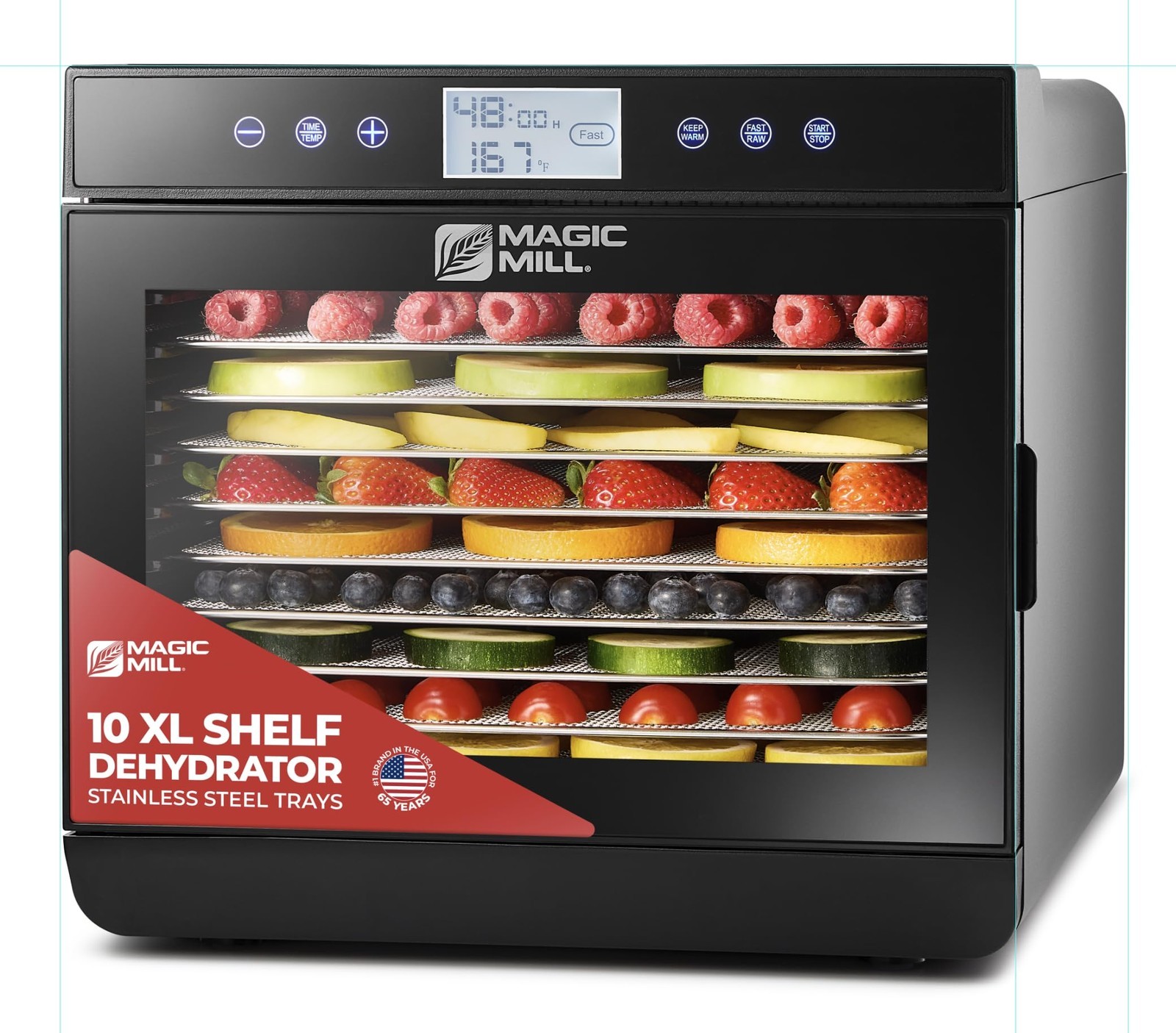 Magic Mill Food Dehydrator Machine (10 Extra-Large Stainless Steel Trays) 700W..$97.49View on eBay
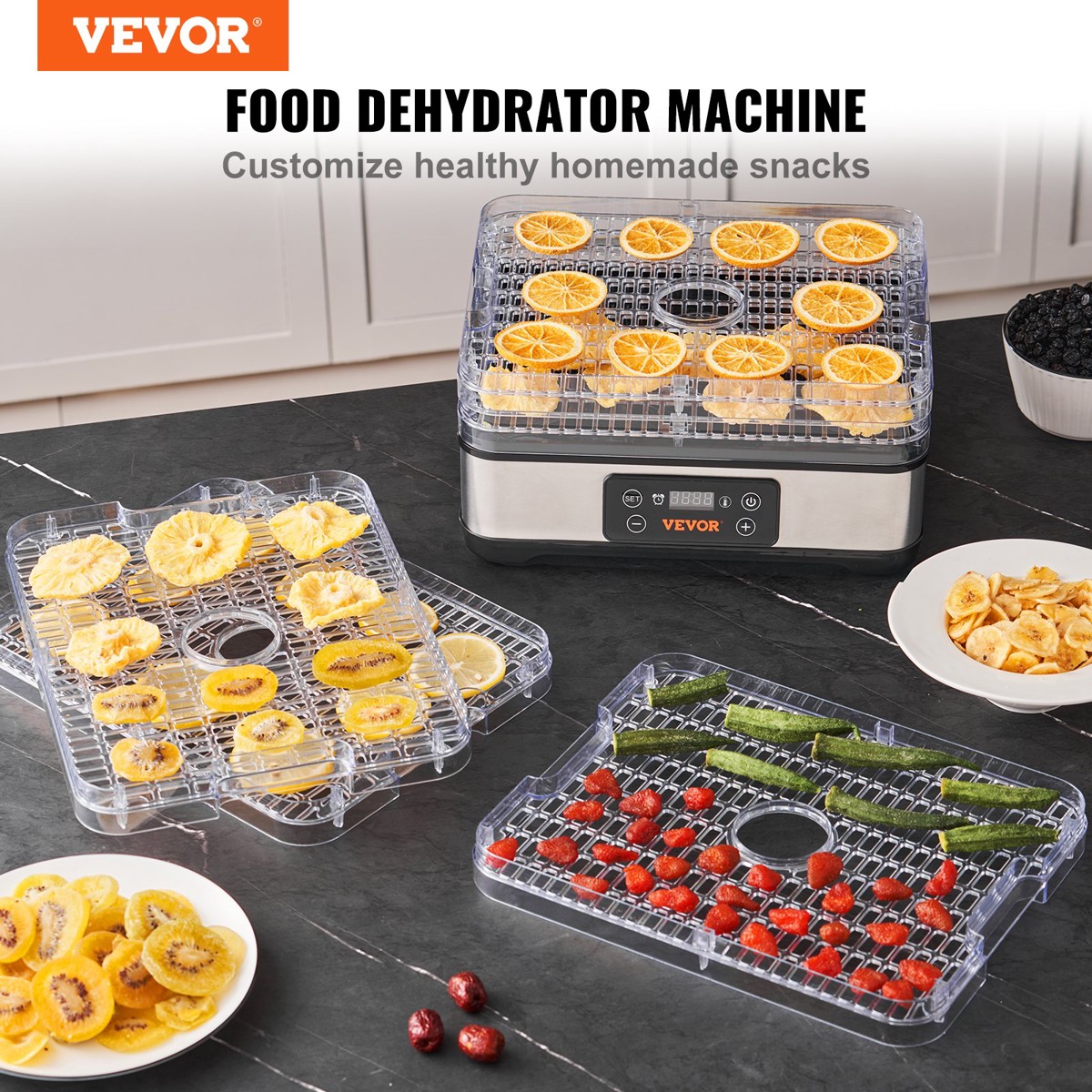 Food Dehydrator Machine, 5-Tray Fruit 300W Electric Dryer Digital Adjustable Timer & Temperature For Jerky, Herb, Meat, Beef, Dog Treats And Vegetables, ETL Listed$67.99View on Mallflare
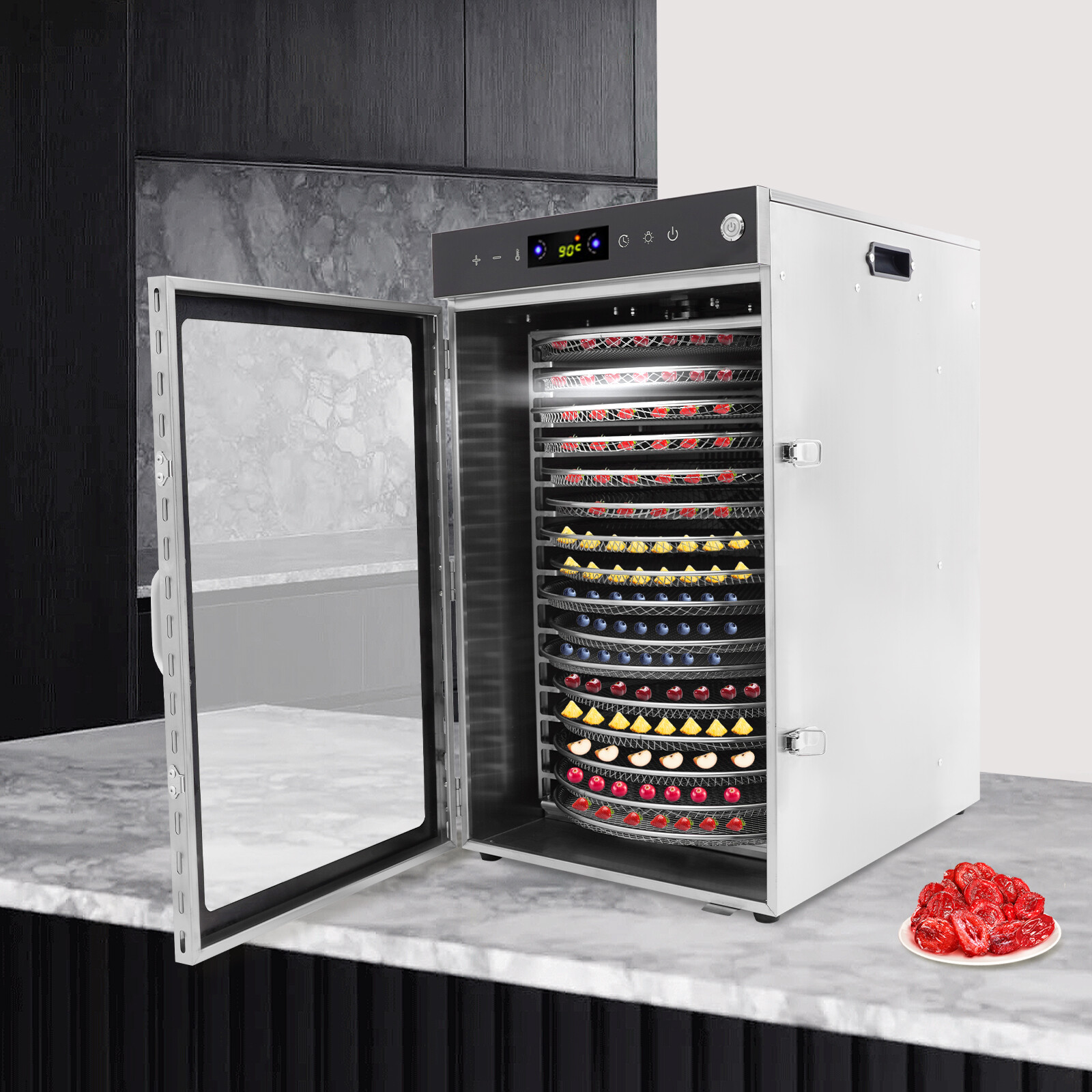 16 Tray Food Dehydrator 1600W Stainless Steel Touch Control 110V$200.29New · Last checked Nov 17, 2026View on eBay
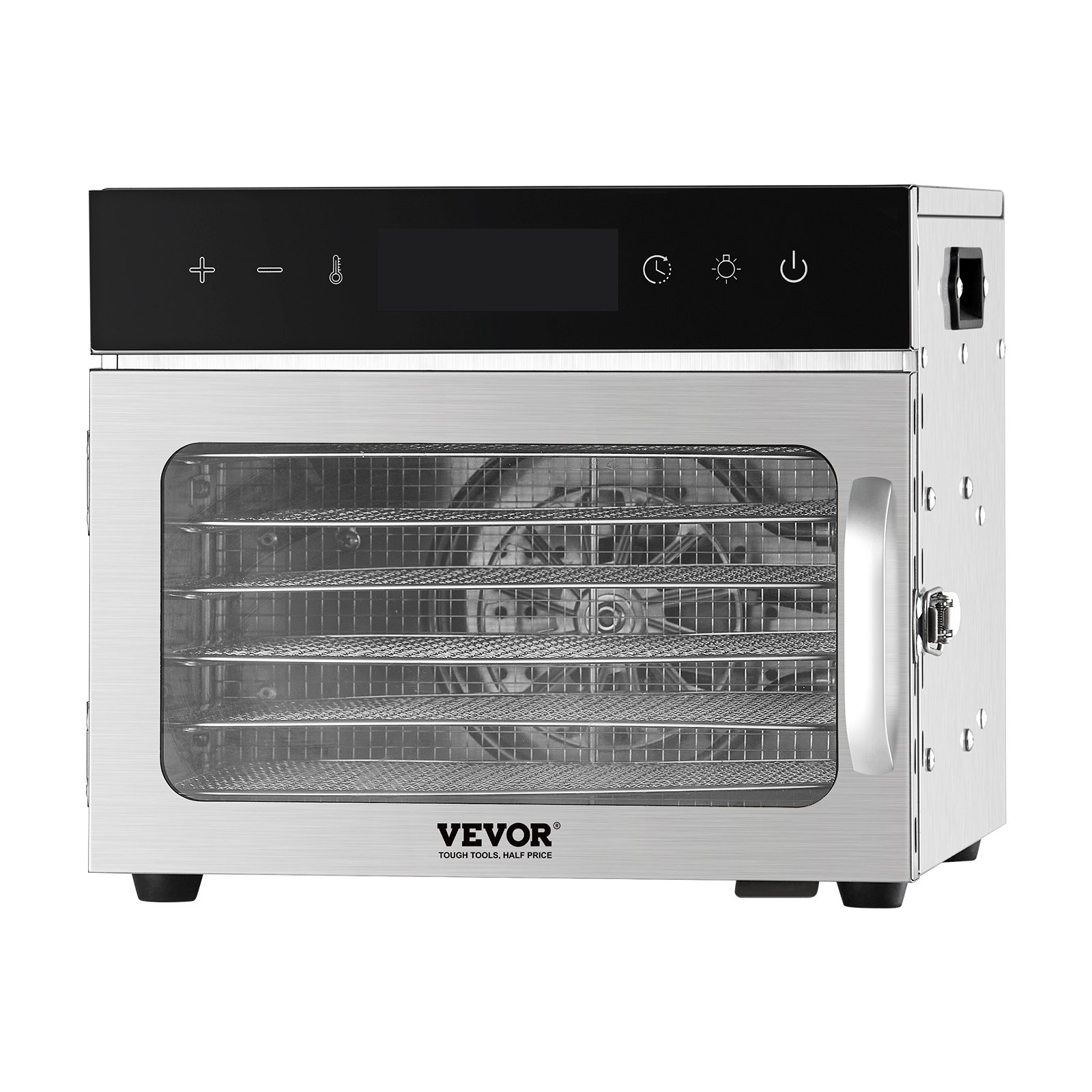 6 Trays Food Dehydrator Machine Stainless Steel 400W Jerky Meat Fruit Drying$130.99View on Mallflare
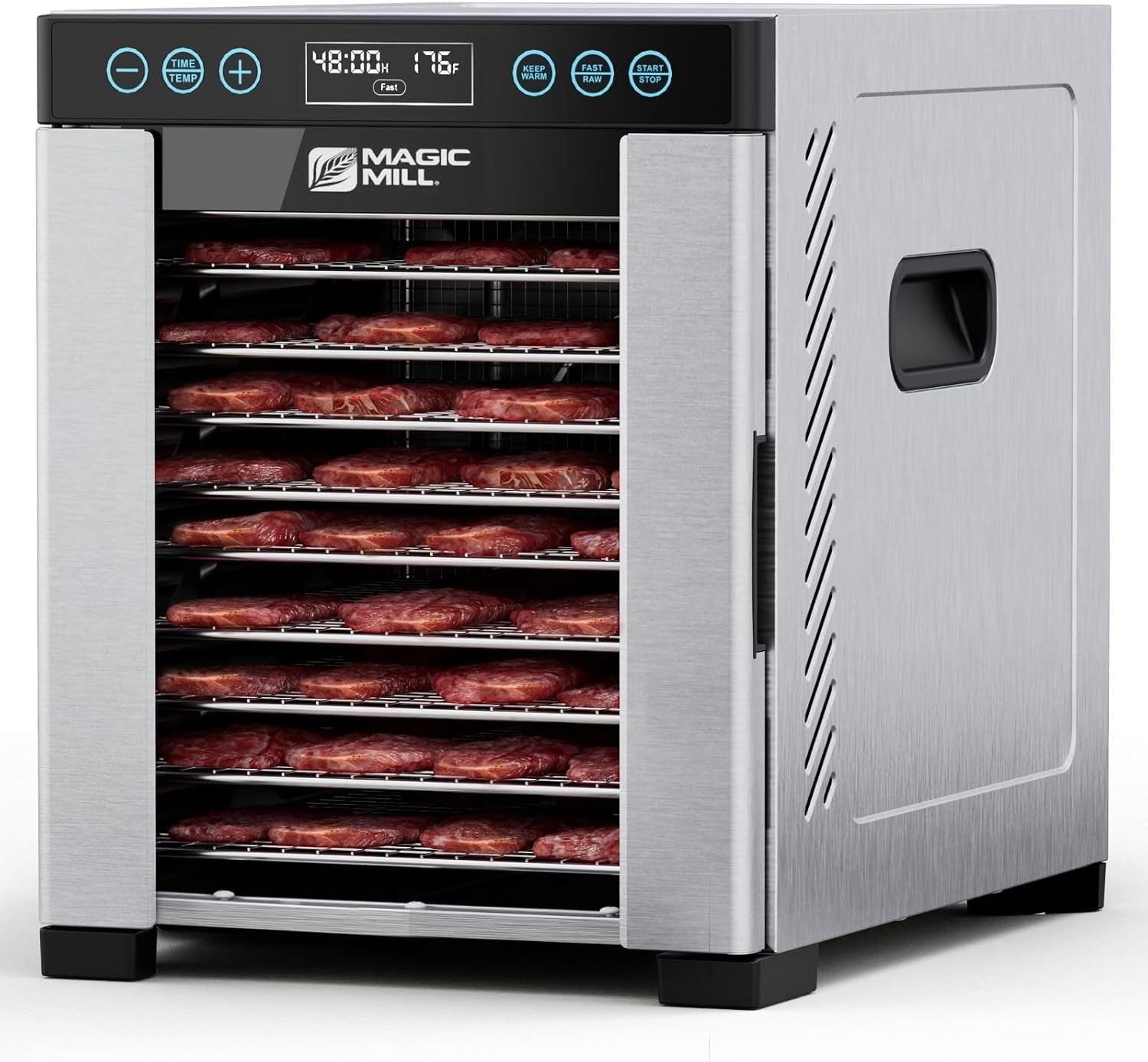 Pro Food Dehydrator Machine 10 Stainless Steel Trays Dryer Jerky Dog Treats Herb$207.99New · Last checked Nov 27, 2026View on eBay
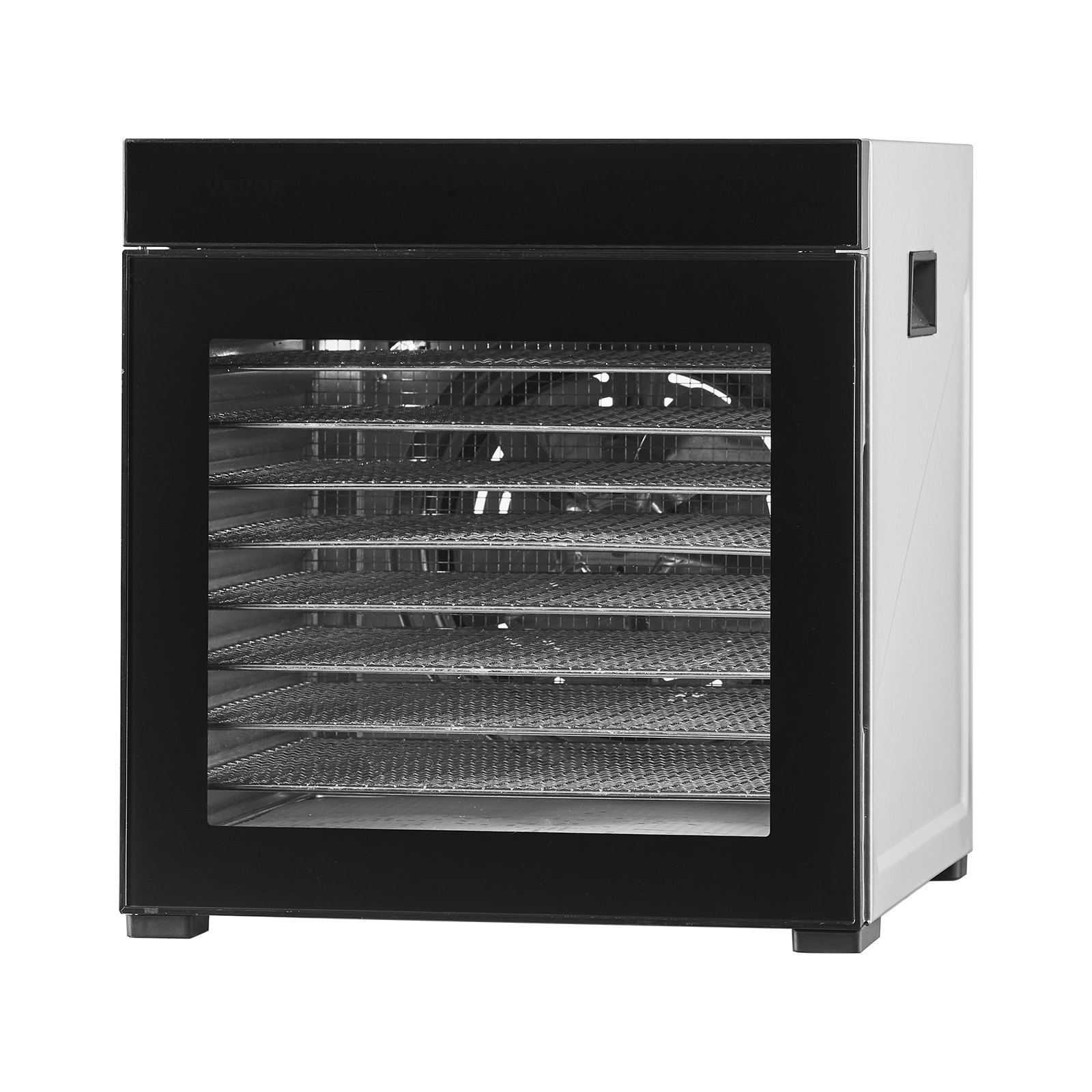 10 Trays Food Dehydrator Machine Stainless Steel 1000W Jerky Meat Fruit Drying$202.99View on Mallflare
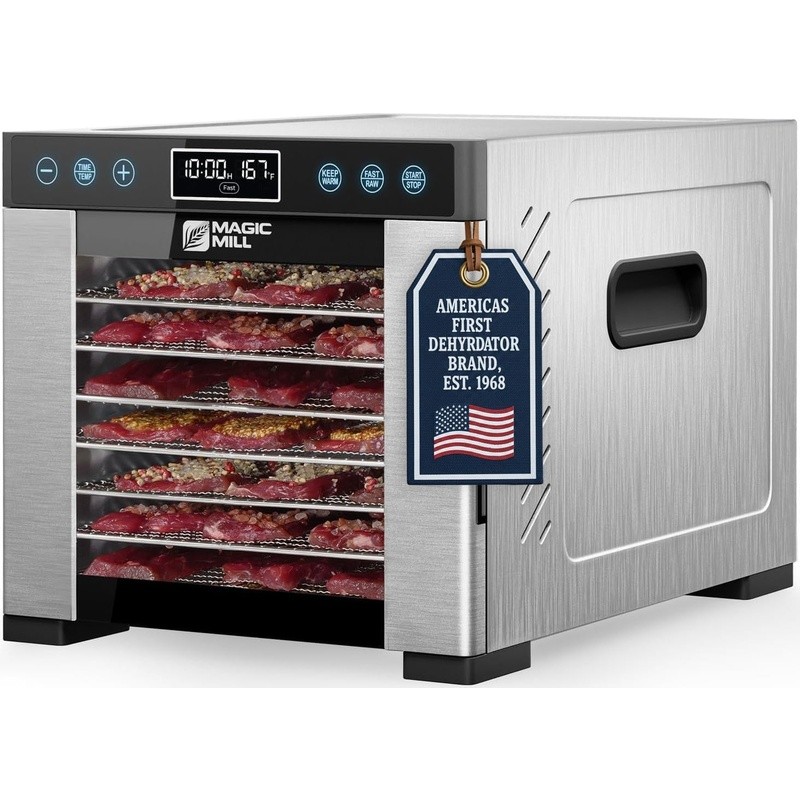 Electric Food Dehydrator W/ 10 Stainless Steel Trays Digital Timer & Thermostat$212.02New · Last checked Nov 27, 2026View on eBay
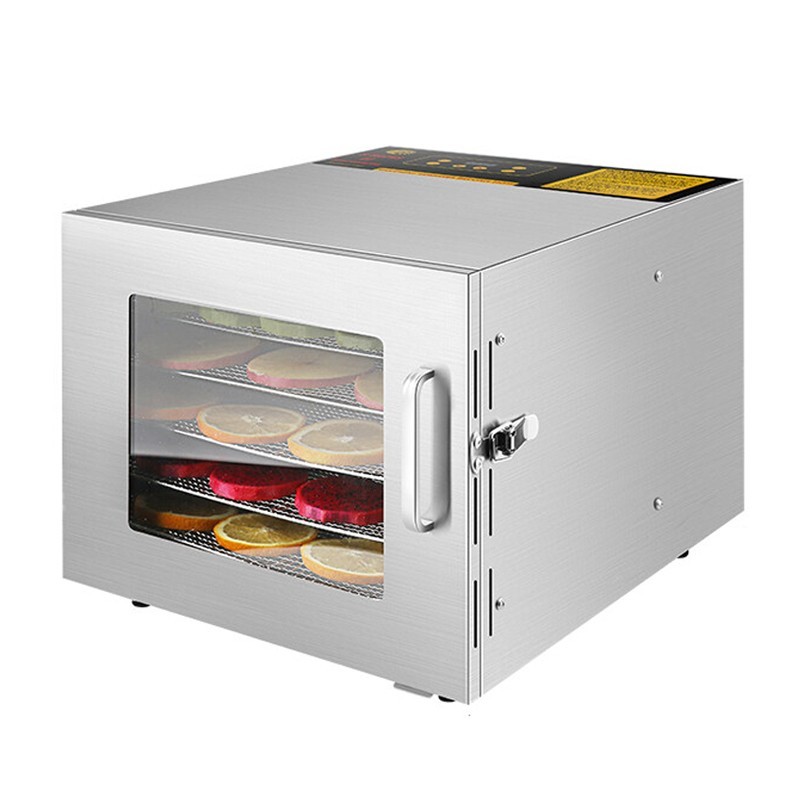 6 Trays Food Dehydrator Machine Preserver Fruits & Vegetable Dryer 600W$219.45New · Last checked Nov 27, 2026View on eBay
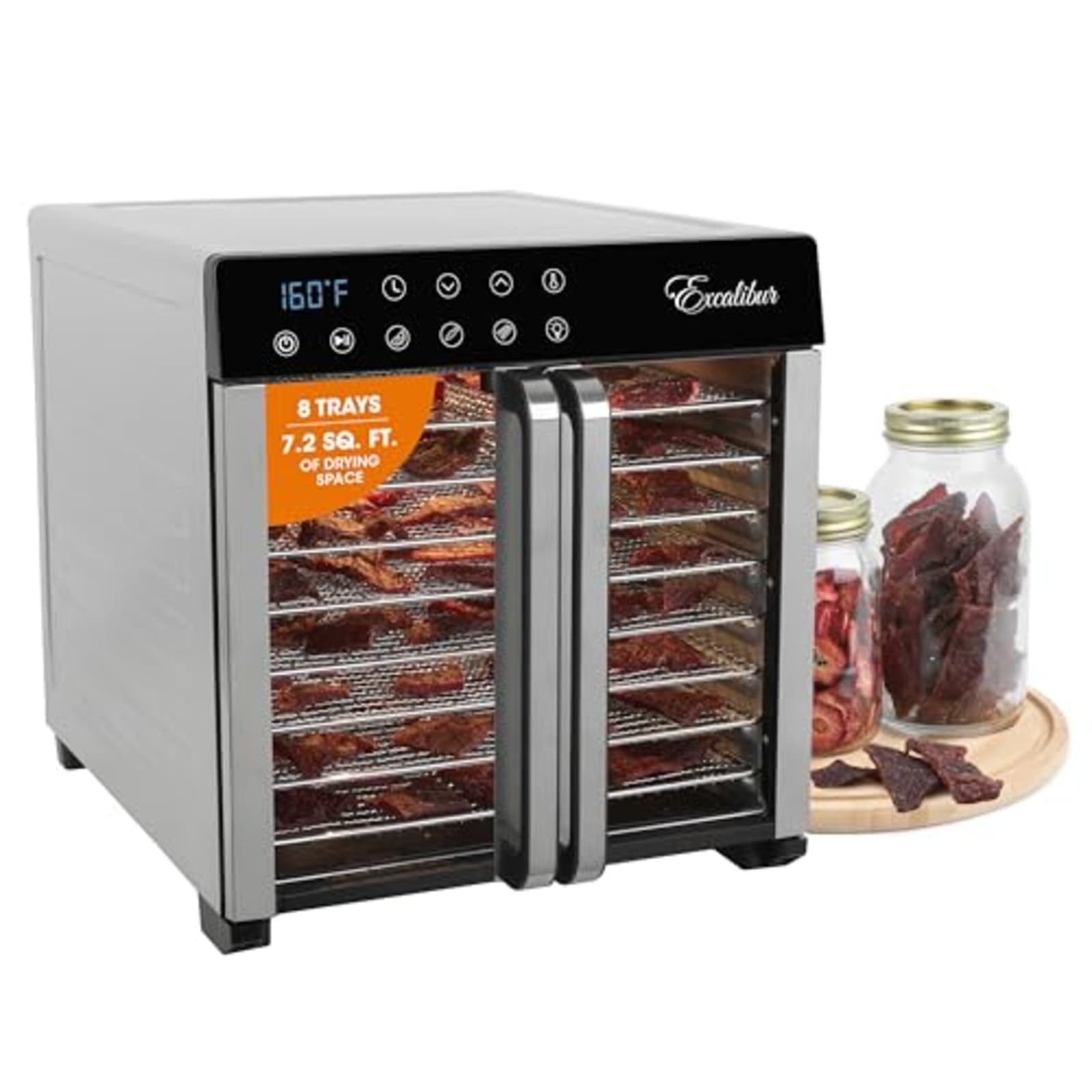 Excalibur Select Series 8-Tray Food Dehydrator Stainless Steel French Doors$227.89New · Last checked Nov 17, 2026View on eBay
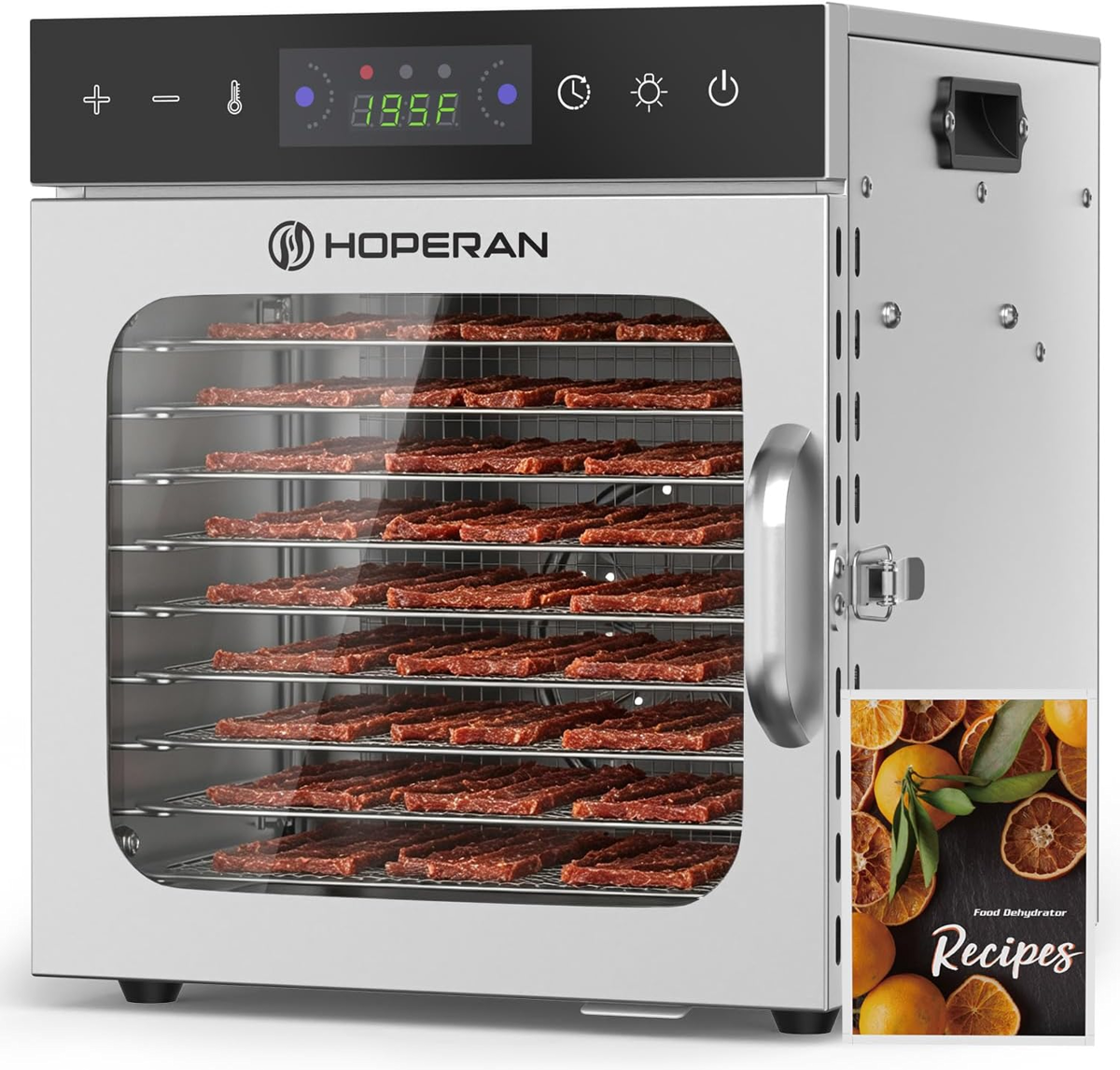 HOPERAN 10 Tray Food Dehydrator Meat Jerky Fruit Herb Dog Treat Dryer Stainless$230.95New · Last checked Nov 27, 2026View on eBay
- Pro Food Dehydrator Machine 10 Stainless Steel Trays Dryer Jerky Dog Treats Herb$239.19New · Last checked Nov 27, 2026View on eBay
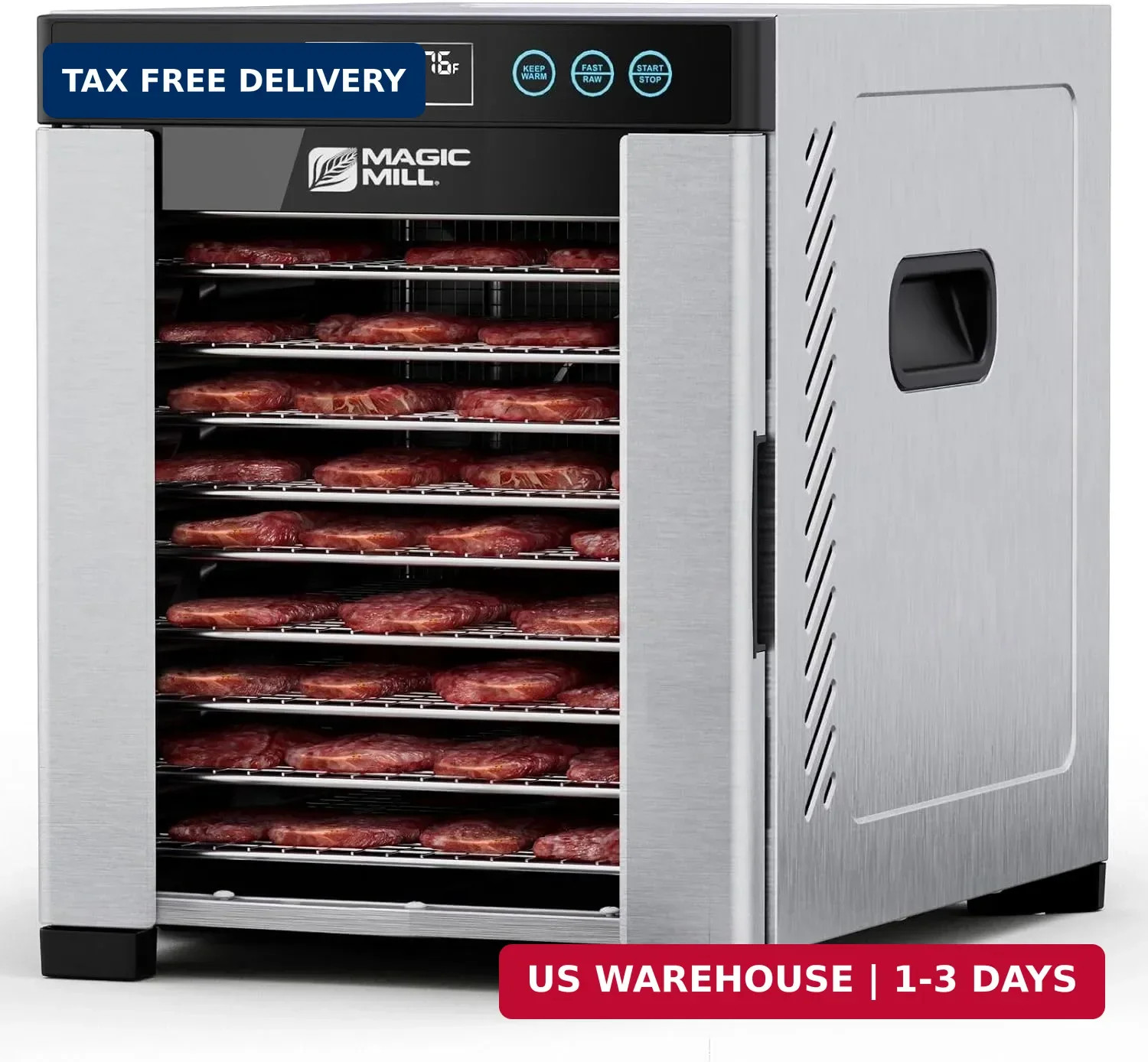 Pro Food Dehydrator Machine | 10 Stainless Steel Trays | Dryer for Jerky, Dog Tr$259.99New · Last checked Nov 27, 2026View on eBay
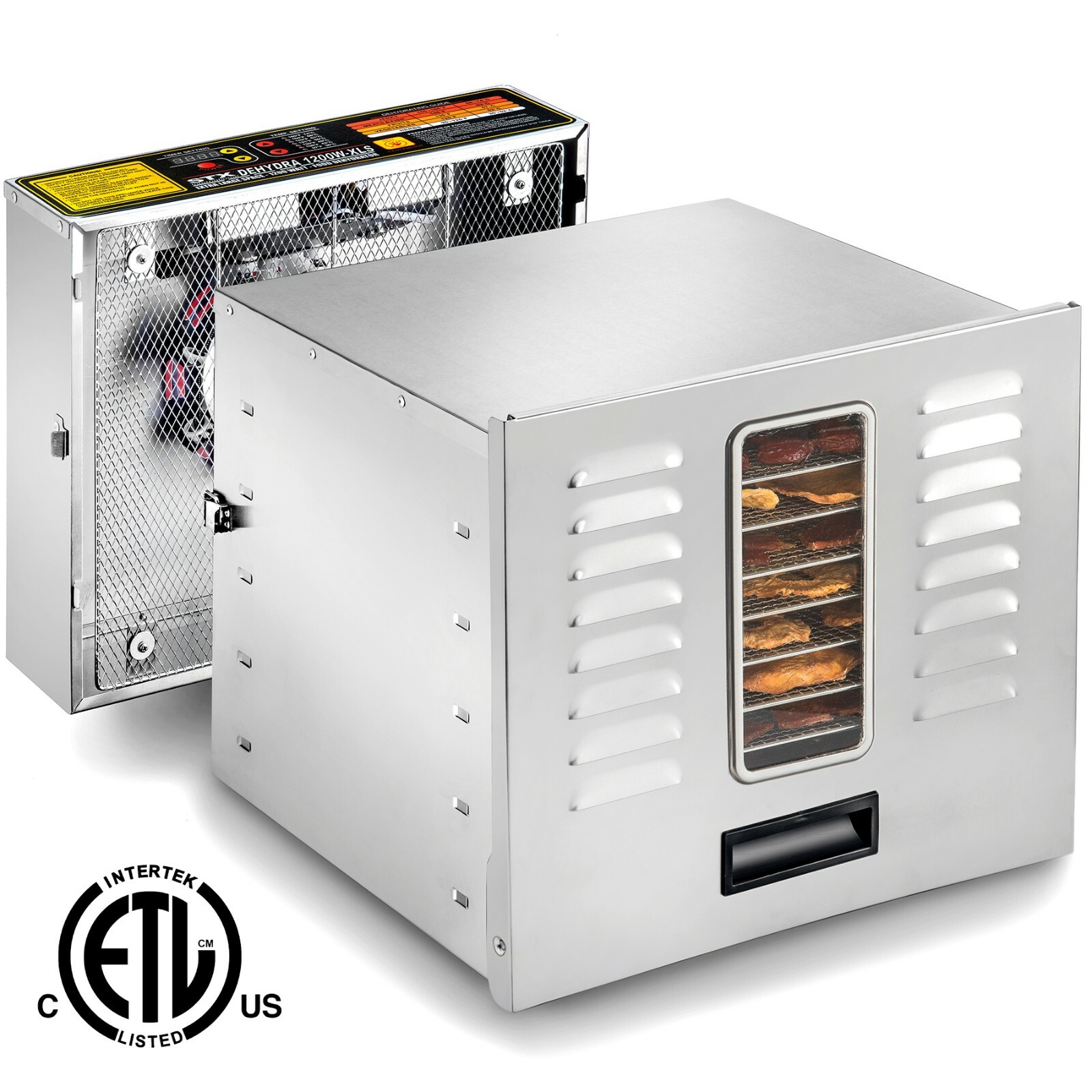 STX Dehydra 1200W-XLS 10 Tray Stainless Steel Food Dehydrator - 165°F Jerky Safe$264.80New · Last checked Nov 17, 2026View on eBay
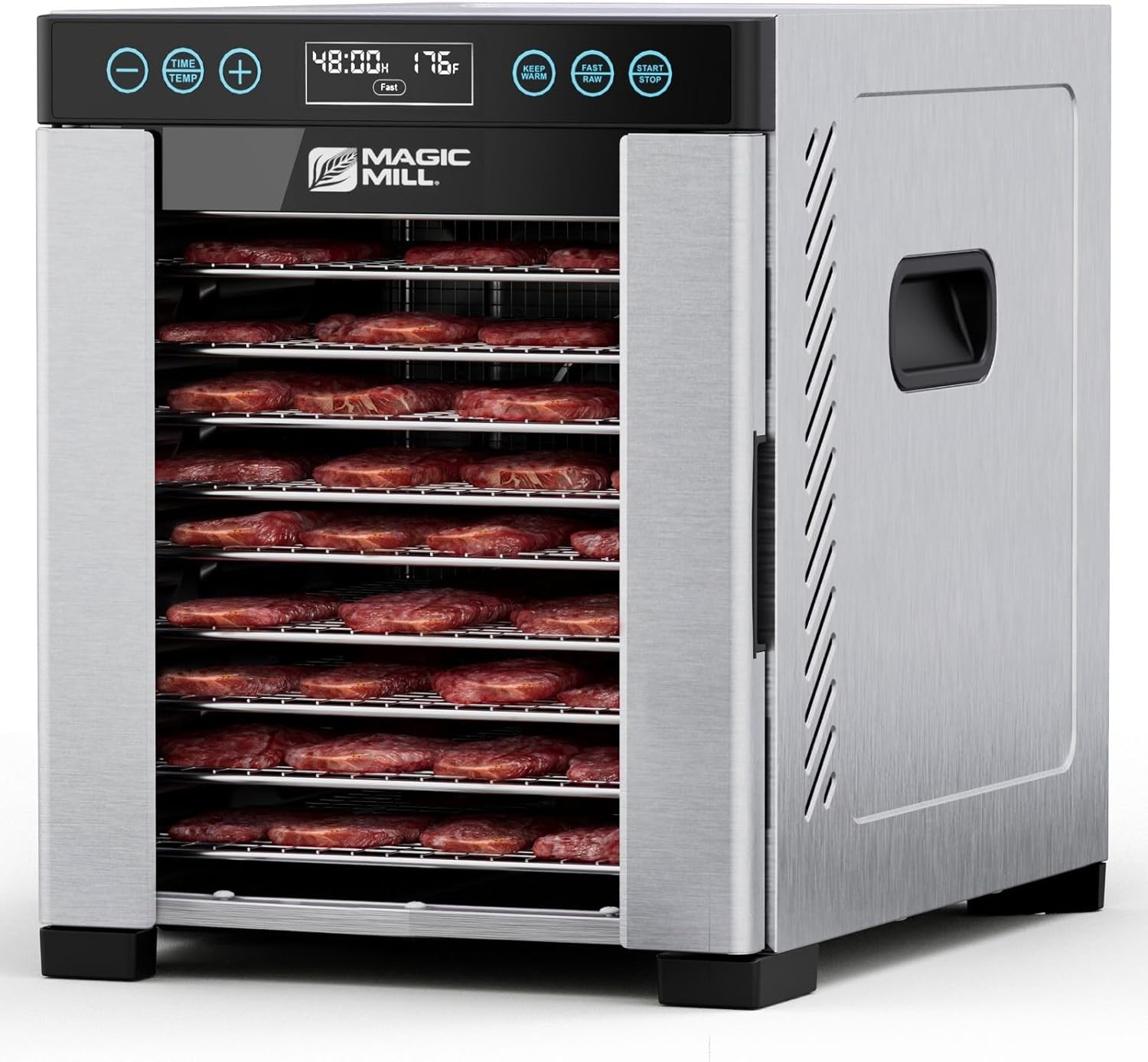 Pro Food Dehydrator Machine 10 Stainless Steel Trays Dryer Jerky Dog Treats Herb$282.70New · Last checked Nov 27, 2026View on eBay
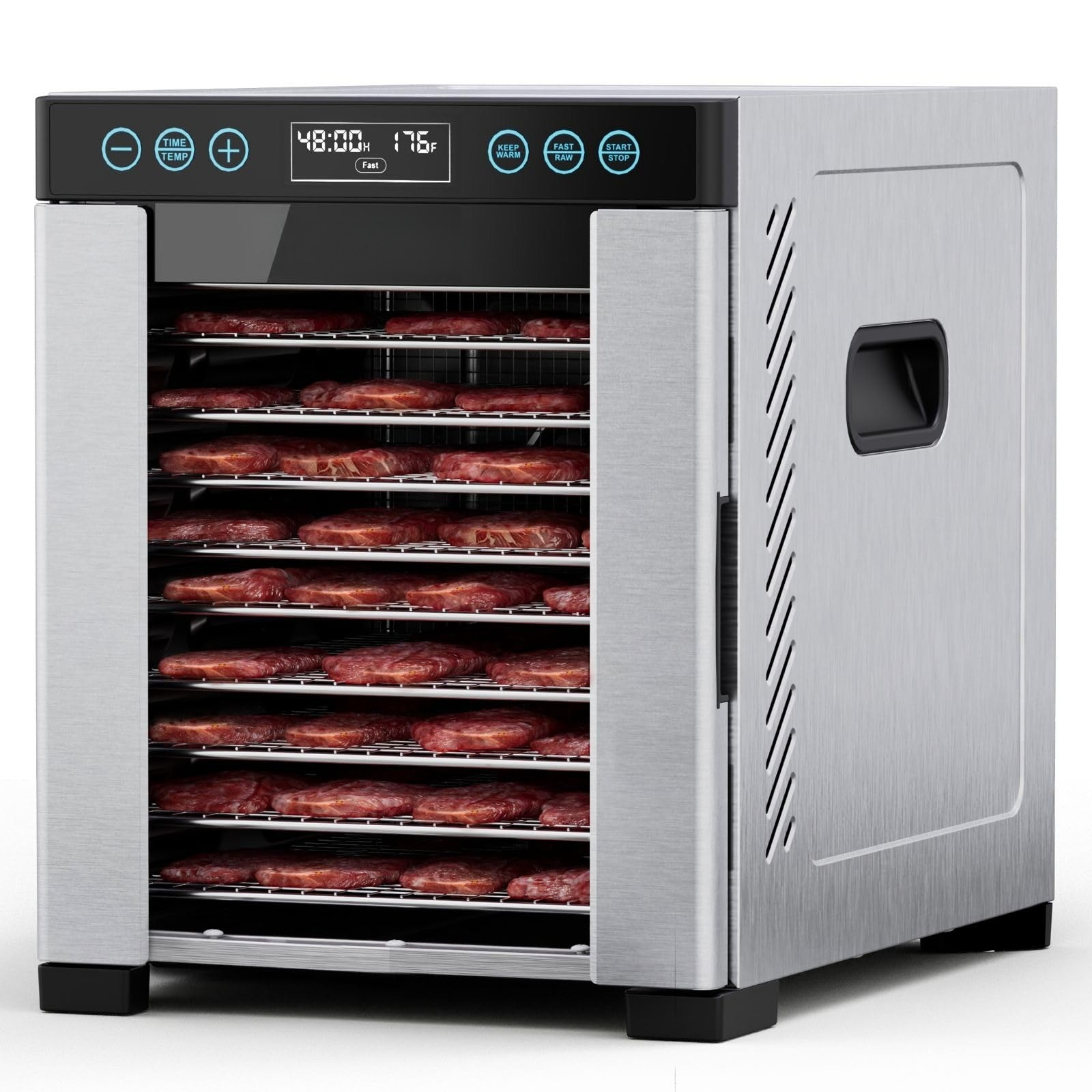 10 Tray Food Dehydrator,Digital Timer Temp Control Keep Warm ETL Approved$283.32New · Last checked Nov 27, 2026View on eBay
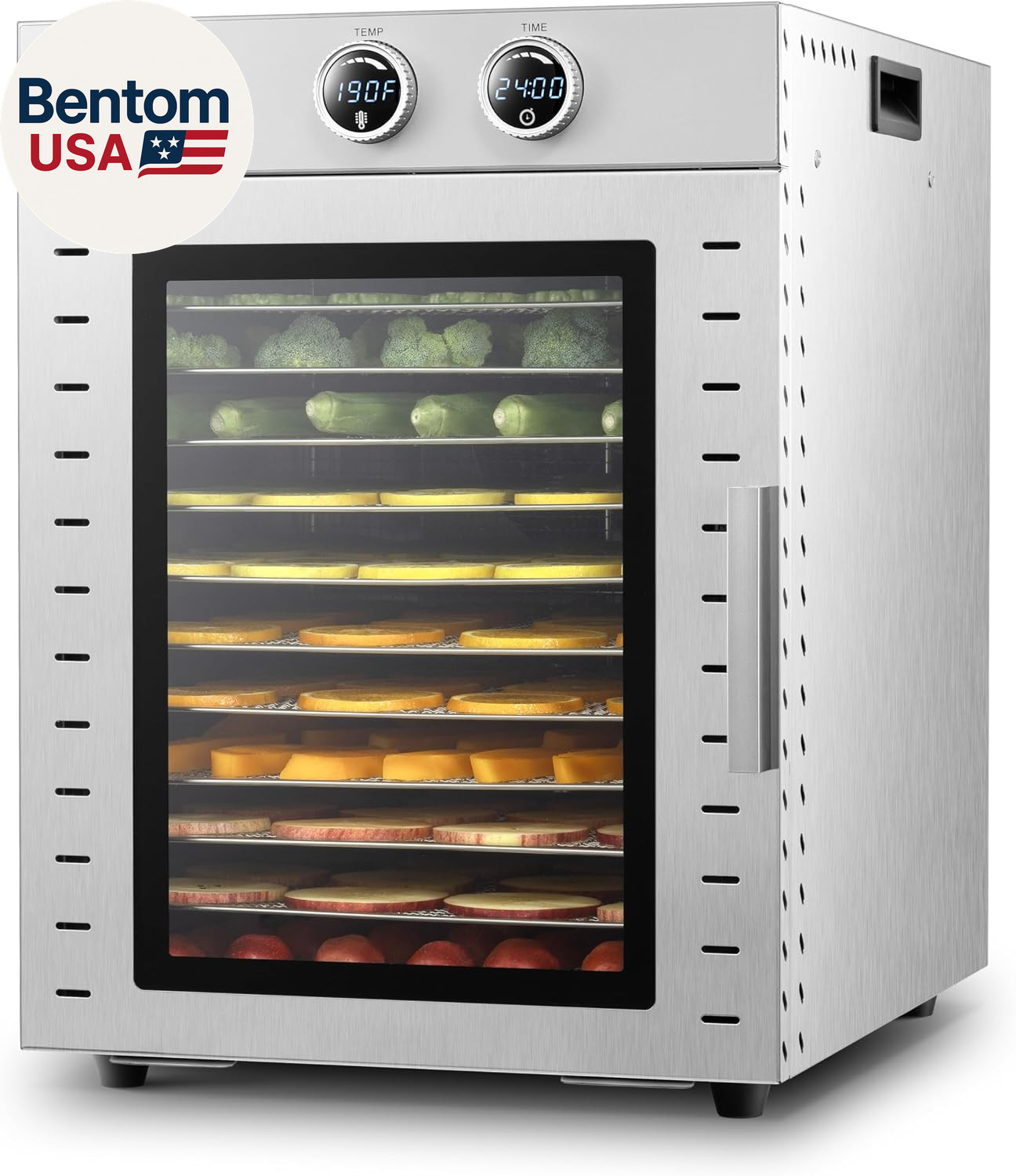 Food Dehydrators Machine with 12 Stainless Steel Trays with Timer Setting Temper$310.11New · Last checked Nov 17, 2026View on eBay
Highlights
- Airflow architecture is the primary performance differentiator: horizontal rear-fan designs dry evenly across all trays; vertical base-fan designs require top-to-bottom tray rotation to avoid over-drying bottom trays.
- Wattage governs recovery speed under load: 600-700W units hold temperature when fully loaded; 400W-and-under models stall and extend dry times when all trays are packed.
- Thermostat range matters for food safety: jerky requires a verified 145-165°F (63-74°C) hold; units that only offer Low/Medium/High presets without numeric temperature control are unsuitable for raw meat.
- Tray material and count define capacity and cleaning: stainless steel trays resist staining and odors from jerky marinades; 10-tray expandable units suit bulk batches, while 4-6 tray stacks fit small kitchens.
Best use cases
- Beef jerky in bulk: pick a horizontal-flow unit with numeric thermostat up to 165°F and at least 6 stainless trays — skip preset-only vertical units, which produce uneven, case-hardened jerky.
- Small-batch home use (herbs, fruit leather, single-family snacks): a 4-6 tray vertical unit with 400-500W is sufficient — skip 10-tray bulk machines that waste counter space and energy on small loads.
- Large family or hunter/preserver volume: choose a 10-tray, 600-700W stainless unit with horizontal airflow and a timer — skip mini 2-3 tray units, which require multiple reloads per batch.
Buying tips
- Size trays to your batch: 1 lb of raw beef yields roughly 4 oz jerky; a 10-tray unit holds 10-15 lb raw meat per run, a 5-tray unit 4-6 lb.
- Demand a numeric thermostat (95-165°F) with a timer; dial or digital both work, but preset-only switches cannot hold the 145-165°F jerky safety window.
- Prefer stainless steel trays and housing over plastic: hot marinades and acidic fruits stain and pit plastic; stainless also cleans without absorbing smoke or spice odors.
- Match wattage to tray count: 600-700W for 8-10 trays, 400-500W for 4-6 trays; underpowered units with many trays dry slowly and unevenly.
Specs
| Airflow | Horizontal rear-fan vs vertical base-fan |
|---|---|
| Wattage | 400-700W (600W+ for 10 trays) |
| Thermostat Range | 95-165°F numeric; presets not for jerky |
| Tray Material | Stainless steel vs plastic/mesh |
Related searches
What to check before buying
- Measure your counter depth and clearance: 10-tray units typically run 13-17 inches wide and 16-19 inches tall — confirm it fits under upper cabinets before buying.
- Confirm your electrical circuit: 700W draws about 6A at 120V, safe on standard 15A kitchen circuits, but avoid sharing a circuit with high-draw appliances.
- Check tray spacing and mesh size: 1-inch or tighter spacing prevents small items like herbs from falling through; fine-mesh inserts are required for fruit leather.
- Verify the unit includes a drip tray or catch pan; dehydrating meat without one allows grease to reach the heating element and fan.
FAQ
Data sources: eBay / Amazon listings and product attribute feeds. Updated Nov 28, 2026.
Some links on this page are affiliate links. If you buy after clicking one, we may earn a commission at no extra cost to you. This does not change which products appear here or their order. Affiliate disclosure.