
Photos from current listings. Actual item, color, and included accessories may vary.
2 Burner Induction Cooktop Portable Buying Guide
A 2-burner portable induction cooktop is a compact, plug-in ceramic-glass appliance that uses electromagnetic coils to heat induction-compatible cookware directly, bypassing the thermal lag of traditional electric coils. The core trade-off is between low-wattage 110V units that run on standard household circuits and high-output 220V models that require dedicated wiring but deliver restaurant-grade power. The decision rule: buy a 110V countertop model for RVs, dorms, and auxiliary cooking; buy a 220V built-in or high-output portable only if you have a dedicated circuit and demand rapid boiling and searing.
Median $152.99
Key takeaways
- 110V models typically max at 1800W total (often 1300W + 800W split across burners), while 220V units deliver 3000W+ per burner for faster heat-up and true high-heat searing.
- Ceramic glass (vitroceramic) cooktops resist thermal shock to ~700°C but require induction-compatible cookware with a magnetic base; aluminum, copper, and most glass pots will not work.
- Control type matters for durability: mechanical knobs resist spilled-liquid ingress and are field-replaceable, while membrane touch panels are sealed but prone to flex-crack and are not user-serviceable.
At a glance
- Category
- Home Ranges, Ovens & Cooktops
- Last updated
- Nov 28, 2026
Current offers
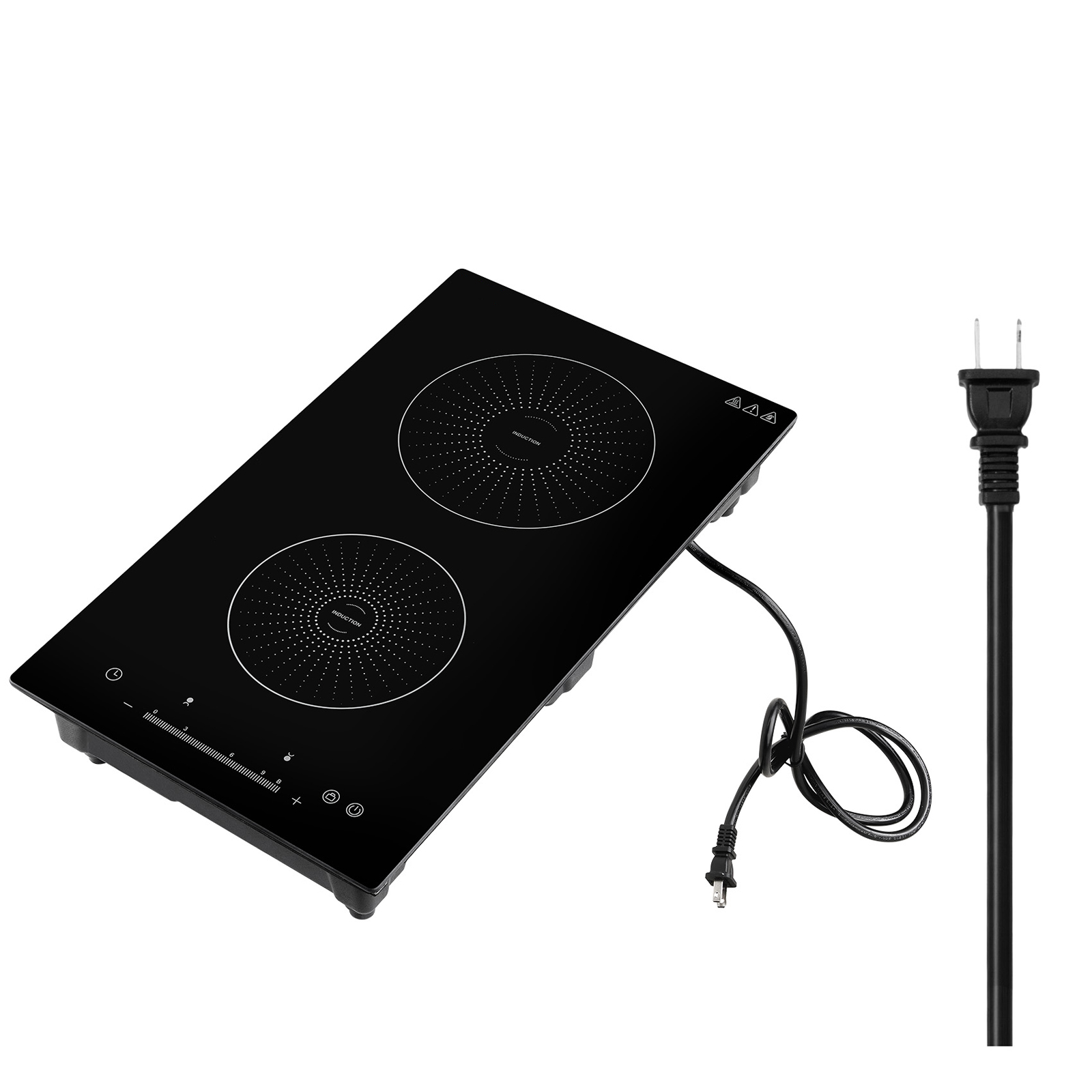 Induction Cooktop 12in 2 Burners Built-in Electric Stove 110V 1800W, Low-Power Continuous Heating, Countertop Burner, 9 Power Levels, LED Touch Screen, Ceramic Glass, And Child Lock$119.99View on Mallflare
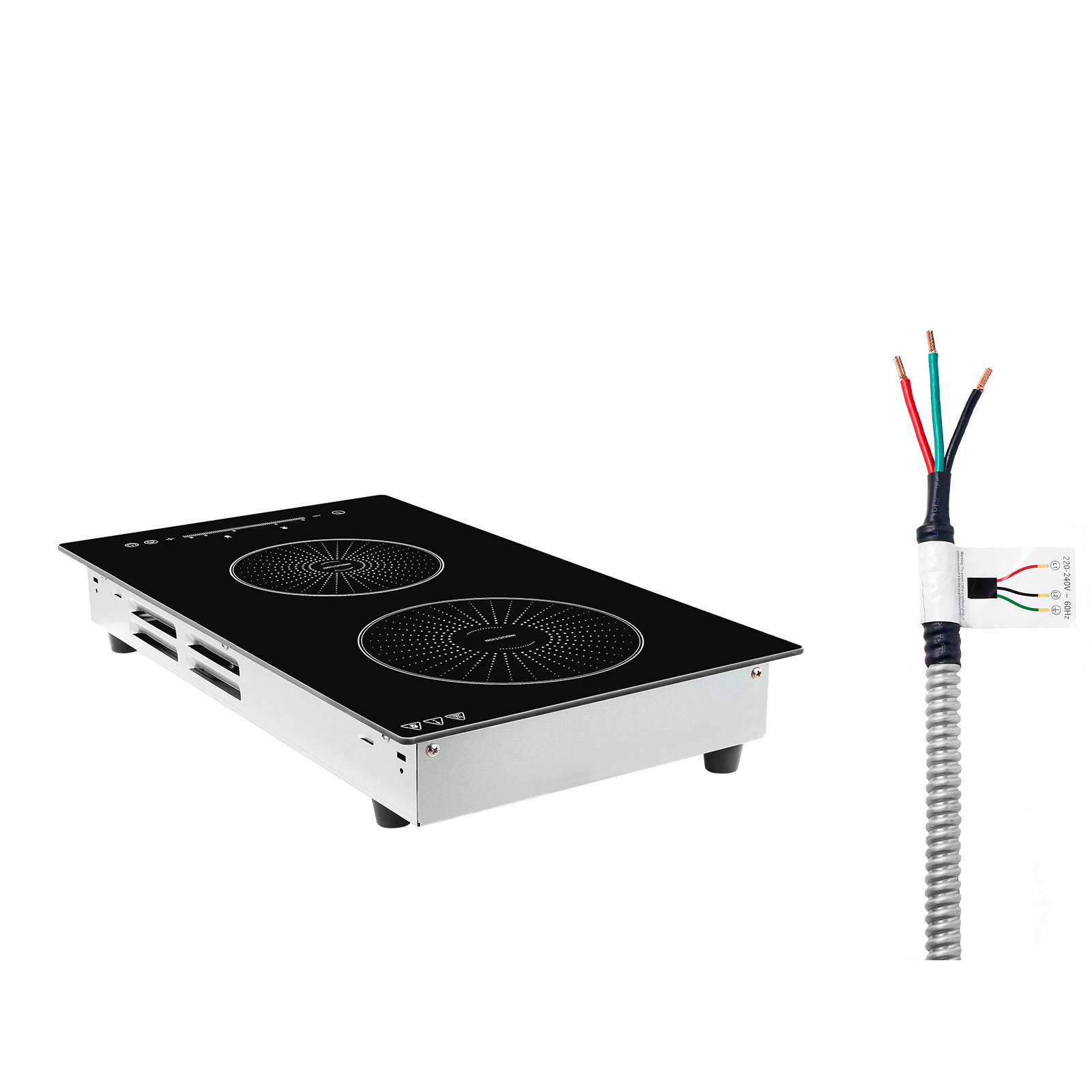 Induction Cooktop 12in 2 Burners Built-in Electric Stove 220V 3500W, Low-Power Continuous Heating, Burner For Kitchen, 9 Power Levels, LED Touch Screen, Ceramic Glass, And Child Lock$151.99View on Mallflare
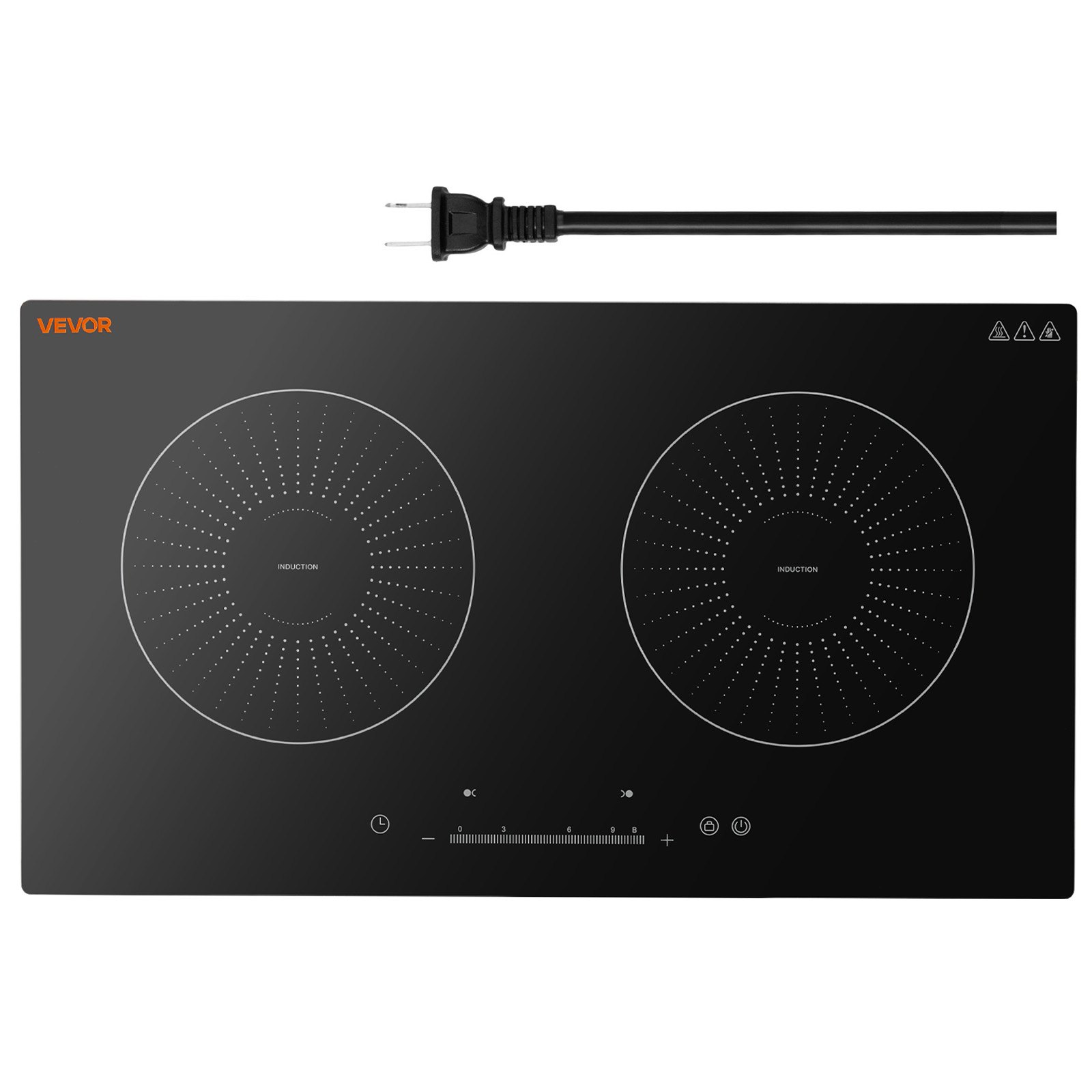 Induction Cooktop 24inch 2 Burners Built-in Electric Stove 110V 1800W, Low-Power Continuous Heating, Burner, with 9 Power Levels, LED Touch Screen, and Child Lock, for Kitchen, RV$153.99View on Mallflare
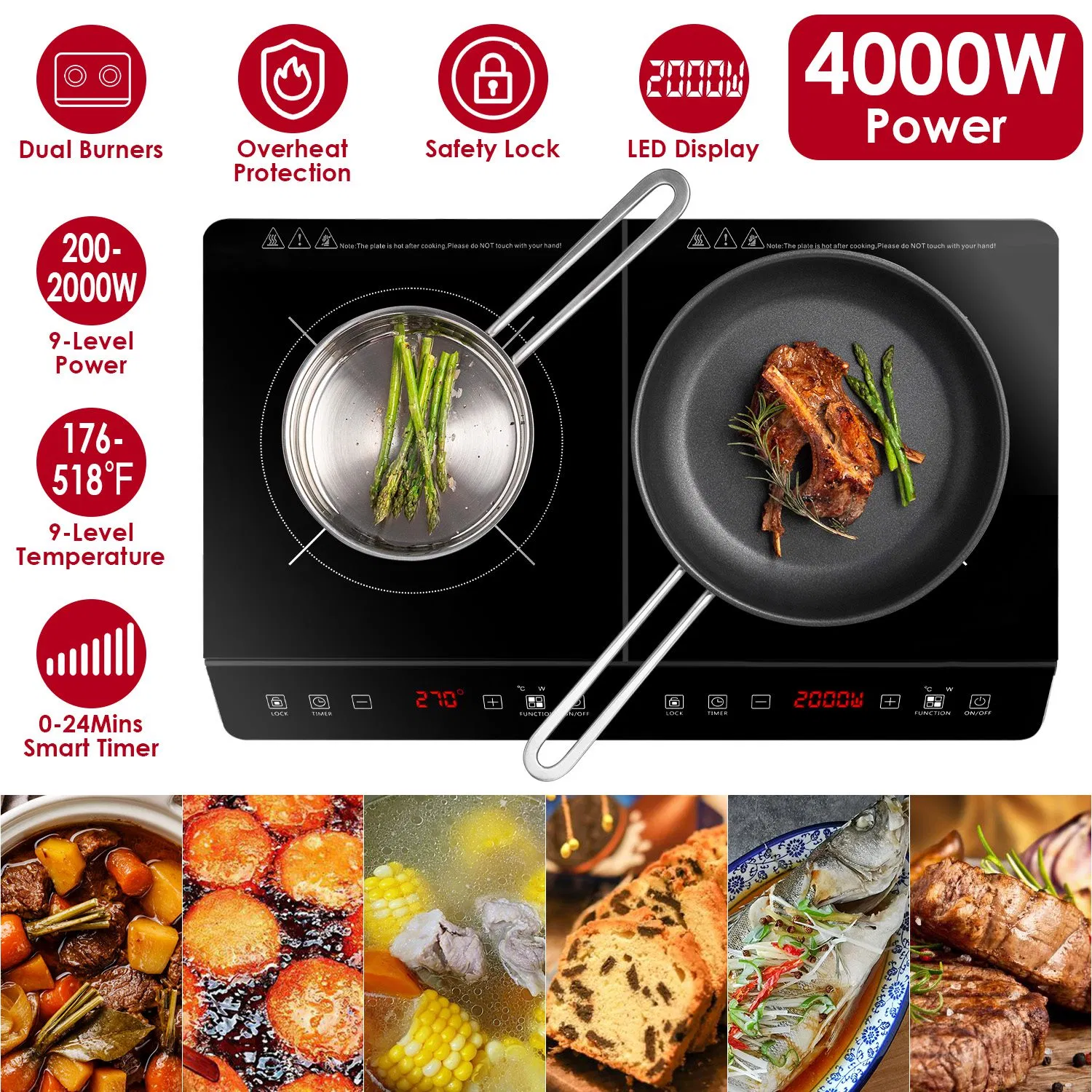 Double Induction Cooktop, Portable Dual Countertop Burner with Sensor Touch, 4000W 2 Electric Cooker 9 Temp & Power Levels, 3-Hour Timer,Safety Lock$171.99View on Mallflare
Highlights
- 110V models typically max at 1800W total (often 1300W + 800W split across burners), while 220V units deliver 3000W+ per burner for faster heat-up and true high-heat searing.
- Ceramic glass (vitroceramic) cooktops resist thermal shock to ~700°C but require induction-compatible cookware with a magnetic base; aluminum, copper, and most glass pots will not work.
- Control type matters for durability: mechanical knobs resist spilled-liquid ingress and are field-replaceable, while membrane touch panels are sealed but prone to flex-crack and are not user-serviceable.
- Built-in vs countertop is a mounting decision: built-in models need a cutout with minimum 2-inch rear clearance and 4-inch side clearance for airflow, whereas countertop units need only a level, heat-resistant surface.
Best use cases
- Best fit: RV, camper, or boat galley — pick a 110V 1800W countertop model with a child lock and low-power continuous simmer (below 1000W) to avoid tripping shore-power breakers.
- Best fit: apartment or dorm kitchenette with limited counter space — choose a 12-inch 2-burner 110V touch-control unit that fits under a standard upper cabinet and stores upright.
- Wrong fit: high-volume wok cooking or canning — skip 110V portables entirely; they cannot sustain rolling boils for large stockpots, so step up to a 220V built-in 2-burner or a full range.
- Wrong fit: households with aluminum or copper cookware sets — induction requires ferromagnetic bases; either replace cookware or choose a traditional radiant electric or gas cooktop instead.
Buying tips
- Match total wattage to your circuit: a 1800W 110V unit draws ~16A, so it needs a 20A dedicated outlet; plugging into a shared 15A kitchen circuit will trip the breaker under simultaneous burner use.
- Measure your cutout before buying built-in: 12-inch models typically need a ~10.6 × 19.3-inch cutout, while 24-inch models need ~22 × 19.5 inches; countertop units need only 12–24 inches of flat width.
- Check pan compatibility with a magnet: if a magnet sticks firmly to the base, the pan works; if it slides off, it will not heat on induction regardless of the cooktop's power rating.
- Prioritize low-power continuous heating (often 400–800W minimum) over peak wattage if you simmer sauces or melt chocolate — many cheap units cycle on/off at low settings and scorch delicate foods.
Specs
| Voltage / Circuit | 110V 20A vs 220V dedicated |
|---|---|
| Total Wattage | 1800W (110V) / 3000W+ (220V) |
| Burner Zones | 2 zones, 6–8 in diameter |
| Cooktop Surface | Ceramic glass (vitroceramic) |
Related searches
What to check before buying
- Verify your kitchen outlet: 110V units need a 20A circuit for full 1800W output; confirm the breaker rating and whether the outlet is shared with other high-draw appliances.
- Measure your counter or cutout: countertop models need 12–24 inches of width and 2 inches of rear clearance; built-in models need an exact cutout per the manufacturer's template plus 4 inches of side clearance.
- Test your cookware with a magnet: only ferromagnetic-base pans (cast iron, magnetic stainless steel) work; budget for replacing any aluminum or copper pots.
- Check voltage standard: 110V models are for North American household/RV use; 220V models require a dedicated circuit and are not plug-and-play in standard US kitchens.
FAQ
Data sources: eBay / Amazon listings and product attribute feeds. Updated Nov 28, 2026.
Some links on this page are affiliate links. If you buy after clicking one, we may earn a commission at no extra cost to you. This does not change which products appear here or their order. Affiliate disclosure.