
Photos from current listings. Actual item, color, and included accessories may vary.
Electric Induction Cooktop Buying Guide
Electric induction cooktops use electromagnetic coils under a ceramic-glass surface to heat ferromagnetic cookware directly, delivering faster response and lower ambient heat than radiant or gas. The core trade-off is coil quality and power density versus cost: budget units often use smaller, lower-wattage coils with noisy pulsing at low settings, while premium tiers add true low-power continuous output, larger coils, and robust pan detection. Choose a built-in model matched to your voltage and cutout if you cook daily; choose a portable 110V unit only for supplementary or RV use.
Median $153.49
Key takeaways
- Coil architecture determines real performance: 1800W total across two burners means small 6–7 inch coils, while 30-inch 220V models at 7500–9200W support 8–11 inch high-power zones.
- Voltage tier is fixed: 110V units cap at roughly 1800W total for the whole cooktop, while 220V built-ins deliver 3500W+ per large burner for rapid boiling and searing.
- Low-power continuous heating (cycling below ~1200W without on/off pulsing) is a genuinedifferentiator; basic units pulse at simmer, risking scorching and noise.
At a glance
- Category
- Home Ranges, Ovens & Cooktops
- Last updated
- Nov 28, 2026
Current offers
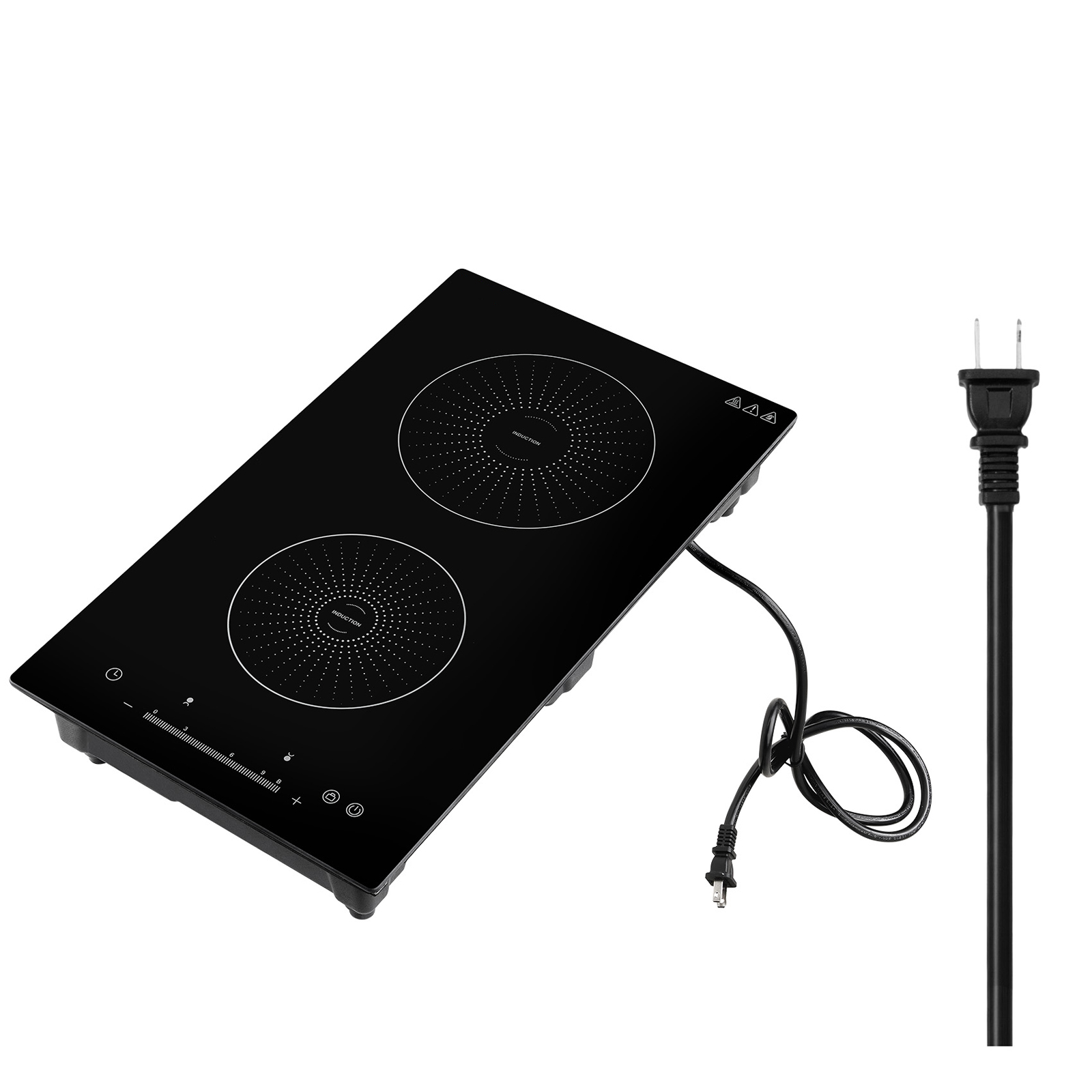 Induction Cooktop 12in 2 Burners Built-in Electric Stove 110V 1800W, Low-Power Continuous Heating, Countertop Burner, 9 Power Levels, LED Touch Screen, Ceramic Glass, And Child Lock$119.99View on Mallflare
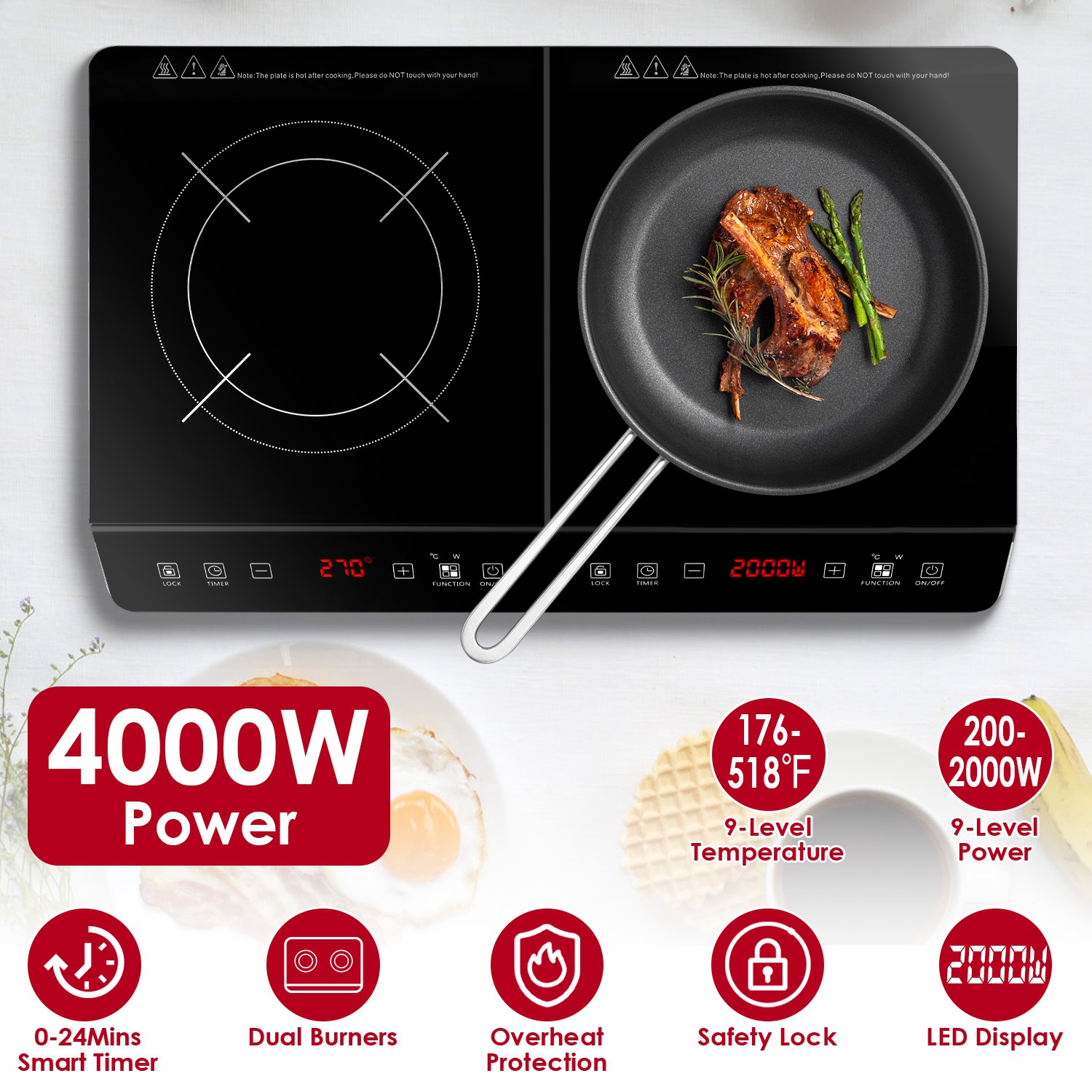 1Pc 4000W Induction Cooktop Portable Double Cooker Electric Dual Burner Stove Countertop Hot Plate With 9 Power 9 Temperature 3H Timer$147.99View on Mallflare
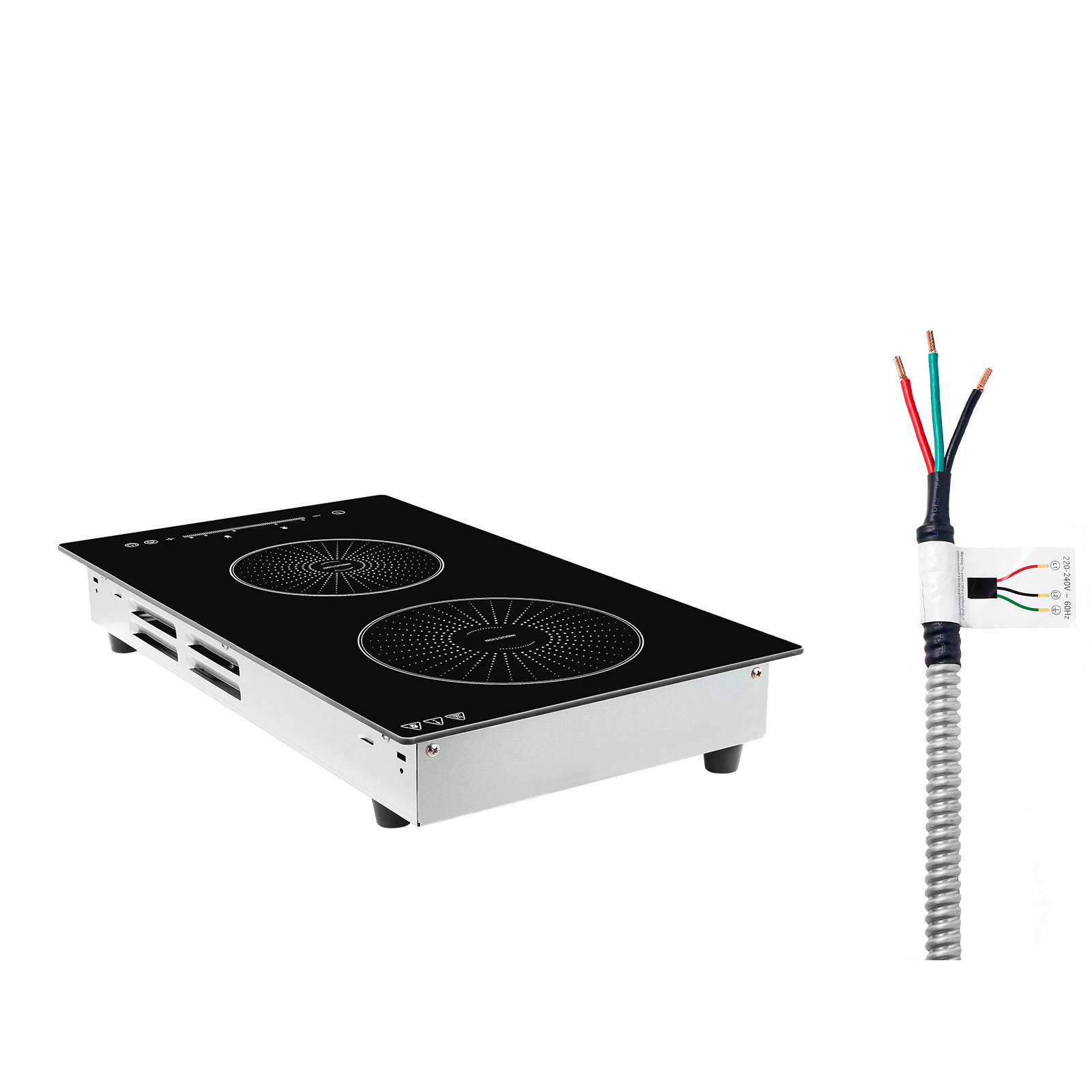 Induction Cooktop 12in 2 Burners Built-in Electric Stove 220V 3500W, Low-Power Continuous Heating, Burner For Kitchen, 9 Power Levels, LED Touch Screen, Ceramic Glass, And Child Lock$151.99View on Mallflare
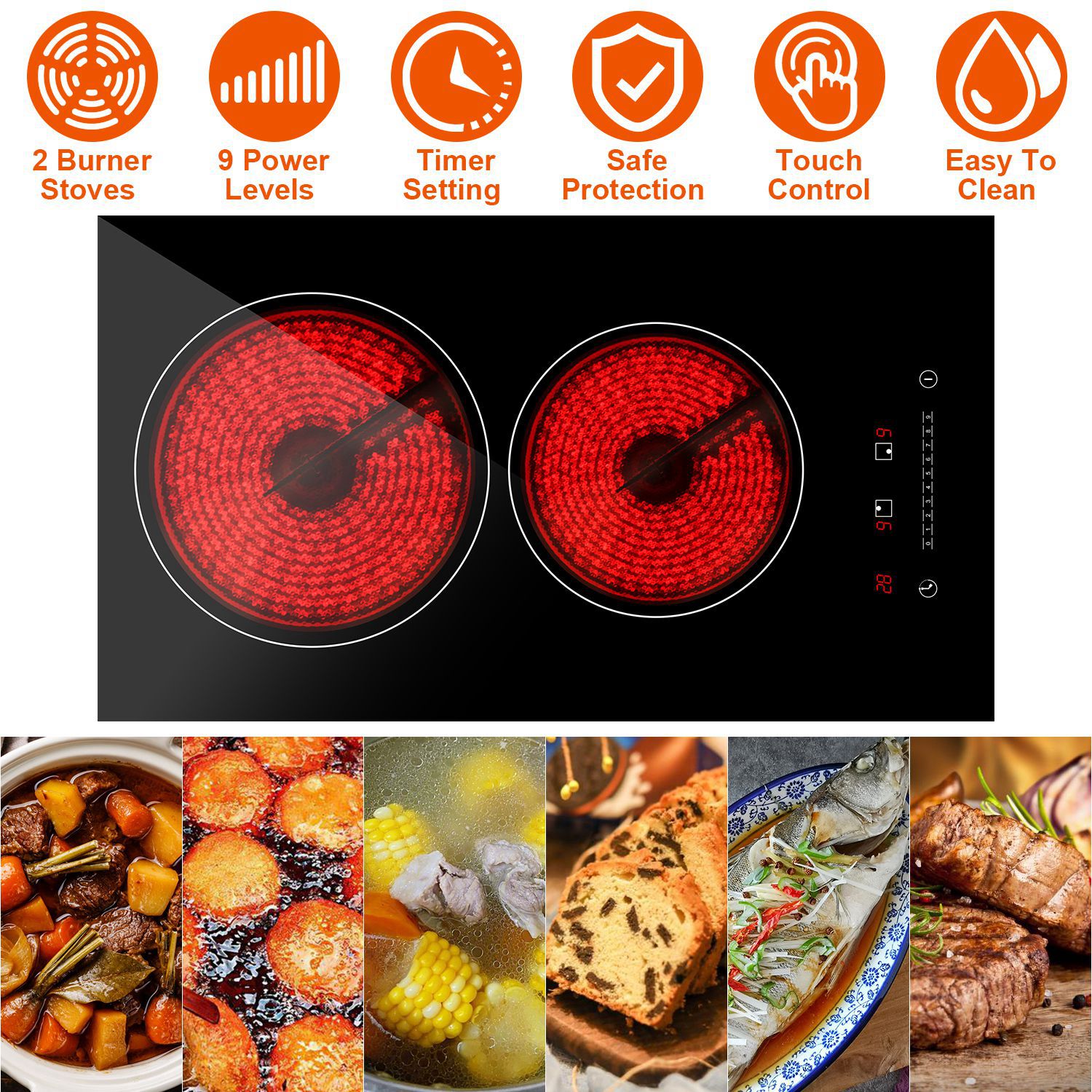 1Pc Dual Induction Burners Electric Cooktop 110V Total 1900W Stove Built In Ceramic With Timer Setting 9 Firepower Levels Over Heating Protection$152.99View on Mallflare
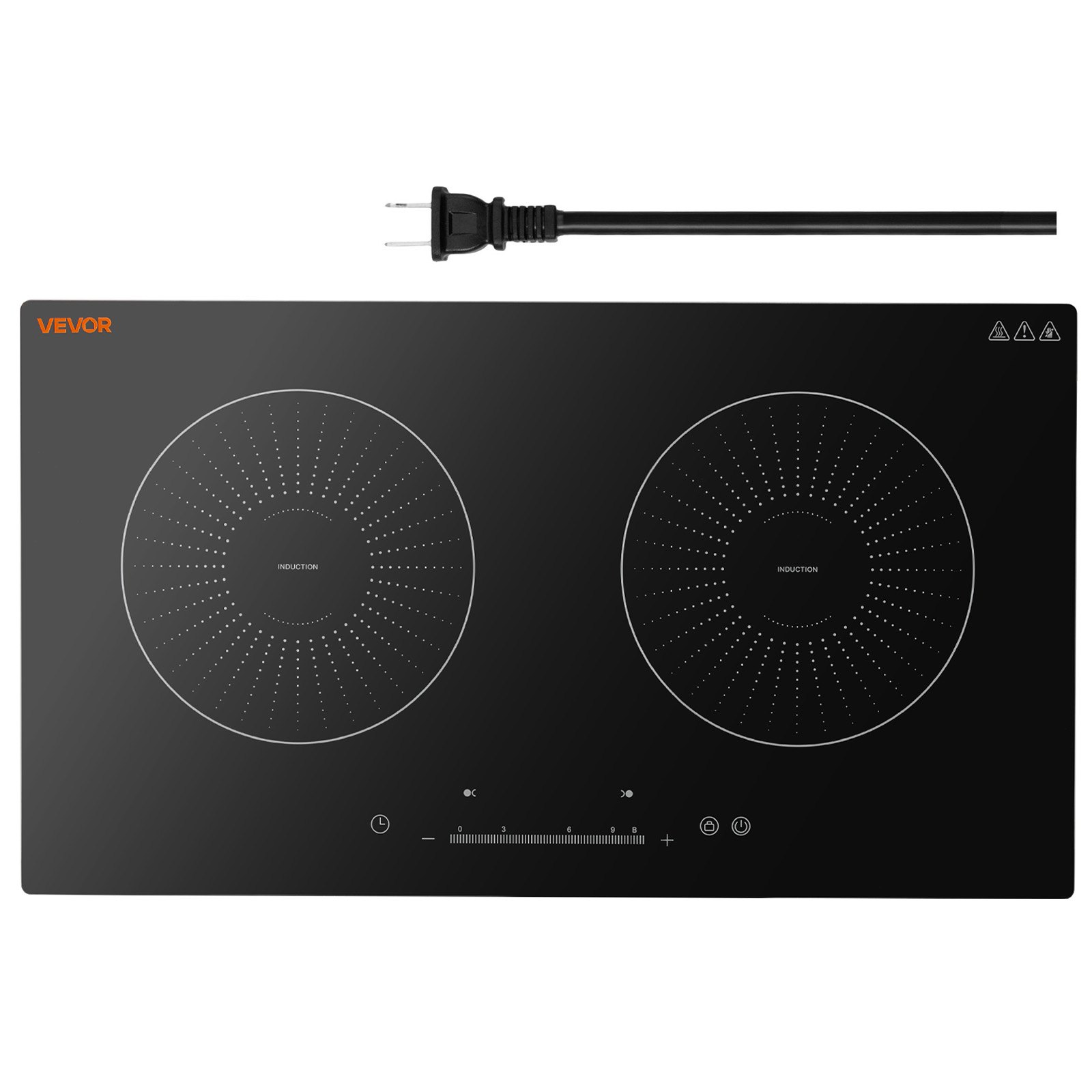 Induction Cooktop 24inch 2 Burners Built-in Electric Stove 110V 1800W, Low-Power Continuous Heating, Burner, with 9 Power Levels, LED Touch Screen, and Child Lock, for Kitchen, RV$153.99View on Mallflare
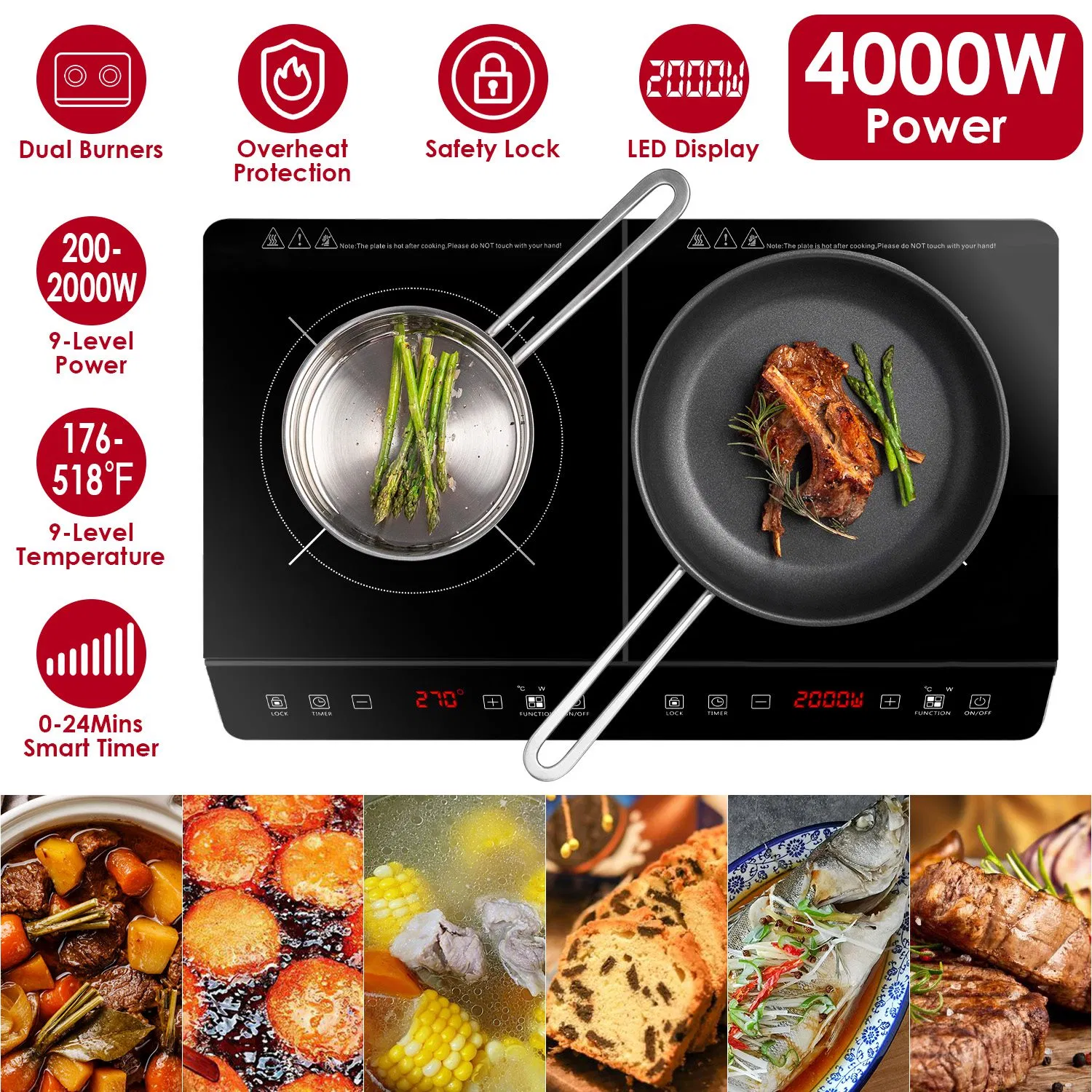 Double Induction Cooktop, Portable Dual Countertop Burner with Sensor Touch, 4000W 2 Electric Cooker 9 Temp & Power Levels, 3-Hour Timer,Safety Lock$171.99View on Mallflare
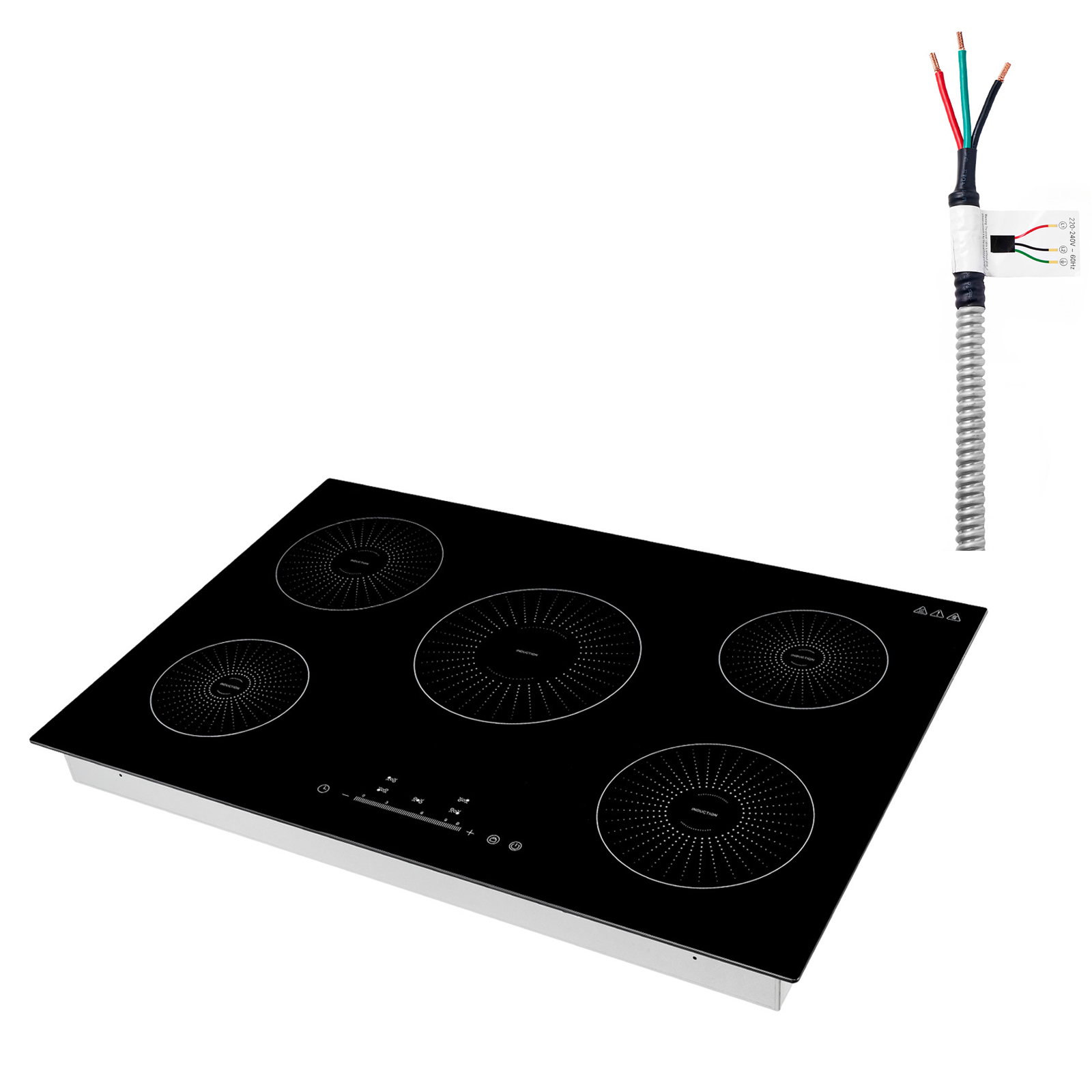 Induction Cooktop 30in 5 Burners Built-in Electric Stove 220V 9200W, Low-Power Continuous Heating, Burner For Kitchen, 9 Power Levels, LED Touch Screen, Ceramic Glass, Child Lock$261.99View on Mallflare
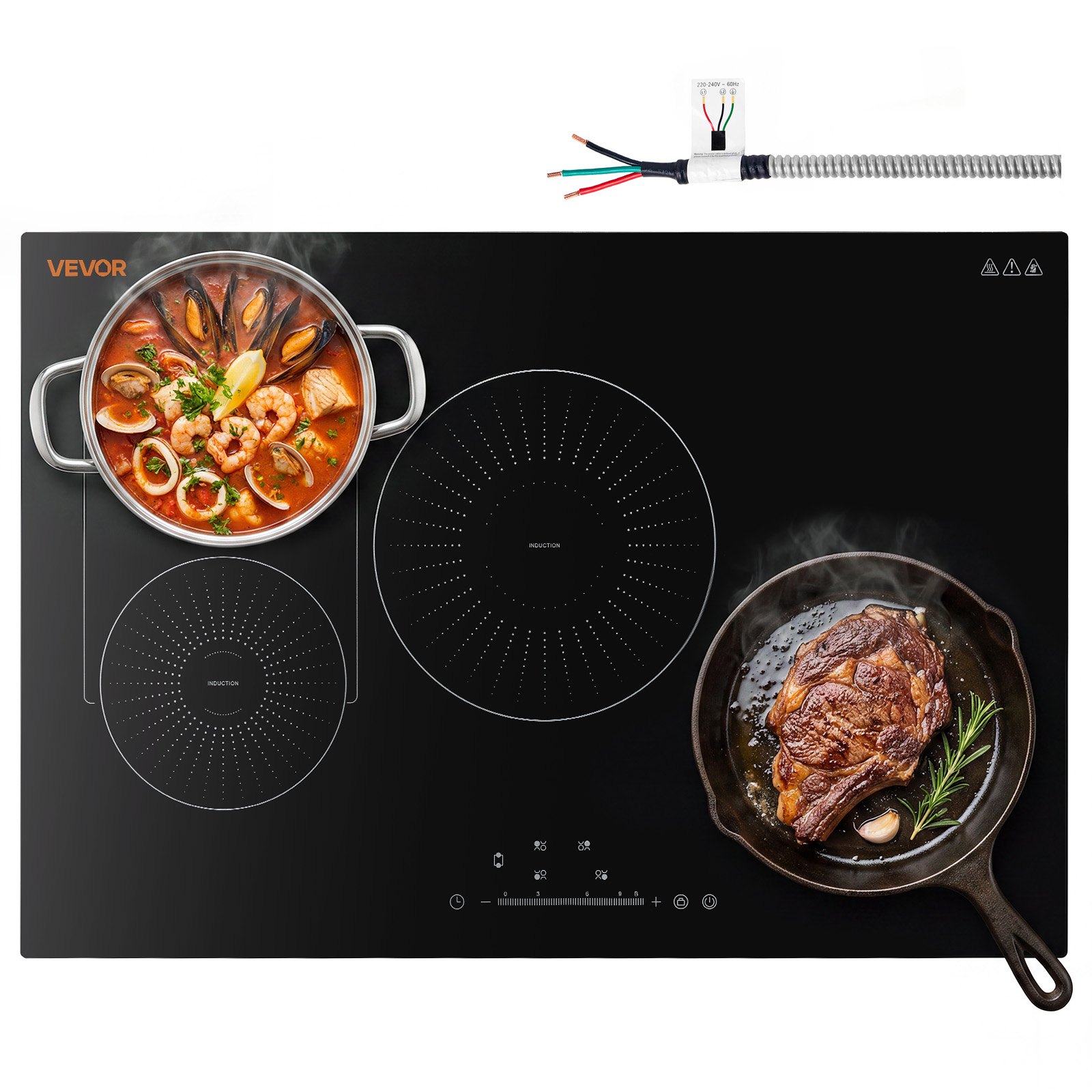 Induction Cooktop 30inch 4 Burners Built-in Electric Stove 220V 7500W, Low-Power Continuous Heating, Burner for Kitchen, with 9 Power Levels, LED Touch Screen, and Child Lock$292.99View on Mallflare
Highlights
- Coil architecture determines real performance: 1800W total across two burners means small 6–7 inch coils, while 30-inch 220V models at 7500–9200W support 8–11 inch high-power zones.
- Voltage tier is fixed: 110V units cap at roughly 1800W total for the whole cooktop, while 220V built-ins deliver 3500W+ per large burner for rapid boiling and searing.
- Low-power continuous heating (cycling below ~1200W without on/off pulsing) is a genuinedifferentiator; basic units pulse at simmer, risking scorching and noise.
- Ceramic glass grade and coil diameter matter more than burner count: a 30-inch 4-burner with larger coils outperforms a 5-burner with cramped 6-inch zones for full-size pans.
Best use cases
- Best fit: 220V kitchen remodels with dedicated 40–50A circuits — pick a 30-inch built-in with 4–5 burners and at least one 8-inch+ high-wattage zone; skip 110V portables for primary cooking.
- Best fit: RVs, dorms, and small apartments with only 110V outlets — choose a 12-inch 2-burner 1800W built-in or countertop unit; skip 30-inch 220V models entirely.
- Best fit: Supplementary cooking alongside gas or radiant — a single or double portable 110V induction unit adds fast boiling without rewiring; skip built-in cutout installation.
- Wrong fit: Aluminum or copper cookware owners — induction requires magnetic stainless or cast iron bases; skip unless you replace pans or use magnetic interface discs.
Buying tips
- Match voltage to your circuit: 110V models max out near 1800W total and suit RVs/small kitchens; 220V built-ins (7500–9200W) require a dedicated 40–50A breaker and professional wiring.
- Measure your cutout, not the glass: a 12-inch unit needs roughly a 10.5–11 inch cutout; a 24-inch needs about 22–23 inches; a 30-inch needs about 28–29 inches — verify depth and rear clearance too.
- Check pan compatibility with a magnet: if a magnet sticks firmly to the base, it works; aluminum, copper, and most ceramic pans do not heat on induction without an interface disc.
- Prioritize coil size over burner count: one 8–9 inch 2000W+ coil beats two 6-inch 1200W coils for skillets and stockpots; look for at least one large zone on 24-inch and wider models.
Specs
| Voltage / Wattage | 110V ~1800W vs 220V 3500–9200W |
|---|---|
| Burner Zones | 1–2 (12in) to 4–5 (30in) |
| Surface Material | Ceramic glass, metal frame |
| Low-Power Mode | Continuous vs pulsed cycling |
Related searches
What to check before buying
- Measure countertop cutout length, width, and depth, plus minimum clearance to side walls and overhead cabinets per the model's installation diagram.
- Confirm circuit capacity: 110V units need a standard 15–20A outlet; 220V built-ins need a dedicated 40–50A breaker with correct gauge wiring.
- Test your cookware with a magnet; budget for replacing non-magnetic pans or buying magnetic interface discs.
- Verify vent clearance and that the ceramic glass surface can bear the weight of full stockpots without flexing (check glass thickness and frame support).
FAQ
Data sources: eBay / Amazon listings and product attribute feeds. Updated Nov 28, 2026.
Some links on this page are affiliate links. If you buy after clicking one, we may earn a commission at no extra cost to you. This does not change which products appear here or their order. Affiliate disclosure.