
Photos from current listings. Actual item, color, and included accessories may vary.
Electric Stove Oven Buying Guide
Electric stove ovens combine a resistive cooktop (coil, radiant glass, or infrared) with a thermostatically controlled oven cavity, and the primary trade-off is heating-element architecture and cavity insulation versus portability and cost. Durable full-size ranges use coil or radiant elements with dedicated 240V circuits and self-clean enamel liners; portable countertop units are 120V appliances limited to 1000–2000W total and cannot match oven cavity performance. The decision rule: choose a hardwired 240V range for daily family cooking, and choose a 120V countertop hot plate only as a supplementary or temporary burner.
Median $129.99
Key takeaways
- Coil elements (resistive sheathed tubular) cost least and are field-replaceable; radiant glass cooktops heat faster and wipe clean but crack if impact-loaded and require smooth flat-bottom cookware.
- Full-size electric ranges run on 240V/40–50A dedicated circuits; portable countertop burners run 120V at 1000–2000W total, so a dual-burner 2000W unit shares roughly 1000W per burner.
- Oven cavity insulation and door seal quality determine recovery time and energy use; self-clean (pyrolytic) liners tolerate high heat better than standard porcelain enamel.
At a glance
- Category
- Home Ranges, Ovens & Cooktops
- Last updated
- Nov 28, 2026
Current offers
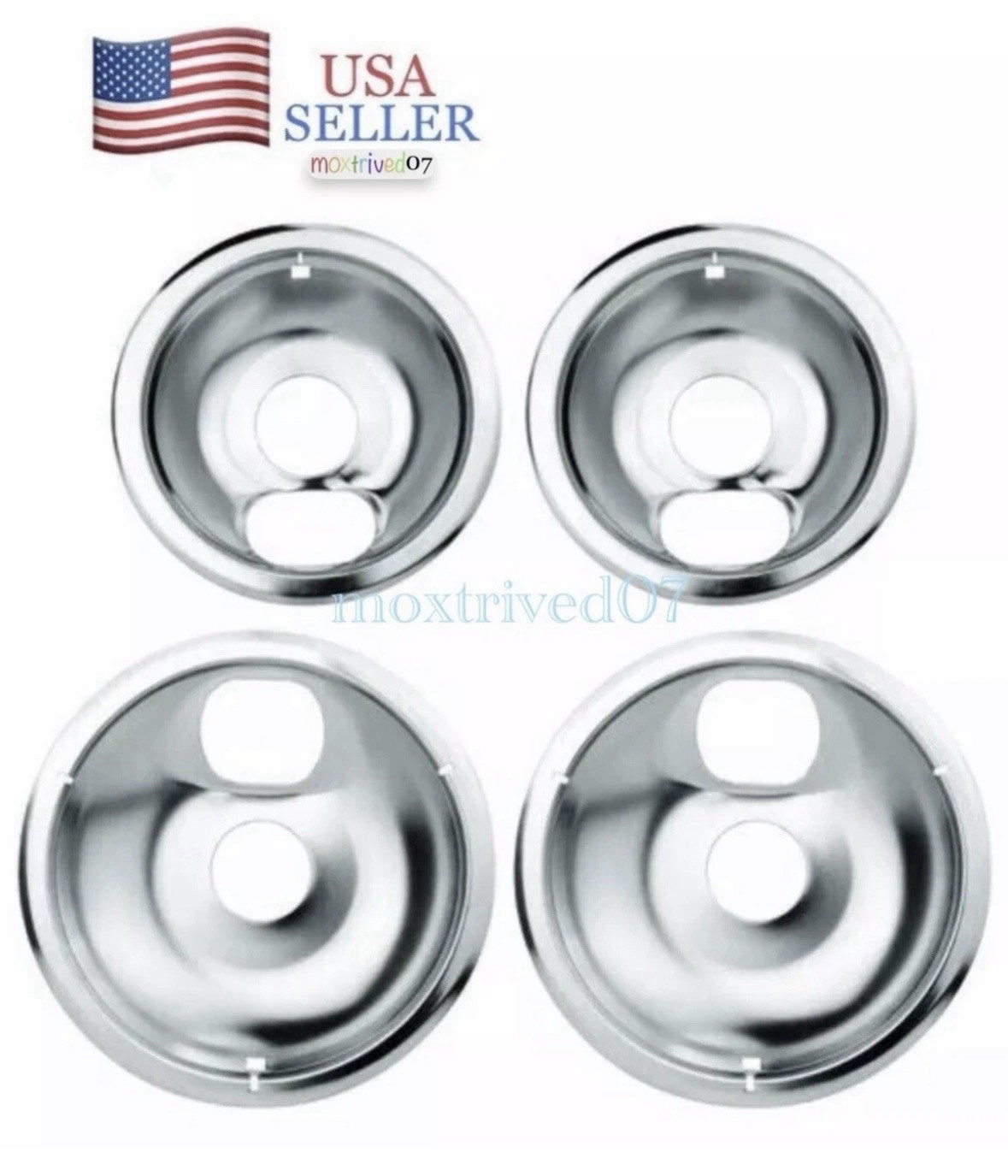 4 Pack Electric Stove Burner Drip Pan Bowl Set 6" & 8" Fits Most Electric Ranges$19.87View on eBay
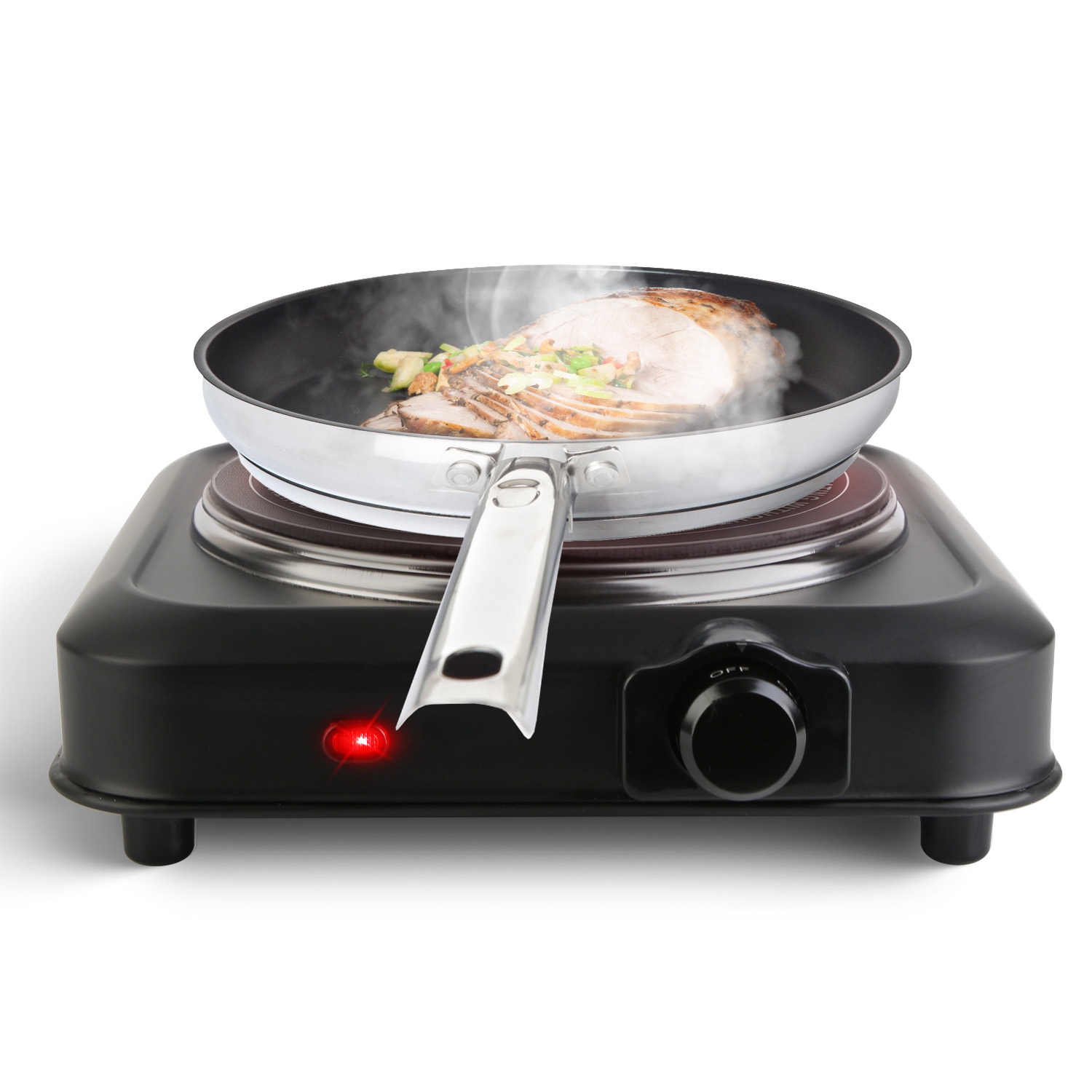 1Pc 1200W Electric Infrared Single Burner Portable Heating Hot Plate Stove Countertop RV Hotplate With 7.5in Glass Cooktop Stepless Temperature Adjustments For Home RV Camp$53.99View on Mallflare
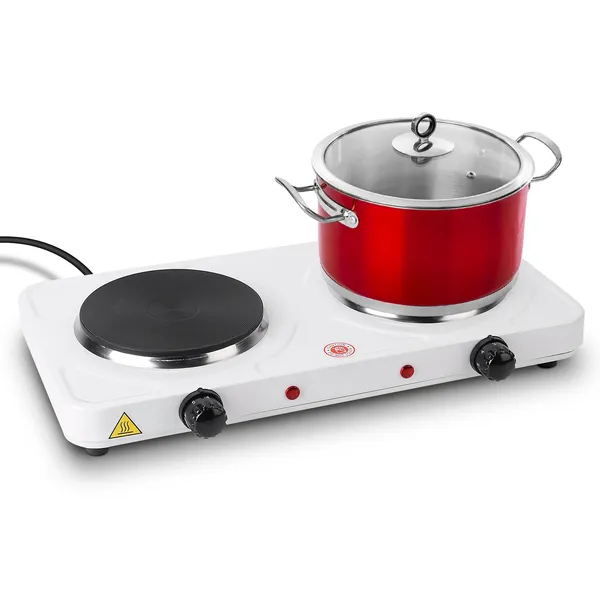 2000W Double Electric Burner Portable Dual Counter Stove Countertop Hot Plate Kitchen Cooker With 5 Gear Temperature Control$56.99View on Mallflare
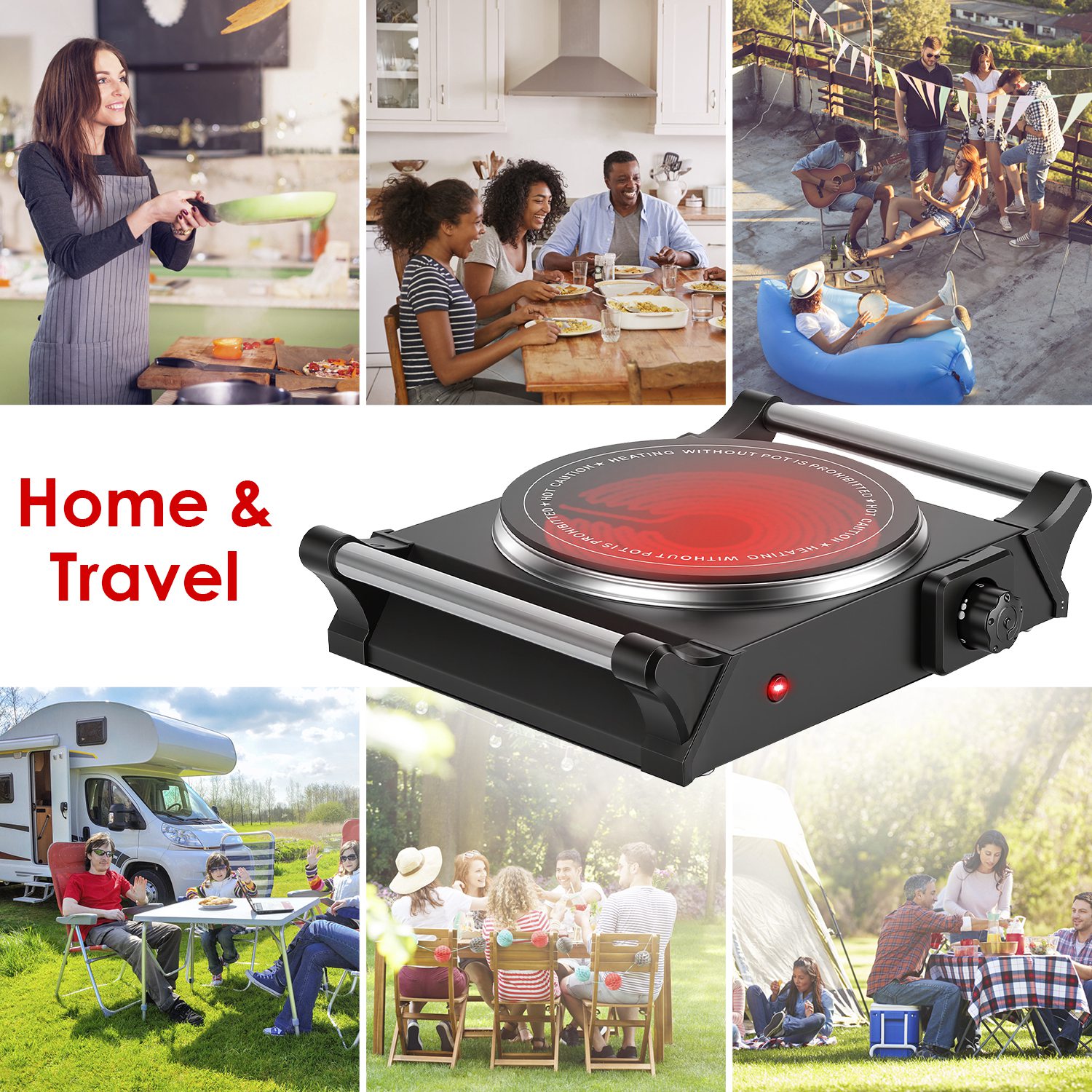 1 Thousand Power Electric Single Burner Portable Heating Hot Plate Stove Countertop RV Hotplate With 5 Temperature Stepless Adjustments Handles$59.99View on Mallflare
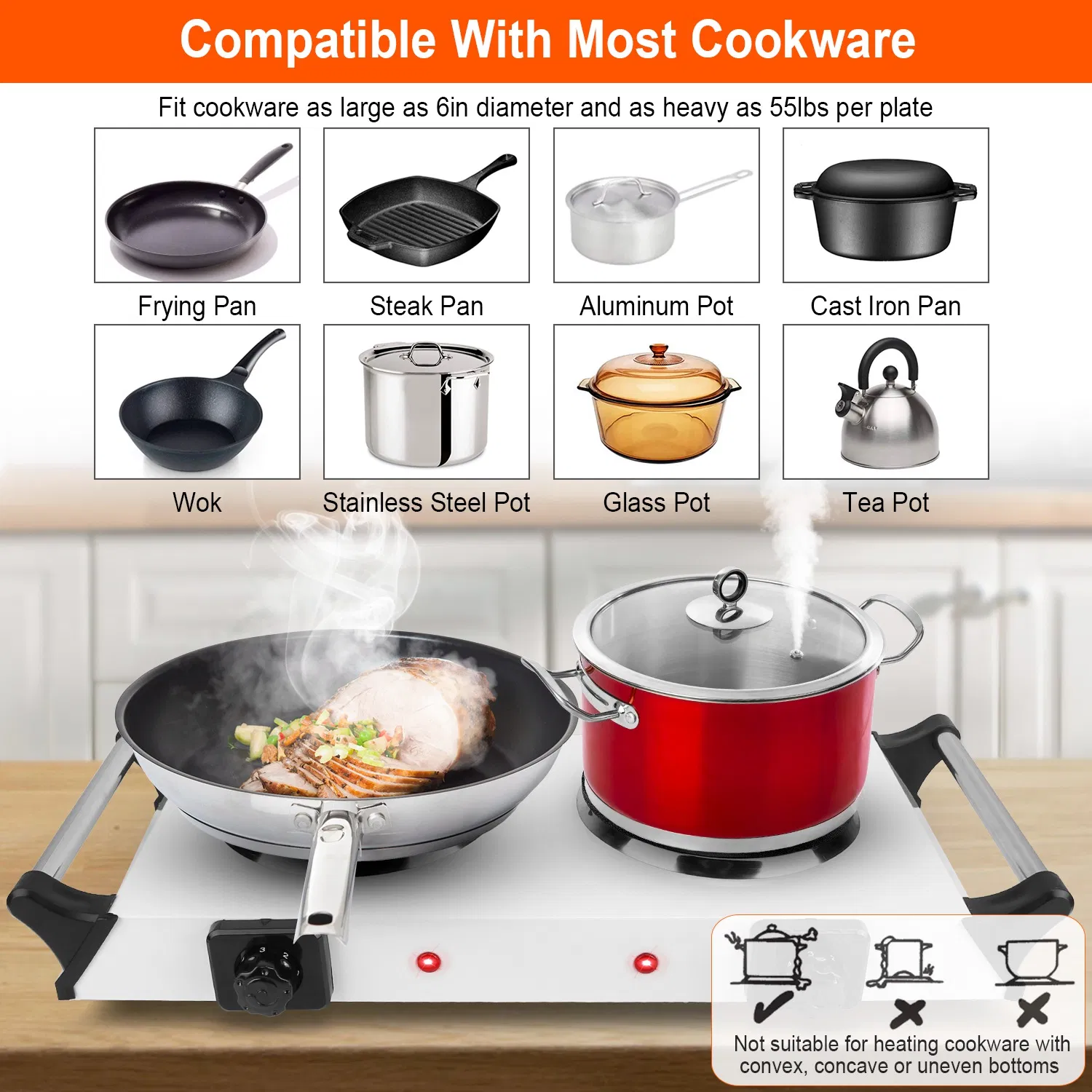 Portable Dual Burner Electric Stove - 2000W Power, 5 Temperature Levels, 5.5in Coils, Fast Even Cooking, Fits Flat Cookware, Ideal for Apartments/RVs, Easy Cleaning Design$66.99View on Mallflare
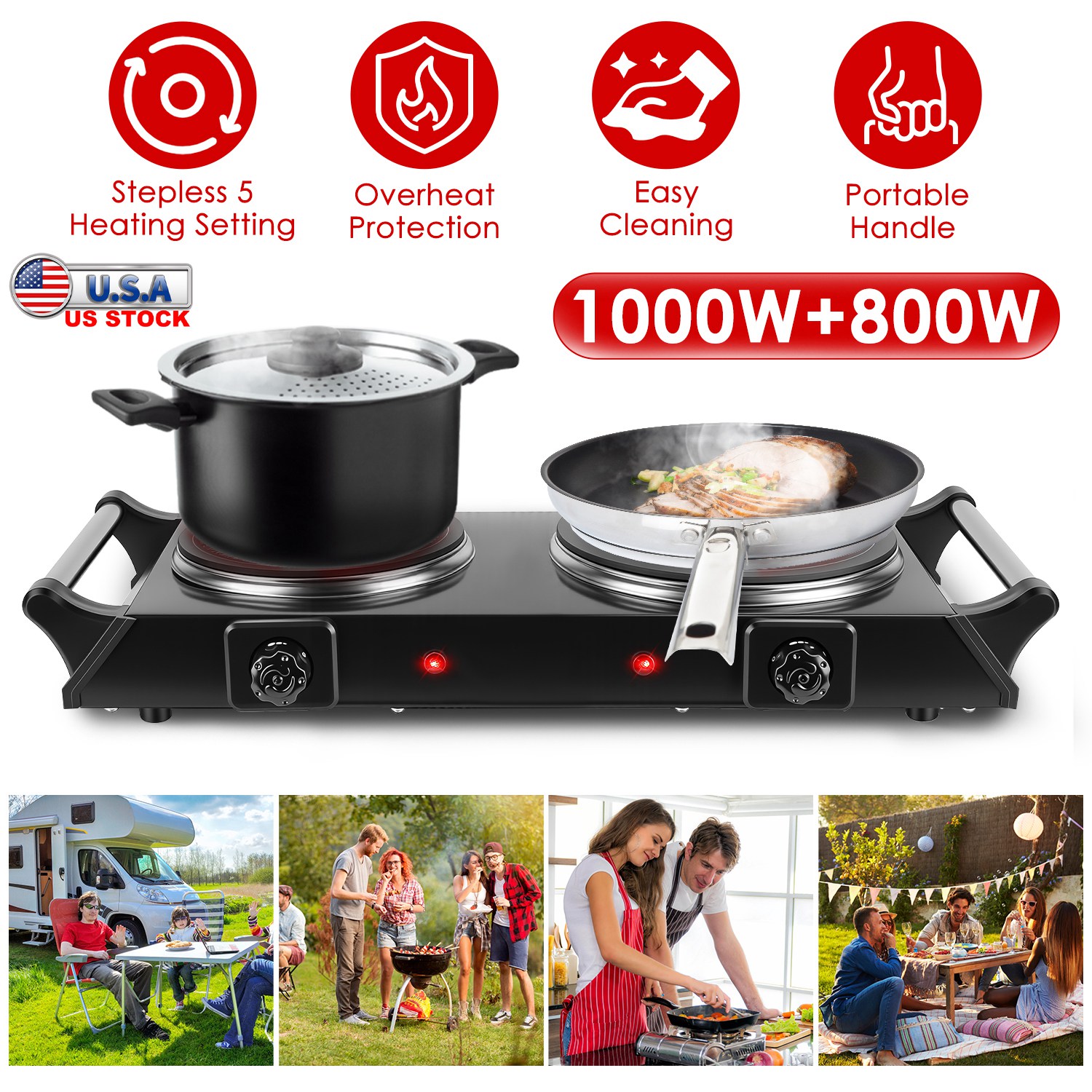 1800W Electric Double Burner Portable Heating Hot Plate Stove Countertop RV Hotplate With 5 Temperature Stepless Adjustments Handles$83.99View on Mallflare
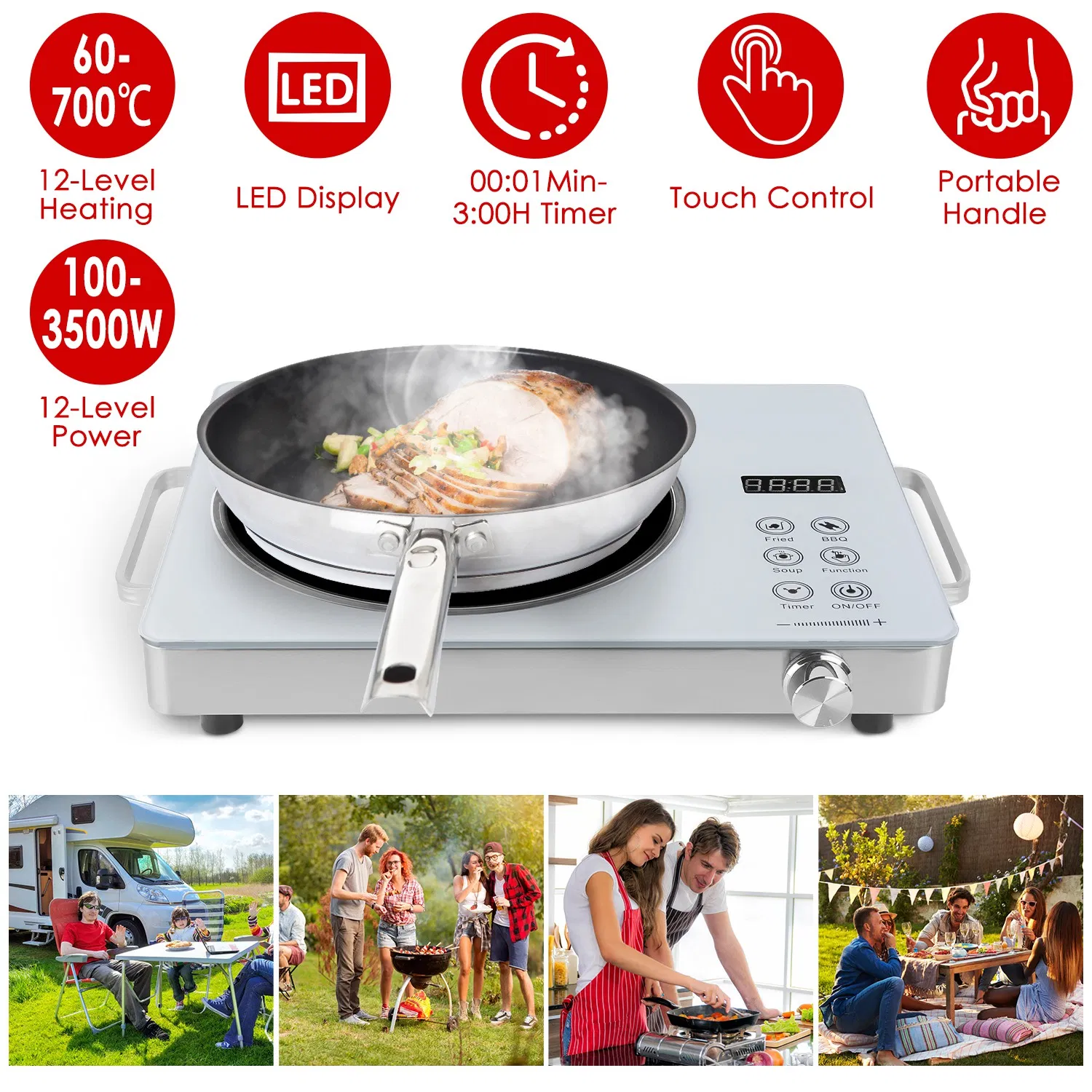 7000W Electric Double Ceramic Stove/ 3500W Single Options 3 Colors Available$83.99View on Mallflare
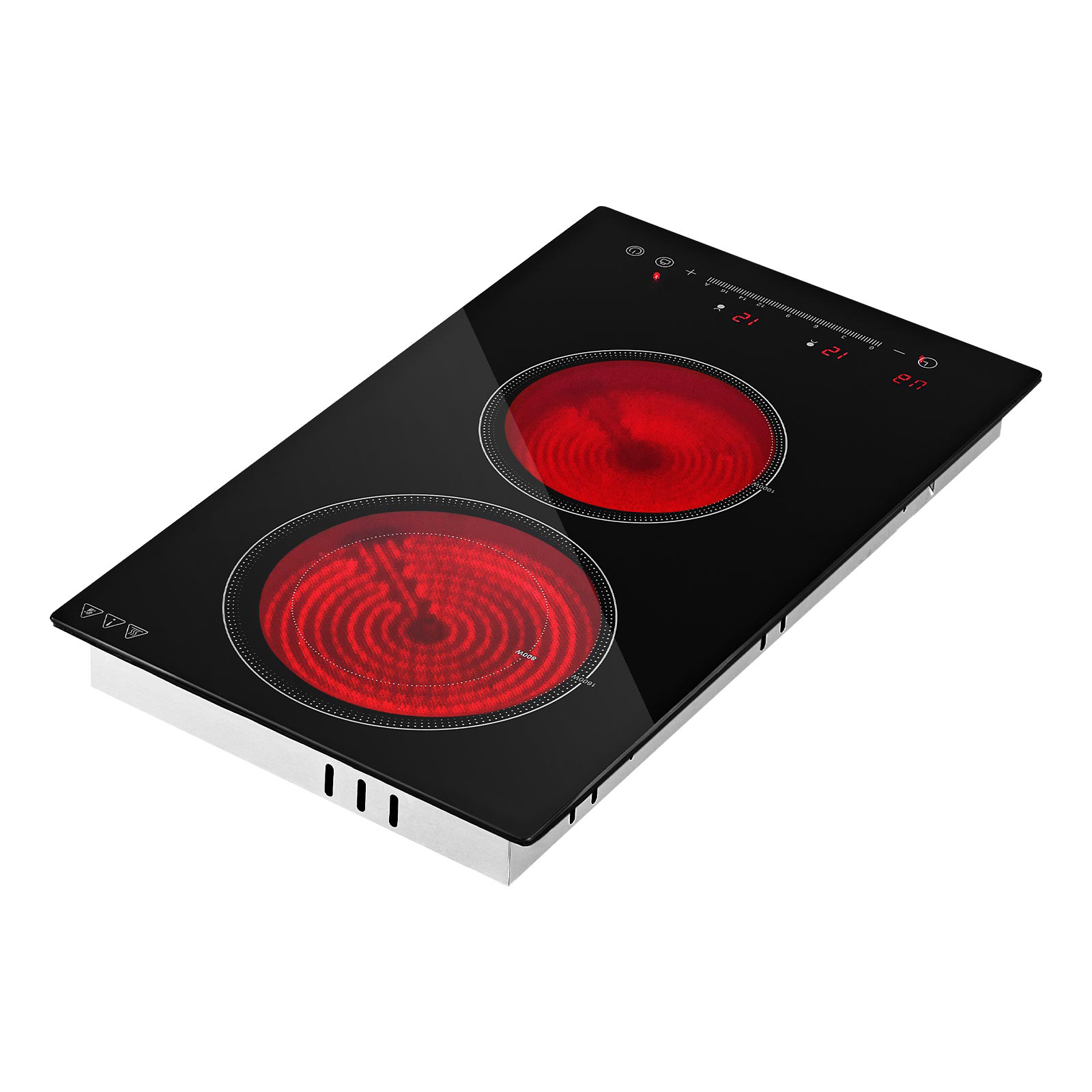 Electric Cooktop 12inch 2 Burners Portable Stove Top 1800W 120V, Ceramic Countertop/Built-in Radiant With 16 Power Levels, Timer, Child Lock, Over-Heat Guard, Touch Control$111.99View on Mallflare
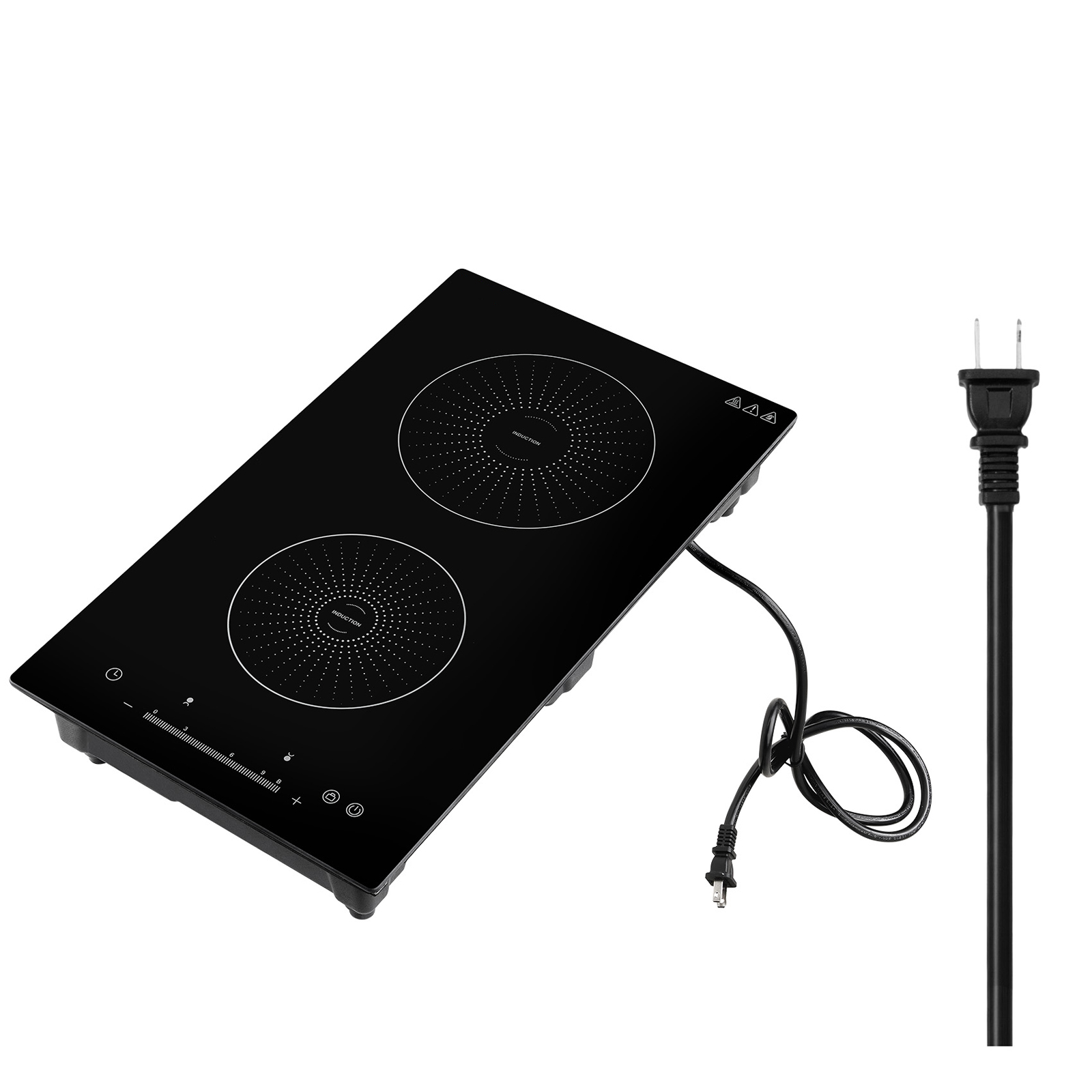 Induction Cooktop 12in 2 Burners Built-in Electric Stove 110V 1800W, Low-Power Continuous Heating, Countertop Burner, 9 Power Levels, LED Touch Screen, Ceramic Glass, And Child Lock$119.99View on Mallflare
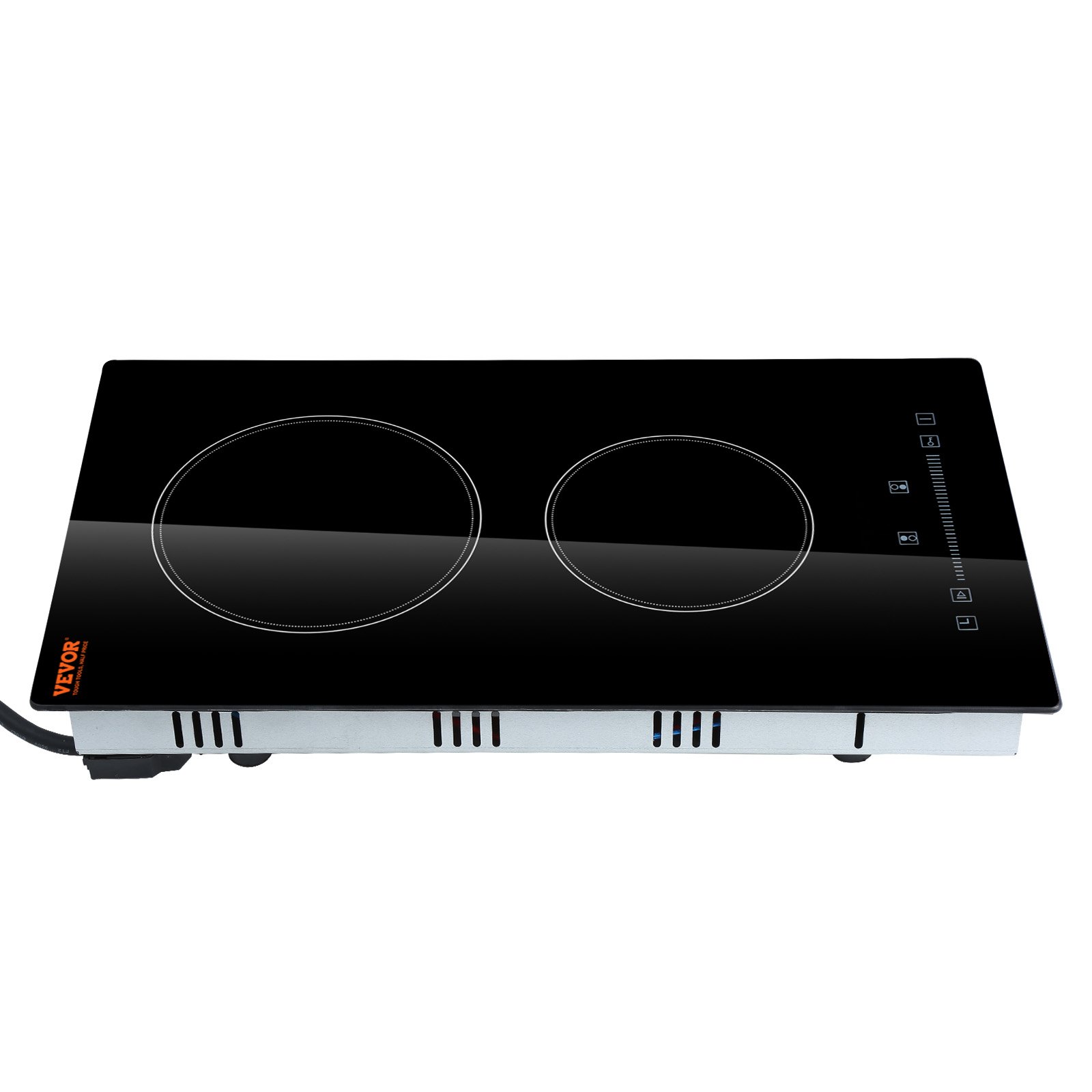 Built In Electric Stove Top, 20 X 11.6 Inch 2 Burners, 110V Glass Radiant Cooktop With Sensor Touch Control, Timer & Child Lock Included, 9 Power Levels For Simmer Steam Slow Cook Fry$120.99View on Mallflare
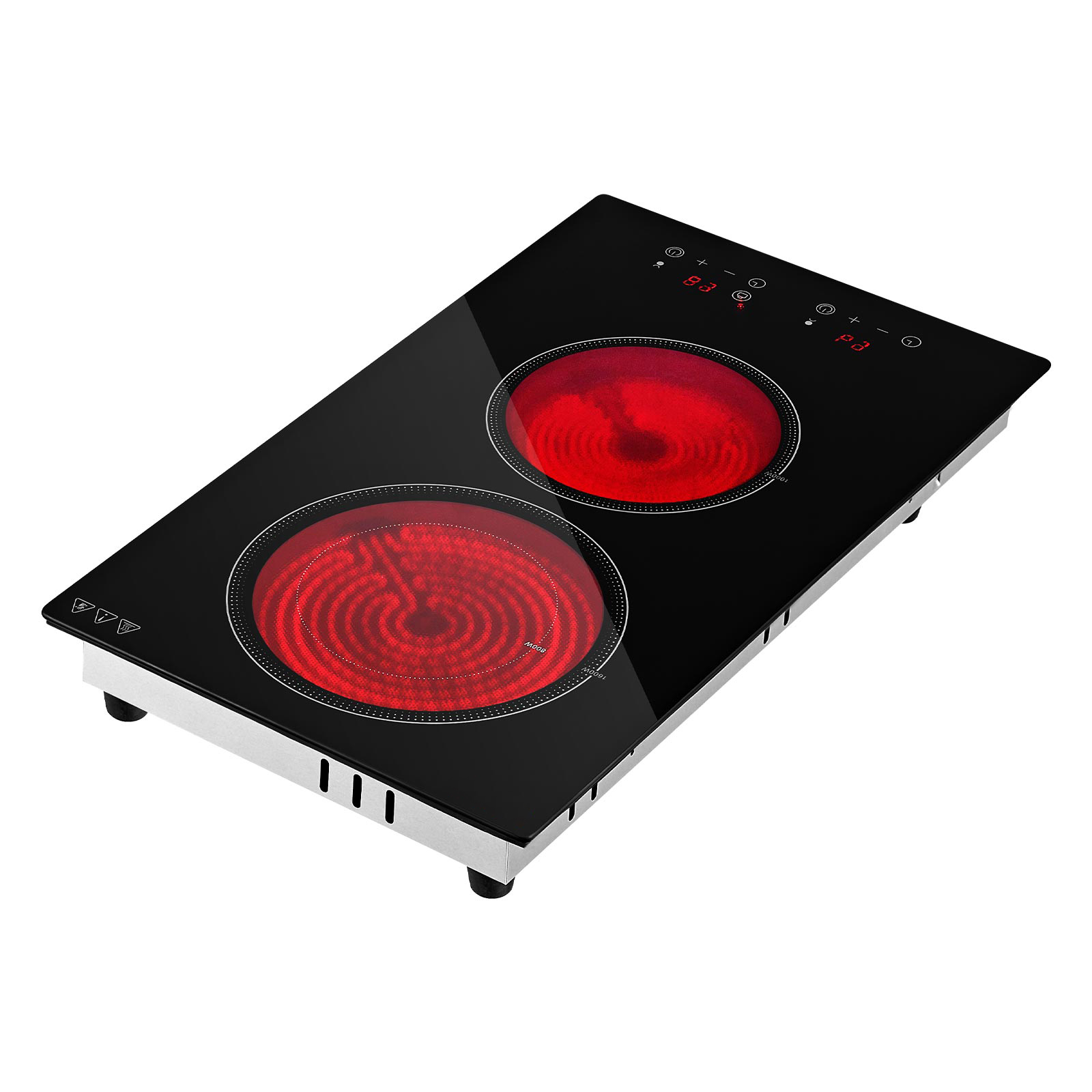 Electric Cooktop 12inch 2 Burners Portable Stove Top 1800W 120V, Ceramic Countertop,Built-in Radiant With 9 Power Levels, Timer, Child Lock, Over-Heat Guard, Touch Control$129.99View on Mallflare
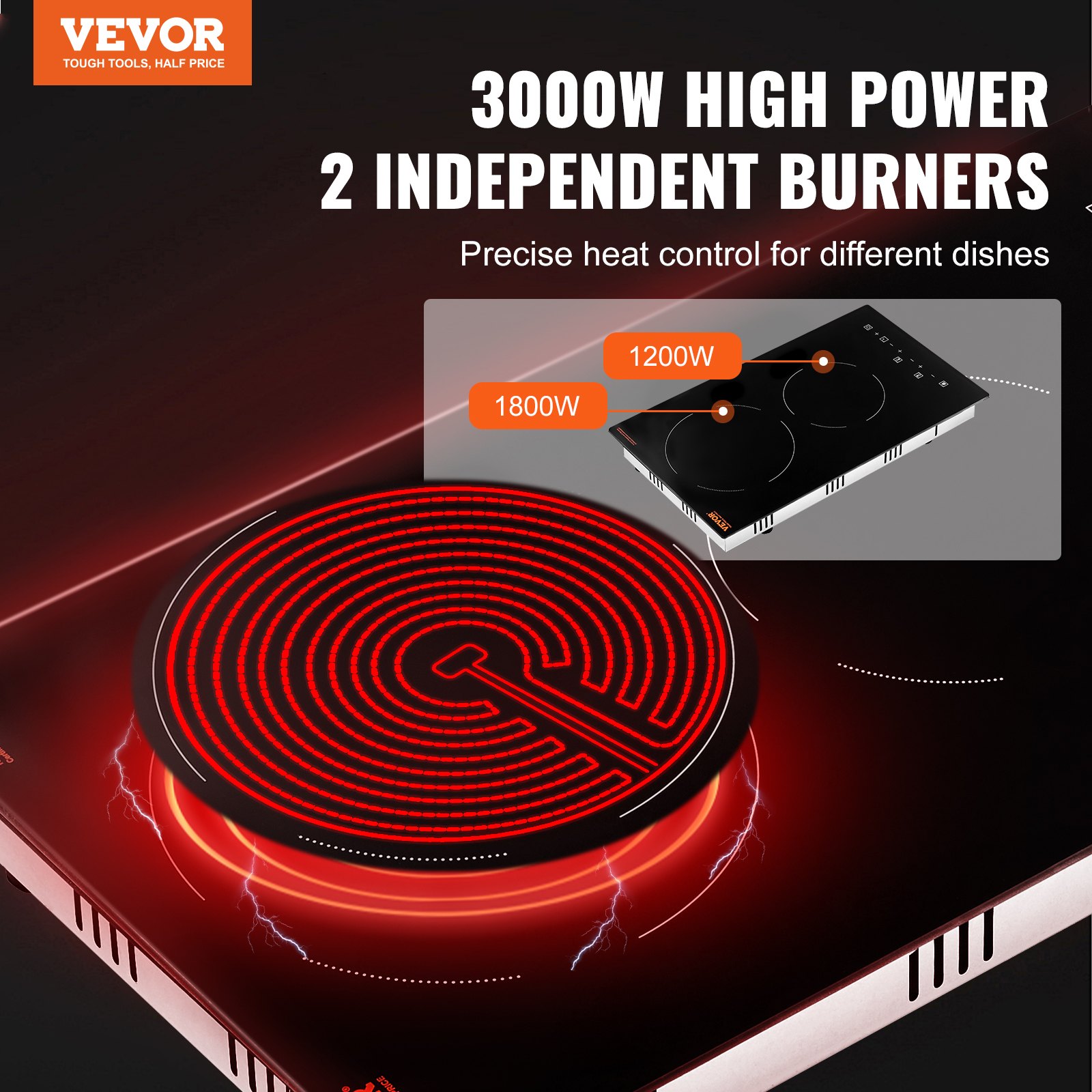 VEVOR Built In Electric Stove Top, 20 X 11.6 Inch 2 Burners, 240V Glass Radiant Cooktop With Sensor Touch Control, Timer & Child Lock Included, 9 Power Levels For Simmer Steam Slow Cook Fry$138.99View on Mallflare
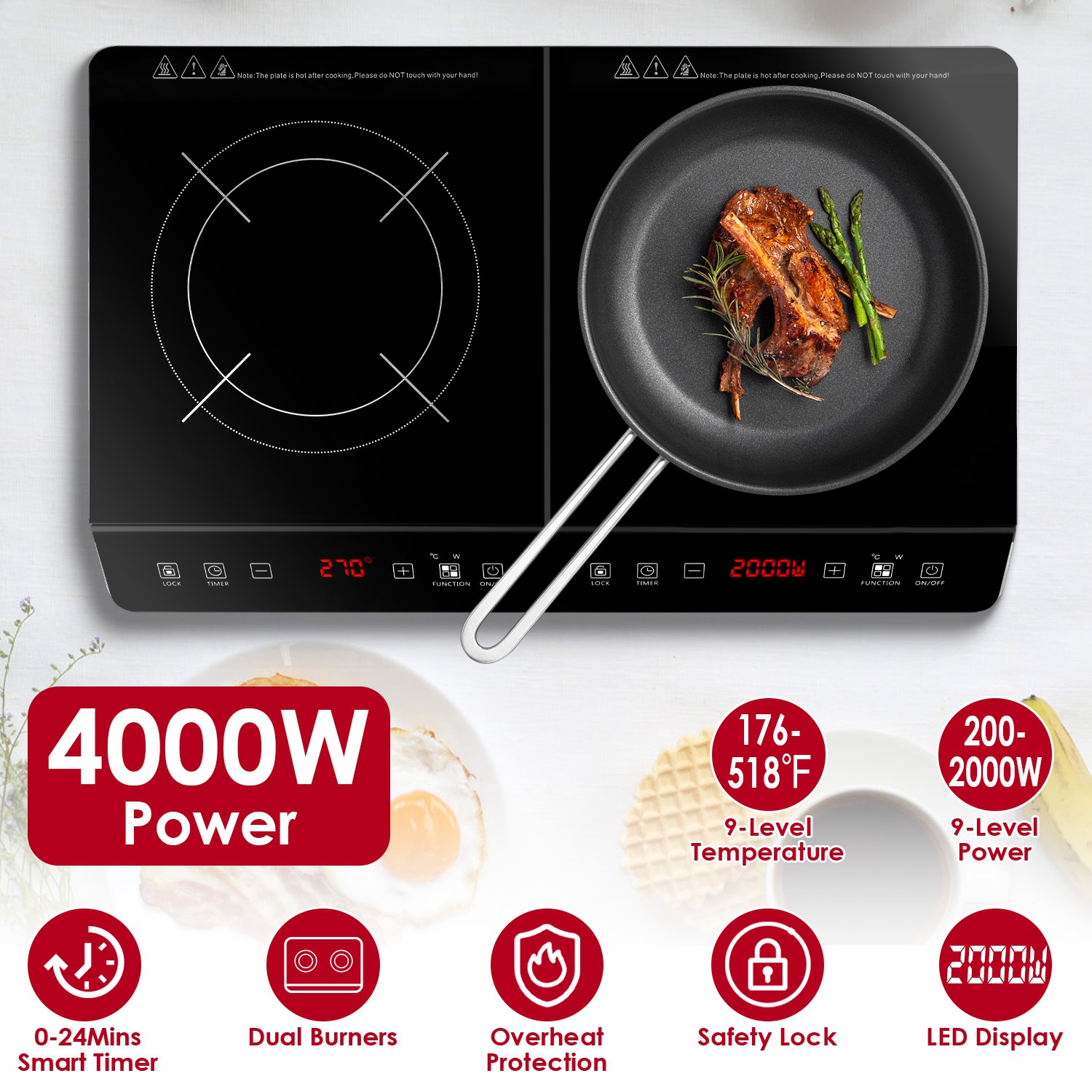 1Pc 4000W Induction Cooktop Portable Double Cooker Electric Dual Burner Stove Countertop Hot Plate With 9 Power 9 Temperature 3H Timer$147.99View on Mallflare
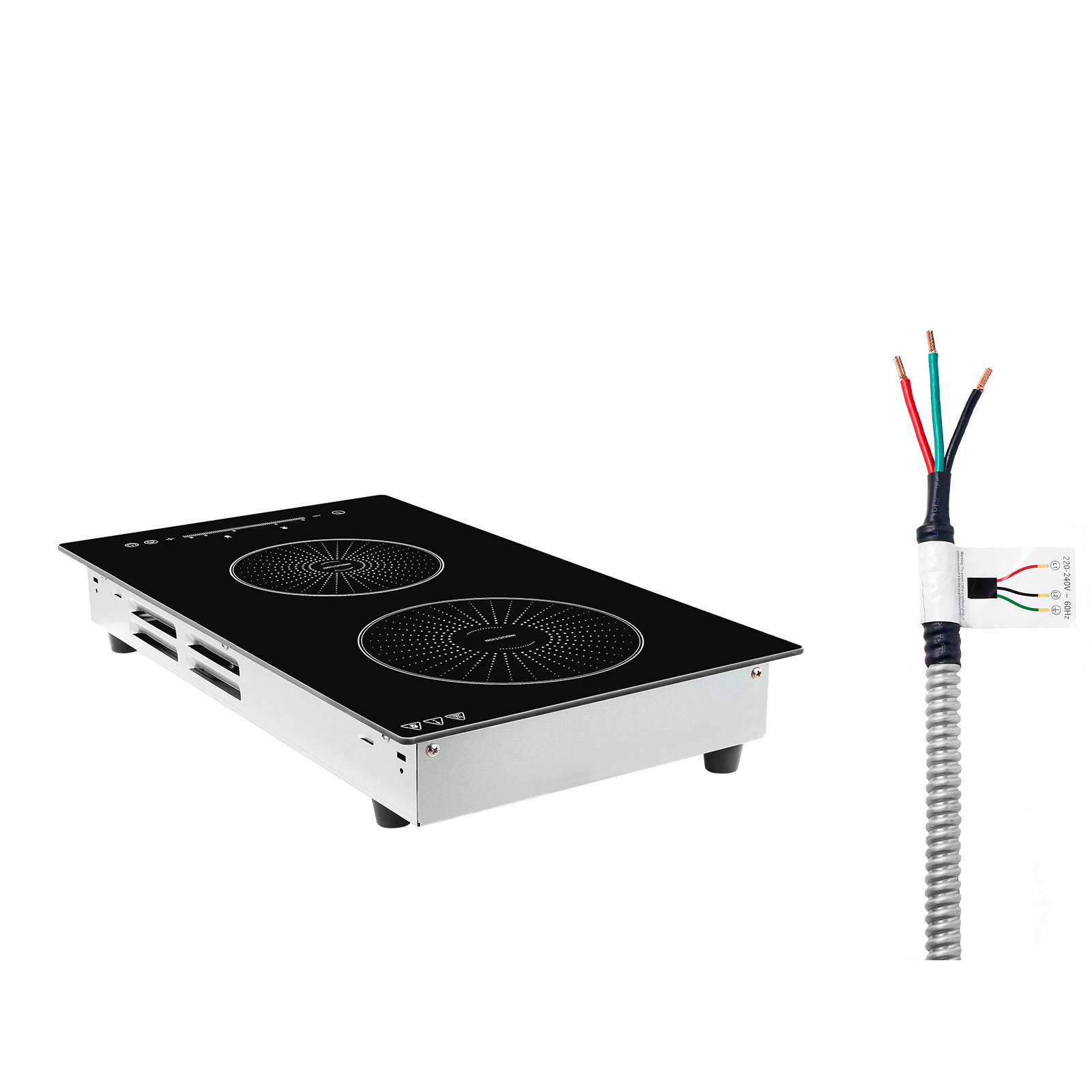 Induction Cooktop 12in 2 Burners Built-in Electric Stove 220V 3500W, Low-Power Continuous Heating, Burner For Kitchen, 9 Power Levels, LED Touch Screen, Ceramic Glass, And Child Lock$151.99View on Mallflare
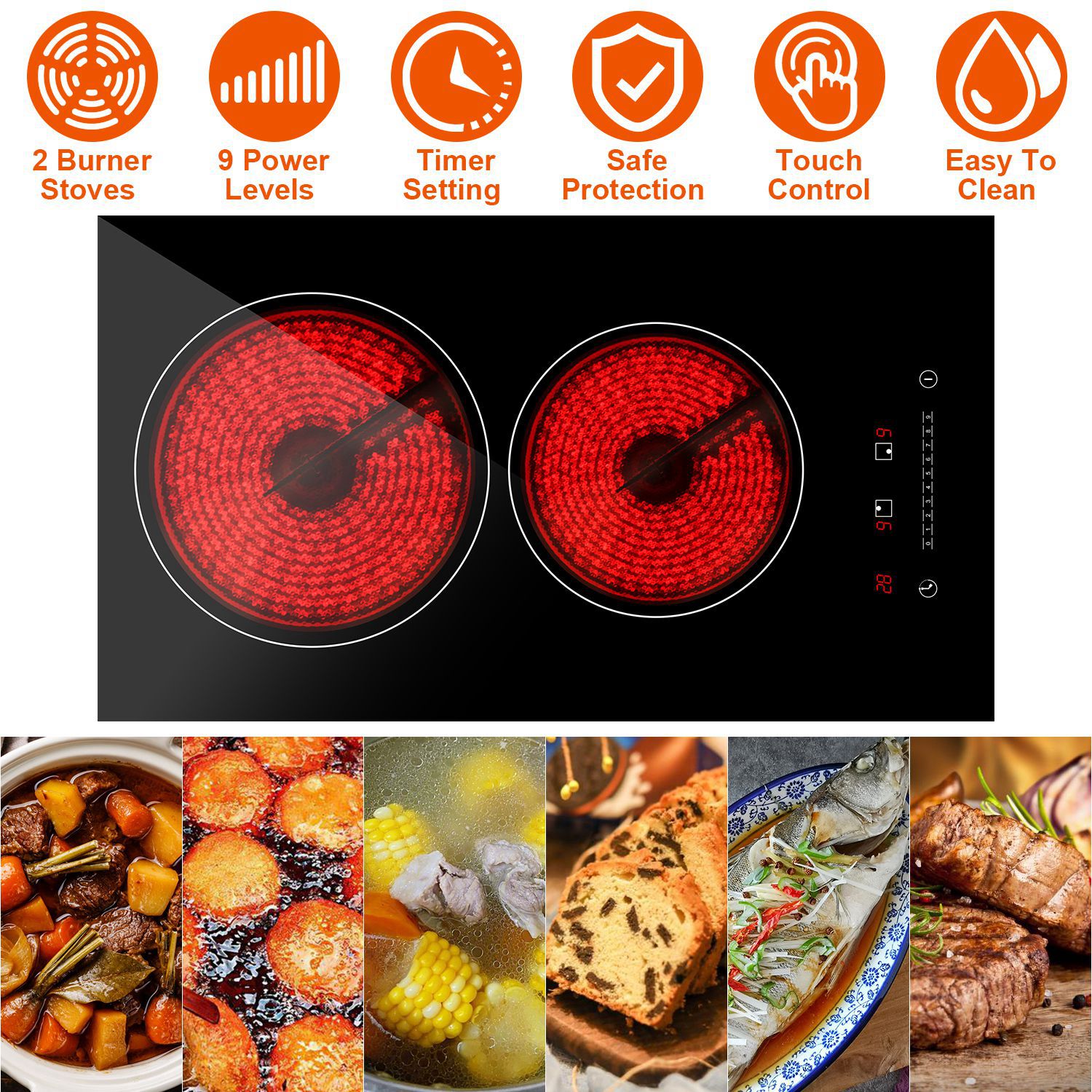 1Pc Dual Induction Burners Electric Cooktop 110V Total 1900W Stove Built In Ceramic With Timer Setting 9 Firepower Levels Over Heating Protection$152.99View on Mallflare
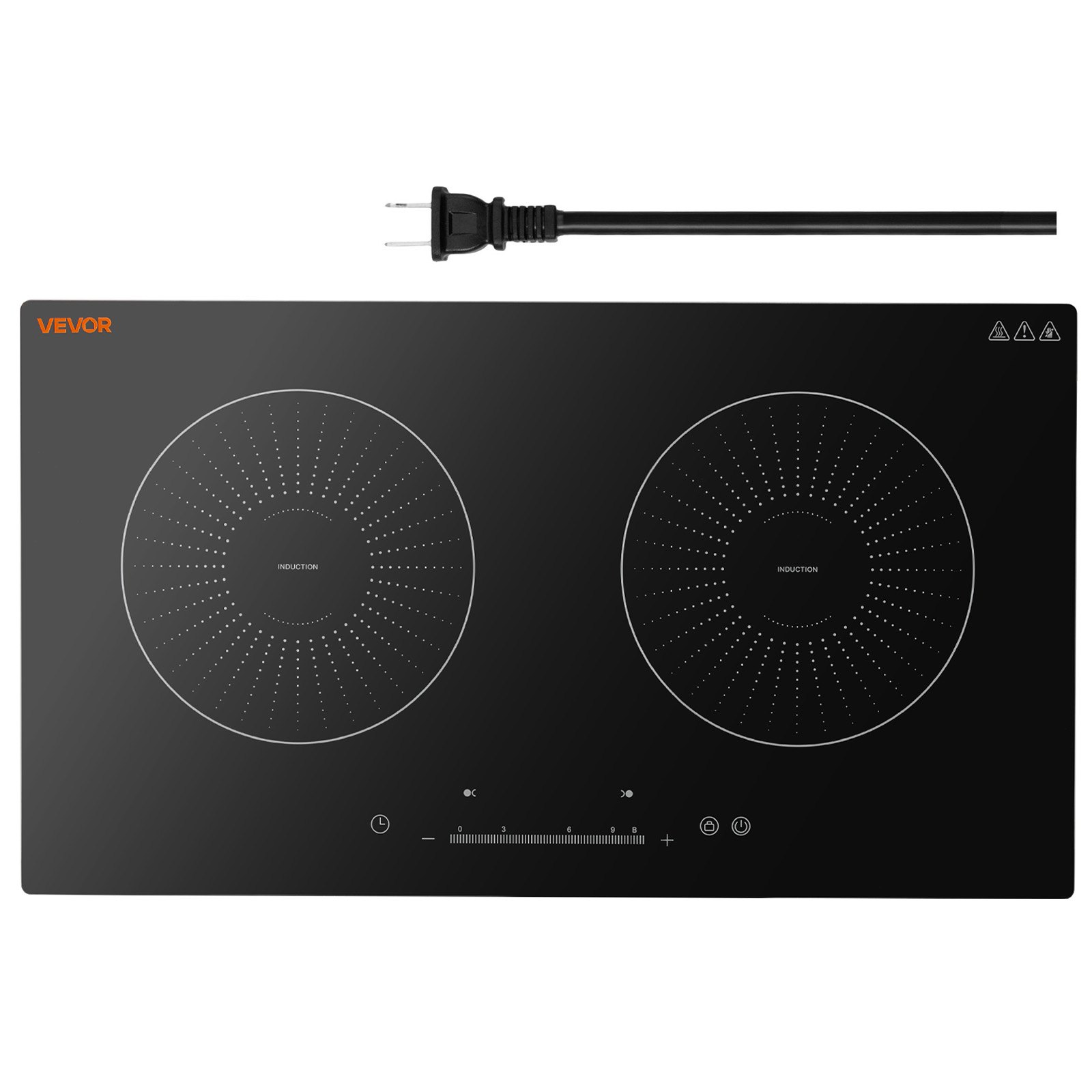 Induction Cooktop 24inch 2 Burners Built-in Electric Stove 110V 1800W, Low-Power Continuous Heating, Burner, with 9 Power Levels, LED Touch Screen, and Child Lock, for Kitchen, RV$153.99View on Mallflare
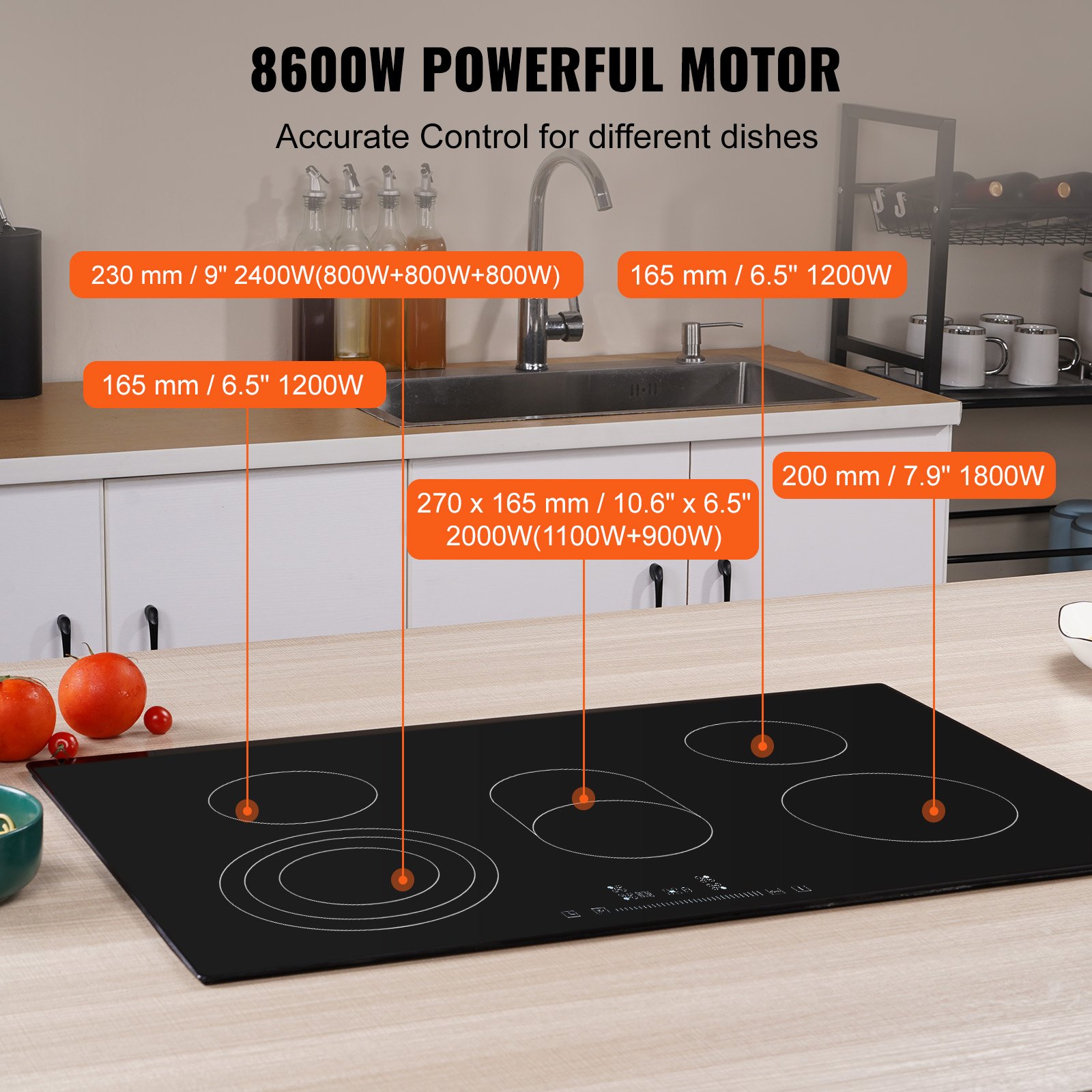 Built In Electric Stove Top, 30.3 X 20.5 Inch 5 Burners, 240V Glass Radiant Cooktop With Sensor Touch Control, Timer & Child Lock Included, 9 Power Levels For Simmer Steam Slow Cook Fry$194.99View on Mallflare
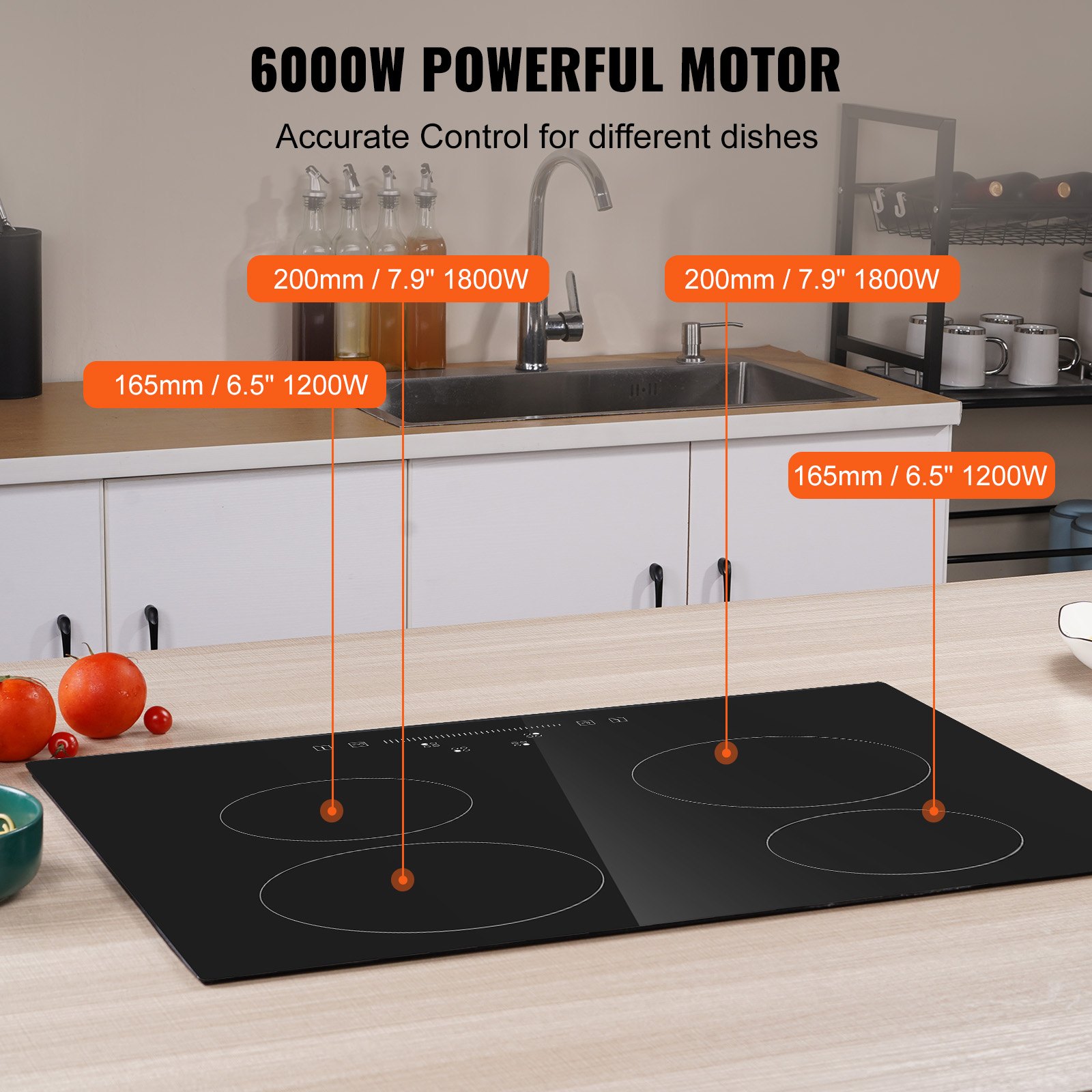 VEVOR Built In Electric Stove Top, 23.2 X 20.5 Inch 4 Burners, 240V Glass Radiant Cooktop With Sensor Touch Control, Timer & Child Lock Included, 9 Power Levels For Simmer Steam Slow Cook Fry$195.99View on Mallflare
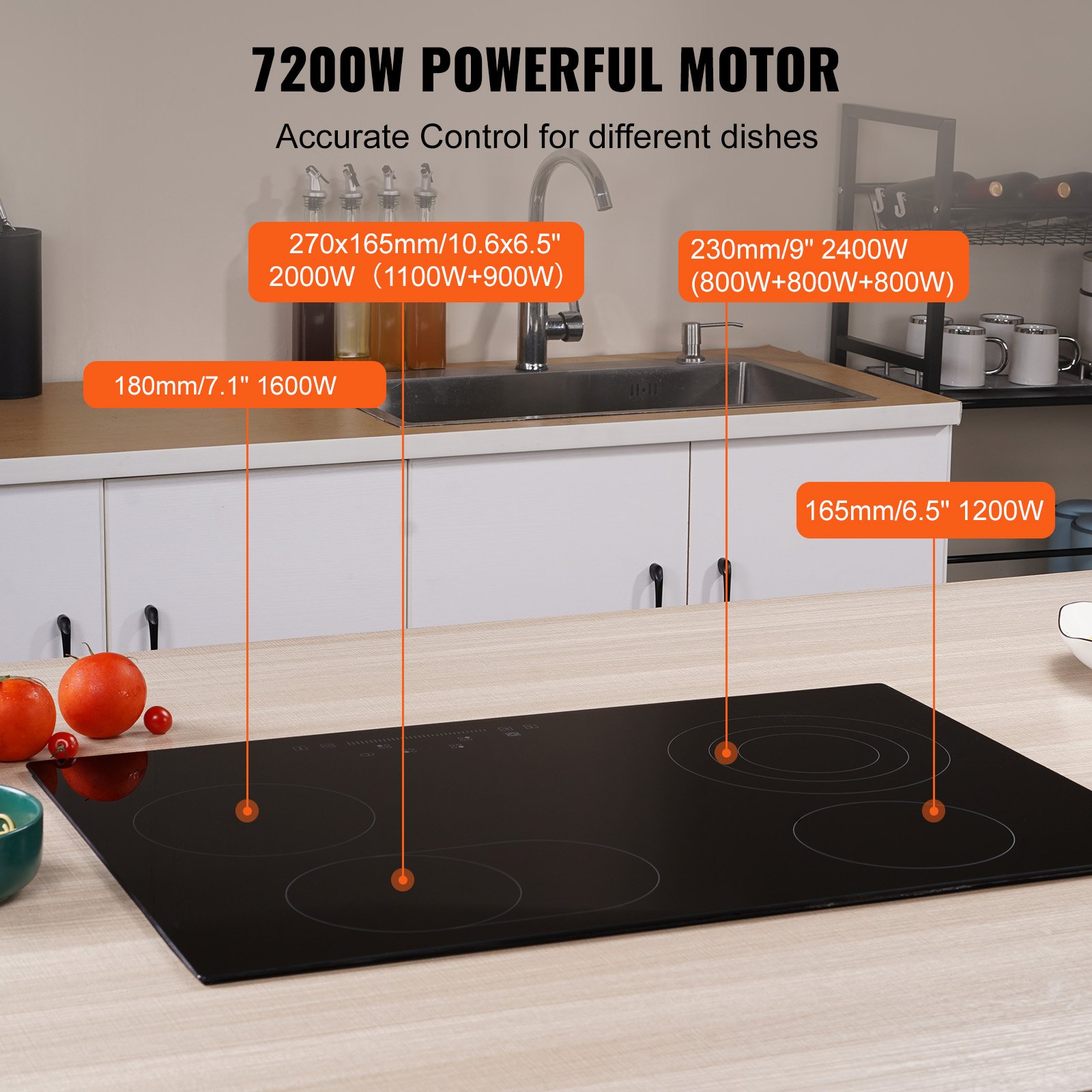 Built In Electric Stove Top, 30.3 X 20.5 Inch 4 Burners, 240V Glass Radiant Cooktop With Sensor Touch Control, Timer & Child Lock Included, 9 Power Levels For Simmer Steam Slow Cook Fry$247.99View on Mallflare
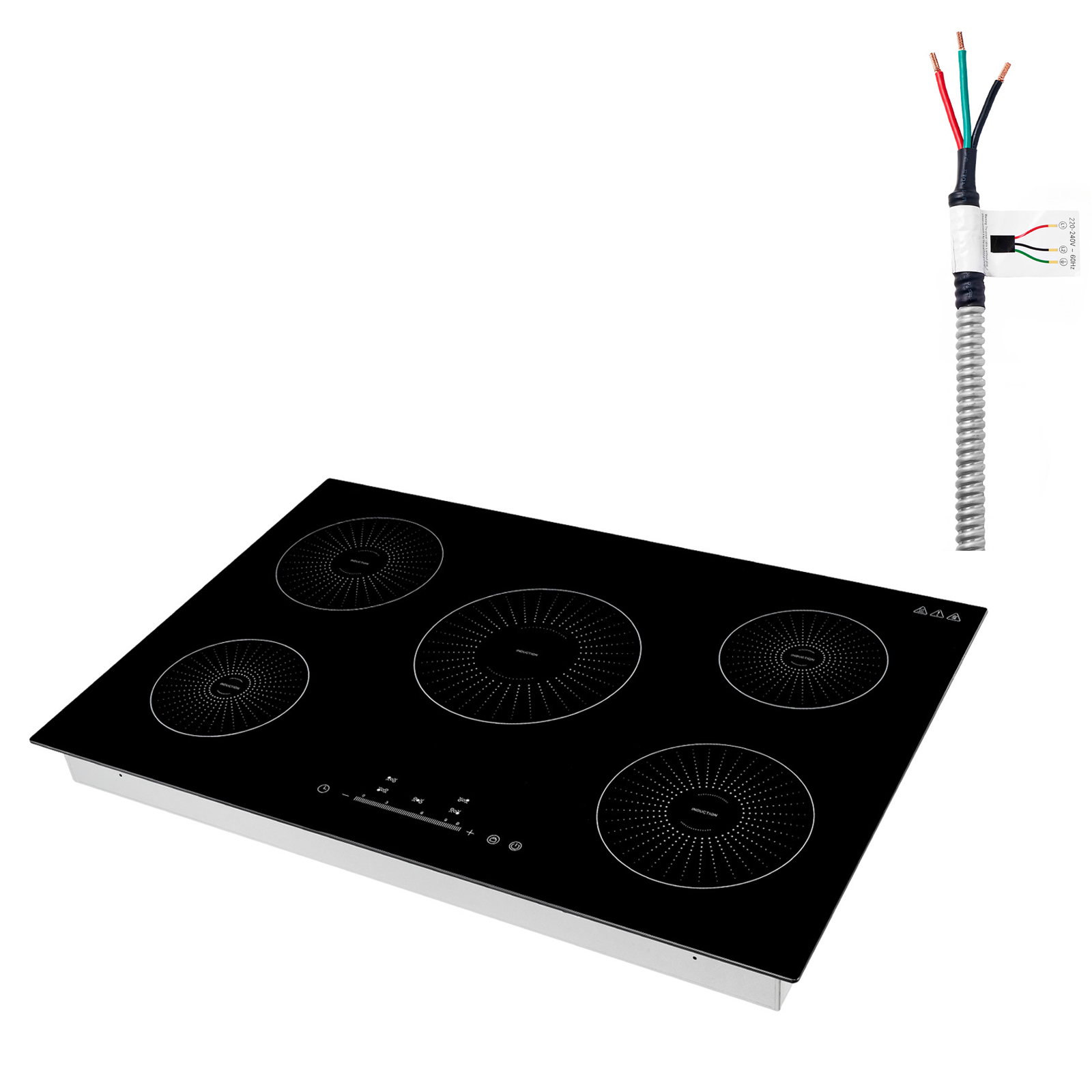 Induction Cooktop 30in 5 Burners Built-in Electric Stove 220V 9200W, Low-Power Continuous Heating, Burner For Kitchen, 9 Power Levels, LED Touch Screen, Ceramic Glass, Child Lock$261.99View on Mallflare
Highlights
- Coil elements (resistive sheathed tubular) cost least and are field-replaceable; radiant glass cooktops heat faster and wipe clean but crack if impact-loaded and require smooth flat-bottom cookware.
- Full-size electric ranges run on 240V/40–50A dedicated circuits; portable countertop burners run 120V at 1000–2000W total, so a dual-burner 2000W unit shares roughly 1000W per burner.
- Oven cavity insulation and door seal quality determine recovery time and energy use; self-clean (pyrolytic) liners tolerate high heat better than standard porcelain enamel.
- Drip pans and burner receptacle kits are model-fit parts: 6-inch and 8-inch bowl diameters and terminal block shape must match the element and range brand.
Best use cases
- Best fit: a full kitchen with a dedicated 240V circuit — buy a coil or radiant-glass freestanding range with a self-clean oven for daily family meals.
- Best fit: apartment, dorm, or RV with only 120V outlets — buy a 120V countertop hot plate (single infrared for quick searing, dual 2000W coil for two pans) and skip any 240V range.
- Wrong fit: replacing a built-in wall oven or slide-in range with a portable hot plate — cavity size, ventilation, and hardwiring differ entirely; match the existing cutout and circuit instead.
- Wrong fit: using coil drip pans or burner elements as universal parts — mismatch by diameter or terminal type causes poor contact and element failure; buy the set keyed to your range model.
Buying tips
- Match the circuit first: full ranges need 240V/40–50A; portable hot plates are 120V and should stay on a dedicated 15–20A outlet to avoid tripping shared kitchen circuits.
- Choose element type by cookware: coil and infrared work with flat-bottom pans; radiant glass needs smooth, flat, magnetic-bottom cookware and no sliding or impact.
- For replacement parts, measure the old drip pan (6-inch or 8-inch bowl) and match the element terminal block and receptacle kit to the range brand and model series.
- Portable dual-burner units at 2000W total deliver about 1000W per burner — pick a single 1200–1500W infrared unit when you need fast high heat on one pan.
Specs
| Power / Circuit | 240V range vs 120V portable |
|---|---|
| Cooktop Type | Coil / radiant glass / infrared |
| Oven Feature | Self-clean vs standard enamel |
| Replacement Fit | 6-in / 8-in pans, model-keyed kits |
Related searches
What to check before buying
- Measure the range cutout or freestanding slot (width, depth, height) and confirm the door swing and ventilation clearance before choosing a full-size unit.
- Confirm the kitchen has a dedicated 240V range circuit with the correct plug/receptacle type; portable units need only a standard 120V grounded outlet.
- Check cookware bases: flat and heavy for coil and infrared, smooth and magnetic for radiant glass; warped pans waste heat and mark glass.
- For replacement parts, record the range brand and model number and measure drip pan diameter and element terminal shape before ordering a kit.
FAQ
Data sources: eBay / Amazon listings and product attribute feeds. Updated Nov 28, 2026.
Some links on this page are affiliate links. If you buy after clicking one, we may earn a commission at no extra cost to you. This does not change which products appear here or their order. Affiliate disclosure.