
Photos from current listings. Actual item, color, and included accessories may vary.
Induction Cooktop With Downdraft Buying Guide
A downdraft induction cooktop pairs magnetic-induction cooking with an integrated ventilation system that pulls steam and smoke downward, eliminating the overhead hood. The core trade-off is between ventilation performance and kitchen layout flexibility: integrated downdraft units are sleek but reduce cabinet space and often need dedicated ducting, while portable or slide-in induction ranges without downdraft are cheaper and simpler to install. Buyers should choose a true downdraft induction cooktop only when overhead venting is impossible or undesired; otherwise, a standard induction cooktop with a separate hood delivers better capture and easier service.
Median $153.49
Key takeaways
- Downdraft induction models combine induction coils and a retractable or flush vent, typically requiring ducting to the exterior or a recirculating filter kit.
- Induction requires magnetic cookware; incompatible pans (aluminum, copper, glass) will not heat, unlike radiant or gas cooktops.
- Power tiers matter: 120V models cap around 1800–1900W total across burners; 240V models reach 7,000–9,200W for full-size multi-burner cooking.
At a glance
- Category
- Home Ranges, Ovens & Cooktops
- Last updated
- Nov 28, 2026
Current offers
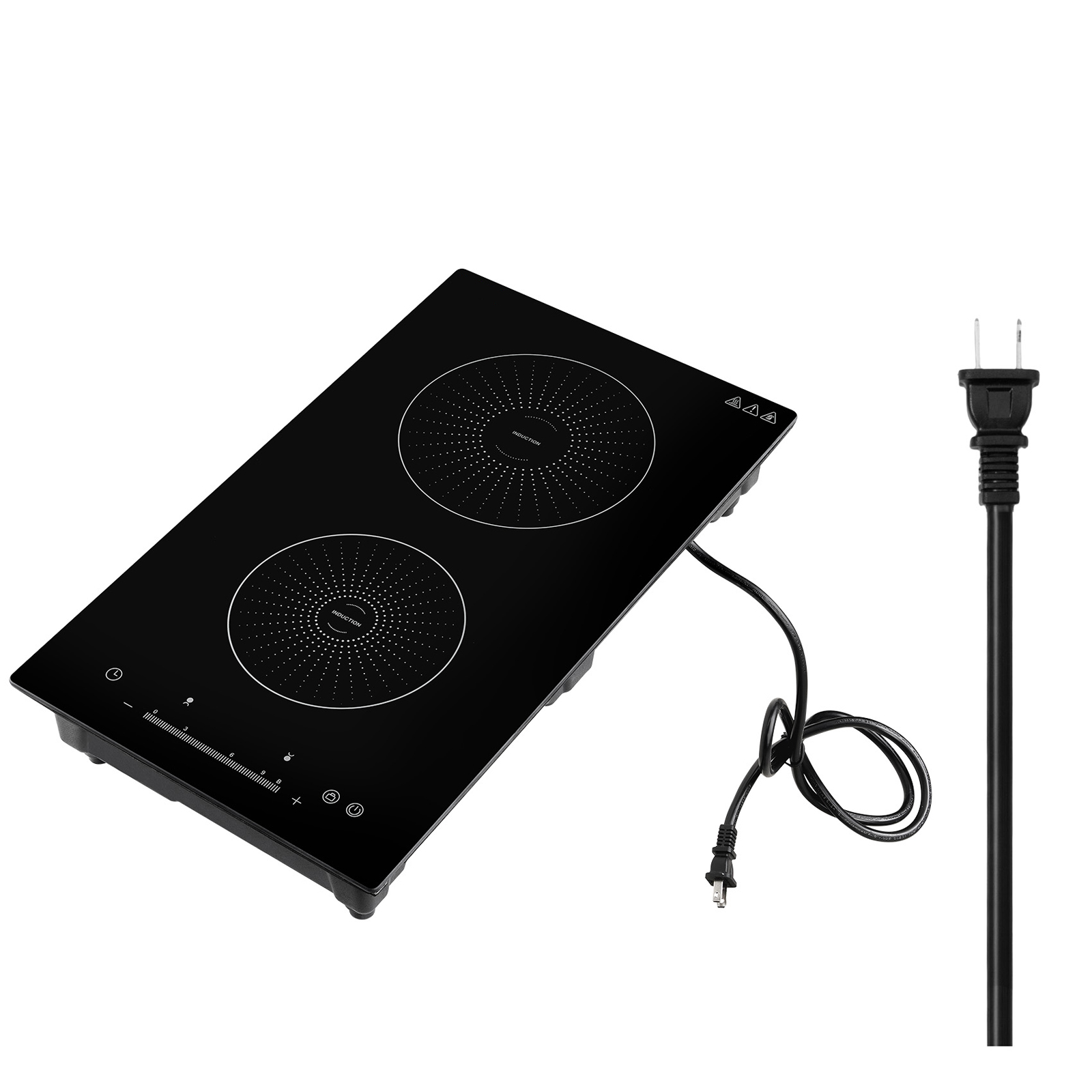 Induction Cooktop 12in 2 Burners Built-in Electric Stove 110V 1800W, Low-Power Continuous Heating, Countertop Burner, 9 Power Levels, LED Touch Screen, Ceramic Glass, And Child Lock$119.99View on Mallflare
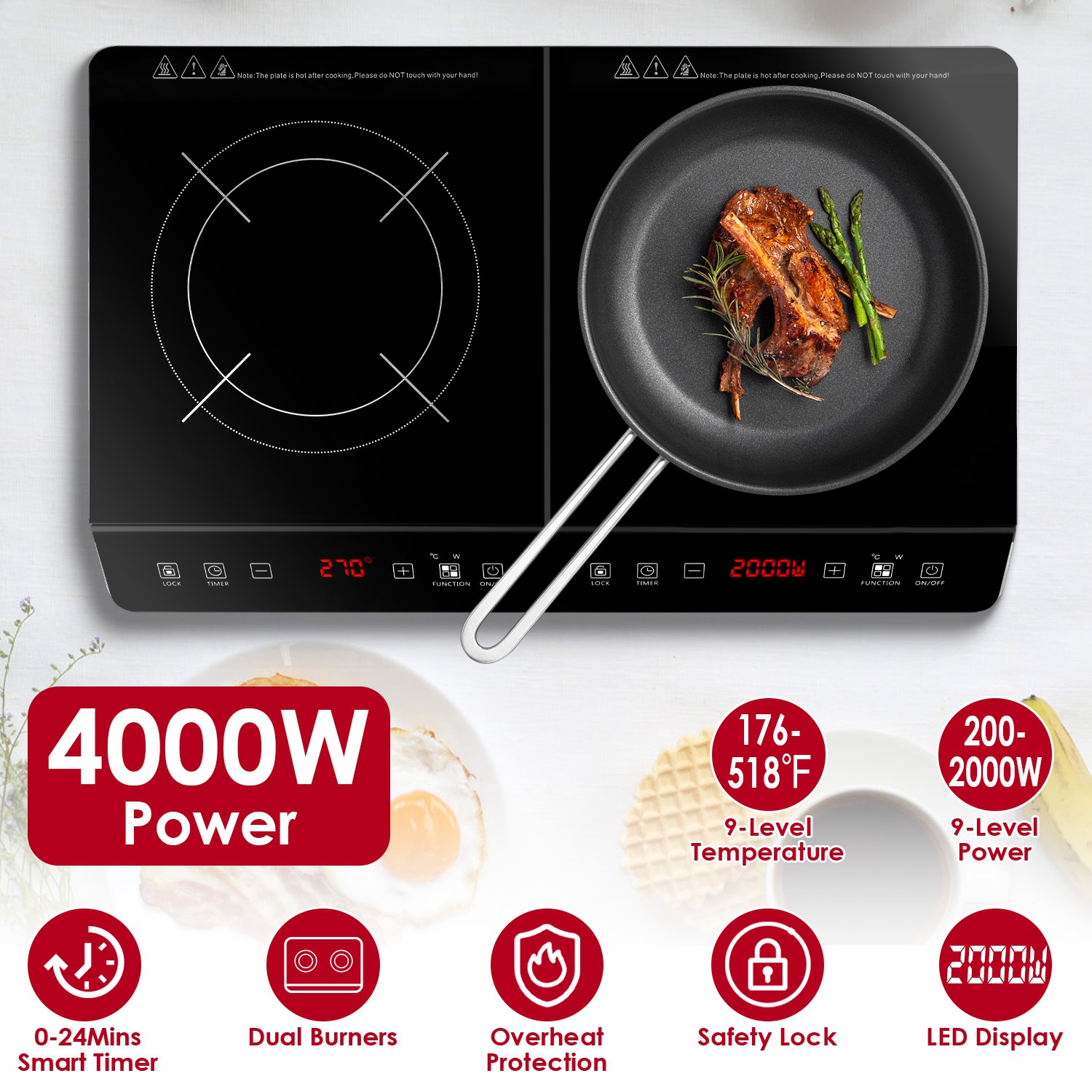 1Pc 4000W Induction Cooktop Portable Double Cooker Electric Dual Burner Stove Countertop Hot Plate With 9 Power 9 Temperature 3H Timer$147.99View on Mallflare
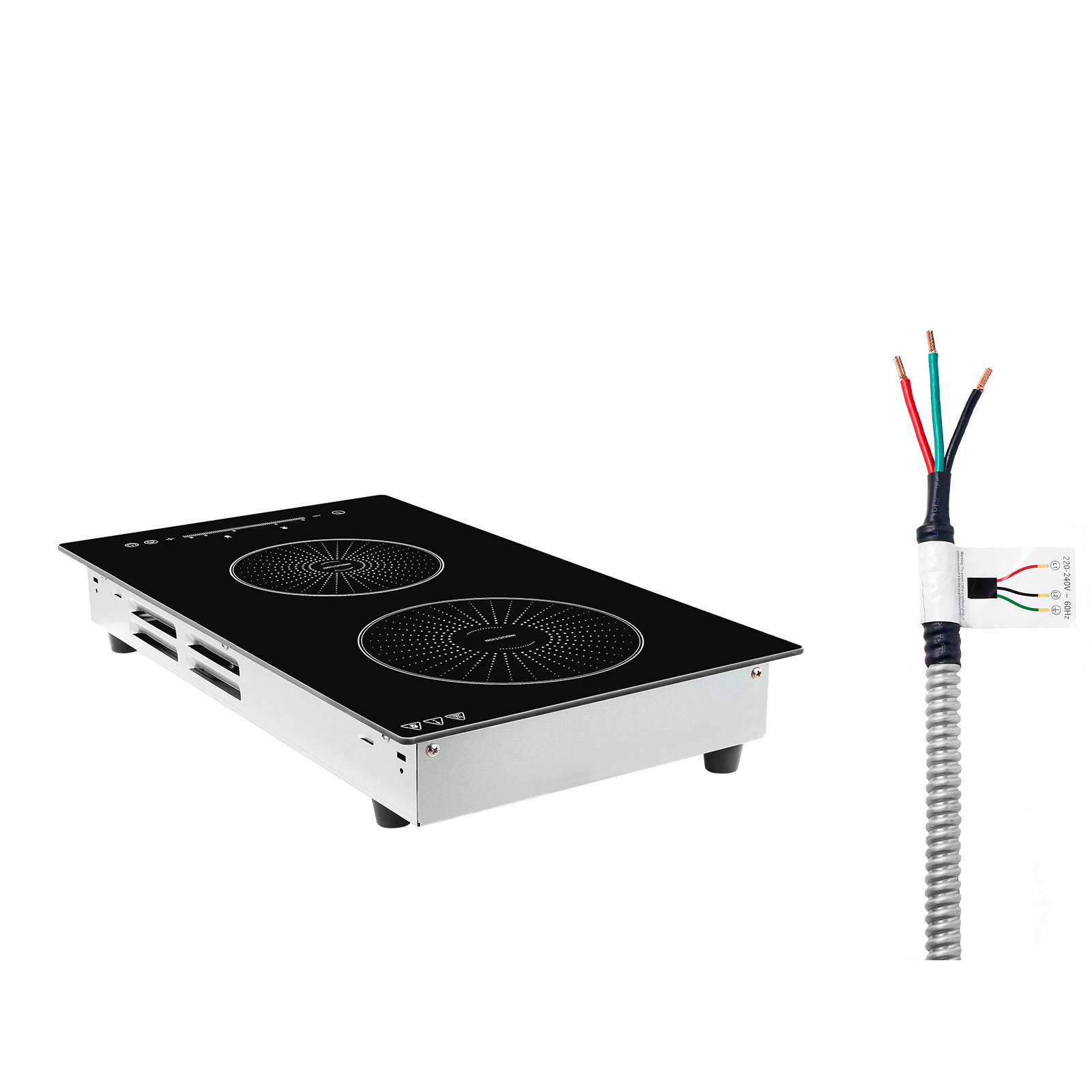 Induction Cooktop 12in 2 Burners Built-in Electric Stove 220V 3500W, Low-Power Continuous Heating, Burner For Kitchen, 9 Power Levels, LED Touch Screen, Ceramic Glass, And Child Lock$151.99View on Mallflare
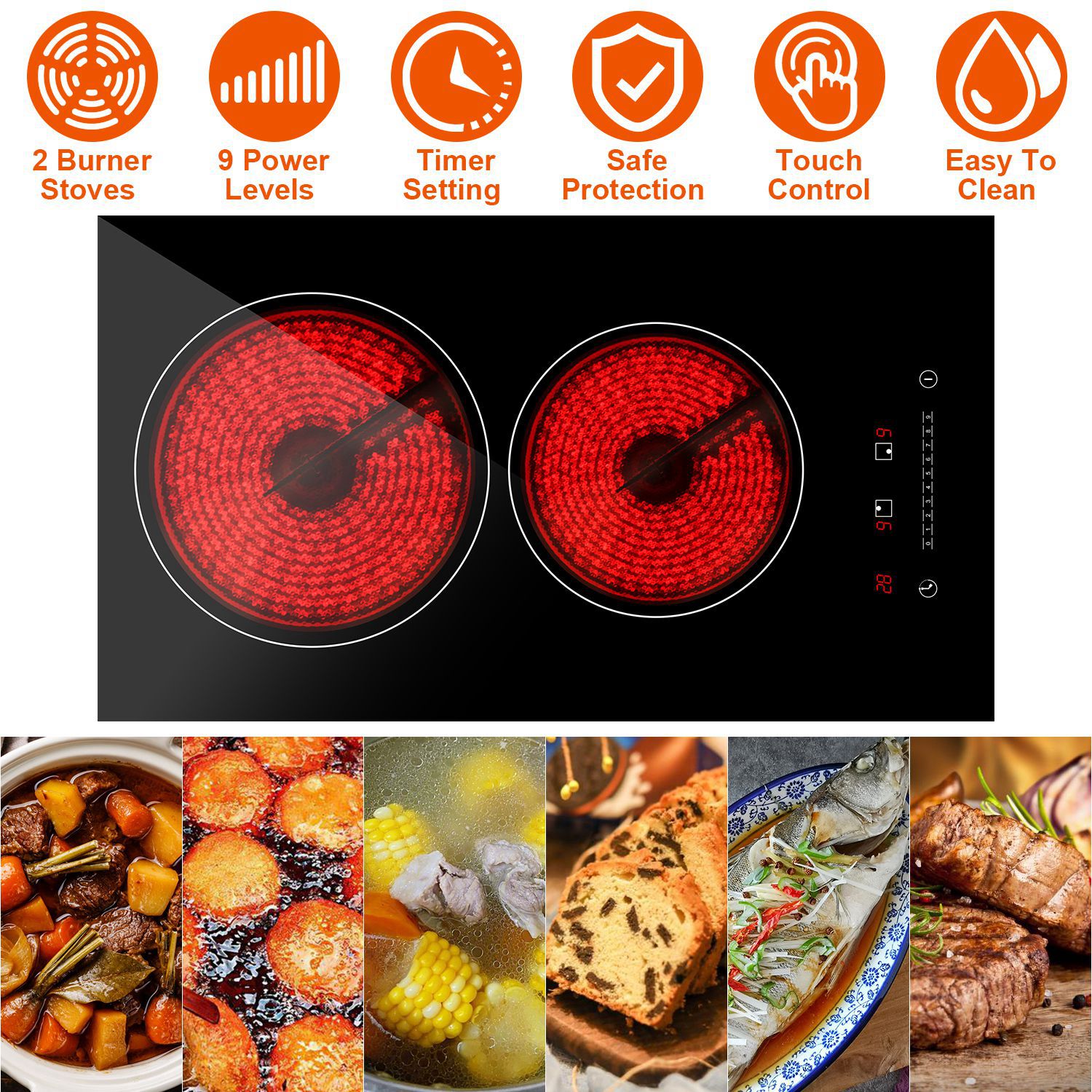 1Pc Dual Induction Burners Electric Cooktop 110V Total 1900W Stove Built In Ceramic With Timer Setting 9 Firepower Levels Over Heating Protection$152.99View on Mallflare
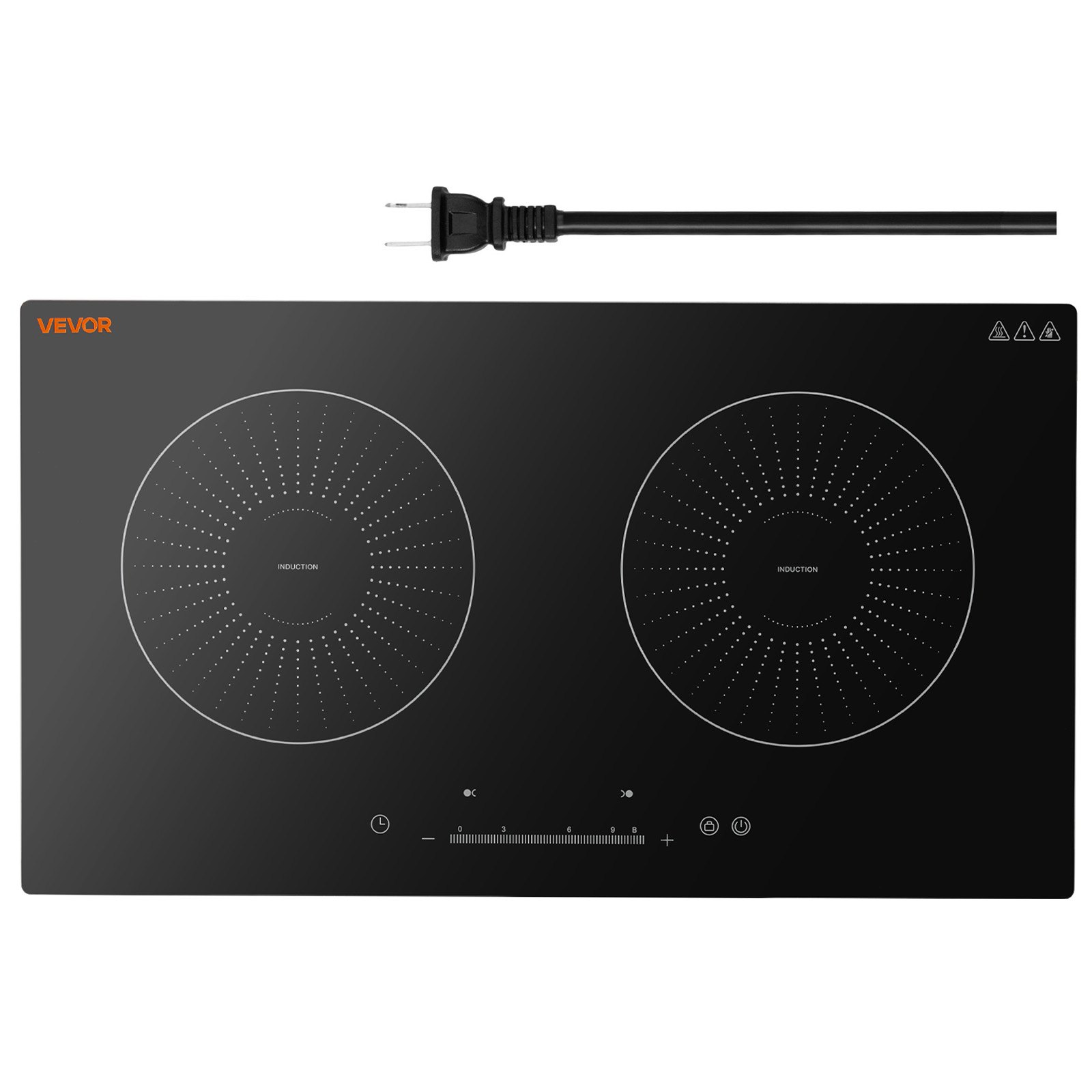 Induction Cooktop 24inch 2 Burners Built-in Electric Stove 110V 1800W, Low-Power Continuous Heating, Burner, with 9 Power Levels, LED Touch Screen, and Child Lock, for Kitchen, RV$153.99View on Mallflare
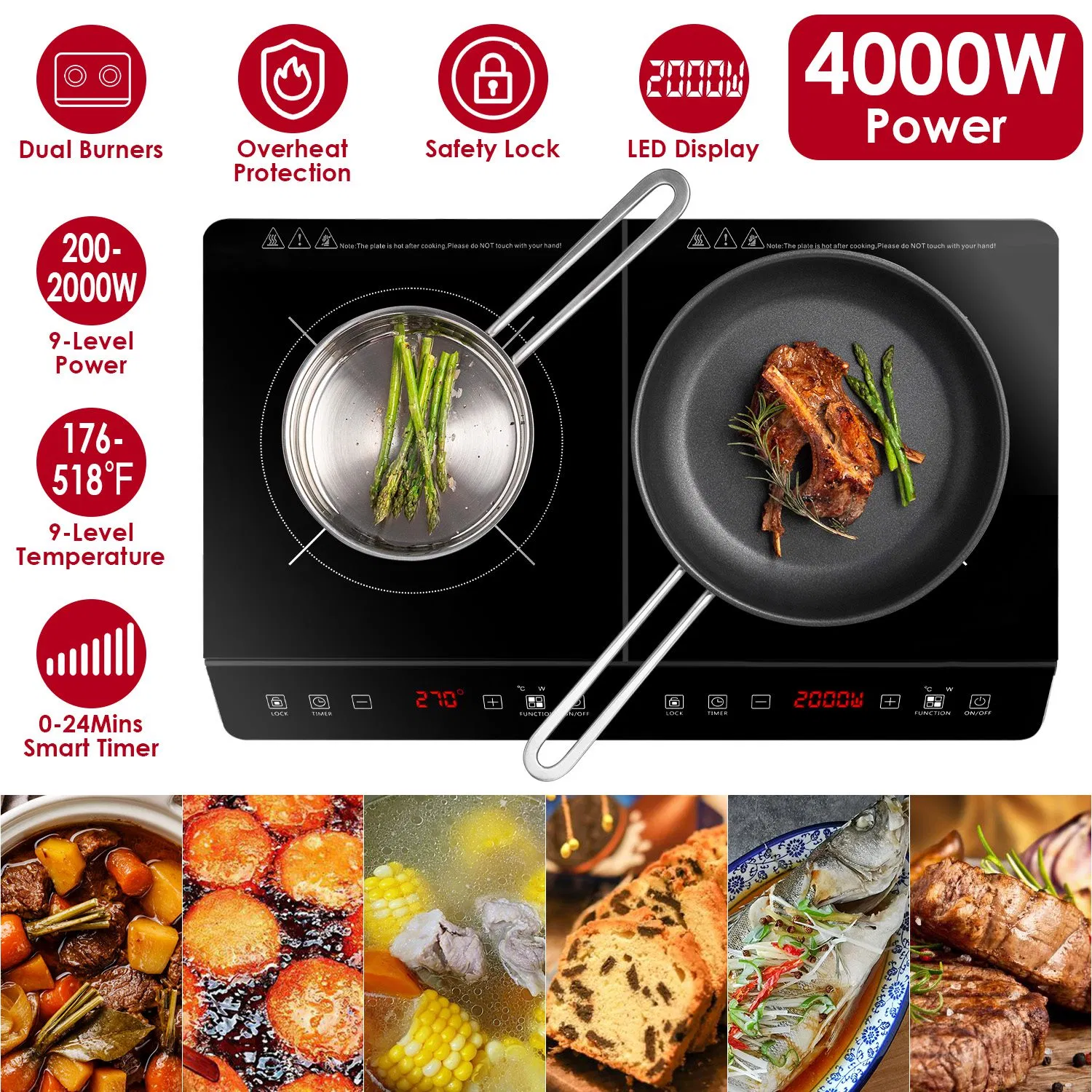 Double Induction Cooktop, Portable Dual Countertop Burner with Sensor Touch, 4000W 2 Electric Cooker 9 Temp & Power Levels, 3-Hour Timer,Safety Lock$171.99View on Mallflare
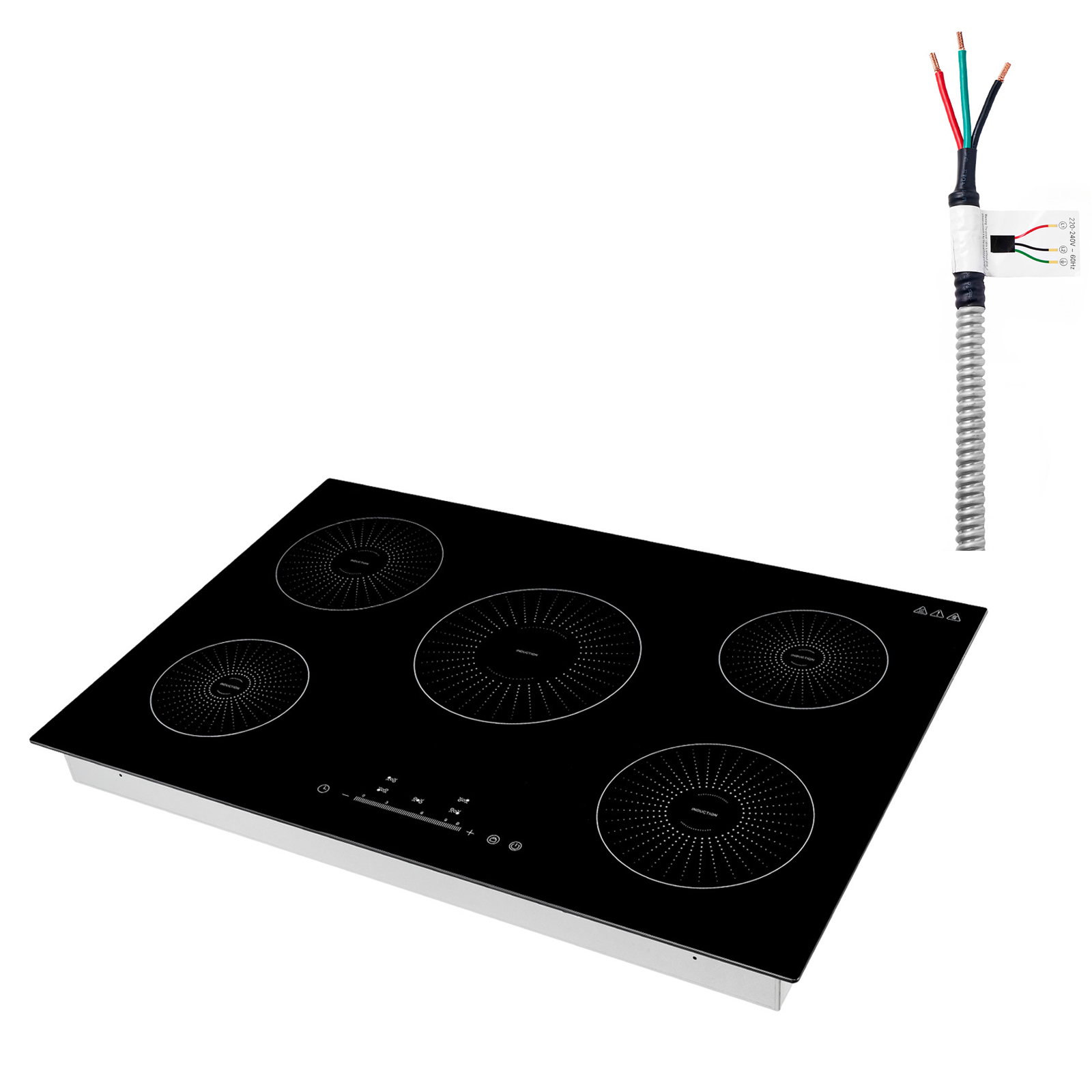 Induction Cooktop 30in 5 Burners Built-in Electric Stove 220V 9200W, Low-Power Continuous Heating, Burner For Kitchen, 9 Power Levels, LED Touch Screen, Ceramic Glass, Child Lock$261.99View on Mallflare
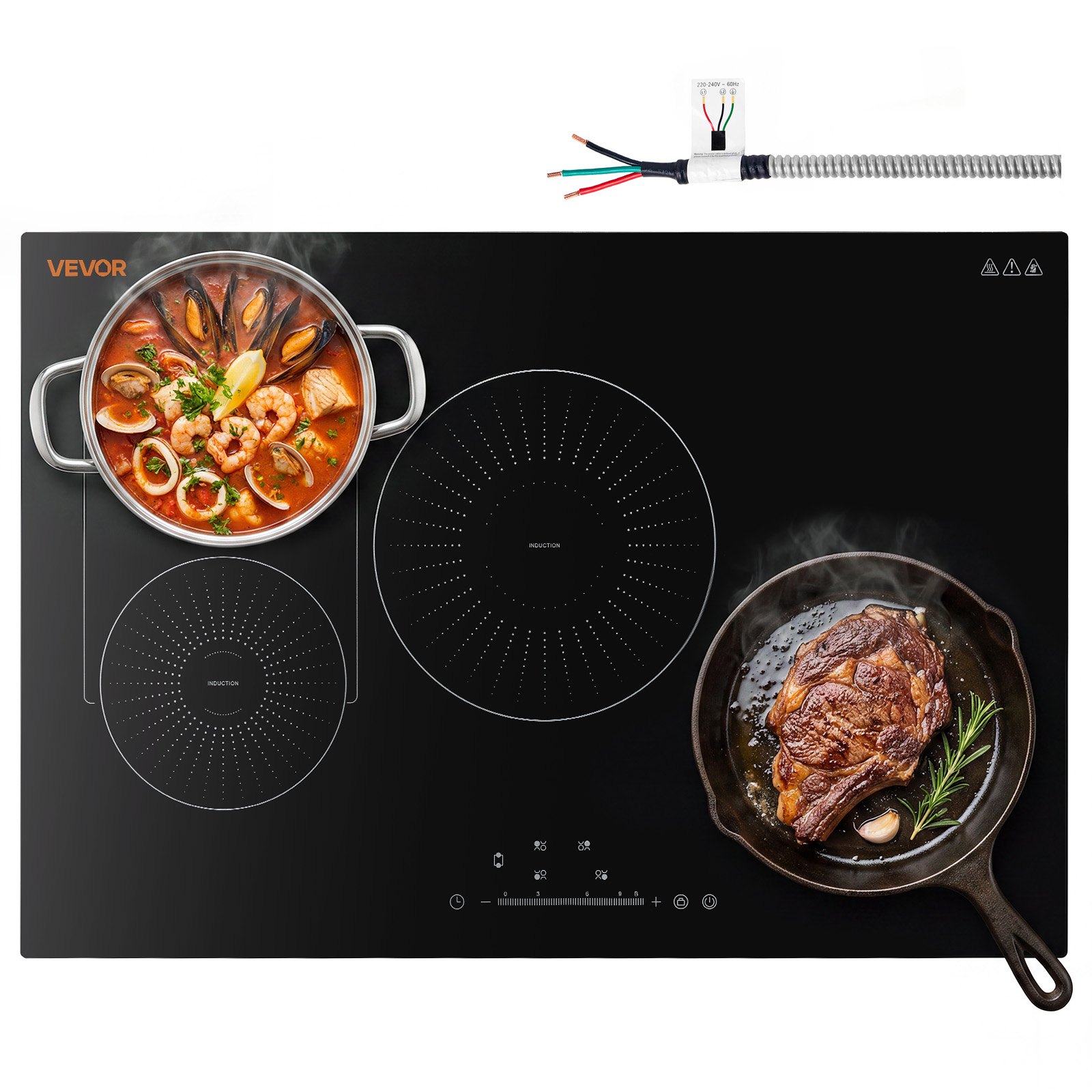 Induction Cooktop 30inch 4 Burners Built-in Electric Stove 220V 7500W, Low-Power Continuous Heating, Burner for Kitchen, with 9 Power Levels, LED Touch Screen, and Child Lock$292.99View on Mallflare
Highlights
- Downdraft induction models combine induction coils and a retractable or flush vent, typically requiring ducting to the exterior or a recirculating filter kit.
- Induction requires magnetic cookware; incompatible pans (aluminum, copper, glass) will not heat, unlike radiant or gas cooktops.
- Power tiers matter: 120V models cap around 1800–1900W total across burners; 240V models reach 7,000–9,200W for full-size multi-burner cooking.
- Ceramic glass tops resist heat but can scratch; look for metal or glass trim and sealed burners to prevent spills from entering the downdraft cavity.
Best use cases
- Best fit: kitchen islands where overhead hoods are blocked by vaulted ceilings or sightlines—pick a downdraft induction with ducted vent and 240V service for full power.
- Wrong fit: small apartments or RVs with only 120V outlets—choose a portable 120V induction cooktop and a separate recirculating filter rather than a hardwired downdraft unit.
- Best fit: remodeling with cabinet space below—allow for downdraft ducting and blower clearance; skip only if you cannot route ductwork or dedicate a filter access panel.
- Wrong fit: buyers wanting the lowest cost or easiest DIY install—a standard induction cooktop with an under-cabinet hood is cheaper and simpler than any downdraft model.
Buying tips
- Measure cutout and clearance: downdraft units require deeper cutouts (often 20–24 inches front-to-back) and rear clearance for the vent; confirm your countertop depth before ordering.
- Match voltage: 120V induction cooktops max out near 1800W total; for 4–5 burners and serious cooking, choose a 240V model with at least 7,000W total.
- Check ducting: ducted downdraft needs a straight run to the exterior; recirculating kits use filters but capture less smoke—choose ducted if you sear or fry often.
- Cookware compatibility: test your pans with a magnet; only ferrous (magnetic) bases work on induction—budget for new cookware if yours is aluminum or copper.
Specs
| Vent Type | Ducted or recirculating |
|---|---|
| Voltage | 120V portable / 240V built-in |
| Total Power | 1,800–9,200W across burners |
| Cooktop Material | Ceramic glass / metal trim |
Related searches
What to check before buying
- Countertop cutout dimensions (width, depth, corner radius) and rear clearance for the downdraft vent must match the unit’s spec sheet.
- Electrical supply: confirm 120V dedicated circuit for portable models or 240V hardwired service for full-size downdraft induction cooktops.
- Duct path: measure the distance and number of elbows to the exterior; downdraft blowers lose airflow with long or bendy runs.
- Cookware inventory: verify at least 80% of your pots and pans have magnetic bases; non-magnetic pans will not heat.
FAQ
Data sources: eBay / Amazon listings and product attribute feeds. Updated Nov 28, 2026.
Some links on this page are affiliate links. If you buy after clicking one, we may earn a commission at no extra cost to you. This does not change which products appear here or their order. Affiliate disclosure.