
Photos from current listings. Actual item, color, and included accessories may vary.
Induction Electric Stove Buying Guide
An induction electric stove uses electromagnetic coils under a ceramic-glass surface to heat only magnetic cookware, delivering faster response and higher efficiency than radiant electric or gas. The core trade-off is power architecture: 110V portables cap at 1800W total and often cannot run two burners at full output, while 220V built-ins deliver 7500-9200W for true simultaneous high-heat cooking. Buy 220V if you have a dedicated circuit and magnetic pans; buy 110V only for RV, dorm, or supplemental use.
Median $152.99
Key takeaways
- Voltage determines total wattage: 110V models max out around 1800-1900W shared across all burners, while 220V built-ins deliver 7500W (4-burner) to 9200W (5-burner) for full simultaneous output.
- Burner count and layout dictate pan capacity: 12in models fit 2 small burners, 24in fits 2 full-size, 30in fits 4-5 burners including a large 8-9in zone for stockpots.
- Ceramic glass thickness and coil quality separate durable units from budget ones; look for Schott or equivalent glass-ceramic and sealed coil assemblies rated for daily thermal cycling.
At a glance
- Category
- Home Ranges, Ovens & Cooktops
- Last updated
- Nov 28, 2026
Current offers
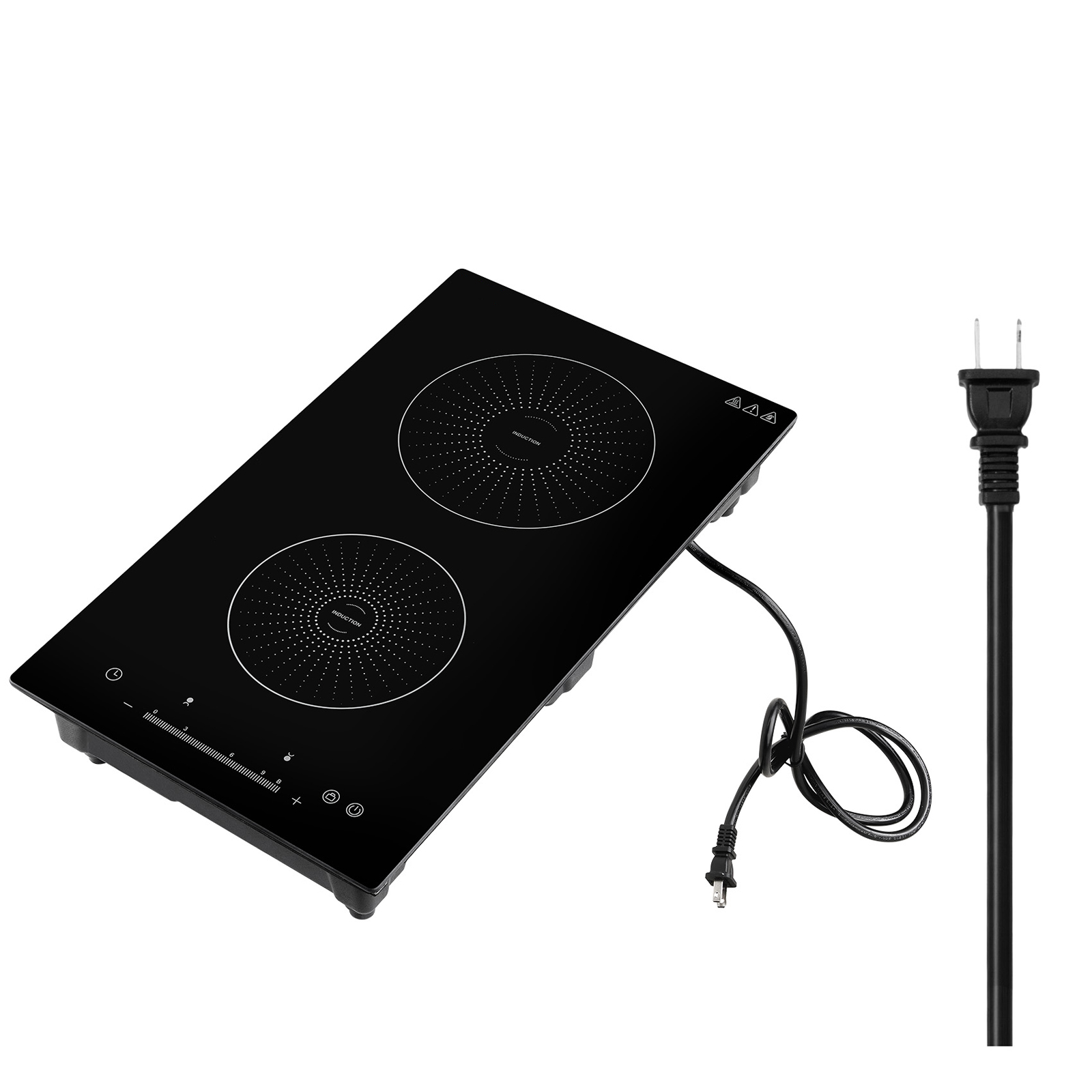 Induction Cooktop 12in 2 Burners Built-in Electric Stove 110V 1800W, Low-Power Continuous Heating, Countertop Burner, 9 Power Levels, LED Touch Screen, Ceramic Glass, And Child Lock$119.99View on Mallflare
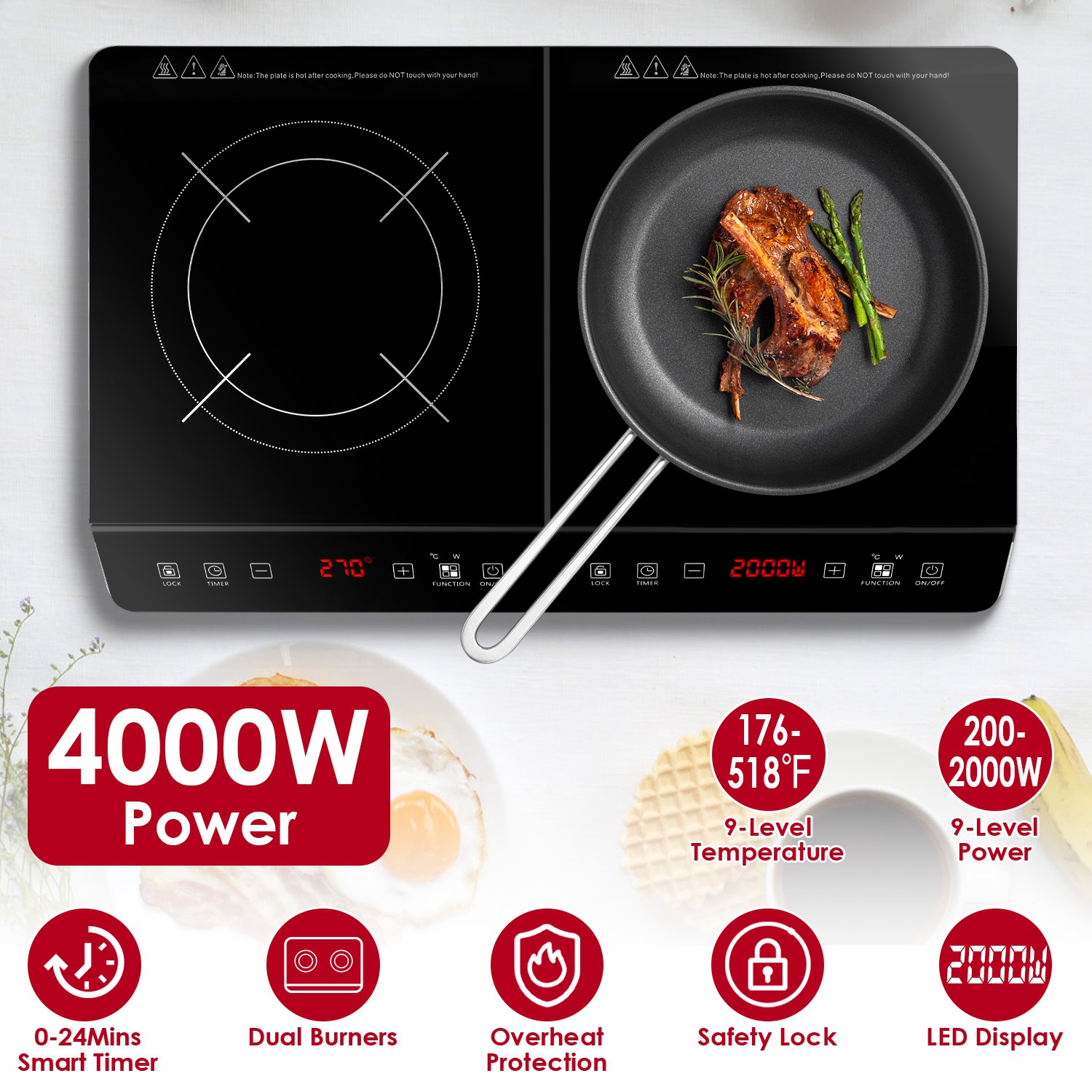 1Pc 4000W Induction Cooktop Portable Double Cooker Electric Dual Burner Stove Countertop Hot Plate With 9 Power 9 Temperature 3H Timer$147.99View on Mallflare
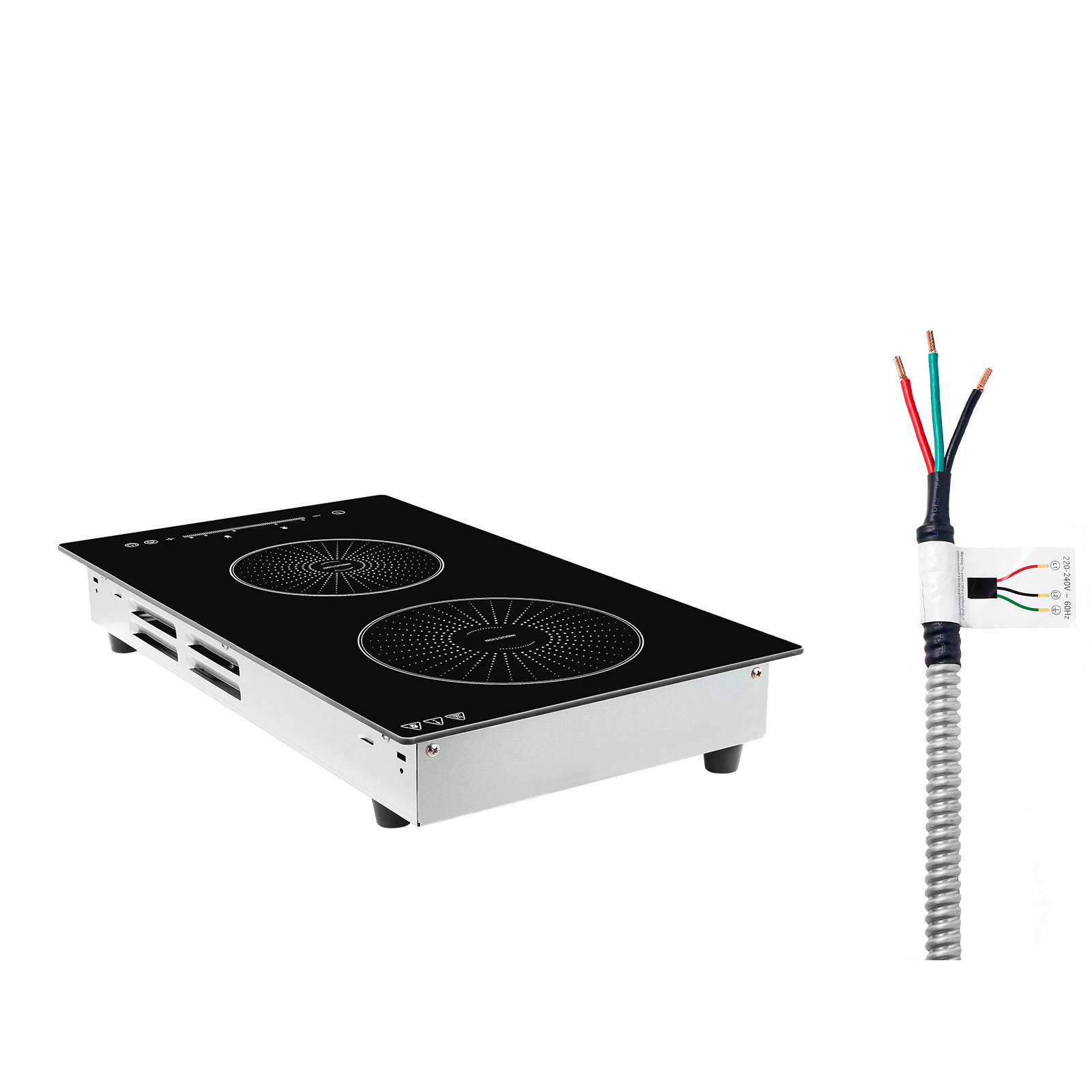 Induction Cooktop 12in 2 Burners Built-in Electric Stove 220V 3500W, Low-Power Continuous Heating, Burner For Kitchen, 9 Power Levels, LED Touch Screen, Ceramic Glass, And Child Lock$151.99View on Mallflare
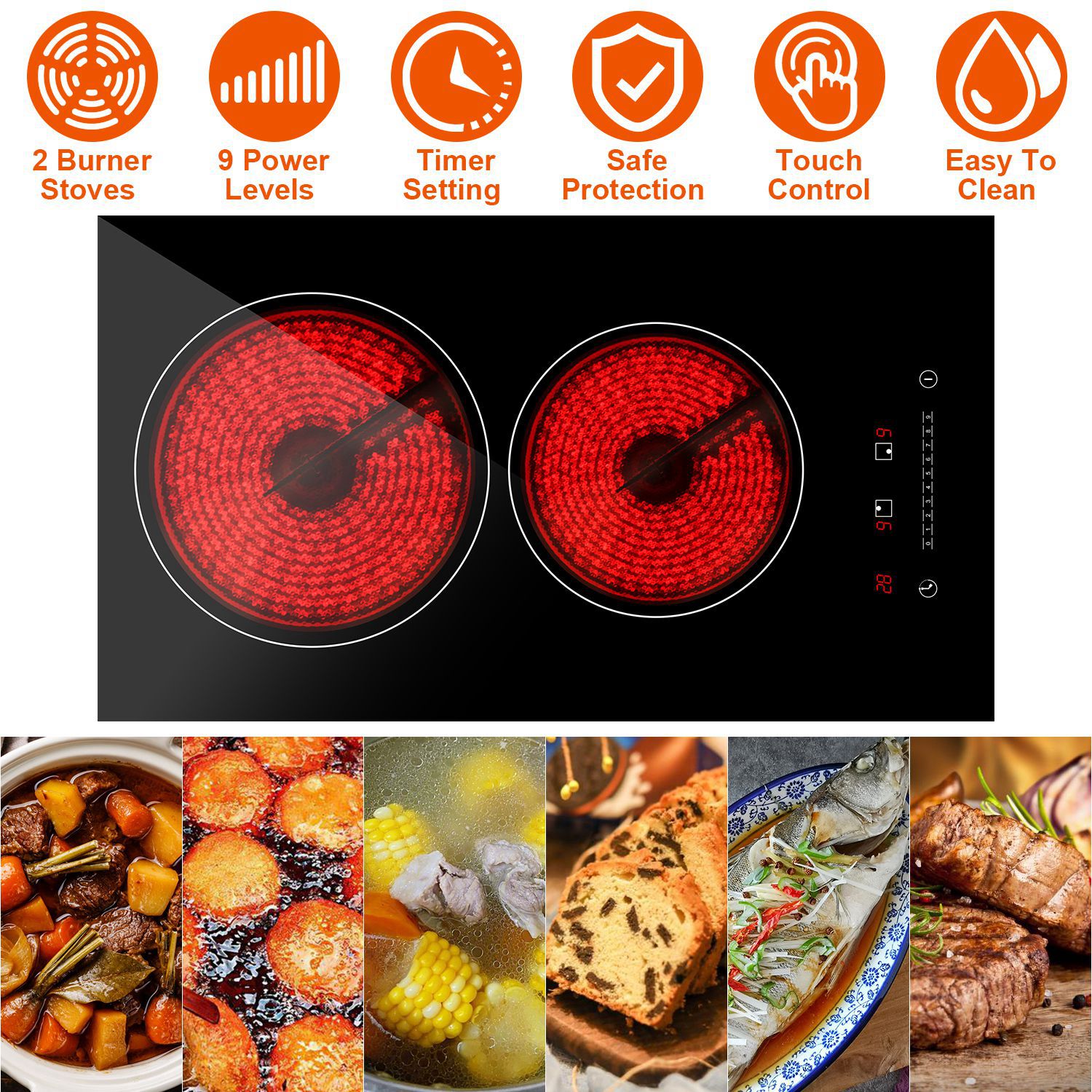 1Pc Dual Induction Burners Electric Cooktop 110V Total 1900W Stove Built In Ceramic With Timer Setting 9 Firepower Levels Over Heating Protection$152.99View on Mallflare
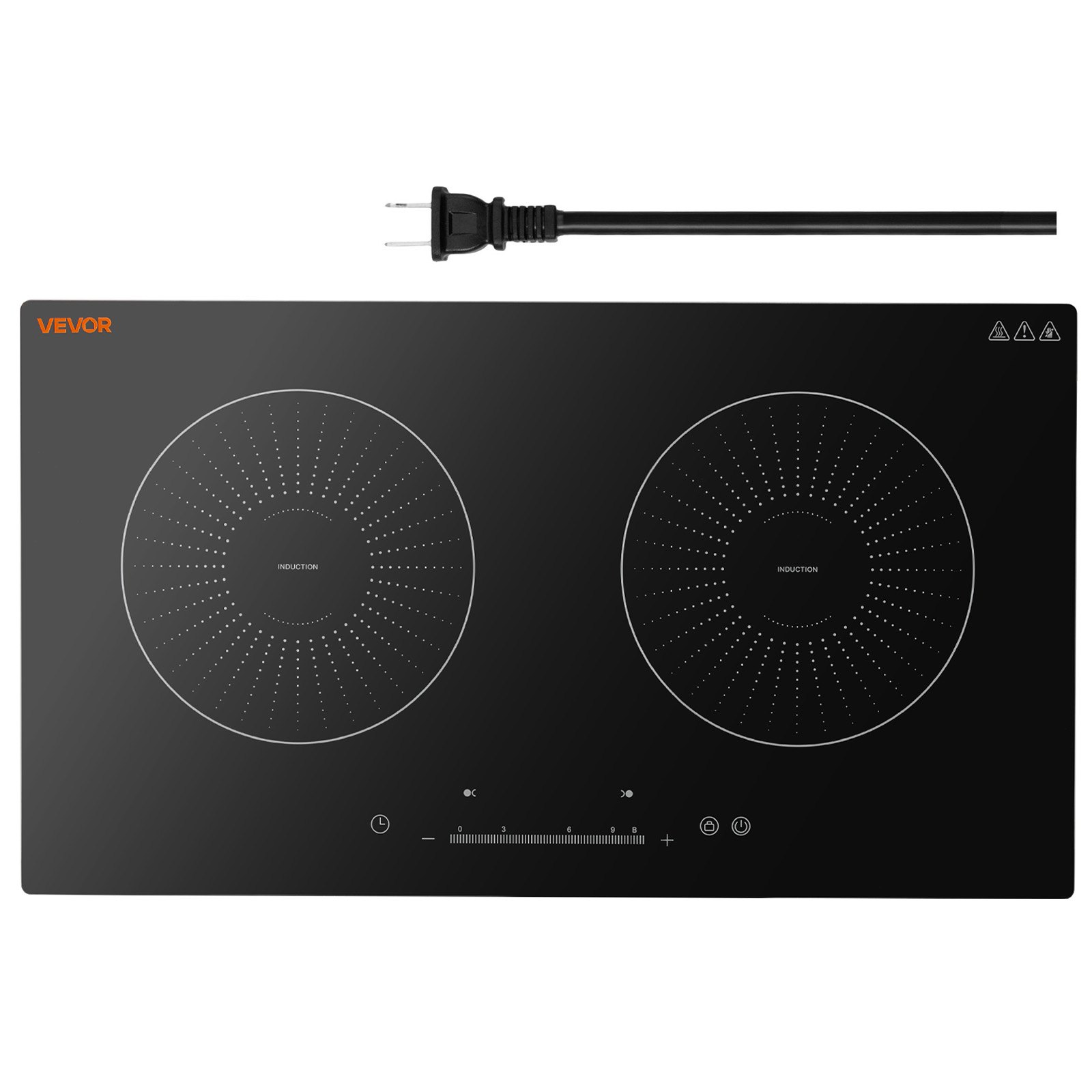 Induction Cooktop 24inch 2 Burners Built-in Electric Stove 110V 1800W, Low-Power Continuous Heating, Burner, with 9 Power Levels, LED Touch Screen, and Child Lock, for Kitchen, RV$153.99View on Mallflare
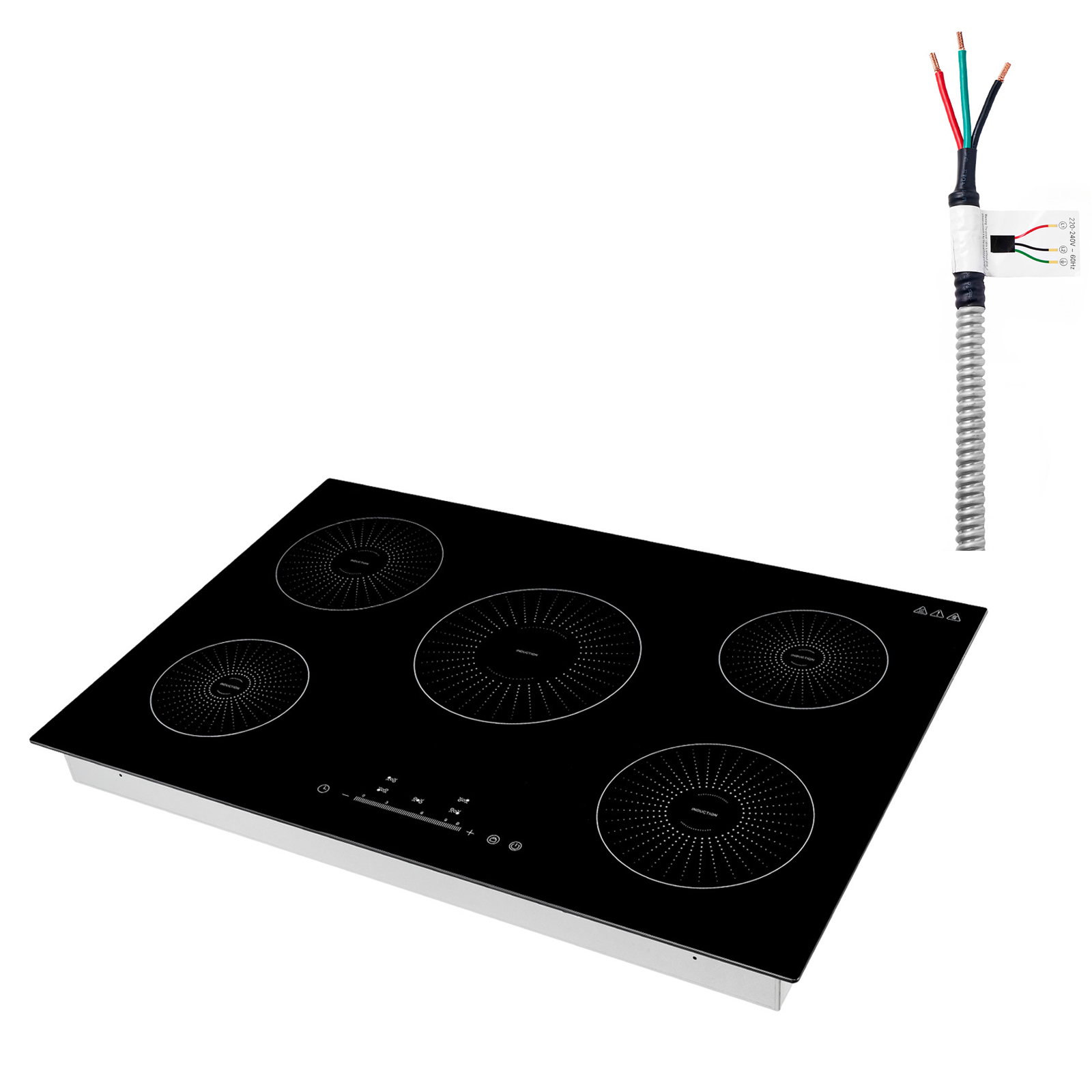 Induction Cooktop 30in 5 Burners Built-in Electric Stove 220V 9200W, Low-Power Continuous Heating, Burner For Kitchen, 9 Power Levels, LED Touch Screen, Ceramic Glass, Child Lock$261.99View on Mallflare
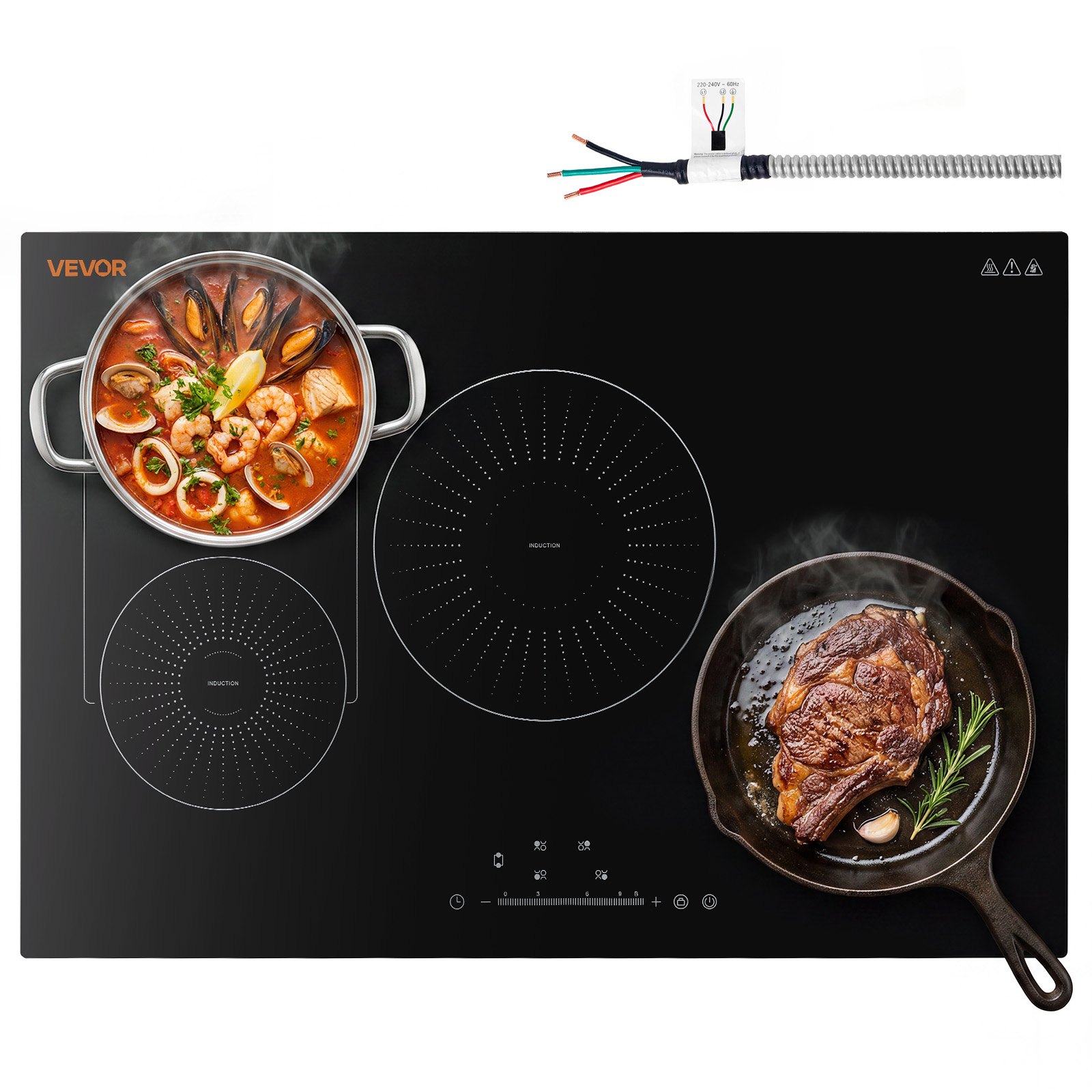 Induction Cooktop 30inch 4 Burners Built-in Electric Stove 220V 7500W, Low-Power Continuous Heating, Burner for Kitchen, with 9 Power Levels, LED Touch Screen, and Child Lock$292.99View on Mallflare
Highlights
- Voltage determines total wattage: 110V models max out around 1800-1900W shared across all burners, while 220V built-ins deliver 7500W (4-burner) to 9200W (5-burner) for full simultaneous output.
- Burner count and layout dictate pan capacity: 12in models fit 2 small burners, 24in fits 2 full-size, 30in fits 4-5 burners including a large 8-9in zone for stockpots.
- Ceramic glass thickness and coil quality separate durable units from budget ones; look for Schott or equivalent glass-ceramic and sealed coil assemblies rated for daily thermal cycling.
- Control type matters for reliability: knob controls are simpler and more moisture-tolerant, while touch/LED panels add precision but are vulnerable to spills and require flat-panel servicing.
Best use cases
- Best fit for a primary kitchen: 30in 220V 4- or 5-burner built-in with at least one 8-9in high-wattage zone and a dedicated 40-50A circuit; skip 110V portables for daily family cooking.
- Best fit for RV, cabin, or dorm: 12in or 24in 110V 2-burner built-in with low-power continuous mode; skip 220V models because you cannot supply the circuit.
- Best fit for small condo or rental kitchen: 24in 220V 2-burner built-in where counter space is tight but full power is needed; skip 30in frames that will not fit the cutout.
- Wrong fit for any induction stove: aluminum, copper, or glass cookware that is not magnetic; test with a magnet before buying or budget for new pans.
Buying tips
- Match voltage to your circuit first: 110V plugs into standard outlets but shares 1800W across burners; 220V requires a dedicated 40-50A circuit and hardwired or NEMA 6-50/14-50 connection.
- Measure the cutout, not just the glass: a 30in cooktop typically needs a 28.5-29in cutout width and 19-20in depth; verify countertop clearance and below-counter oven or drawer space.
- Test your cookware with a magnet: if a magnet does not stick firmly to the base, the pan will not heat on induction; cast iron and magnetic stainless steel work, aluminum does not.
- Choose burner layout for your pans: a 12in unit fits two 6-7in pans, a 24in fits two 8in pans, and a 30in 5-burner gives one 8-9in power zone plus four smaller simmer zones.
Specs
| Voltage / Total Power | 110V 1800W vs 220V 7500-9200W |
|---|---|
| Burner Count / Size | 2-burner 12-24in / 4-5 burner 30in |
| Cooktop Surface | Ceramic glass-ceramic (Schott-class) |
| Control Type | Knob vs touch LED / 9-11 power levels |
Related searches
What to check before buying
- Confirm circuit amperage and voltage at the breaker box: 110V models need a standard 15-20A outlet; 220V models need a dedicated 40-50A circuit.
- Measure countertop cutout width, depth, and clearance below: allow at least 2in of airflow around the unit and check for oven or drawer interference.
- Verify pan base diameter matches burner zone: use pans within 1in of the zone size; undersized pans waste energy and oversized pans may not heat evenly.
- Check countertop material and edge sealing: ceramic glass needs a flat, level surface and a bead of heat-resistant sealant around the perimeter to prevent moisture ingress.
FAQ
Data sources: eBay / Amazon listings and product attribute feeds. Updated Nov 28, 2026.
Some links on this page are affiliate links. If you buy after clicking one, we may earn a commission at no extra cost to you. This does not change which products appear here or their order. Affiliate disclosure.