
Photos from current listings. Actual item, color, and included accessories may vary.
Induction Stove Buying Guide
An induction stove uses magnetic coils under a ceramic-glass surface to heat only ferrous cookware, delivering faster response and lower surface temperatures than electric coil or radiant models. The core trade-off is between 110V portable/countertop units limited to ~1800W total and 220V built-in cooktops that reach 7500-9200W for full-size cooking. The decision rule: choose 220V built-in for daily family cooking, 110V only for RV, dorm, or backup use where a standard outlet is the hard constraint.
Median $153.49
Key takeaways
- 110V models cap at 1800-1900W total across all burners, so a 12-inch 2-burner shares power and cannot run both zones at full heat simultaneously.
- 220V built-ins deliver 7500W (4-burner) to 9200W (5-burner), enabling true high-heat searing and simultaneous multi-pan cooking without load shedding.
- All units require magnetic cookware; test with a magnet—if it doesn't stick, the pan won't heat on any induction zone.
At a glance
- Category
- Home Ranges, Ovens & Cooktops
- Last updated
- Nov 28, 2026
Current offers
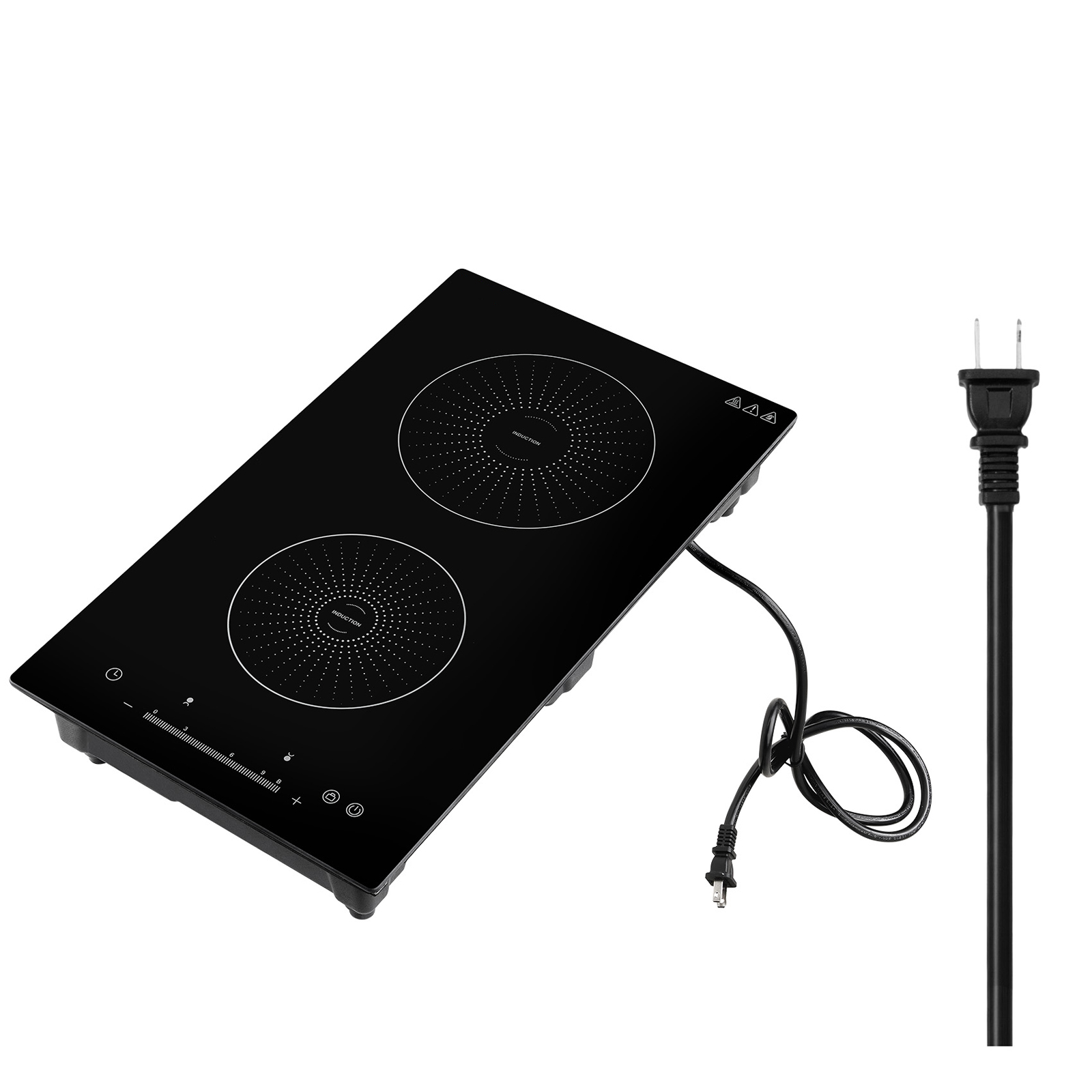 Induction Cooktop 12in 2 Burners Built-in Electric Stove 110V 1800W, Low-Power Continuous Heating, Countertop Burner, 9 Power Levels, LED Touch Screen, Ceramic Glass, And Child Lock$119.99View on Mallflare
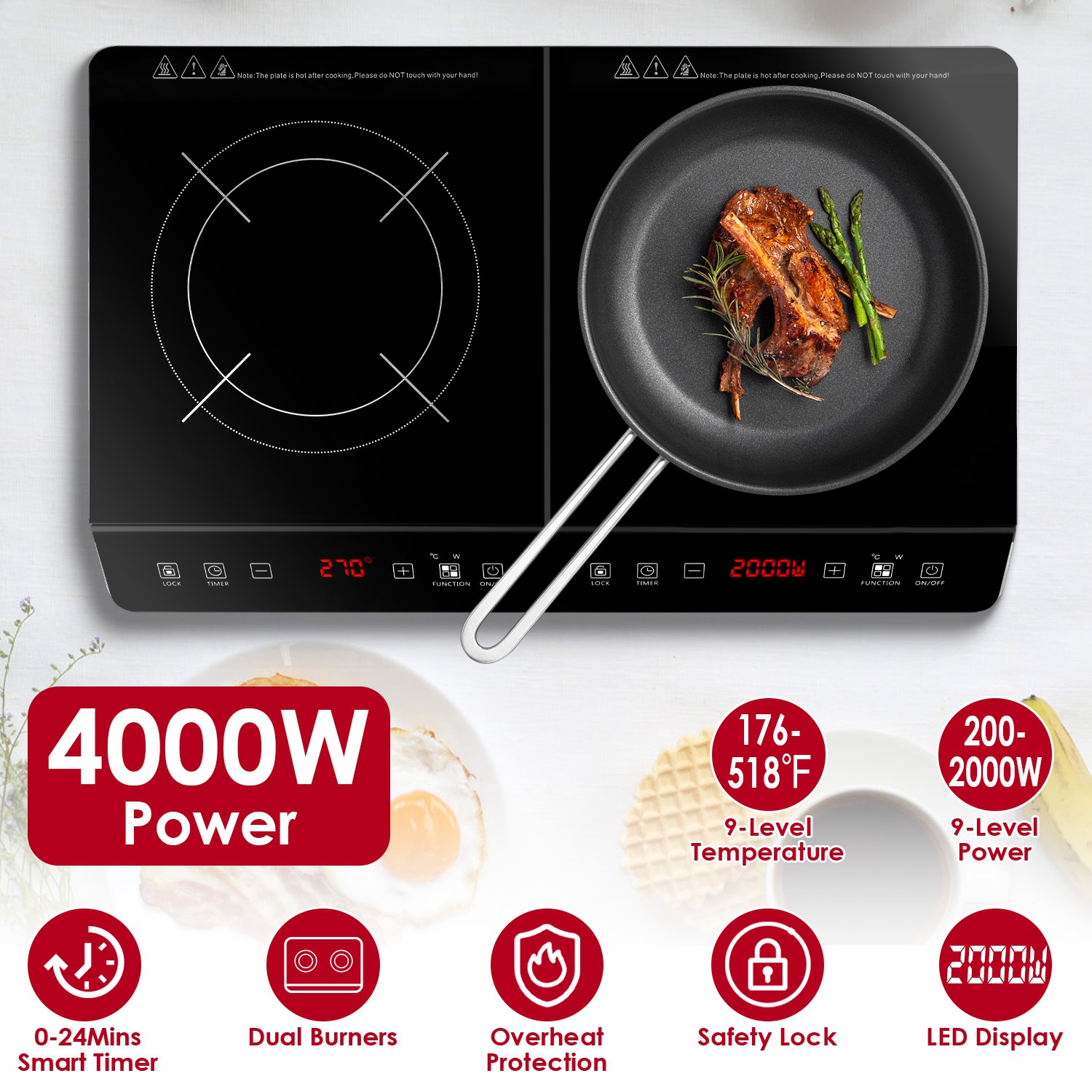 1Pc 4000W Induction Cooktop Portable Double Cooker Electric Dual Burner Stove Countertop Hot Plate With 9 Power 9 Temperature 3H Timer$147.99View on Mallflare
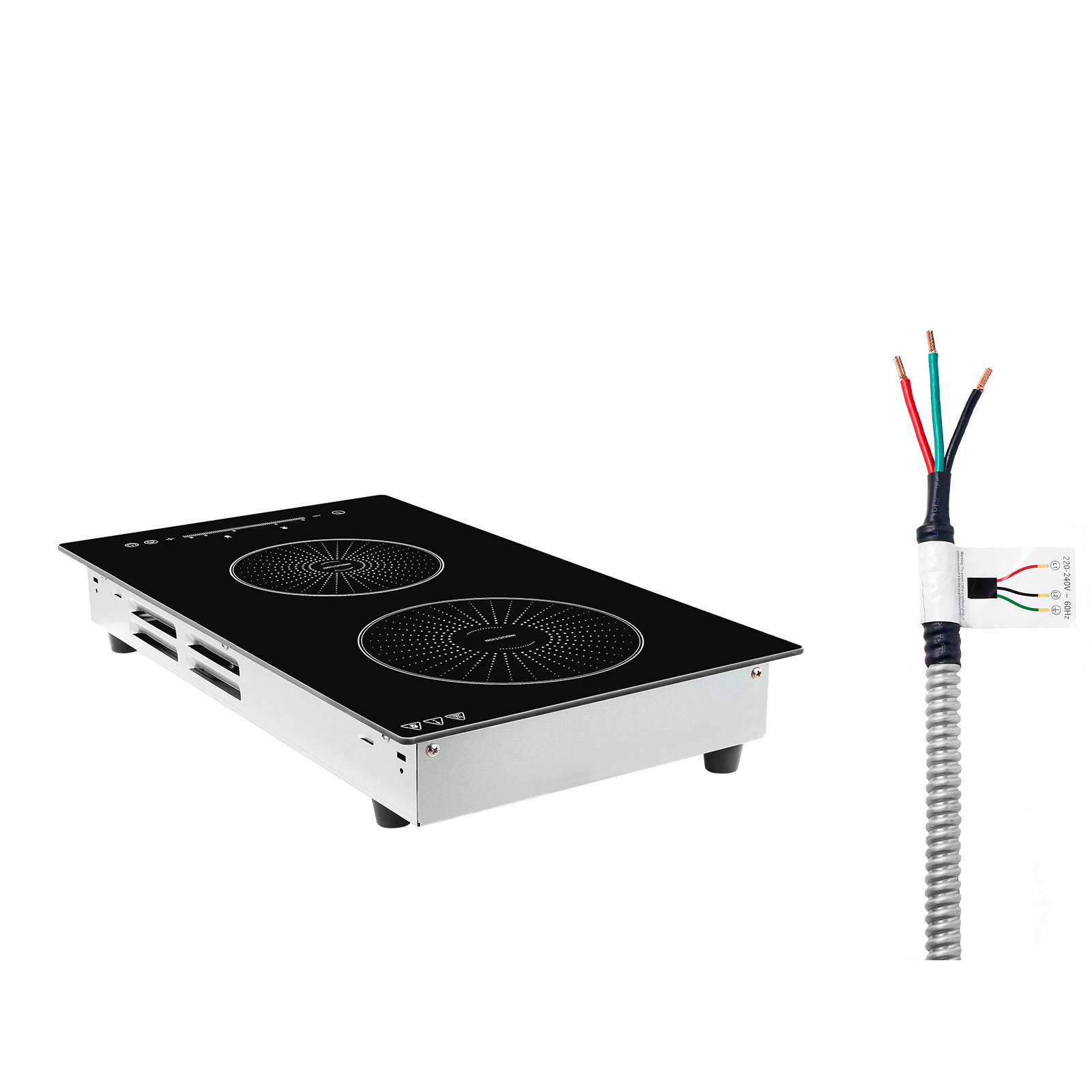 Induction Cooktop 12in 2 Burners Built-in Electric Stove 220V 3500W, Low-Power Continuous Heating, Burner For Kitchen, 9 Power Levels, LED Touch Screen, Ceramic Glass, And Child Lock$151.99View on Mallflare
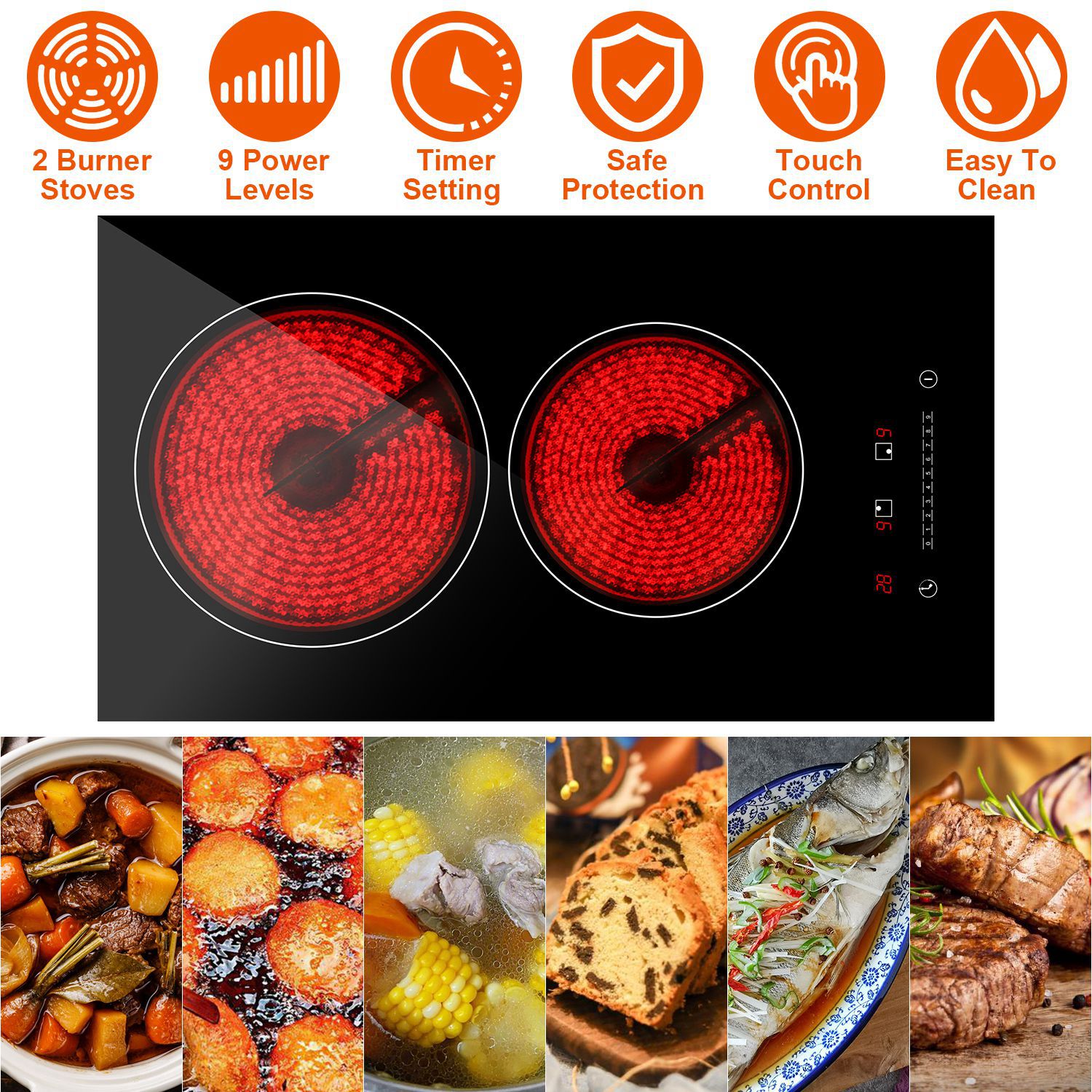 1Pc Dual Induction Burners Electric Cooktop 110V Total 1900W Stove Built In Ceramic With Timer Setting 9 Firepower Levels Over Heating Protection$152.99View on Mallflare
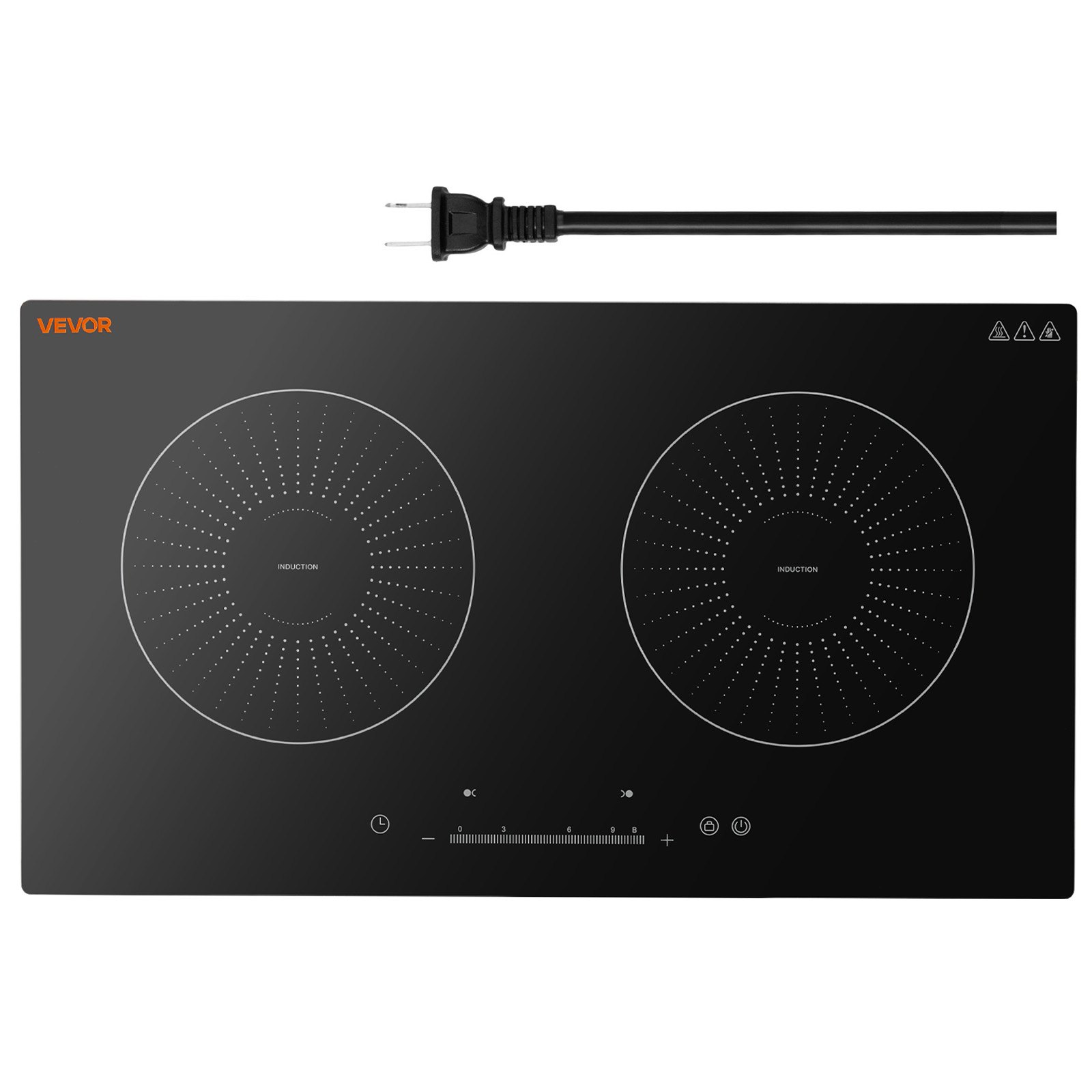 Induction Cooktop 24inch 2 Burners Built-in Electric Stove 110V 1800W, Low-Power Continuous Heating, Burner, with 9 Power Levels, LED Touch Screen, and Child Lock, for Kitchen, RV$153.99View on Mallflare
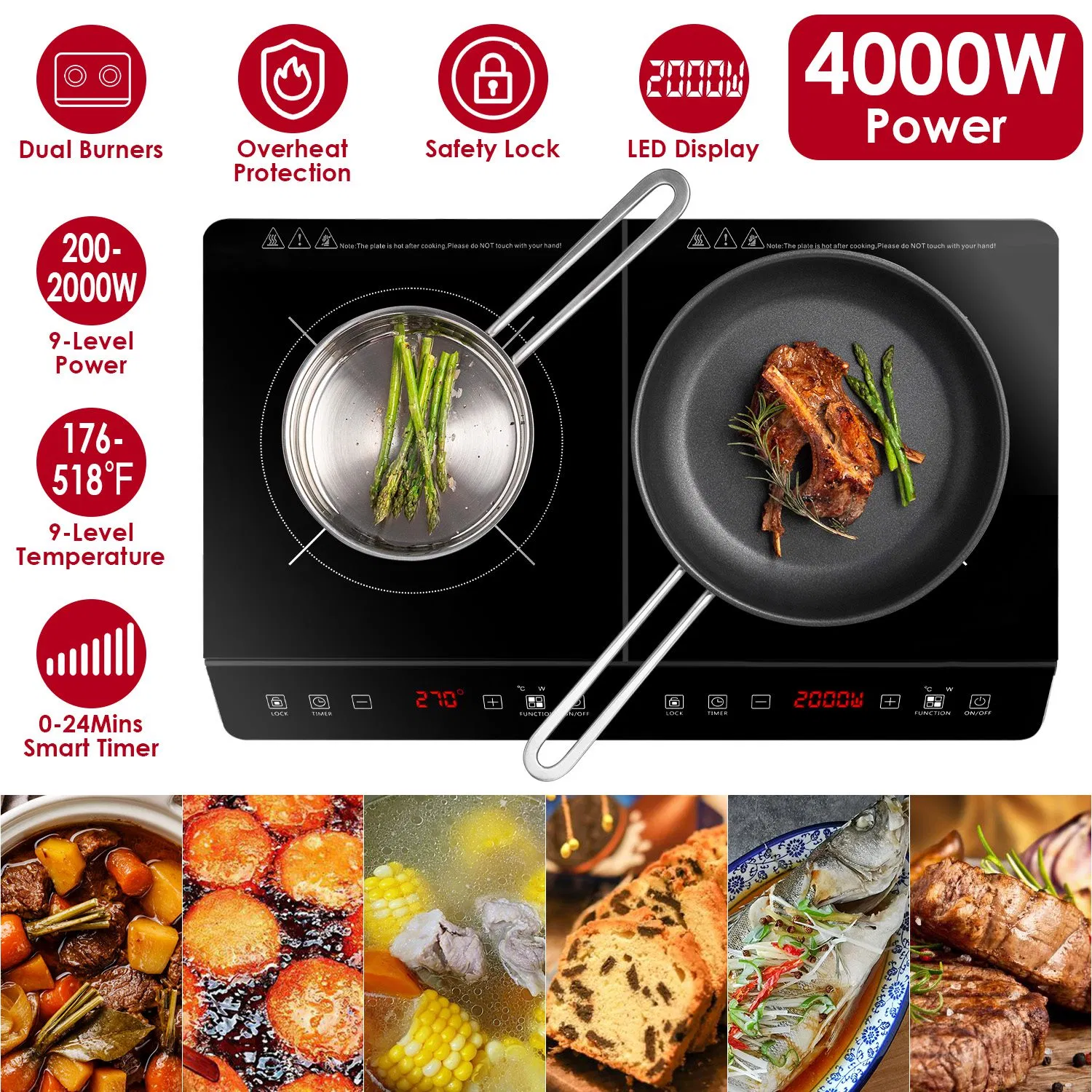 Double Induction Cooktop, Portable Dual Countertop Burner with Sensor Touch, 4000W 2 Electric Cooker 9 Temp & Power Levels, 3-Hour Timer,Safety Lock$171.99View on Mallflare
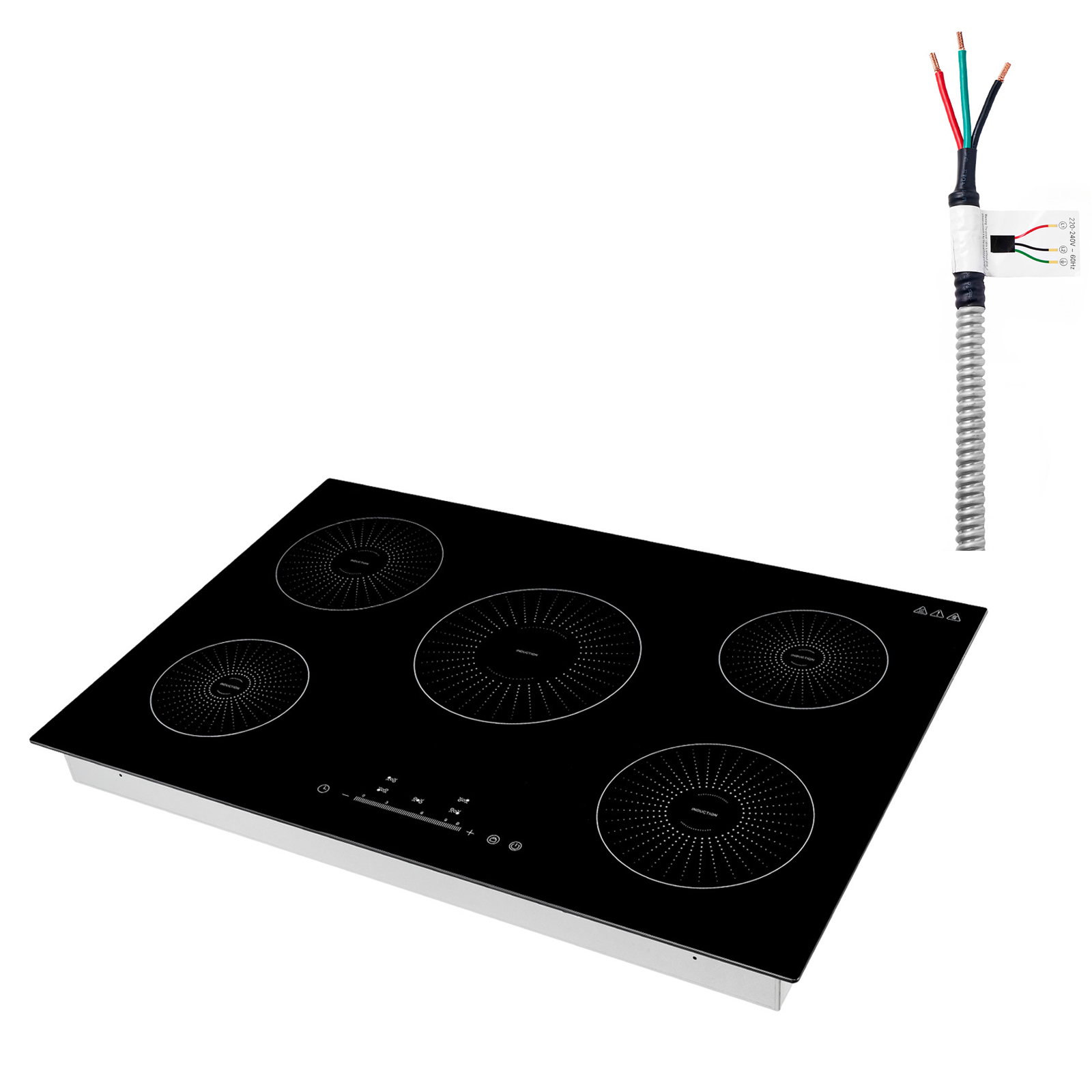 Induction Cooktop 30in 5 Burners Built-in Electric Stove 220V 9200W, Low-Power Continuous Heating, Burner For Kitchen, 9 Power Levels, LED Touch Screen, Ceramic Glass, Child Lock$261.99View on Mallflare
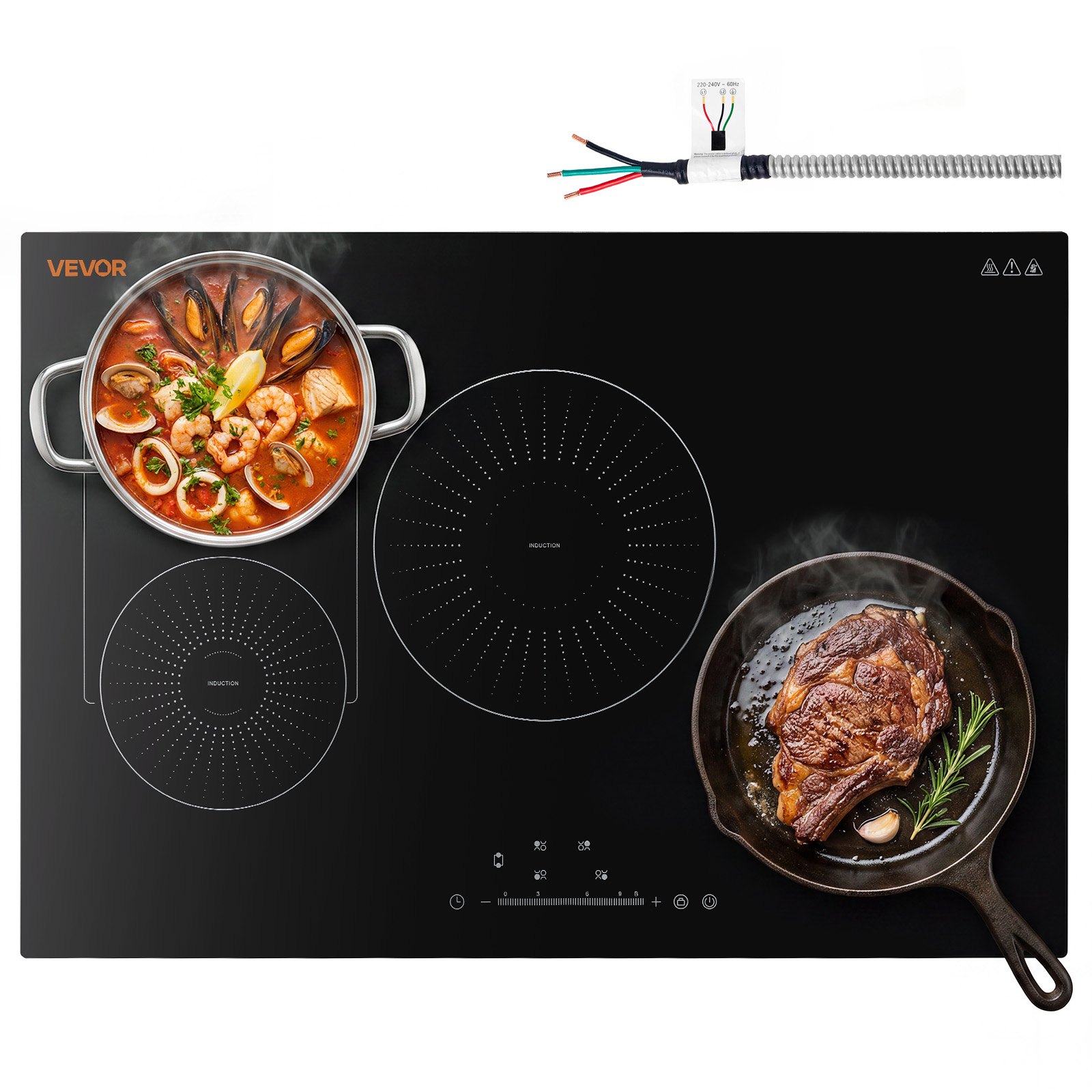 Induction Cooktop 30inch 4 Burners Built-in Electric Stove 220V 7500W, Low-Power Continuous Heating, Burner for Kitchen, with 9 Power Levels, LED Touch Screen, and Child Lock$292.99View on Mallflare
Highlights
- 110V models cap at 1800-1900W total across all burners, so a 12-inch 2-burner shares power and cannot run both zones at full heat simultaneously.
- 220V built-ins deliver 7500W (4-burner) to 9200W (5-burner), enabling true high-heat searing and simultaneous multi-pan cooking without load shedding.
- All units require magnetic cookware; test with a magnet—if it doesn't stick, the pan won't heat on any induction zone.
- Ceramic-glass tops resist heat but crack from impact and thermal shock; 30-inch 5-burner layouts need a dedicated 40A+ 220V circuit.
Best use cases
- Best fit: 30-inch 4- or 5-burner 220V built-in for primary kitchen cooking—pick 5-burner if you regularly use three or more pans at once.
- Best fit: 12-inch 110V 2-burner countertop for RV, cabin, dorm, or auxiliary kitchen where only a standard 15A outlet exists.
- Wrong fit: 110V unit as sole stove for a family—total 1800W means one boiling pot plus one simmering pan max; skip if you need oven-grade output.
- Wrong fit: 24-inch 110V built-in for a full kitchen remodel—it fits narrow counter cutouts but still limits total power to 1800W; choose 220V for permanent installs.
Buying tips
- Match voltage to circuit first: 110V plugs into standard outlets at 1800W max; 220V requires a dedicated double-pole breaker (30-40A) and hardwired or NEMA 6-50 connection.
- Count simultaneous burners: a 110V 2-burner shares 1800W, so both zones together cannot exceed medium heat; 220V 4-burner units give each zone independent 1800-3000W.
- Measure cutout, not just width: 12-inch units need ~11-inch cutouts, 24-inch need ~22-inch, 30-inch need ~28-29-inch; confirm counter depth clears the unit's rear vent.
- Choose touch controls for sealed easy-clean glass, knob controls for wet or gloved hands; both exist across 110V and 220V tiers.
Specs
| Voltage / Circuit | 110V standard outlet vs 220V dedicated |
|---|---|
| Total Power | 1800-1900W (110V) / 7500-9200W (220V) |
| Burner Count | 2-burner (12-24in) to 4-5 burner (30in) |
| Cookware Requirement | Magnetic (ferrous) base only |
Related searches
What to check before buying
- Verify cookware is magnetic (magnet sticks to base); cast iron and magnetic stainless work, aluminum and copper do not.
- Confirm circuit: 110V needs a standard 15A grounded outlet nearby; 220V needs a dedicated 30-40A circuit installed by an electrician.
- Measure counter cutout and clearance: leave 2 inches of space behind and beside the unit for airflow, and confirm countertop thickness fits the clamp range.
- Check pan size minimums: most zones need at least 4.7-5 inches base diameter to detect a pan; small espresso pots may not register.
FAQ
Data sources: eBay / Amazon listings and product attribute feeds. Updated Nov 28, 2026.
Some links on this page are affiliate links. If you buy after clicking one, we may earn a commission at no extra cost to you. This does not change which products appear here or their order. Affiliate disclosure.