
Photos from current listings. Actual item, color, and included accessories may vary.
Oven Buying Guide
An oven is the enclosed heated cavity where baking, roasting, and broiling actually happen, and the core decision is heating architecture: true convection with a third element versus conventional radiant heat, plus how well the door and insulation hold temperature. Durable ovens use stainless-steel cavities, dual-pane or triple-pane doors, and standard hardwired connections; budget compromises thin the insulation, skip the convection fan, and rely on fragile controls.
Median $490.00 · New & pre-owned listings
Key takeaways
- True European convection adds a third heating element behind the fan, circulating even heat; plain 'convection' units only move air with the main element, causing uneven browning.
- Cavity material drives longevity: porcelain-enamel on steel resists chipping and cleans easily, while exposed stainless interiors handle high broil temperatures without enamel crazing.
- Door construction governs heat retention: triple-pane glass with a full-width gasket keeps exterior surfaces cooler and stabilizes baking temperature swings.
At a glance
- Category
- Home Ranges, Ovens & Cooktops
- Last updated
- Nov 28, 2026
Current offers
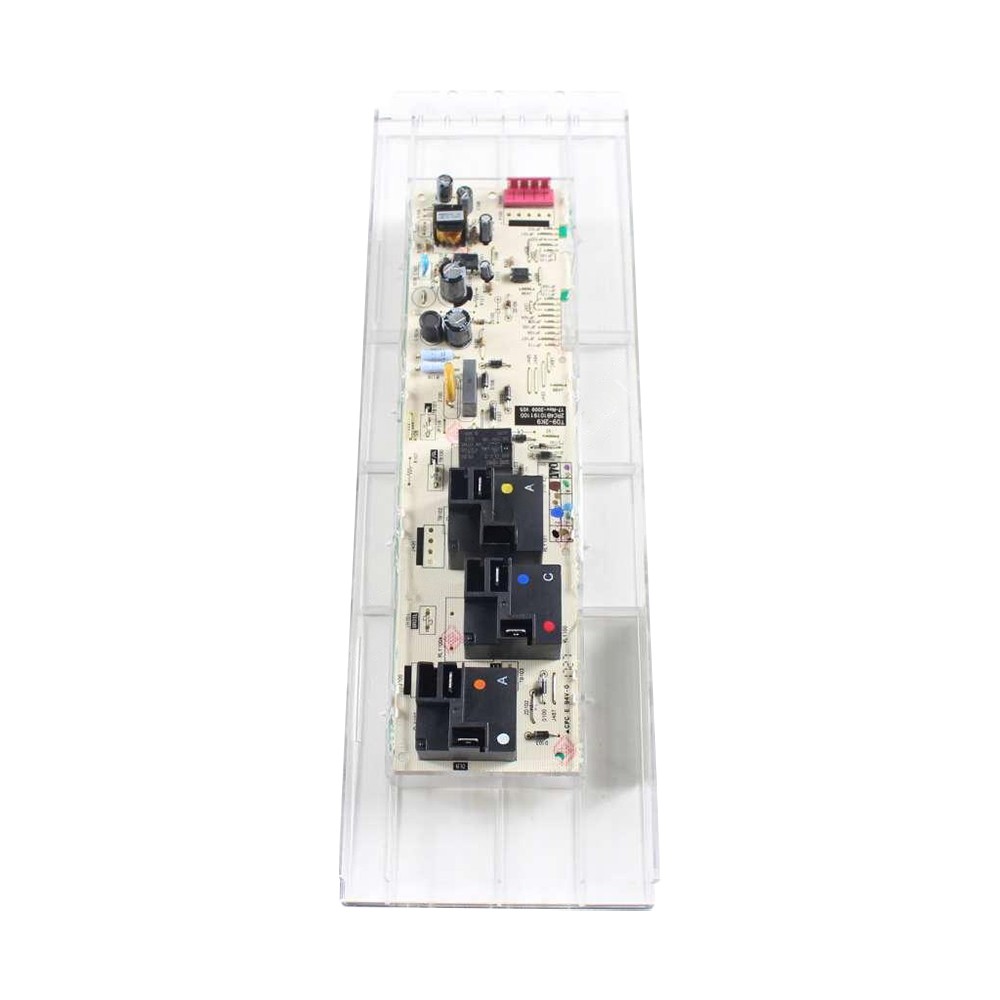 GE WB27X29135 Range Control Oven To9$137.77View on eBay
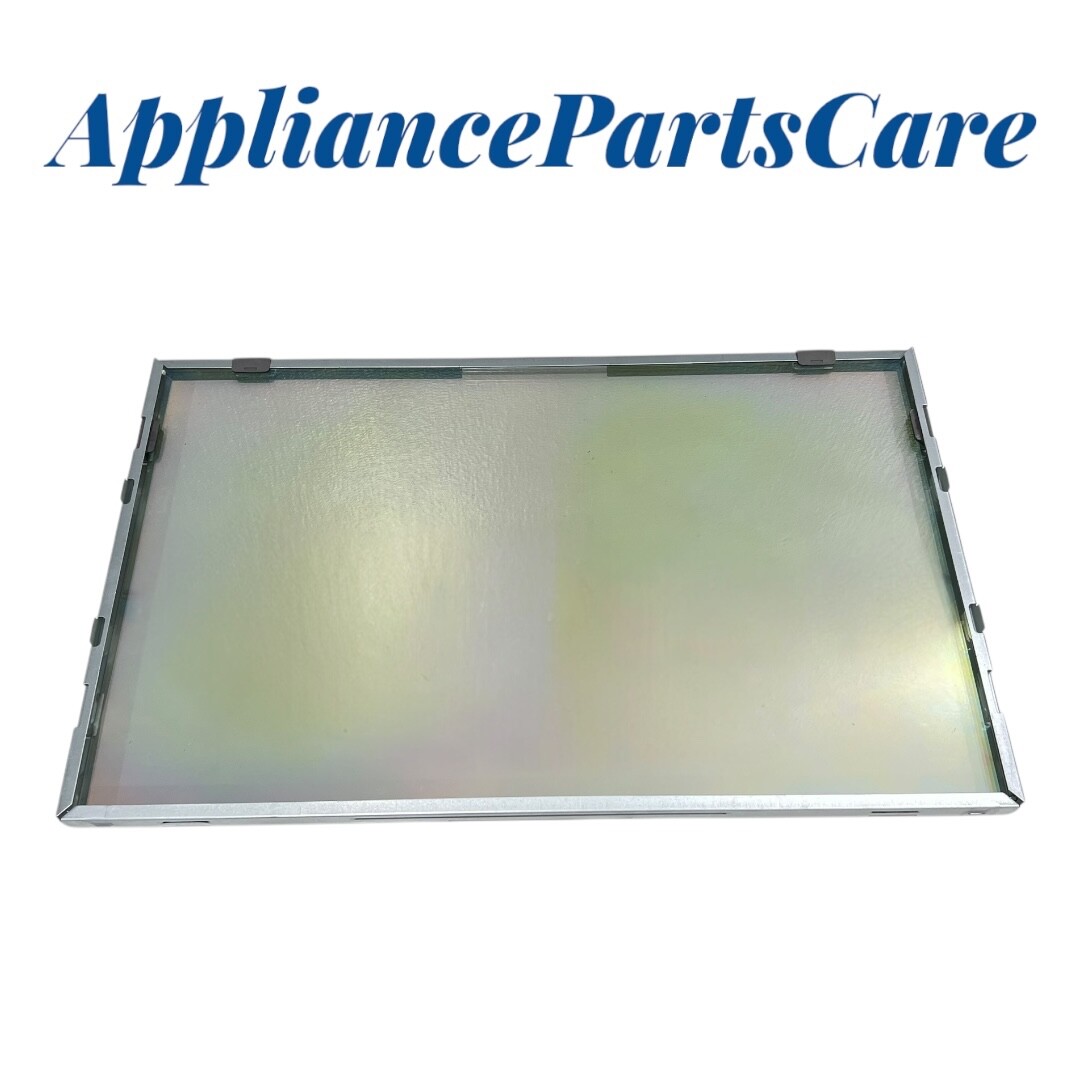 KitchenAid Range Oven Door Inner Glass W11383648, W11455086$149.99View on eBay
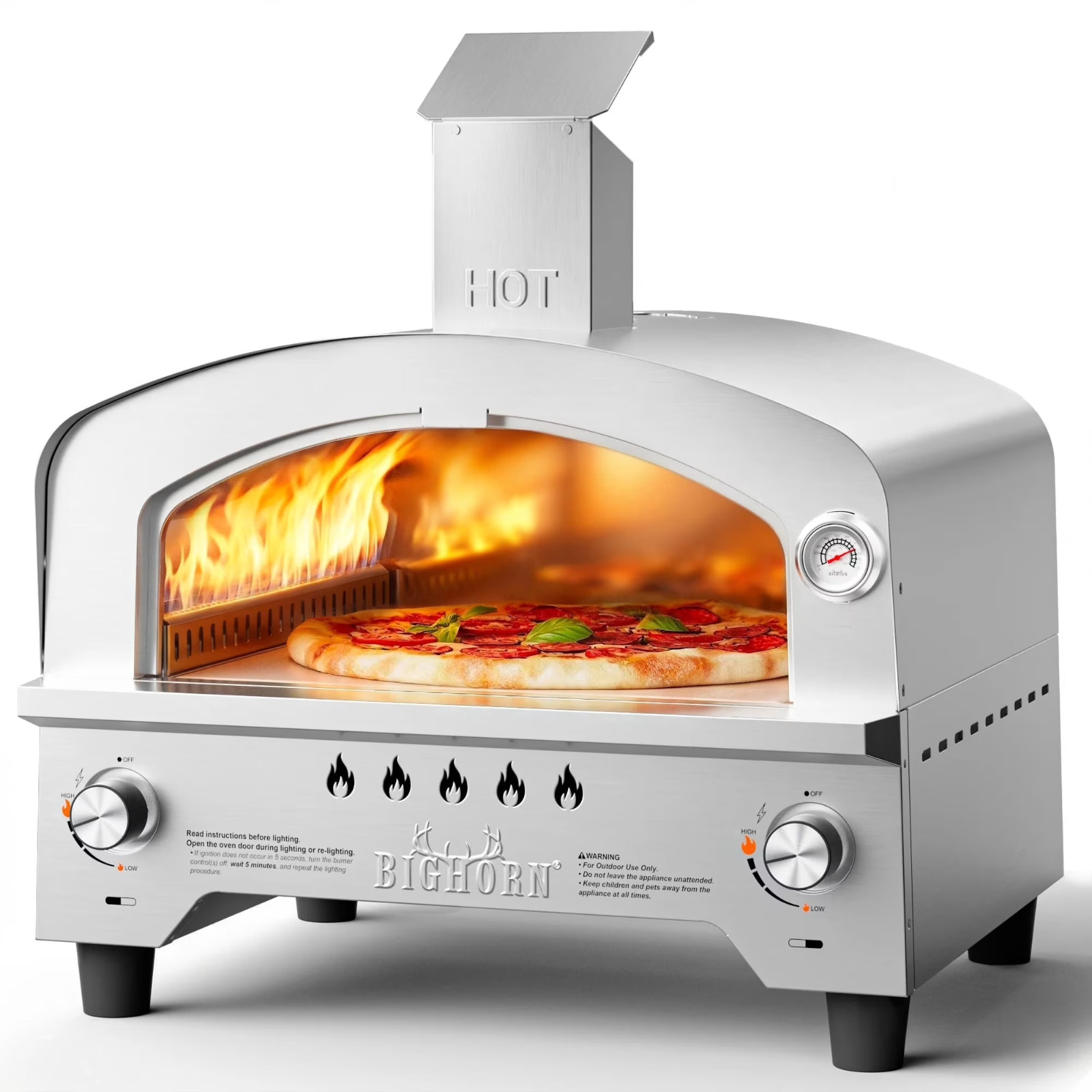 BIG HORN Gas Pizza Oven, Portable Propane S/s Pizza Maker with 14.7" Pizza Stone$218.74Open box · Last checked Nov 27, 2026View on eBay
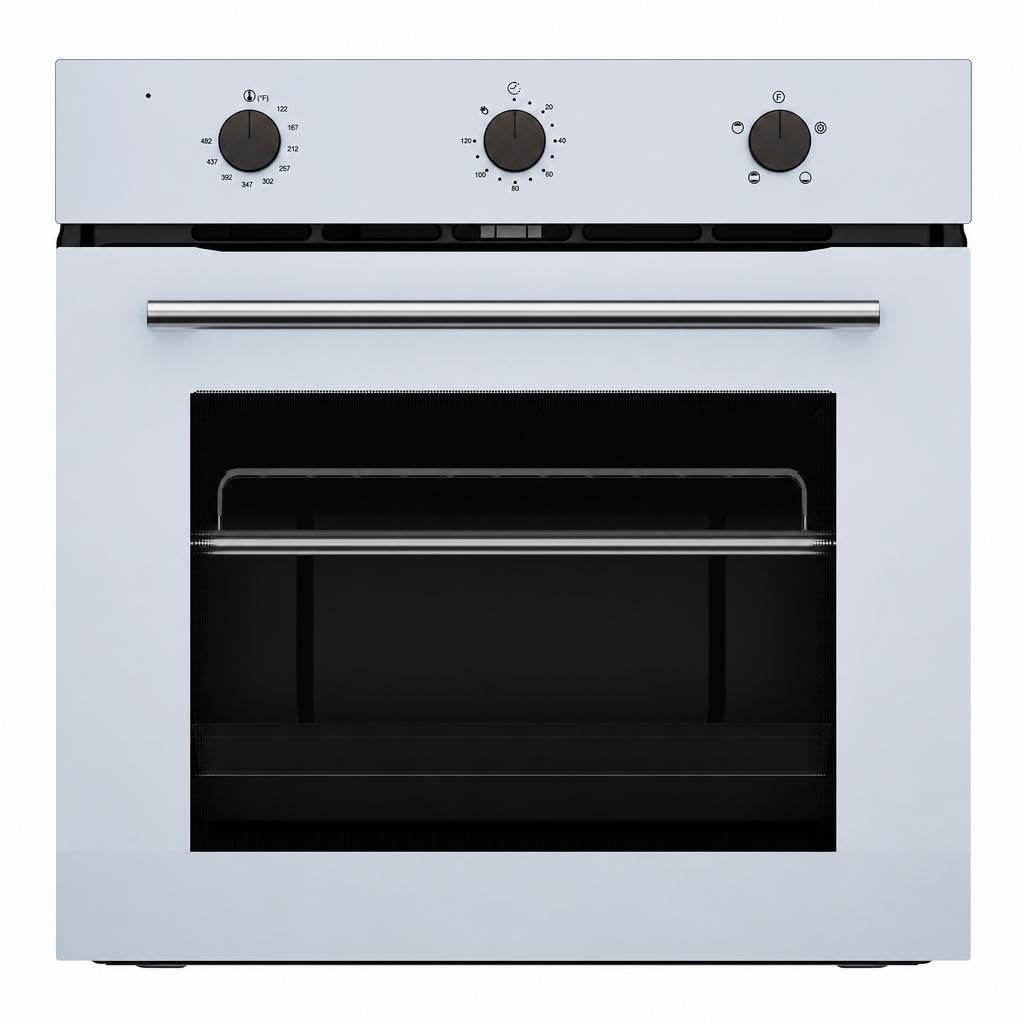 24" Single Electronic Wall Oven, 2.5 Cu.ft. Built-in Electric Wall Oven 3000W$371.18New · Last checked Nov 26, 2026View on eBay
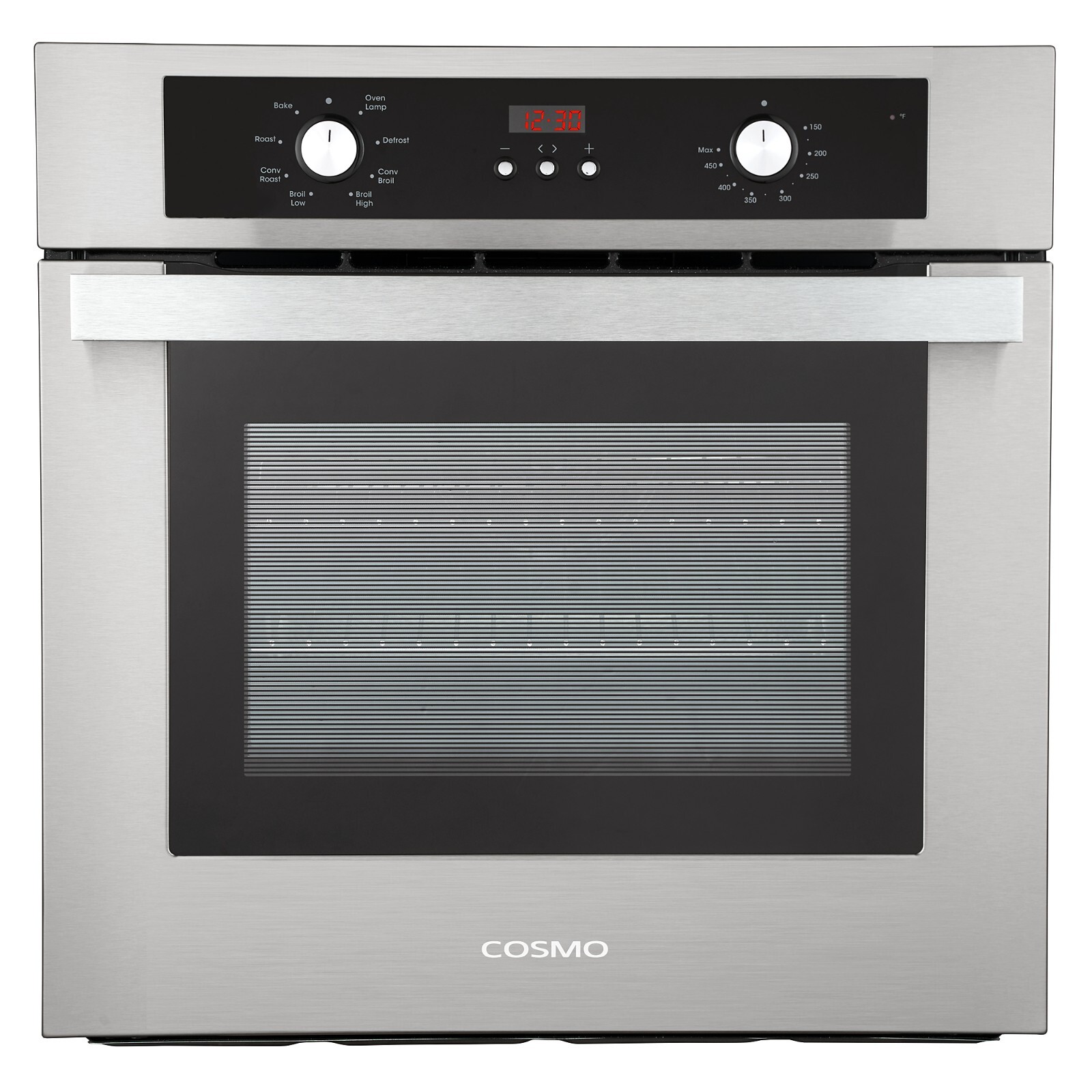 24 in. Stainless Steel Electric Wall Oven, True European Convection (OPEN BOX)$480.00Open box · Last checked Nov 26, 2026View on eBay
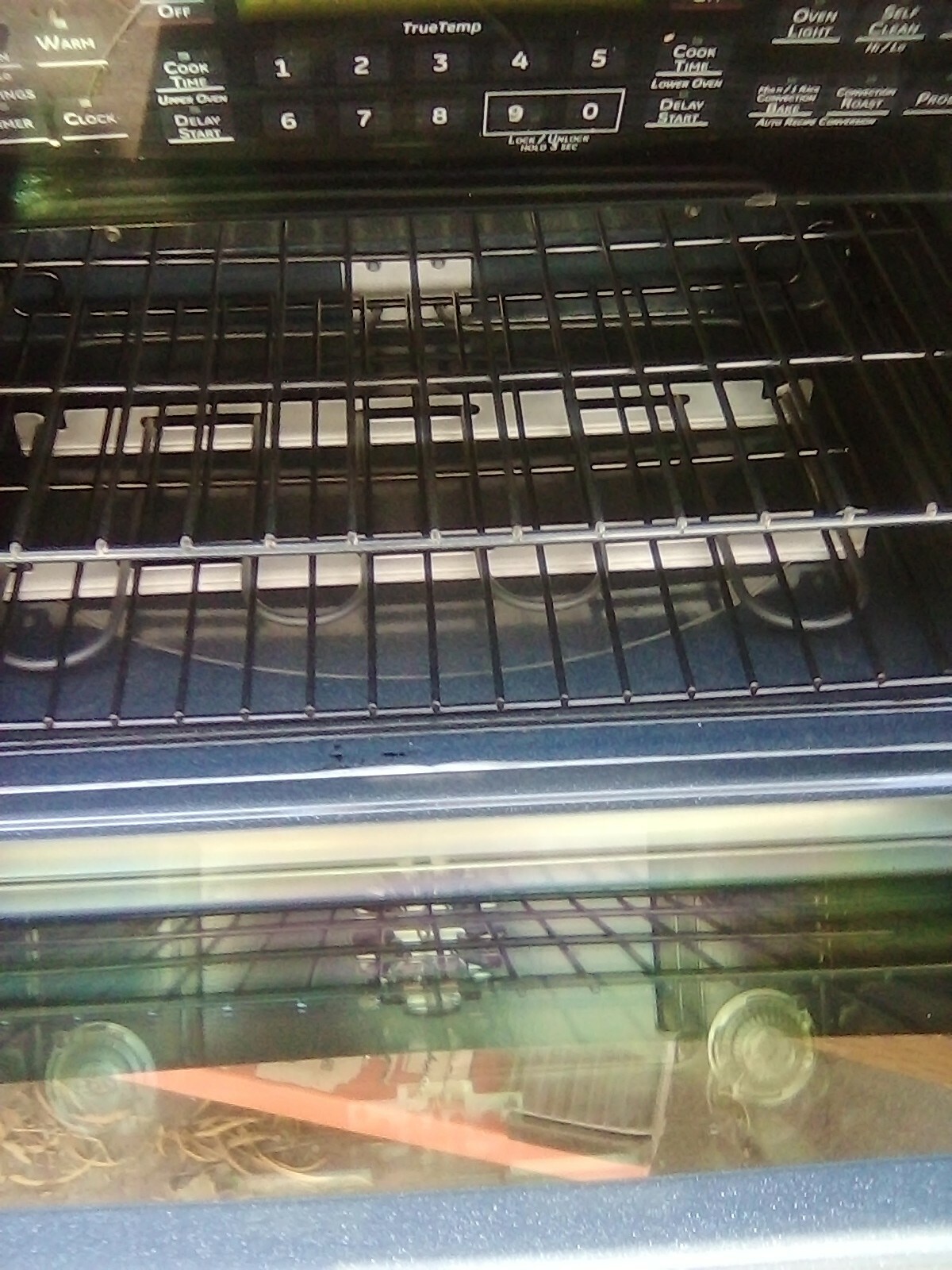 appliances G E double oven and stove range$500.00Last checked Nov 17, 2026View on eBay
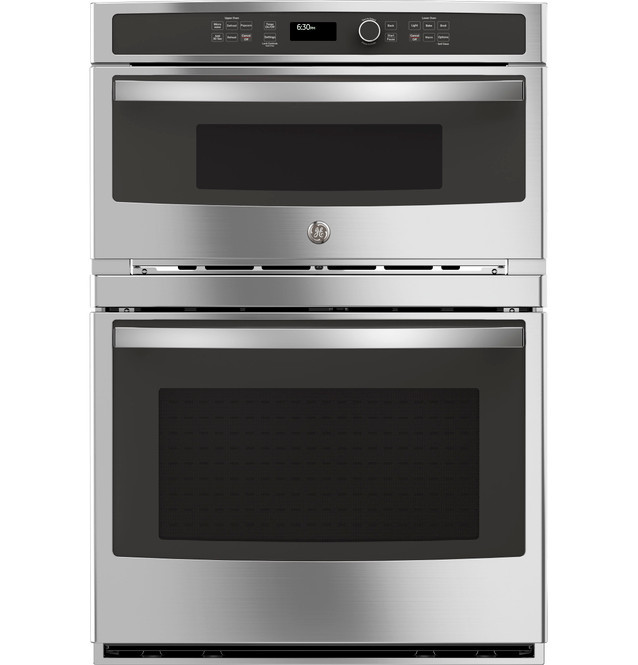 GE JT3800SHASS 30" Microwave Electric Wall Oven Combo New Open Box$1,399.00Open box · Last checked Nov 26, 2026View on eBay
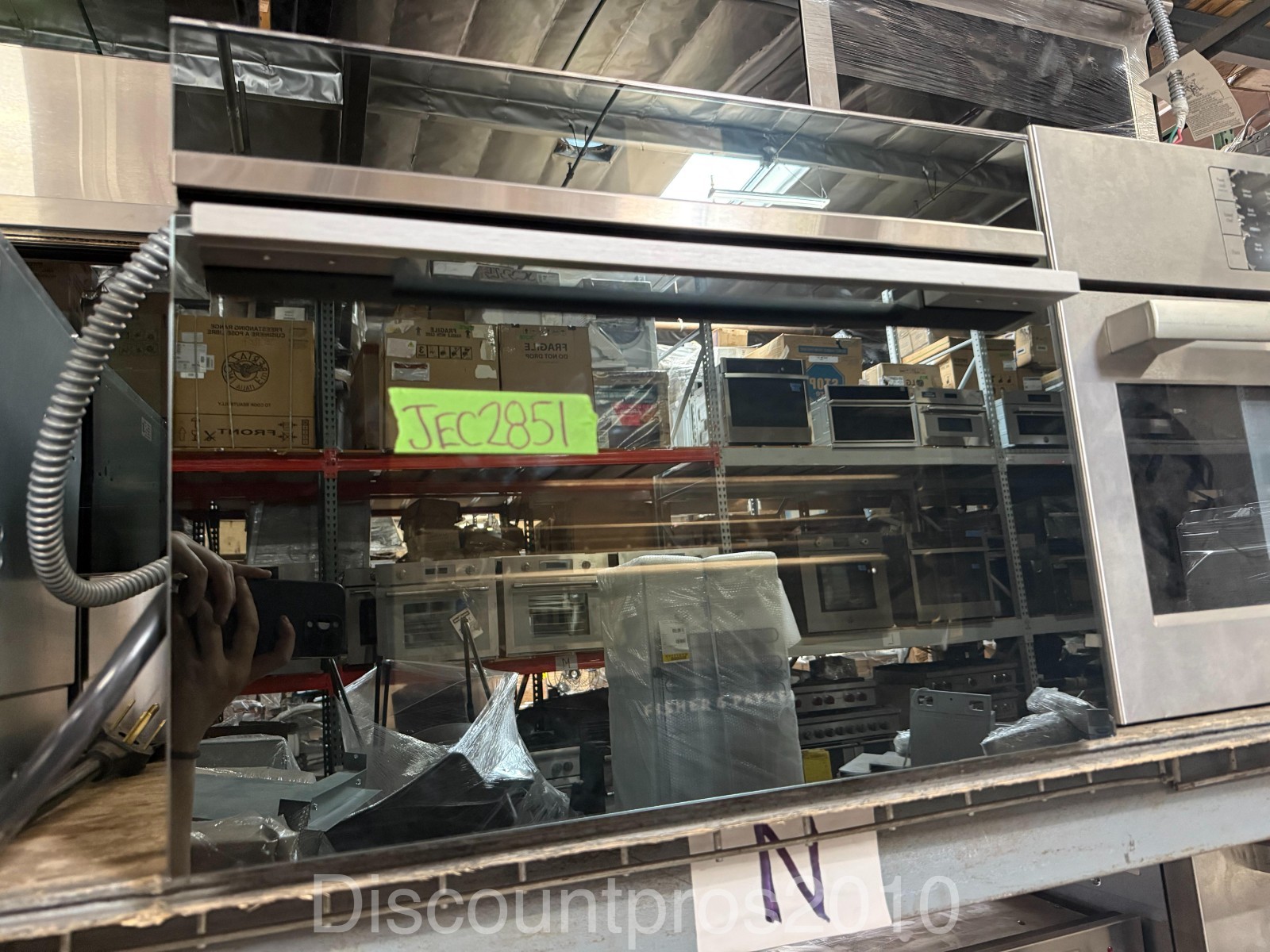 Fisher & Paykel OS24NDB1 24" Series 9 Combi-Steam Oven — OPEN BOX/DISPLAY MODEL$1,400.00Last checked Nov 17, 2026View on eBay
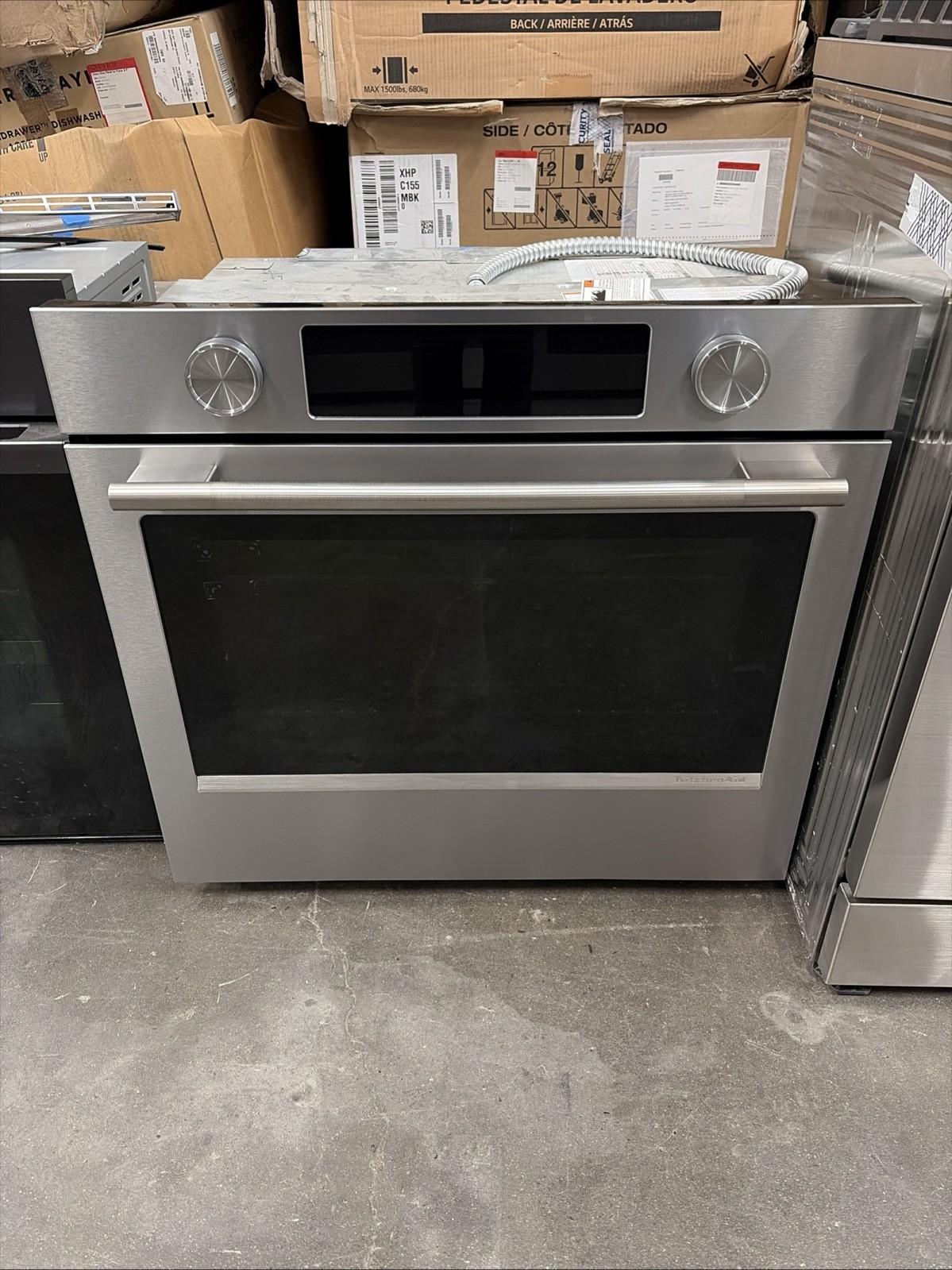 KitchenAid 30-in Wide Smart Single Electric Convection Wall Oven KOES730S$1,495.00Open box · Last checked Nov 26, 2026View on eBay
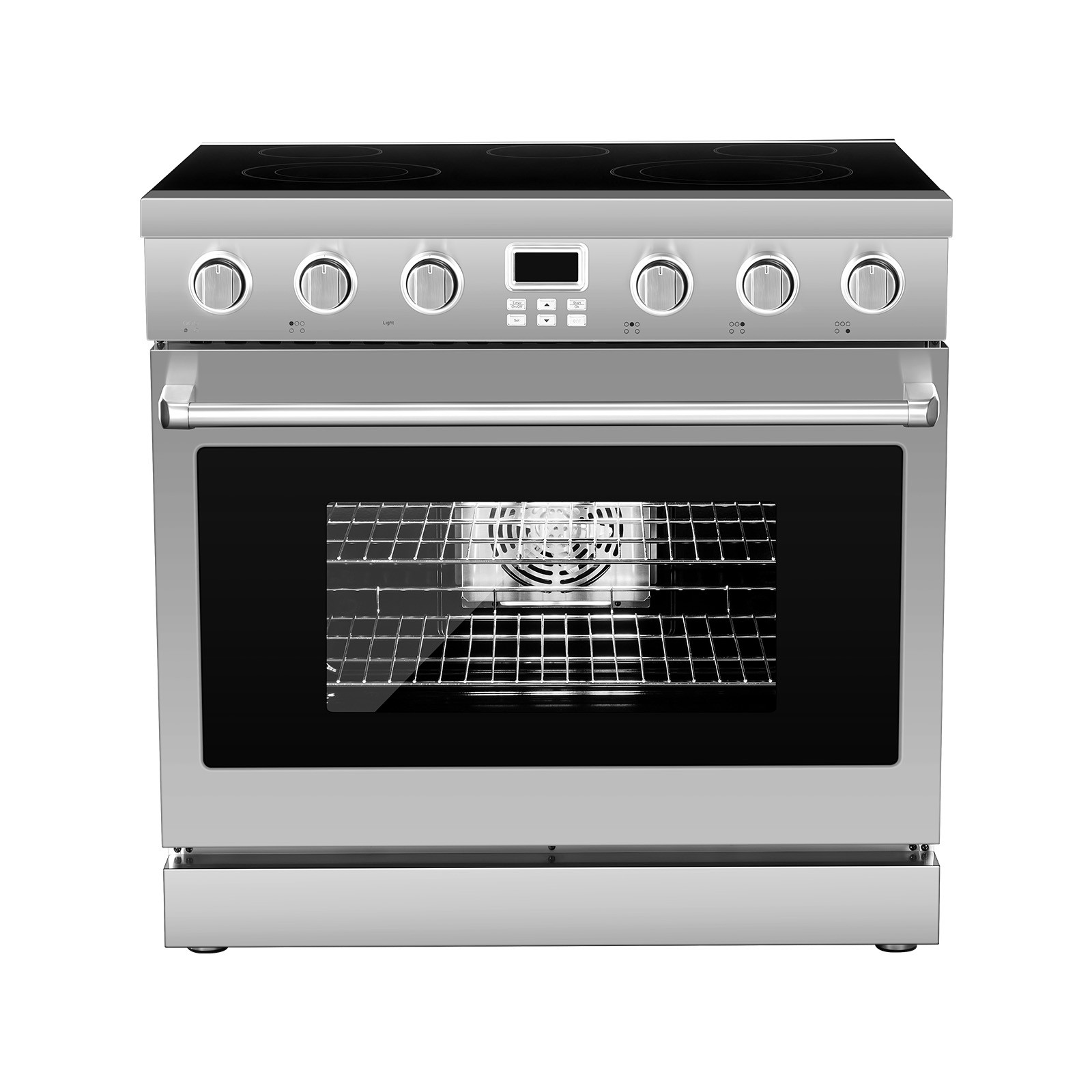 VEVOR 36in Electric Range Oven 6.0 Cu. Ft. 5Cooktop Burners Stainless Steel Body$1,499.90Last checked Nov 17, 2026View on eBay
Highlights
- True European convection adds a third heating element behind the fan, circulating even heat; plain 'convection' units only move air with the main element, causing uneven browning.
- Cavity material drives longevity: porcelain-enamel on steel resists chipping and cleans easily, while exposed stainless interiors handle high broil temperatures without enamel crazing.
- Door construction governs heat retention: triple-pane glass with a full-width gasket keeps exterior surfaces cooler and stabilizes baking temperature swings.
- Electric ranges built before 1996 use 3-prong 240V cords; modern ovens need 4-prong 14-50R connections, and gas ovens use a standard 120V plug for ignition and controls.
Best use cases
- Bread bakers and pastry cooks: pick a true convection oven with a proofing mode and a low 90-110°F hold; skip single-element conventional models that swing 25°F and scorch crusts.
- Large households roasting weekly: choose a 5.0-6.0 cu ft cavity with convection and a high-BTU or 3,000W+ broiler; skip compact 24-inch units with 2.5 cu ft cavities.
- Replacing a drop-in or slide-in unit in a tight cabinet: match the cutout width and depth exactly and buy the matching 4-prong cord; skip freestanding ranges that need side clearance.
- Basic reheating and light baking on a budget: a conventional radiant oven with a mechanical thermostat is fine; skip paying for steam-clean and smart features you won't use.
Buying tips
- Match cavity size to use: 24-inch ovens give 2.5-3.0 cu ft, 30-inch give 4.5-5.8 cu ft, and 36-inch pro-style reach 6.0+ cu ft — measure the cutout before ordering.
- Confirm the electrical circuit: most electric ovens need a dedicated 240V/30-50A breaker and a 4-prong 14-50R receptacle; a 3-prong cord only fits pre-1996 homes.
- For bread, require a true convection fan plus a proof setting; steam-injection or a bread-proof mode is worth more than self-clean for crumb quality.
- Check the door and racks: ball-bearing telescopic racks rated for 50+ lb and a triple-pane door with full gasket are the durability markers over painted-steel slides.
Specs
| Heating Type | True convection vs conventional radiant |
|---|---|
| Cavity Capacity | 2.5-3.0 / 4.5-5.8 / 6.0+ cu ft |
| Power Connection | 240V 4-prong 14-50R / 3-prong |
| Interior Material | Porcelain-enamel steel vs stainless |
Related searches
What to check before buying
- Measure the cabinet cutout width, height, and depth plus the door swing clearance before selecting a slide-in, drop-in, or wall oven.
- Verify the receptacle type (4-prong 14-50R vs 3-prong 10-30R) and breaker amperage at the panel; gas units need a 120V outlet nearby.
- Confirm the oven fits under the counter or in the wall cabinet with at least 1 inch of ventilation clearance around the unit.
- Have the right power cord and any trim kit or anti-tip bracket on hand at delivery; these are not always included.
FAQ
Data sources: eBay / Amazon listings and product attribute feeds. Updated Nov 28, 2026.
Some links on this page are affiliate links. If you buy after clicking one, we may earn a commission at no extra cost to you. This does not change which products appear here or their order. Affiliate disclosure.