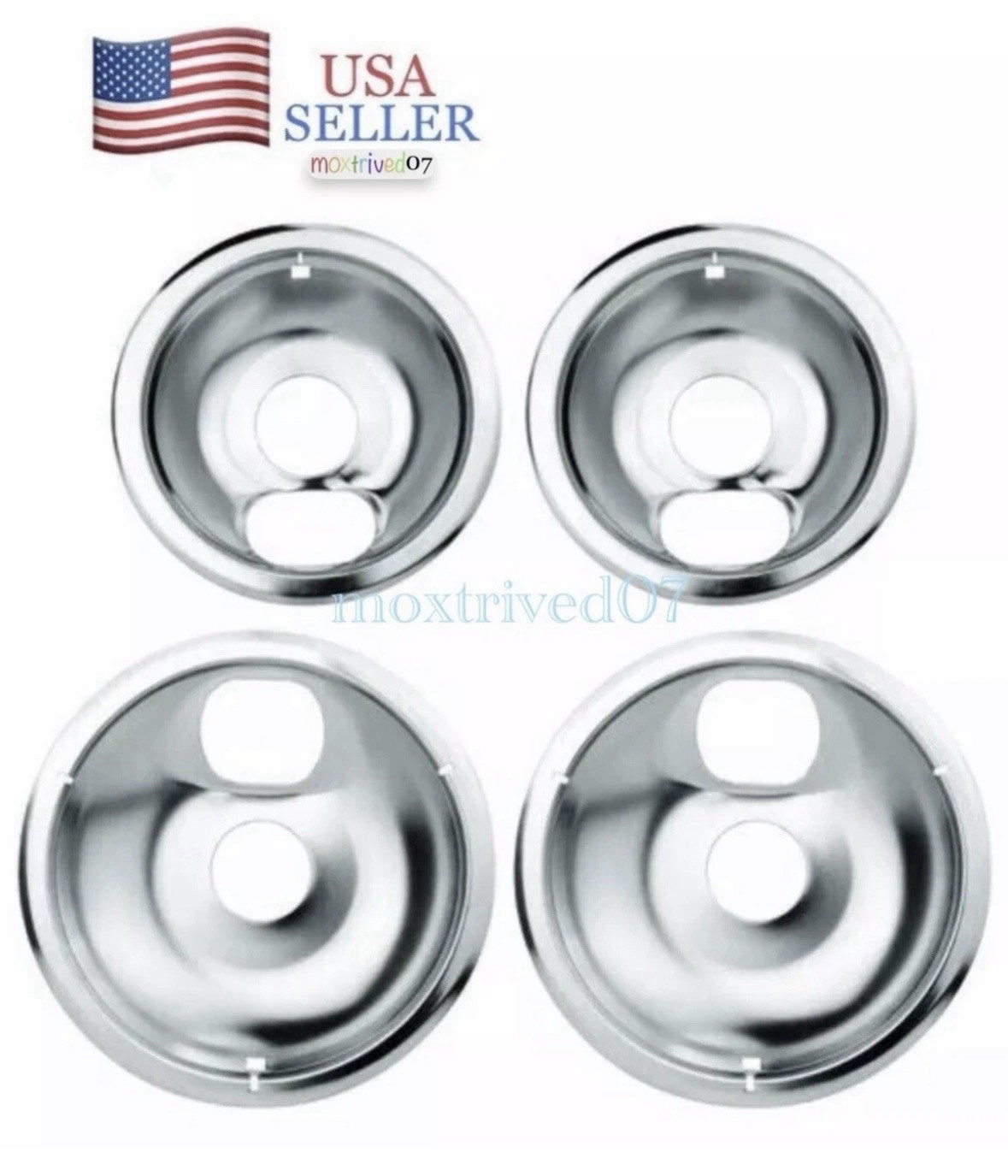

Photos from current listings. Actual item, color, and included accessories may vary.
Stainless Steel Electric Stove Buying Guide
A stainless steel electric stove is a freestanding or slide-in range combining a stainless-clad body with electric coil, radiant smoothtop, or induction cooking plus a thermal or convection oven. The core trade-off is heating architecture versus cookware compatibility: coil and radiant are universal but slow and uneven, while induction is fast and precise but demands magnetic pans. Decision rule: buy coil only for budget rentals, radiant for general family cooking, and induction when control and efficiency justify the cost.
Key takeaways
- Electric coil elements use resistive sheathed elements; radiant smoothtops use coiled halogen/ribbon elements under glass ceramic, while induction uses magnetic coils that heat the pan itself.
- Stainless steel is usually 304-grade on the cooktop edge and control panel; the oven cavity and rangetop surface often use different finishes that affect cleanability and scratch resistance.
- Freestanding ranges are typically 30 in wide with rear controls; slide-in ranges are also 30 in but lack a backguard and sit flush with counters, requiring finished cabinet sides.
At a glance
- Category
- Home Ranges, Ovens & Cooktops
- Last updated
- Nov 28, 2026
Current offers
Highlights
- Electric coil elements use resistive sheathed elements; radiant smoothtops use coiled halogen/ribbon elements under glass ceramic, while induction uses magnetic coils that heat the pan itself.
- Stainless steel is usually 304-grade on the cooktop edge and control panel; the oven cavity and rangetop surface often use different finishes that affect cleanability and scratch resistance.
- Freestanding ranges are typically 30 in wide with rear controls; slide-in ranges are also 30 in but lack a backguard and sit flush with counters, requiring finished cabinet sides.
- Oven capacity ranges roughly 4.8 to 6.3 cu ft; convection models add a fan and third element and reduce hot spots versus thermal-only ovens.
Best use cases
- Best fit: a standard 30 in freestanding coil or radiant range for a rental or budget kitchen where 240 V service exists and cookware must work with any surface. Skip induction if your pots are aluminum or copper.
- Best fit: induction slide-in for serious cooks who want fast boils and precise low simmer, provided you own magnetic stainless or cast-iron cookware and can meet the 40-50 A circuit. Skip if you cannot upgrade the circuit.
- Best fit: convection radiant range for families baking regularly; the fan improves evenness on multiple racks. Skip convection if you only use the oven for occasional casseroles or storage.
- Wrong fit: a 30 in slide-in in a kitchen with exposed unfinished cabinet sides or no counter overlap; choose freestanding instead. Wrong fit: coil range for anyone doing delicate sauces daily.
Buying tips
- Measure the cutout, not just the range: 30 in freestanding needs about 30 in width plus 25 in depth and 36 in height clearance; slide-in needs countertop overlap of roughly 1 in each side.
- Match the circuit: most electric ranges need 240 V at 40 A minimum; induction and dual-oven models often require 50 A. Confirm the breaker and wire gauge before purchase.
- Choose 304 stainless for the cooktop frame and control panel; lower-grade 430 is magnetic and cheaper but more prone to corrosion and fingerprints.
- For induction, test pans with a magnet: if it sticks firmly, the pan works; if it barely attracts, it will not heat reliably.
Specs
| Cooktop Type | Coil / Radiant / Induction |
|---|---|
| Standard Width | 30 in (24-36 in variants) |
| Circuit Required | 240 V, 40-50 A |
| Oven Capacity | 4.8-6.3 cu ft |
Related searches
What to check before buying
- Measure the existing opening: width, depth, and height, plus door swing and clearance to adjacent cabinets and the range hood.
- Confirm electrical service: 240 V outlet, breaker amperage (40 A vs 50 A), and wire gauge; a 50 A circuit is required for most induction and double-oven ranges.
- Check cookware: induction needs ferromagnetic bases; radiant and coil work with any flat-bottom pan, but glass and ceramic pans are not recommended on coil.
- Verify venting and clearance: electric ranges still need overhead ventilation; confirm hood depth and distance to the cooktop per local code.
FAQ
Data sources: eBay / Amazon listings and product attribute feeds. Updated Nov 28, 2026.
Some links on this page are affiliate links. If you buy after clicking one, we may earn a commission at no extra cost to you. This does not change which products appear here or their order. Affiliate disclosure.