
Photos from current listings. Actual item, color, and included accessories may vary.
Wine Refrigerator Buying Guide
A wine refrigerator is a dedicated cooling appliance that holds wine at stable serving or storage temperatures, distinct from a kitchen fridge. The core trade-off is thermoelectric (quiet, vibration-free, but ambient-dependent and small capacity) versus compressor cooling (powerful, wide temperature range, but heavier and noisier). Choose compressor for any long-term storage or dual-zone need; choose thermoelectric only for small, ambient-stable, short-term serving.
Median $309.99 · New & pre-owned listings
Key takeaways
- Compressor units reach 40-65°F across large capacities and hold stable temps in warm rooms; thermoelectric units typically only cool 15-25°F below ambient and struggle above 77°F room temp.
- Dual-zone models split the cabinet into two independently controlled compartments (e.g., 45-50°F red / 50-55°F white); single-zone holds one uniform range across all shelves.
- Bottle count ratings assume standard Bordeaux 750ml; wider Burgundy or Champagne bottles reduce effective capacity by roughly 20-30% and often require removing a shelf.
At a glance
- Category
- Home Refrigerators, Freezers & Wine Coolers
- Last updated
- Nov 28, 2026
Current offers
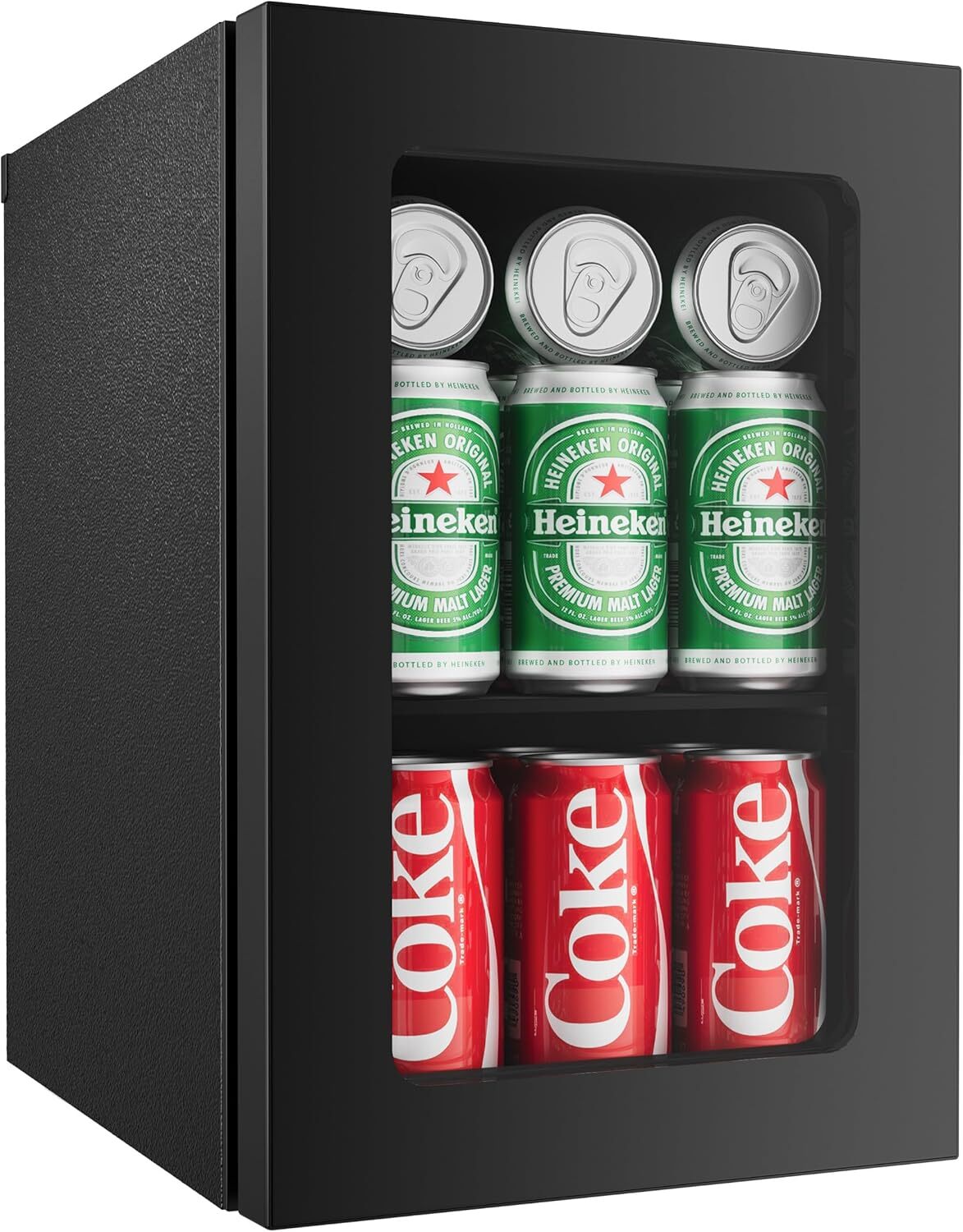 Beverage Cooler Mini Fridge for Drinks Beer Wine Home Bar$74.99Last checked Nov 19, 2026View on eBay
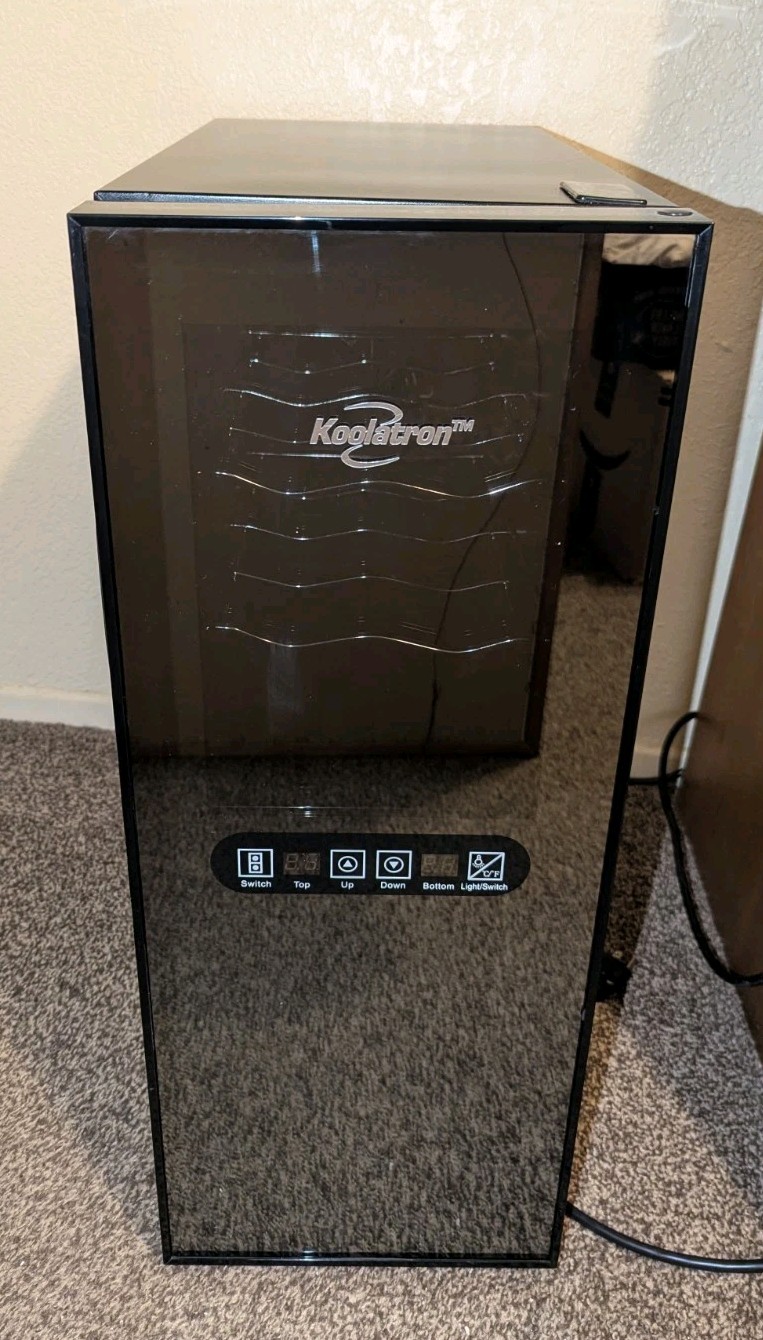 Koolatron Dual Zone 12 Bottle Wine Cellar Fridge WC12-DZ$99.99View on eBay
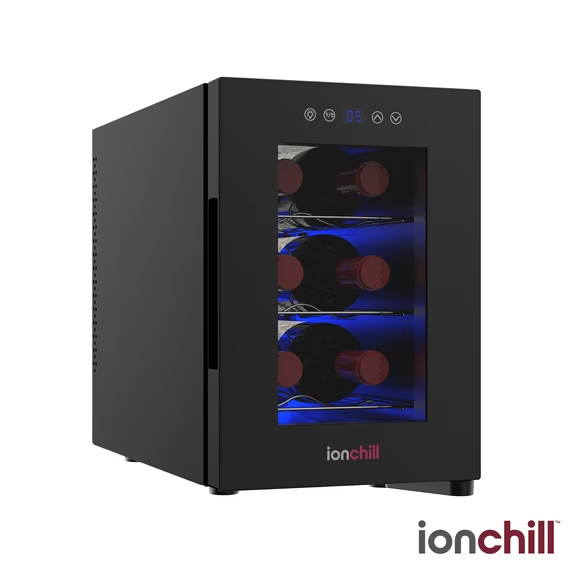 Ionchill 6-Bottle Wine Cooler, Mini Fridge with Wine Rack & Temperature Control$99.99View on eBay
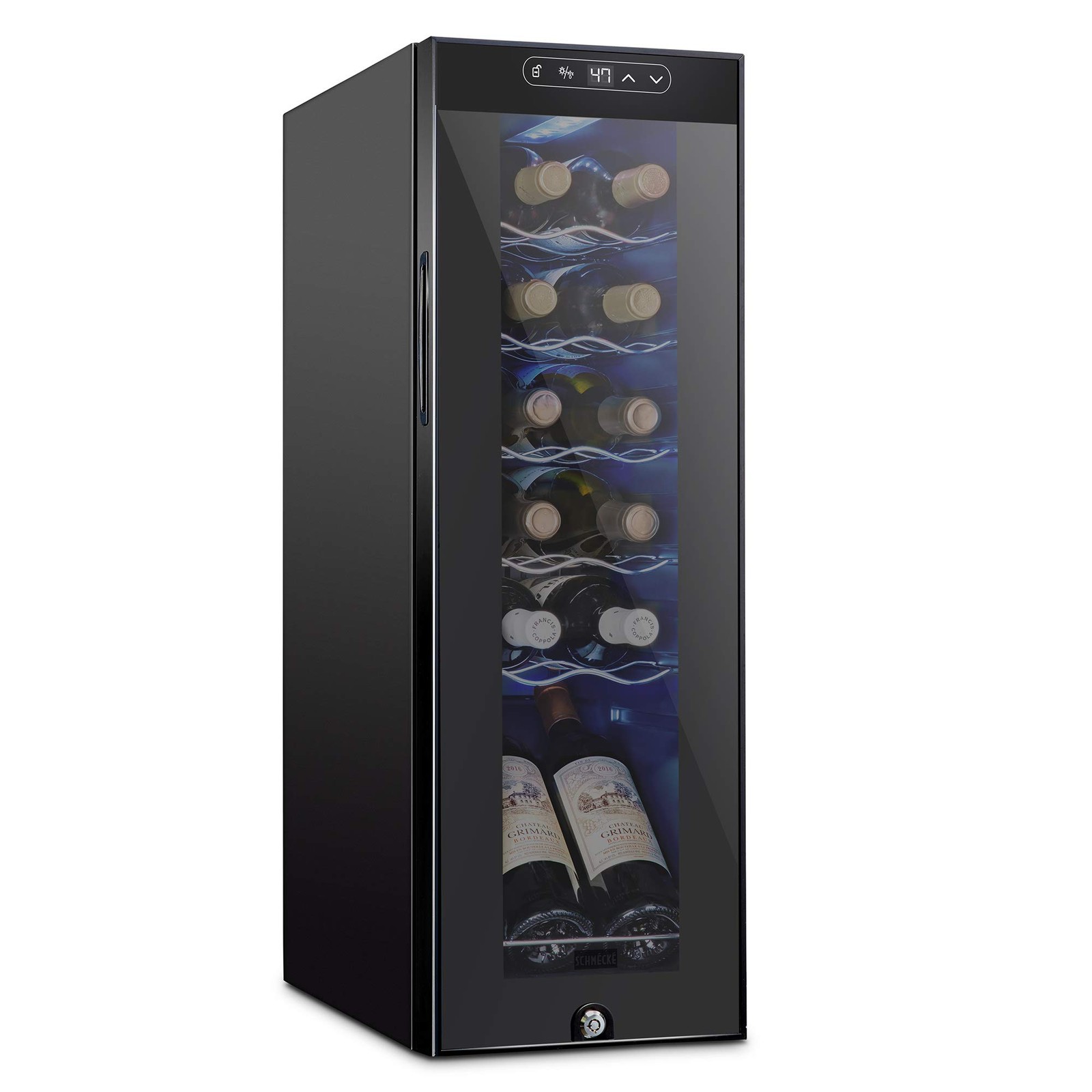 Schmecke Wine Fridge, Freestanding Wine Refrigerator, 12 Bottle Wine Cooler$114.59View on eBay
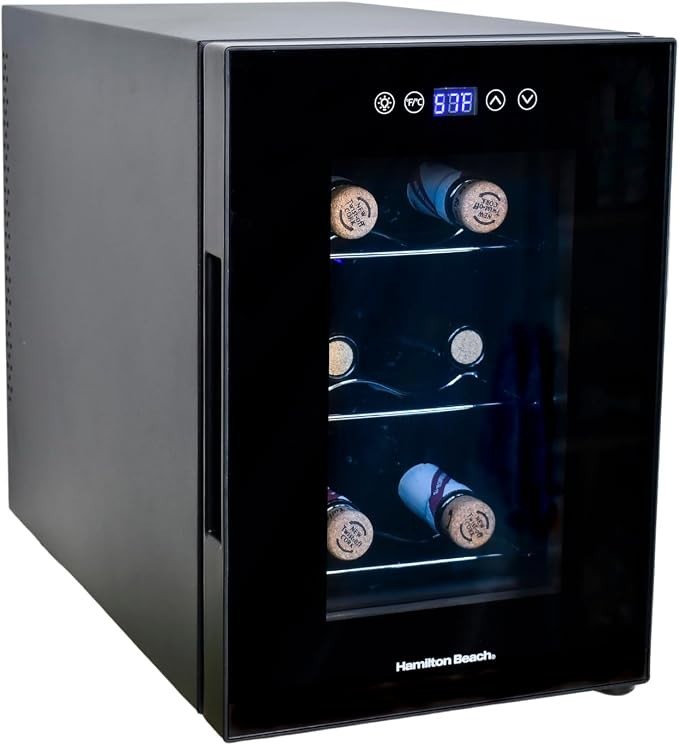 Hamilton Beach 6-Bottle Wine & Beverage Cooler HBWF6035-PL Mini Fridge New$129.97View on eBay
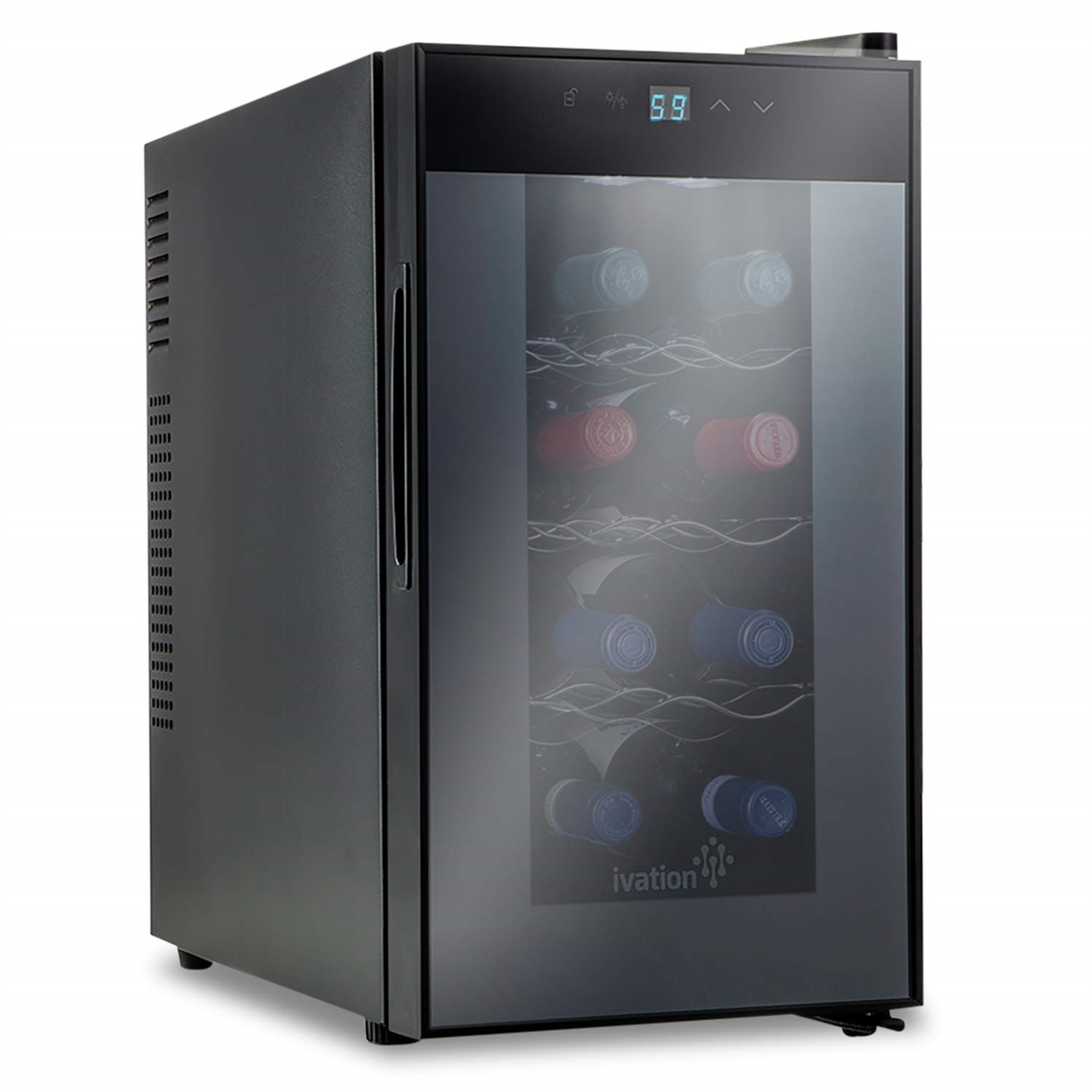 Ivation 8-Bottle Wine Fridge Freestanding, Thermoelectric Wine Cooler, Black$139.99View on eBay
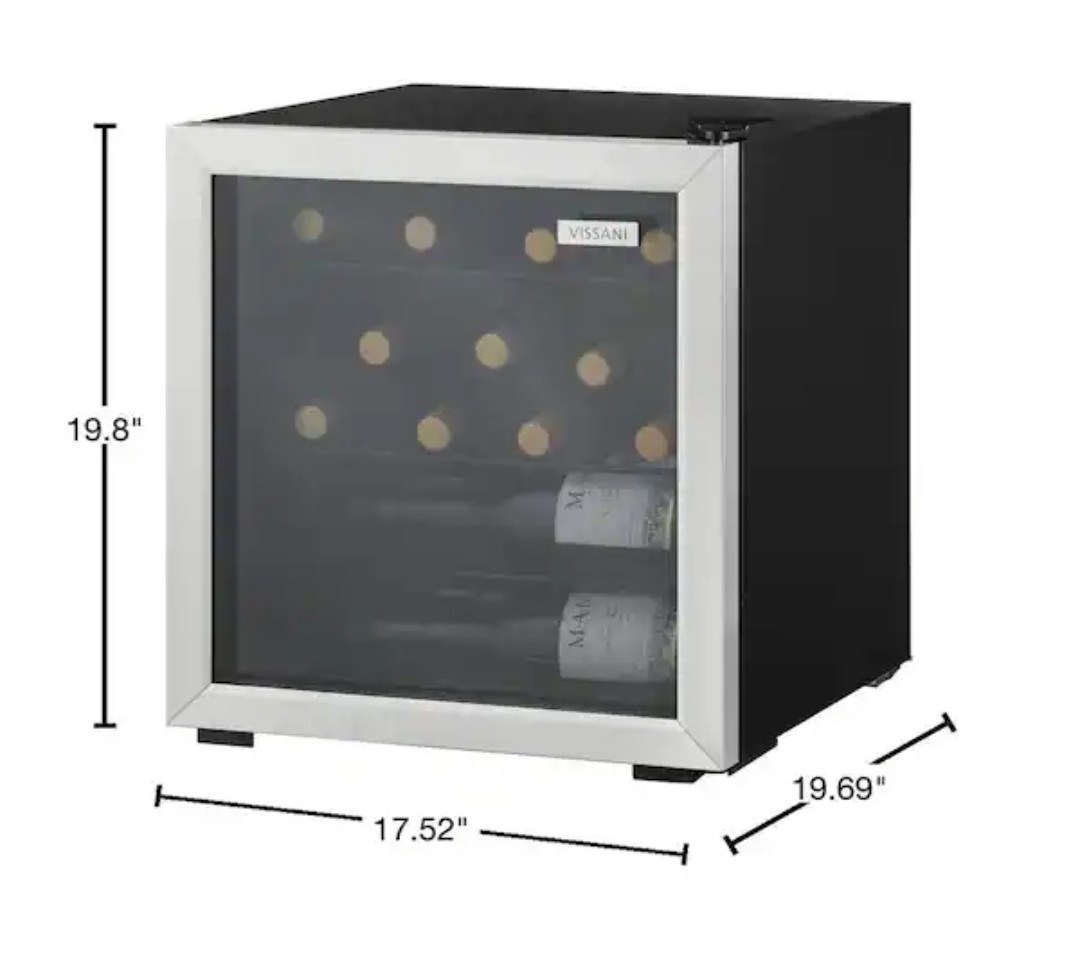 18 in. Single Zone Beverage and Wine Cooler Fridge in Stainless Steel 17 Bottle$180.00View on eBay
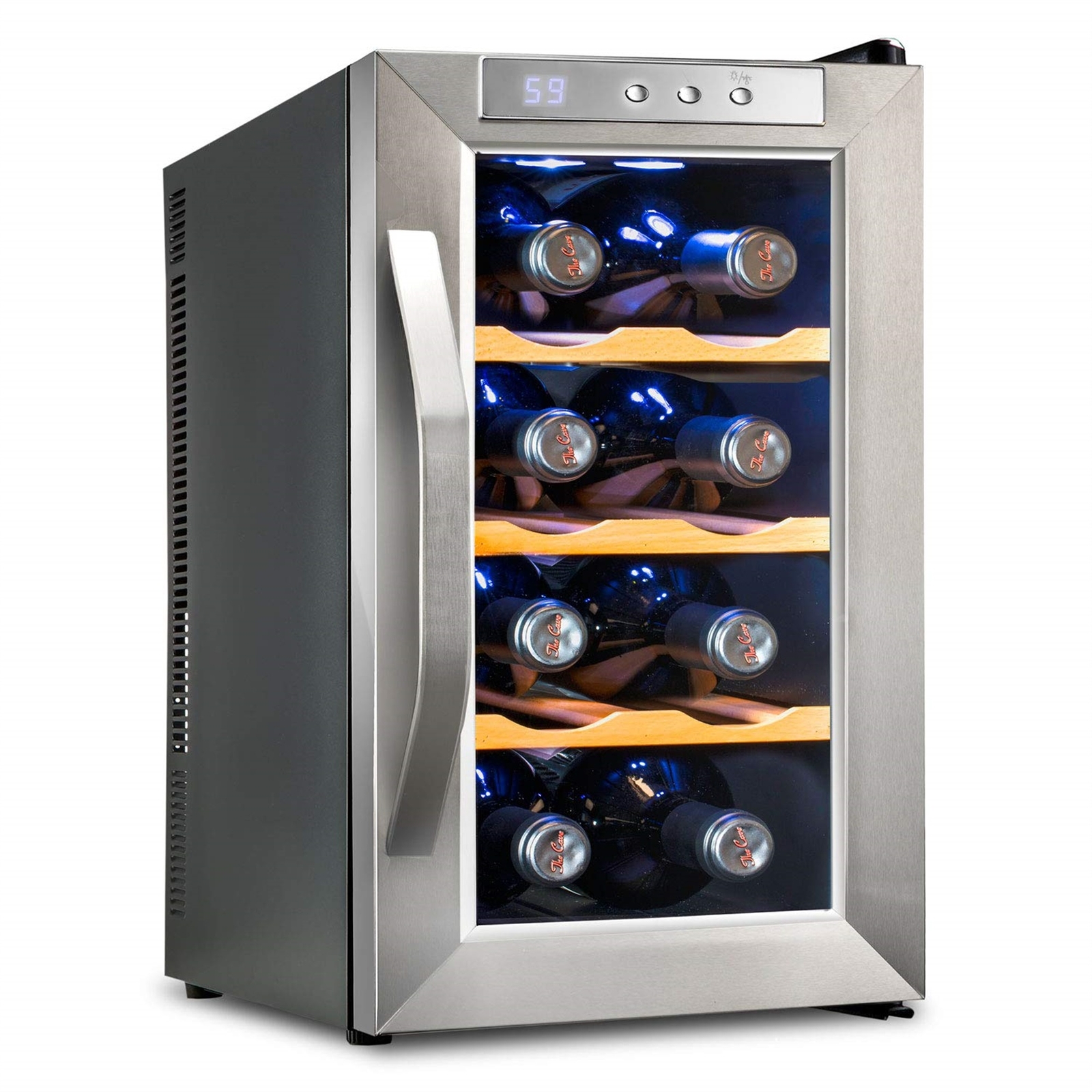 Ivation 8-Bottle Wine Fridge Freestanding, Thermoelectric Wine Cooler, Silver$199.99View on eBay
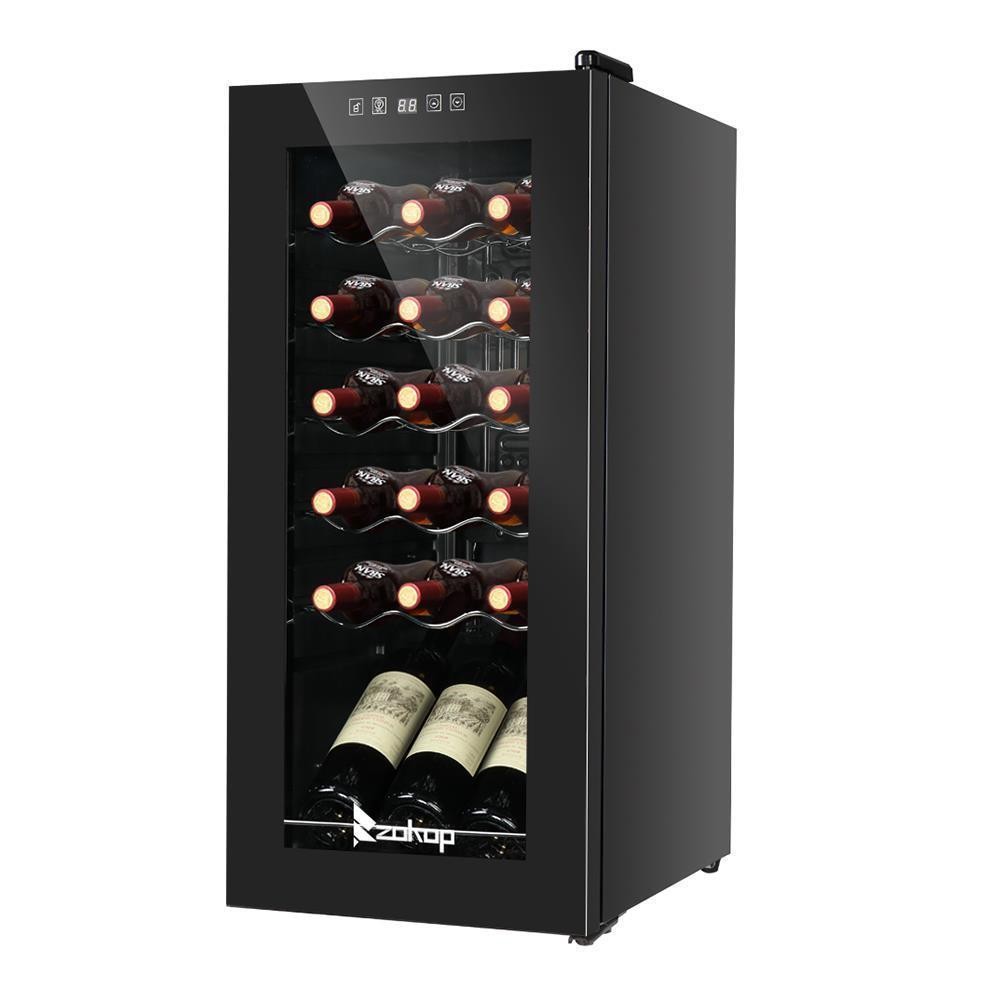 Adjustable 18 Bottle Wine Cooler Beverage Refigerator Fridge Wine Cellar 41-64°F$219.99New · Last checked Nov 22, 2026View on eBay
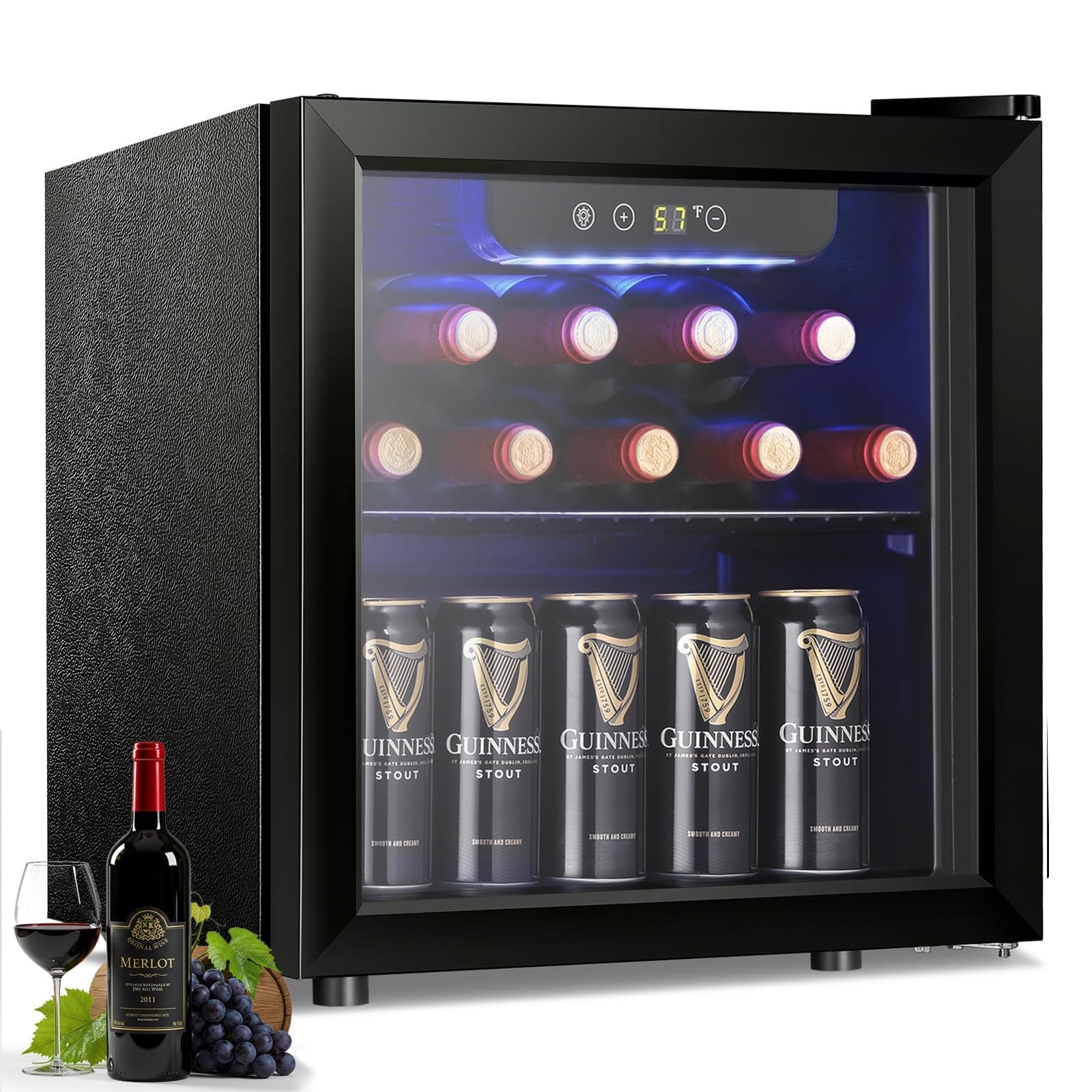 12 Bottle/48 Can Wine Cooler/Cabinet, Mini Drink Fridge, Clear Front$230.99Last checked Nov 17, 2026View on eBay
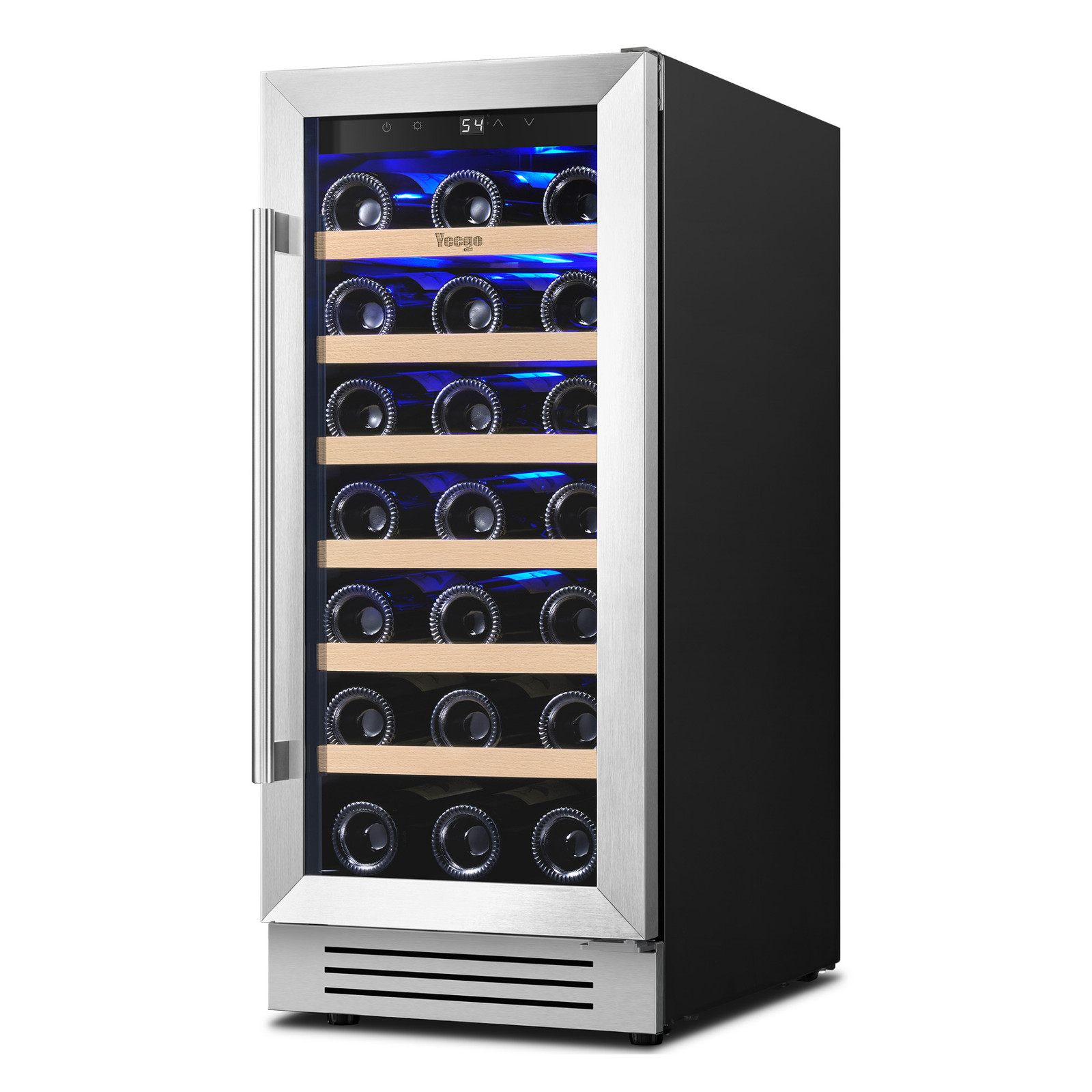 Yeego 15" Wine Cooler 33 Bottles With Rack Built-in Wine Fridge For Home Kitchen$271.99Certified - Refurbished · Last checked Nov 22, 2026View on eBay
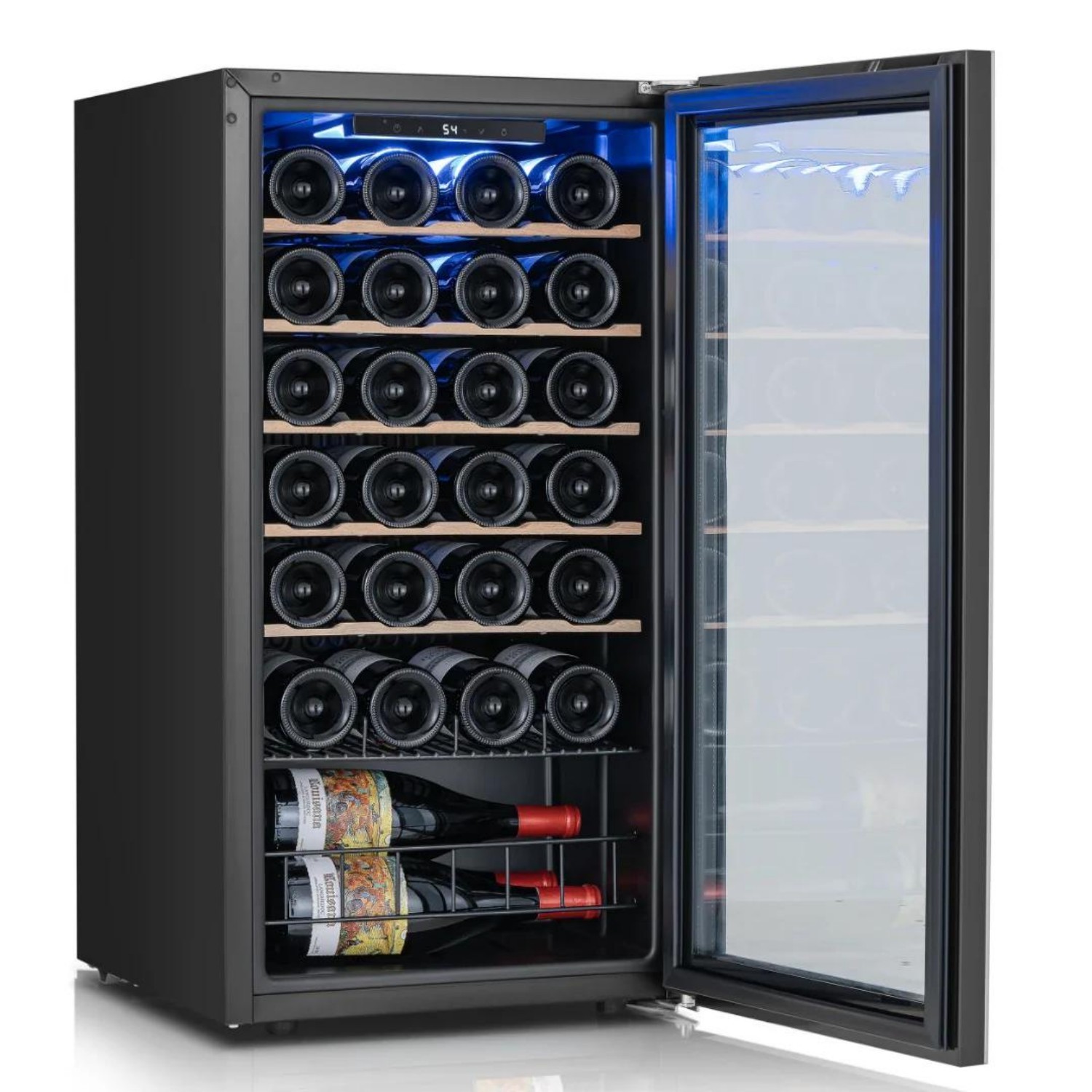 Ca'Lefort 28 Bottle Wine Fridge Cooler Mini Wine Cellar Home Bar Office 37-65°F$272.99New · Last checked Nov 22, 2026View on eBay
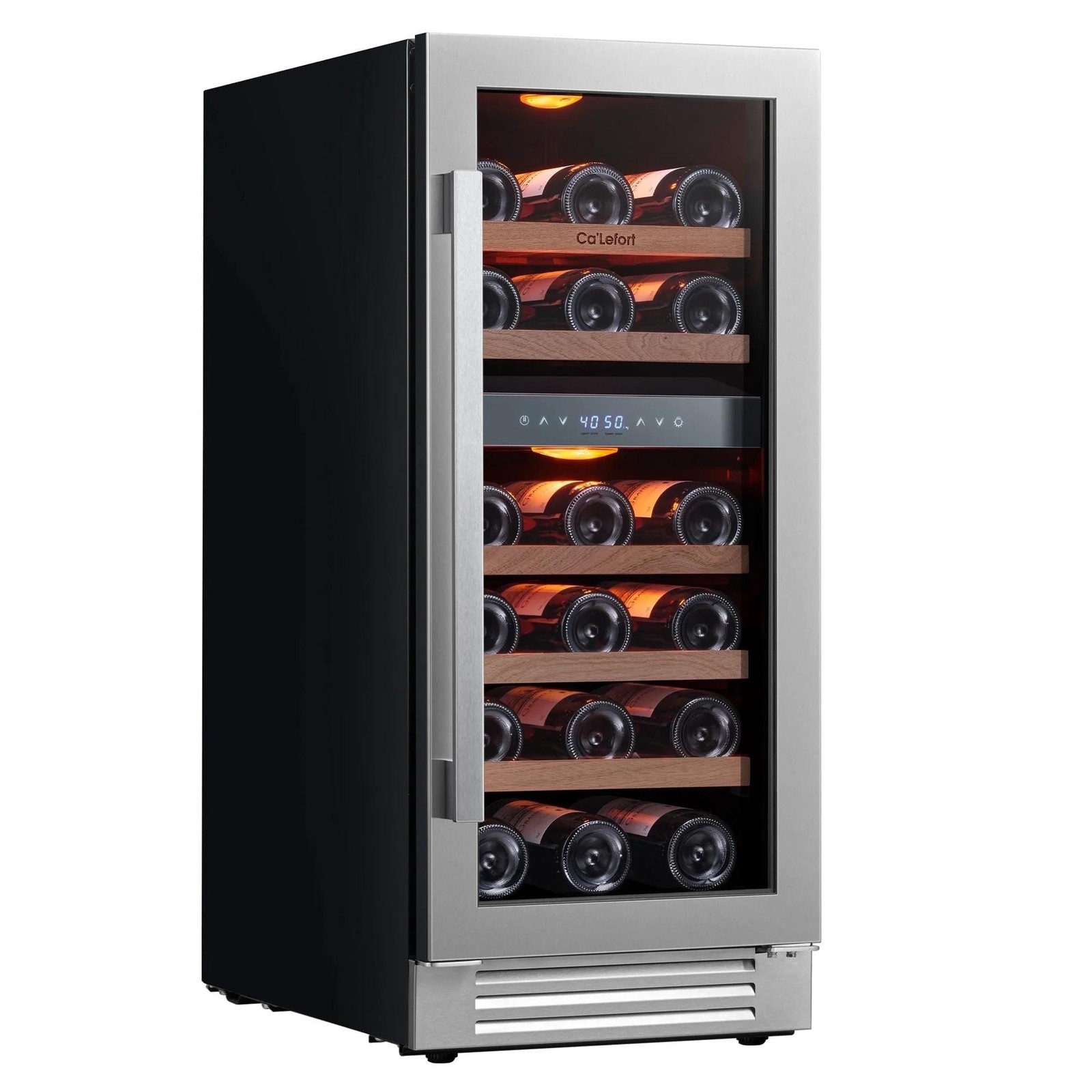 Ca'Lefort 15" Wine Cooler Mini Fridge Dual Zone 40°F-65°F 28 Bottles LED Lights$275.99Excellent - Refurbished · Last checked Nov 22, 2026View on eBay
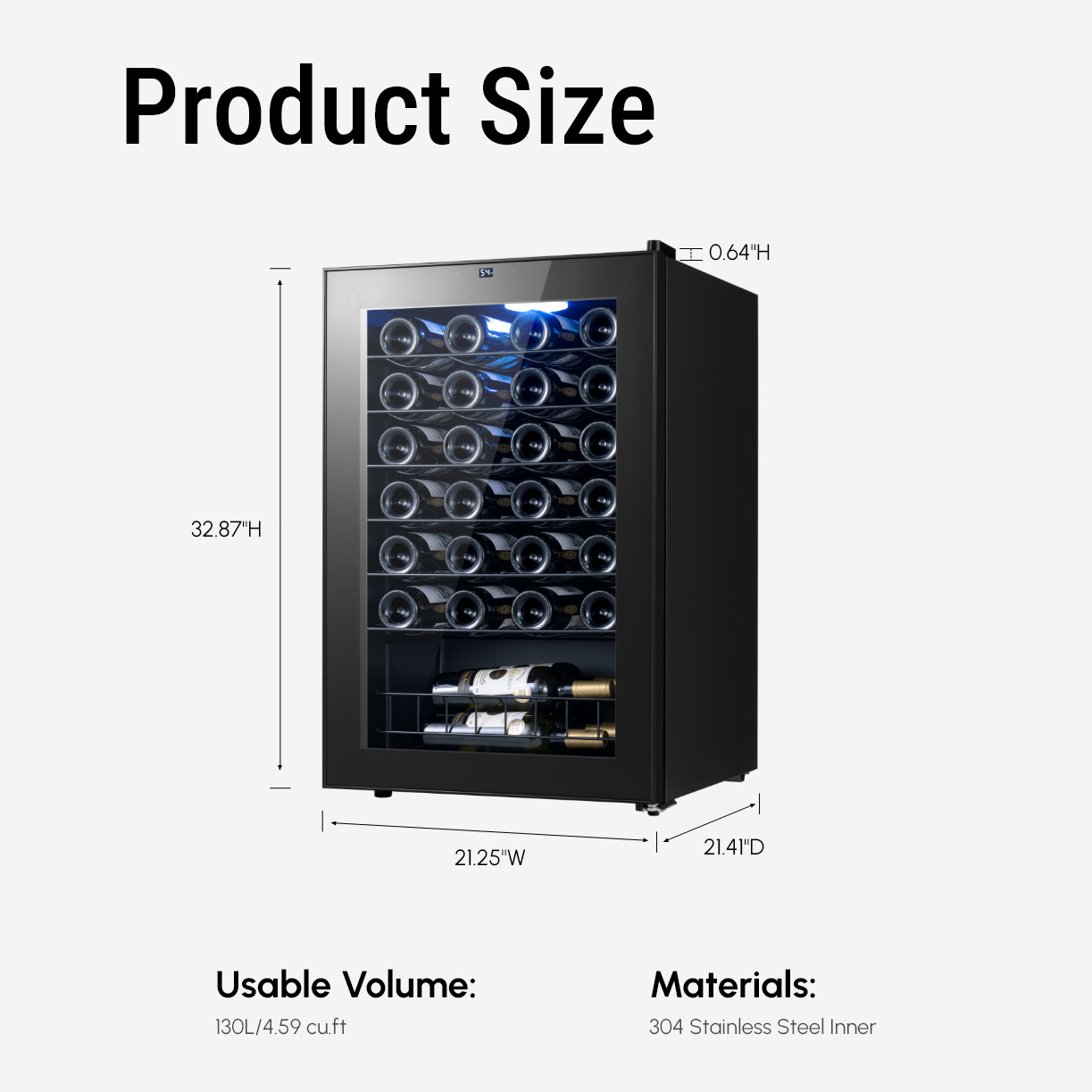 Yeego Mini Fridge Glass Door Wine Cooler 12/20/28/34/46 Bottles Home Appliance$279.99New · Last checked Nov 22, 2026View on eBay
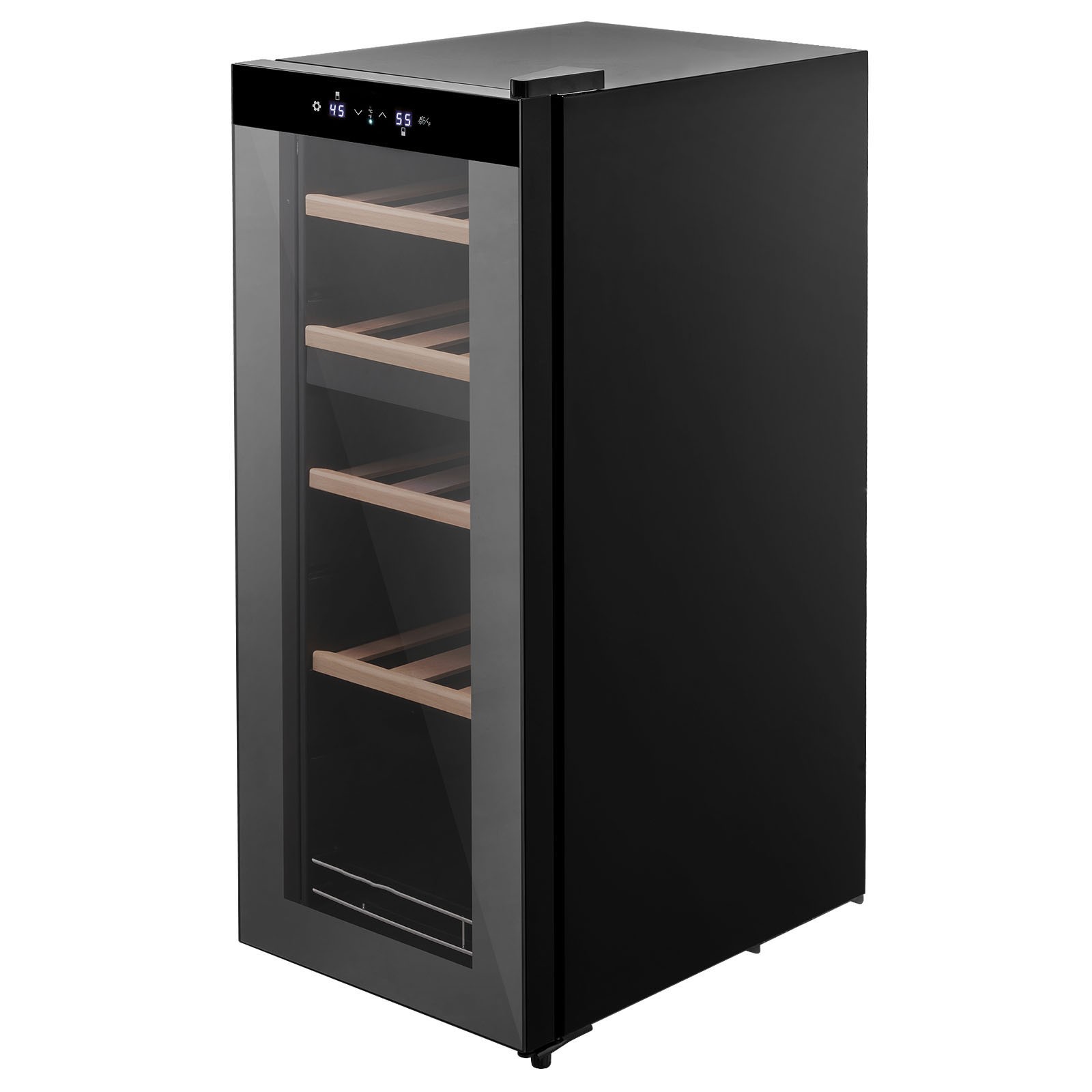 Uimoso 20-Bottle Dual Zone Wine Cooler Freestanding Refrigerator$286.29New · Last checked Nov 22, 2026View on eBay
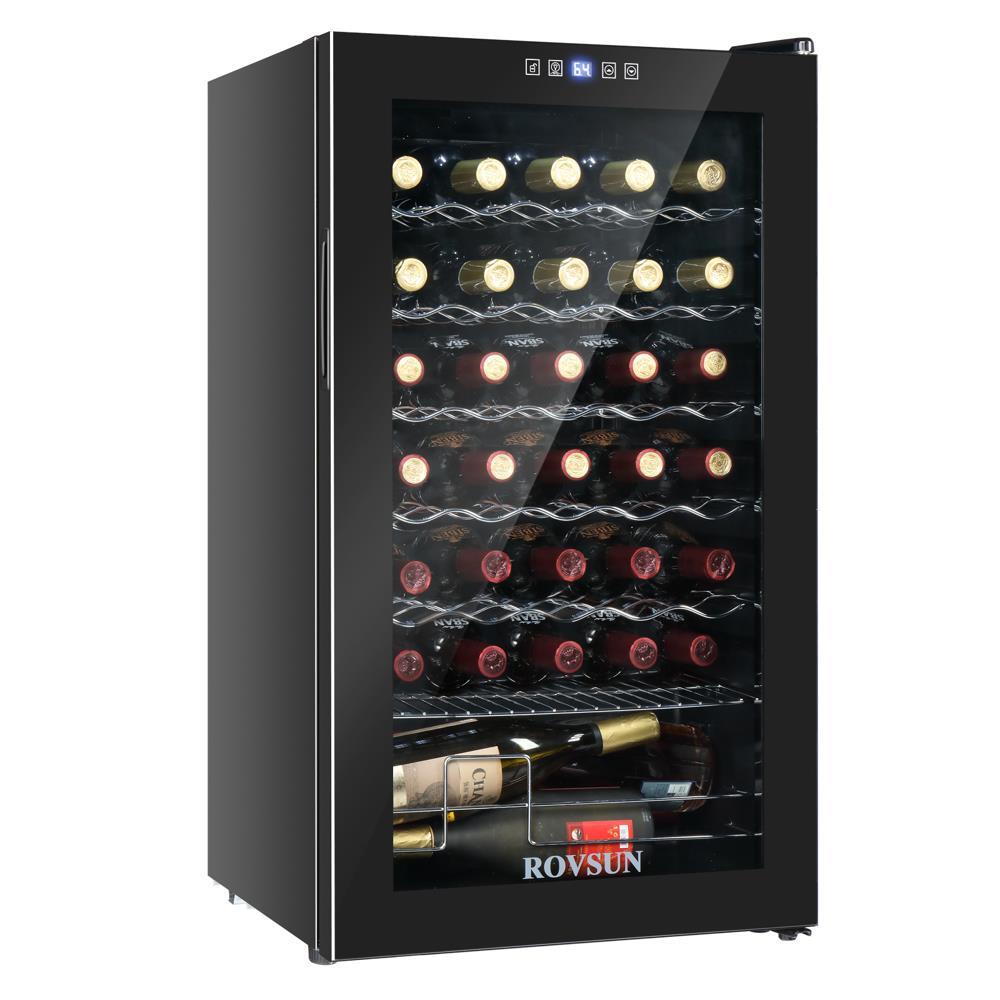 34 Bottle Wine Cooler Fridge Beverage Chiller Digital Temperature Control$289.99Last checked Nov 17, 2026View on eBay
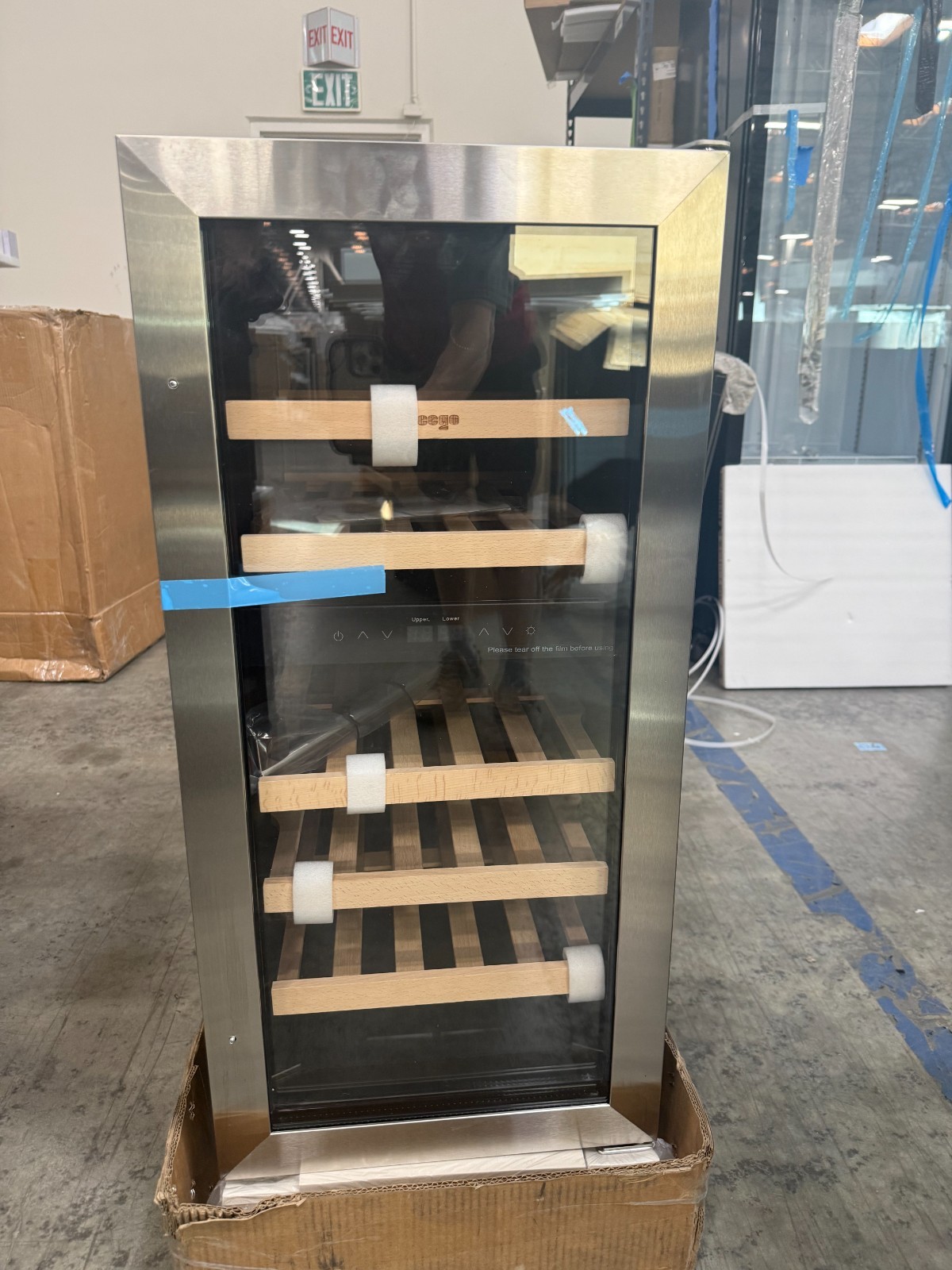 Yeego 15" Dual Zone Wine Cooler Hold 28 Bottles 40°F-65°F With Racks,Doors Home$299.99Certified - Refurbished · Last checked Nov 22, 2026View on eBay
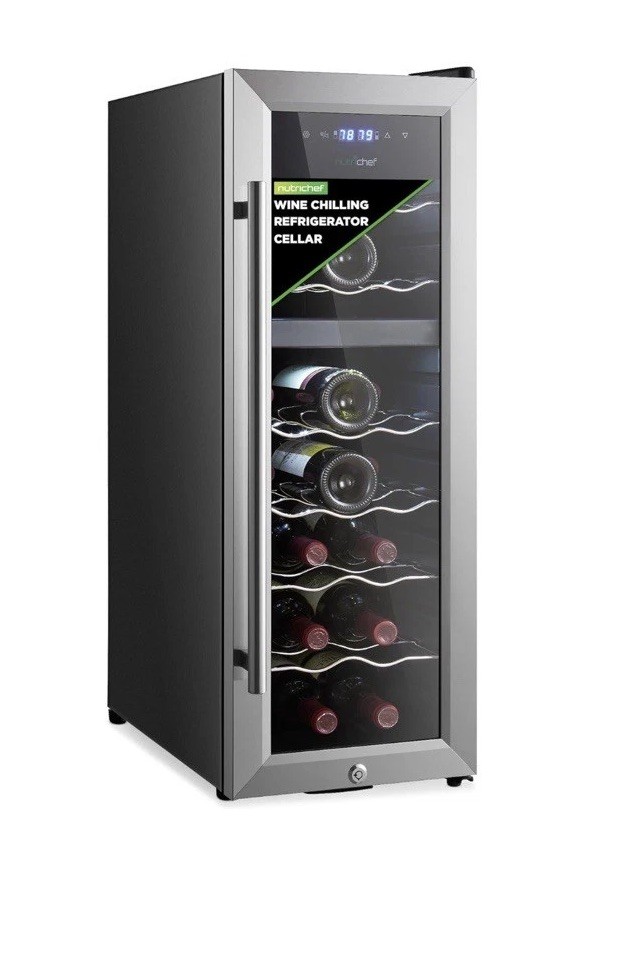 NutriChef PKCWCDS182.5 Chilling Refrigerator Cellar-Dual-Zone Wine Cooler$319.99Last checked Nov 17, 2026View on eBay
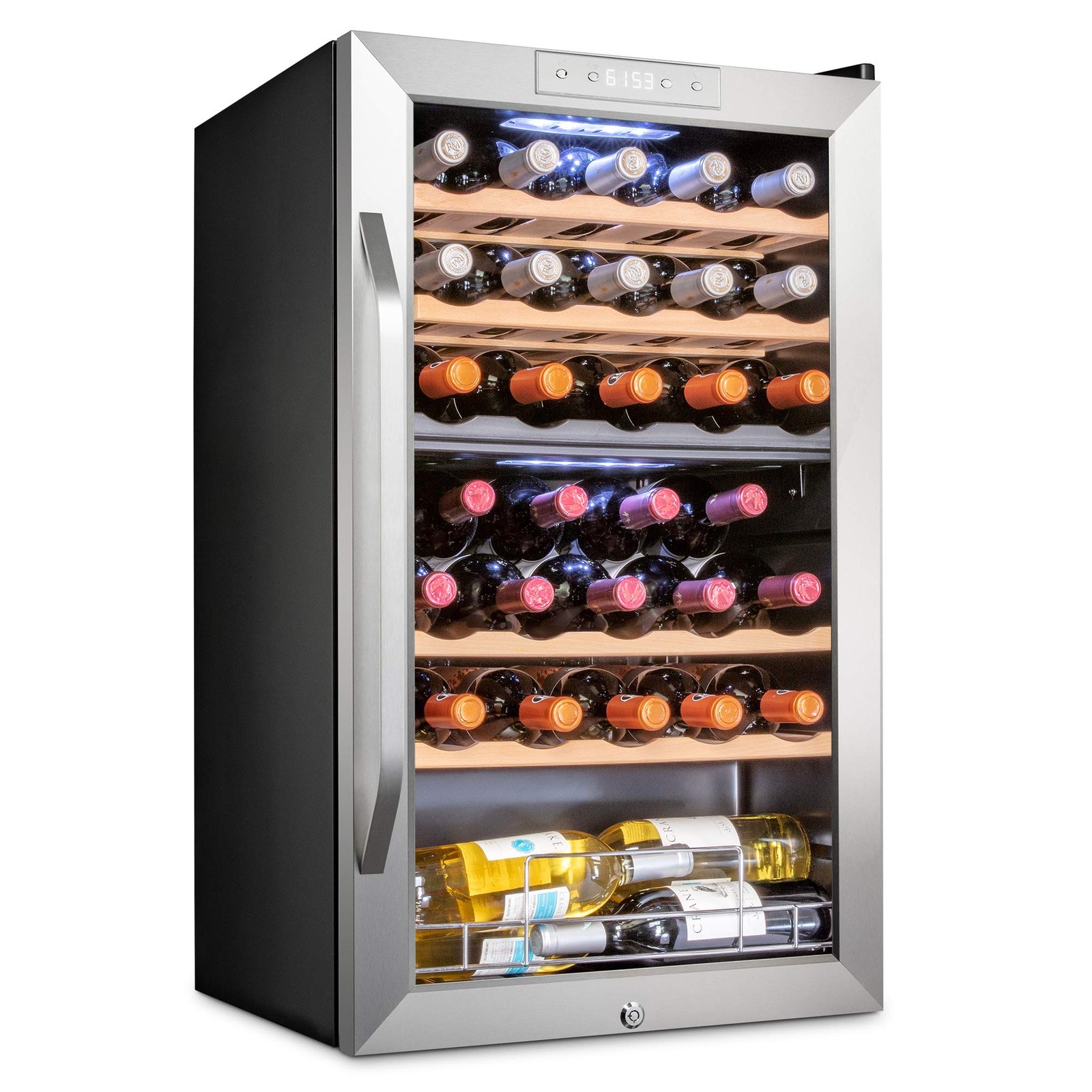 Ivation 33-Bottle Freestanding Wine Fridge, Dual Zone Wine Fridge, Silver$328.99Last checked Nov 17, 2026View on eBay
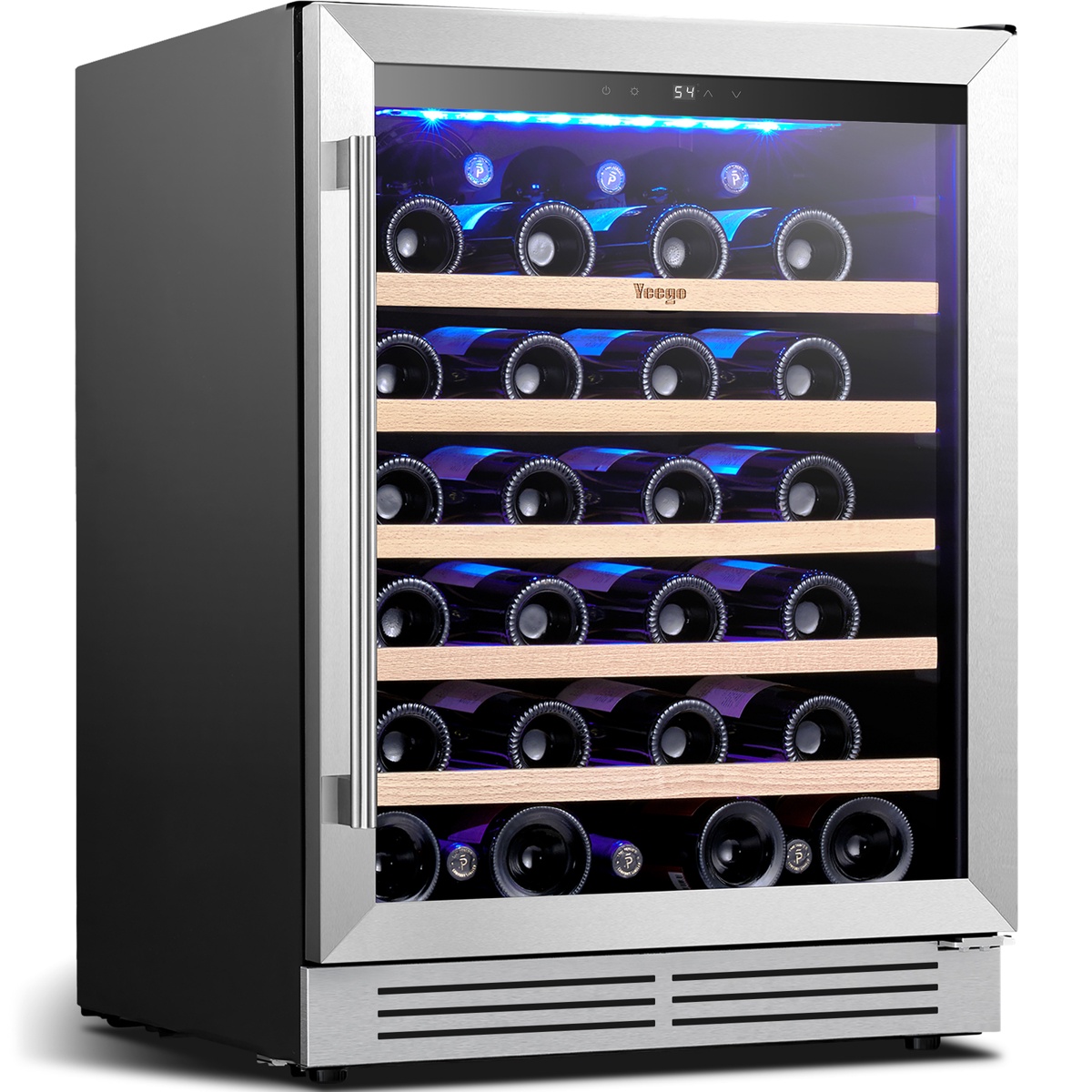 Yeego 24" Wine Cooler 52 Bottles Under Counter/Built-in Wine Fridge For Kitchen$379.99Certified - Refurbished · Last checked Nov 22, 2026View on eBay
Highlights
- Compressor units reach 40-65°F across large capacities and hold stable temps in warm rooms; thermoelectric units typically only cool 15-25°F below ambient and struggle above 77°F room temp.
- Dual-zone models split the cabinet into two independently controlled compartments (e.g., 45-50°F red / 50-55°F white); single-zone holds one uniform range across all shelves.
- Bottle count ratings assume standard Bordeaux 750ml; wider Burgundy or Champagne bottles reduce effective capacity by roughly 20-30% and often require removing a shelf.
- Freestanding models vent through front/side grilles and need 2-4 inches of clearance; built-in models vent through a front toe kick and can be flush-fitted into cabinetry.
Best use cases
- Best fit: a 6-12 bottle thermoelectric unit on a countertop in a climate-controlled kitchen for short-term red/white serving — skip if the room exceeds 77°F or you plan to age wine.
- Best fit: a 24-inch built-in compressor single-zone (roughly 45-52 bottles) under a counter for uniform long-term storage — choose dual-zone only if you routinely serve both reds and whites at different temps.
- Best fit: a 52-bottle dual-zone freestanding compressor for a dining room or bar with mixed red/white service — skip large-capacity units if you buy fewer than 30 bottles, since empty space wastes energy.
- Wrong fit: placing any wine fridge in a garage or unheated space — most are rated for 50-90°F ambient; below or above that the compressor cycles excessively or thermoelectric units fail to cool.
Buying tips
- Sizing rule: measure your cabinet opening first; standard widths are 12", 15", 24", and 30". A 24-inch unit fits a 24-inch opening with zero side clearance for built-in, but freestanding needs 2-4 inches.
- Cooling rule: pick thermoelectric only for rooms kept 65-77°F and capacities under 12 bottles; pick compressor for anything larger, dual-zone, or in a warm room.
- Bottle math: a 52-bottle rating fits 52 standard Bordeaux; plan on 40-45 if you store Pinot/Burgundy or Champagne, and confirm shelf spacing is at least 3.5 inches.
- Zone rule: single-zone is fine if you store one style or serve everything at 45-55°F; dual-zone adds cost and complexity but lets you hold reds at 55-65°F and whites at 40-50°F simultaneously.
Specs
| Cooling Type | Compressor vs thermoelectric |
|---|---|
| Zone Configuration | Single-zone vs dual-zone |
| Bottle Capacity | 6-52 bottles (Bordeaux standard) |
| Install Type | Freestanding vs built-in |
Related searches
What to check before buying
- Measure the cutout width, depth, and height; add 2-4 inches of rear/side clearance for freestanding, and confirm the door swing clears adjacent walls or cabinets.
- Confirm room ambient temperature stays between 50-90°F year-round; garages, sheds, and unheated basements void most warranties and cause thermoelectric failure.
- Check electrical: most wine fridges run on standard 115V/60Hz US outlets; built-in units may need a dedicated circuit if over 5 cu. ft.
- Verify shelf configuration holds your bottle types — measure the diameter of your largest bottles (Champagne ~3.5-4 inches) against shelf gap and door clearance.
FAQ
Data sources: eBay / Amazon listings and product attribute feeds. Updated Nov 28, 2026.
Some links on this page are affiliate links. If you buy after clicking one, we may earn a commission at no extra cost to you. This does not change which products appear here or their order. Affiliate disclosure.