
Photos from current listings. Actual item, color, and included accessories may vary.
Cast Iron Buying Guide
Cast iron bread ovens and Dutch ovens are the definitive tool for hearth-style loaves because their mass stores and radiates heat into the dough. The core trade-off is bare seasoned iron versus enameled iron: bare iron survives any heat and can be reseasoned, while enamel resists acidic doughs and cleans easily but chips under thermal shock. Buy bare iron for campfire and high-heat abuse, enameled iron for daily sourdough baking and low-maintenance cleaning.
Median $59.74 · New listings
Key takeaways
- Bare cast iron is a single ferrous material that tolerates open flame and 500°F+ oven heat; enameled cast iron is a glass-steel coating that cracks under thermal shock or metal utensils.
- Bread ovens split into two architectures: a lidded Dutch oven that traps steam for the entire bake, and a cloche or oblong baker with a shallow base and domed lid for boules and batards.
- Capacity maps to loaf size: 4-quart pots bake 700–900g dough balls, 5–5.5-quart pots handle 1–1.2kg, and 6-quart and larger suit double loaves or high-hydration country boules.
At a glance
- Category
- Bread Ovens & Dutch Ovens
- Last updated
- Nov 27, 2026
Current offers
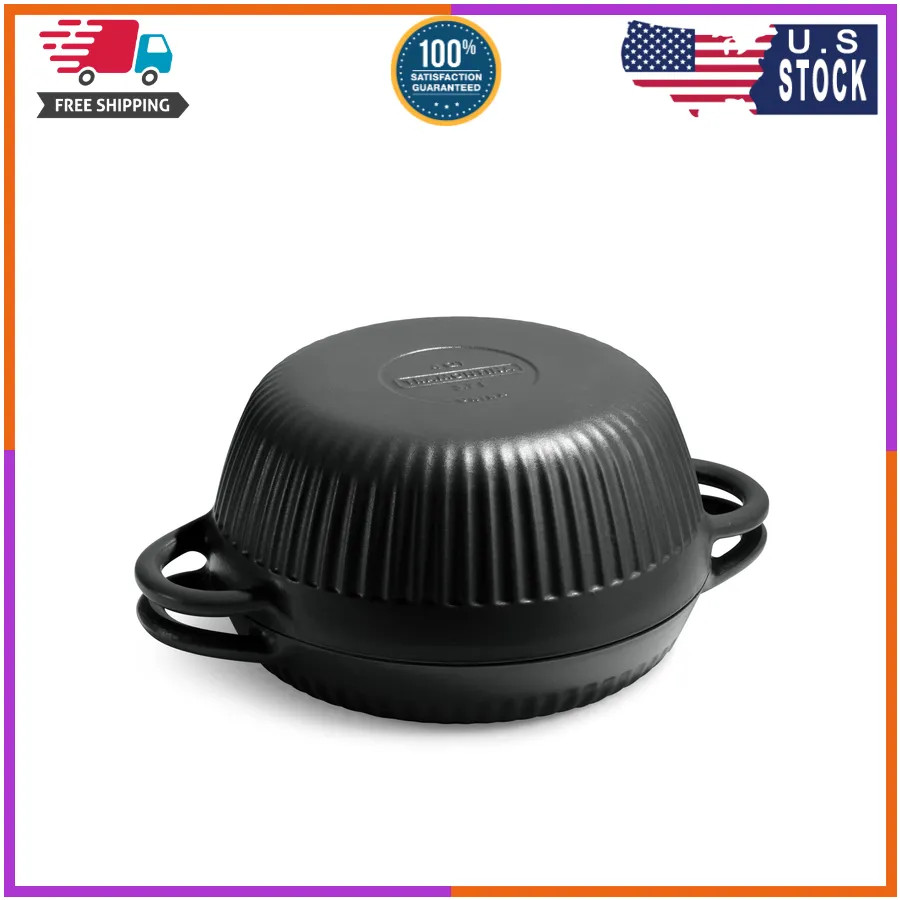 Tramontina 4 QT Enameled Cast Iron Dutch Oven Black Bread Baking Pot$28.14View on eBay
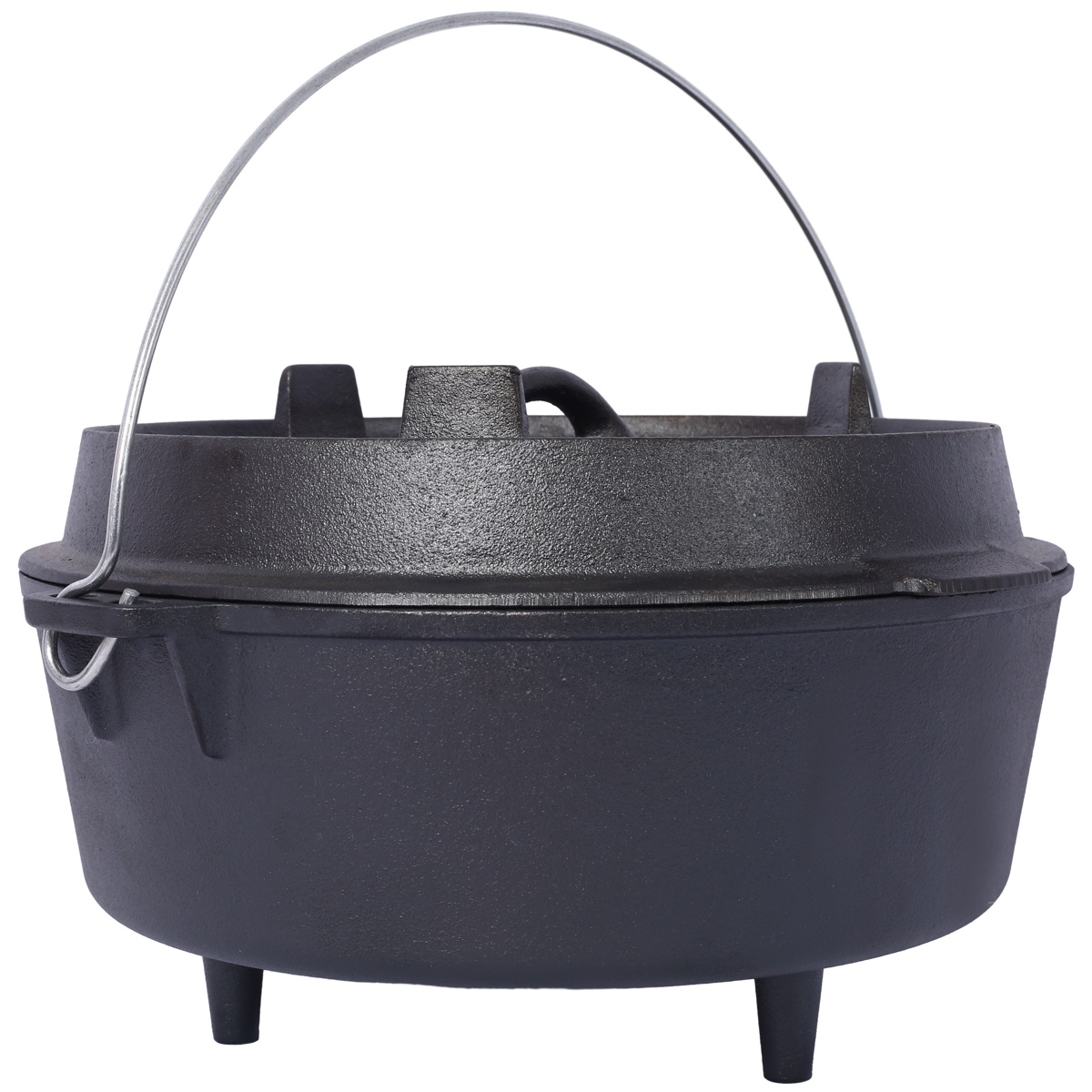 pre-Seasoned Cast Iron Dutch Oven With Skillet Lid, Outdoor Camping Deep Pot for Fireplace Cooking BBQ Baking Campfire, Leg Base, 4.5 Quart$75.99View on Mallflare
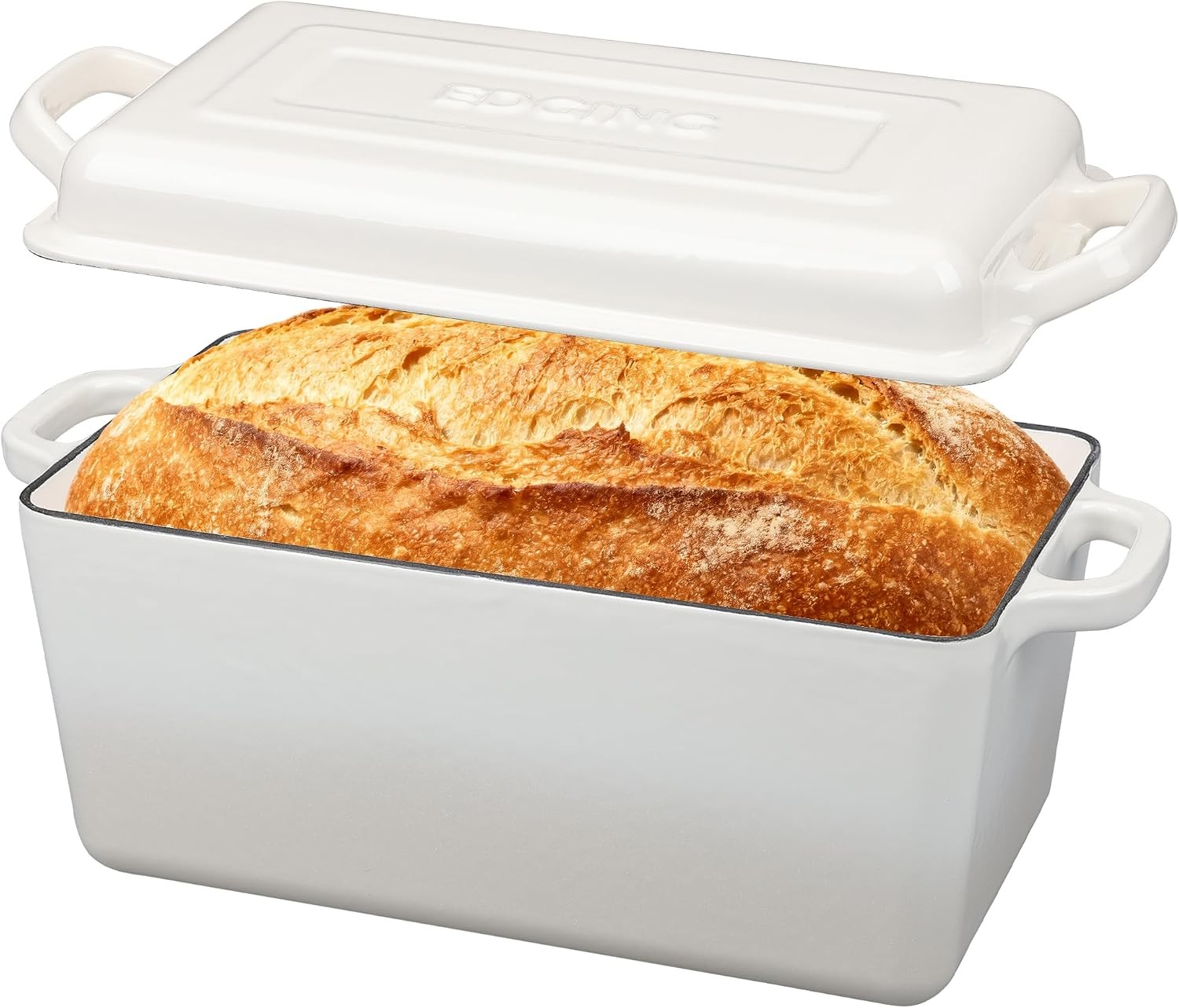 Enameled Cast Iron Dutch Oven, Oblong Bread Oven for Sourdough Bread Baking,$44.99View on eBay
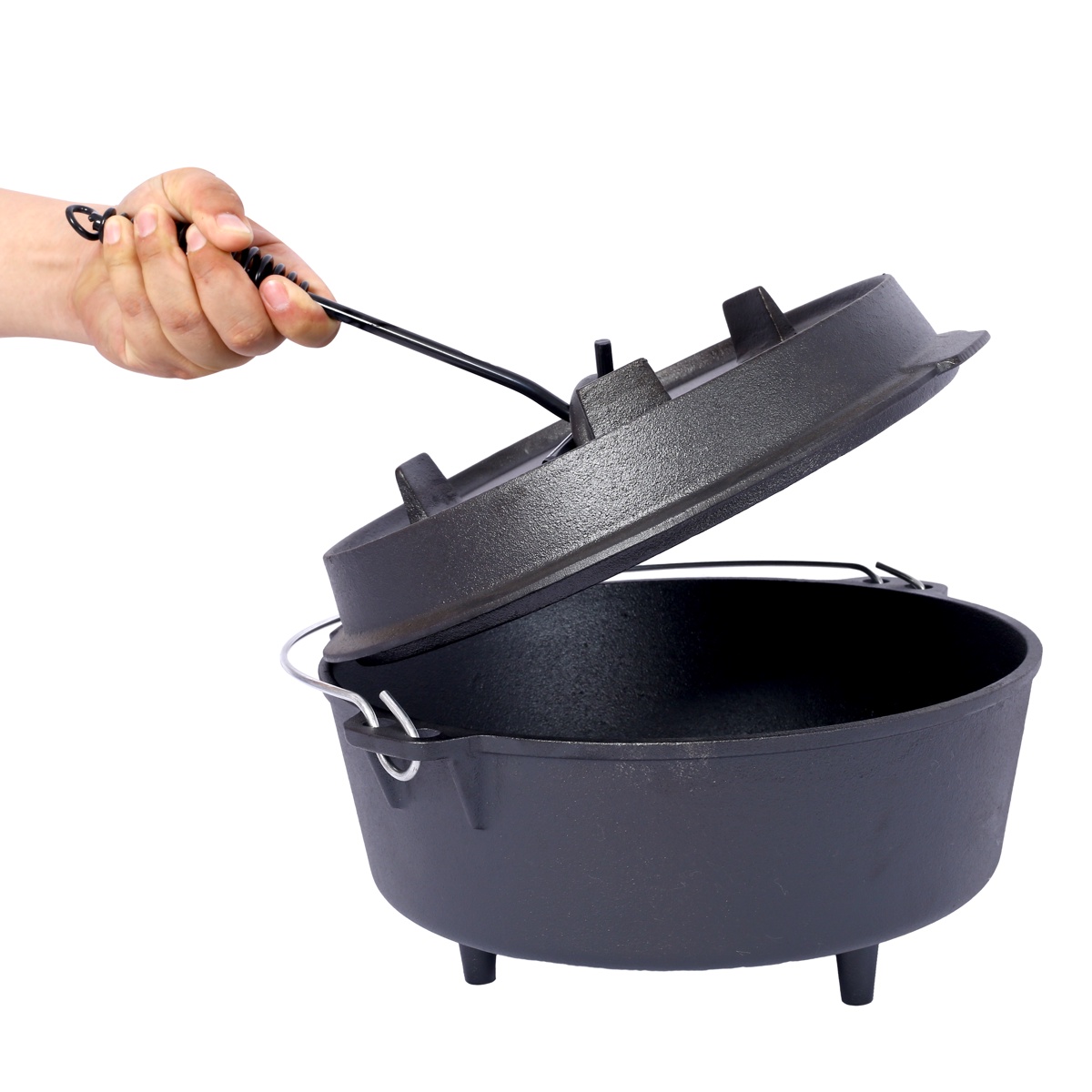 Pre-Seasoned Cast Iron Dutch Oven$91.99View on Mallflare
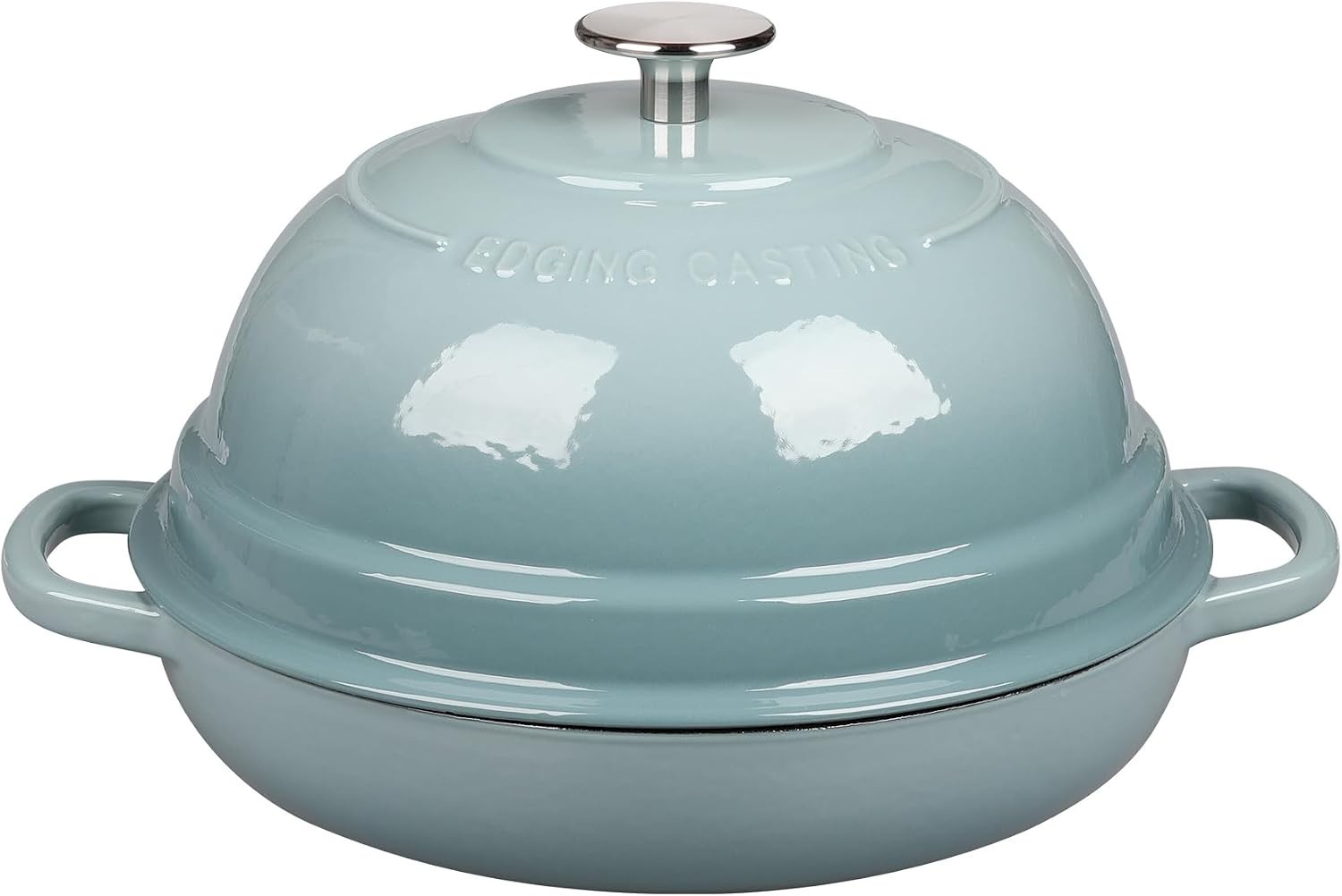 6 Quart Enameled Cast Iron Dutch Oven for Sourdough Bread, Le Creuset with Dual$57.29View on eBay
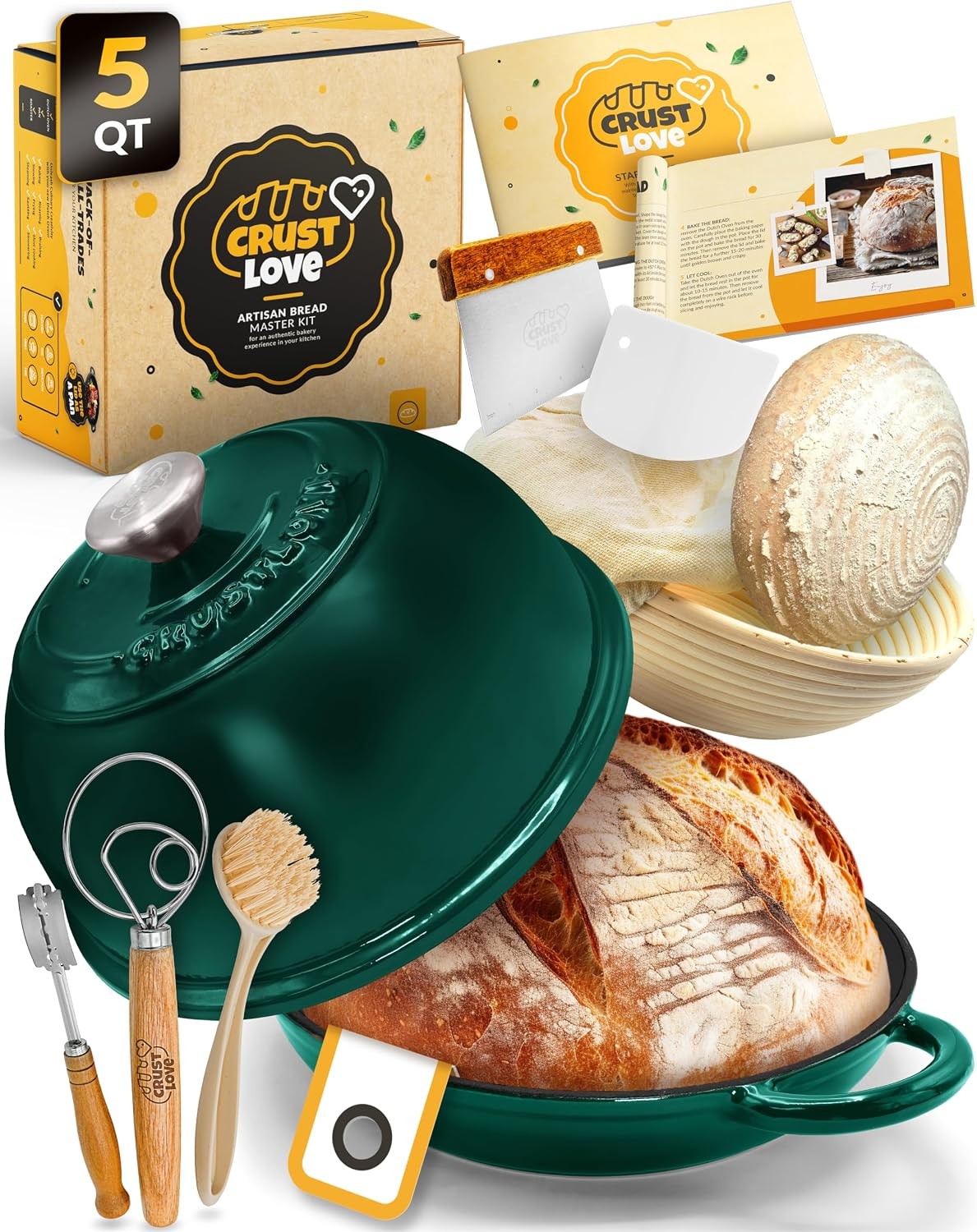 5QT Enameled Cast Iron Dutch Oven for Bread Baking Kit$59.48View on eBay
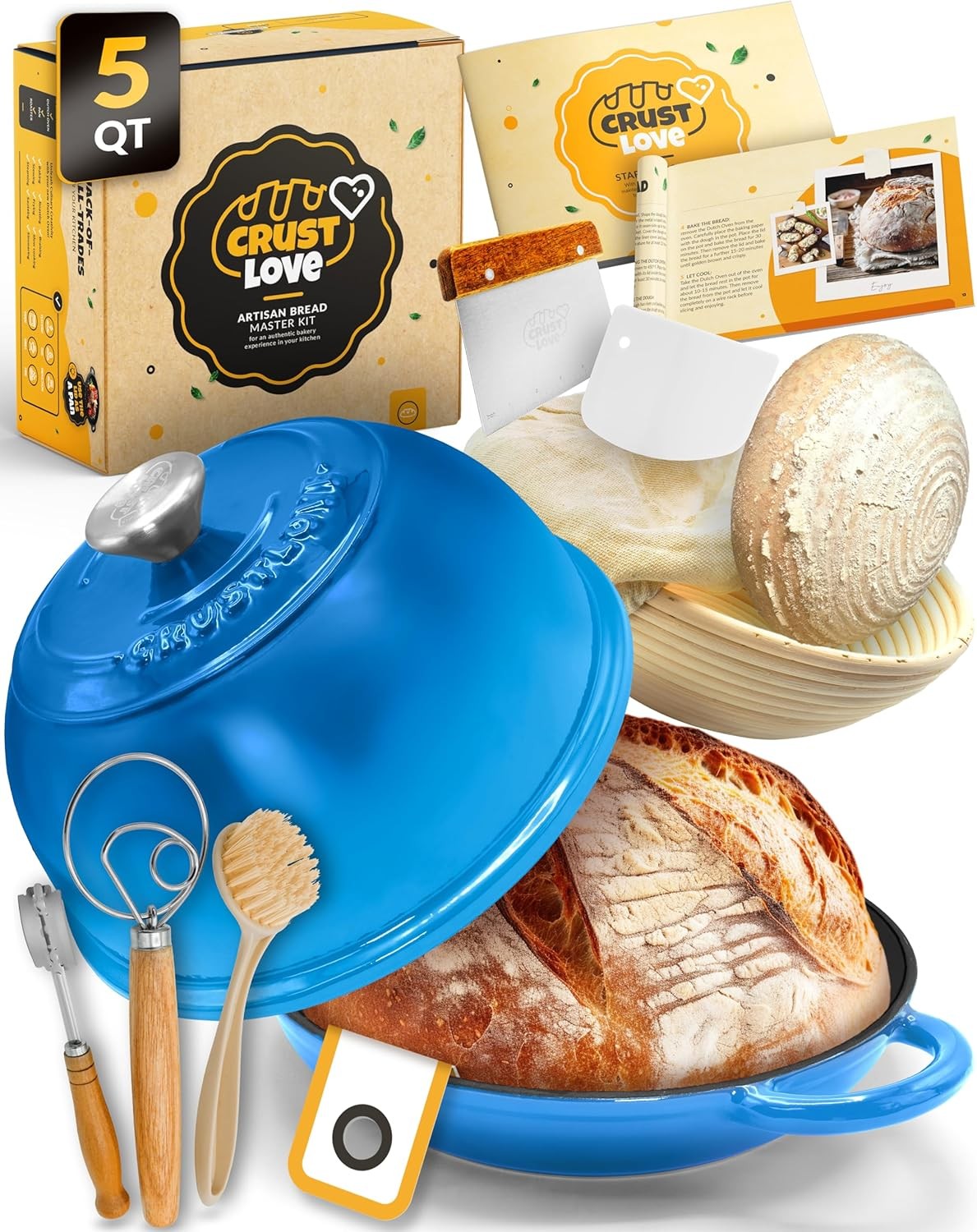 5 QT Cast Iron Bread Oven for Sourdough Baking w/Lid & Tool Set$59.48View on eBay
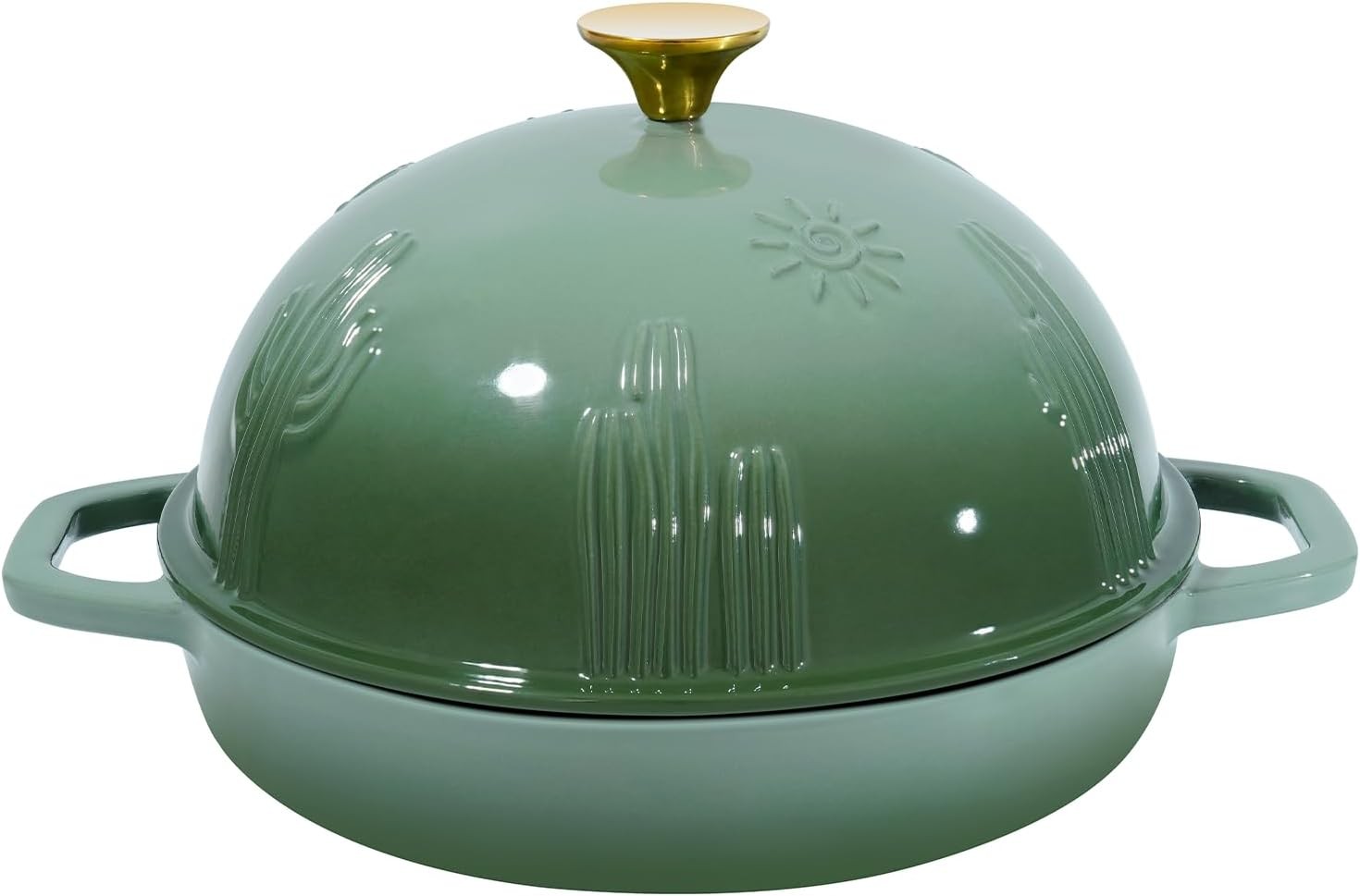 Bread Oven Cast Iron Bread Dutch Oven With Cloche Lid For Bread Baking Darkcyan$59.99View on eBay
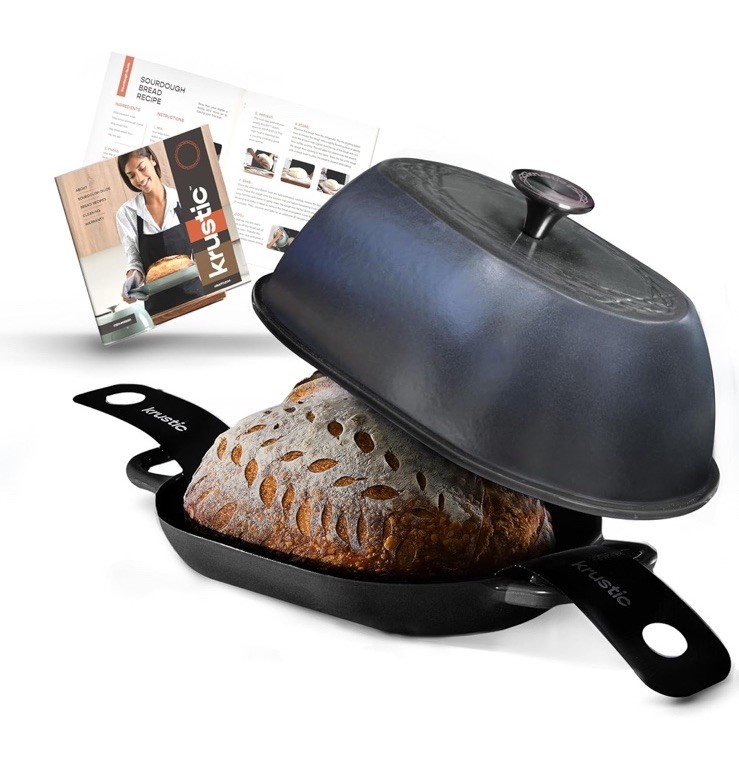 Cast Iron Dutch Oven 5.5Qt Oval Bread Baking Black Enameled Sourdough pot W/ Lid$68.00View on eBay
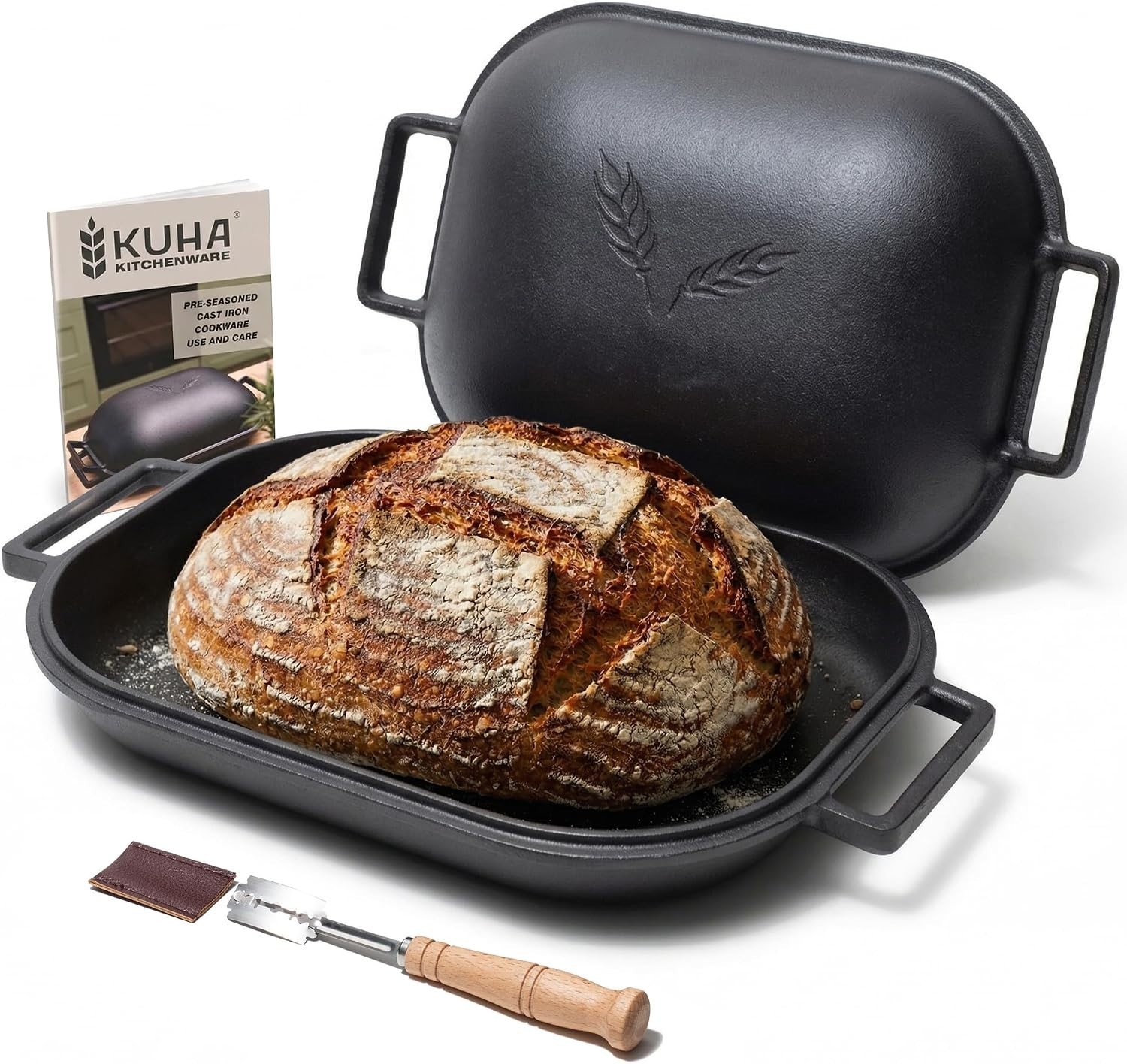 Artisan Bread Baking Made Easy: Cast Iron Oval Oven with Lid Included$209.99New · Last checked Nov 17, 2026View on eBay
Highlights
- Bare cast iron is a single ferrous material that tolerates open flame and 500°F+ oven heat; enameled cast iron is a glass-steel coating that cracks under thermal shock or metal utensils.
- Bread ovens split into two architectures: a lidded Dutch oven that traps steam for the entire bake, and a cloche or oblong baker with a shallow base and domed lid for boules and batards.
- Capacity maps to loaf size: 4-quart pots bake 700–900g dough balls, 5–5.5-quart pots handle 1–1.2kg, and 6-quart and larger suit double loaves or high-hydration country boules.
- Enamel color (blue, bottle green, seasalt, black) is cosmetic; the functional differences are wall thickness, lid fit, and whether the lid doubles as a skillet.
Best use cases
- Best fit for sourdough and yeasted hearth loaves: a 5 to 5.5-quart enameled round Dutch oven with a tight-fitting lid traps steam for the first 20 minutes and releases it for browning.
- Best fit for batards and oblong loaves: an oblong enameled bread oven gives a long, low profile that supports sandwich and toast loaves without folding the dough.
- Best fit for campfire, grill, and open-flame cooking: bare pre-seasoned cast iron with a leg base and skillet lid is the only safe option; skip enamel entirely because direct flame and ash will craze the coating.
- Wrong fit: a 4-quart pot for 1kg+ high-hydration dough will overflow and scorch; step up to 5.5 or 6 quarts. Wrong fit: enameled iron for no-knead methods baked at 500°F+ with preheating empty — bare iron handles that cycle better.
Buying tips
- Match capacity to dough weight: 4 qt for 700–900g, 5–5.5 qt for 1–1.2kg, 6 qt+ for double loaves or 1.5kg high-hydration dough; a pot filled more than two-thirds will boil over.
- Choose bare cast iron for oven temperatures above 450°F with empty preheating and for any open-flame use; choose enameled iron for 375–450°F baking and acidic doughs like rye or long-fermented sourdough.
- Check lid geometry: a self-basting lid with interior spikes recirculates steam, while a flat lid with a skillet underside adds a second cooking surface but seals less tightly.
- Prefer pots with a 10-inch or larger interior diameter for boules and a 13-inch oval for batards; handles should be wide enough for dry oven mitts at 450°F.
Specs
| Iron Type | Bare seasoned vs enameled cast |
|---|---|
| Bread Capacity | 4 qt / 5–5.5 qt / 6 qt+ |
| Shape | Round boule / oval batard / cloche |
| Heat Source | Oven 450°F / open flame (bare only) |
Related searches
What to check before buying
- Measure your oven rack: a 5.5-quart round Dutch oven typically runs 10–11 inches wide with handles, and a 6-quart runs 12–13 inches; confirm rack width and clearance to the top element.
- Confirm your heat source: enameled iron is for oven and stovetop only; bare iron with a leg base is required for campfire and grill coals.
- Check dough size against capacity: weigh your typical flour load and multiply by 1.6–1.7 for dough weight, then pick a pot at least 1.5x that volume.
- Verify lid fit and material compatibility: metal utensils and abrasive scouring will scratch enamel; bare iron requires a seasoning ritual and occasional oiling after washing.
FAQ
Data sources: eBay / Amazon listings and product attribute feeds. Updated Nov 27, 2026.
Some links on this page are affiliate links. If you buy after clicking one, we may earn a commission at no extra cost to you. This does not change which products appear here or their order. Affiliate disclosure.