
Photos from current listings. Actual item, color, and included accessories may vary.
Dutch Oven Pot Buying Guide
A Dutch oven pot is a heavy, lidded vessel — traditionally cast iron or enameled cast iron — used for braising, baking, and frying on stove or in oven. The core trade-off is bare cast iron's rugged heat retention and campfire durability versus enameled cast iron's non-reactive, easy-clean surface that chips if abused. Buy bare iron for open flame and searing, enameled iron for acidic braises and bread baking; skip thin, lightweight 'cast iron' pots with loose lids and poor wall thickness.
Median $59.74
Key takeaways
- Enameled cast iron uses a vitreous glass coating fused to the iron; it is non-reactive for tomato and wine braises but chips under thermal shock and metal utensils.
- Bare cast iron requires seasoning (polymerized oil layer) and is naturally non-stick only after use; it tolerates campfire coals and metal tools that destroy enamel.
- Wall thickness of 3–5 mm and a tight-fitting, heavy lid (often with self-basting spikes) drive heat retention and moisture sealing; thin walls under 2.5 mm cook unevenly.
At a glance
- Category
- Bread Ovens & Dutch Ovens
- Last updated
- Nov 27, 2026
Current offers
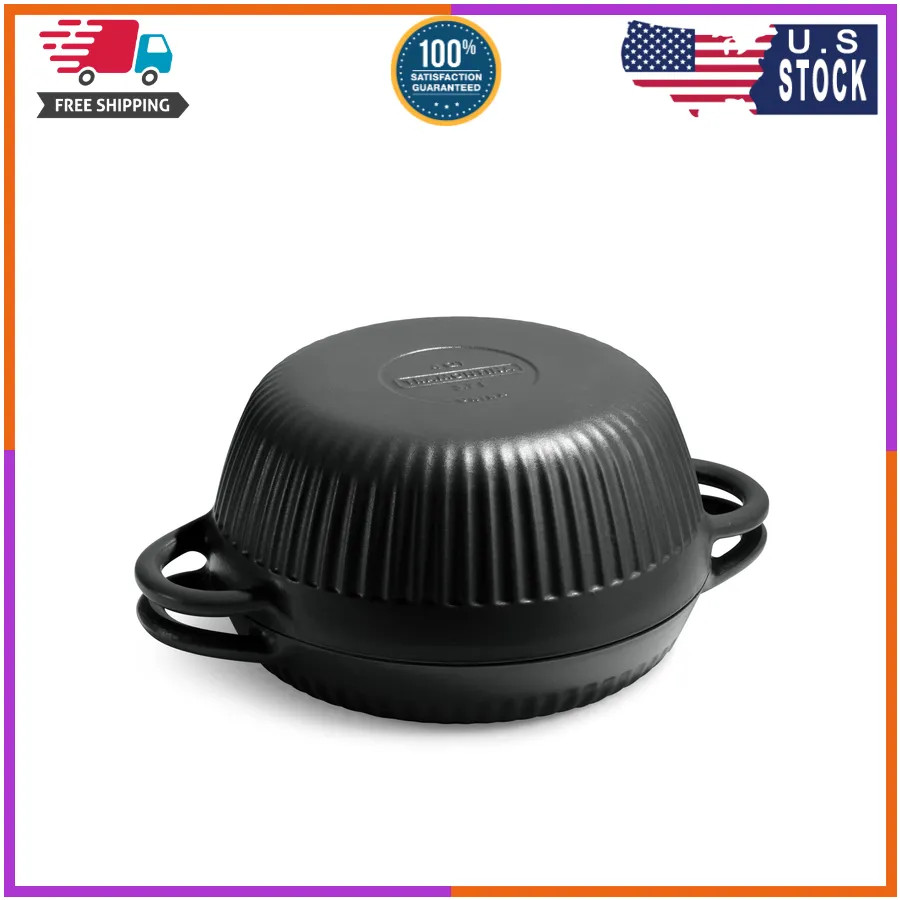 Tramontina 4 QT Enameled Cast Iron Dutch Oven Black Bread Baking Pot$28.14View on eBay
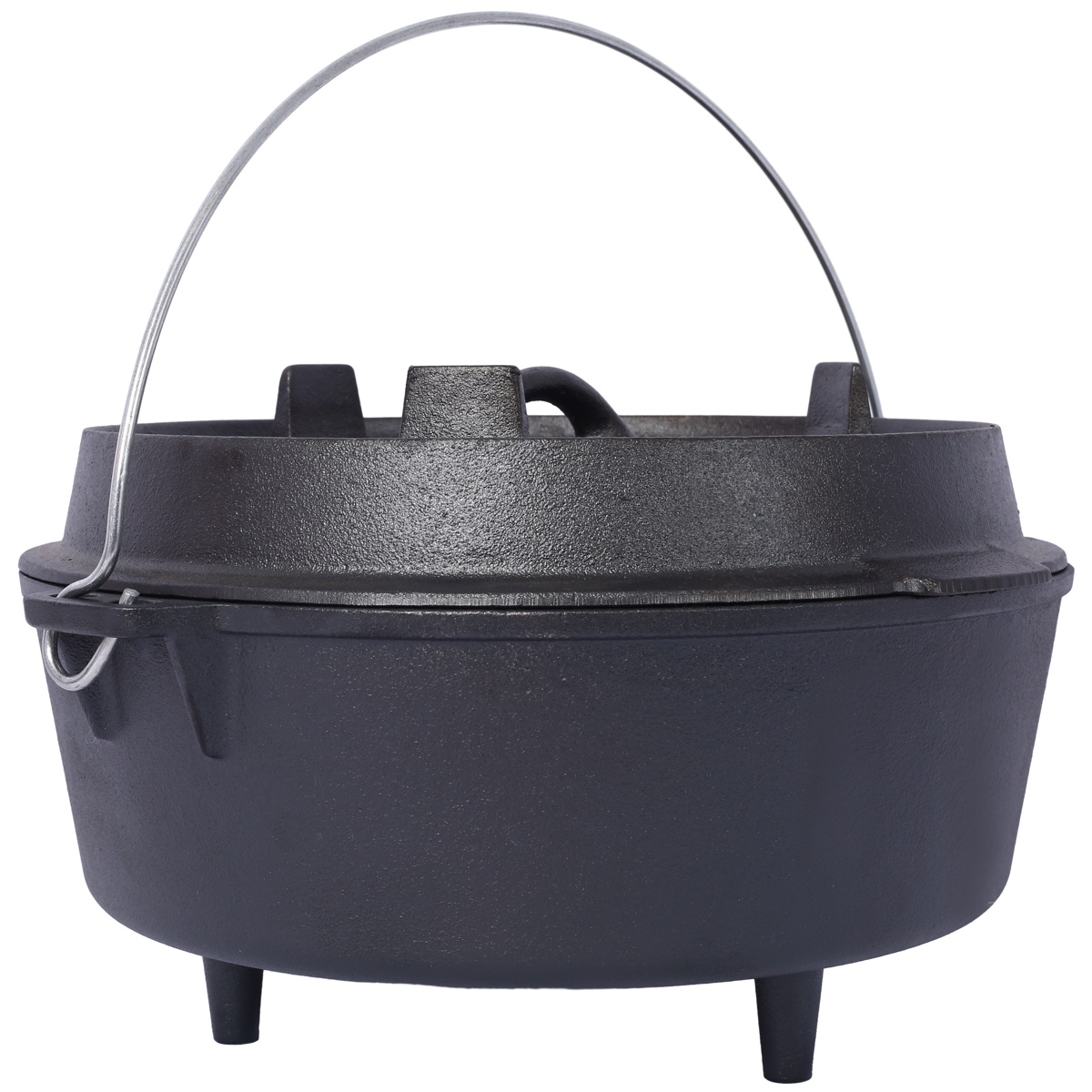 pre-Seasoned Cast Iron Dutch Oven With Skillet Lid, Outdoor Camping Deep Pot for Fireplace Cooking BBQ Baking Campfire, Leg Base, 4.5 Quart$75.99View on Mallflare
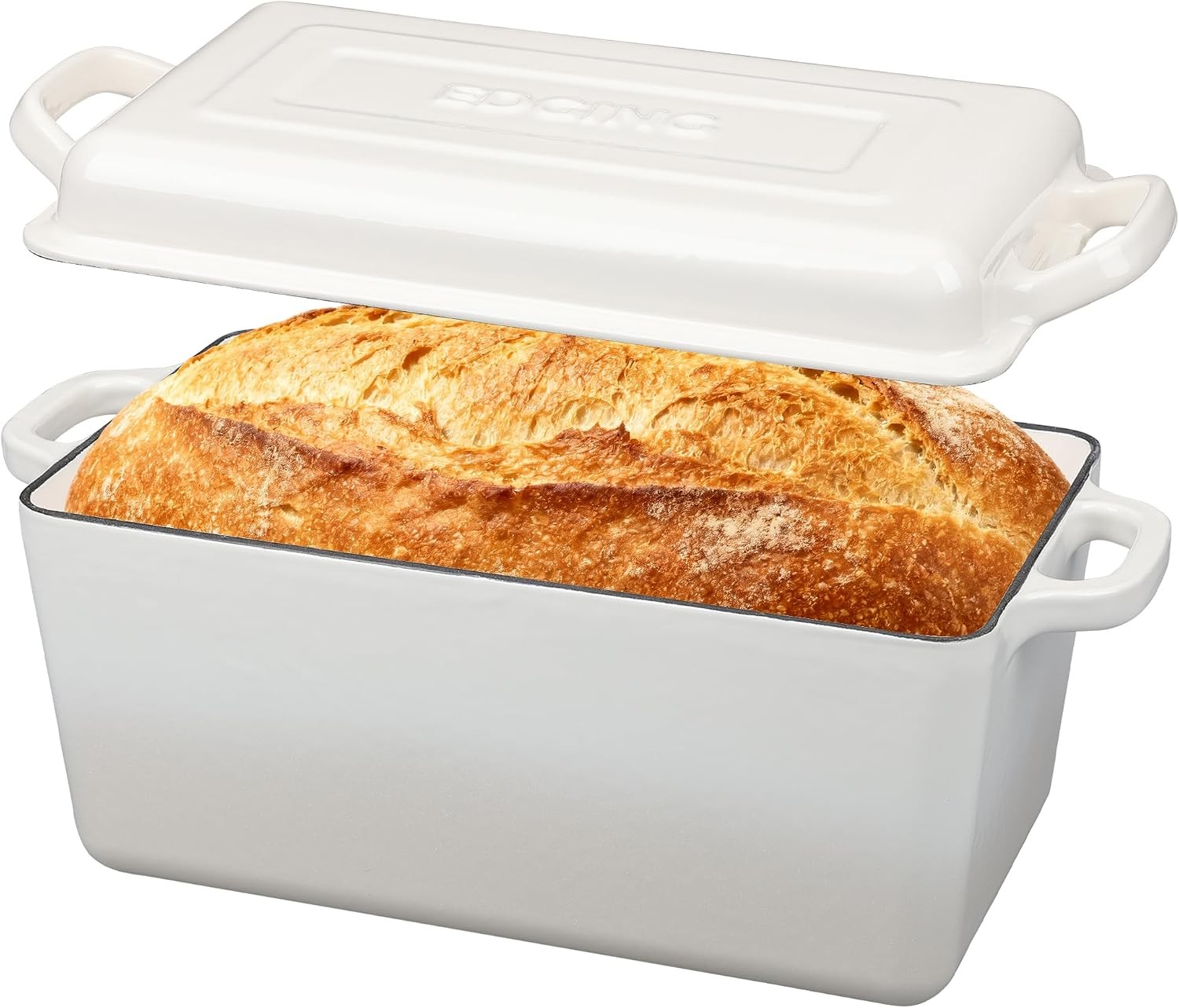 Enameled Cast Iron Dutch Oven, Oblong Bread Oven for Sourdough Bread Baking,$44.99View on eBay
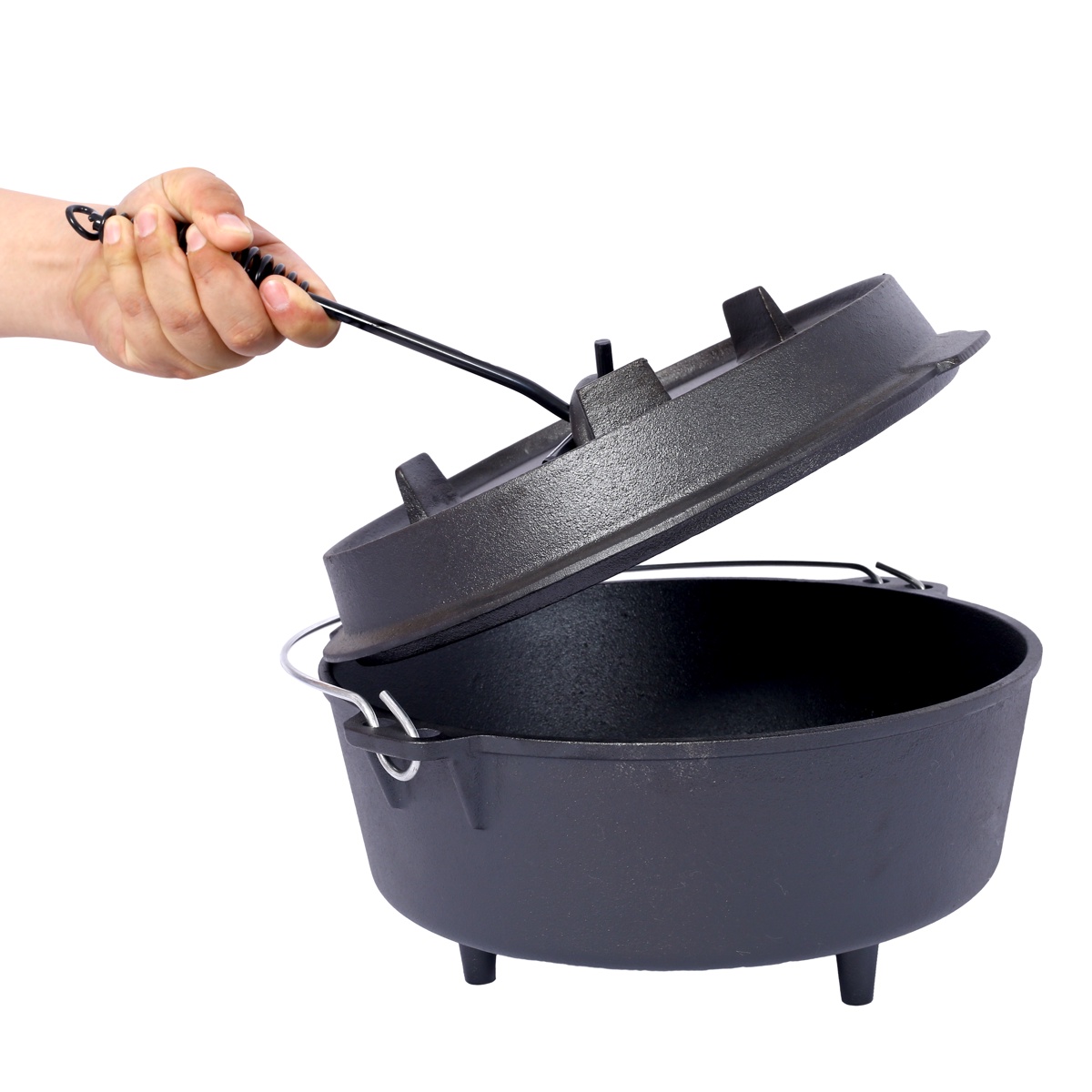 Pre-Seasoned Cast Iron Dutch Oven$91.99View on Mallflare
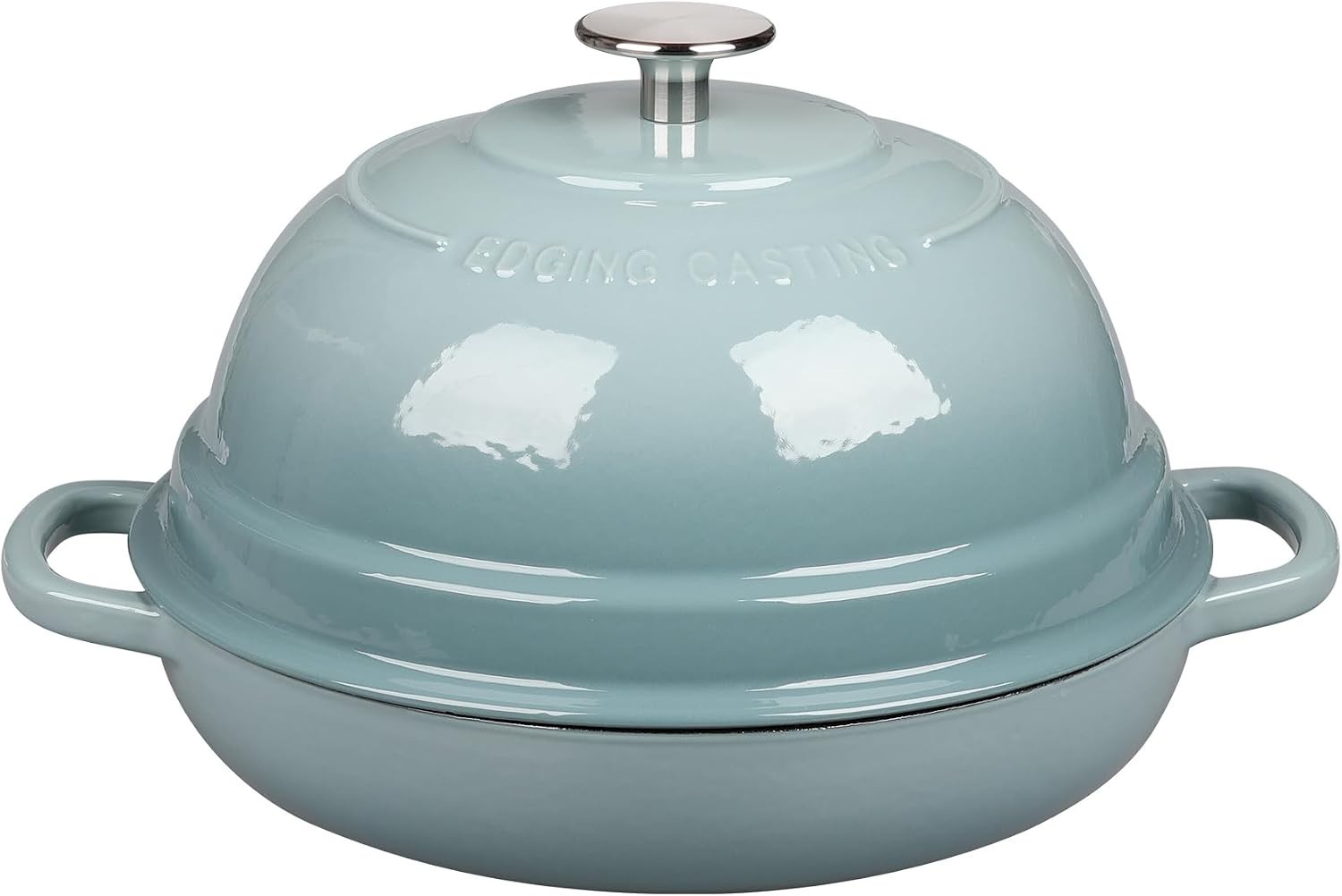 6 Quart Enameled Cast Iron Dutch Oven for Sourdough Bread, Le Creuset with Dual$57.29View on eBay
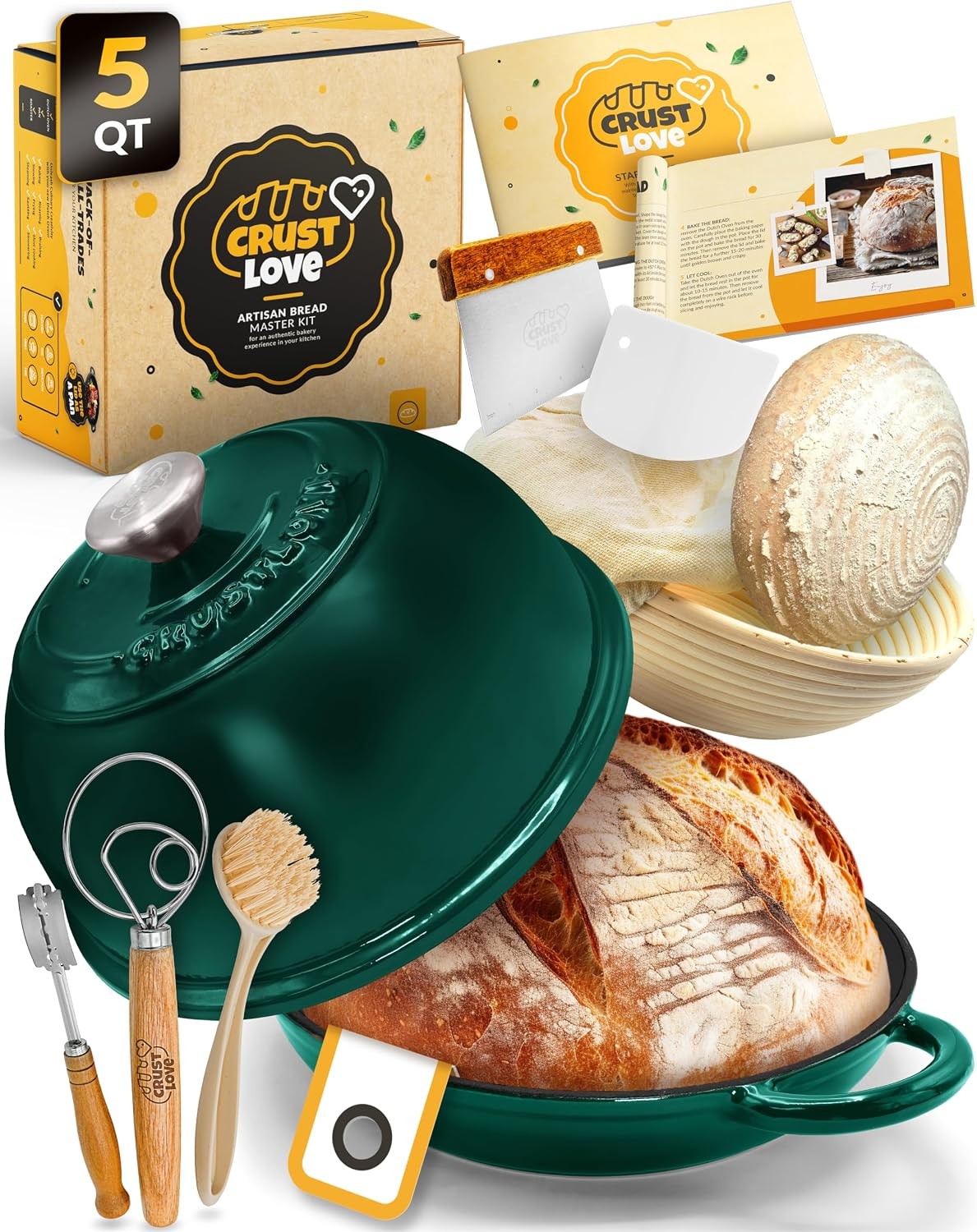 5QT Enameled Cast Iron Dutch Oven for Bread Baking Kit$59.48View on eBay
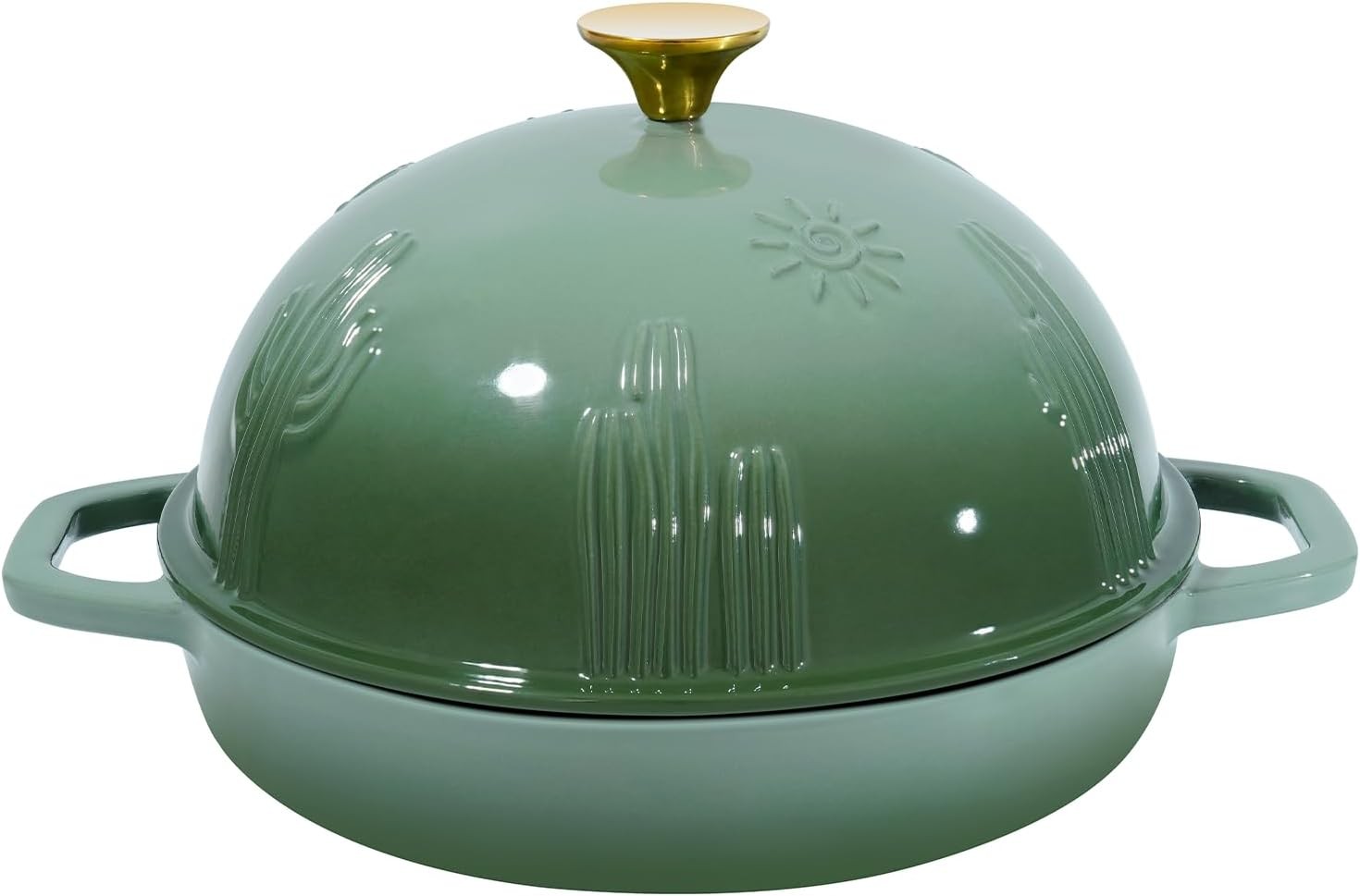 Bread Oven Cast Iron Bread Dutch Oven With Cloche Lid For Bread Baking Darkcyan$59.99View on eBay
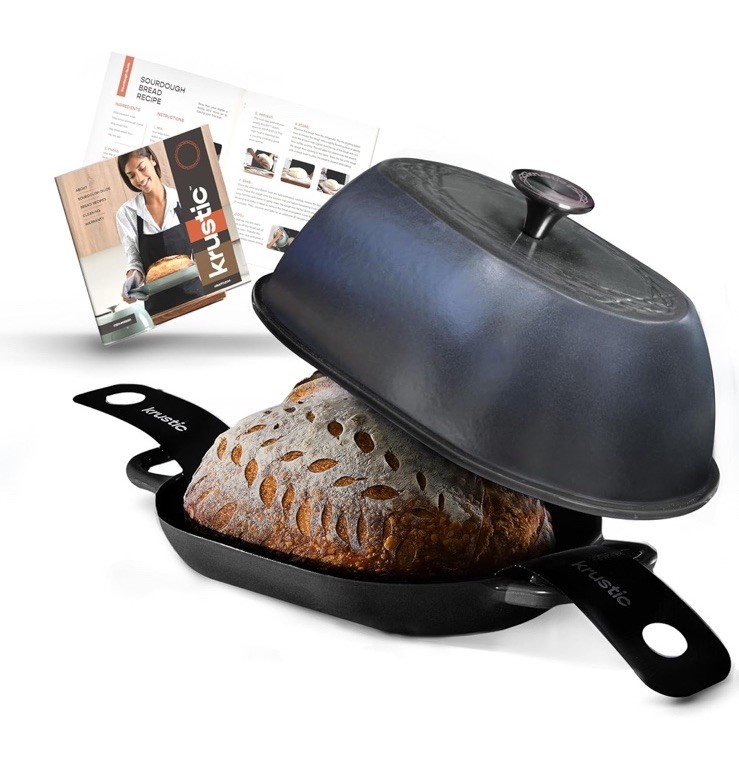 Cast Iron Dutch Oven 5.5Qt Oval Bread Baking Black Enameled Sourdough pot W/ Lid$68.00View on eBay
Highlights
- Enameled cast iron uses a vitreous glass coating fused to the iron; it is non-reactive for tomato and wine braises but chips under thermal shock and metal utensils.
- Bare cast iron requires seasoning (polymerized oil layer) and is naturally non-stick only after use; it tolerates campfire coals and metal tools that destroy enamel.
- Wall thickness of 3–5 mm and a tight-fitting, heavy lid (often with self-basting spikes) drive heat retention and moisture sealing; thin walls under 2.5 mm cook unevenly.
- Capacity tiers: 4–5 qt suits 1–2 people or small sourdough loaves; 5.5–6 qt is the all-purpose family size; 7+ qt fits large batches and wide oval bread loaves.
Best use cases
- Buy a 5.5–6 qt round enameled Dutch oven for general braising, soups, and boules — it is the do-everything size for most households.
- Choose a bare cast iron Dutch oven with a skillet lid and leg base for campfire, BBQ, and open-coal cooking where enamel would crack.
- Pick an oblong or oval enameled bread oven (5–6 qt) for batards and sourdough loaves; skip round pots for long loaves that need room.
- Skip lightweight 3–4 qt pots for family meals or high-heat searing; they scorch and crowd meat, and their thin walls lack the thermal mass of real cast iron.
Buying tips
- Match capacity to household: about 1 qt per person, plus 1–2 qt headroom for braises; a 5.5 qt pot serves 4–6 people and fits a 9-inch boule.
- Check wall thickness and lid weight: 3–5 mm walls and a lid of at least 1.5 kg (3.3 lb) seal steam for bread baking and even braising.
- For enameled pots, confirm oven-safe rating to at least 450°F (232°C) and stove compatibility including induction if you have an induction cooktop.
- Pick bare cast iron if you cook over coals or high sear heat; choose enamel if you cook acidic dishes and want dishwasher-safe convenience (though hand washing preserves the enamel).
Specs
| Material | Bare vs enameled cast iron |
|---|---|
| Capacity | 4–7 qt (round/oval) |
| Wall & Lid | 3–5 mm walls; heavy sealed lid |
| Heat Source | Oven 450°F+; induction if rated |
Related searches
What to check before buying
- Measure your oven rack and stovetop burner: a 6 qt round pot is roughly 10–11 inches wide, and handles add another 2–3 inches per side.
- Confirm lid fit and weight in hand — a wobbling or light lid leaks steam and ruins bread crust; self-basting spikes help but are not essential.
- For bare cast iron, plan for seasoning and drying after each wash; for enamel, avoid thermal shock (no cold water in a hot pot) and use wood or silicone utensils.
- Check induction compatibility for enameled pots (magnetic base required) and whether the pot is rated for broiler or open flame.
FAQ
Data sources: eBay / Amazon listings and product attribute feeds. Updated Nov 27, 2026.
Some links on this page are affiliate links. If you buy after clicking one, we may earn a commission at no extra cost to you. This does not change which products appear here or their order. Affiliate disclosure.