
Photos from current listings. Actual item, color, and included accessories may vary.
Bread Lame Buying Guide
A bread lame is a precision scoring tool—either a fixed or adjustable handle holding a thin, double-edged razor—that lets you control where and how deeply a loaf expands in the oven. The primary trade-off is blade security and adjustability versus simplicity: fixed lames are foolproof and cheap, while adjustable or magnetic lames let you dial in scoring depth and swap blades without tools. Choose a lame with a locking blade mechanism and a comfortable grip; avoid bare razor blades or flimsy plastic handles that flex under pressure.
Median $42.62 · New listings
Key takeaways
- Blade type: standard double-edge razor blades (0.009–0.010 in thick) cut cleanly; single-edge or craft blades drag and tear gluten strands.
- Handle material: hardwood or dense plastic resists moisture and stays rigid; softwood or thin ABS flexes and cracks at the ferrule.
- Adjustability: fixed lames hold a set blade exposure (2–3 mm ideal for sourdough); adjustable or magnetic lames vary exposure from 1–5 mm for deep ears or shallow decorative cuts.
At a glance
- Category
- Proofing Baskets & Bread Lames
- Last updated
- Nov 23, 2026
Current offers
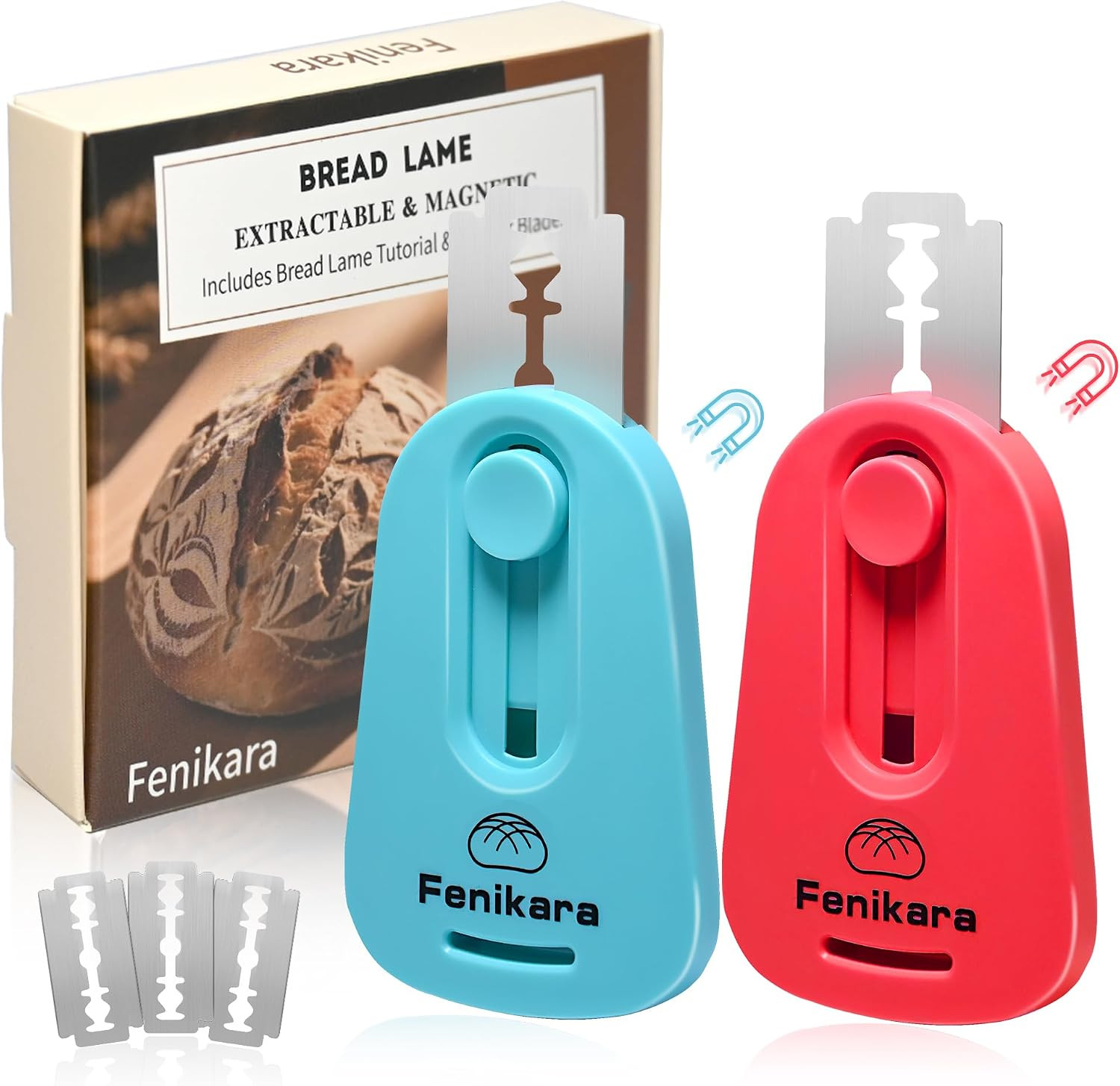 2PCS Upgraded Magnetic Sourdough Scoring Tool & Versatile Bread Scoring Tool- Pr$20.99View on eBay
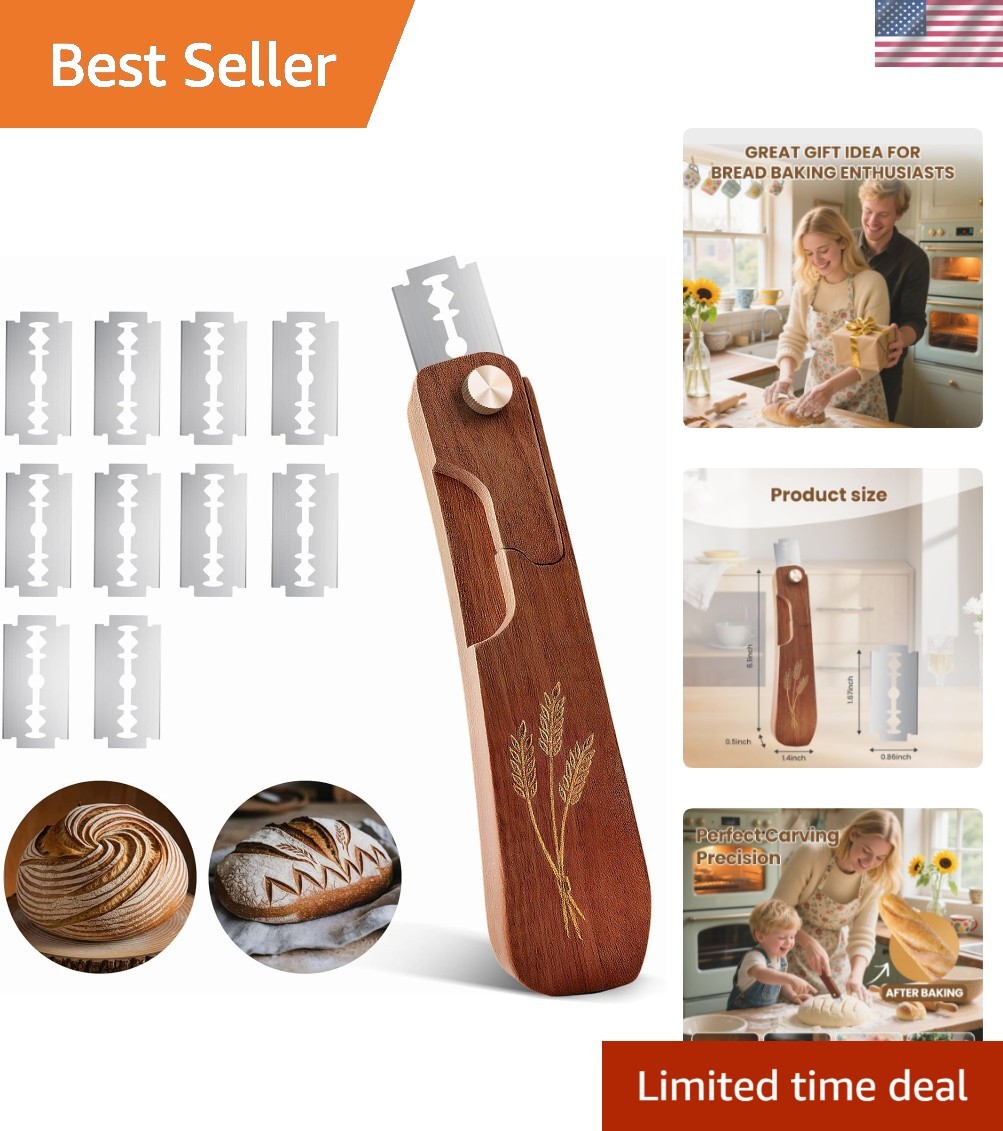 Wooden Bread Lame Dough Scoring Tool, Handcrafted Bread Scoring Tool for Sour...$42.62View on eBay
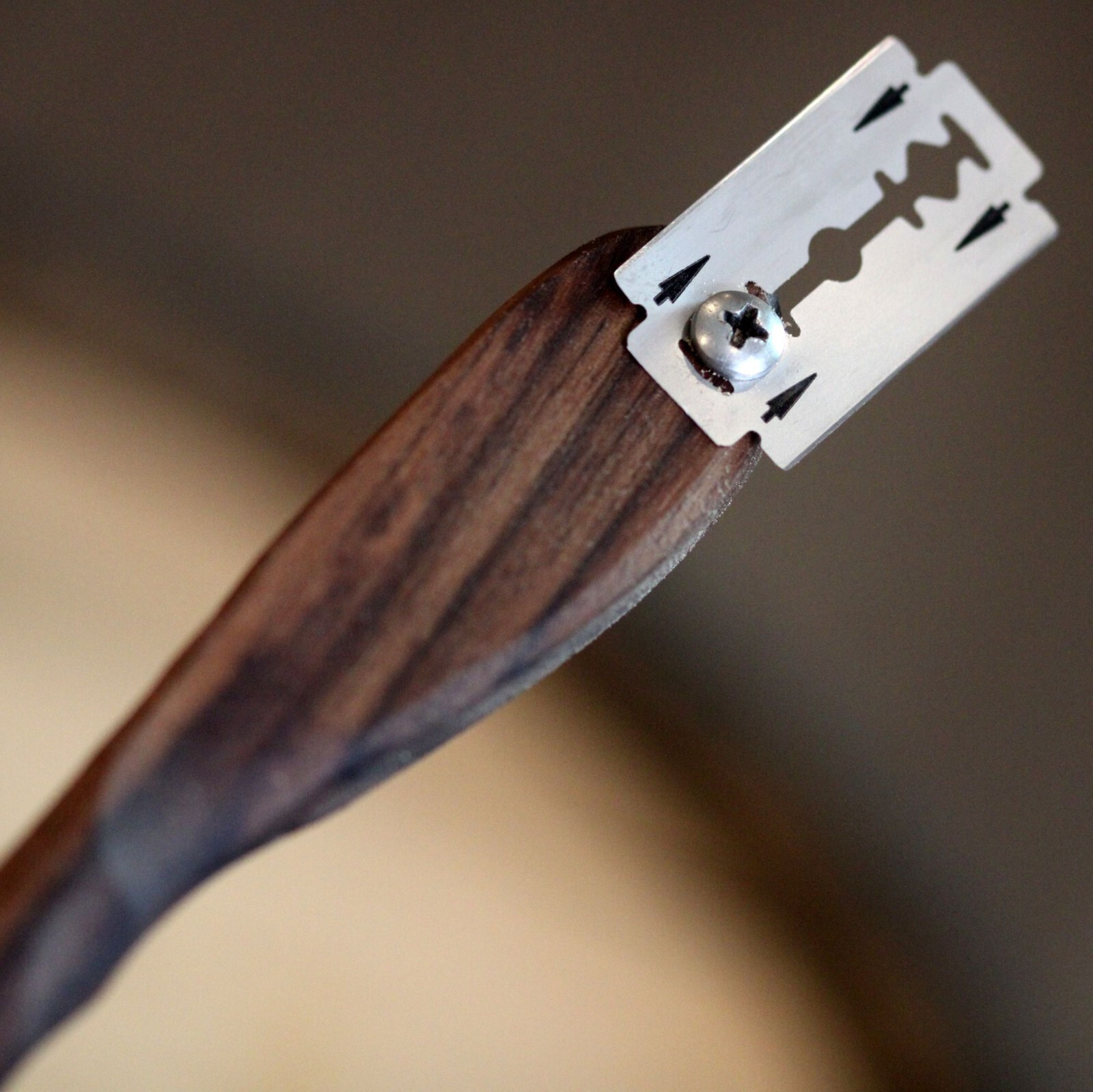 Bread Scoring Lame, Sourdough / Bread Scoring Knife BULK 100PCE WHOLESALE$300.00New · Last checked Nov 17, 2026View on eBay
Highlights
- Blade type: standard double-edge razor blades (0.009–0.010 in thick) cut cleanly; single-edge or craft blades drag and tear gluten strands.
- Handle material: hardwood or dense plastic resists moisture and stays rigid; softwood or thin ABS flexes and cracks at the ferrule.
- Adjustability: fixed lames hold a set blade exposure (2–3 mm ideal for sourdough); adjustable or magnetic lames vary exposure from 1–5 mm for deep ears or shallow decorative cuts.
- Blade retention: a screw-down ferrule or magnetic collar that fully covers the blade edge prevents accidental cuts and wobble during scoring.
Best use cases
- Best fit: high-hydration sourdough (75%+ hydration) — pick an adjustable lame with a 2–3 mm blade exposure and a textured grip for controlled, deep cuts.
- Best fit: beginner or occasional baker — a fixed hardwood lame with a pre-loaded double-edge blade is safest and simplest; skip complex magnetic assemblies.
- Wrong fit: soft enriched doughs (brioche, challah) — a lame tears soft dough; use a sharp serrated knife or scissors instead.
- Skip: bare razor-blade holders without a guard or locking mechanism — they are unsafe and produce inconsistent scoring depth.
Buying tips
- Match blade exposure to dough strength: 2–3 mm for strong sourdough, 1–2 mm for delicate decorative cuts; adjustable lames let you switch without buying multiple tools.
- Choose a handle at least 4 inches long and 0.6–0.8 inches in diameter for a secure grip; shorter or thinner handles reduce control on wet dough.
- Standard double-edge razor blades (e.g., 0.009 in thick) are inexpensive and widely available—avoid proprietary blade shapes that lock you into one supplier.
- Magnetic lames simplify blade changes but require a strong neodymium magnet; weak magnets let the blade shift mid-score. Test by shaking the assembled lame gently—the blade should not move.
Specs
| Blade Type | Double-edge razor (0.009–0.010 in) |
|---|---|
| Blade Exposure | 1–5 mm adjustable / 2–3 mm fixed |
| Handle Material | Hardwood or dense plastic |
| Blade Retention | Screw ferrule or magnetic collar |
Related searches
What to check before buying
- Measure your proofing basket diameter: a lame with a 4–5 inch handle fits comfortably alongside a 8–10 inch banneton; longer handles can crowd small work surfaces.
- Confirm blade compatibility: most lames accept standard double-edge razor blades (approx. 1.6 x 0.9 in); verify the holder's slot dimensions before buying replacement blades.
- Check your grip strength and hand size: if you have arthritis or small hands, choose a lightweight plastic handle (2–3 oz) over heavy hardwood (4–6 oz).
- Assess storage: a lame with a covered blade or magnetic sheath protects the edge and your fingers; avoid leaving bare blades in drawers.
FAQ
Data sources: eBay / Amazon listings and product attribute feeds. Updated Nov 23, 2026.
Some links on this page are affiliate links. If you buy after clicking one, we may earn a commission at no extra cost to you. This does not change which products appear here or their order. Affiliate disclosure.