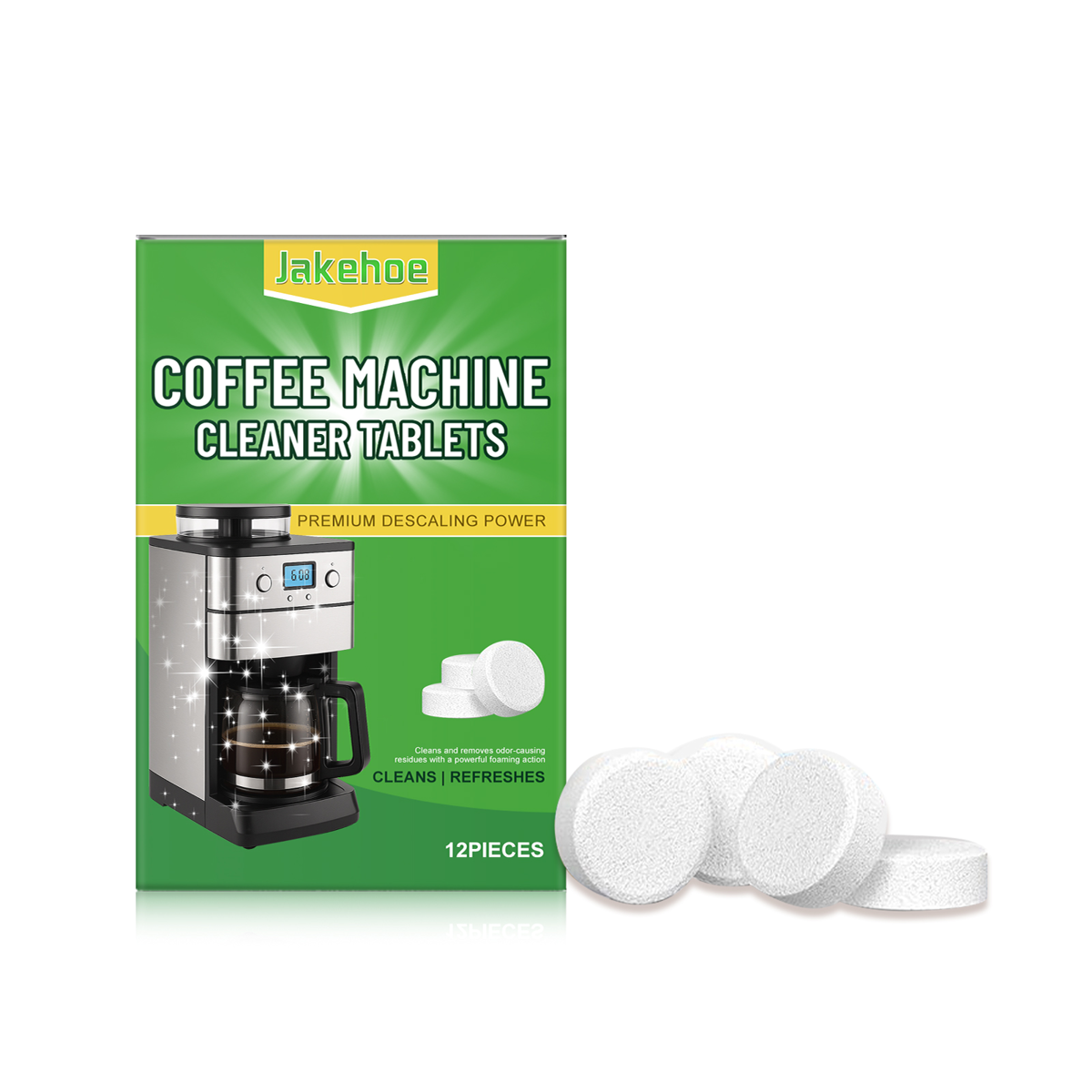

Photos from current listings. Actual item, color, and included accessories may vary.
Coffee Cleaning Tablet Buying Guide
Coffee cleaning tablets are effervescent or powder-compressed tablets used to descale and remove coffee oils and stains from espresso machines, drip brewers, and super-automatic units. The core trade-off is formulation strength versus material compatibility: citric or sulfamic acid tablets clean deeply but can corrode aluminum and brass if misapplied, while milder oxygen-based or surfactant tablets are safer for mixed-metal groups but slower on heavy scale. The decision rule is simple: match the tablet chemistry to your machine's boiler and group material, and buy tablets sized to your water hardness and backflush frequency—never buy generic effervescent tablets without confirming they are food-safe and rinse-clear.
Key takeaways
- Effervescent tablets rely on citric acid, sulfamic acid, or oxygen bleach to lift scale and coffee oils; acid strength determines descaling speed but also metal compatibility.
- Aluminum and brass boiler components require non-acidic or buffered formulations—strong citric acid tablets can pit aluminum and void warranties on many home espresso machines.
- Tablet dosage is typically 1–2 g per 500 ml water for daily backflush; hard water above 150 ppm CaCO3 needs double strength or more frequent cycles.
At a glance
- Category
- Coffee Cleaning & Accessories
- Last updated
- Nov 28, 2026
Current offers
Highlights
- Effervescent tablets rely on citric acid, sulfamic acid, or oxygen bleach to lift scale and coffee oils; acid strength determines descaling speed but also metal compatibility.
- Aluminum and brass boiler components require non-acidic or buffered formulations—strong citric acid tablets can pit aluminum and void warranties on many home espresso machines.
- Tablet dosage is typically 1–2 g per 500 ml water for daily backflush; hard water above 150 ppm CaCO3 needs double strength or more frequent cycles.
- Food-safe certification (NSF or equivalent) and full rinse solubility separate machine-grade tablets from generic cleaning effervescents that leave residue in the water path.
Best use cases
- Best fit: super-automatic espresso machines with daily milk and coffee use—pick oxygen-based or mild acid tablets for weekly group cleaning and a separate descaler for quarterly scale removal.
- Best fit: semi-automatic espresso machines with stainless steel boilers—use citric-acid effervescent tablets for backflush every 1–2 weeks if your manual specifies acid cleaning.
- Wrong fit to skip: aluminum or brass boiler machines (many entry-level home units)—avoid strong acid tablets entirely and choose manufacturer-approved non-acid cleaners.
- Wrong fit to skip: drip coffee makers with glass carafes—tablets are overkill and can leave residue; use a liquid descaler or citric acid solution instead.
Buying tips
- Confirm your machine's boiler and group material first: stainless steel tolerates citric acid tablets; aluminum, brass, and nickel-plated parts need non-acidic or buffered formulations.
- Match tablet count to backflush frequency: daily-use machines need 30–60 tablets per year for weekly cycles, so buy multi-packs sized to your routine.
- Check tablet weight and dosage: 1.5–2 g effervescent tablets are standard for 500 ml backflush water; oversized tablets waste product and may not dissolve fully.
- Look for food-safe or NSF certification and full-solubility claims—residue in the water path affects taste and can damage pumps over time.
Specs
| Chemistry Type | Citric acid / Oxygen / Sulfamic |
|---|---|
| Tablet Weight | 1.5-2 g effervescent |
| Metal Compatibility | Stainless safe / Non-acid for Al |
| Certification | Food-safe / NSF equivalent |
Related searches
What to check before buying
- Identify your machine's boiler and group head material from the manual—stainless steel, aluminum, brass, or nickel-plated—before choosing acid versus non-acid tablets.
- Measure your water hardness with a test strip; above 150 ppm CaCO3 means you need more frequent descaling or a stronger formulation.
- Confirm your machine has a backflush capability (3-way solenoid or blind filter basket) or a dedicated cleaning cycle—tablets are ineffective in units without one.
- Check tablet storage: effervescent tablets absorb moisture and clump, so buy sealed tubes or individually wrapped tablets and store dry.
FAQ
Data sources: eBay / Amazon listings and product attribute feeds. Updated Nov 28, 2026.
Some links on this page are affiliate links. If you buy after clicking one, we may earn a commission at no extra cost to you. This does not change which products appear here or their order. Affiliate disclosure.