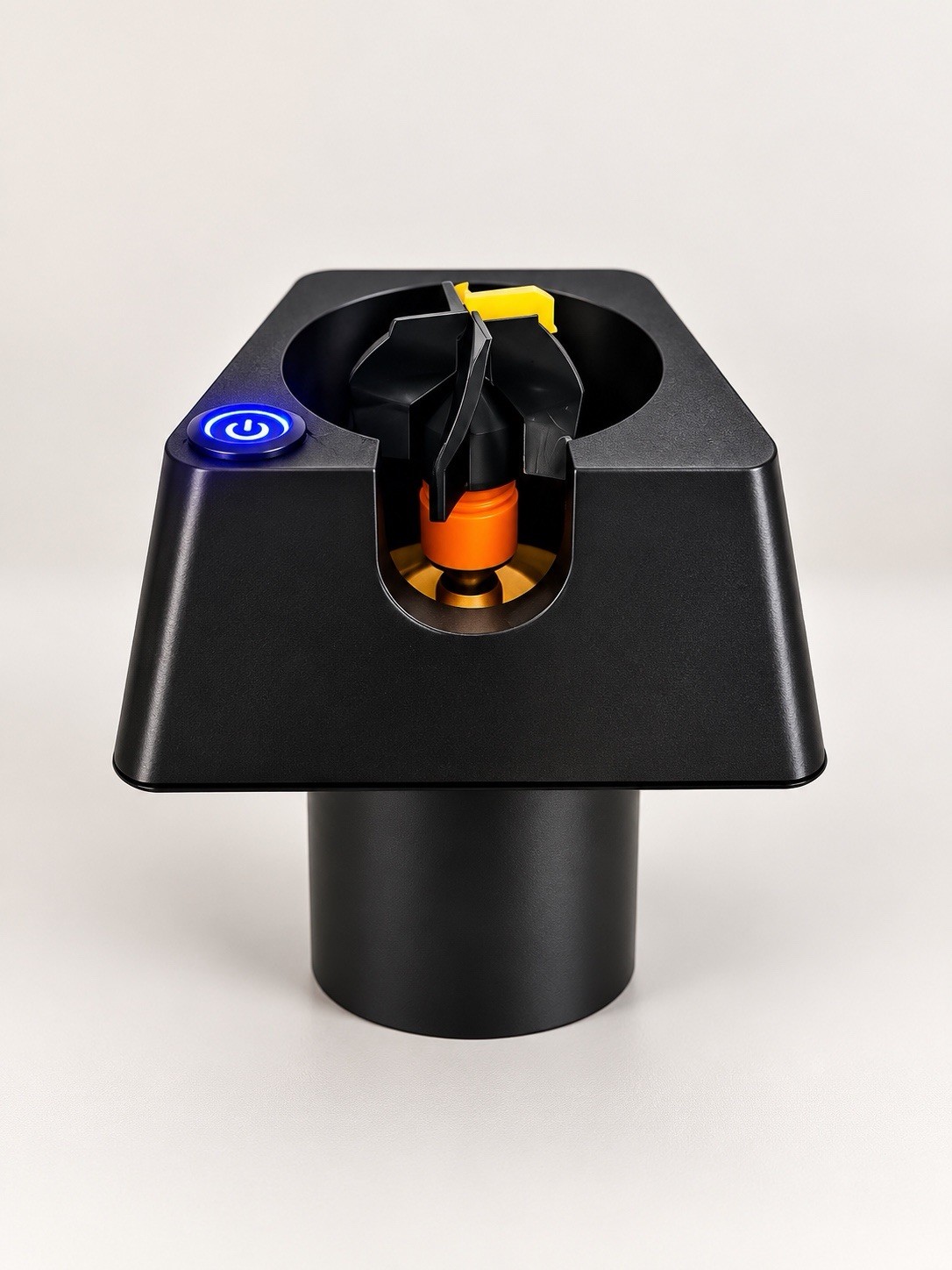

Photos from current listings. Actual item, color, and included accessories may vary.
Espresso Machine Cleaner Buying Guide
Espresso machine cleaner is a consumable or tool used to remove coffee oils, mineral scale, and milk residue from group heads, brew circuits, and steam wands. The primary trade-off is formulation strength versus material compatibility: alkaline detergents strip oils but can attack aluminum and brass, while descalers dissolve scale but must match the machine's boiler alloy. The decision rule: buy a dedicated espresso detergent (not dish soap) for daily backflushing and a separate descaling agent matched to your boiler metal—never substitute one for the other.
Median $384.50 · New listings
Key takeaways
- Backflush detergent is alkaline (pH 10–12) and formulated to dissolve coffee oils; descaler is acidic (citric or sulfamic) and dissolves calcium carbonate scale—they are not interchangeable.
- Aluminum and brass components (common in entry-level thermoblock and HX machines) are attacked by strong alkaline detergents; use neutral-pH or aluminum-safe cleaners on those alloys.
- Sodium percarbonate-based powders release hydrogen peroxide for organic soil removal and are generally safe on stainless steel and chrome, but require full rinse cycles.
At a glance
- Category
- Coffee Cleaning & Accessories
- Last updated
- Nov 28, 2026
Current offers
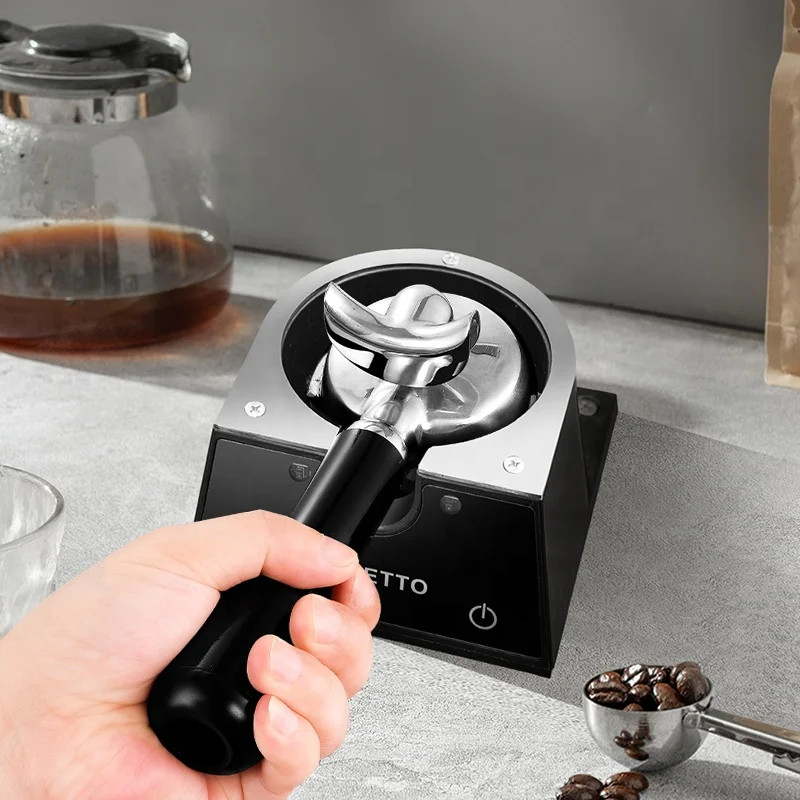
Highlights
- Backflush detergent is alkaline (pH 10–12) and formulated to dissolve coffee oils; descaler is acidic (citric or sulfamic) and dissolves calcium carbonate scale—they are not interchangeable.
- Aluminum and brass components (common in entry-level thermoblock and HX machines) are attacked by strong alkaline detergents; use neutral-pH or aluminum-safe cleaners on those alloys.
- Sodium percarbonate-based powders release hydrogen peroxide for organic soil removal and are generally safe on stainless steel and chrome, but require full rinse cycles.
- Commercial Cafiza-style detergents are dosed at roughly 1–2 g per backflush; over-dosing leaves residue that taints subsequent shots and can clog solenoid valves.
Best use cases
- Best fit: semi-automatic E61 or solenoid-equipped machines—use blind-basket backflush detergent weekly; skip on machines without a three-way solenoid valve, which cannot be backflushed.
- Best fit: dual-boiler stainless-steel machines—use liquid descaler every 3–6 months depending on water hardness; skip descaling entirely if you use softened or reverse-osmosis water below 3 grains per gallon.
- Best fit: super-automatic machines with integrated rinse cycles—use manufacturer-specified cleaning tablets in the bypass chute; skip generic powders that may not dissolve fully in short automated cycles.
- Wrong fit: using espresso detergent as a descaler or vice versa—this can etch boilers, void warranties, and leave acidic or alkaline residue in the brew path.
Buying tips
- Match cleaner to boiler alloy: stainless steel tolerates standard alkaline detergents; aluminum thermoblocks need neutral or aluminum-safe formulas to avoid pitting.
- Choose powder for backflushing (fast dissolution, easy dosing) and liquid for descaling (measurable volume, even mixing); tablets suit super-automatics with dedicated tablet cycles.
- For hard water above 7 grains per gallon, descale every 4–8 weeks with a citric-acid-based descaler; below 3 grains, every 3–6 months is sufficient.
- Buy cleaner in sealed, dated containers and store away from heat; opened powder absorbs moisture and clumps, reducing dosing accuracy.
Specs
| Cleaner Type | Backflush detergent vs descaler |
|---|---|
| Chemistry | Alkaline (pH 10–12) vs acidic |
| Form | Powder / liquid / tablet |
| Boiler Compatibility | Stainless / aluminum-safe / all-metal |
Related searches
What to check before buying
- Confirm your machine has a three-way solenoid valve and blind basket before buying backflush detergent—most entry-level thermoblock machines lack this.
- Check the boiler or thermoblock material in the manual: stainless steel, aluminum, brass, or copper determines which detergent chemistry is safe.
- Test your water hardness with a strip or TDS meter; hardness above 120 ppm calcium carbonate dictates a more frequent descaling schedule.
- Verify that the cleaner is labeled for espresso machines specifically—dish soap and generic kitchen degreasers leave residue and are not food-safe for brew circuits.
FAQ
Data sources: eBay / Amazon listings and product attribute feeds. Updated Nov 28, 2026.
Some links on this page are affiliate links. If you buy after clicking one, we may earn a commission at no extra cost to you. This does not change which products appear here or their order. Affiliate disclosure.