
Photos from current listings. Actual item, color, and included accessories may vary.
Coffee And Espresso Grinder Buying Guide
A coffee and espresso grinder is the single most impactful upgrade for brew quality because it controls particle consistency, which directly governs extraction evenness. The core trade-off is burr geometry and material: conical burrs are forgiving and quiet, flat burrs deliver unimodal precision for light-roast espresso, while cheap false-burr (blade) grinders produce fines and boulders that ruin both drip and espresso. The decision rule is simple: buy a stepless or high-increment burr grinder rated for espresso fine-tuning if you pull shots, and skip any grinder with fewer than 30 settings or plastic burr carriers.
Median $211.57 · New & pre-owned listings
Key takeaways
- Conical vs flat burr geometry: conical burrs (38-48 mm) give a wider particle distribution ideal for medium-dark espresso and pour-over, while 64 mm+ flat burrs produce a tighter unimodal grind for light-roast espresso.
- Burr material grade: hardened steel or coated burrs hold an edge for 500-1,000 kg of coffee; ceramic burrs resist heat but chip on stones, and aluminium alloy bodies dampen vibration better than ABS plastic housings.
- Adjustment resolution: espresso requires stepless or 30+ micro-steps to dial in 25-30 second shots; brew methods like French press tolerate 15-20 coarse steps, so gear count directly limits which methods a grinder can serve.
At a glance
- Category
- Coffee Grinders
- Last updated
- Nov 28, 2026
Current offers
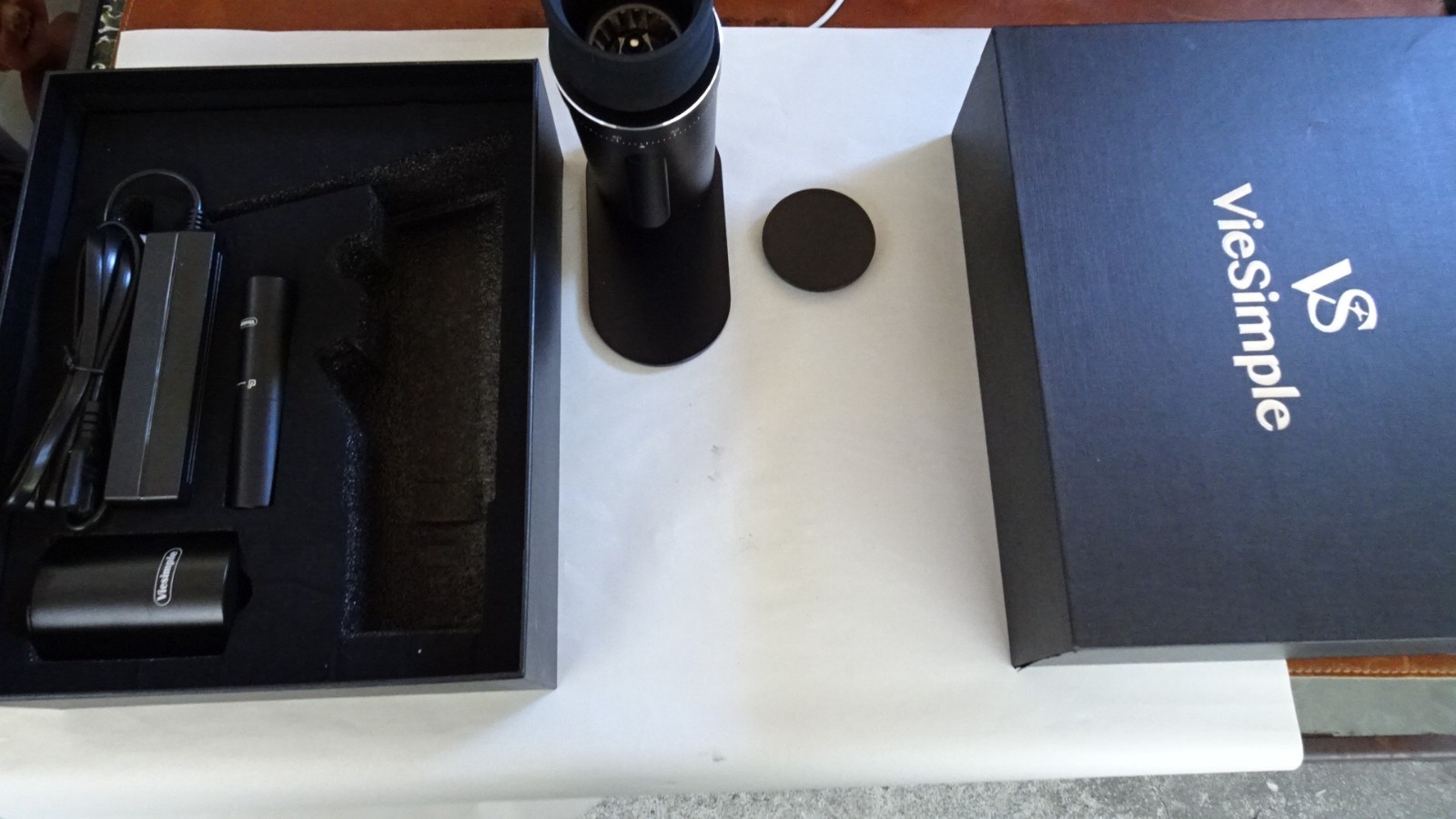 VieSimple Gen 4 Electric Burr Coffee Grinder, Single Dose, Espresso,Black$129.00View on eBay
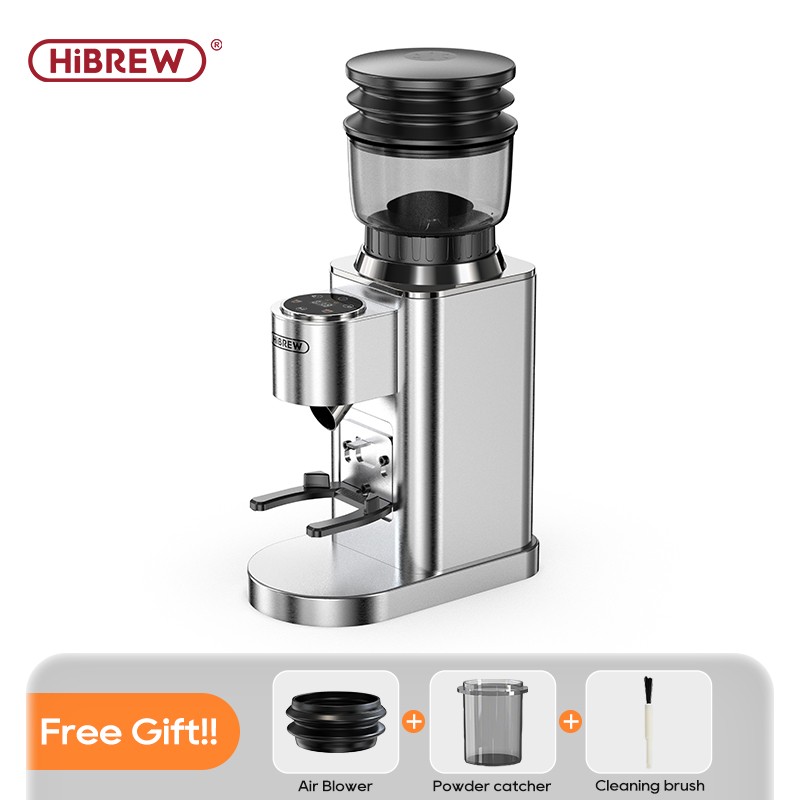 HiBREW G7 Automatic Coffee Grinder 48 Gear Espresso to Pour Over Digital Display$159.99Last checked Nov 19, 2026View on eBay
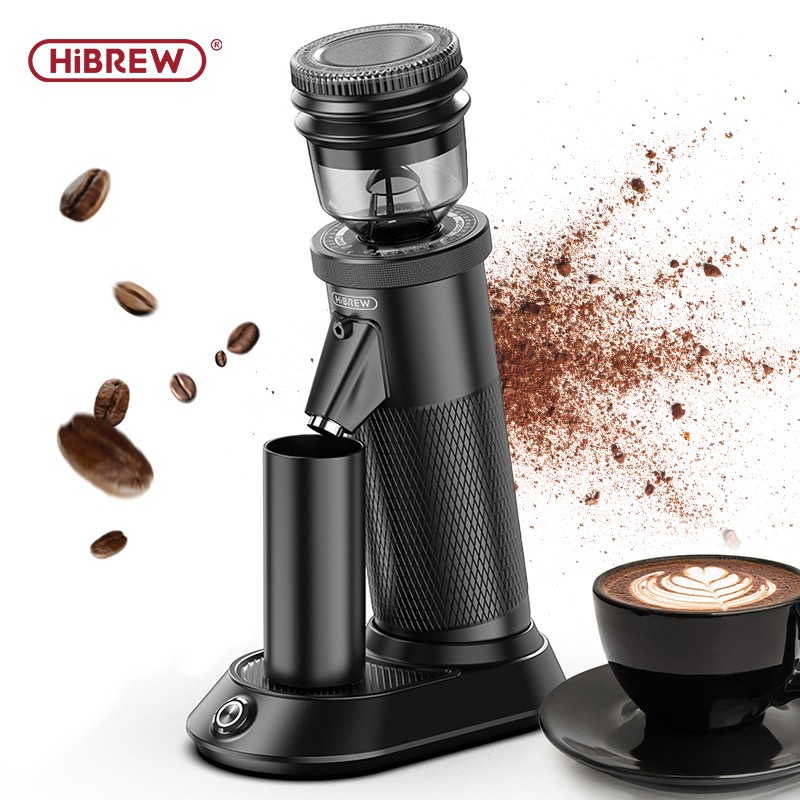 HiBREW G5 Single Dose Coffee Grinder 48mm Conical Burr 36 Settings for Espresso$169.00View on eBay
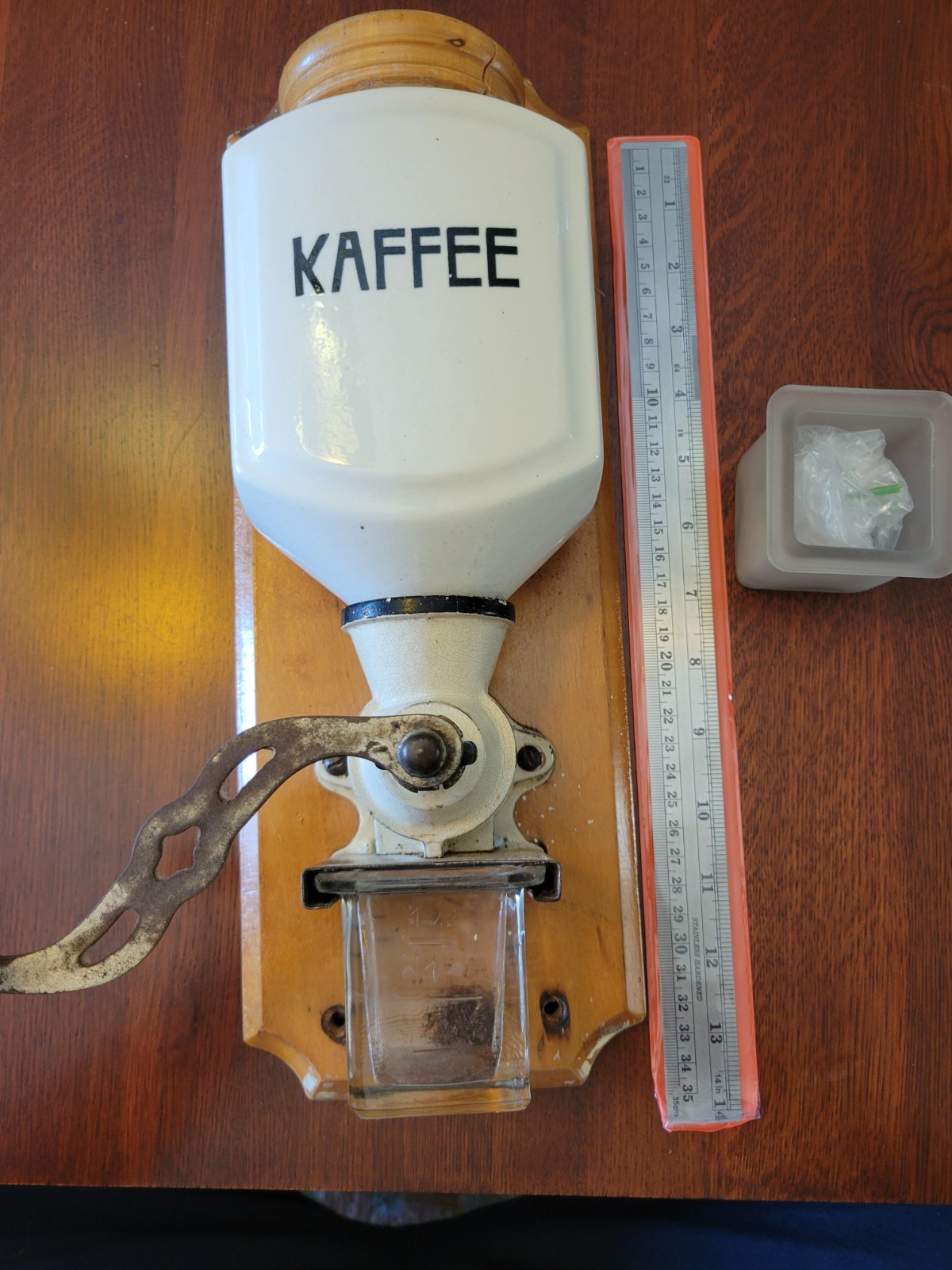 Leinbrock-Werke Manual Burr Hand Coffee Grinder for Espresso, White Metal$211.57Used · Last checked Nov 27, 2026View on eBay
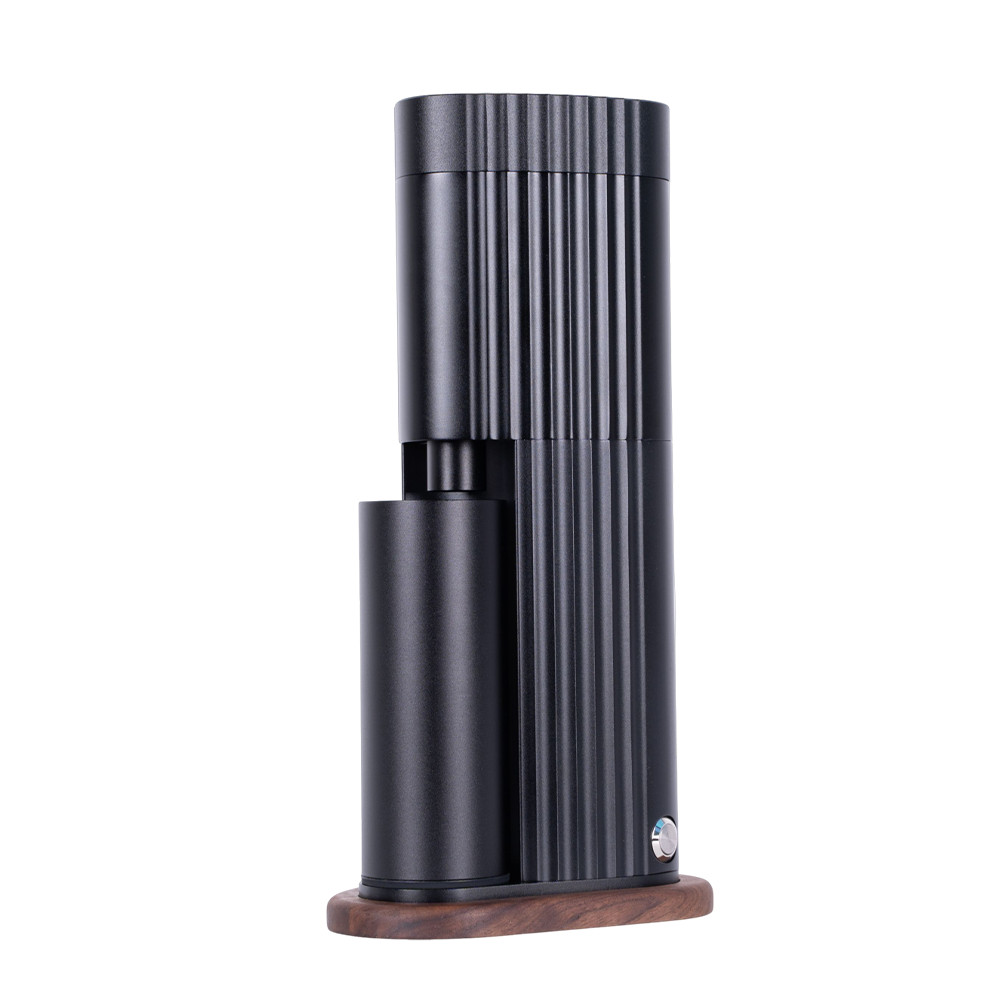 CAFOVO Electric Coffee Grinder 48mm 7-Core Burr For espresso and Americano G448$225.92New · Last checked Nov 17, 2026View on eBay
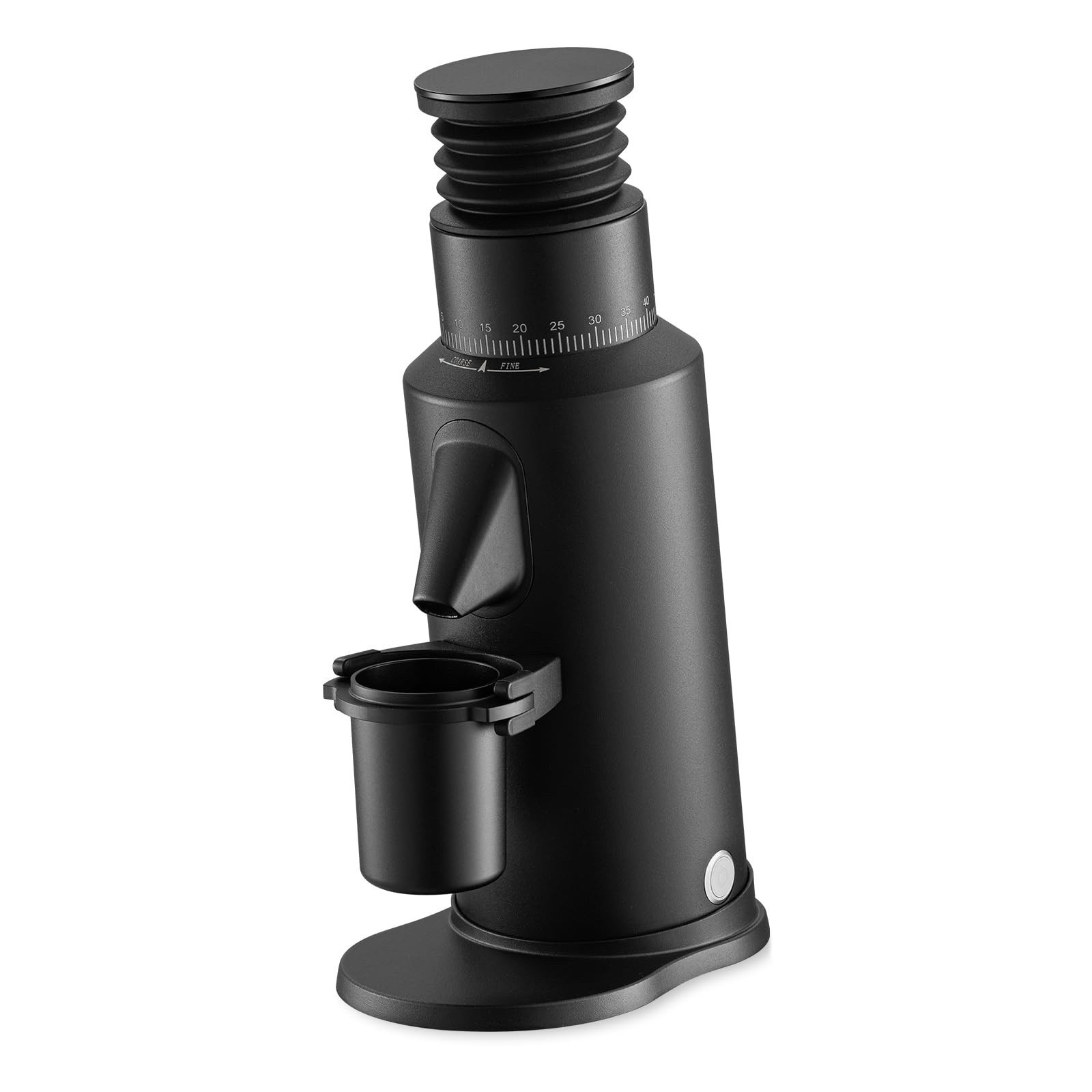 T64 Single Dose Espresso Coffee Grinder 64mm Flat Burr 300W 110V-120V Black$259.00Used · Last checked Nov 27, 2026View on eBay
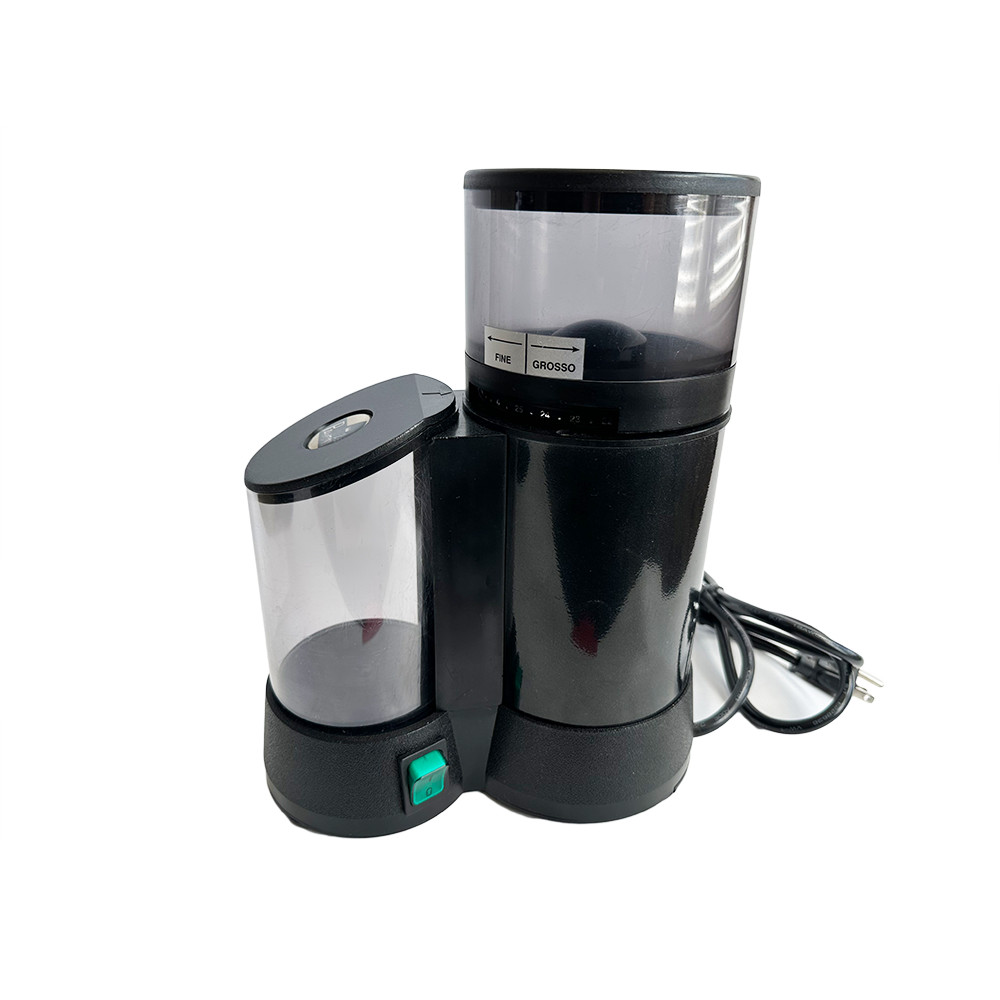 La Pavoni Espresso Coffee Grinder$268.00Used · Last checked Nov 17, 2026View on eBay
Highlights
- Conical vs flat burr geometry: conical burrs (38-48 mm) give a wider particle distribution ideal for medium-dark espresso and pour-over, while 64 mm+ flat burrs produce a tighter unimodal grind for light-roast espresso.
- Burr material grade: hardened steel or coated burrs hold an edge for 500-1,000 kg of coffee; ceramic burrs resist heat but chip on stones, and aluminium alloy bodies dampen vibration better than ABS plastic housings.
- Adjustment resolution: espresso requires stepless or 30+ micro-steps to dial in 25-30 second shots; brew methods like French press tolerate 15-20 coarse steps, so gear count directly limits which methods a grinder can serve.
- Single-dose architecture: low-retention single-dose grinders with tilted or vertical burr mounts keep exchange under 0.5 g, preserving freshness for espresso, while hopper-based models retain 2-5 g and stale grounds between doses.
Best use cases
- Best fit: daily espresso drinkers should pick a stepless conical or 64 mm flat burr grinder with 36+ settings and low retention — skip stepped brew-only grinders that cannot fine-tune within a 5-second shot window.
- Best fit: pour-over and drip brewers should choose a 40-48 mm conical burr with 30-48 coarse steps; skip large 64 mm flat burr espresso-focused units that cost more and add no clarity benefit at coarse settings.
- Best fit: multi-method households (espresso plus French press) need a wide-range grinder with marked settings spanning Turkish to coarse; skip single-purpose hopper grinders with no coarse calibration.
- Wrong fit: buyers wanting a blade grinder for espresso should stop — false burr and blade units create fines that choke portafilters; only true burr sets (conical or flat) belong in an espresso workflow.
Buying tips
- Match burr size to method: 38-48 mm conical for espresso and brew versatility, 64 mm+ flat for light-roast espresso clarity, and avoid sub-38 mm burrs that grind too slowly and heat the grounds.
- Require at least 30 distinct settings (or stepless adjustment) if espresso is in scope; brew-only buyers can accept 15-20 steps but should still demand a true burr set, not false burr.
- Check voltage and plug standard: 110-120 V for North America, 220-240 V for Europe/Asia — a 300 W motor is ample for home single-dose grinding, and higher wattage mainly speeds commercial throughput.
- Prioritise metal burr carriers and aluminium alloy housings over plastic; plastic carriers flex under load, shifting alignment and producing inconsistent particle size within months of daily use.
Specs
| Burr Type | Conical vs Flat (steel/ceramic) |
|---|---|
| Burr Diameter | 38-48 mm conical / 64 mm+ flat |
| Grind Adjustment | Stepless or 30-48 stepped settings |
| Motor & Voltage | 150-300 W, 110-120 V or 220-240 V |
Related searches
What to check before buying
- Measure counter space and height clearance: single-dose grinders run compact (roughly 15-25 cm wide) but hopper models need 35-45 cm vertical clearance to remove the bean lid.
- Confirm your brew method and target dose: espresso needs 18-20 g doses at fine settings, so verify the catch cup and dosing cup handle that weight without spillage.
- Check electrical compatibility: verify 110-120 V/60 Hz for US outlets or 220-240 V for EU/UK, and confirm the plug type matches your kitchen outlets before ordering.
- Plan companion parts: espresso use benefits from a dosing funnel, WDT tool, and calibrated tamper; brew use benefits from a scale accurate to 0.1 g for repeatable ratios.
FAQ
Data sources: eBay / Amazon listings and product attribute feeds. Updated Nov 28, 2026.
Some links on this page are affiliate links. If you buy after clicking one, we may earn a commission at no extra cost to you. This does not change which products appear here or their order. Affiliate disclosure.