
Photos from current listings. Actual item, color, and included accessories may vary.
Espresso Grinder Buying Guide
An espresso grinder is a burr grinder engineered for the fine, consistent particle size and stepless or micro-step adjustment that pressurized 9-bar extraction demands. The core trade-off is burr geometry and material versus adjustment resolution: flat steel burrs with stepless control give repeatable dial-in, while conical burrs or stepped detents are more forgiving but less precise. The decision rule is simple: buy a burr grinder with at least 36 micro-steps (or stepless) and a 48 mm+ burr set; skip blade grinders and coarse-only stepped grinders, which cannot hold an espresso shot.
Median $259.00 · New & pre-owned listings
Key takeaways
- Burr type determines grind consistency: flat burrs produce a unimodal particle distribution for clarity, conical burrs produce a bimodal distribution with more fines for body and forgiveness.
- Adjustment resolution is the espresso gating factor: stepless or 36+ micro-step collars allow sub-100-micron changes; 15-step grinders jump too far for dial-in.
- Single-dose architecture (vertical burr path, low retention) keeps stale grounds out; hopper-based grinders retain 5-20 g and need purge doses when changing beans.
At a glance
- Category
- Coffee Grinders
- Last updated
- Nov 28, 2026
Current offers
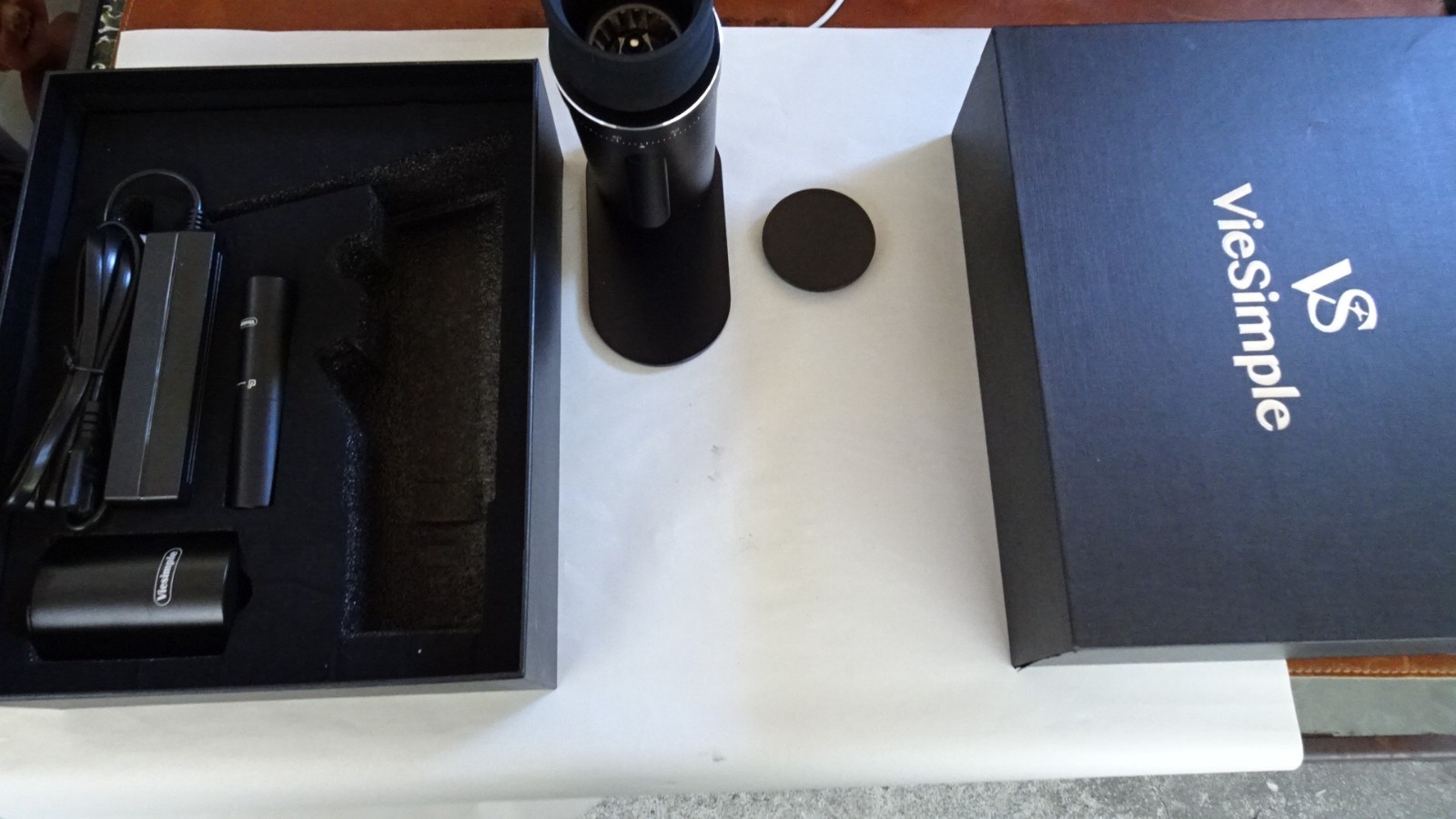 VieSimple Gen 4 Electric Burr Coffee Grinder, Single Dose, Espresso,Black$129.00View on eBay
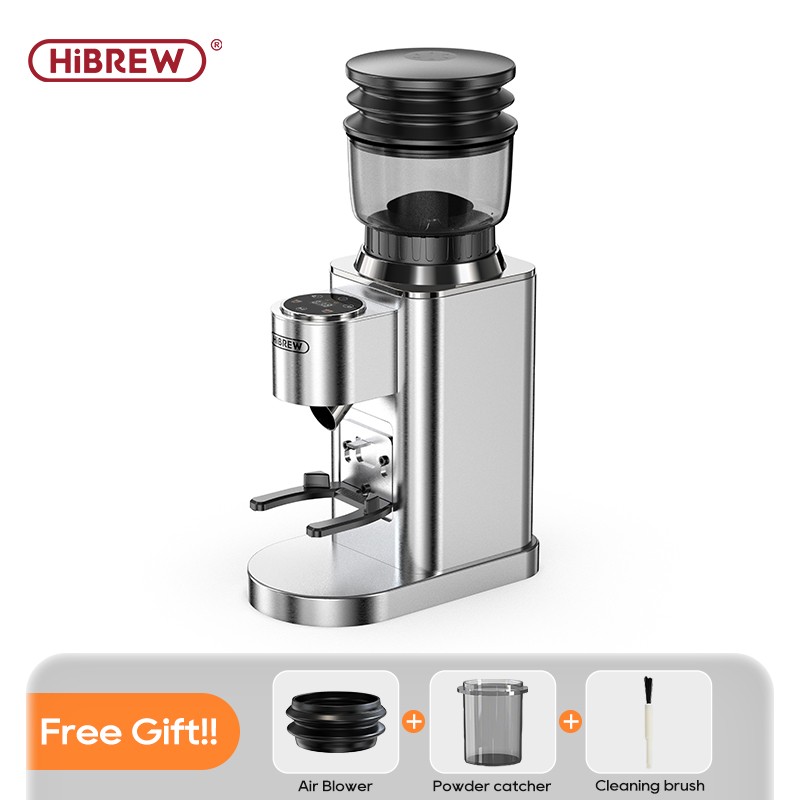 HiBREW G7 Automatic Coffee Grinder 48 Gear Espresso to Pour Over Digital Display$159.99Last checked Nov 19, 2026View on eBay
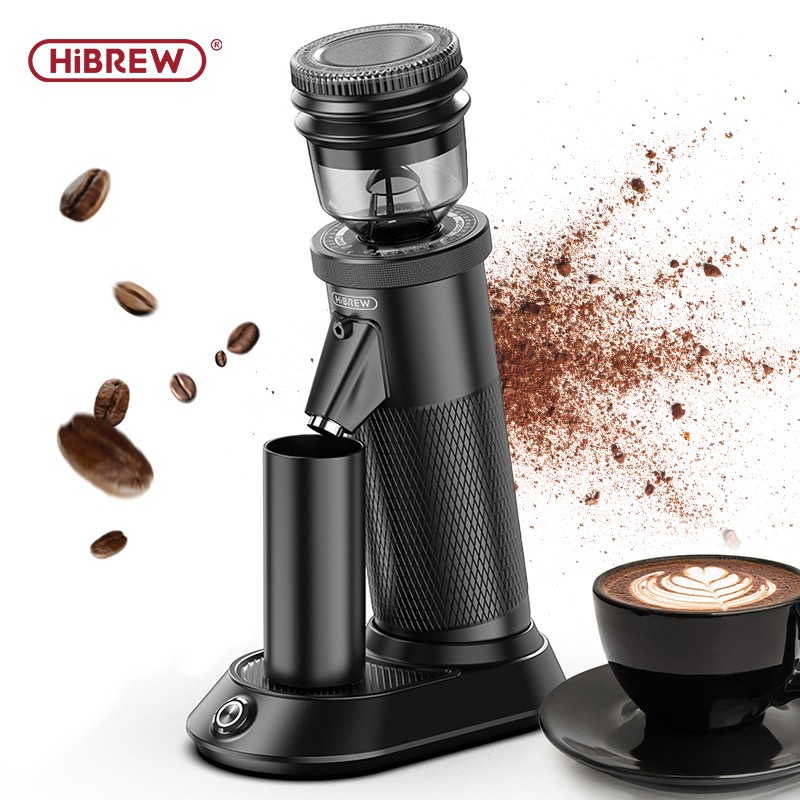 HiBREW G5 Single Dose Coffee Grinder 48mm Conical Burr 36 Settings for Espresso$169.00View on eBay
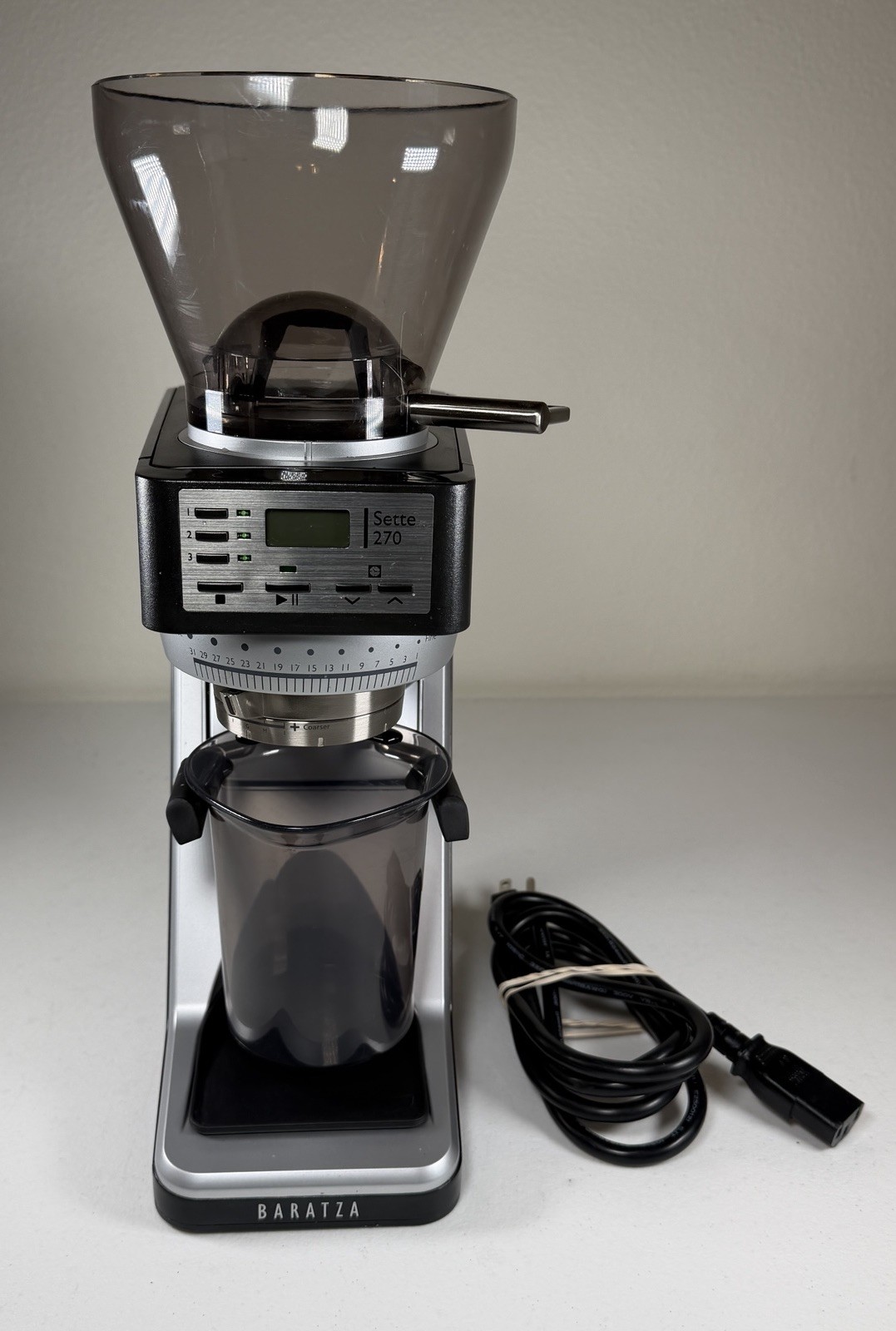 Baratza Sette 270 Electric Burr Espresso Grinder w/ Display Timer Black Silver$200.00Used · Last checked Nov 27, 2026View on eBay
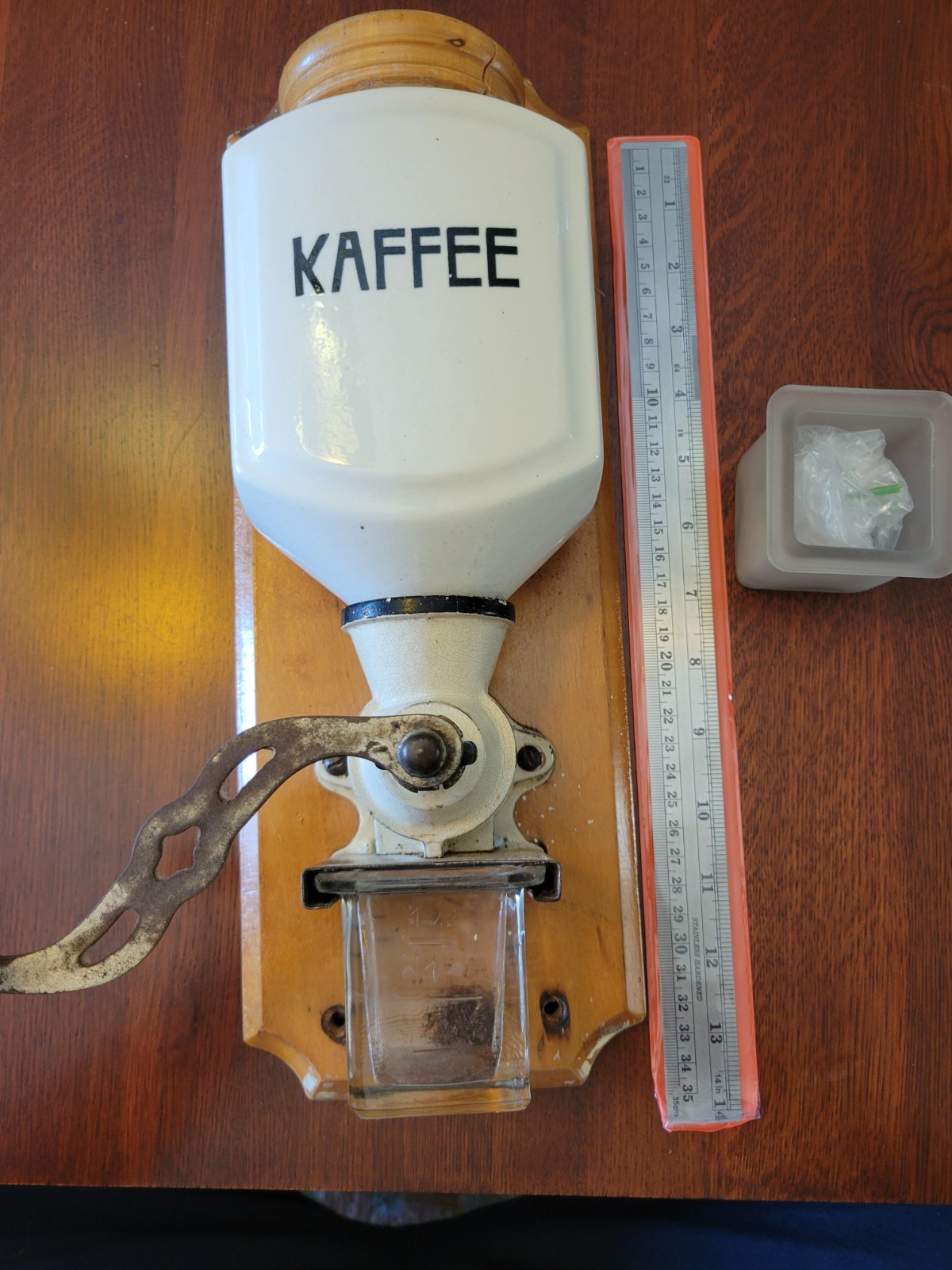 Leinbrock-Werke Manual Burr Hand Coffee Grinder for Espresso, White Metal$211.57Used · Last checked Nov 27, 2026View on eBay
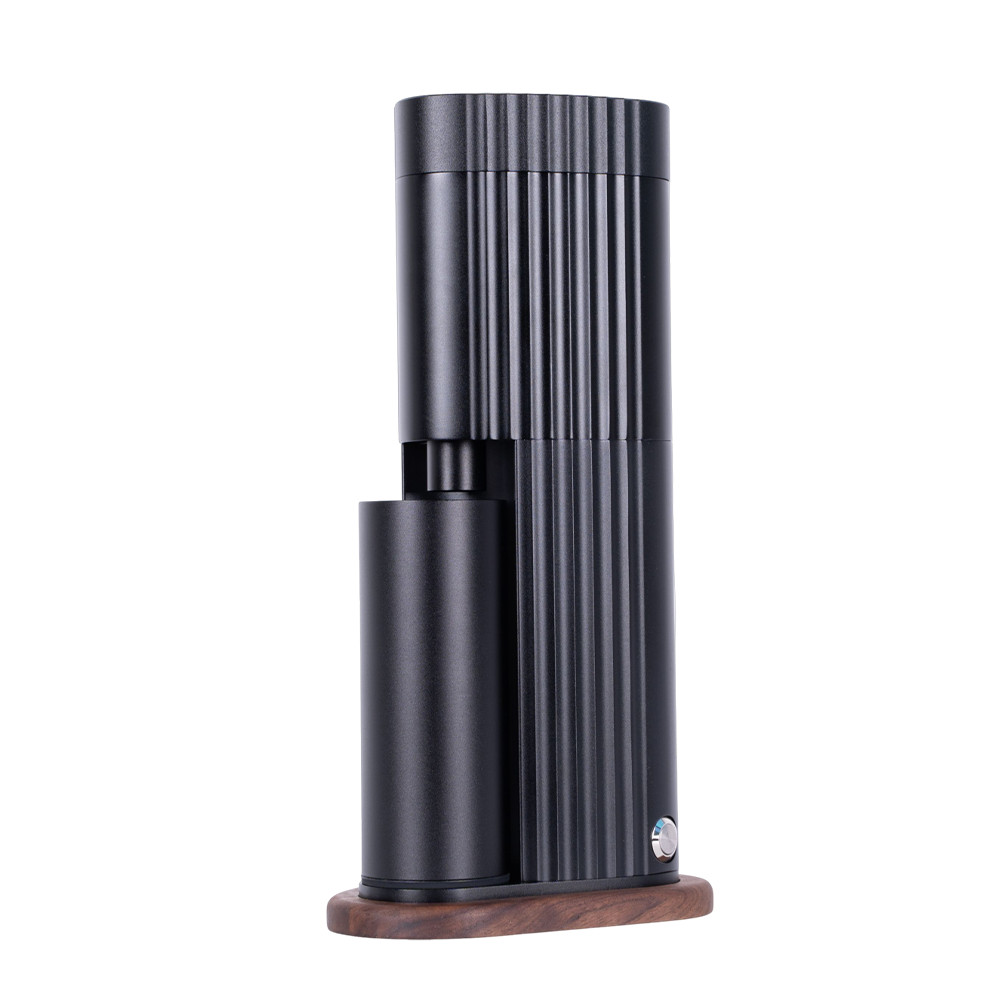 CAFOVO Electric Coffee Grinder 48mm 7-Core Burr For espresso and Americano G448$225.92New · Last checked Nov 17, 2026View on eBay
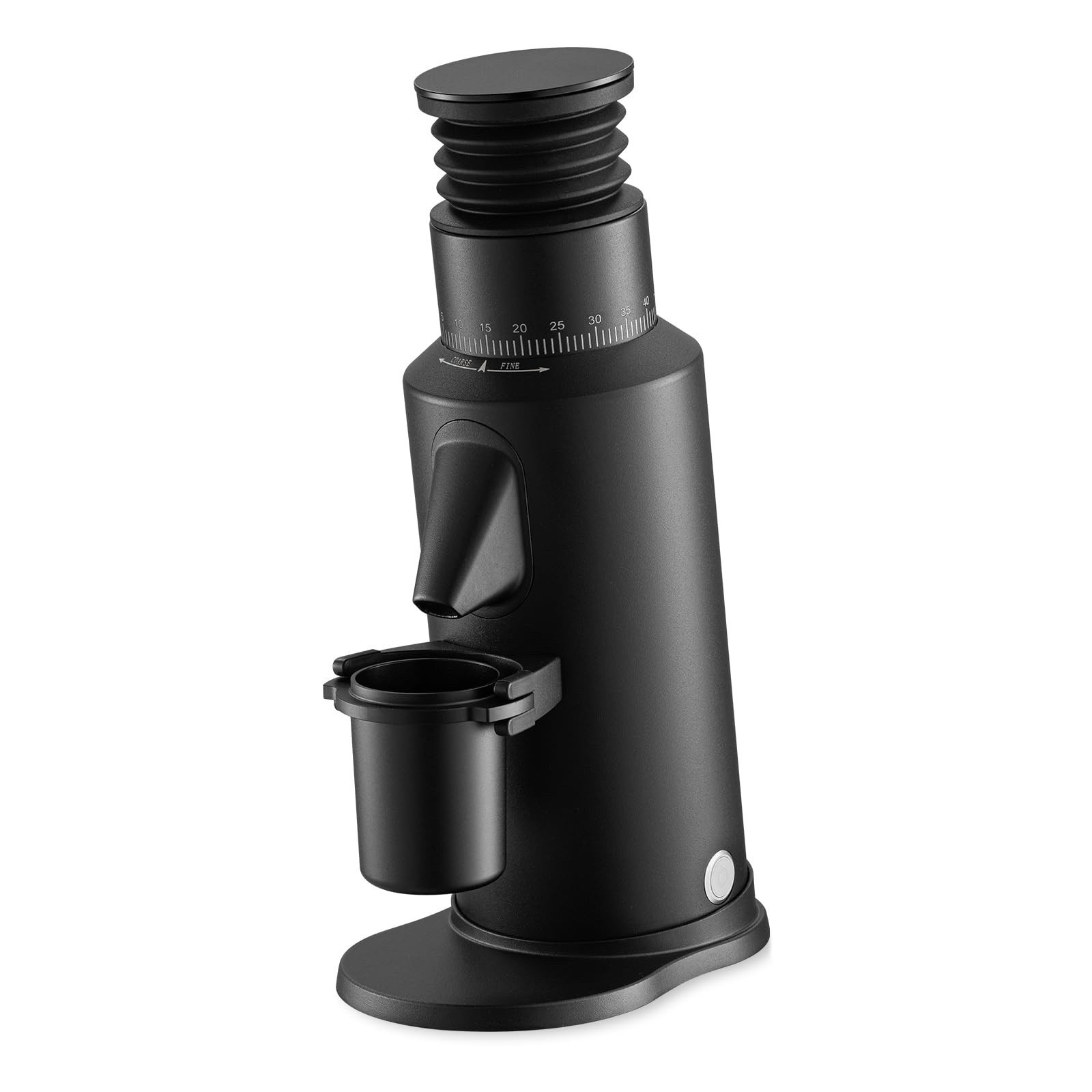 T64 Single Dose Espresso Coffee Grinder 64mm Flat Burr 300W 110V-120V Black$259.00Used · Last checked Nov 27, 2026View on eBay
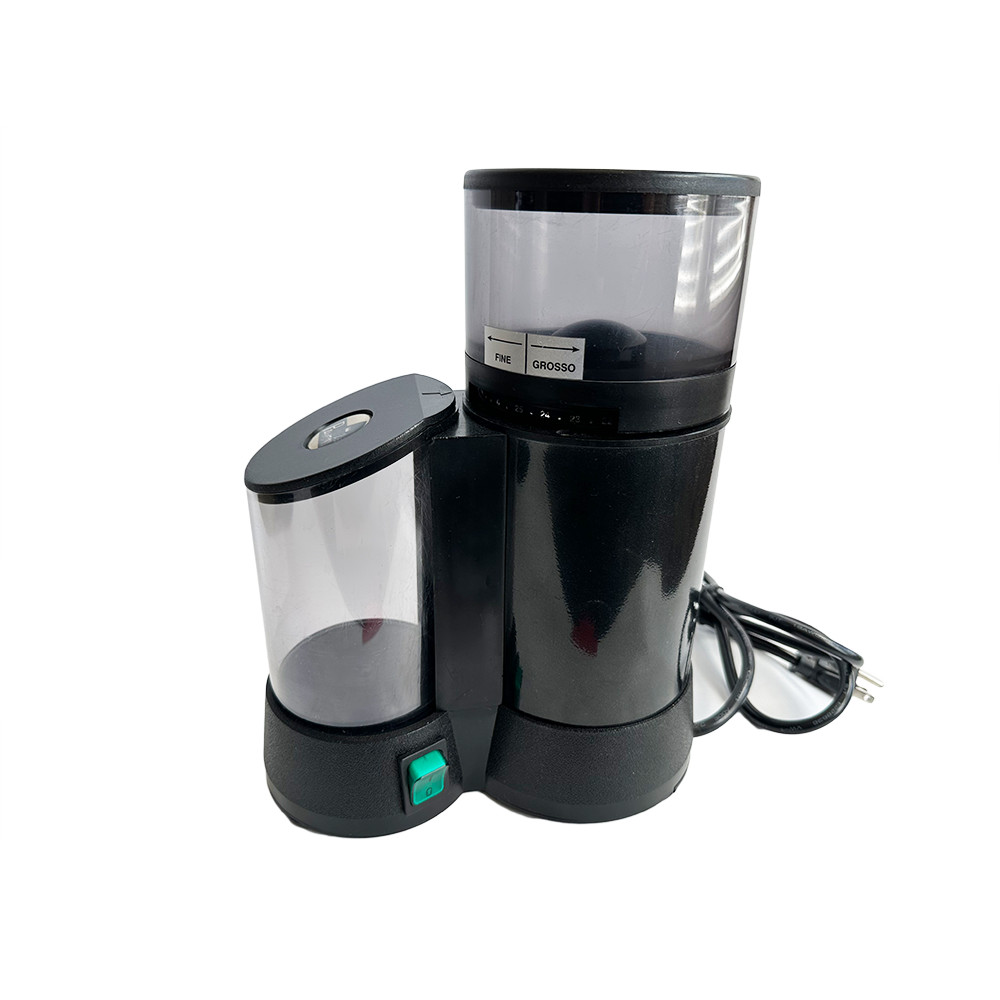 La Pavoni Espresso Coffee Grinder$268.00Used · Last checked Nov 17, 2026View on eBay
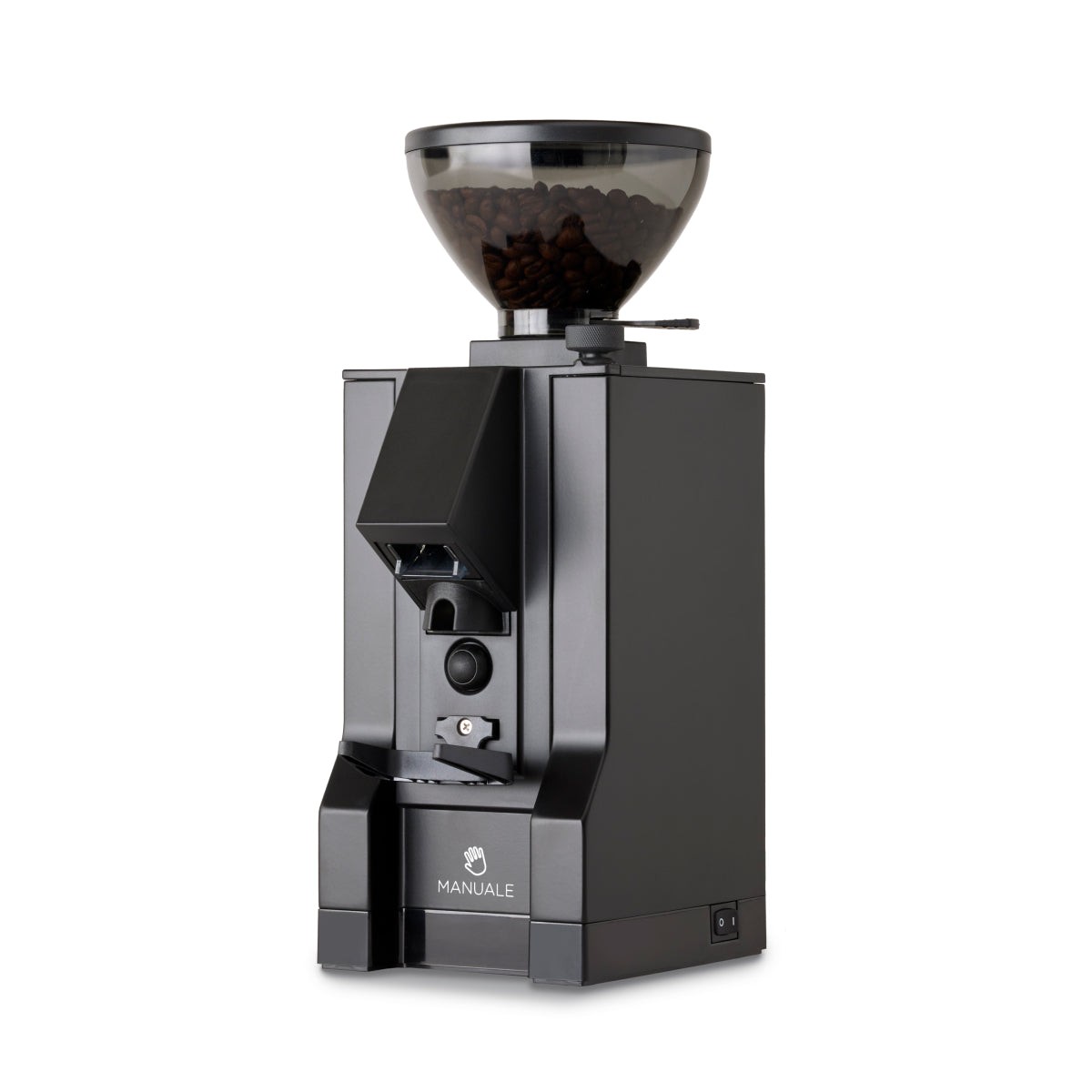 Eureka Mignon Notte Espresso Grinder | 50mm | 5.5oz | Stepless | Black$279.00New · Last checked Nov 27, 2026View on eBay
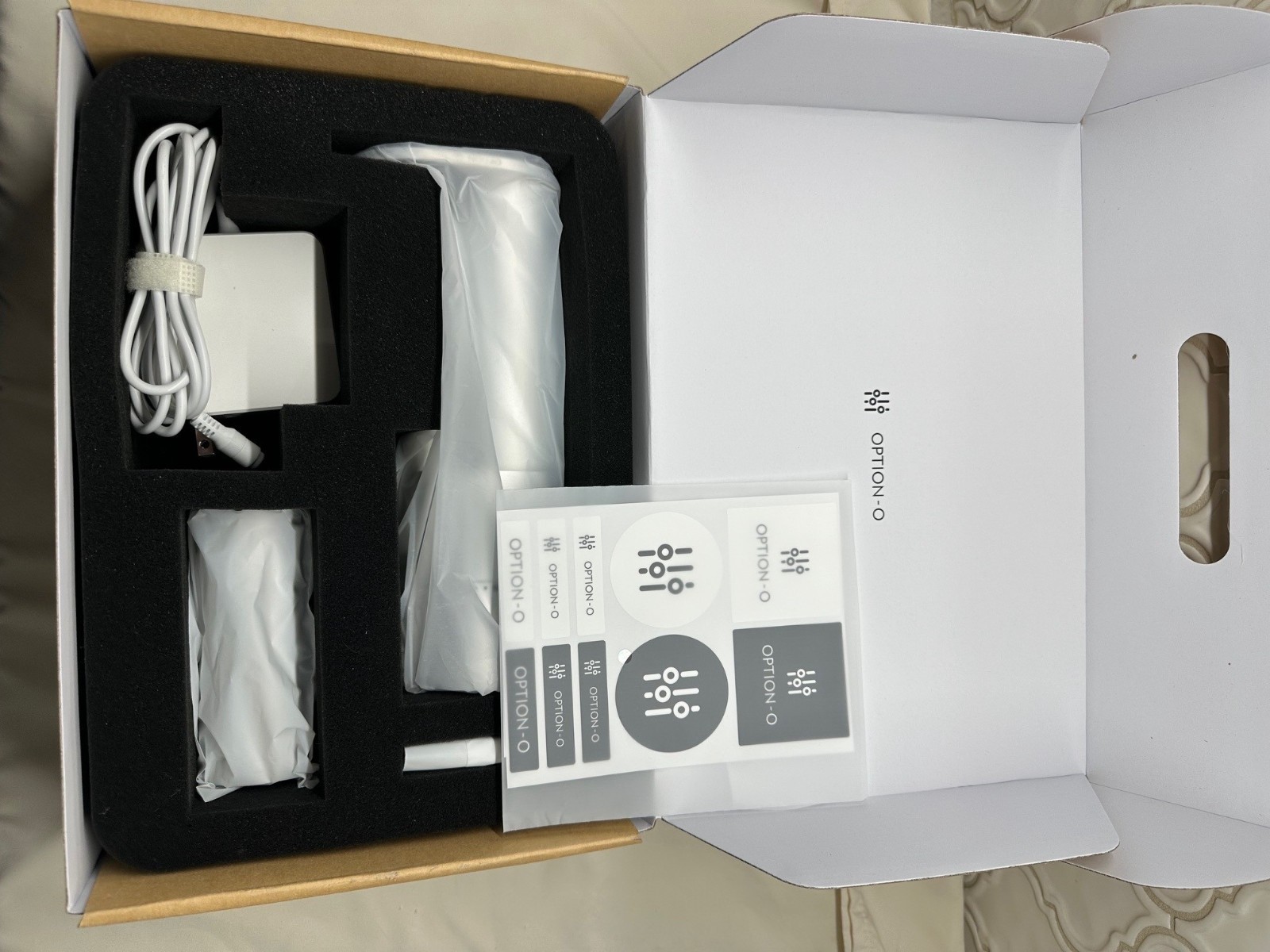 Option-O Lagom Mini Espresso And Pour Over Grinder 48mm Moonshine Burrs Option$280.00Used · Last checked Nov 27, 2026View on eBay
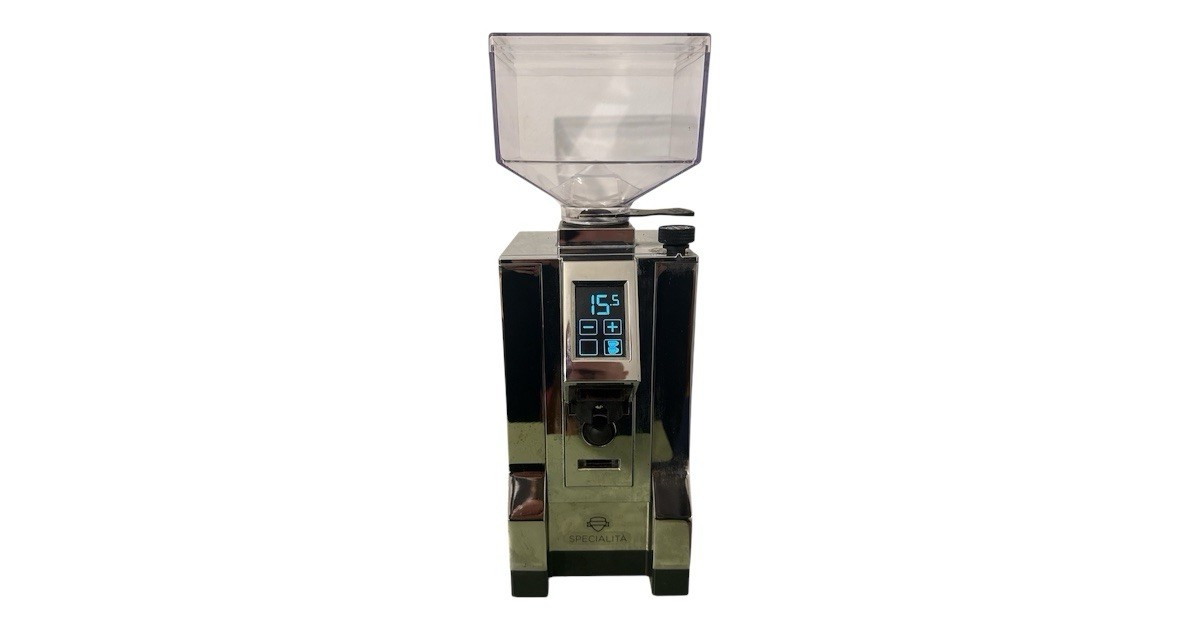 Eureka Mignon Specialita Burr Electric Espresso Grinder w/ Display Black/Silver$435.00Used · Last checked Nov 17, 2026View on eBay
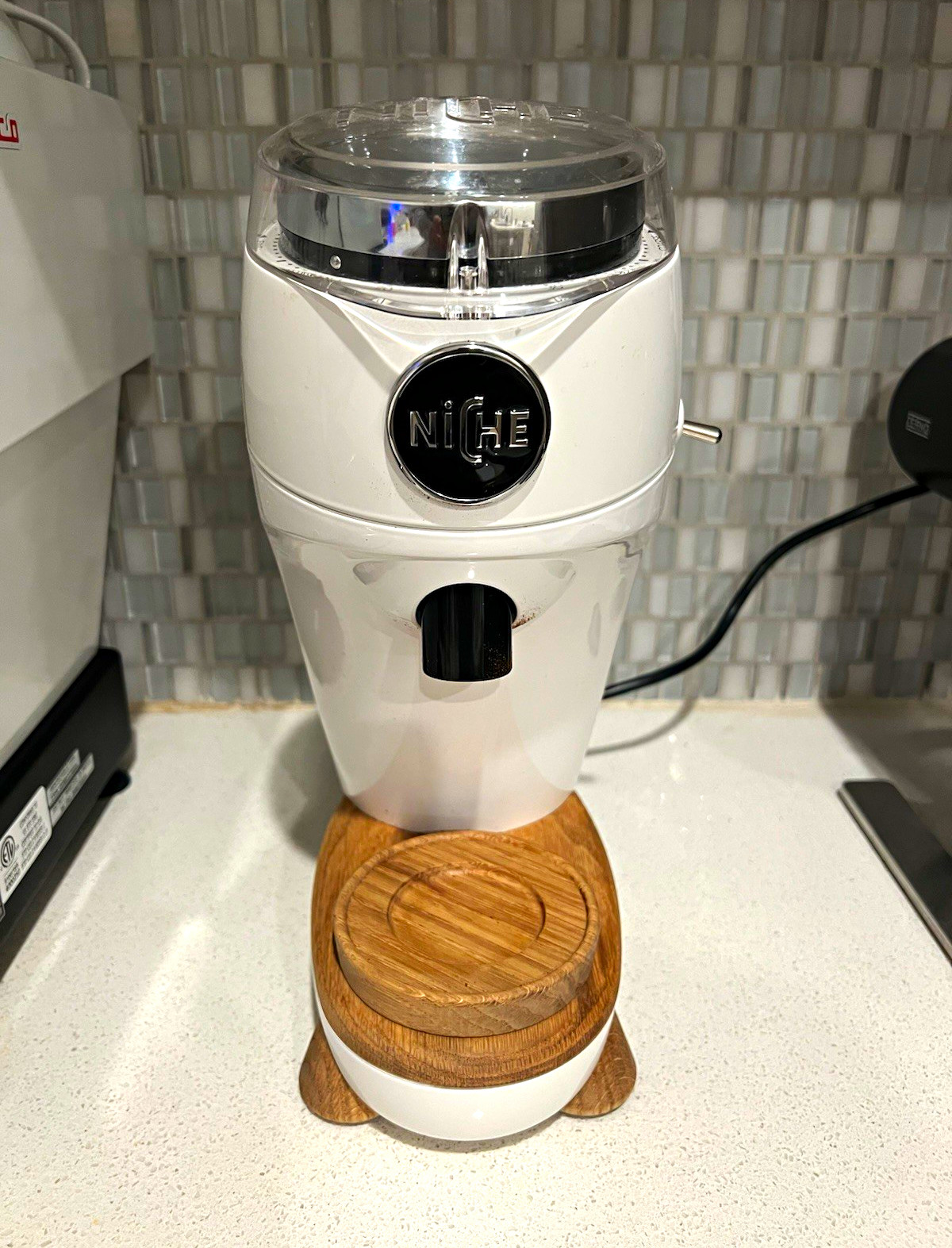 Niche Zero Espresso Grinder (White)$550.00Used · Last checked Nov 27, 2026View on eBay
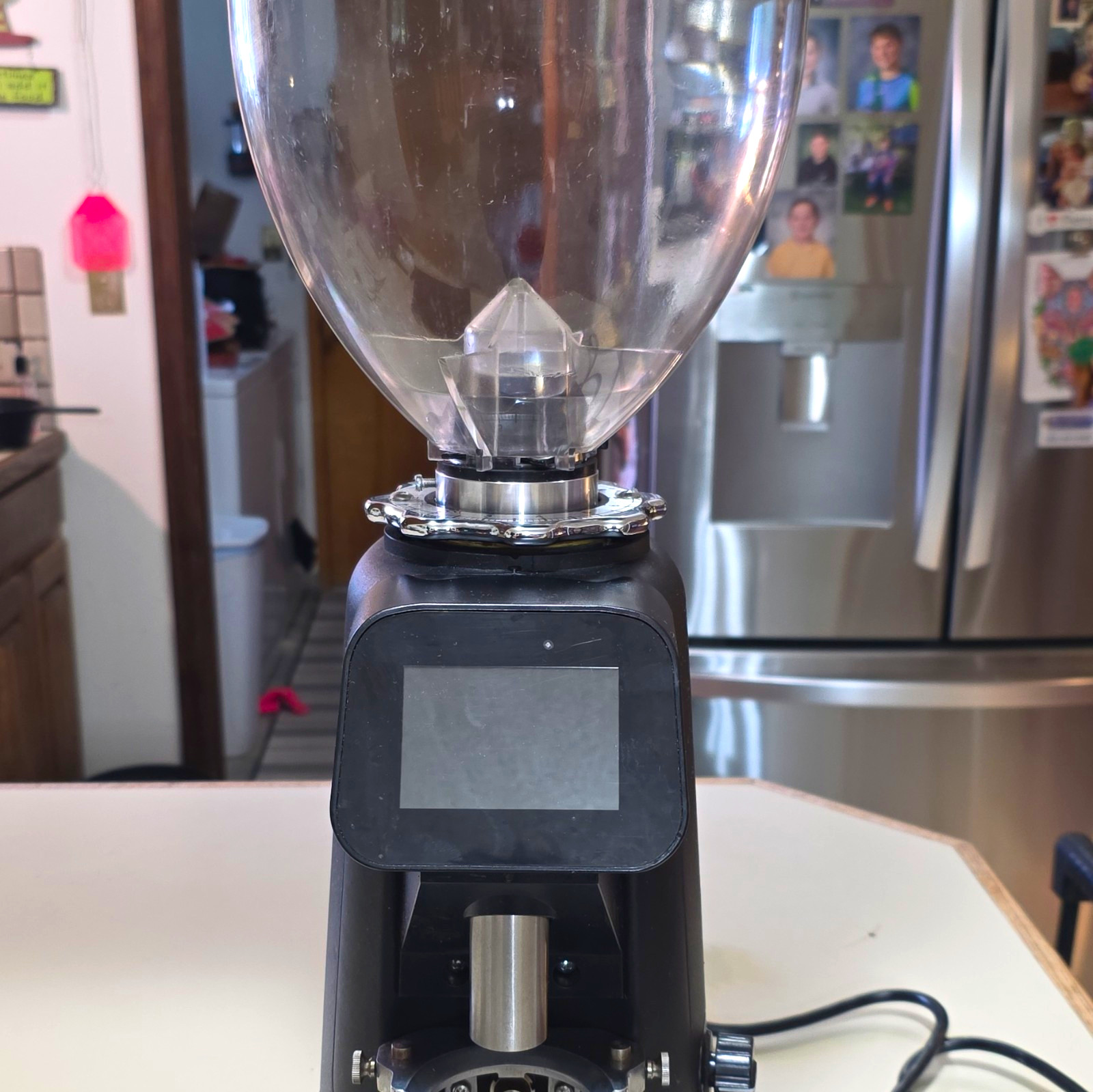 HeyCafé Buddy Precision Burr Espresso Grinder, Black, 1 Hopper, 1.4 lb$579.00Used · Last checked Nov 27, 2026View on eBay
Highlights
- Burr type determines grind consistency: flat burrs produce a unimodal particle distribution for clarity, conical burrs produce a bimodal distribution with more fines for body and forgiveness.
- Adjustment resolution is the espresso gating factor: stepless or 36+ micro-step collars allow sub-100-micron changes; 15-step grinders jump too far for dial-in.
- Single-dose architecture (vertical burr path, low retention) keeps stale grounds out; hopper-based grinders retain 5-20 g and need purge doses when changing beans.
- Burr diameter and material set throughput and lifespan: 48 mm conical sets grind roughly 1.5-2 g/s, 64 mm+ flat sets 2.5-4 g/s, and coated steel outlasts ceramic for espresso-fine work.
Best use cases
- Home espresso with a non-pressurized portafilter: pick a stepless or 48+ step burr grinder with 48-64 mm burrs and single-dose loading; skip any stepped grinder under 30 settings.
- Pressurized basket or entry-level machine: a 36-48 step conical burr grinder is sufficient and more forgiving; skip expensive flat-burr platforms until you move to a standard basket.
- Filter and espresso dual use: choose a grinder with a wide adjustment range (espresso to pour-over) and low retention; skip espresso-only stepless grinders that cannot coarsen past Turkish.
- High-volume or back-to-back shots: select a 64 mm+ flat burr grinder with 2.5 g/s+ throughput; skip single-dose hand grinders and 38 mm conical units that stall on fine settings.
Buying tips
- Match burr size to volume: 38-48 mm conical for 1-3 shots/day, 64 mm flat for 4+ shots or frequent guests; larger burrs grind faster and run cooler.
- Demand at least 36 distinct settings or a stepless collar; espresso dial-in typically needs 5-10 micron-scale moves between beans, which 15-step grinders cannot deliver.
- Check burr material and coating: hardened steel or coated steel holds an espresso edge for hundreds of kilograms; ceramic burrs chip on fine settings and are best for coarse grinding.
- Prefer single-dose vertical burr paths for home use: retention under 1 g avoids stale grounds and makes bean changes immediate; hopper grinders need 5-20 g purge doses.
Specs
| Burr Type | Flat vs conical steel |
|---|---|
| Burr Diameter | 38-64 mm (48 mm typical) |
| Adjustment | Stepless or 36-48 micro-steps |
| Dosing Style | Single-dose vs hopper (retention) |
Related searches
What to check before buying
- Measure counter depth and height clearance: grinders range roughly 20-40 cm tall, and hopper models need 10-15 cm extra overhead to fill beans.
- Confirm voltage and plug standard for your region (120 V/60 Hz North America vs 230 V/50 Hz Europe) before ordering cross-border.
- Verify the grinder's finest setting supports your basket type: non-pressurized baskets need true espresso-fine (200-400 micron); pressurized baskets tolerate coarser.
- Check burr access and replacement parts: tool-free burr removal and available replacement burr sets determine long-term serviceability.
FAQ
Data sources: eBay / Amazon listings and product attribute feeds. Updated Nov 28, 2026.
Some links on this page are affiliate links. If you buy after clicking one, we may earn a commission at no extra cost to you. This does not change which products appear here or their order. Affiliate disclosure.