
Photos from current listings. Actual item, color, and included accessories may vary.
Manual Coffee Grinder Buying Guide
Manual coffee grinders are hand-cranked mills that use burr sets to crush beans, offering full torque control and zero electricity dependence. The primary trade-off is burr material and alignment: hardened steel conical/flat burrs with machined axles deliver consistent particle size for years, while ceramic or stamped-steel burrs in plastic housings flex and drift. The decision rule is simple—buy a metal-bodied mill with a stabilized shaft and serviceable burr set if grind consistency matters; accept a ceramic-burr entry mill only for coarse French press or travel backup duty.
Median $211.57 · New & pre-owned listings
Key takeaways
- Burr geometry splits performance: conical steel burrs feed beans gradually for espresso-range control, while flat steel burrs excel at uniform medium-coarse grinds for pour-over and drip.
- Axle stabilization is the durability bottleneck—dual-bearing or bushing-supported shafts prevent burr wobble; single plastic-hub cranks develop radial play that ruins consistency.
- Ceramic burrs resist corrosion and stay sharp on coarse settings but chip under light-roast density; hardened steel (HRC 60+) holds espresso-fine edges longer.
At a glance
- Category
- Coffee Grinders
- Last updated
- Nov 28, 2026
Current offers
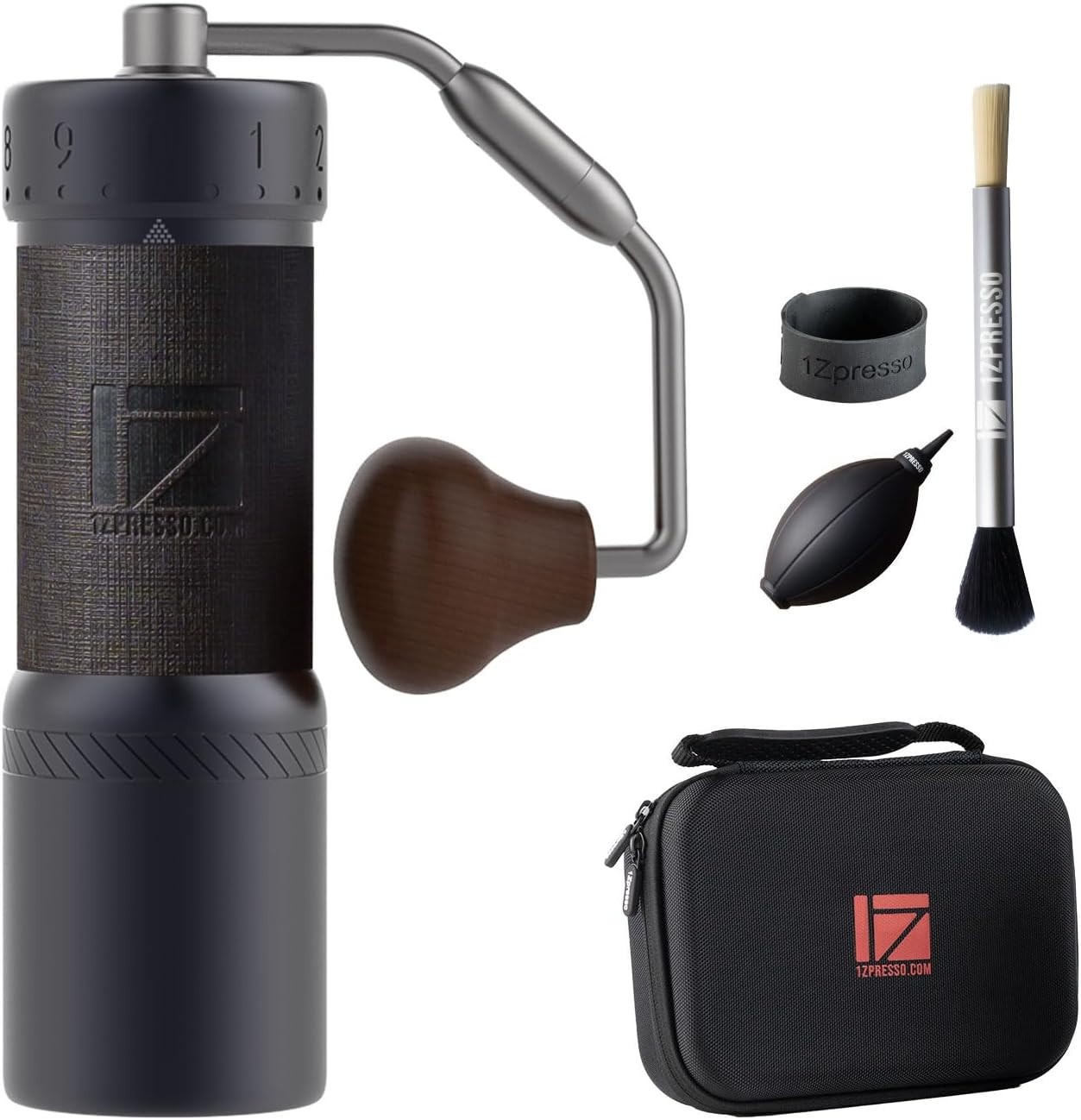 1Zpresso J-Ultra Manual Coffee Grinder Iron Gray, Conical Burr, Foldable Handle,$201.39New · Last checked Nov 17, 2026View on eBay
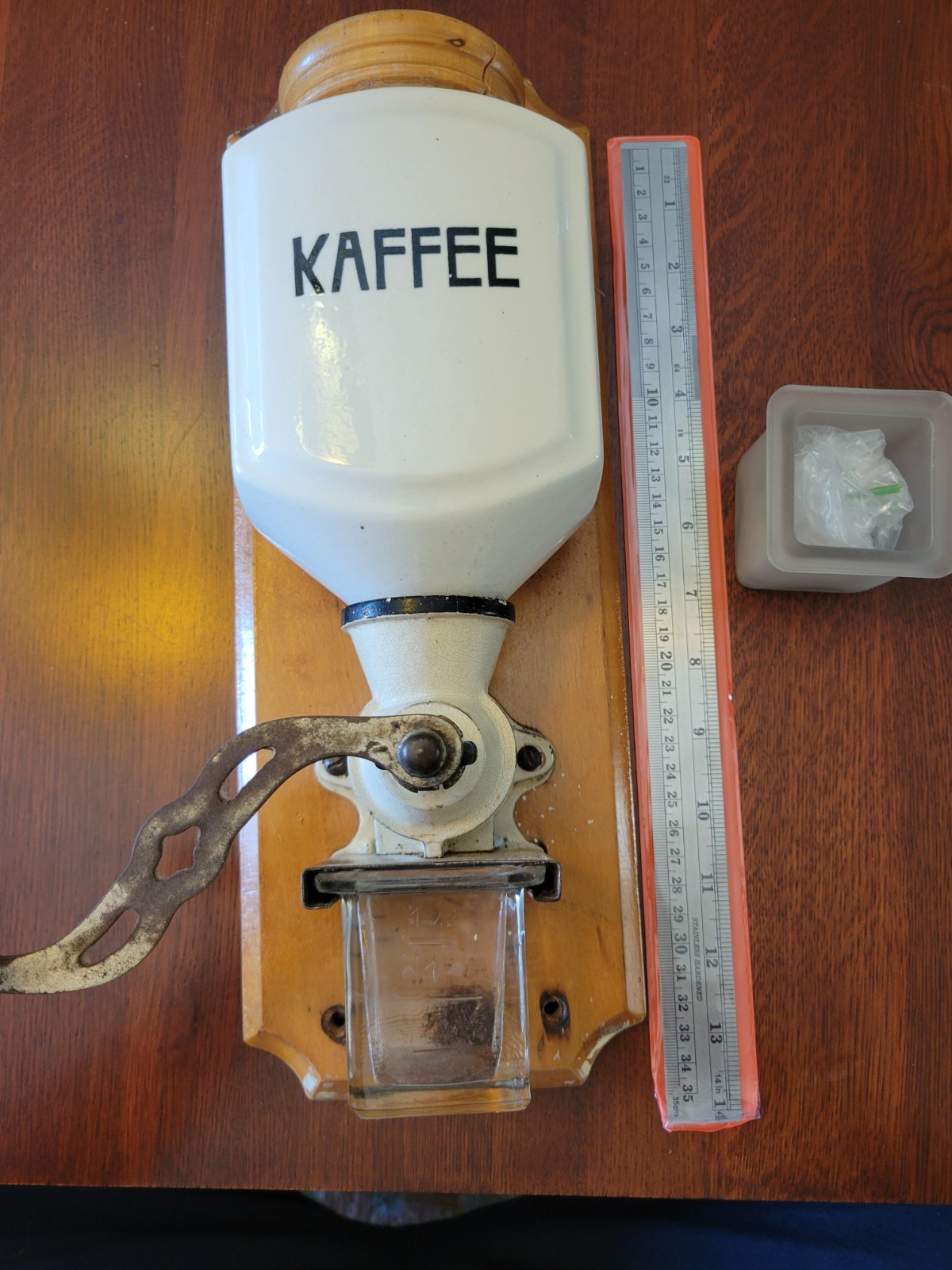 Leinbrock-Werke Manual Burr Hand Coffee Grinder for Espresso, White Metal$211.57Used · Last checked Nov 27, 2026View on eBay
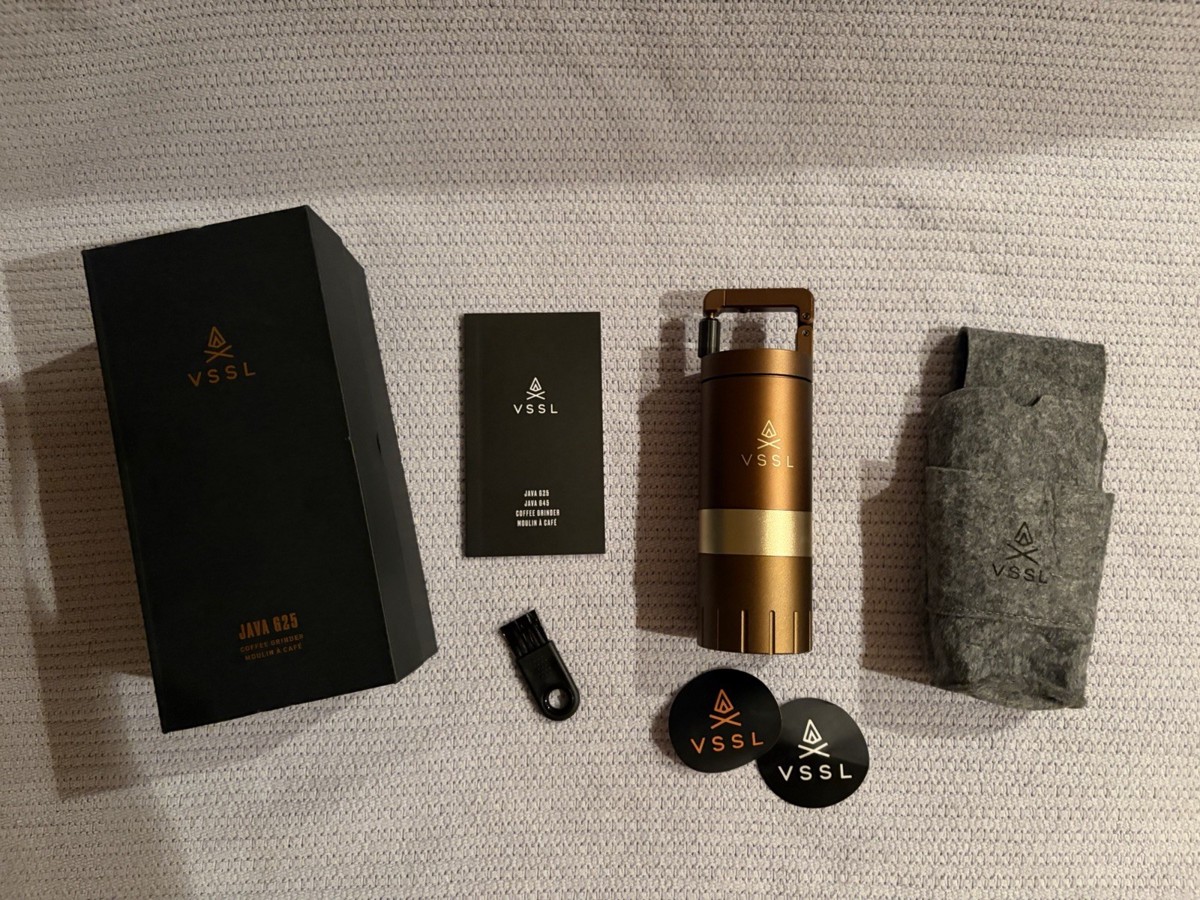 NEW Java G45 Manual Coffee Grinder LARGE capacity |Coffee for Camping | bronze$215.00Open box · Last checked Nov 27, 2026View on eBay
Highlights
- Burr geometry splits performance: conical steel burrs feed beans gradually for espresso-range control, while flat steel burrs excel at uniform medium-coarse grinds for pour-over and drip.
- Axle stabilization is the durability bottleneck—dual-bearing or bushing-supported shafts prevent burr wobble; single plastic-hub cranks develop radial play that ruins consistency.
- Ceramic burrs resist corrosion and stay sharp on coarse settings but chip under light-roast density; hardened steel (HRC 60+) holds espresso-fine edges longer.
- Grind adjustment architecture matters: stepless collar systems allow dialing espresso, while numbered click detents (typically 30–48 steps) suit brew-method repeatability.
Best use cases
- Pick a steel conical-burr mill with stepless adjustment for espresso and Aeropress—it gives the fine, repeatable micro-adjustments pressurized brewing demands; skip click-detent ceramic mills that jump too coarsely.
- Choose a flat steel-burr hand grinder for pour-over and drip: the uniform medium grind reduces fines and channeling; avoid espresso-focused stepless mills if you never brew below medium.
- For travel and camping, a compact ceramic-burr mill with a sealed hopper and detachable crank is the right fit—light, corrosion-proof, and packable; skip heavy steel tabletop mills with long cranks.
- For French press and cold brew, a coarse-capable steel burr set with a wide adjustment range works best; wrong-fit is any espresso-calibrated mill whose coarse settings produce excessive fines.
Buying tips
- Match burr material to roast level: hardened steel for light-to-medium roasts and espresso; ceramic for dark roasts and coarse-only brewing where corrosion resistance matters more than edge retention.
- Check axle support before buying: dual-bearing or bushing-stabilized shafts hold burr alignment; plastic-hub cranks introduce wobble that shows up as inconsistent extraction within months.
- Count adjustment steps: 30+ clicks or stepless collars support espresso; fewer than 20 clicks limits you to coarse brew methods with poor repeatability.
- Verify burr diameter and catch-cup capacity: 38–48 mm burrs grind 20–30 g per fill; sub-30 mm burrs slow down and heat light roasts, so size up for daily 30 g+ doses.
Specs
| Burr Material | Hardened steel vs ceramic |
|---|---|
| Burr Geometry | Conical vs flat steel |
| Adjustment Type | Stepless vs 15-48 click detents |
| Body & Axle | Metal body / dual-bearing shaft |
Related searches
What to check before buying
- Measure your counter or travel bag space and confirm the mill's collapsed height with crank removed—detachable-crank models pack shorter than fixed-arm designs.
- Confirm your brewing method's grind range: espresso needs stepless or 30+ click adjustments; French press needs a coarse setting that stays consistent at the top end.
- Check body material and grip: stainless or aluminum bodies resist flex and wear; plastic housings can crack at the crank thread under daily torque.
- Verify burr replacement availability and tool requirements—serviceable burr sets extend mill life; sealed non-replaceable burrs turn the whole grinder into a consumable.
FAQ
Data sources: eBay / Amazon listings and product attribute feeds. Updated Nov 28, 2026.
Some links on this page are affiliate links. If you buy after clicking one, we may earn a commission at no extra cost to you. This does not change which products appear here or their order. Affiliate disclosure.