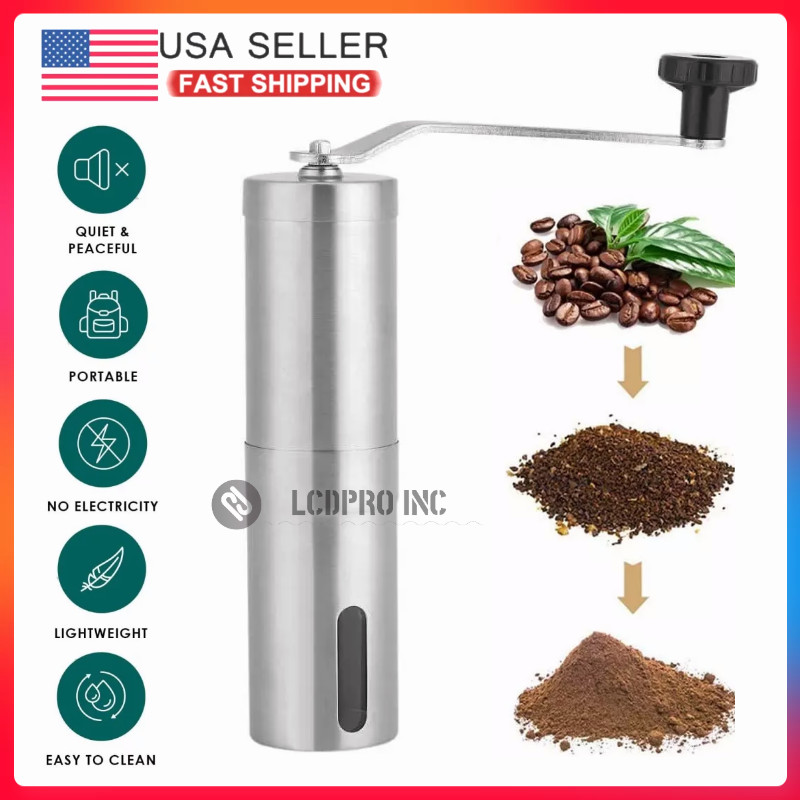

Photos from current listings. Actual item, color, and included accessories may vary.
Coffee Bean Grinder Buying Guide
A coffee bean grinder is the single most important upgrade for brew quality after fresh beans, because particle uniformity controls extraction. The core trade-off is burr type and material—ceramic or steel—versus motor power and duty cycle: hand grinders deliver consistent grinds at low cost but demand effort, while electric models trade higher speed for heat and noise. The decision rule is simple: choose a conical burr set (ceramic for manual, steel for electric) with adjustable stepped or stepless settings; skip blade grinders entirely, as they produce fines and boulders that ruin any brew method.
Median $35.49
Key takeaways
- Burr geometry beats blade: conical burrs crush beans uniformly, while blade choppers pulverize unevenly—blade grinders are only acceptable for spice use.
- Ceramic burrs resist heat and corrosion but chip on stones; hardened steel burrs stay sharp longer and are preferred for electric daily-drive grinders.
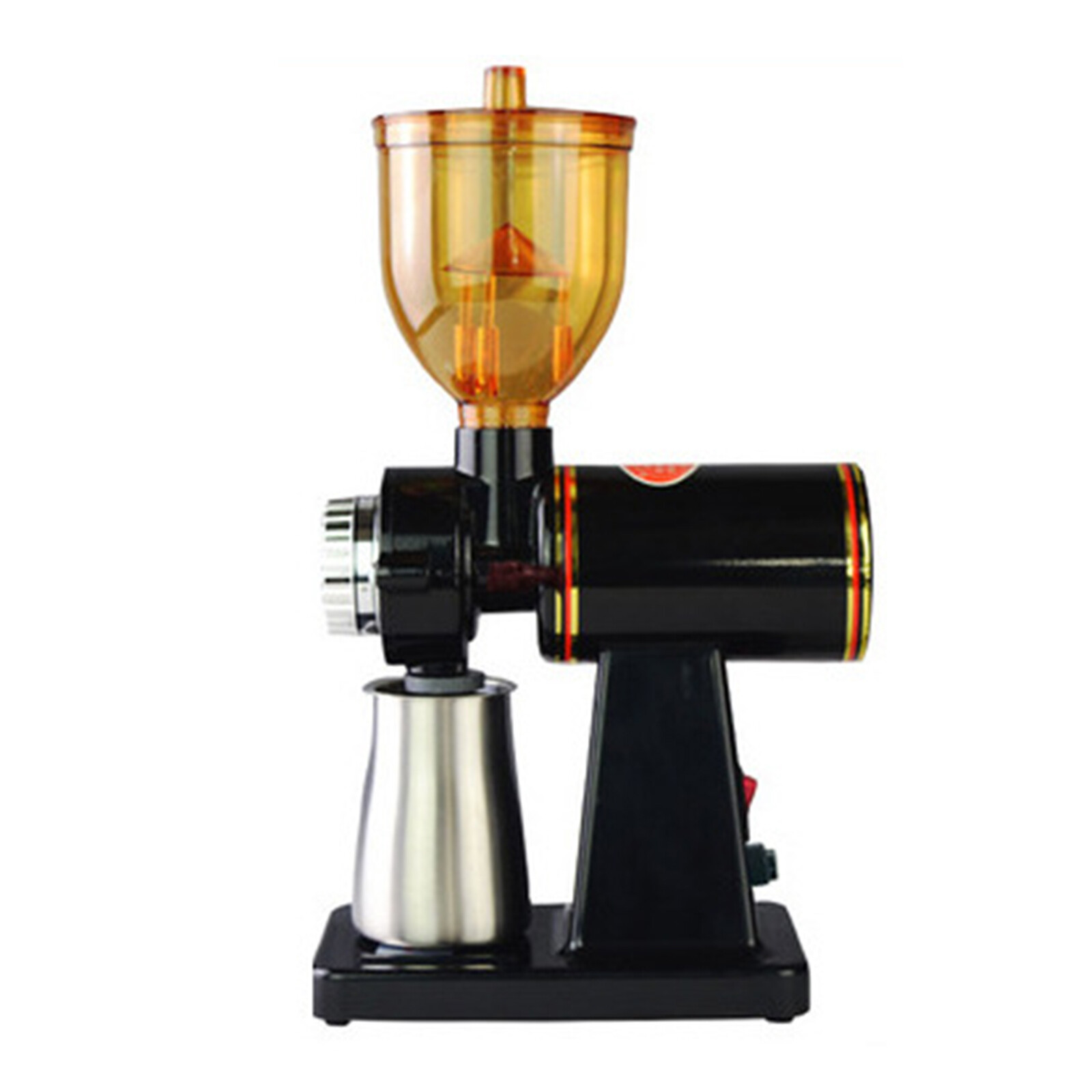
- Manual hand grinders typically use 38–48 mm conical ceramic burrs and produce 15–25 g per minute; electric home units use 40–60 mm steel burrs at 1–2 g per second.
At a glance
- Category
- Coffee Grinders
- Last updated
- Nov 28, 2026
Current offers
Highlights
- Burr geometry beats blade: conical burrs crush beans uniformly, while blade choppers pulverize unevenly—blade grinders are only acceptable for spice use.
- Ceramic burrs resist heat and corrosion but chip on stones; hardened steel burrs stay sharp longer and are preferred for electric daily-drive grinders.
- Manual hand grinders typically use 38–48 mm conical ceramic burrs and produce 15–25 g per minute; electric home units use 40–60 mm steel burrs at 1–2 g per second.
- Duty cycle matters: entry electric grinders handle 20–30 g continuously before overheating; commercial-rated motors sustain 60+ g bursts with thermal protection.
Best use cases
- Best fit: pour-over and AeroPress single-cup brewers—pick a manual conical ceramic burr grinder with stepped adjustment from espresso-fine to French-press-coarse.
- Best fit: drip coffee for 2–4 people daily—choose an electric conical steel burr grinder with at least 100 W and a 20+ setting range, not a blade model.
- Wrong fit: high-volume hosting or light commercial use—standard home motors overheat; select a commercial-duty grinder rated for continuous 60 g+ runs with thermal cutoff.
Buying tips
- Match burr size to volume: 38–40 mm burrs suit 15–20 g doses; 48–60 mm burrs grind 2–3× faster and are worth it for 30 g+ daily batches.
- Check adjustment mechanism: stepless or 30+ stepped settings allow espresso dialing; fewer than 15 steps locks you into coarse drip or French press only.
- Verify burr material and replacement availability: hardened steel or ceramic burrs should be user-replaceable; sealed non-replaceable burrs make the grinder disposable.
- For electric models, confirm motor wattage and duty rating: 100–150 W suits home drip; 200 W+ with thermal protection supports espresso and frequent grinding.
Specs
| Burr Type | Conical ceramic (manual) / steel (electric) |
|---|---|
| Adjustment | Stepless or 15–40+ stepped settings |
| Motor Power | Manual hand-crank / 100–200 W+ electric |
| Dose Capacity | 15–30 g manual / 60 g+ electric hopper |
Related searches
What to check before buying
- Measure your brewing dose: if you grind more than 30 g per session, prioritize a 48 mm+ steel burr electric model over any hand grinder.
- Confirm counter space and height clearance: electric grinders with hoppers need 25–35 cm vertical clearance; hand grinders need only a few centimeters.
- Check voltage and plug standard: US models are 120 V/60 Hz with Type B plugs; importing a 220–240 V unit requires a step-up transformer.
- Verify catch-cup compatibility: manual grinders with 38 mm burrs often use non-standard thread sizes—confirm replacement cups and burr sets are available.
FAQ
Data sources: eBay / Amazon listings and product attribute feeds. Updated Nov 28, 2026.
Some links on this page are affiliate links. If you buy after clicking one, we may earn a commission at no extra cost to you. This does not change which products appear here or their order. Affiliate disclosure.