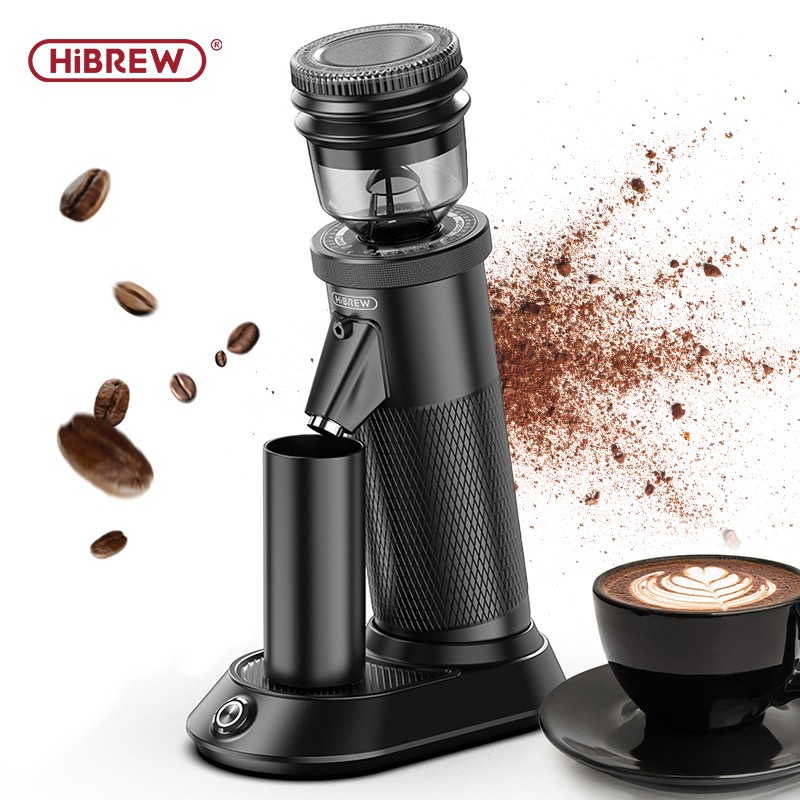

Photos from current listings. Actual item, color, and included accessories may vary.
Conical Burr Espresso Grinder Buying Guide
Conical burr espresso grinders are the entry point to repeatable, café-quality shots, but the geometry and adjustment mechanism matter more than the marketing. Buyers often pick a grinder that can't step finely enough for espresso or a burr set too small for their desired throughput. This guide covers the burr sizes, adjustment types, and material grades that separate a capable espresso grinder from a brew-only unit.
Median $187.00 · New listings
Key takeaways
- Conical burr sets in the 38–48 mm range are the standard for single-dose espresso; larger 55–63 mm burrs spin slower and grind faster for high-volume use.
- Stepless or 30+ step adjustment is required for dialing in espresso; stepped grinders with under 20 settings are too coarse for repeatable shots.
- Aluminium alloy bodies with stainless steel burrs balance heat dissipation and durability; coated burrs (TiN, DLC) extend life between replacements.
At a glance
- Category
- Coffee Grinders
- Last updated
- Nov 28, 2026
Current offers
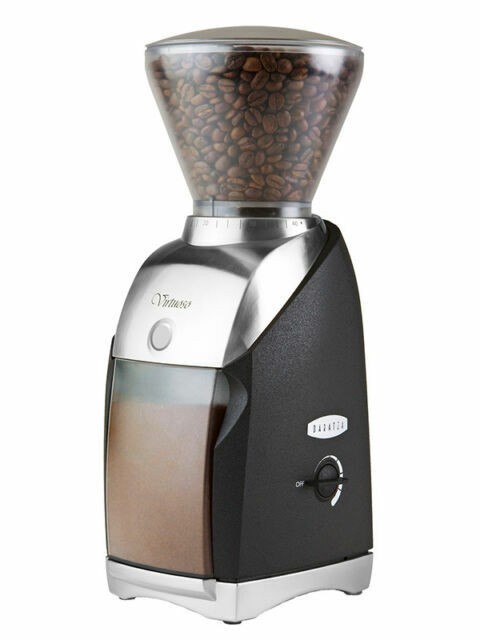
Highlights
- Conical burr sets in the 38–48 mm range are the standard for single-dose espresso; larger 55–63 mm burrs spin slower and grind faster for high-volume use.
- Stepless or 30+ step adjustment is required for dialing in espresso; stepped grinders with under 20 settings are too coarse for repeatable shots.
- Aluminium alloy bodies with stainless steel burrs balance heat dissipation and durability; coated burrs (TiN, DLC) extend life between replacements.
- Single-dose grinders with sub-50 g hoppers reduce retention and stale grounds versus large-hopper café-style models.
Best use cases
- Buy a 48 mm conical burr single-dose grinder if you pull 1–3 espresso shots daily and want low retention with easy switching between beans.
- Choose a larger 55–63 mm conical burr model if you make 4+ espresso drinks per session or host frequently, where grind speed and thermal stability matter.
- Skip conical burr grinders with under 20 stepped settings if you plan to dial in light-roast espresso, and avoid small burrs for Turkish or very fine grinding.
Buying tips
- Prioritize stepless or 30+ micro-step adjustment for espresso; a brew-only stepped grinder with wide clicks will choke or channel shots.
- Check burr diameter: 38–48 mm conical suits single-dose home espresso, while 55 mm and larger reduces grind time for back-to-back shots.
- Inspect burr material: hardened stainless steel is baseline; TiN or DLC coatings add wear resistance for daily use with light roasts.
- Look for a single-dose hopper around 50 g or less if you change beans often; large hoppers hold stale grounds and increase retention.
Specs
| Burr Type | Conical stainless steel vs flat |
|---|---|
| Burr Diameter | 38–48 mm home / 55–63 mm prosumer |
| Adjustment | Stepless or 30+ micro-steps |
| Hopper Capacity | Single-dose ~50 g / hopper 250 g+ |
Related searches
What to check before buying
- Measure your counter and cabinet clearance: single-dose grinders are tall and narrow, so confirm the height fits under upper cabinets.
- Confirm your portafilter size (51, 54, or 58 mm) and whether the grinder's dosing cup or catch fork fits it directly.
- Check the voltage and plug standard for your country; grinders sold for 110–120 V markets need a step-up transformer in 220–240 V regions.
- Verify you have a scale and a portafilter basket sized for the dose range you plan to grind, as single-dose workflow depends on weighing beans.
FAQ
Data sources: eBay / Amazon listings and product attribute feeds. Updated Nov 28, 2026.
Some links on this page are affiliate links. If you buy after clicking one, we may earn a commission at no extra cost to you. This does not change which products appear here or their order. Affiliate disclosure.