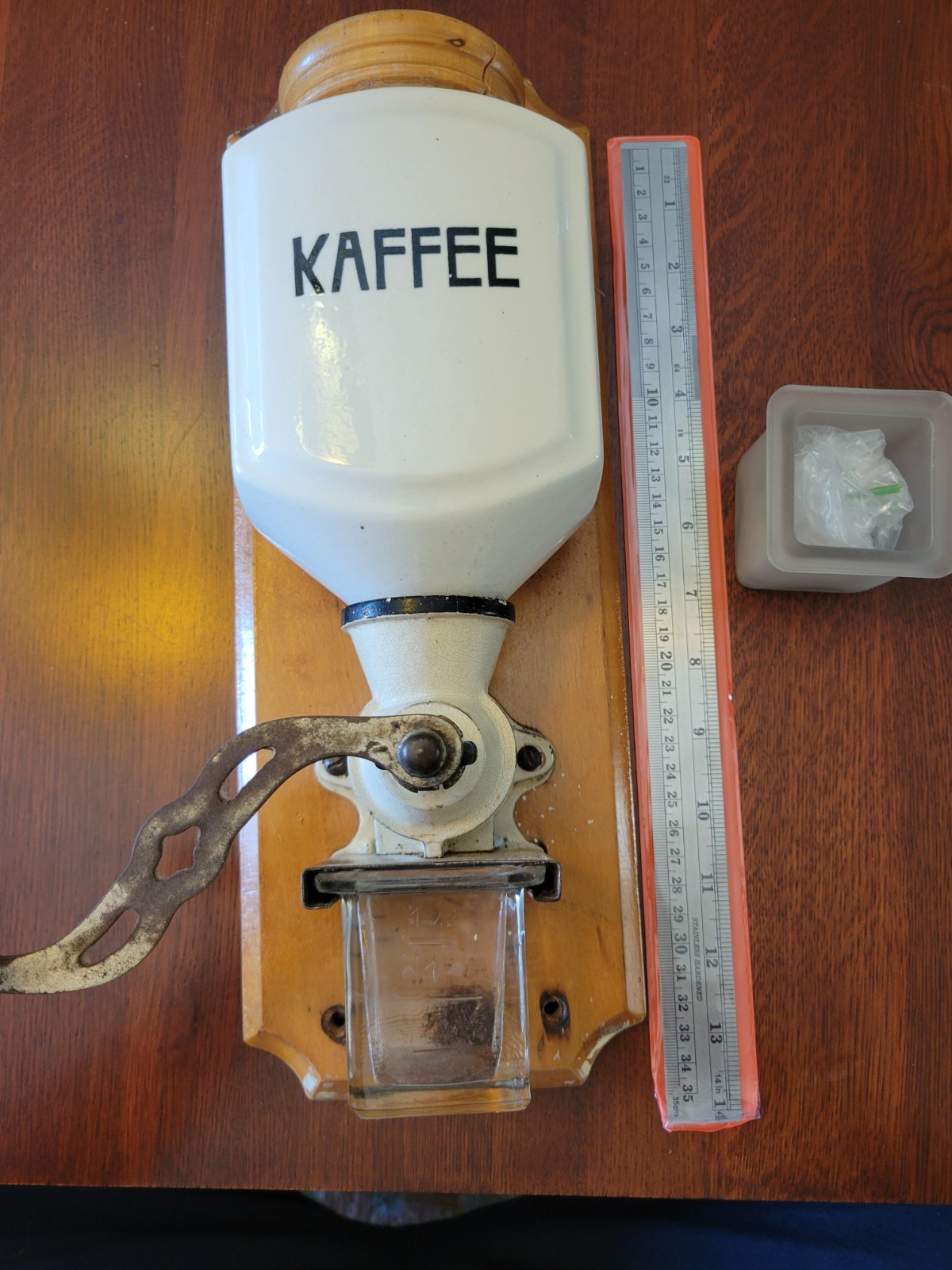

Photos from current listings. Actual item, color, and included accessories may vary.
Espresso Hand Grinder Buying Guide
An espresso hand grinder is a manual burr mill specifically engineered to produce a narrow, consistent particle distribution fine enough for pressurized espresso extraction (typically 8–15 microns median). The core trade-off is burr geometry and adjustment resolution versus grinding effort: espresso demands stepless or high-click micro-adjustment, which most budget hand grinders lack, while premium models add low-friction bearings and larger burrs to reduce cranking force. The decision rule is simple: buy only a grinder with explicitly stated espresso-range stepless or 40+ click adjustment and conical/ flat steel burrs; skip any hand grinder marketed primarily for pour-over or French press without verified fine-adjust capability.
Key takeaways
- Burr material and size: 38–48 mm hardened steel conical burrs are the minimum for repeatable espresso; ceramic burrs dull faster and produce more fines.
- Adjustment mechanism: stepless (infinite) or ≥40 clicks per revolution with marked espresso micro-range; common budget grinders offer only 15–25 clicks total, too coarse for dialing in.
- Axle stabilization: dual-bearing or bushing-supported central shaft eliminates burr wobble, which is the primary cause of inconsistent espresso extraction in hand grinders.
At a glance
- Category
- Coffee Grinders
- Last updated
- Nov 28, 2026
Current offers
Highlights
- Burr material and size: 38–48 mm hardened steel conical burrs are the minimum for repeatable espresso; ceramic burrs dull faster and produce more fines.
- Adjustment mechanism: stepless (infinite) or ≥40 clicks per revolution with marked espresso micro-range; common budget grinders offer only 15–25 clicks total, too coarse for dialing in.
- Axle stabilization: dual-bearing or bushing-supported central shaft eliminates burr wobble, which is the primary cause of inconsistent espresso extraction in hand grinders.
- Ergonomic torque: larger burr diameter (48–63 mm) and folding crank handles reduce cranking force; espresso-fine grinding requires noticeably more effort than coarse grinding.
Best use cases
- Best fit: daily espresso for 1–2 shots — choose a stepless or 40+ click hand grinder with 38–48 mm steel conical burrs and dual shaft bearings; skip anything labeled 'pour-over only'.
- Best fit: travel and office espresso with a manual lever or small pump machine — pick a compact 38–40 mm burr model under 500 g with a protective travel case; skip large 63 mm competition grinders that weigh over 1 kg.
- Wrong fit: high-volume entertaining or back-to-back milk drinks — a hand grinder adds 30–60 seconds of cranking per double shot; choose an electric espresso grinder instead and reserve the hand grinder for backup or single shots.
Buying tips
- Demand explicit espresso adjustment specs: stepless or at least 40 clicks per full revolution, with the finest 10 clicks reserved for espresso; 15–25 click grinders cannot dial in a 25–30 second shot reliably.
- Match burr size to effort: 38–40 mm burrs suit travel and light use; 48 mm and larger reduce cranking torque for daily espresso but add 150–300 g of weight and bulk.
- Check axle stabilization: dual bearings or a machined bushing at the burr shaft are mandatory for espresso consistency; single nylon-bushing grinders wobble and produce channeling.
- Verify burr material and geometry: hardened steel conical or flat burrs hold an edge for 500–1,000 kg of coffee; ceramic burrs are brittle and unsuitable for the torque of fine espresso grinding.
Specs
| Burr Type | Hardened steel conical vs ceramic |
|---|---|
| Burr Diameter | 38–48 mm (espresso-capable) |
| Adjustment | Stepless or 40+ clicks |
| Axle Support | Dual bearing vs single bushing |
Related searches
What to check before buying
- Confirm your espresso machine accepts manual grinding: pressurized basket machines tolerate minor inconsistency, but non-pressurized baskets require the tight distribution only a stepless espresso hand grinder delivers.
- Measure your portafilter basket dose: 14–18 g single or 18–22 g double; choose a grinder whose catch cup holds at least 25 g to avoid overflow during fine grinding.
- Check handle and crank clearance: folding handles need 12–15 cm of side clearance above the counter; fixed cranks need 20 cm or more, which matters under low cabinets.
- Verify burr access for cleaning: espresso-fine grinding leaves oily residue; a grinder with tool-free burr removal and a brush included simplifies weekly maintenance.
FAQ
Data sources: eBay / Amazon listings and product attribute feeds. Updated Nov 28, 2026.
Some links on this page are affiliate links. If you buy after clicking one, we may earn a commission at no extra cost to you. This does not change which products appear here or their order. Affiliate disclosure.