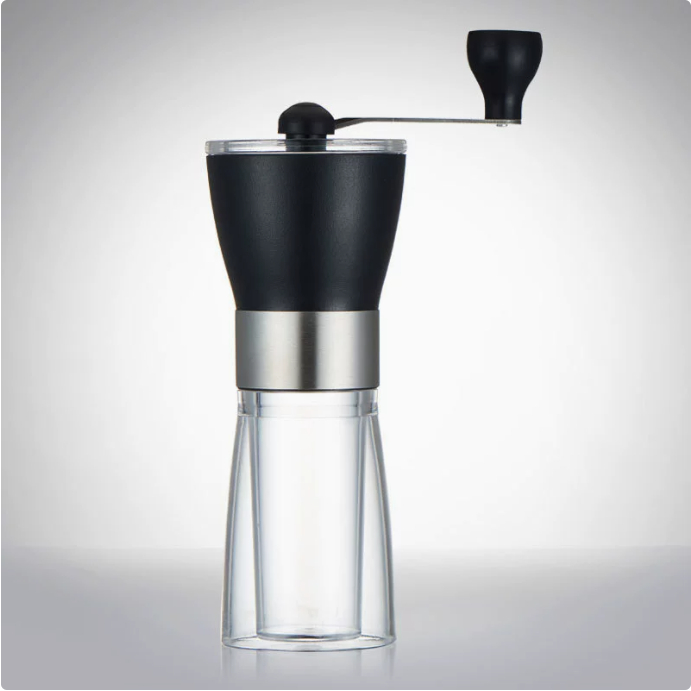

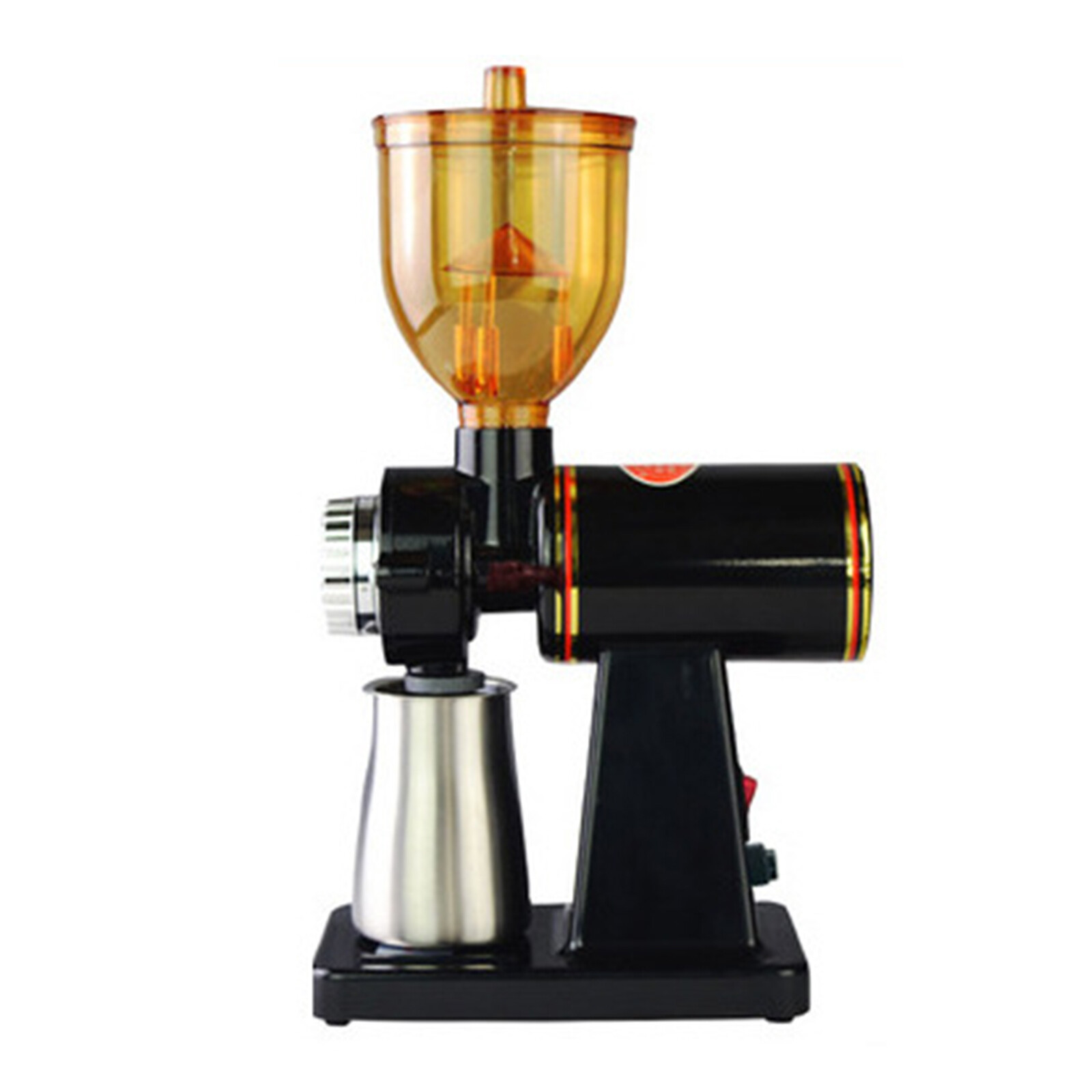
Photos from current listings. Actual item, color, and included accessories may vary.
Home Coffee Grinder Buying Guide
A home coffee grinder is the single most impactful upgrade for brew quality, defined by burr type (conical vs flat) and motor/drive architecture (electric vs hand crank). The core trade-off is particle consistency versus convenience and cost: cheap blade grinders pulverize unevenly, while true burr sets—especially flat or large conical—deliver the uniform grind that makes espresso, pour-over, and French press repeatable. The decision rule: buy a burr grinder with adjustable stepped or stepless settings and a motor matched to your brew method; skip any blade or 'whirly' grinder if consistency matters.
Median $38.00
Key takeaways
- Burr geometry drives flavor clarity: conical burrs tolerate coarse grinds and are quieter, while flat burrs produce a narrower particle distribution favored for espresso.
- Electric home grinders typically run 100-200W motors at 1,300-1,600 RPM; low-RPM gear-reduced models reduce heat and static for delicate light roasts.
- Hand grinders use 38-48mm conical steel or ceramic burrs; stainless steel outlasts ceramic and holds alignment better over years of daily use.
At a glance
- Category
- Coffee Grinders
- Last updated
- Nov 28, 2026
Current offers
Highlights
- Burr geometry drives flavor clarity: conical burrs tolerate coarse grinds and are quieter, while flat burrs produce a narrower particle distribution favored for espresso.
- Electric home grinders typically run 100-200W motors at 1,300-1,600 RPM; low-RPM gear-reduced models reduce heat and static for delicate light roasts.
- Hand grinders use 38-48mm conical steel or ceramic burrs; stainless steel outlasts ceramic and holds alignment better over years of daily use.
- Step count and adjustment mechanism separate brew tiers: espresso needs 30+ micro-steps or stepless adjustment; drip and French press work with 10-15 coarse steps.
Best use cases
- Best for espresso: pick a stepless or 30+ step flat-burr electric grinder with a dosing cup and low retention; skip hand grinders unless you accept 60-90 seconds of cranking per shot.
- Best for drip and pour-over: a 40mm conical hand grinder or mid-tier electric conical burr grinder with 15-20 steps gives repeatable medium grinds at lower cost; skip blade grinders entirely.
- Best for French press and cold brew: coarse grind consistency matters less, so an entry conical burr hand grinder or budget electric burr model is sufficient; skip high-RPM spice/coffee combo mills.
- Wrong fit: a commercial-style electric grinder with a large hopper is overkill for single-cup brewers and stale coffee sits in the hopper; choose a single-dose low-retention model instead.
Buying tips
- Match burr size to volume: 38-40mm conical suits 1-2 cups daily; 48mm+ conical or 64mm+ flat burrs handle 3+ cups and espresso back-to-back without overheating.
- For espresso, require stepless or at least 30 micro-steps; a 15-step grinder cannot dial in a 25-30 second shot reliably across bean changes.
- Check burr material: hardened stainless steel or coated steel (TiN) resists wear for 500+ lb of beans; ceramic burrs chip and are brittle for dense light roasts.
- Prefer low-retention single-dose designs under 1g retention for freshness; hopper-based grinders retain 5-20g and stale grounds contaminate the next dose.
Specs
| Burr Type | Conical vs Flat / Steel vs Ceramic |
|---|---|
| Burr Size | 38-40mm hand / 48-64mm+ electric |
| Adjustment | Stepless or 15-40+ stepped |
| Drive | Hand crank vs 100-200W electric |
Related searches
What to check before buying
- Measure counter depth and height clearance: electric grinders run 7-12 in tall and 5-7 in wide; confirm it fits under upper cabinets and beside your brewer.
- Verify voltage and plug standard for your region (120V US vs 230V EU) and confirm the motor wattage matches your outlet; hand grinders are universal.
- Check burr accessibility for cleaning: removable upper burrs and a brush included make weekly cleaning feasible; sealed grind chambers trap oils and rancidify.
- Confirm dose compatibility: espresso baskets take 18-22g, so a grinder with a dosing cup or portafilter holder reduces mess; drip brewers need 30-60g capacity per batch.
FAQ
Data sources: eBay / Amazon listings and product attribute feeds. Updated Nov 28, 2026.
Some links on this page are affiliate links. If you buy after clicking one, we may earn a commission at no extra cost to you. This does not change which products appear here or their order. Affiliate disclosure.