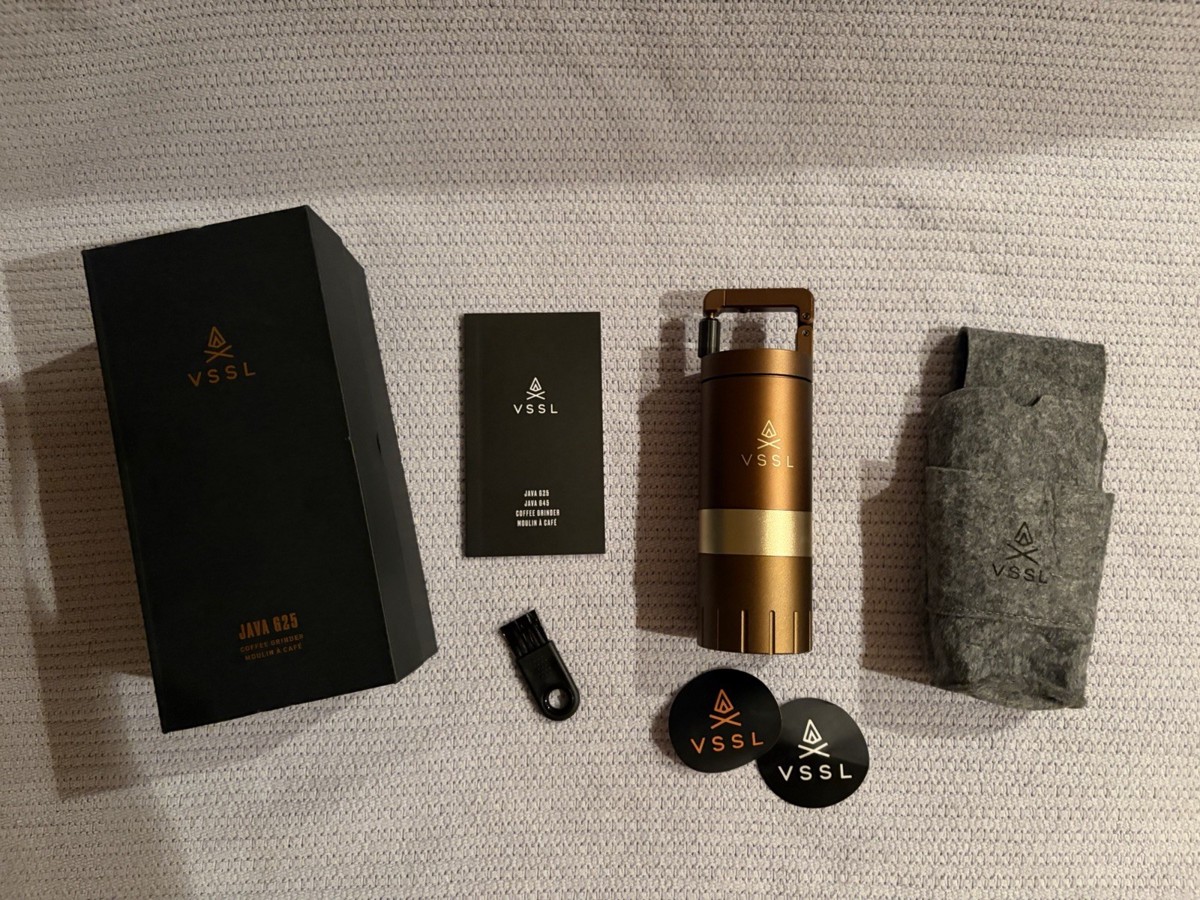

Photos from current listings. Actual item, color, and included accessories may vary.
Large Coffee Grinder Buying Guide
Large coffee grinders prioritize hopper capacity, burr size, and motor torque to grind high volumes without overheating or frequent refills. The primary trade-off is burr geometry and motor quality against footprint and cost: flat burrs with high-torque motors deliver consistent particle distribution for batch brewing, while small conical burrs stall on coarse settings and fine grinds alike. Choose a large grinder only if you regularly brew for 4+ cups or espresso back-to-back; otherwise a mid-size burr set is more consistent per dollar.
Key takeaways
- Commercial-grade flat burrs (64–98 mm) spin slower at 800–1400 RPM, reducing heat transfer to grounds versus small conical burrs that require 2000+ RPM for the same throughput.
- Hopper capacity of 1–2.2 lb (500 g–1 kg) supports 30–60 double shots or 8–12 drip pots before refilling, but whole-bean freshness drops after 2 weeks in an open hopper.
- Direct-drive motors above 250 W sustain continuous grinding for 60+ seconds without thermal cutoff; underpowered 100–150 W motors stall on coarse French press settings.
At a glance
- Category
- Coffee Grinders
- Last updated
- Nov 28, 2026
Current offers
Highlights
- Commercial-grade flat burrs (64–98 mm) spin slower at 800–1400 RPM, reducing heat transfer to grounds versus small conical burrs that require 2000+ RPM for the same throughput.
- Hopper capacity of 1–2.2 lb (500 g–1 kg) supports 30–60 double shots or 8–12 drip pots before refilling, but whole-bean freshness drops after 2 weeks in an open hopper.
- Direct-drive motors above 250 W sustain continuous grinding for 60+ seconds without thermal cutoff; underpowered 100–150 W motors stall on coarse French press settings.
- Stepless or 30+ step adjustment rings with micron-level markings (e.g., 10 µm per click) are required for espresso dialing; stepped grinders with fewer than 15 settings are brew-only.
Best use cases
- Best fit: home espresso bar serving 4–8 milk drinks daily — pick a 64 mm flat burr grinder with stepless adjustment and a 1 lb hopper to avoid re-dialing between shots.
- Best fit: batch drip or French press for 6+ people — choose a large conical or flat burr grinder with coarse-step consistency and a 1.5–2 lb hopper; skip espresso-focused stepless rings that drift at coarse settings.
- Wrong fit: single-cup pour-over drinkers — a large hopper encourages stale beans; a hand grinder or small 40 mm conical burr grinder delivers fresher doses with less retained grounds.
- Wrong fit: travel or camping — large grinders weigh 6–15 lb and require AC power; a manual large-capacity grinder (e.g., 40 g+ catch chamber) is the only viable portable option.
Buying tips
- Match burr diameter to volume: 64 mm flat burrs grind 20 g in 3–5 seconds and handle 2+ lb per week; 98 mm burrs cut that to 2–3 seconds but require a 15+ amp circuit and counter clearance of 18+ inches.
- Check hopper lid seal and bean gate: large hoppers without a silicone gasket let humidity in; a sliding gate lets you swap beans without emptying 2 lb of coffee.
- Verify voltage and plug standard: 220–240 V commercial grinders need a step-up transformer in North America and will run at wrong RPM on 120 V, altering grind particle distribution.
- Prioritize metal burr carriers and stepless adjustment collars over plastic; plastic carriers flex under torque, causing burr misalignment and inconsistent extraction at fine espresso settings.
Specs
| Burr Type | Flat vs Conical (64–98 mm) |
|---|---|
| Hopper Capacity | 1–2.2 lb (500 g–1 kg) |
| Adjustment | Stepless vs 15–30+ steps |
| Motor Power | 250–500 W direct-drive |
Related searches
What to check before buying
- Measure counter depth and height clearance: large grinders run 14–18 inches tall and 8–12 inches deep; confirm the hopper lid opens fully under upper cabinets.
- Confirm your brew method's grind range: espresso requires stepless or 30+ steps with 10 µm resolution; drip and French press work with 15–20 stepped settings, so skip espresso-focused burr sets.
- Check electrical circuit: motors above 250 W draw 2.5+ amps at 120 V; sharing a kitchen circuit with a kettle or microwave can trip breakers during continuous grinding.
- Plan for static and retention: large burr chambers retain 5–20 g of grounds; buy a grinder with a bellows or drop-through design if you single-dose and switch beans often.
FAQ
Data sources: eBay / Amazon listings and product attribute feeds. Updated Nov 28, 2026.
Some links on this page are affiliate links. If you buy after clicking one, we may earn a commission at no extra cost to you. This does not change which products appear here or their order. Affiliate disclosure.