
Photos from current listings. Actual item, color, and included accessories may vary.
Manual Burr Coffee Grinder Buying Guide
Manual burr coffee grinders use hand-cranked ceramic or steel burrs to crush beans consistently without electricity, trading speed and convenience for portability, low noise, and zero power draw. The core trade-off is burr material and geometry: ceramic burrs resist heat and corrosion but fracture under coarse settings, while hardened steel conical or flat burrs deliver better uniformity for espresso and pour-over. Choose a steel-burr model with external adjustment and a stabilized shaft for serious brewing; accept a ceramic-burr entry unit only for drip or French press.
Median $201.39 · New & pre-owned listings
Key takeaways
- Ceramic burr sets suit medium-to-coarse drip and French press but chip on coarse settings; hardened steel conical burrs hold espresso-fine edges longer.
- External adjustment rings with numbered clicks (typically 30-90 steps) beat stepless friction collars for repeatable espresso dialing and recipe recall.
- A dual-bearing or bushing-supported central shaft prevents burr wobble; single unsupported shafts produce boulders and fines that stall extraction.
At a glance
- Category
- Coffee Grinders
- Last updated
- Nov 28, 2026
Current offers
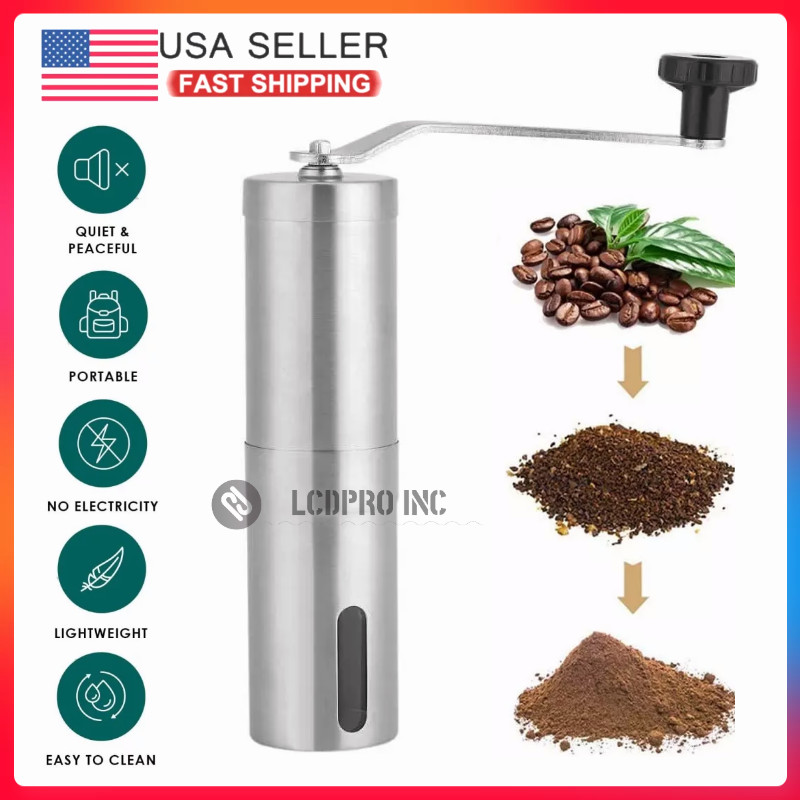 Manual Coffee Bean Grinder Stainless Steel Hand Coffee Mill Ceramic Burr US Ship$10.97View on eBay
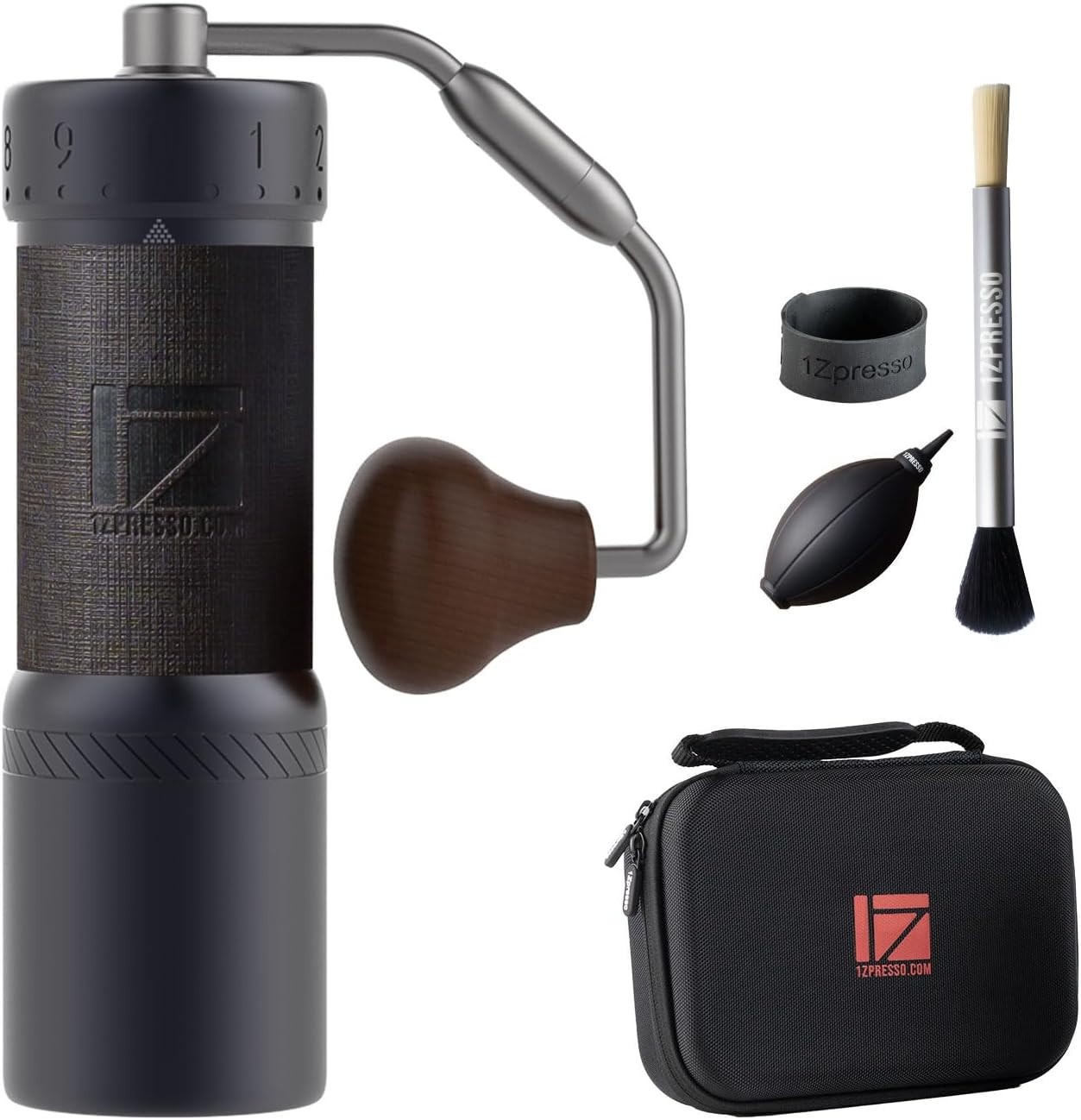 1Zpresso J-Ultra Manual Coffee Grinder Iron Gray, Conical Burr, Foldable Handle,$201.39New · Last checked Nov 17, 2026View on eBay
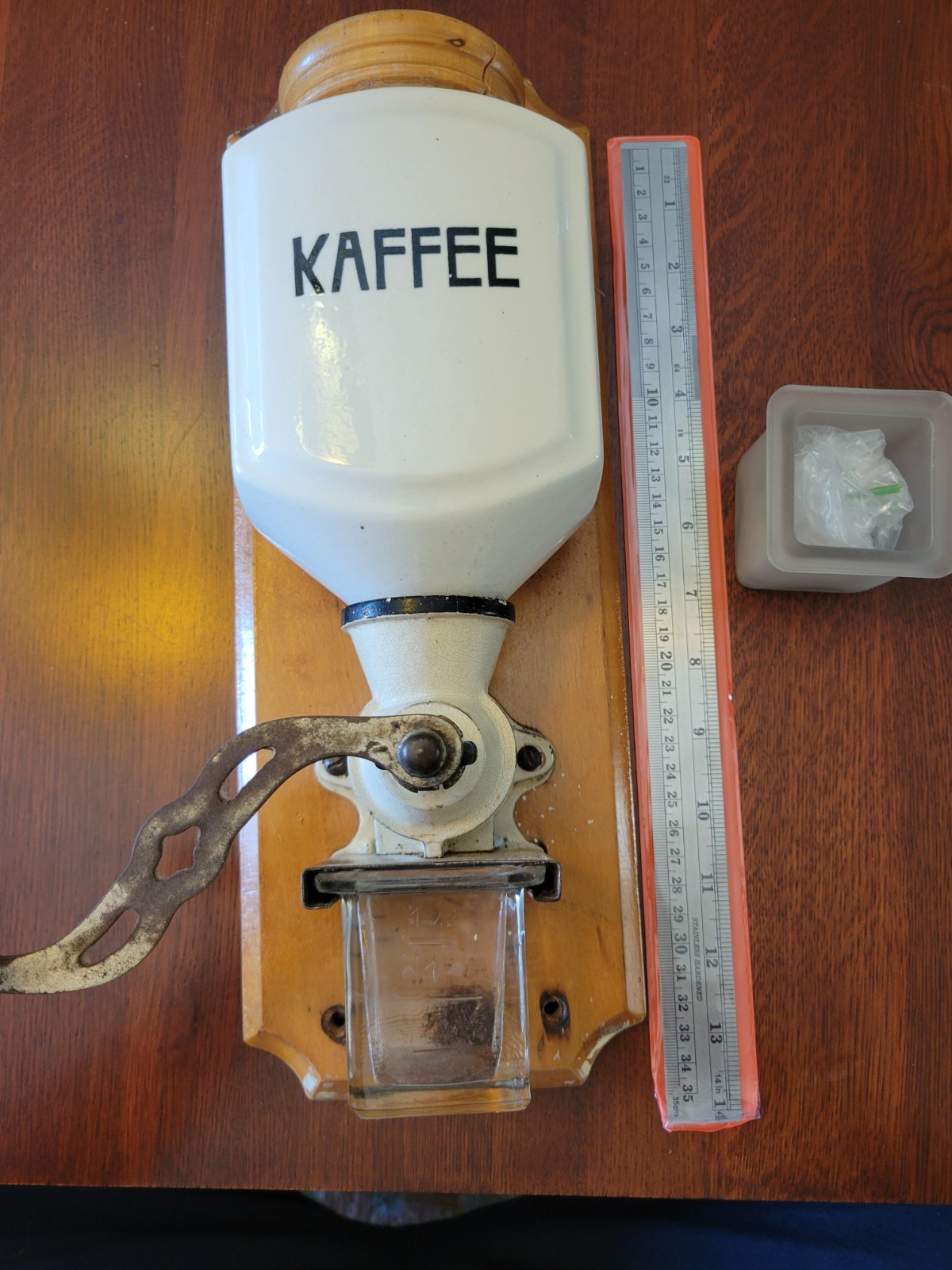 Leinbrock-Werke Manual Burr Hand Coffee Grinder for Espresso, White Metal$211.57Used · Last checked Nov 27, 2026View on eBay
Highlights
- Ceramic burr sets suit medium-to-coarse drip and French press but chip on coarse settings; hardened steel conical burrs hold espresso-fine edges longer.
- External adjustment rings with numbered clicks (typically 30-90 steps) beat stepless friction collars for repeatable espresso dialing and recipe recall.
- A dual-bearing or bushing-supported central shaft prevents burr wobble; single unsupported shafts produce boulders and fines that stall extraction.
- Foldable or detachable handles and 25-40 g hopper capacities define travel vs countertop use; stainless bodies resist denting better than aluminum.
Best use cases
- Best fit: frequent espresso or pour-over brewers should pick a steel conical burr with at least 40 external clicks and a stabilized shaft; skip ceramic burr units that cannot hold fine settings.
- Best fit: campers, travelers, and office workers need a foldable-handle grinder under 600 g with a sealed hopper; skip heavy cast-iron or large-hopper countertop models.
- Best fit: French press and drip drinkers can accept a ceramic burr grinder with coarse adjustment; skip expensive espresso-focused steel burrs if you never brew below medium.
- Wrong fit: anyone grinding more than 60 g daily should use an electric burr grinder; manual cranking at that volume causes fatigue and inconsistent speed.
Buying tips
- Match burr type to brew method: ceramic for coarse drip/French press, hardened steel conical for espresso and pour-over; steel flat burrs are rare and costly in manual units.
- Count adjustment steps: 30-60 clicks covers drip to espresso; fewer than 20 clicks cannot dial espresso repeatably. External rings beat internal nut adjusters.
- Check shaft support: dual-bearing designs reduce wobble; a single bushing or unsupported shaft causes inconsistent particle size at fine settings.
- Weigh portability: travel grinders sit under 600 g with foldable handles; countertop models exceed 800 g but offer larger hoppers and smoother cranking.
Specs
| Burr Material | Hardened steel vs ceramic |
|---|---|
| Adjustment Steps | 30-90 external clicks |
| Hopper Capacity | 20-40 g single-dose |
| Shaft Support | Dual-bearing vs single bushing |
Related searches
What to check before buying
- Measure your brew dose: hoppers under 25 g suit single cups; 30-40 g hoppers handle two-cup brews without refilling.
- Confirm burr material and replacement availability: steel burrs should be user-replaceable; ceramic burrs are often press-fit and non-serviceable.
- Check handle and shaft interface: foldable handles must lock securely; wobbling handle-to-shaft joints wear the axle and cause burr misalignment.
- Verify grind-range claim against your method: espresso needs fine adjustment below 15 clicks from zero; French press needs coarse steps above 25 clicks.
FAQ
Data sources: eBay / Amazon listings and product attribute feeds. Updated Nov 28, 2026.
Some links on this page are affiliate links. If you buy after clicking one, we may earn a commission at no extra cost to you. This does not change which products appear here or their order. Affiliate disclosure.