
Photos from current listings. Actual item, color, and included accessories may vary.
Single Dose Coffee Grinder Buying Guide
Single-dose grinders are built to weigh and grind exactly one fixed dose per shot or cup with near-zero retention, eliminating stale grounds and enabling precise bean-to-cup dialing. The core trade-off is burr geometry and alignment versus motor and retention engineering: flat burrs deliver unimodal espresso clarity at higher cost and size, while conical burrs offer forgiving, wide-range grinding in compact bodies. The durable rule is simple: buy a true zero-retention path with anodized aluminum or steel burrs and metal burr carriers; skip plasticky hopper-fed units rebadged as single-dose.
Median $164.49 · Pre-owned listings
Key takeaways
- True single-dose architecture means a vertical or near-vertical bean chute with minimal horizontal ledges, typically under 0.5 g retention; horizontal hopper-fed designs always retain 2-4 g.
- Burr metallurgy drives longevity: hardened steel or coated burrs rated 600-1200 kg throughput, versus stamped or ceramic burrs that dull and shift particle distribution in months.
- 64 mm flat steel burrs run 300 W+ motors for espresso-fine throughput, while 48 mm conical sets pair with lower-torque motors and are better suited to filter and travel use.
At a glance
- Category
- Coffee Grinders
- Last updated
- Nov 28, 2026
Current offers
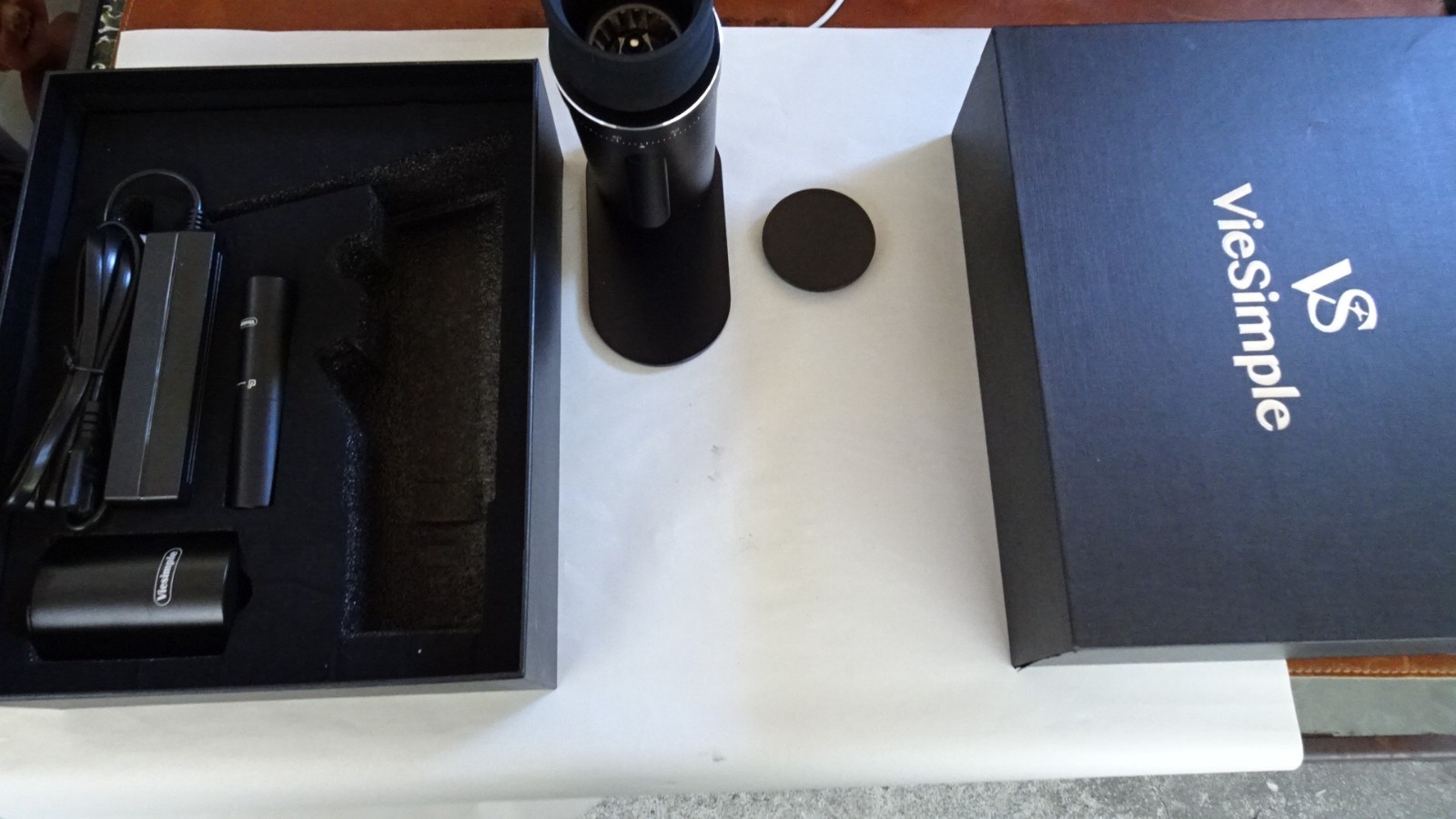 VieSimple Gen 4 Electric Burr Coffee Grinder, Single Dose, Espresso,Black$129.00View on eBay
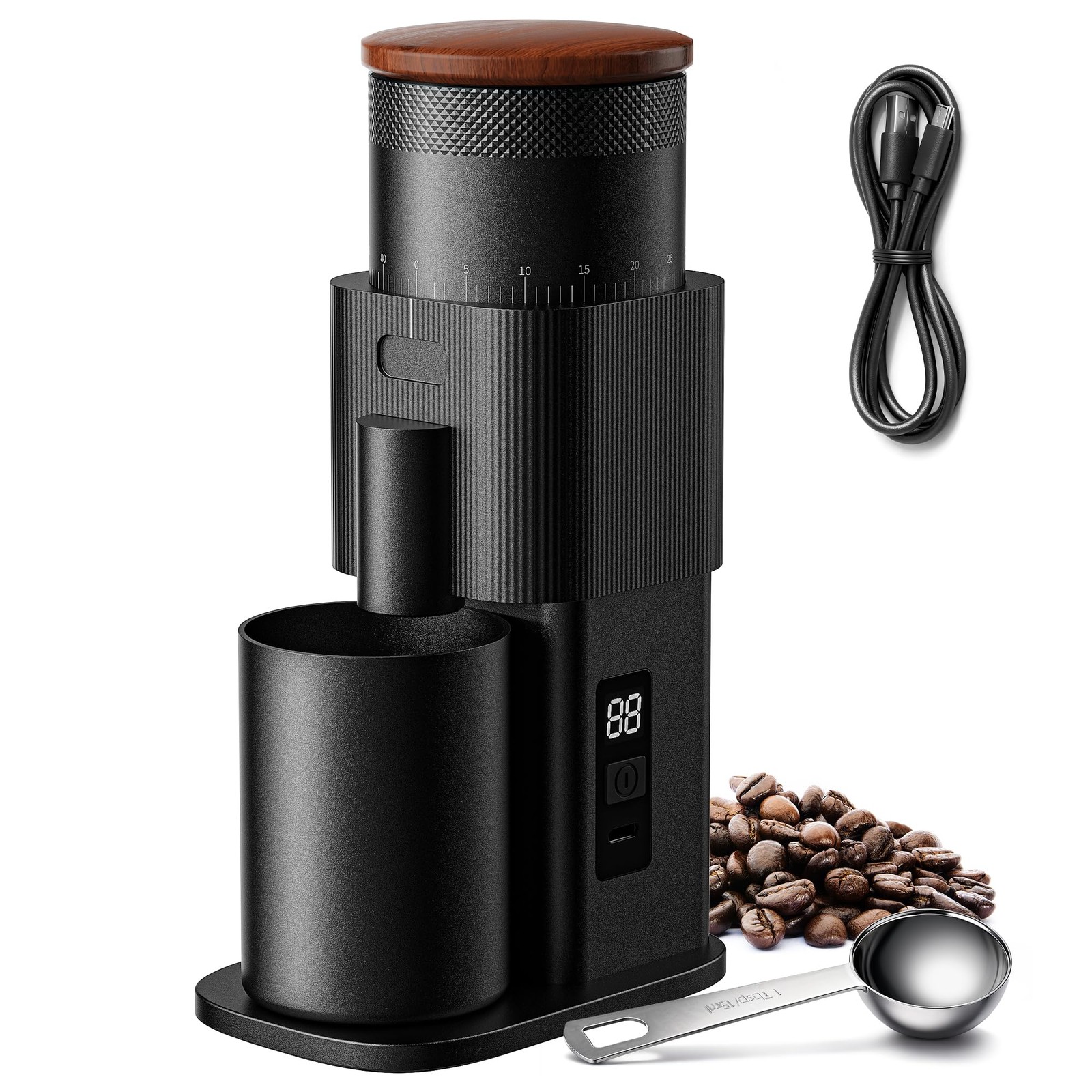 SHARDOR Single-Dose Coffee Grinder UL-BZ02-BK-DL2507US Black$159.98View on eBay
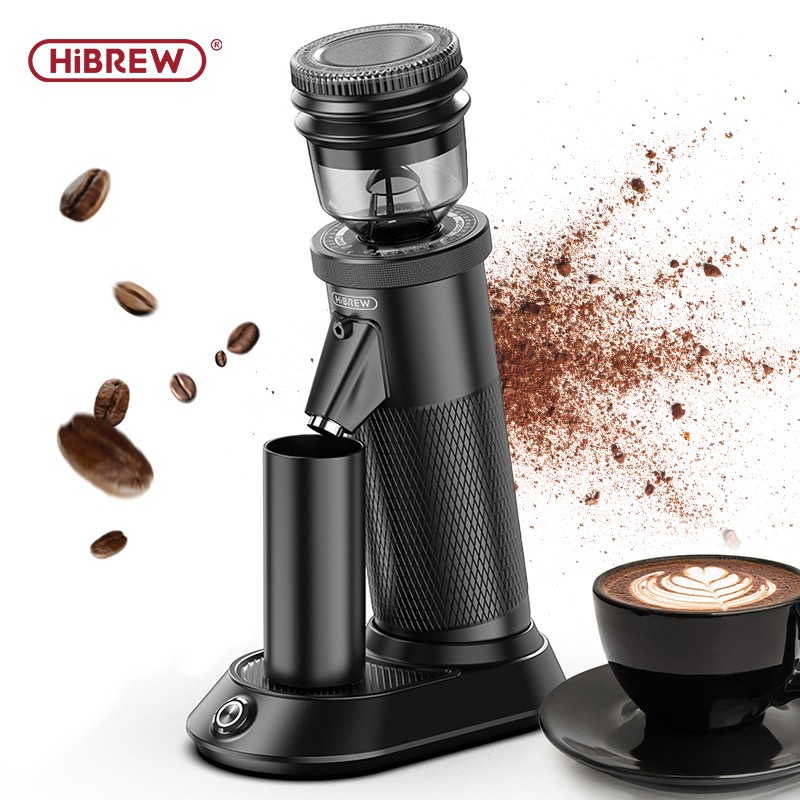 HiBREW G5 Single Dose Coffee Grinder 48mm Conical Burr 36 Settings for Espresso$169.00View on eBay
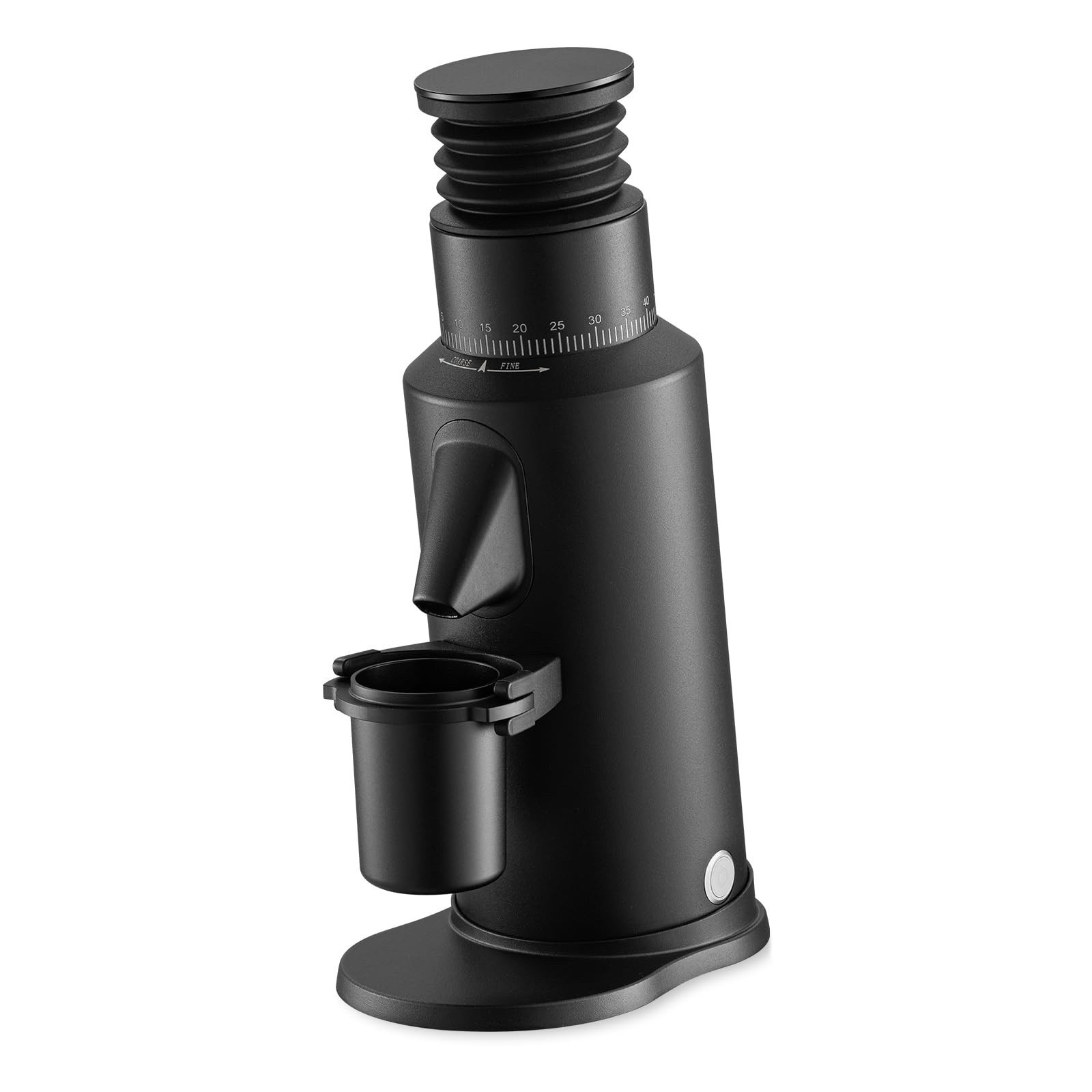 T64 Single Dose Espresso Coffee Grinder 64mm Flat Burr 300W 110V-120V Black$259.00Used · Last checked Nov 27, 2026View on eBay
Highlights
- True single-dose architecture means a vertical or near-vertical bean chute with minimal horizontal ledges, typically under 0.5 g retention; horizontal hopper-fed designs always retain 2-4 g.
- Burr metallurgy drives longevity: hardened steel or coated burrs rated 600-1200 kg throughput, versus stamped or ceramic burrs that dull and shift particle distribution in months.
- 64 mm flat steel burrs run 300 W+ motors for espresso-fine throughput, while 48 mm conical sets pair with lower-torque motors and are better suited to filter and travel use.
- Step resolution determines dial-in precision: stepless or 30+ micro-step adjustment allows espresso ratio tuning; 15-20 coarse clicks are filter-only and will stall espresso extraction.
Best use cases
- Pick a 64 mm flat-burr, 300 W class grinder if you pull multiple espresso shots daily and chase clarity and repeatability; skip conical 48 mm units for high-volume espresso.
- Pick a 48 mm conical single-dose unit if you brew filter, AeroPress, or travel and want compact size and forgiving dial-in; skip 64 mm flats if counter depth and budget are constrained.
- Pick a stepless or 30+ setting model if you swap beans and brew methods weekly; skip click-detent grinders with fewer than 20 settings if espresso is on your list.
- Pick a metal-bodied unit with a dosing cup if you single-dose by weight; skip hopper-only designs and plastic burr housings that flex under espresso-fine load.
Buying tips
- Match burr size to brew method: 64 mm flat steel for espresso clarity and throughput; 48-55 mm conical steel for filter, moka, and low-volume espresso.
- Require stepless or at least 30 micro-steps for espresso; 15-20 macro clicks cannot fine-tune a 25-30 second shot window reliably.
- Check motor wattage against burr size: 300 W+ for 64 mm flats; 150-250 W for 48 mm conical; underpowered motors stall on light-roast espresso fines.
- Confirm the grind path is all-metal at the burr carrier and chute; plastic carriers flex and cause burr misalignment, which shows up as channeling and inconsistent extraction.
Specs
| Burr Type | Flat steel vs conical steel |
|---|---|
| Burr Size Class | 48-55 mm conical / 64 mm flat |
| Retention Target | Under 0.5 g per single dose |
| Grind Adjustment | Stepless or 30+ micro-steps |
Related searches
What to check before buying
- Measure your counter depth and height clearance: 64 mm flat grinders typically run 25-30 cm deep and 40-45 cm tall; 48 mm conical units fit under standard 45 cm upper cabinets.
- Confirm your dose range: 50 g capacity covers a double shot plus top-off, but dual-purpose filter and espresso dosing favors 60-80 g chutes.
- Verify voltage and plug: US units are 110-120 V with Type B plugs; 220-240 V European or Asian models need a step-up transformer and will void warranties.
- Budget for companion gear: a 0.1 g resolution scale and a dosing cup sized to your portafilter are required for true single-dosing accuracy.
FAQ
Data sources: eBay / Amazon listings and product attribute feeds. Updated Nov 28, 2026.
Some links on this page are affiliate links. If you buy after clicking one, we may earn a commission at no extra cost to you. This does not change which products appear here or their order. Affiliate disclosure.