
Photos from current listings. Actual item, color, and included accessories may vary.
Meat Buying Guide
Meat dehydrators are countertop appliances built to hold low temperatures (95–165°F) for hours while moving air evenly across thin, lean strips of beef, venison, or poultry. The decisive trade-off is between horizontal airflow with generous tray spacing (even drying, no rotation) and vertical stack designs (cheaper, but require tray swapping). Buy horizontal airflow with adjustable thermostat and stainless trays for safe jerky; skip fixed-temperature round stack units for raw meat.
Median $216.97 · New listings
Key takeaways
- Horizontal airflow (rear-mounted fan) dries all trays evenly without rotation; vertical-flow stack units need trays swapped every few hours for uniform results.
- Jerky safety requires holding meat at 160°F internally before drying; choose a dehydrator with an adjustable thermostat reaching at least 165°F, not a preset 135°F-only unit.
- Tray material matters: stainless steel trays resist acidic marinades and clean easily; plastic trays can retain odors and warp near the heating element over years.
At a glance
- Category
- Food Dehydrators
- Last updated
- Nov 28, 2026
Current offers
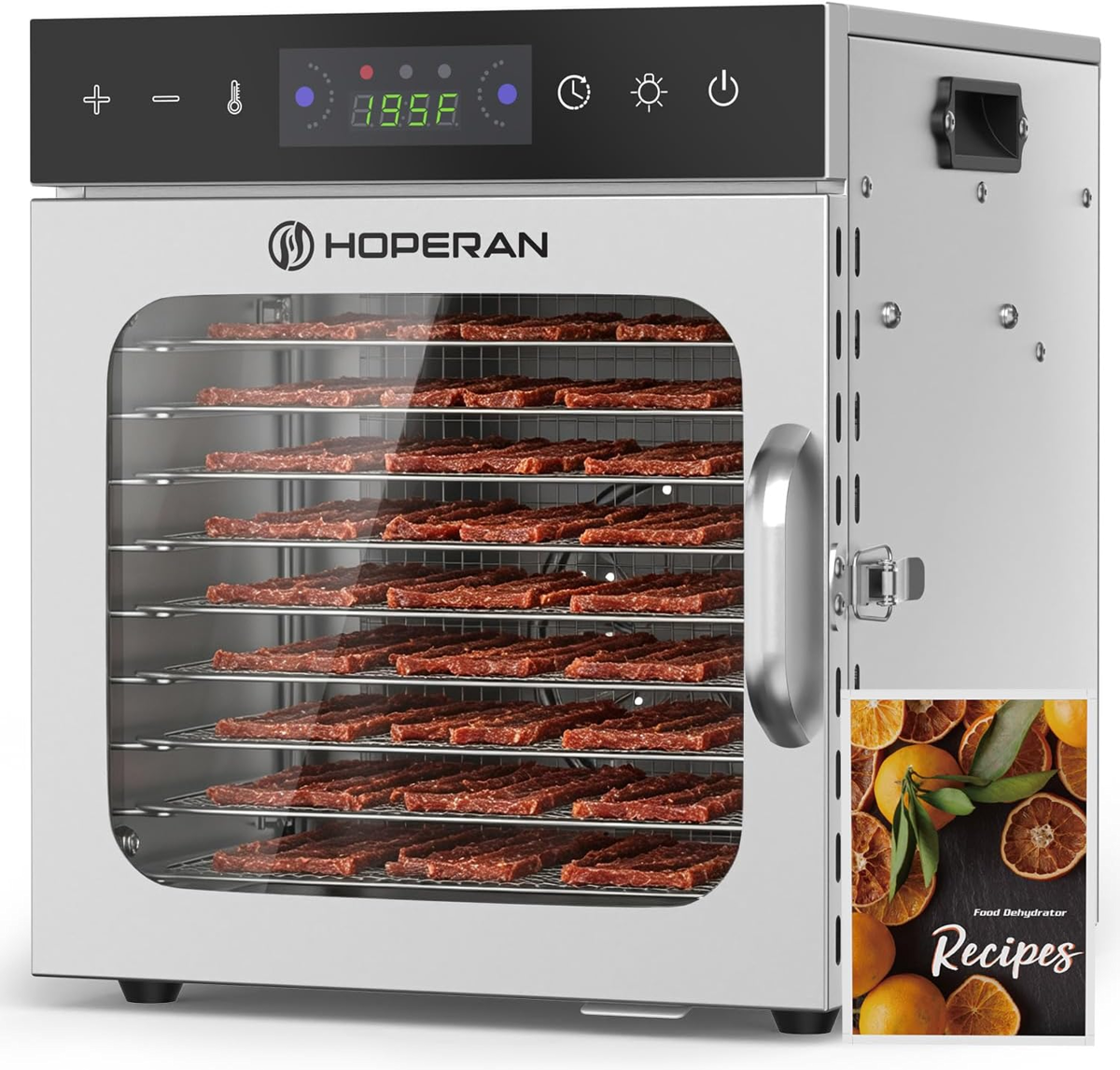 HOPERAN 10 Tray Food Dehydrator Meat Jerky Fruit Herb Dog Treat Dryer Stainless$230.95New · Last checked Nov 27, 2026View on eBay
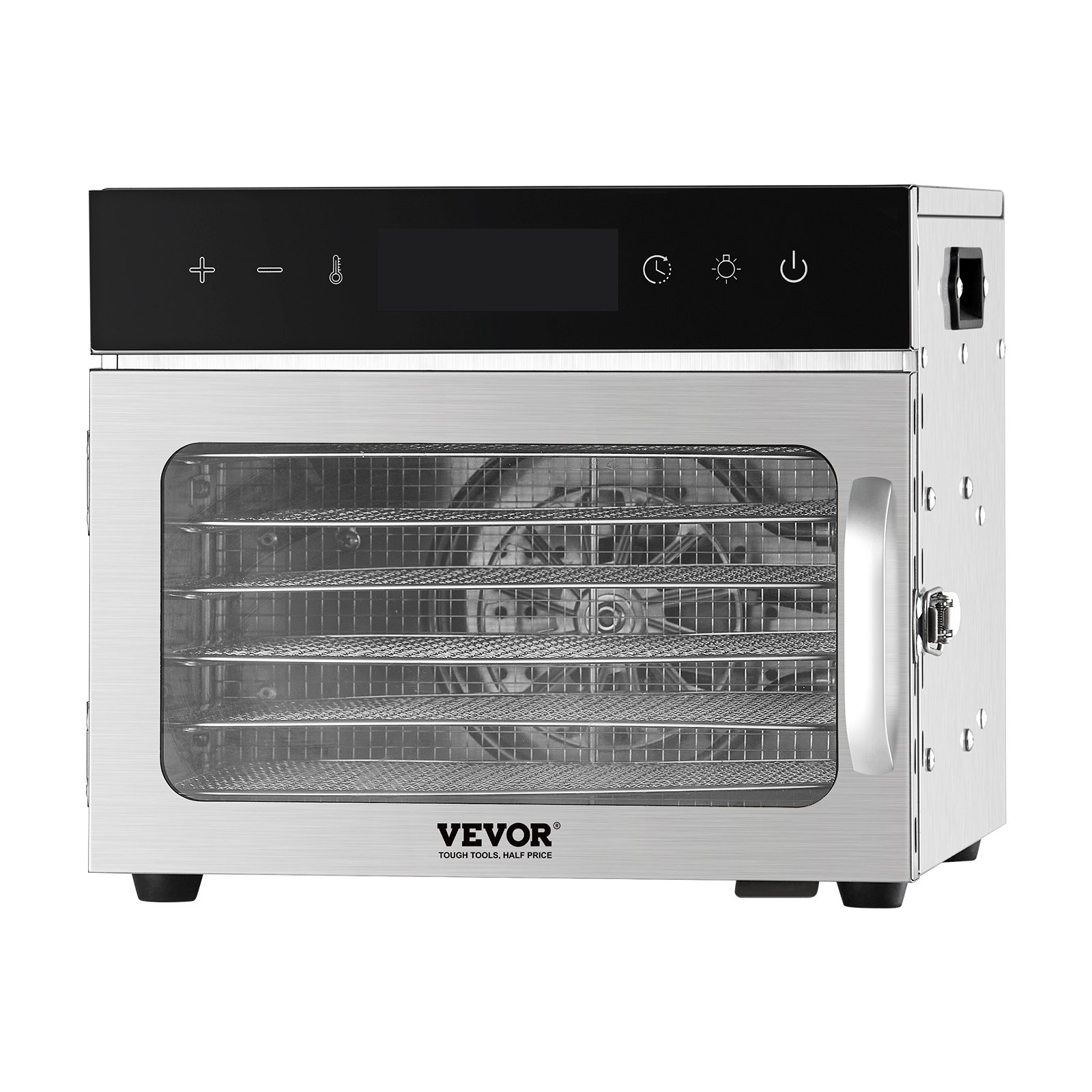 6 Trays Food Dehydrator Machine Stainless Steel 400W Jerky Meat Fruit Drying$130.99View on Mallflare
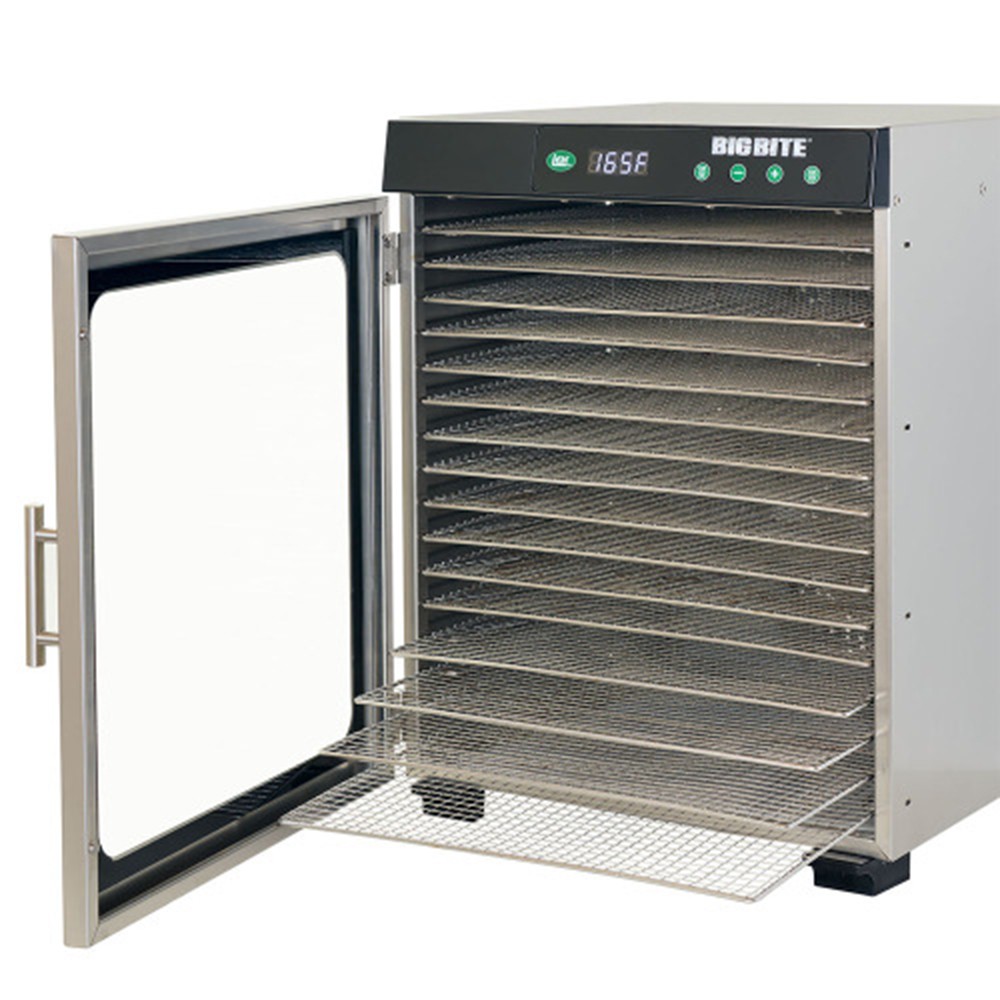 LEM BigBite 16-Tray Stainless Steel Dehydrator Jerky Meat Vegetables 1200W #1732$349.99New · Last checked Nov 17, 2026View on eBay
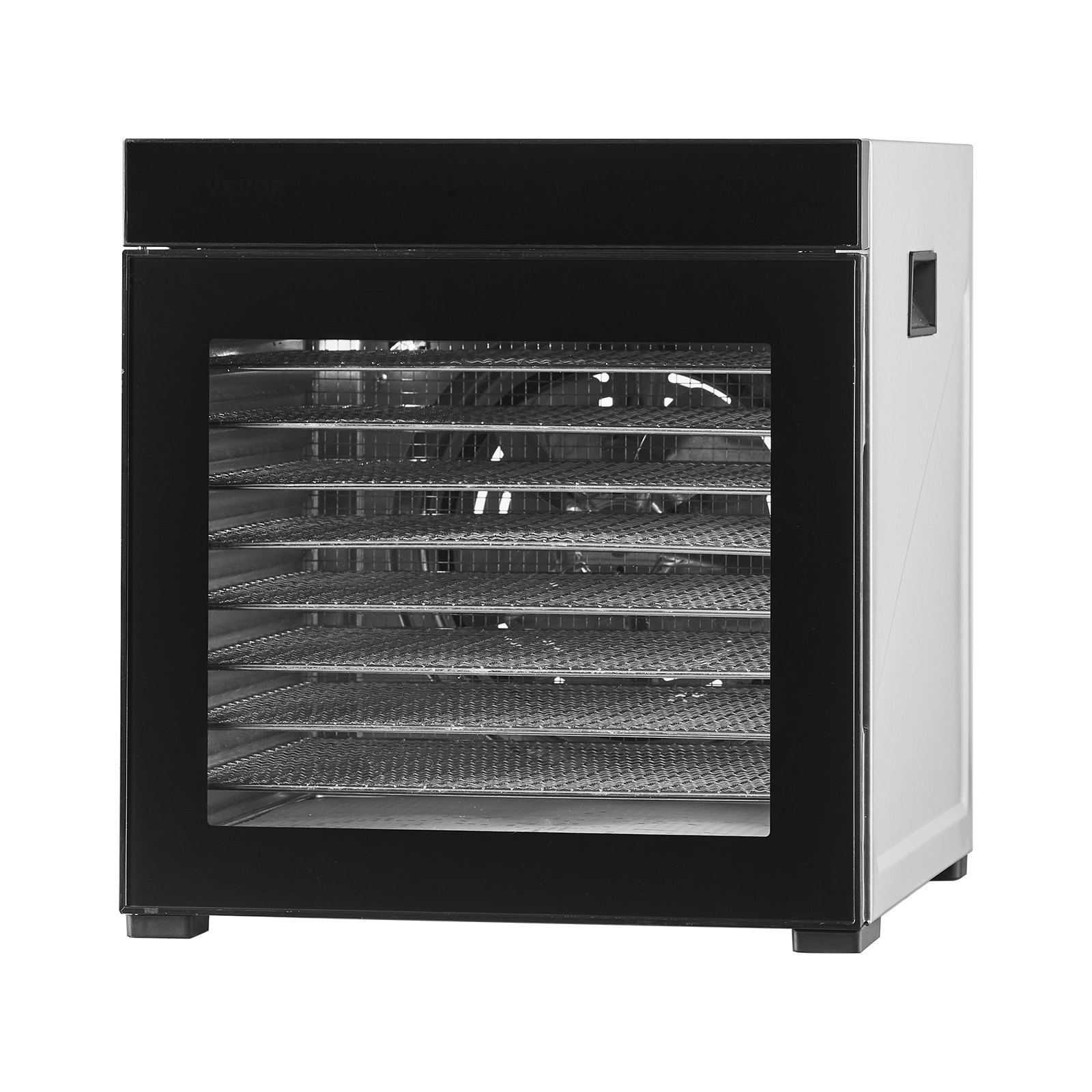 10 Trays Food Dehydrator Machine Stainless Steel 1000W Jerky Meat Fruit Drying$202.99View on Mallflare
Highlights
- Horizontal airflow (rear-mounted fan) dries all trays evenly without rotation; vertical-flow stack units need trays swapped every few hours for uniform results.
- Jerky safety requires holding meat at 160°F internally before drying; choose a dehydrator with an adjustable thermostat reaching at least 165°F, not a preset 135°F-only unit.
- Tray material matters: stainless steel trays resist acidic marinades and clean easily; plastic trays can retain odors and warp near the heating element over years.
- Watts drive recovery time: 1000–1200W units (like the LEM BigBite 16-tray class) maintain temperature after loading wet meat; sub-500W units stall and prolong drying.
Best use cases
- Best fit: whole-muscle beef jerky from eye of round or sirloin — pick a horizontal-flow unit with 160°F+ thermostat and 10+ trays for family batches; skip round stack units.
- Best fit: ground-meat jerky via a jerky gun — choose a unit with non-stick or stainless flat trays and a drip tray; skip mesh-only trays that let small pieces fall through.
- Wrong fit: high-fat cuts like brisket point or pork belly — no dehydrator prevents rancidity; use these only for immediate consumption or cure with nitrates and refrigerate.
- Best fit: venison and wild game — use a dedicated unit or wash trays thoroughly; pick stainless trays and a removable drip tray for easy sanitizing between batches.
Buying tips
- Slice meat 1/8–1/4 inch thick against the grain for tender jerky; thicker slices need 165°F pre-heat and longer drying, so tray count matters more than peak watts.
- Choose a thermostat range spanning 95–165°F with ±5°F accuracy; a 160°F preheat step kills pathogens before the 145–155°F drying phase.
- Match tray count to batch size: 5 lbs of raw beef yields about 1.5–2 lbs jerky and fills 6–9 trays at 1/4-inch slices; buy 10+ trays for weekly batches.
- Look for rear horizontal fan plus adjustable vents; vertical stack units without a fan rely on convection and dry bottom trays fastest.
Specs
| Airflow | Horizontal rear-fan vs vertical stack |
|---|---|
| Thermostat | 95–165°F adjustable; 160°F+ required |
| Tray Material | Stainless steel vs plastic/mesh |
| Wattage | 1000–1200W for meat; sub-500W stalls |
Related searches
What to check before buying
- Counter footprint: confirm the unit fits under upper cabinets with clearance for the door swing and top vent; 16-tray horizontal units run roughly 18–20 inches deep.
- Power: a 1000–1200W dehydrator draws 8–10 amps; use a dedicated 15A kitchen circuit, not a shared GFCI strip with other appliances.
- Companion parts: budget for a jerky gun (ground meat), a mandoline or sharp knife for 1/8–1/4-inch slices, and extra trays if drying more than 5 lbs raw meat.
- Ventilation: place near a range hood or open window; drying meat releases moisture and odor, and units without adjustable vents can overdry edges.
FAQ
Data sources: eBay / Amazon listings and product attribute feeds. Updated Nov 28, 2026.
Some links on this page are affiliate links. If you buy after clicking one, we may earn a commission at no extra cost to you. This does not change which products appear here or their order. Affiliate disclosure.