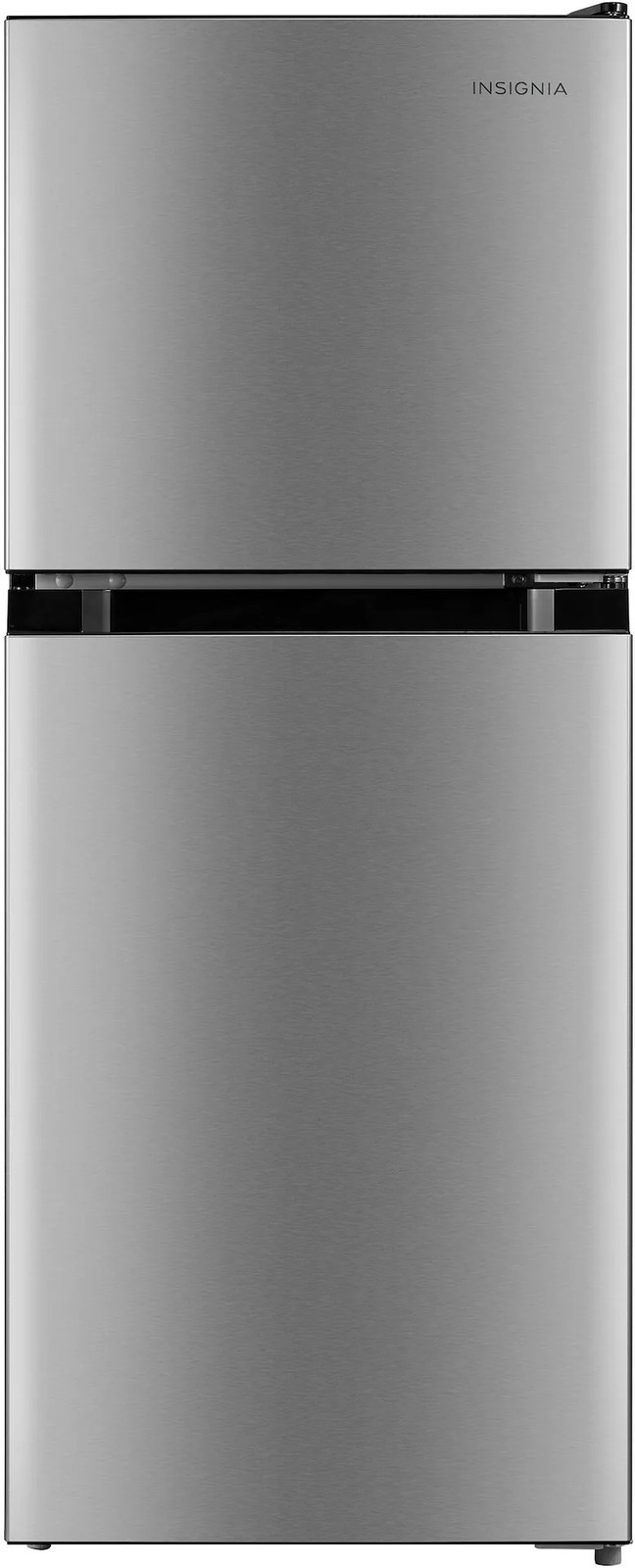

Photos from current listings. Actual item, color, and included accessories may vary.
Energy Star Mini Fridge Buying Guide
An Energy Star mini fridge is a compact refrigerator (typically 1.6–7.5 cu. ft.) certified by the EPA to meet strict energy-efficiency thresholds, usually via a reciprocating compressor with optimized insulation and door seals. The key trade-off is upfront cost versus long-term electricity use and cooling stability: cheaper thermoelectric units fail to hold food-safe temperatures, while Energy Star compressor models guarantee tested efficiency and reliable cold. Choose an Energy Star compressor model for daily food storage; skip Peltier (thermoelectric) units unless you only need beverage chilling in a climate-controlled room.
Key takeaways
- Energy Star certification requires models to be at least 10–15% more efficient than the federal minimum standard, verified by EPA-recognized labs.
- Compressor-based mini fridges (reciprocating or rotary) maintain 34–40°F reliably; thermoelectric units typically only reach 35–45°F below ambient and are not food-safe in warm rooms.
- Top-freezer mini fridges (4.0–4.5 cu. ft.) separate frozen and fresh zones; all-refrigerator models offer more flexible shelving but no true freezer.
At a glance
- Category
- Home Refrigerators, Freezers & Wine Coolers
- Last updated
- Nov 28, 2026
Current offers
Highlights
- Energy Star certification requires models to be at least 10–15% more efficient than the federal minimum standard, verified by EPA-recognized labs.
- Compressor-based mini fridges (reciprocating or rotary) maintain 34–40°F reliably; thermoelectric units typically only reach 35–45°F below ambient and are not food-safe in warm rooms.
- Top-freezer mini fridges (4.0–4.5 cu. ft.) separate frozen and fresh zones; all-refrigerator models offer more flexible shelving but no true freezer.
- Manual-defrost models dominate budget tiers; auto-defrost (frost-free) adds convenience but raises energy use slightly and is rarer under 5 cu. ft.
Best use cases
- Dorm or office daily food storage: pick an Energy Star compressor model with a separate top freezer (4.0–4.5 cu. ft.) and manual defrost for the best efficiency-to-cost balance.
- Bedroom or hotel beverage chilling: a 1.6–2.0 cu. ft. thermoelectric or small compressor unit suffices if ambient stays below 80°F; skip full-size 4.5 cu. ft. models to save space and energy.
- Garage or basement installation: choose a garage-ready Energy Star model rated for 0–110°F ambient; standard mini fridges lose efficiency or fail in temperature extremes. Skip unrated units for unconditioned spaces.
Buying tips
- Sizing rule: allow 1.5–2 inches of clearance on sides and back for compressor ventilation; measure doorway width and height before buying any model above 3.5 cu. ft.
- Energy Star tier: a 4.5 cu. ft. top-freezer Energy Star unit uses roughly 250–320 kWh/year; non-certified equivalents can exceed 400 kWh/year—check the yellow EnergyGuide label for exact annual kWh.
- Material and seal grade: look for reversible doors, magnetic gaskets, and at least two glass shelves; wire shelves are less spill-proof but improve air circulation.
- Generation difference: newer inverter compressors (variable-speed) run quieter and more efficiently than fixed-speed compressors; favor inverter models when noise and energy matter.
Specs
| Cooling Tech | Compressor vs Thermoelectric (Peltier) |
|---|---|
| Energy Star Tier | Certified: 10–15% below federal minimum |
| Defrost Type | Manual vs Auto (frost-free) |
| Freezer Zone | Top freezer vs all-refrigerator |
Related searches
What to check before buying
- Measure your opening: width, depth, and height including door swing; add 2 inches rear and side clearance for compressor airflow.
- Confirm electrical: standard 115V 60Hz grounded outlet on a dedicated circuit; avoid extension cords and GFCI-only circuits for compressor startup.
- Check ambient rating: for garages or porches, verify the unit is rated for 0–110°F (garage-ready); standard models are for indoor 55–90°F only.
- Verify door swing and handle clearance: reversible doors help tight corners; ensure the door opens at least 90° for shelf access.
FAQ
Data sources: eBay / Amazon listings and product attribute feeds. Updated Nov 28, 2026.
Some links on this page are affiliate links. If you buy after clicking one, we may earn a commission at no extra cost to you. This does not change which products appear here or their order. Affiliate disclosure.