
Photos from current listings. Actual item, color, and included accessories may vary.
Fridge Without Freezer Buying Guide
A fridge without a freezer is a dedicated fresh-food refrigerator, either an all-refrigerator or a dual-zone wine/beverage cooler, where the entire usable volume stays above freezing. The primary trade-off is interior layout versus temperature stability: all-refrigerator cabinets maximize fresh-food shelving, while wine/beverage coolers trade that volume for tighter thermostatic control and vibration isolation. The decision rule is simple: if you store fresh food, choose a manual-defrost or frost-free all-refrigerator with a dedicated temperature range; if you store wine or beverages, choose a compressor cooler rated for that specific temperature range and accept the smaller usable volume.
Median $285.99 · New & pre-owned listings
Key takeaways
- All-refrigerators are distinguished by defrost method: manual-defrost models hold steady humidity for produce but require periodic ice removal; frost-free models add a small heater and fan for zero-maintenance operation at the cost of lower humidity.
- Wine and beverage coolers are built around compressor, thermoelectric, or absorption cooling; only compressor units hold stable 41–64°F (5–18°C) wine-serving ranges and survive ambient heat above 80°F.
- Interior capacity scales with cabinet depth and shelving type: full-depth all-refrigerators use glass or wire shelves on molded tracks, while wine coolers use beech or wire racks counted in bottle pitch (typically 3–3.5 inches per bottle).
At a glance
- Category
- Home Refrigerators, Freezers & Wine Coolers
- Last updated
- Nov 28, 2026
Current offers
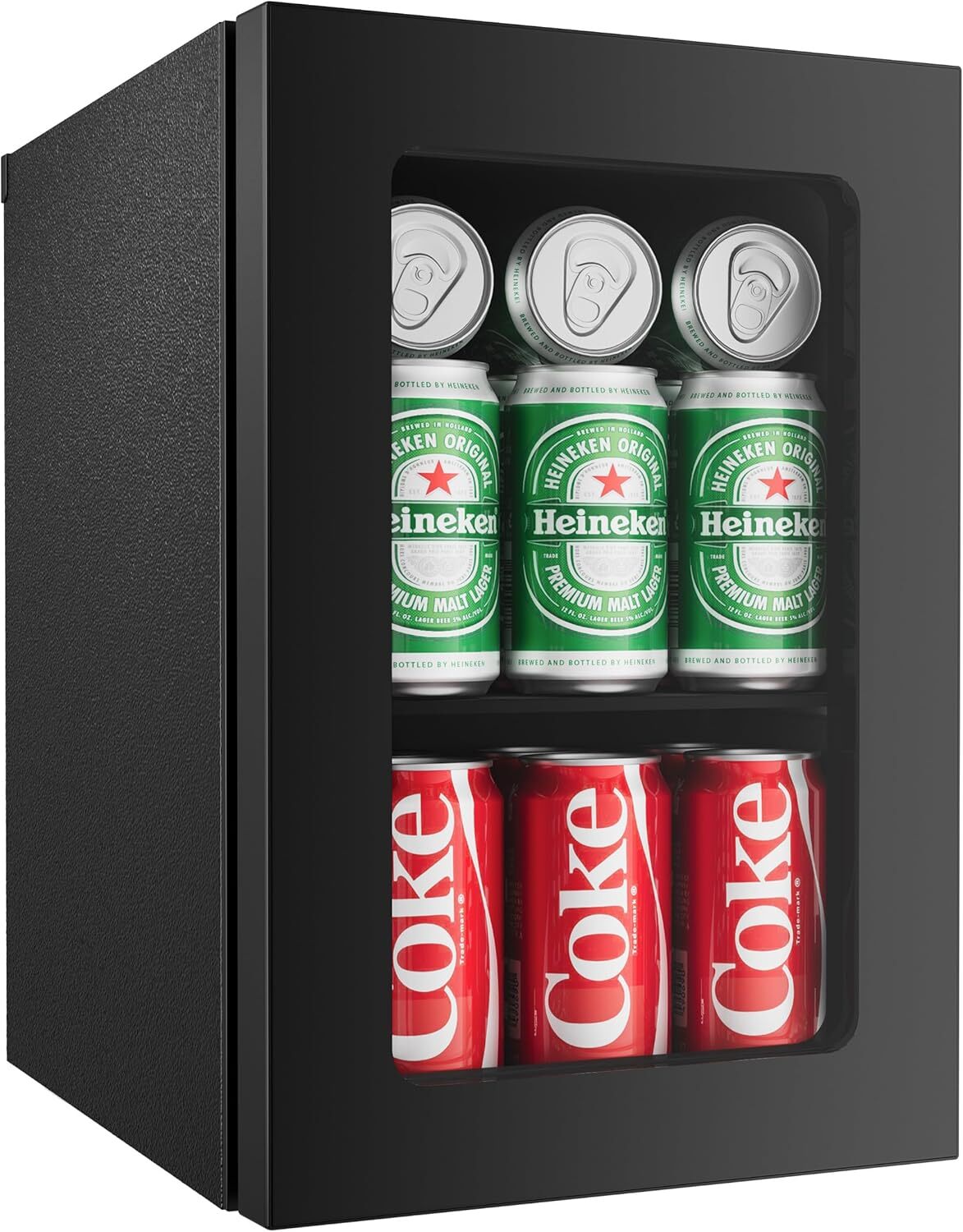 Beverage Cooler Mini Fridge for Drinks Beer Wine Home Bar$74.99Last checked Nov 19, 2026View on eBay
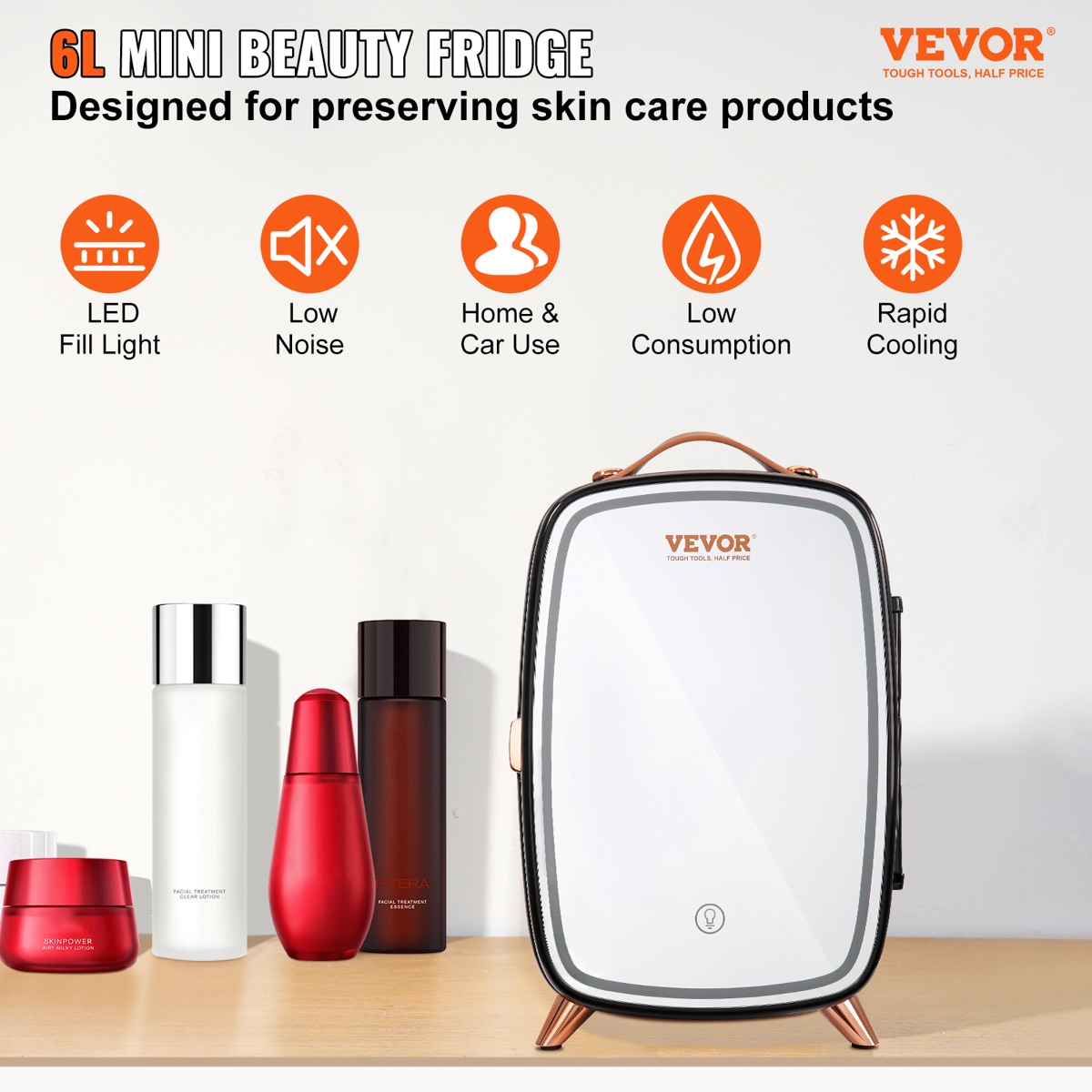 Vevor Mini Fridge, 6L Skincare With LED Light And HD Mirror, AC DC Makeup Fridges For Skin Care, Cosmetic Storage, Chill Face Mask Drink, Small Refrigerator For Bedroom Dorm Desktop, Black$53.99View on Mallflare
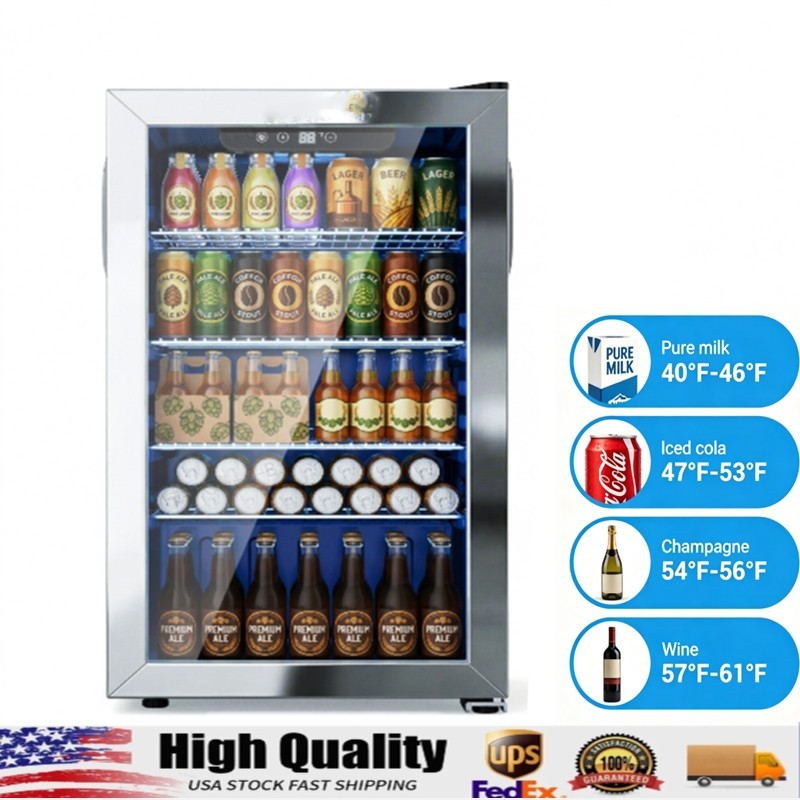 130 Can Mini Fridge Beverage Refrigerator Cooler Soda with Glass Door for Home$93.99Last checked Nov 25, 2026View on eBay
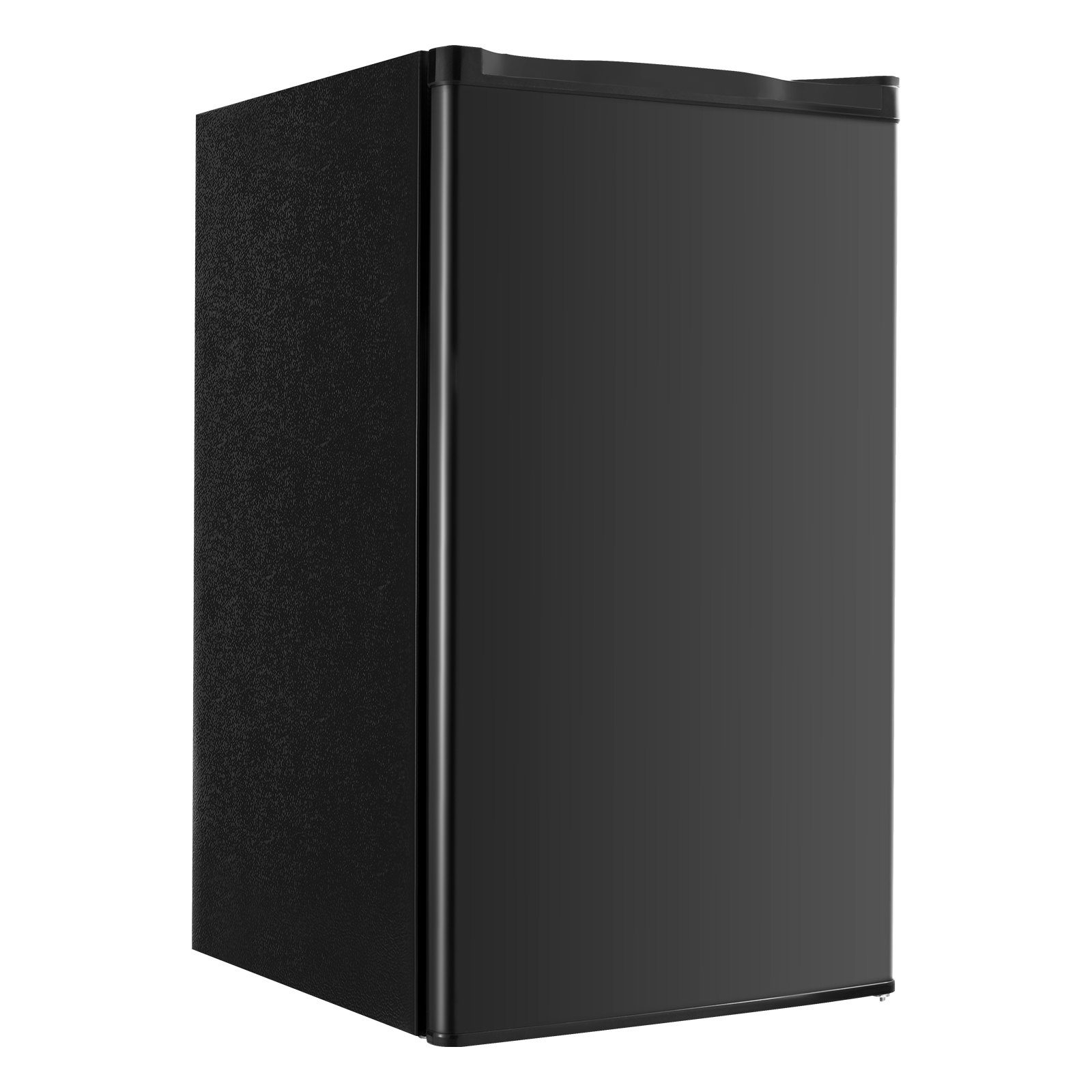 Mini Fridge, 3.2 Cu.Ft, Single Door Compact Refrigerator, Adjustable Temperature, Glass Shelf, Energy Efficient Small Reversible Low Noise, For Bedroom Dorm Office, Black$224.99View on Mallflare
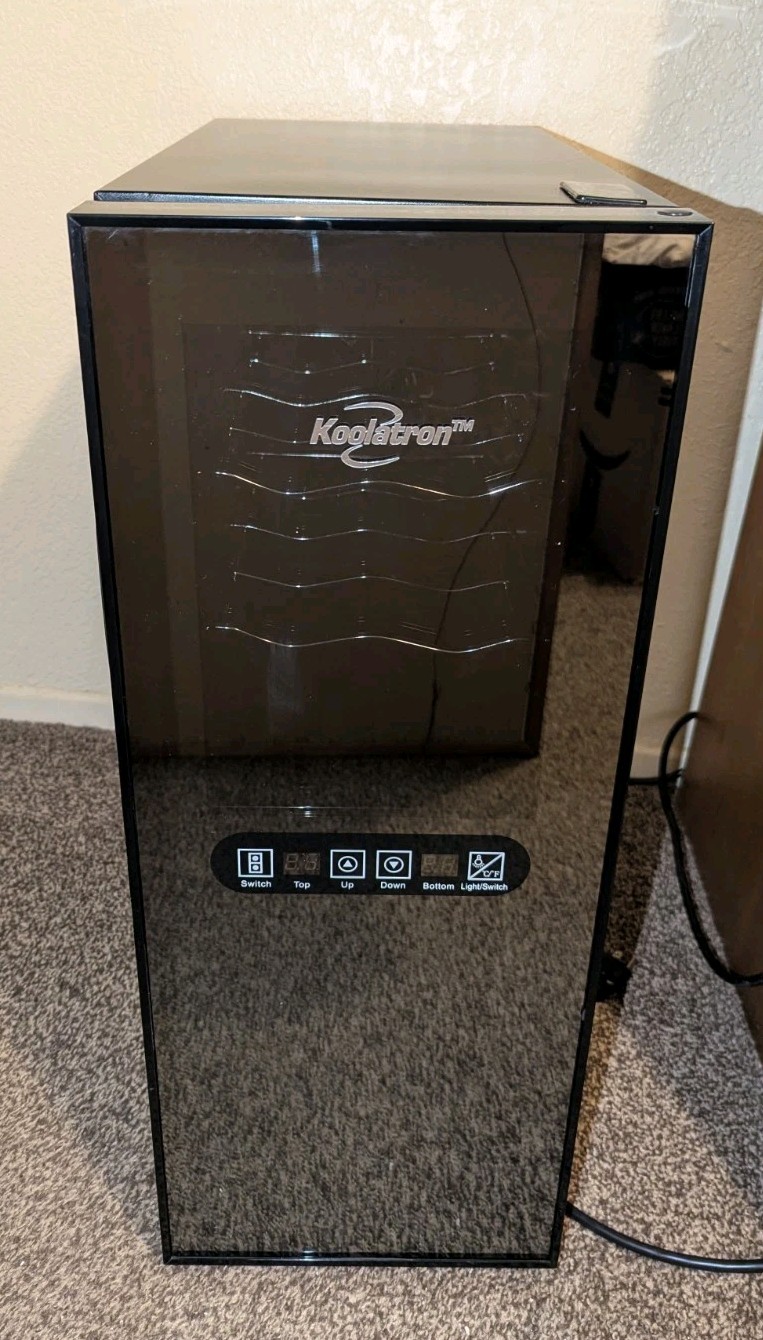 Koolatron Dual Zone 12 Bottle Wine Cellar Fridge WC12-DZ$99.99View on eBay
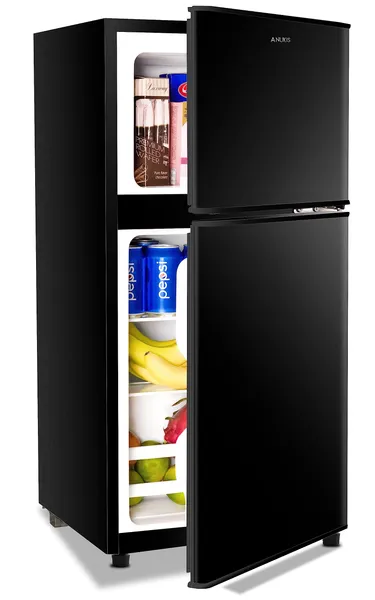 KRIB BLING 3.5Cu.Ft Compact Refrigerator Mini Fridge With Freezer, Small 2 Door, 7 Level Thermostat Removable Shelves For Kitchen, Dorm, Apartment, Bar, Office, Silver/Black/Blue$228.99View on Mallflare
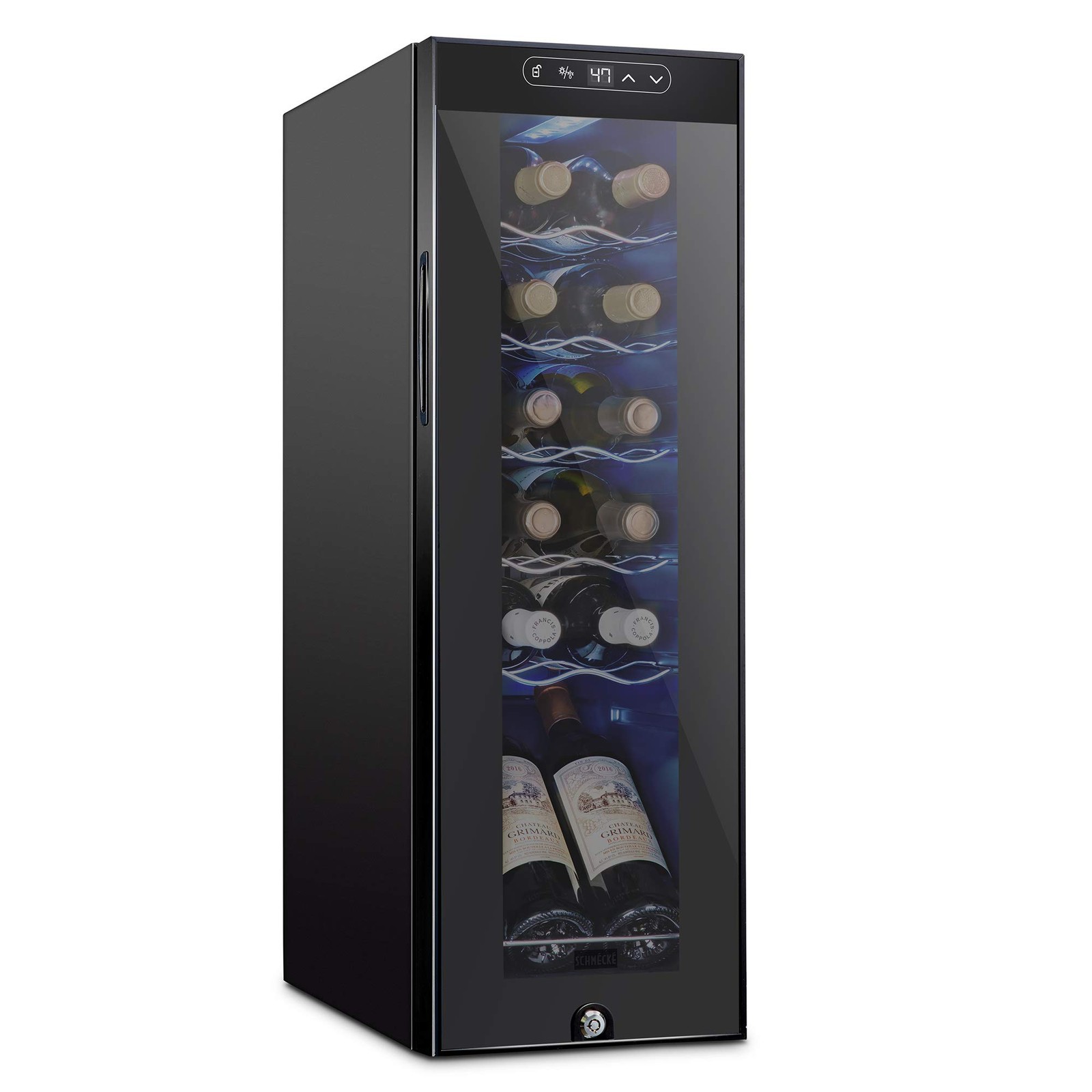 Schmecke Wine Fridge, Freestanding Wine Refrigerator, 12 Bottle Wine Cooler$114.59View on eBay
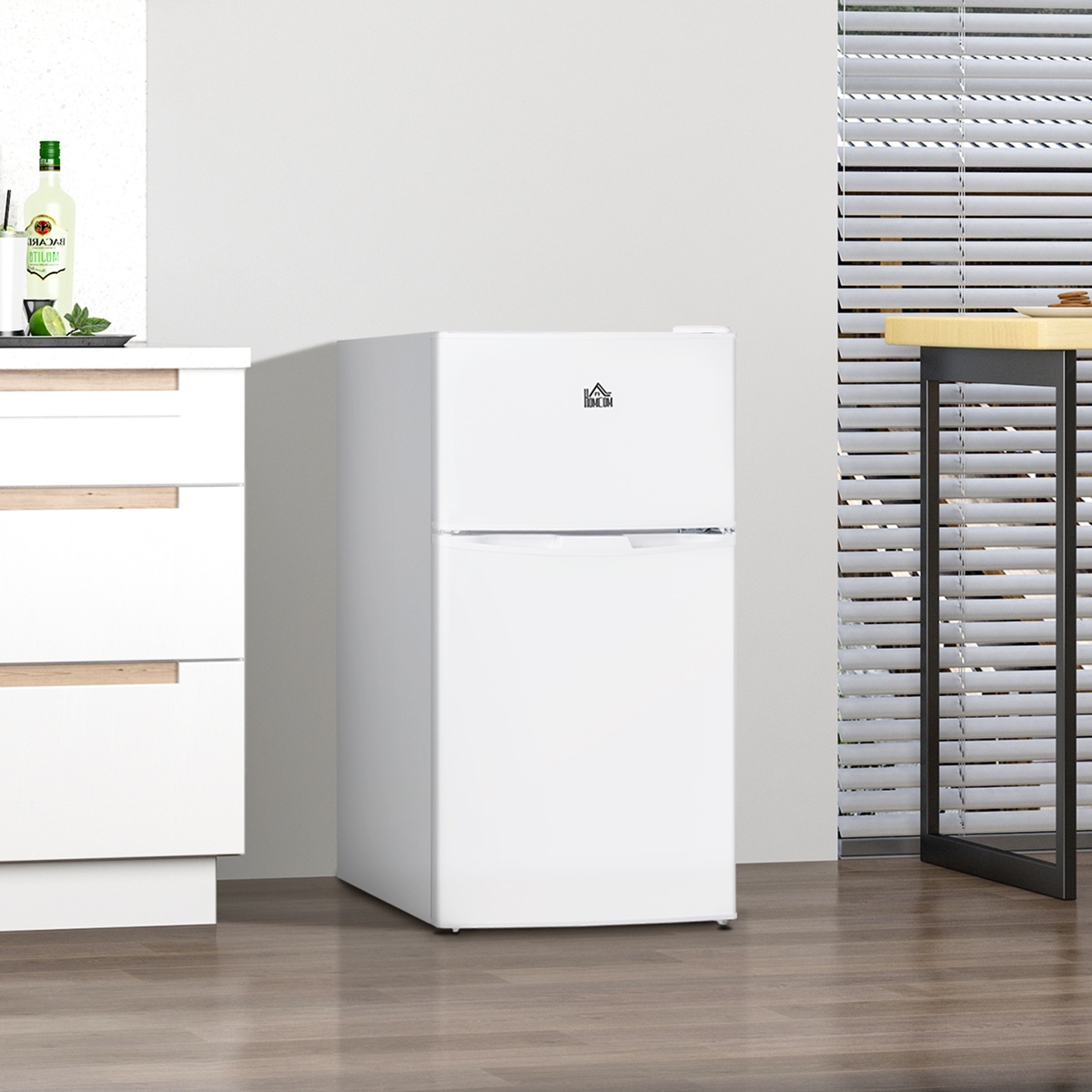 3.2 Cu.Ft Mini Fridge with Freezer, Compact Refrigerator Adjustable Thermostat, Shelf and Double Reversible Door for Bedroom, Dorm, Home Office, Energy Efficient, White$234.99View on Mallflare
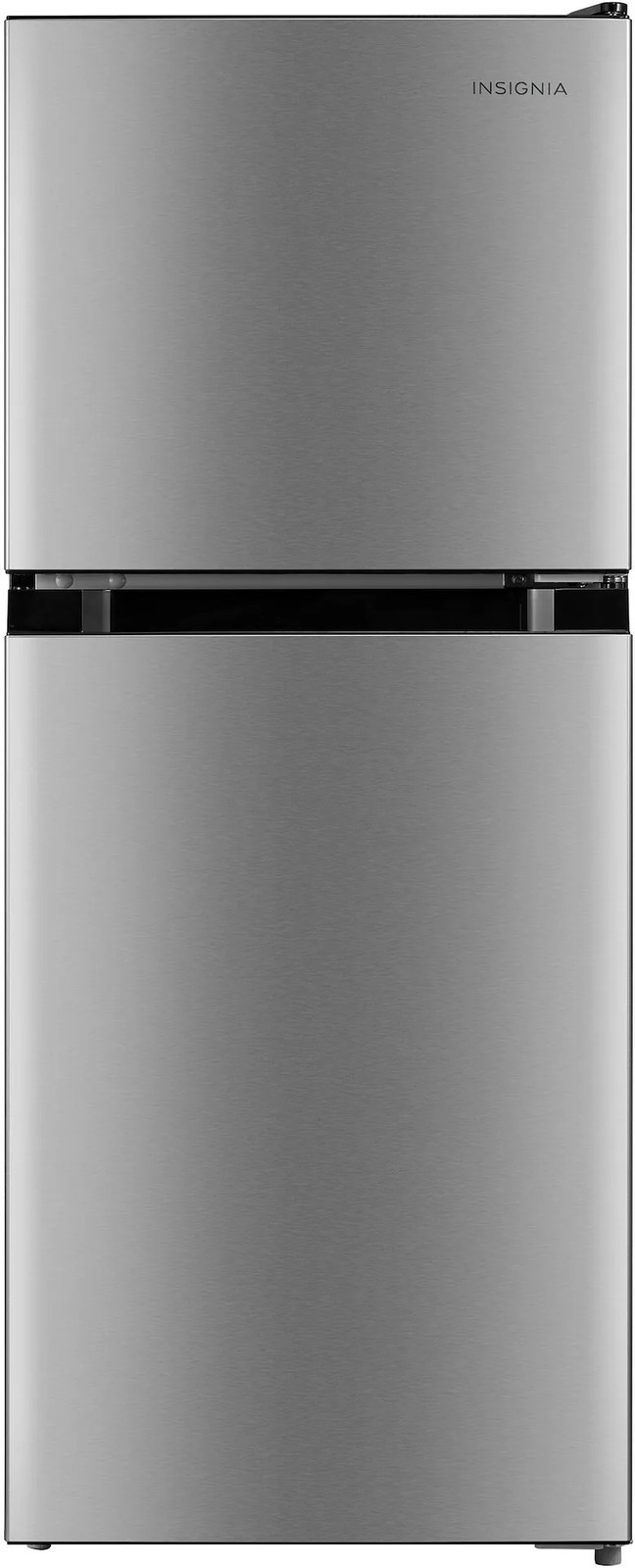 Insignia™ - 4.5 Cu. Ft. Mini Fridge with Top Freezer and ENERGY STAR Certificati$129.00View on eBay
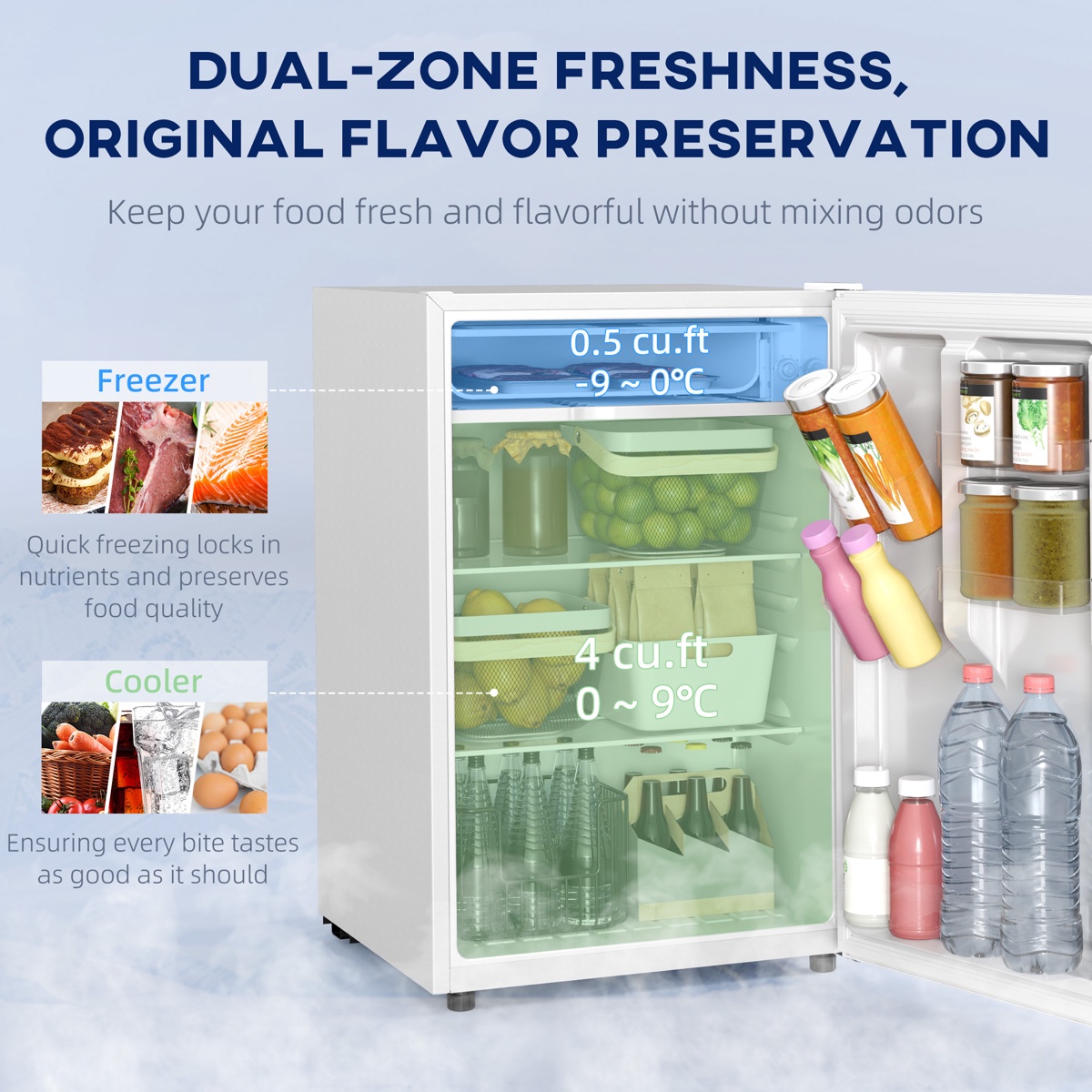 4.5 Cu.Ft Mini Fridge, Single Door Refrigerator with Freezer, Wheels, Adjustable Thermostat, Reversible White$265.99View on Mallflare
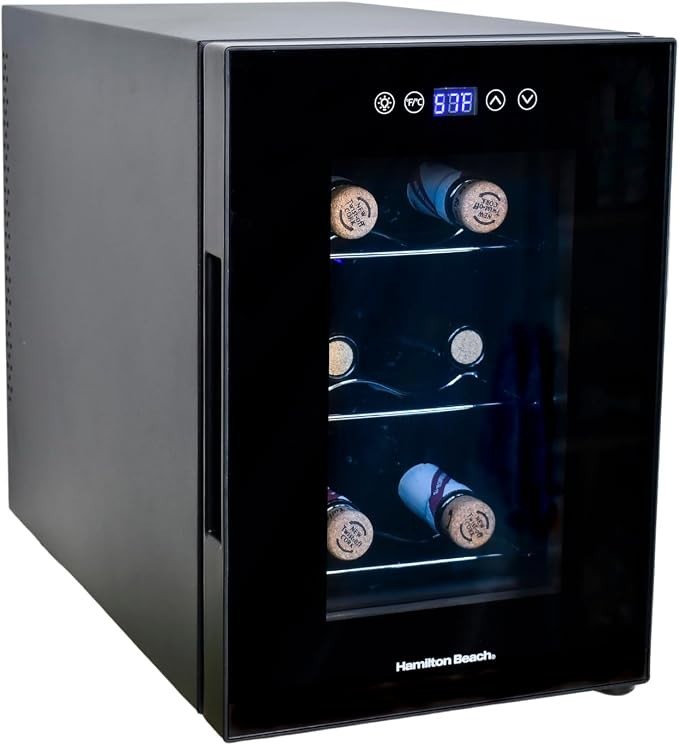 Hamilton Beach 6-Bottle Wine & Beverage Cooler HBWF6035-PL Mini Fridge New$129.97View on eBay
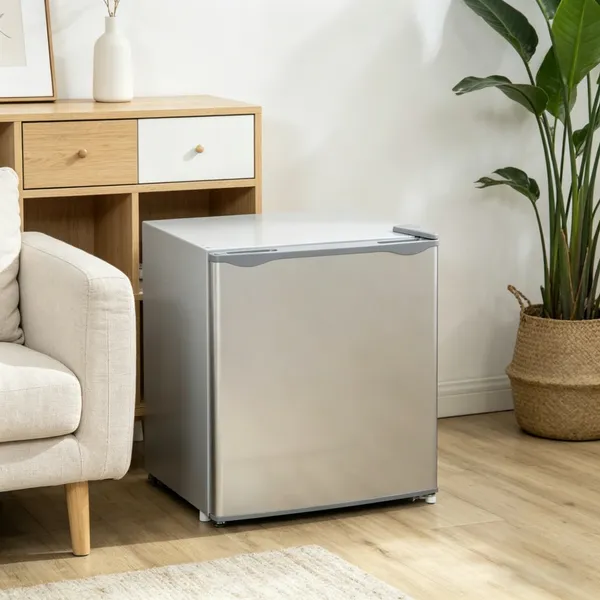 Portable Skincare Fridge$272.99View on Mallflare
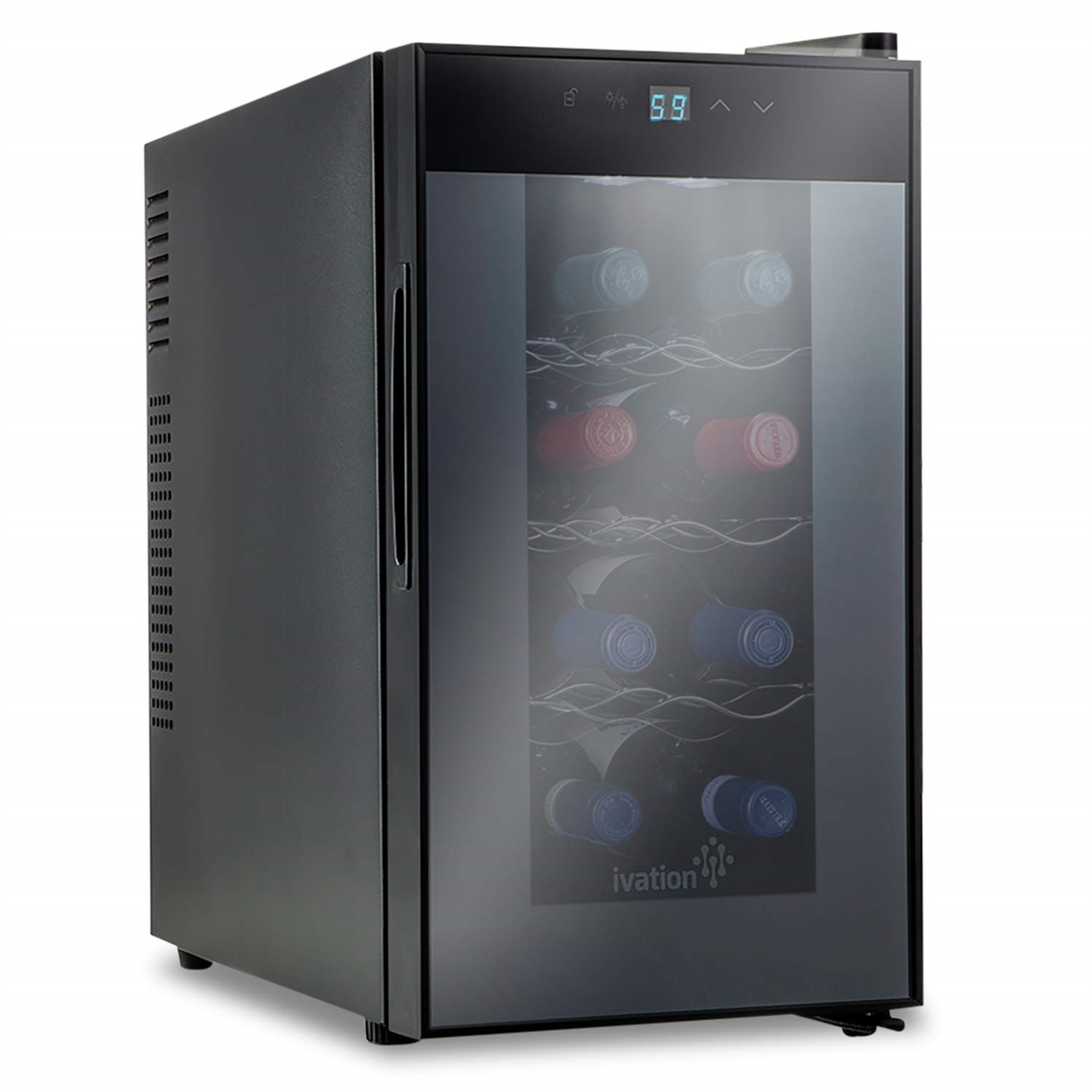 Ivation 8-Bottle Wine Fridge Freestanding, Thermoelectric Wine Cooler, Black$139.99View on eBay
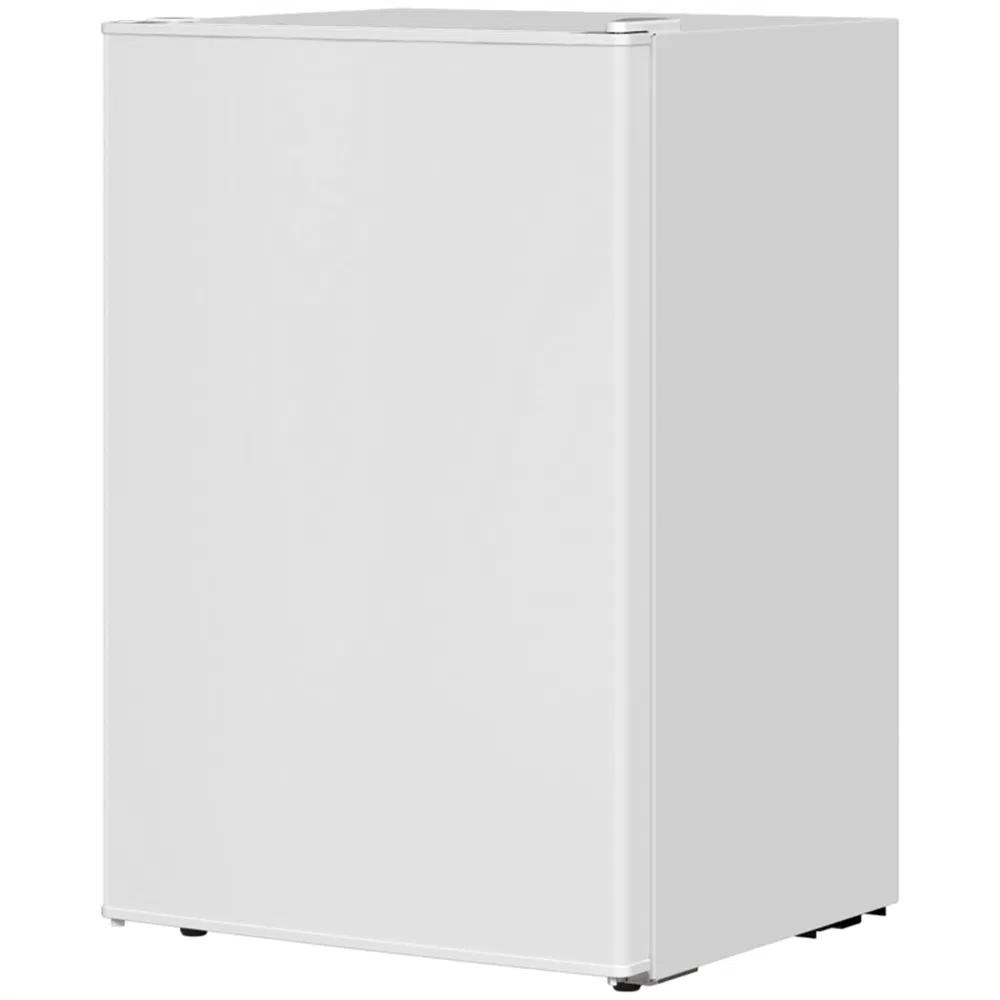 Mini Fridge 2.5 Cu.Ft with Reversible Door, 6 Temperature Settings and Removable Shelves, White$285.99View on Mallflare
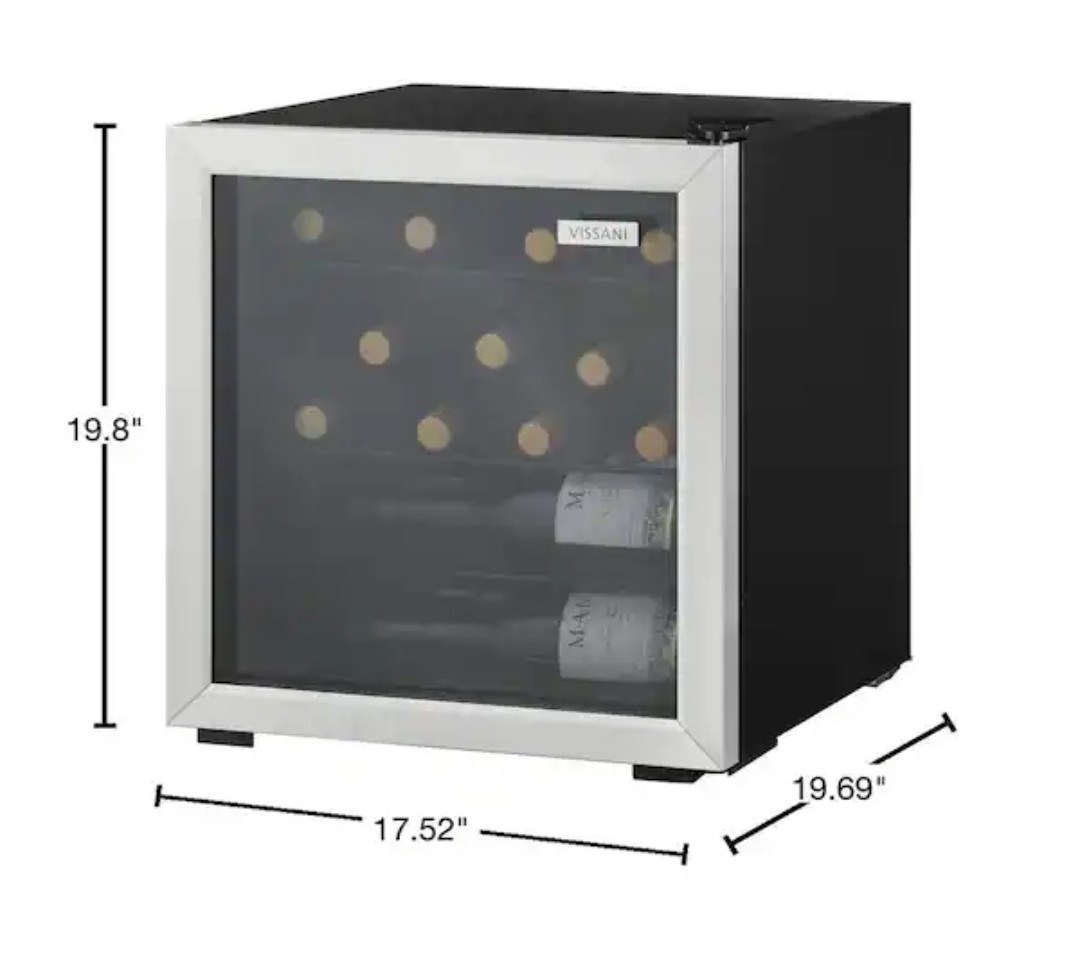 18 in. Single Zone Beverage and Wine Cooler Fridge in Stainless Steel 17 Bottle$180.00View on eBay
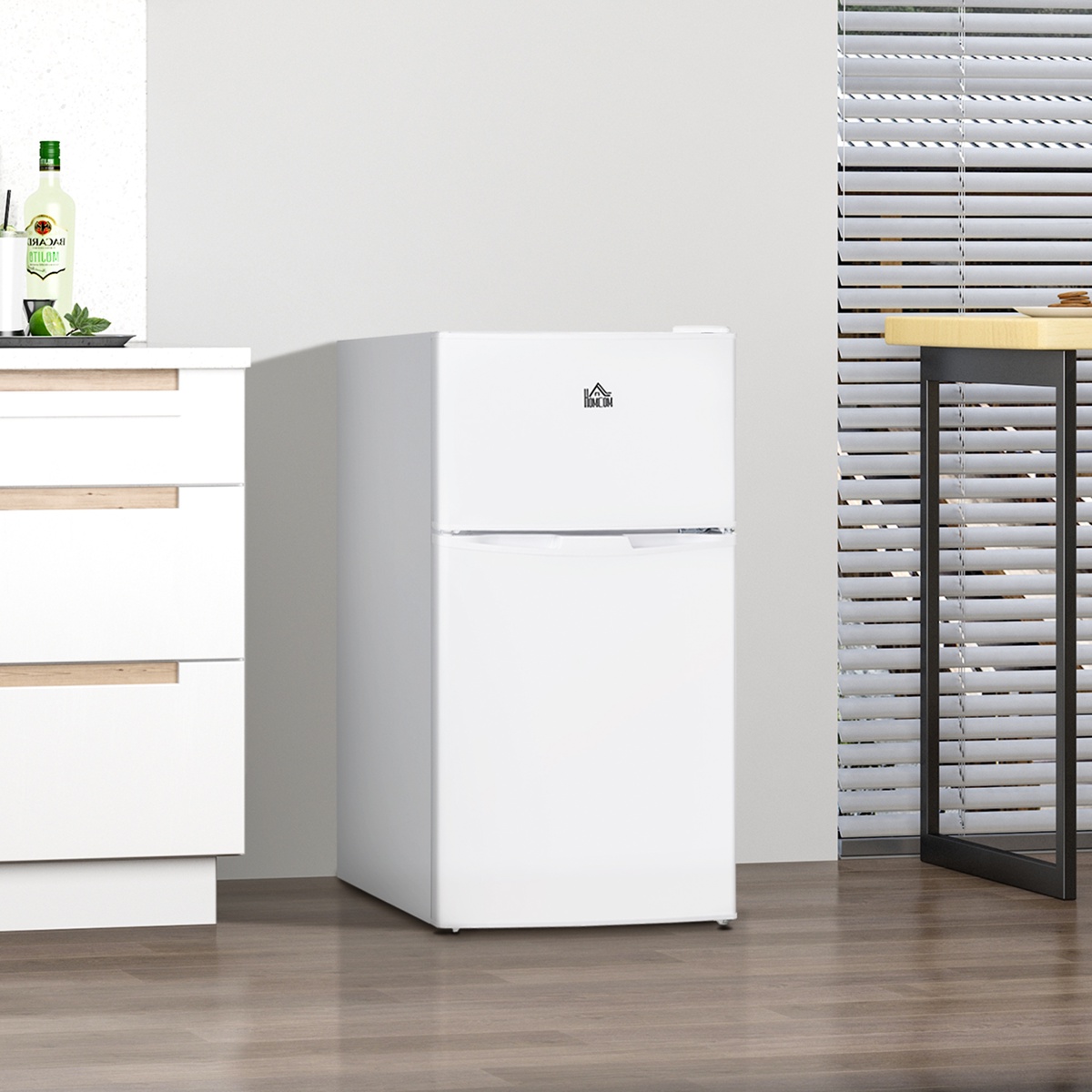 3.2 Cu.Ft Mini Fridge With Freezer, Double Door Compact Refrigerator Adjustable Thermostat, Shelf And Reversible For Bedroom, Dorm, Home Office, Energy Efficient, White$316.99View on Mallflare
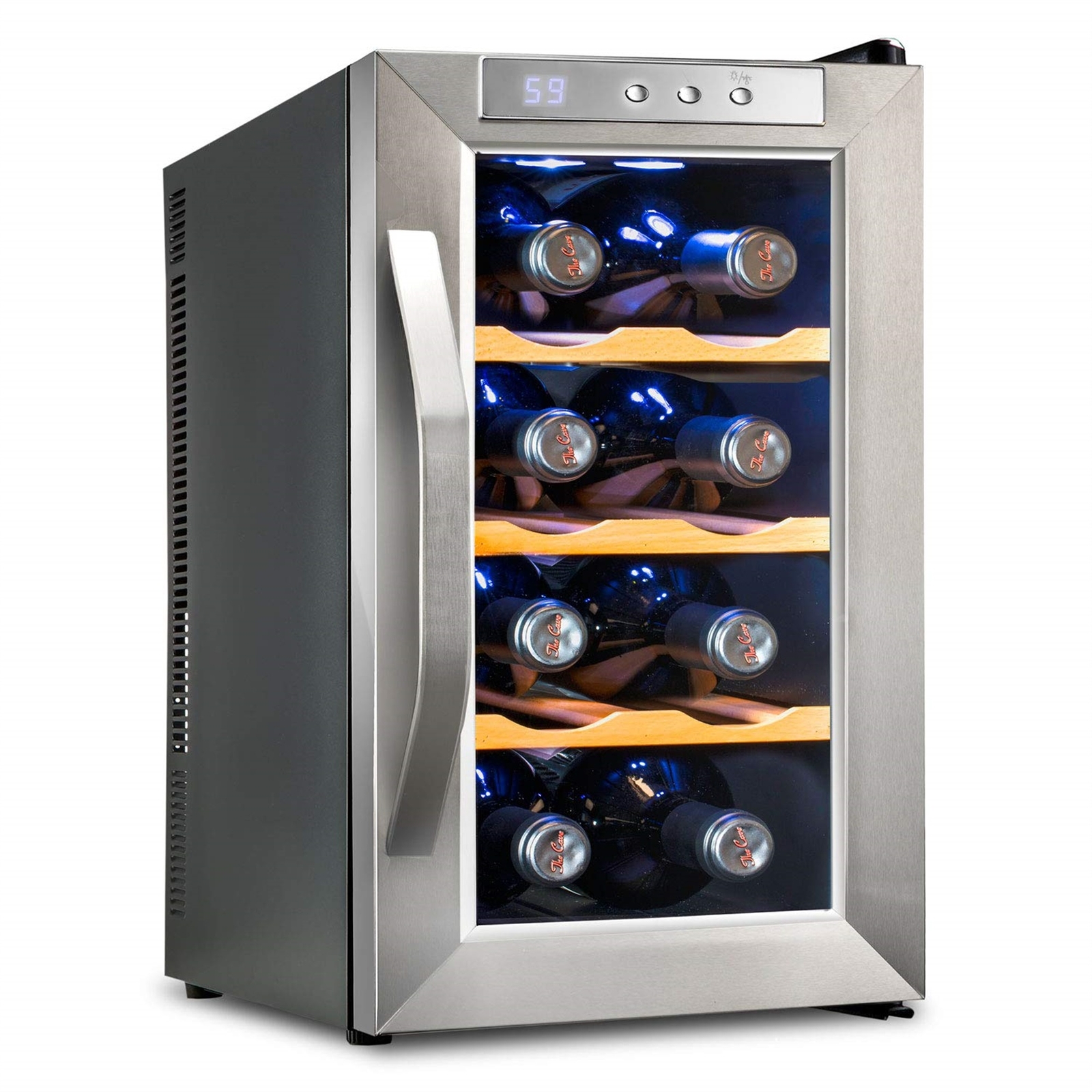 Ivation 8-Bottle Wine Fridge Freestanding, Thermoelectric Wine Cooler, Silver$199.99View on eBay
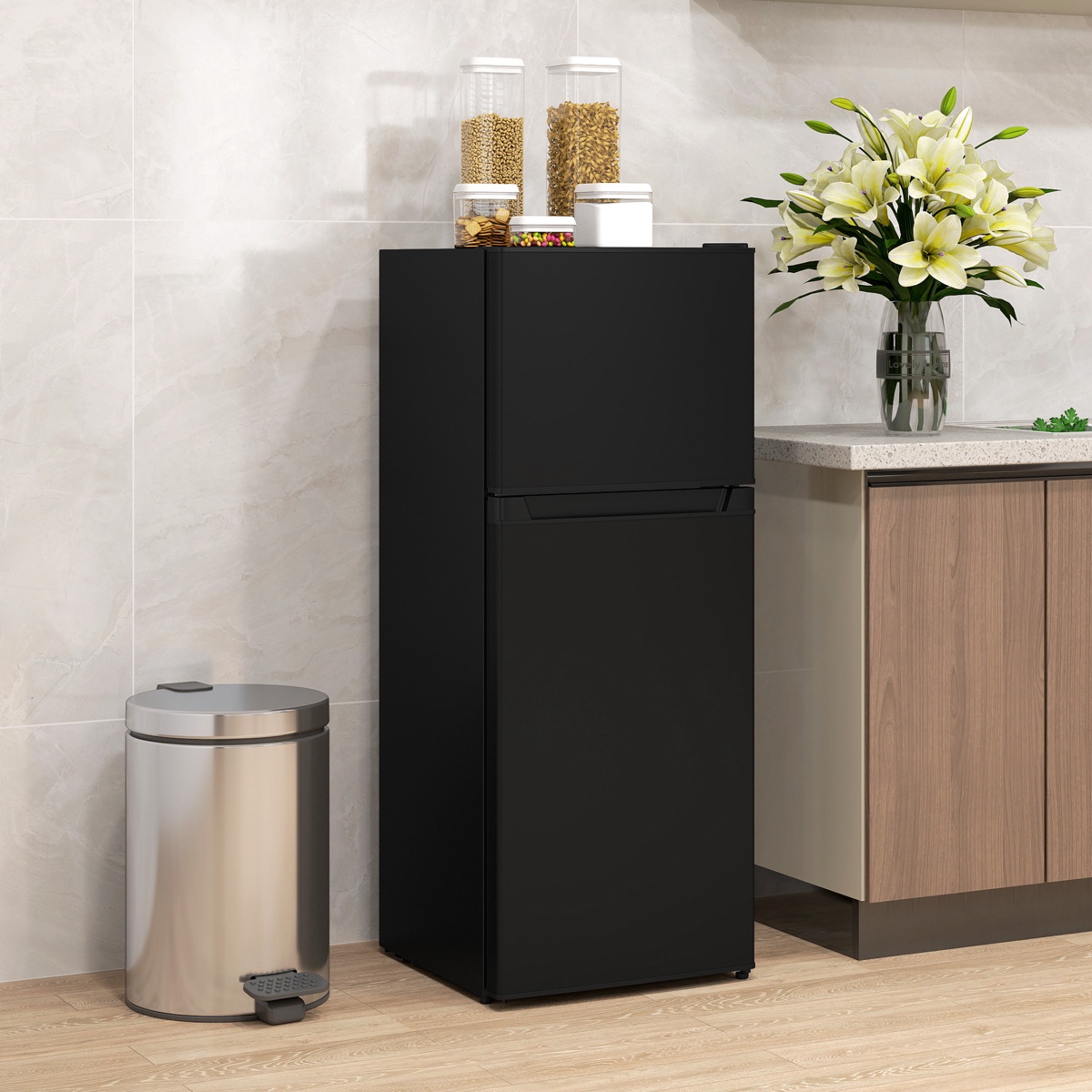 Small Fridge with Freezer$318.99View on Mallflare
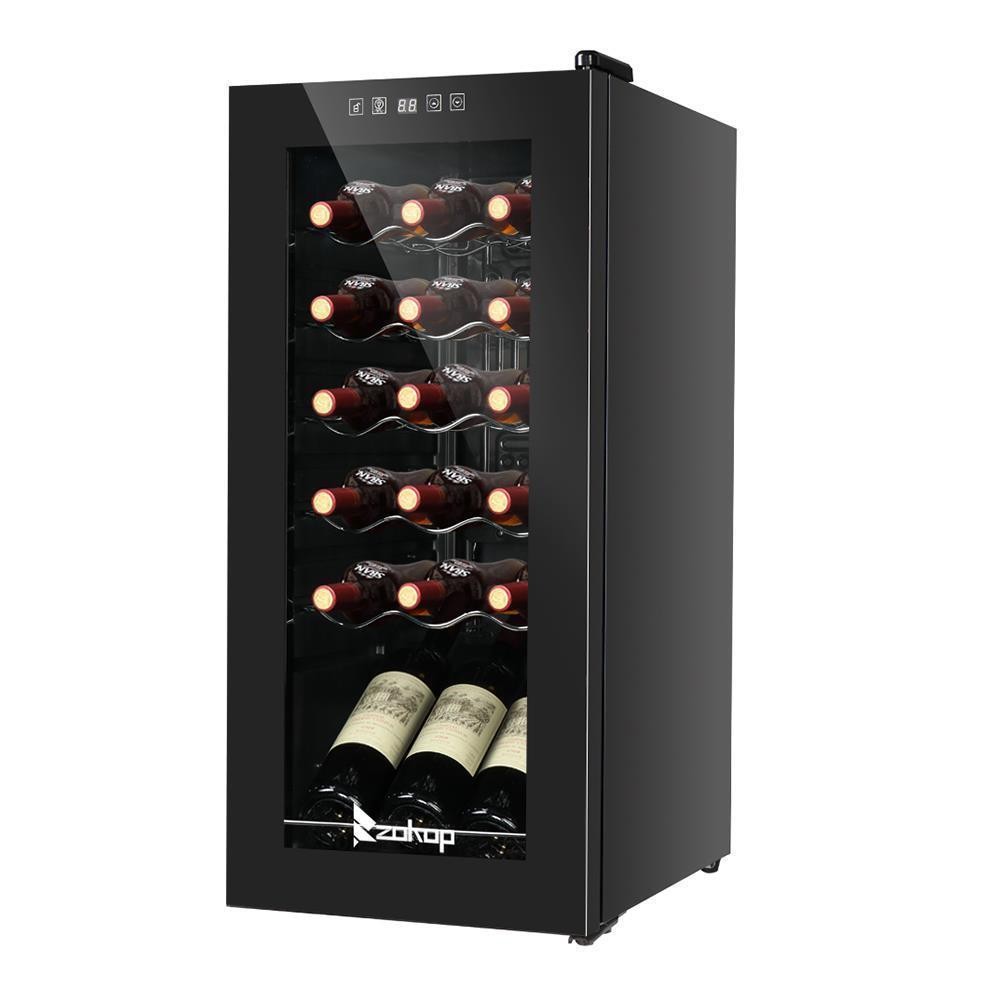 Adjustable 18 Bottle Wine Cooler Beverage Refigerator Fridge Wine Cellar 41-64°F$219.99New · Last checked Nov 22, 2026View on eBay
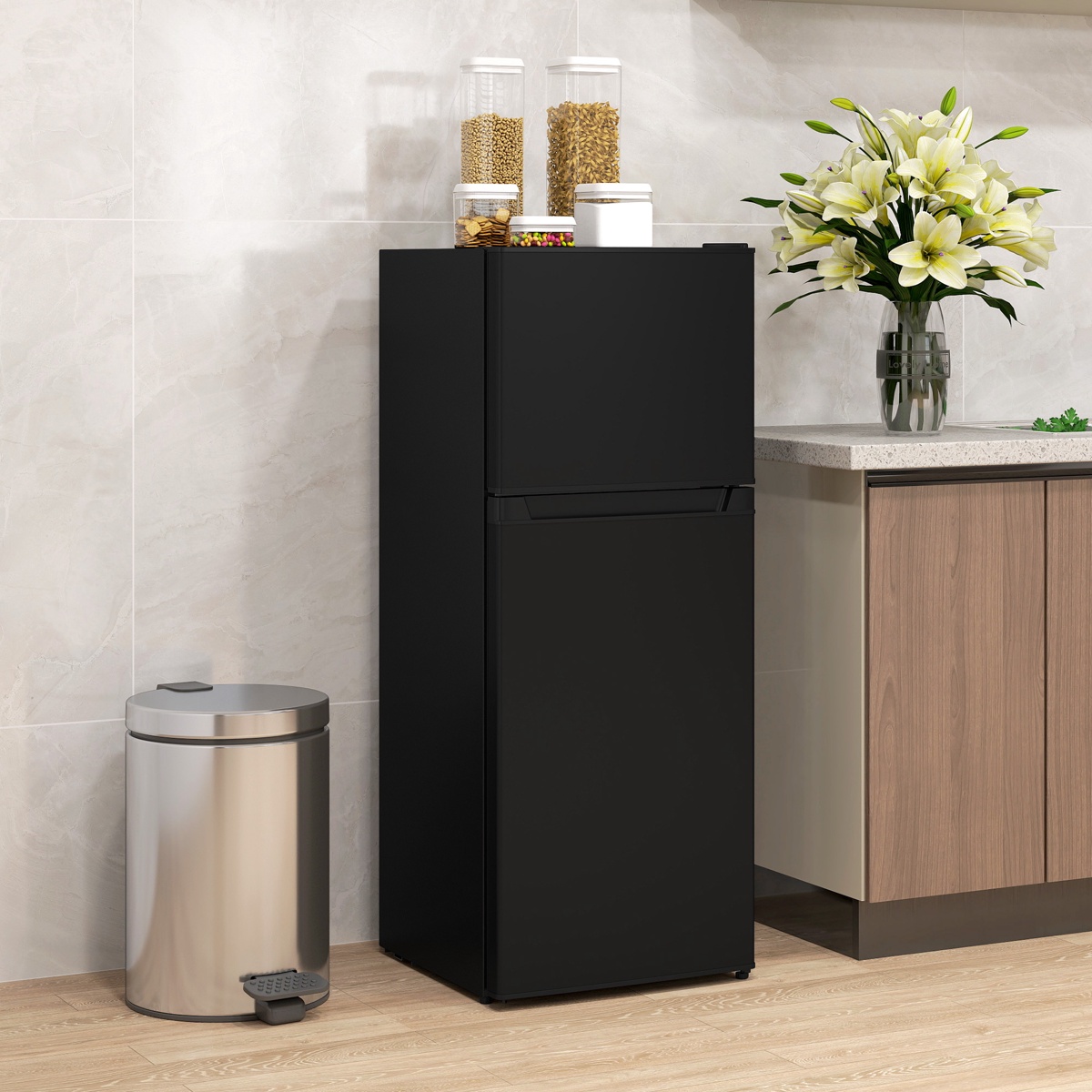 Small Fridge With Freezer, 4 Cu Ft Refrigerator Reversible Doors, Black$364.99View on Mallflare
Highlights
- All-refrigerators are distinguished by defrost method: manual-defrost models hold steady humidity for produce but require periodic ice removal; frost-free models add a small heater and fan for zero-maintenance operation at the cost of lower humidity.
- Wine and beverage coolers are built around compressor, thermoelectric, or absorption cooling; only compressor units hold stable 41–64°F (5–18°C) wine-serving ranges and survive ambient heat above 80°F.
- Interior capacity scales with cabinet depth and shelving type: full-depth all-refrigerators use glass or wire shelves on molded tracks, while wine coolers use beech or wire racks counted in bottle pitch (typically 3–3.5 inches per bottle).
- Door and ventilation architecture determines placement: front-venting built-in units use slatted toe-kick exhaust, freestanding units need 2–4 inches of side/rear clearance, and dual-zone wine coolers split the cabinet into independent temperature compartments.
Best use cases
- Best fit: a kitchen or pantry needing overflow fresh-food storage — pick a frost-free all-refrigerator with 4+ cubic feet, adjustable glass shelves, and a reversible door; skip wine coolers, which cannot hold dairy or produce safely.
- Best fit: a dining or entertaining area storing reds, whites, and sparkling wine — pick a dual-zone compressor wine cooler with independent 41–64°F zones and UV-tinted glass; skip thermoelectric units in rooms that exceed 80°F ambient.
- Best fit: a garage, basement, or office storing canned drinks and snacks — pick a single-zone compressor beverage cooler or manual-defrost all-refrigerator rated for the ambient temperature; skip absorption coolers, which perform poorly in heat.
- Wrong fit: a primary kitchen refrigerator replacement — a fridge without a freezer cannot store frozen food, so pair it with a separate standalone freezer or choose a conventional fridge-freezer.
Buying tips
- Match the cooling technology to the room: compressor coolers handle 50–90°F ambient and are the only type that holds wine-safe temperatures; thermoelectric units are limited to roughly 15–20°F below room temperature.
- Size the cabinet to the door opening and delivery path before ordering — measure width, height, and depth including handles, and confirm the unit passes through all doorways and stair turns with at least 1 inch of clearance.
- For wine storage, calculate bottle capacity from rack pitch rather than nominal shelf count: standard Bordeaux bottles need about 3.2 inches of pitch, and racking advertised as 6 shelves often holds 30–40 bottles only with mixed orientations.
- Choose manual-defrost only when you want high humidity for produce and can schedule defrosting; otherwise select frost-free (auto-defrost) to avoid ice buildup, accepting slightly drier air that benefits packaged goods.
Specs
| Cooling Type | Compressor / Thermoelectric / Absorption |
|---|---|
| Defrost Method | Manual vs Frost-free (auto-defrost) |
| Temperature Range | 34–42°F all-fridge / 41–64°F wine |
| Installation Clearance | Freestanding 2–4 in / Built-in zero-clearance |
Related searches
What to check before buying
- Measure the installation cavity — width, height, and depth — and add the manufacturer's required ventilation clearance (typically 2 inches sides/rear for freestanding, zero for true built-in front-vented models).
- Confirm the electrical circuit: most full-size all-refrigerators require a dedicated 115V/15A grounded outlet, while compact wine coolers run on standard 115V household current; check the plug type fits the outlet.
- Verify the floor is level and can support the loaded weight — a full 5-cubic-foot refrigerator can exceed 200 pounds with contents, and wine coolers need a level base to keep the door seal aligned.
- Check climate class and ambient rating — units rated for extended-temperate or tropical climates (SN/T) tolerate garage or unconditioned spaces better than standard (N) class models.
FAQ
Data sources: eBay / Amazon listings and product attribute feeds. Updated Nov 28, 2026.
Some links on this page are affiliate links. If you buy after clicking one, we may earn a commission at no extra cost to you. This does not change which products appear here or their order. Affiliate disclosure.