
Photos from current listings. Actual item, color, and included accessories may vary.
Mini Fridge And Freezer Buying Guide
A mini fridge and freezer is a compact compressor or thermoelectric appliance with a dedicated frozen compartment, typically 1.7–4.5 cu ft, that trades total volume for a separate ice/chill zone. The core trade-off is compressor cooling with a true freezer compartment versus thermoelectric or single-door units that share one cold box and cannot hold frozen goods safely. Buy a two-door compressor model with a dedicated freezer if you need real freezing; skip single-door or thermoelectric units if frozen storage matters.
Median $259.49
Key takeaways
- Compressor cooling holds 0–4°F in the freezer and 34–40°F in the fridge; thermoelectric units only drop 35–40°F below ambient and cannot freeze reliably.
- Two-door architecture separates evaporator coils so the freezer stays below 0°F while the fridge remains above freezing; single-door units use one shared compartment and one thermostat.
- ENERGY STAR certification on 3.2–4.5 cu ft models signals roughly 10–25% lower annual kWh than non-certified equivalents, with most units drawing 60–120 W running.
At a glance
- Category
- Home Refrigerators, Freezers & Wine Coolers
- Last updated
- Nov 28, 2026
Current offers
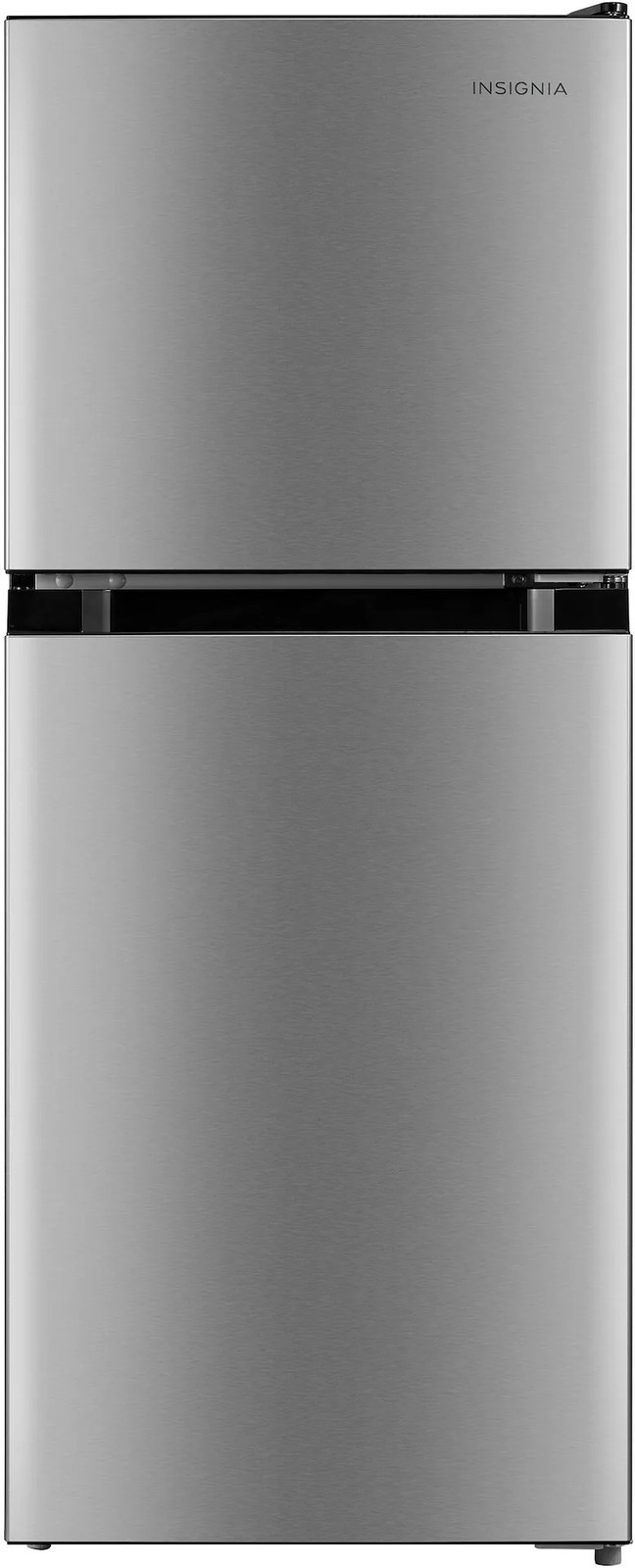 Insignia™ - 4.5 Cu. Ft. Mini Fridge with Top Freezer and ENERGY STAR Certificati$129.00View on eBay
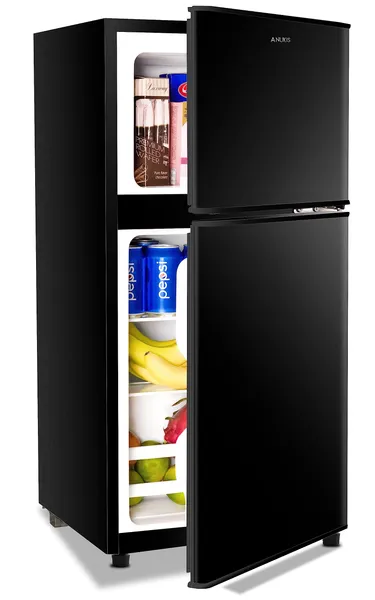 KRIB BLING 3.5Cu.Ft Compact Refrigerator Mini Fridge With Freezer, Small 2 Door, 7 Level Thermostat Removable Shelves For Kitchen, Dorm, Apartment, Bar, Office, Silver/Black/Blue$228.99View on Mallflare
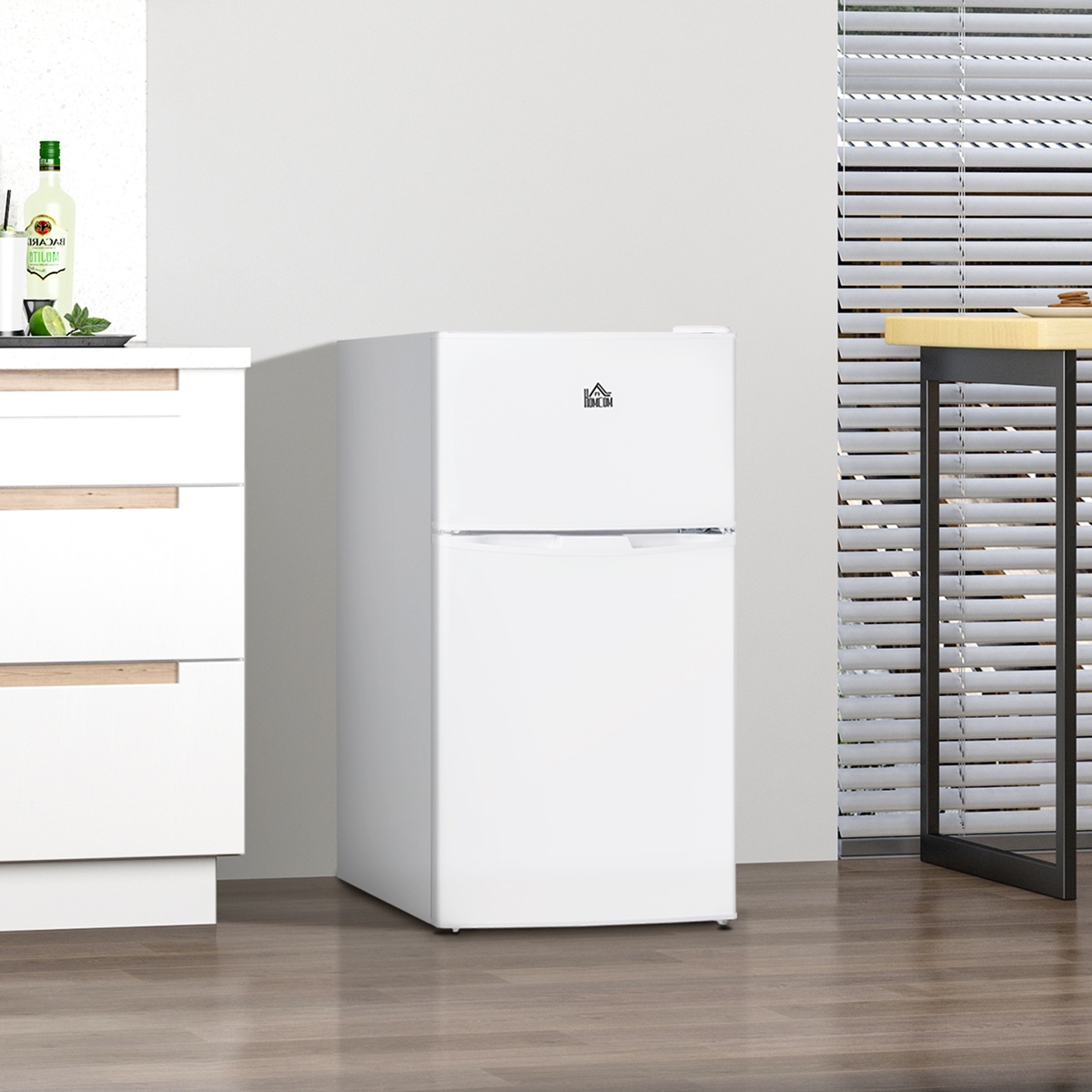 3.2 Cu.Ft Mini Fridge with Freezer, Compact Refrigerator Adjustable Thermostat, Shelf and Double Reversible Door for Bedroom, Dorm, Home Office, Energy Efficient, White$234.99View on Mallflare
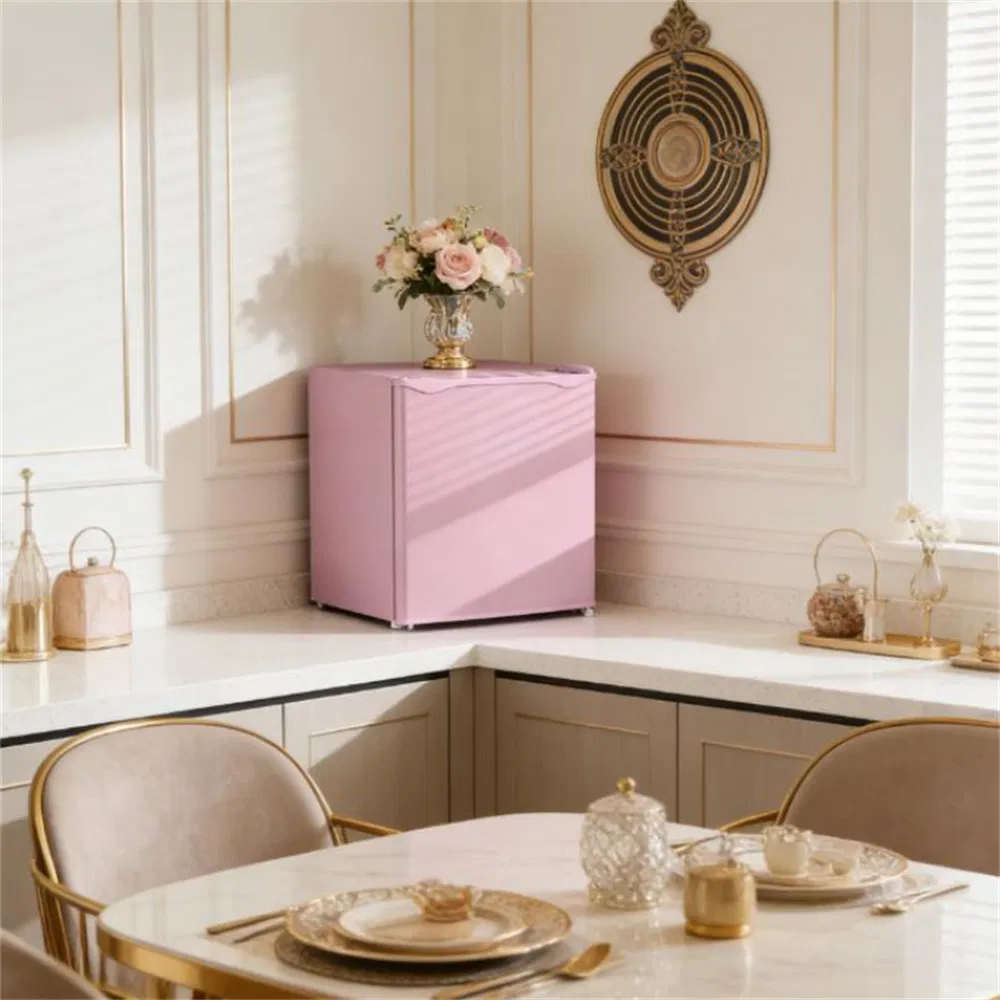 Desktop mini freezer, small fridge, pink color$252.99View on Mallflare
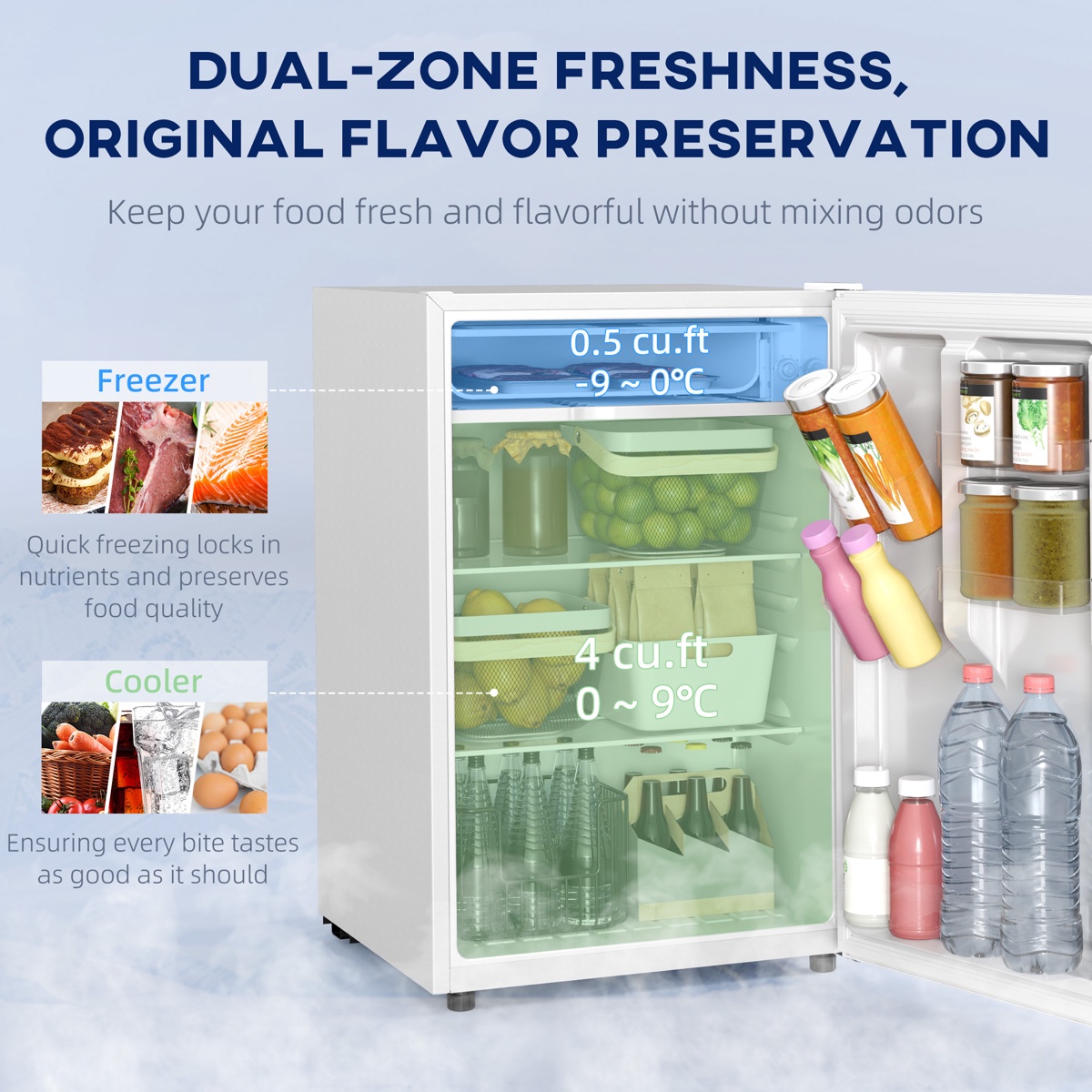 4.5 Cu.Ft Mini Fridge, Single Door Refrigerator with Freezer, Wheels, Adjustable Thermostat, Reversible White$265.99View on Mallflare
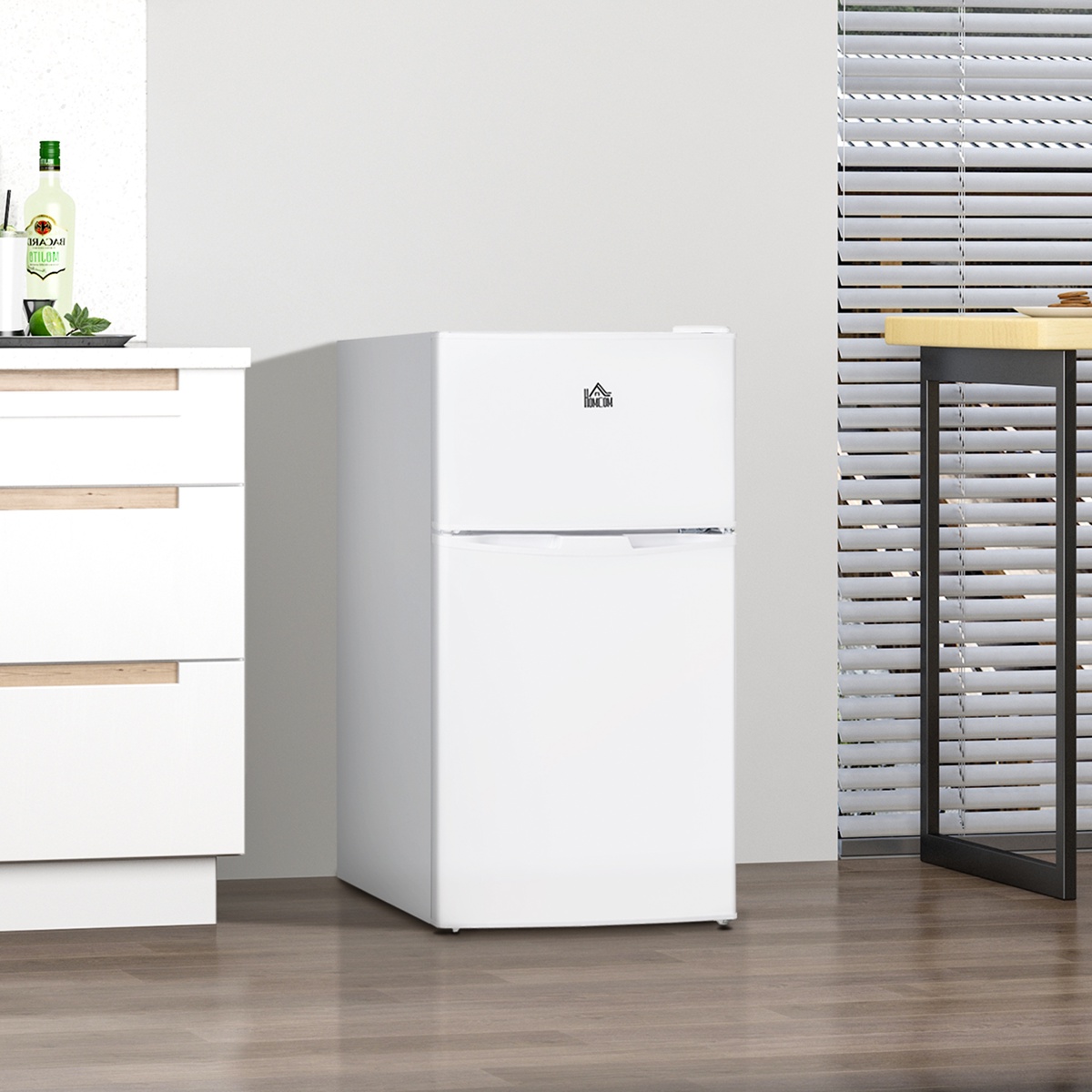 3.2 Cu.Ft Mini Fridge With Freezer, Double Door Compact Refrigerator Adjustable Thermostat, Shelf And Reversible For Bedroom, Dorm, Home Office, Energy Efficient, White$316.99View on Mallflare
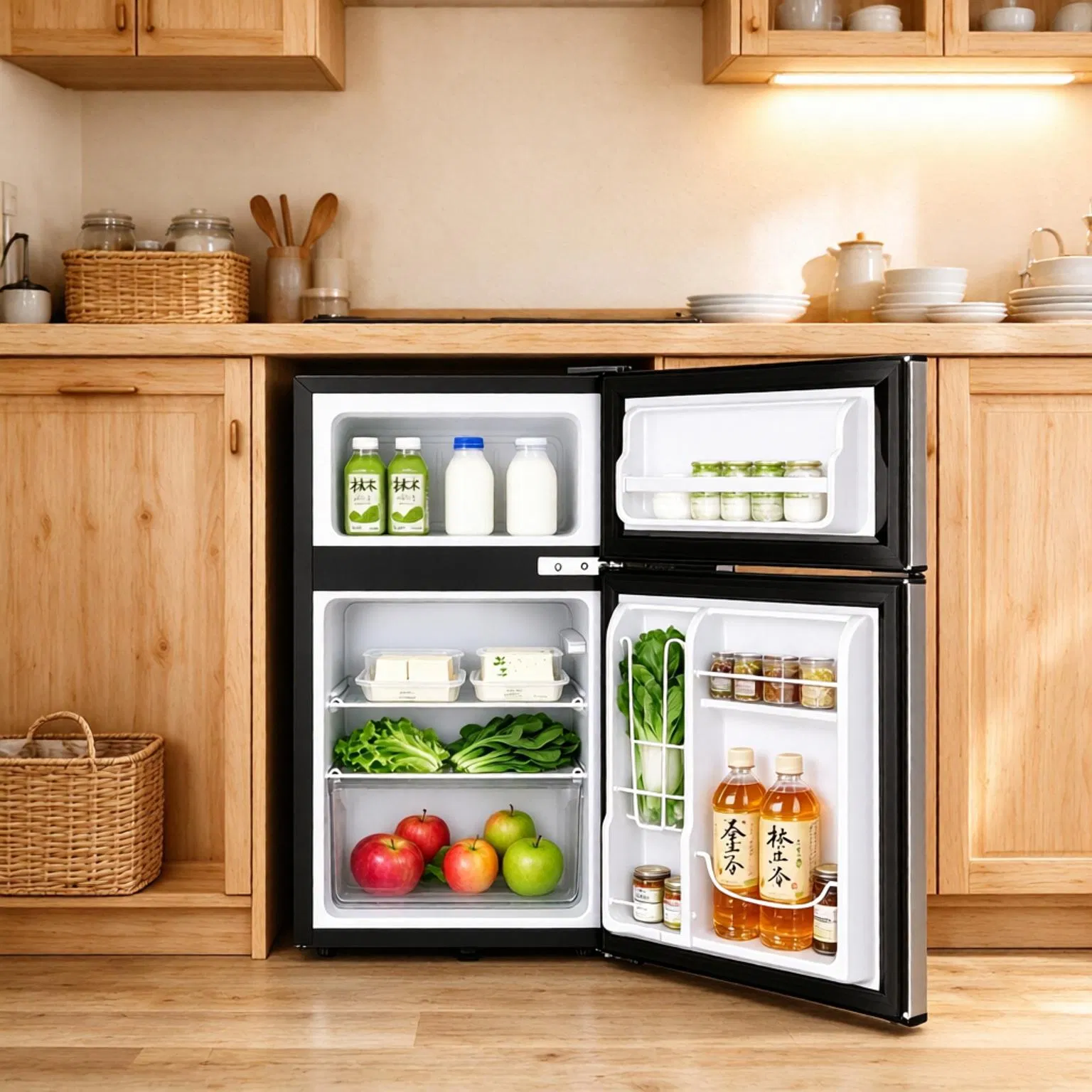 Retro Mini Fridge 3.2 Cu. Ft. Black with Freezer Reversible Door Compact Kitchen Appliance for Small Spaces$465.99View on Mallflare
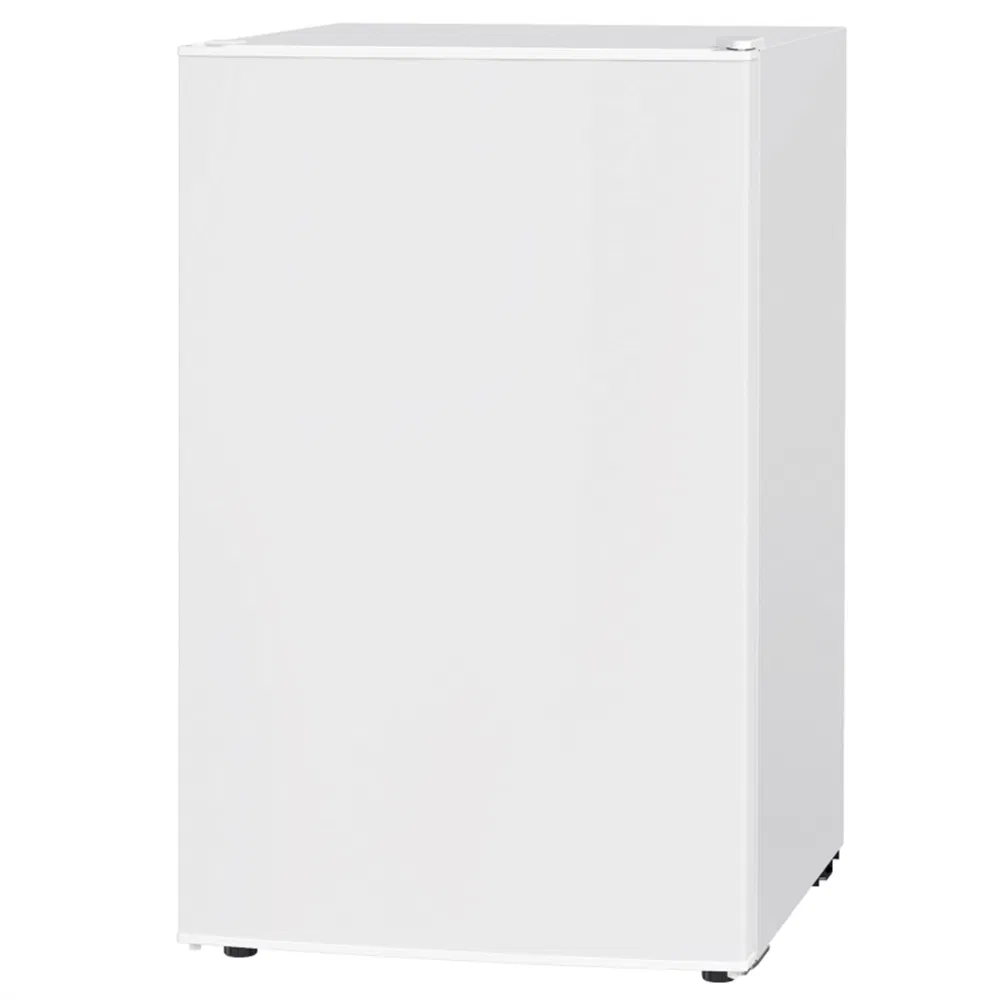 Mini Fridge with Freezer, 4.5 Cu.Ft, 6 Adjustable Temperature Settings, Reversible Door, White$581.99View on Mallflare
Highlights
- Compressor cooling holds 0–4°F in the freezer and 34–40°F in the fridge; thermoelectric units only drop 35–40°F below ambient and cannot freeze reliably.
- Two-door architecture separates evaporator coils so the freezer stays below 0°F while the fridge remains above freezing; single-door units use one shared compartment and one thermostat.
- ENERGY STAR certification on 3.2–4.5 cu ft models signals roughly 10–25% lower annual kWh than non-certified equivalents, with most units drawing 60–120 W running.
- Reversible doors and adjustable leveling legs determine whether a unit fits tight dorm or office alcoves; 3.2 cu ft two-door models typically stand 33–34 in tall and 18–20 in wide.
Best use cases
- Best fit: dorm or bedroom freezing of ice packs and frozen meals — pick a 3.2 cu ft two-door compressor unit with a reversible door and ENERGY STAR rating.
- Best fit: office or man-cave beverage and snack chilling with occasional frozen items — choose a 4.5 cu ft top-freezer model on wheels for repositioning.
- Wrong fit: garage or unheated space — most mini fridges are rated for 50–90°F ambient; skip them below 50°F or above 90°F unless rated for garage use.
- Wrong fit: primary kitchen overflow freezer — a 1.1–1.7 cu ft freezer compartment holds only a few frozen meals; step up to a 4.5 cu ft two-door or a standalone chest freezer.
Buying tips
- Match capacity to people: allow 1.5–2 cu ft per person for drinks and snacks, and add 1 cu ft if you store frozen meals regularly.
- Measure the alcove and add 2 in clearance on sides and 4 in at the rear for compressor ventilation; door swing needs 2–3 in of side clearance unless the hinge is reversible.
- Insist on a dedicated freezer door with its own thermostat; a single-door 'freezer' is a chiller box that hovers near 32°F and will not keep ice cream firm.
- Check the energy label: a 3.2 cu ft ENERGY STAR two-door unit uses roughly 250–320 kWh/year; non-certified equivalents run 15–25% higher.
Specs
| Cooling Type | Compressor vs thermoelectric |
|---|---|
| Freezer Architecture | Separate-door freezer vs shared chill box |
| Capacity Range | 1.7–4.5 cu ft total volume |
| ENERGY STAR | Certified vs non-certified (kWh/year) |
Related searches
What to check before buying
- Confirm the door opening width minus 2–3 in of hinge clearance fits the unit's width and that the door swings the correct way or is reversible.
- Verify ambient rating: 50–90°F for indoor use; garages and sheds need a garage-ready rating or the compressor will struggle.
- Check the outlet: most mini fridges run on standard 115 V/60 Hz and draw under 2 A, but avoid sharing a circuit with high-draw appliances.
- Confirm the freezer compartment volume in cubic feet and whether it holds standard ice cube trays or frozen dinner boxes upright.
FAQ
Data sources: eBay / Amazon listings and product attribute feeds. Updated Nov 28, 2026.
Some links on this page are affiliate links. If you buy after clicking one, we may earn a commission at no extra cost to you. This does not change which products appear here or their order. Affiliate disclosure.