
Photos from current listings. Actual item, color, and included accessories may vary.
Mini Fridge Without Freezer Buying Guide
A mini fridge without freezer is a compact, single-zone refrigerator (thermoelectric or compressor) that chills food and drinks but has no frozen compartment, avoiding the frost buildup and temperature swings of freezer-assisted models. The primary trade-off is cooling technology: thermoelectric units are silent and cheap but only cool 30–40°F below ambient, while compressor models hold stable 34–40°F in any room. Choose a compressor unit for perishables or a thermoelectric unit only for skincare and canned drinks in climate-controlled rooms.
Median $232.99 · New & pre-owned listings
Key takeaways
- Compressor cooling holds 34–40°F regardless of room temperature; thermoelectric (Peltier) units cool only 30–40°F below ambient and cannot freeze.
- Beverage-center glass-door models typically hold 70–126 cans and use air-cooling with digital thermostats; solid-door fridges use manual dials or single thermostats.
- Capacity tiers are 0.3–0.5 cu ft (6–10 cans), 1.6–2.0 cu ft (40–60 cans), 3.0–3.5 cu ft (90–130 cans), and 4.4–4.5 cu ft for family overflow.
At a glance
- Category
- Home Refrigerators, Freezers & Wine Coolers
- Last updated
- Nov 28, 2026
Current offers
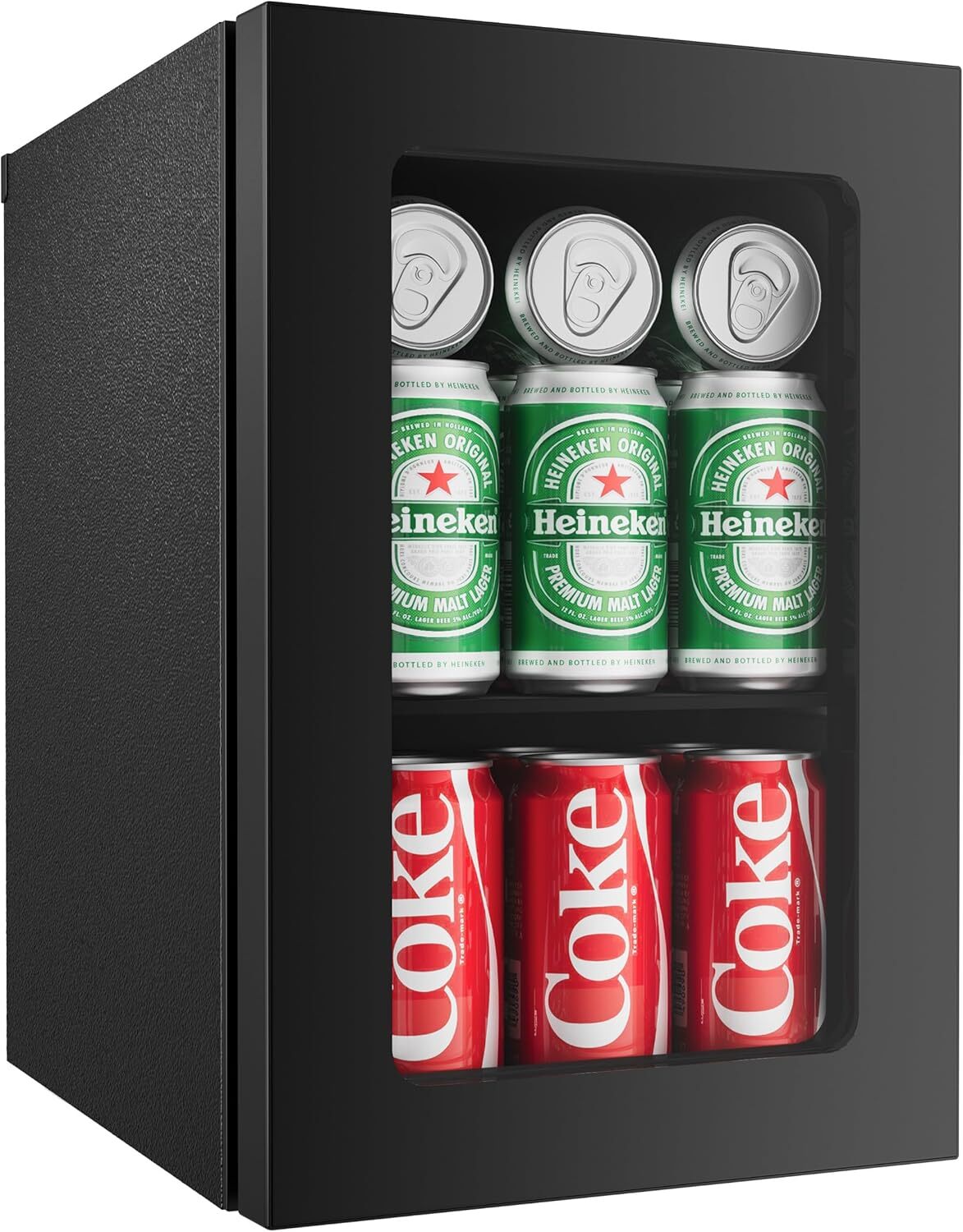 Beverage Cooler Mini Fridge for Drinks Beer Wine Home Bar$74.99Last checked Nov 19, 2026View on eBay
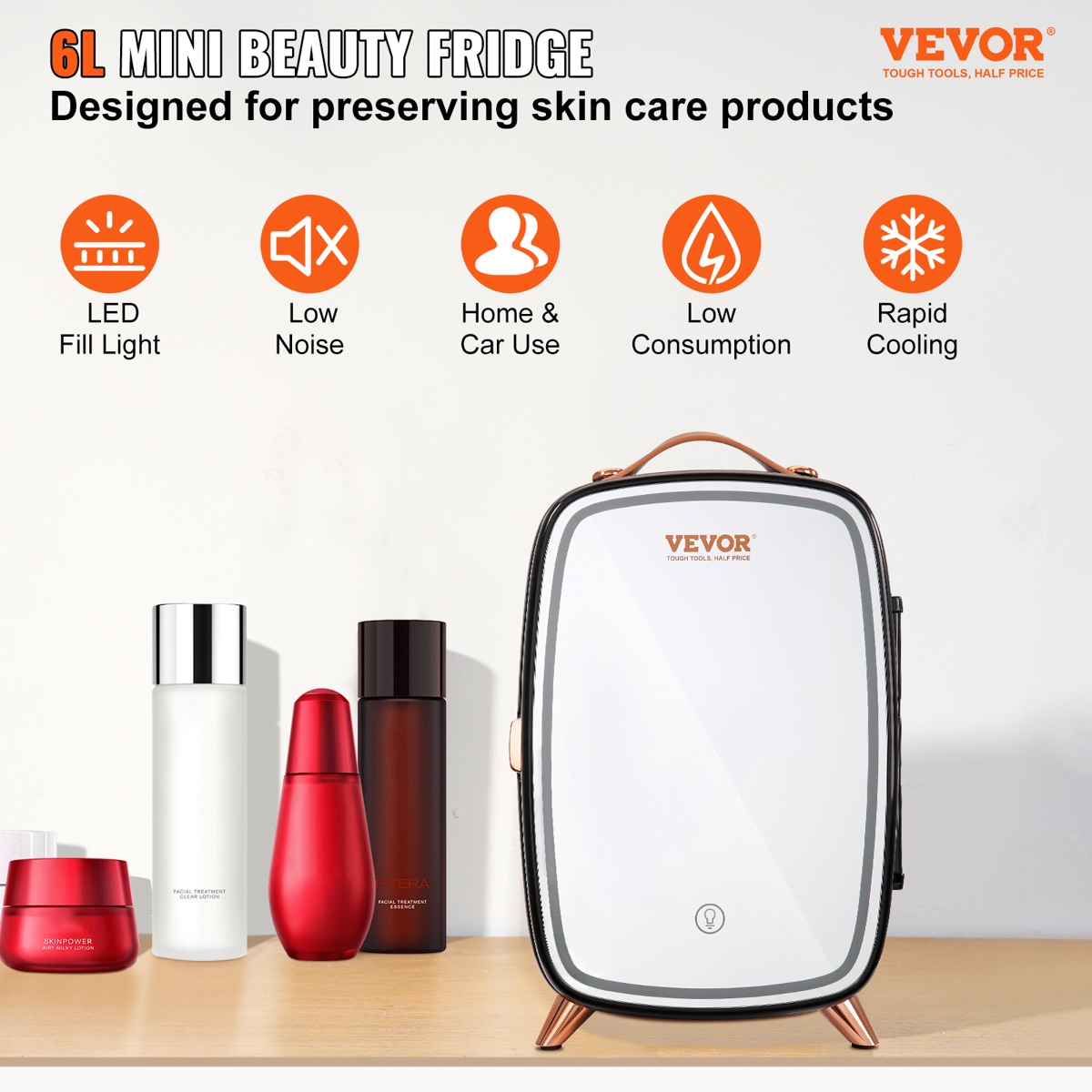 Vevor Mini Fridge, 6L Skincare With LED Light And HD Mirror, AC DC Makeup Fridges For Skin Care, Cosmetic Storage, Chill Face Mask Drink, Small Refrigerator For Bedroom Dorm Desktop, Black$53.99View on Mallflare
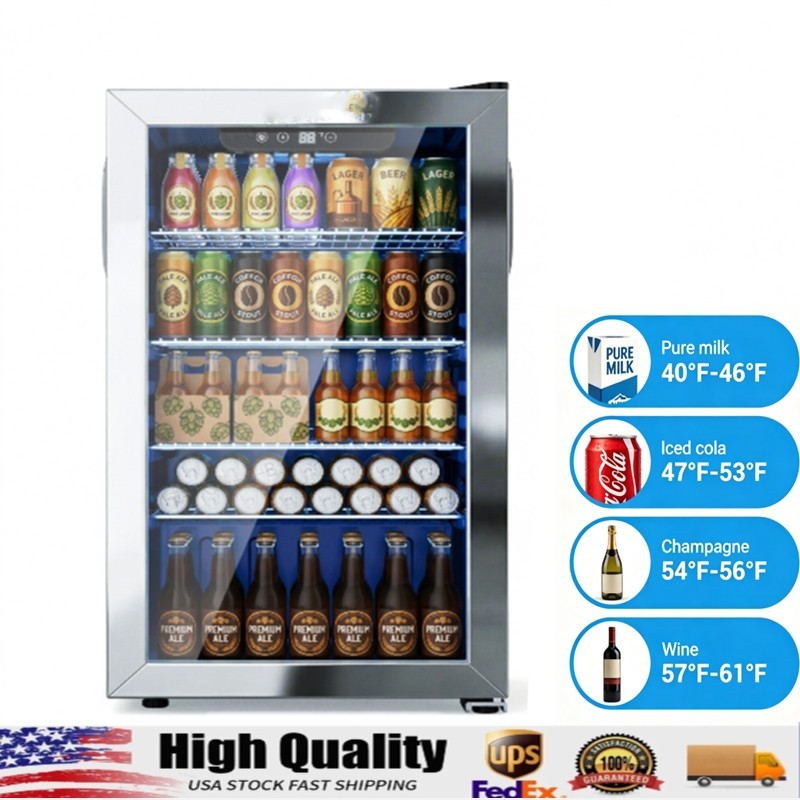 130 Can Mini Fridge Beverage Refrigerator Cooler Soda with Glass Door for Home$93.99Last checked Nov 25, 2026View on eBay
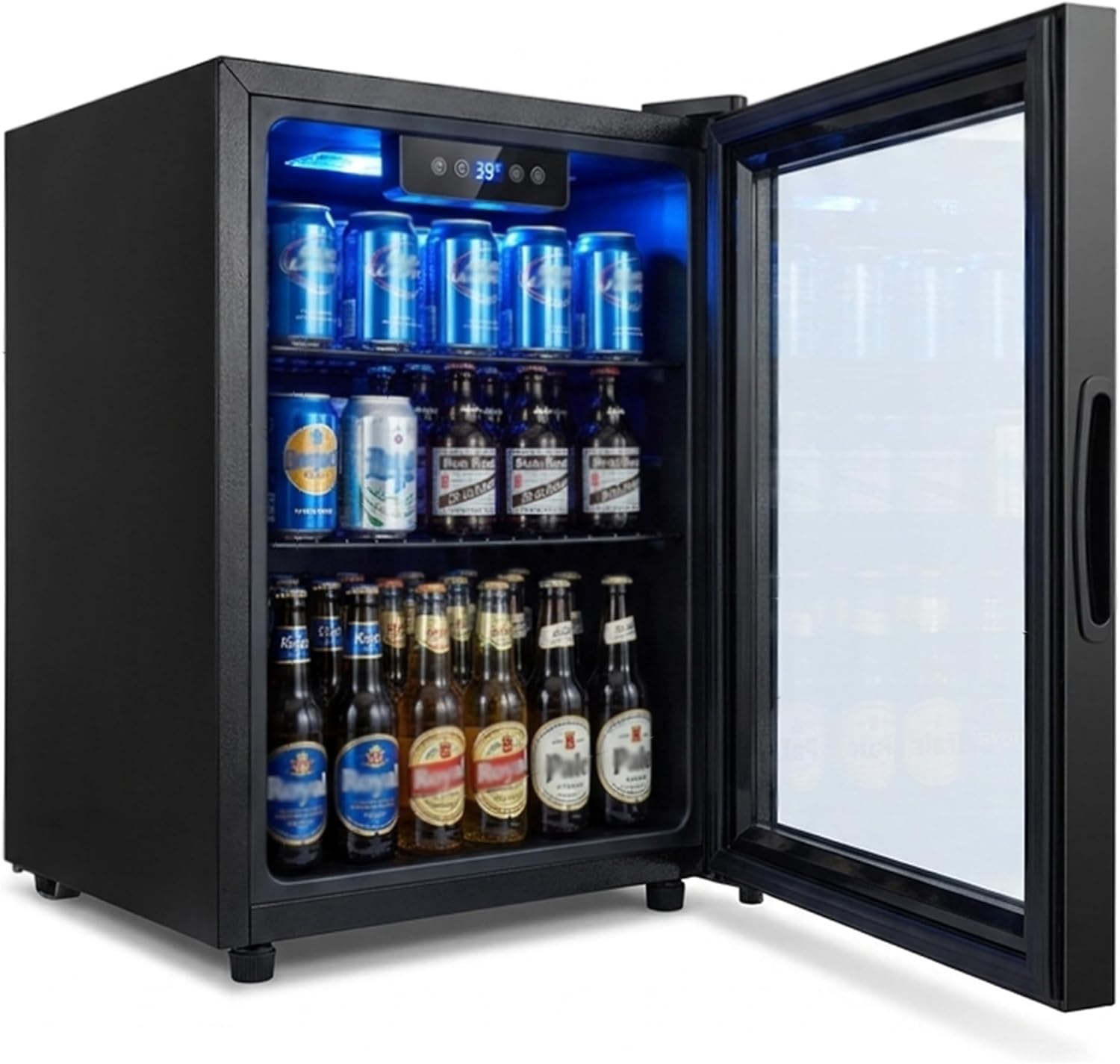 1.8 Cu Ft Beverage Refrigerator, 70 Can Mini Fridge With Glass Door, Digital Temperature Control, Adjustable Shelves, Quiet Cooler For Beer Soda Wine, Office Dorm$149.99View on Mallflare
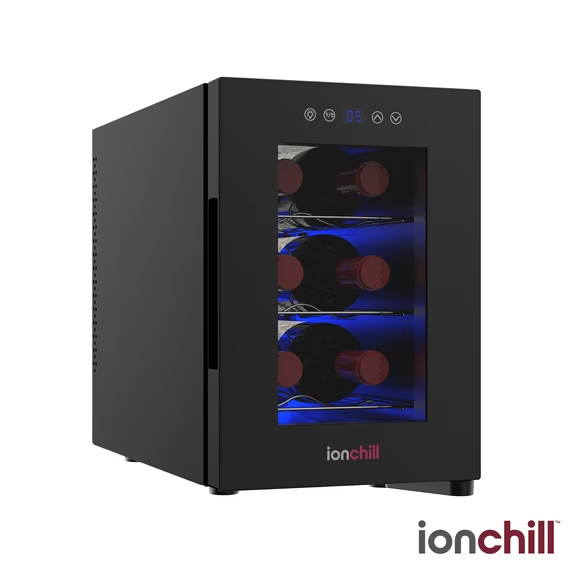 Ionchill 6-Bottle Wine Cooler, Mini Fridge with Wine Rack & Temperature Control$99.99View on eBay
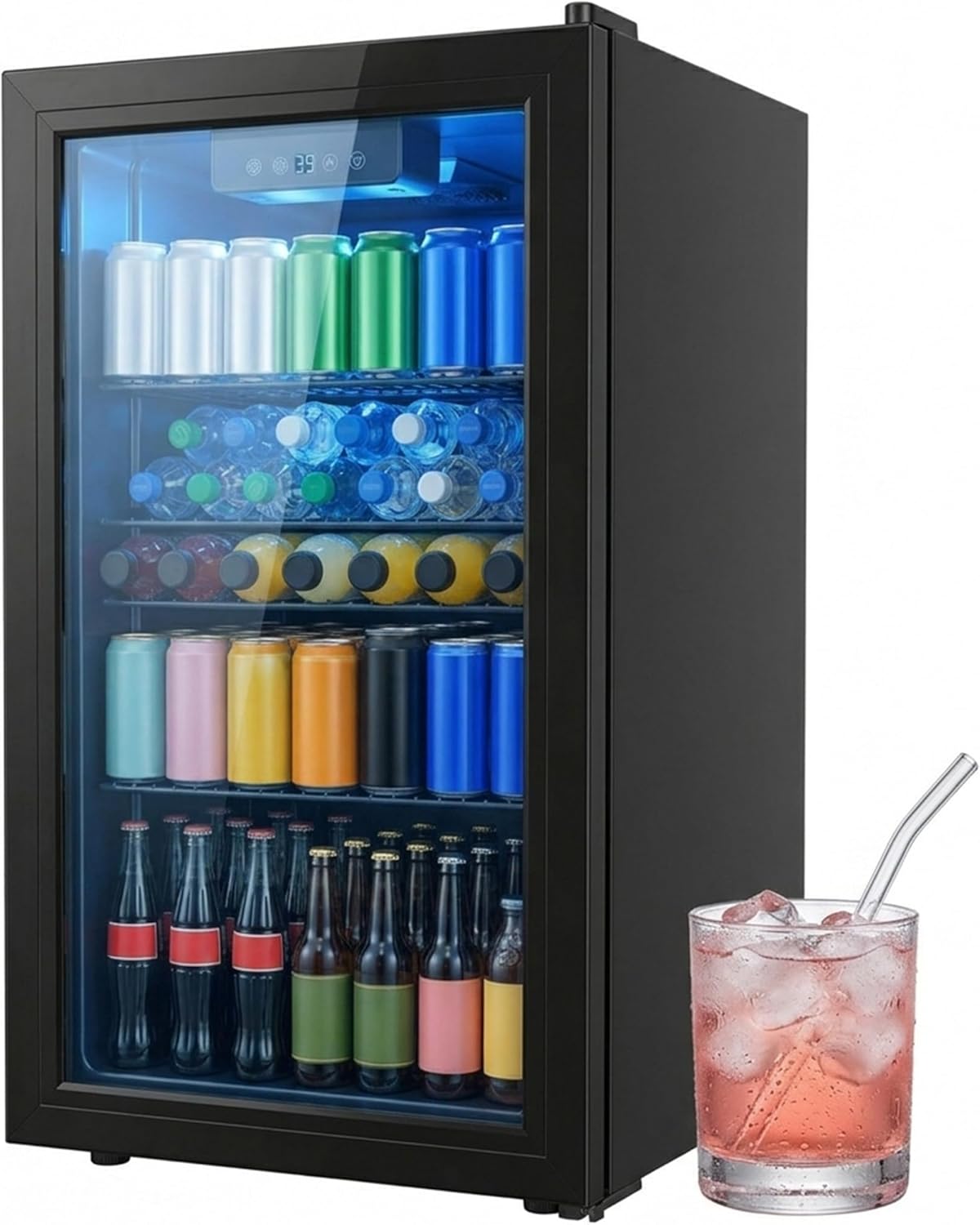 3.3 Cu Ft Beverage Refrigerator, 126 Can Mini Fridge With Glass Door, Digital Temperature Control, Quiet Cooler For Beer Soda Wine, Air Cooling For Home Office Bar$202.99View on Mallflare
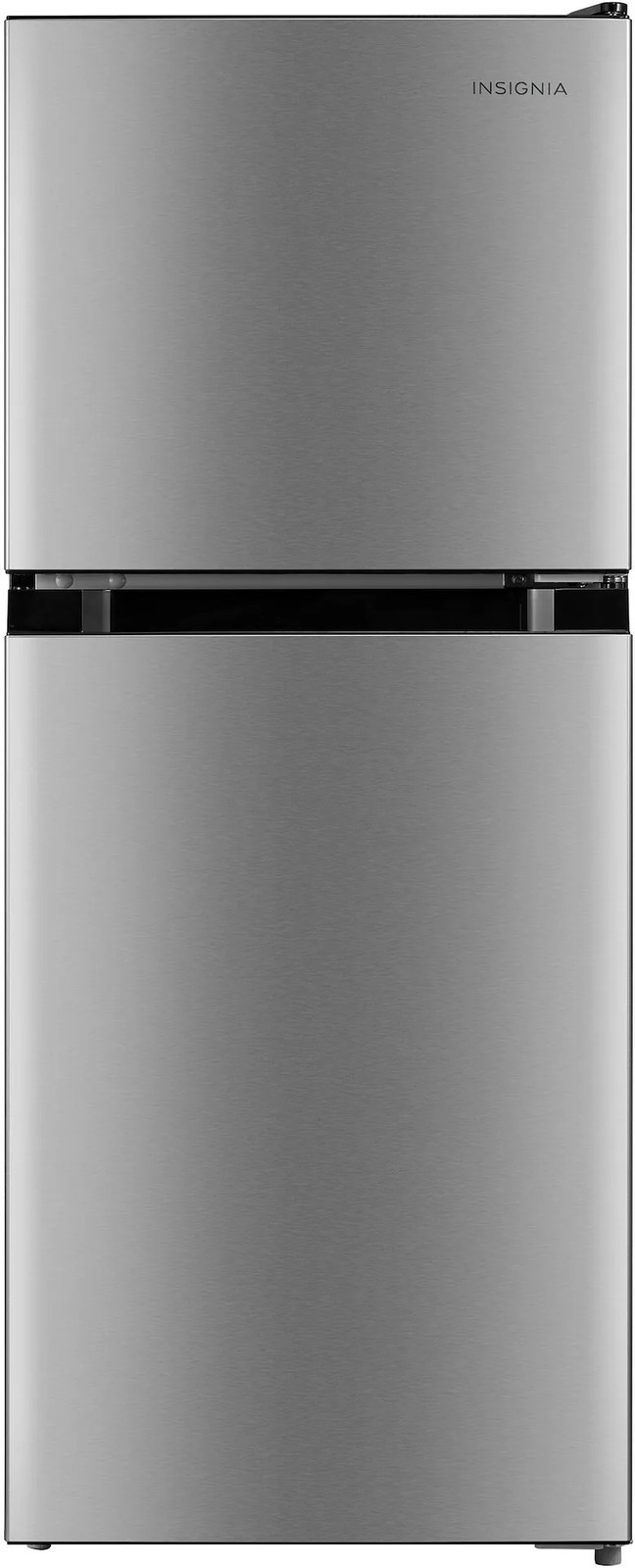 Insignia™ - 4.5 Cu. Ft. Mini Fridge with Top Freezer and ENERGY STAR Certificati$129.00View on eBay
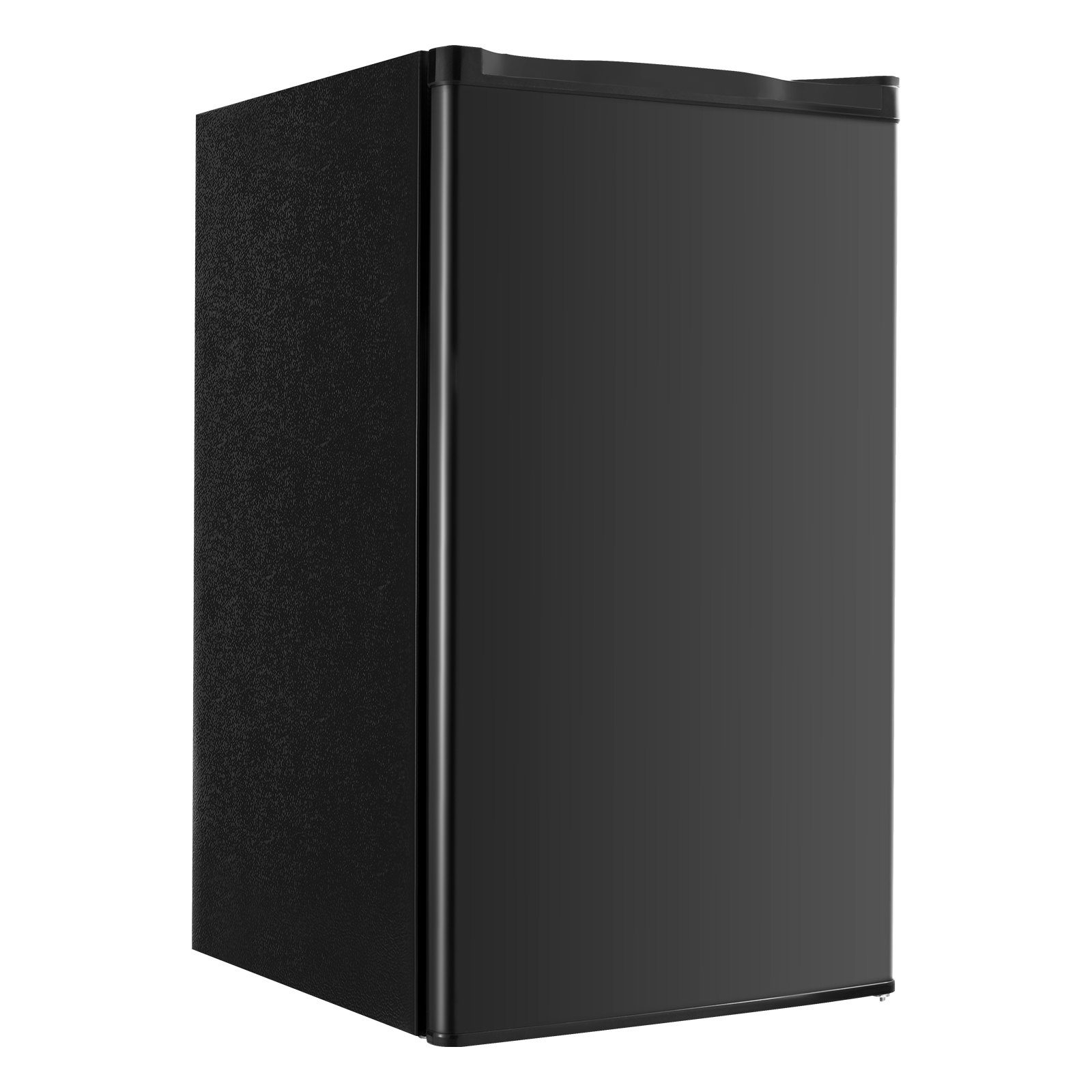 Mini Fridge, 3.2 Cu.Ft, Single Door Compact Refrigerator, Adjustable Temperature, Glass Shelf, Energy Efficient Small Reversible Low Noise, For Bedroom Dorm Office, Black$224.99View on Mallflare
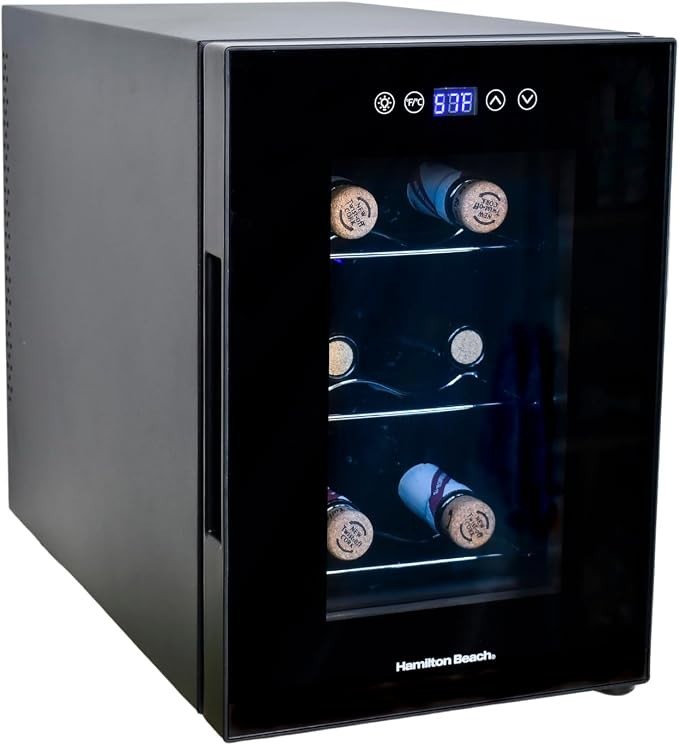 Hamilton Beach 6-Bottle Wine & Beverage Cooler HBWF6035-PL Mini Fridge New$129.97View on eBay
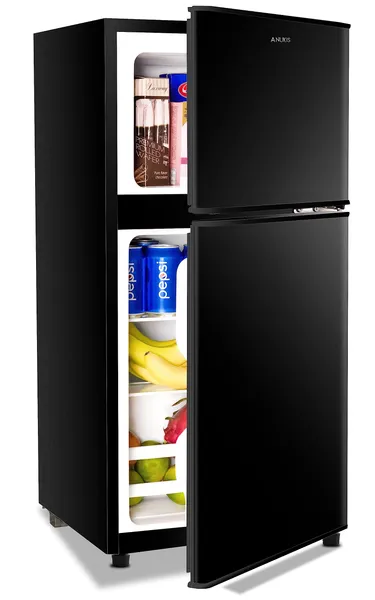 KRIB BLING 3.5Cu.Ft Compact Refrigerator Mini Fridge With Freezer, Small 2 Door, 7 Level Thermostat Removable Shelves For Kitchen, Dorm, Apartment, Bar, Office, Silver/Black/Blue$228.99View on Mallflare
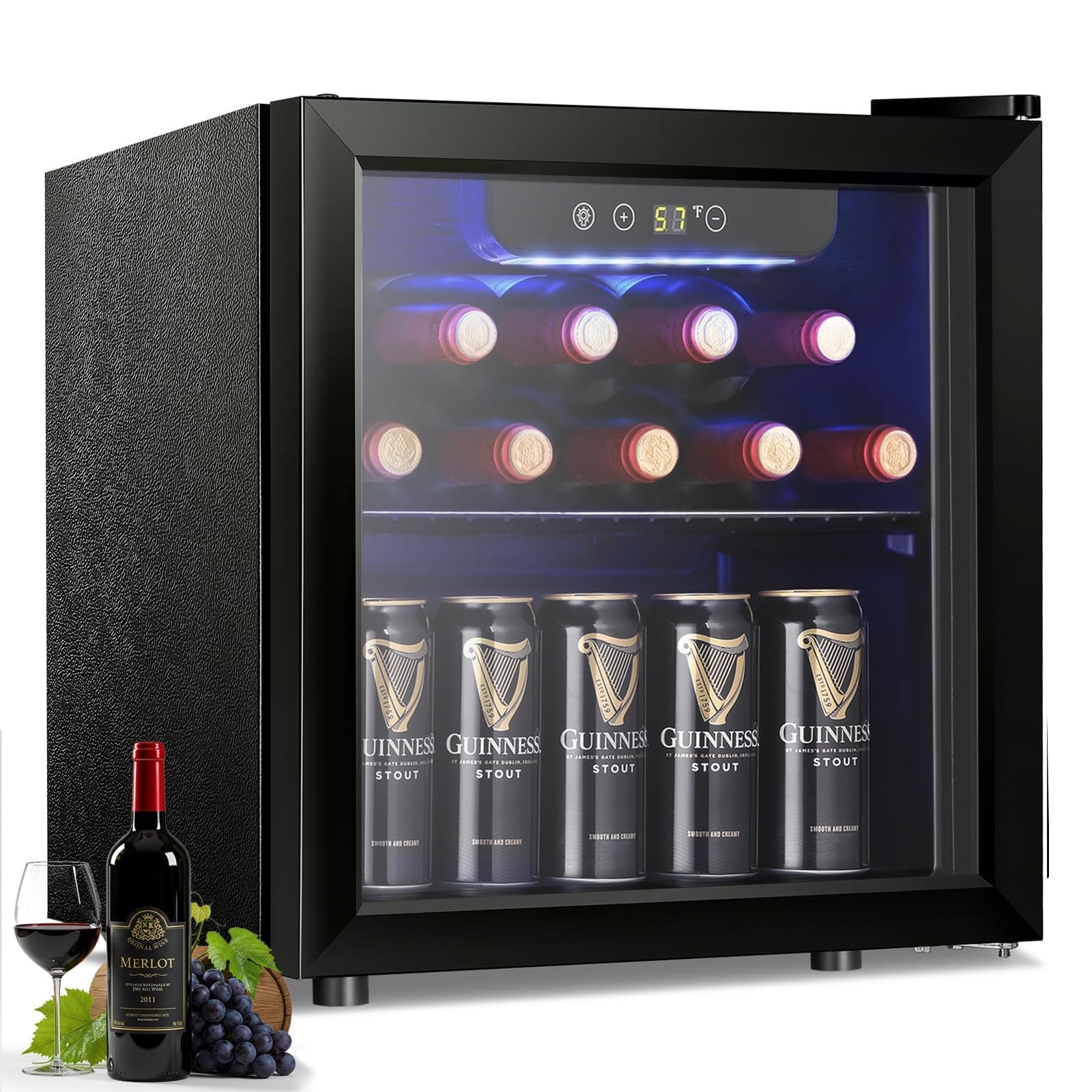 12 Bottle/48 Can Wine Cooler/Cabinet, Mini Drink Fridge, Clear Front$230.99Last checked Nov 17, 2026View on eBay
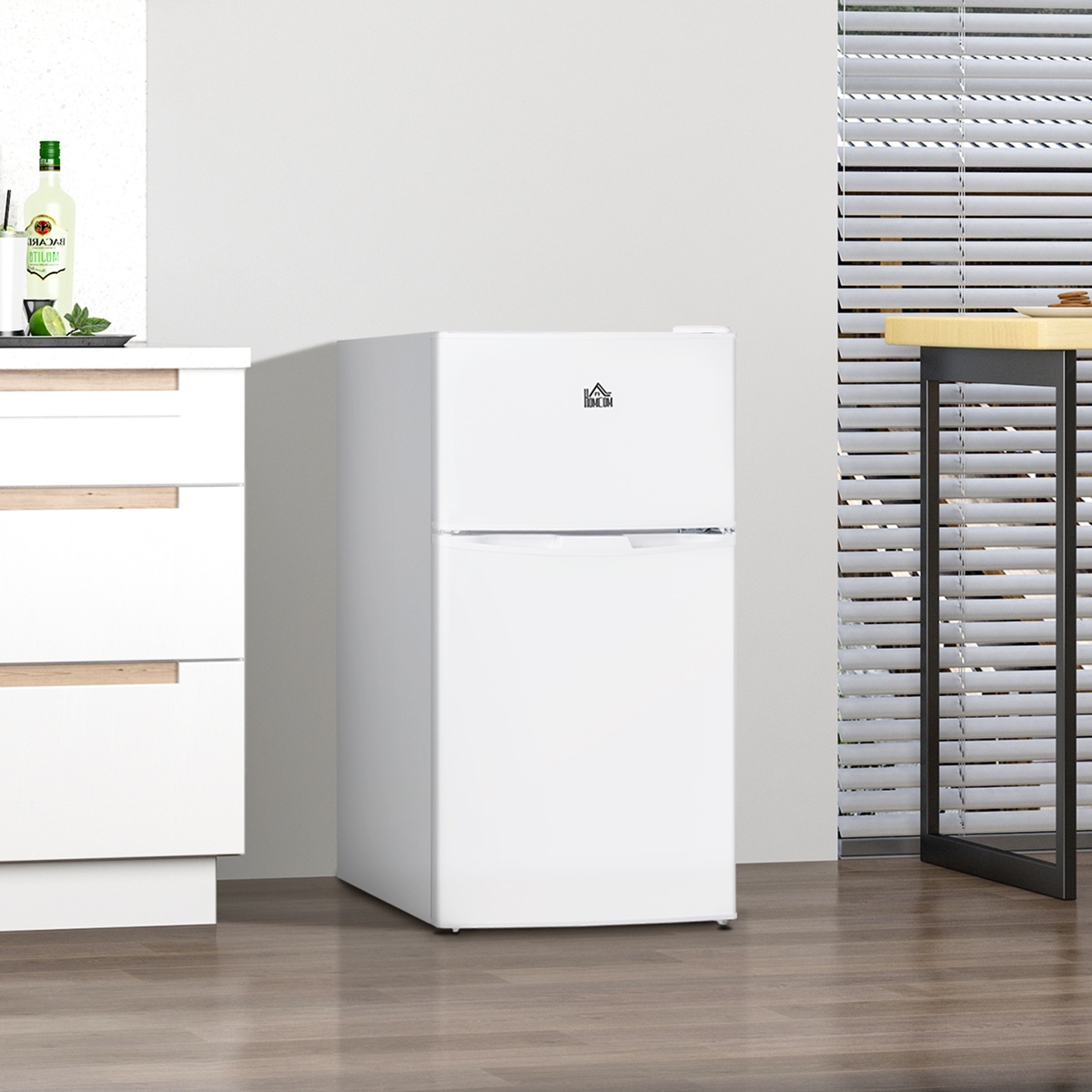 3.2 Cu.Ft Mini Fridge with Freezer, Compact Refrigerator Adjustable Thermostat, Shelf and Double Reversible Door for Bedroom, Dorm, Home Office, Energy Efficient, White$234.99View on Mallflare
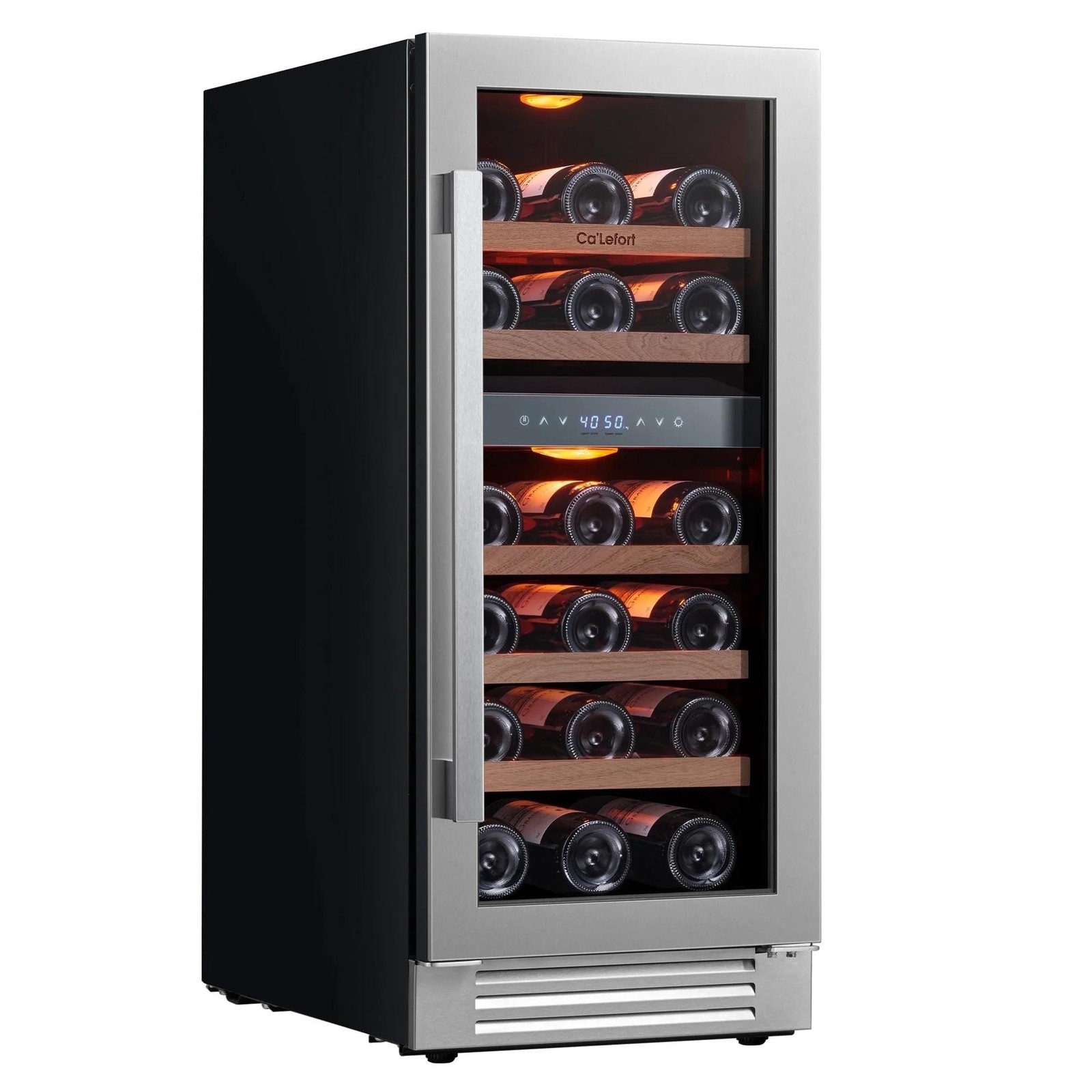 Ca'Lefort 15" Wine Cooler Mini Fridge Dual Zone 40°F-65°F 28 Bottles LED Lights$275.99Excellent - Refurbished · Last checked Nov 22, 2026View on eBay
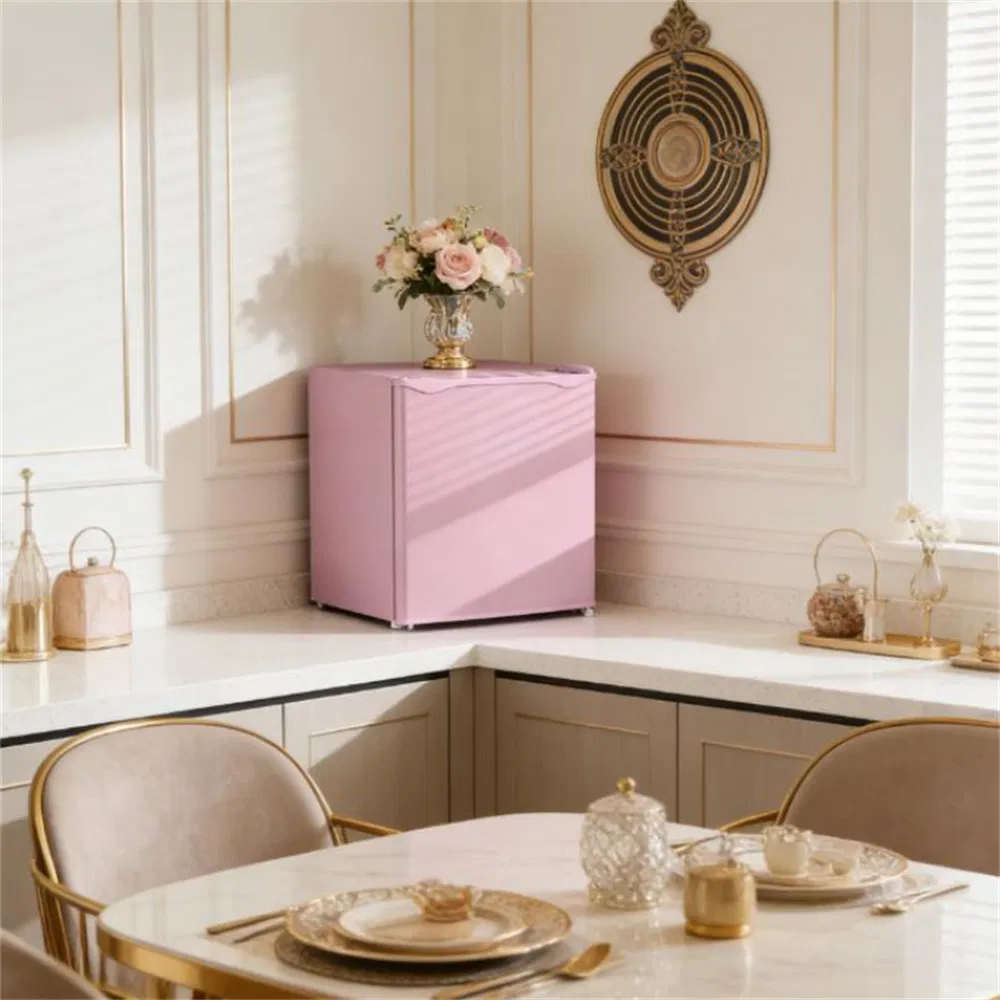 Desktop mini freezer, small fridge, pink color$252.99View on Mallflare
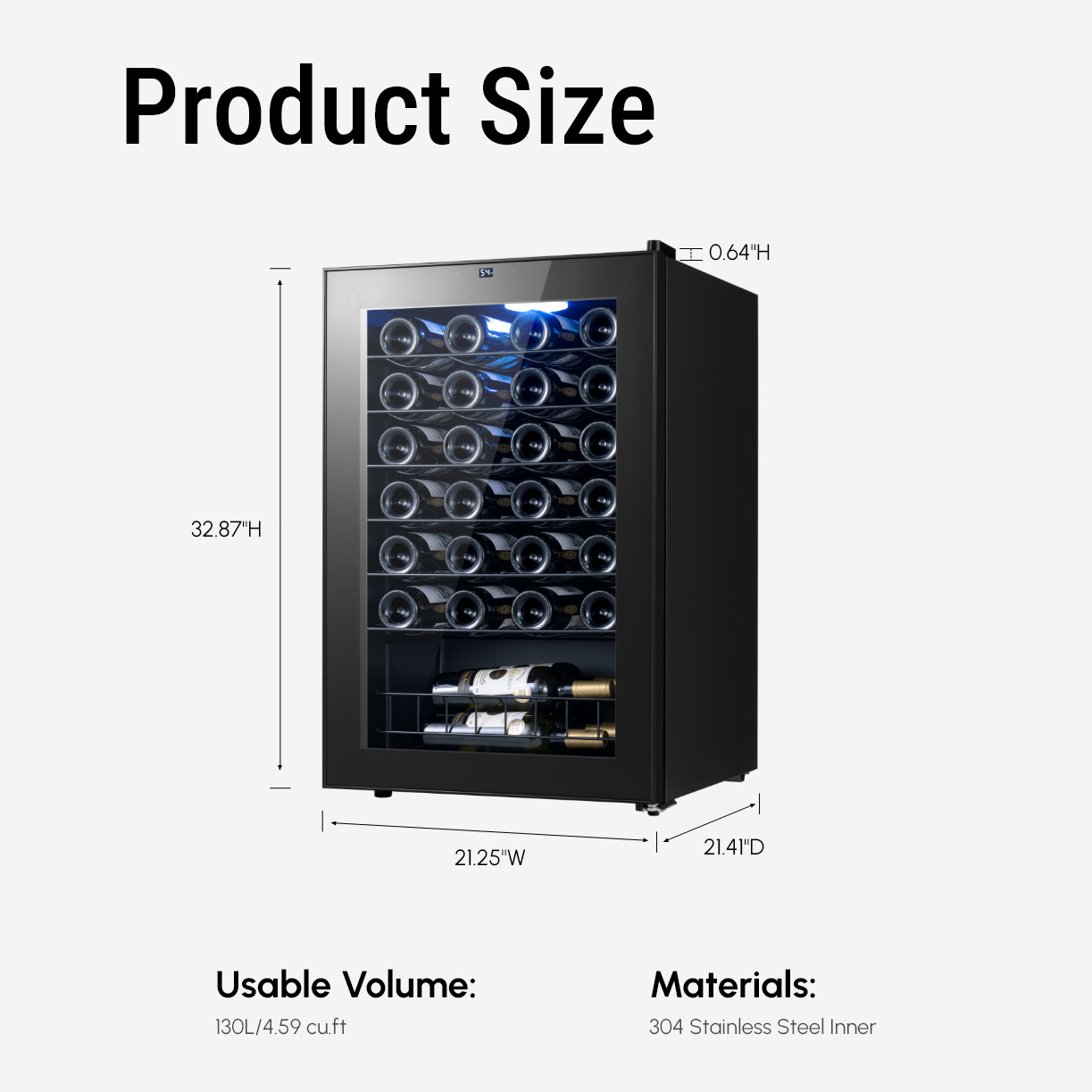 Yeego Mini Fridge Glass Door Wine Cooler 12/20/28/34/46 Bottles Home Appliance$279.99New · Last checked Nov 22, 2026View on eBay
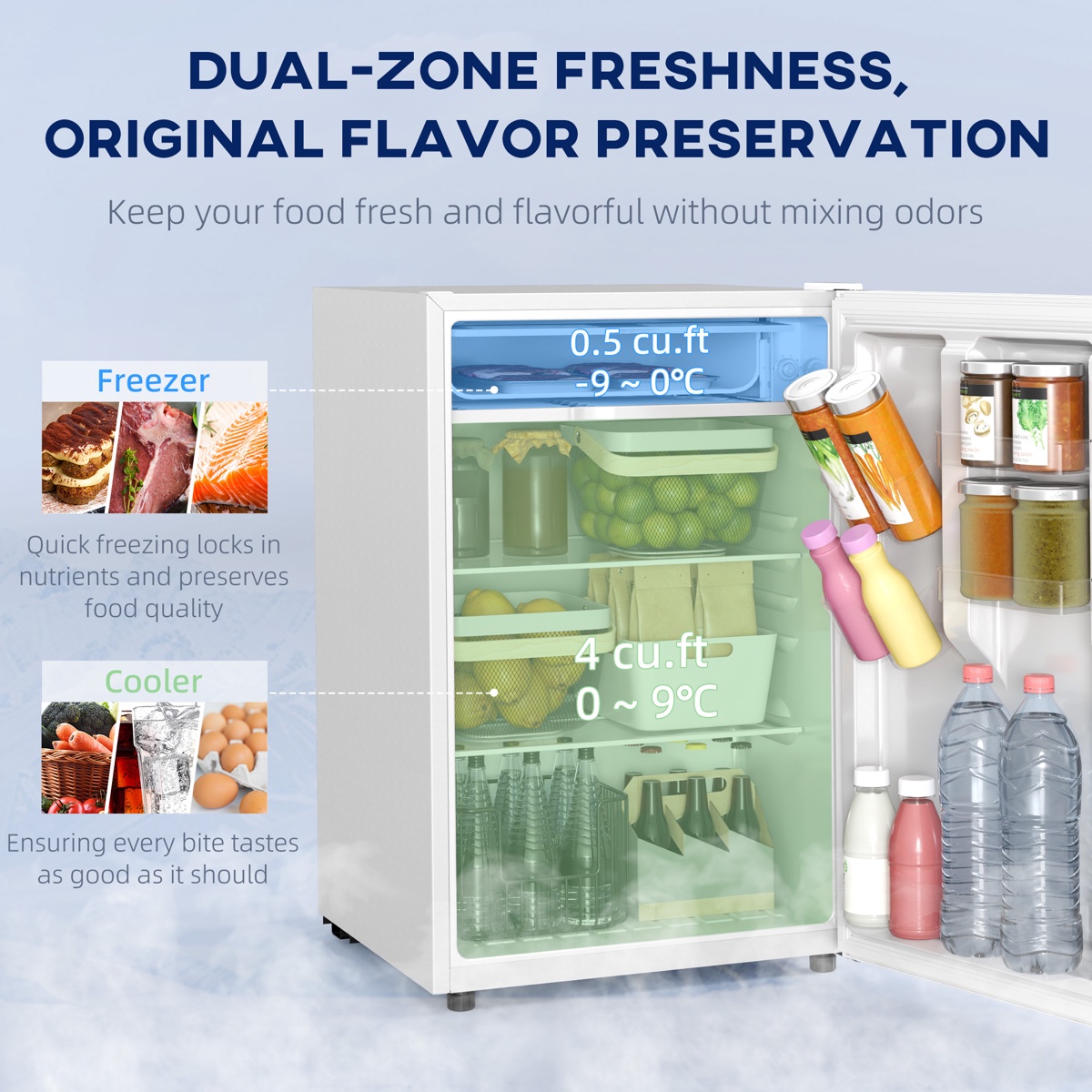 4.5 Cu.Ft Mini Fridge, Single Door Refrigerator with Freezer, Wheels, Adjustable Thermostat, Reversible White$265.99View on Mallflare
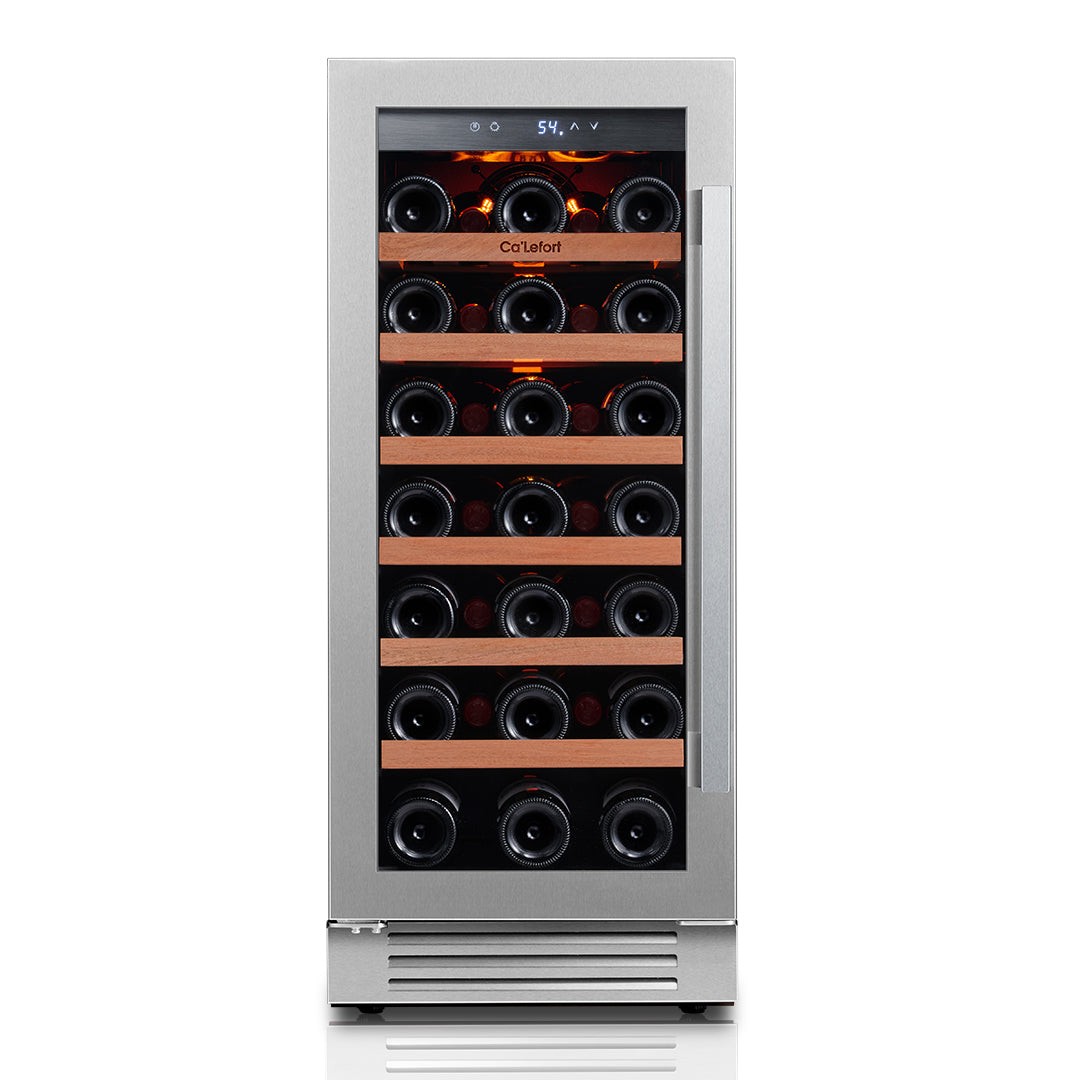 Ca'Lefort 15" Wine Cooler Refrigerator Left-Hinge 40°F-65°F Mini Fridge Home$289.99Last checked Nov 17, 2026View on eBay
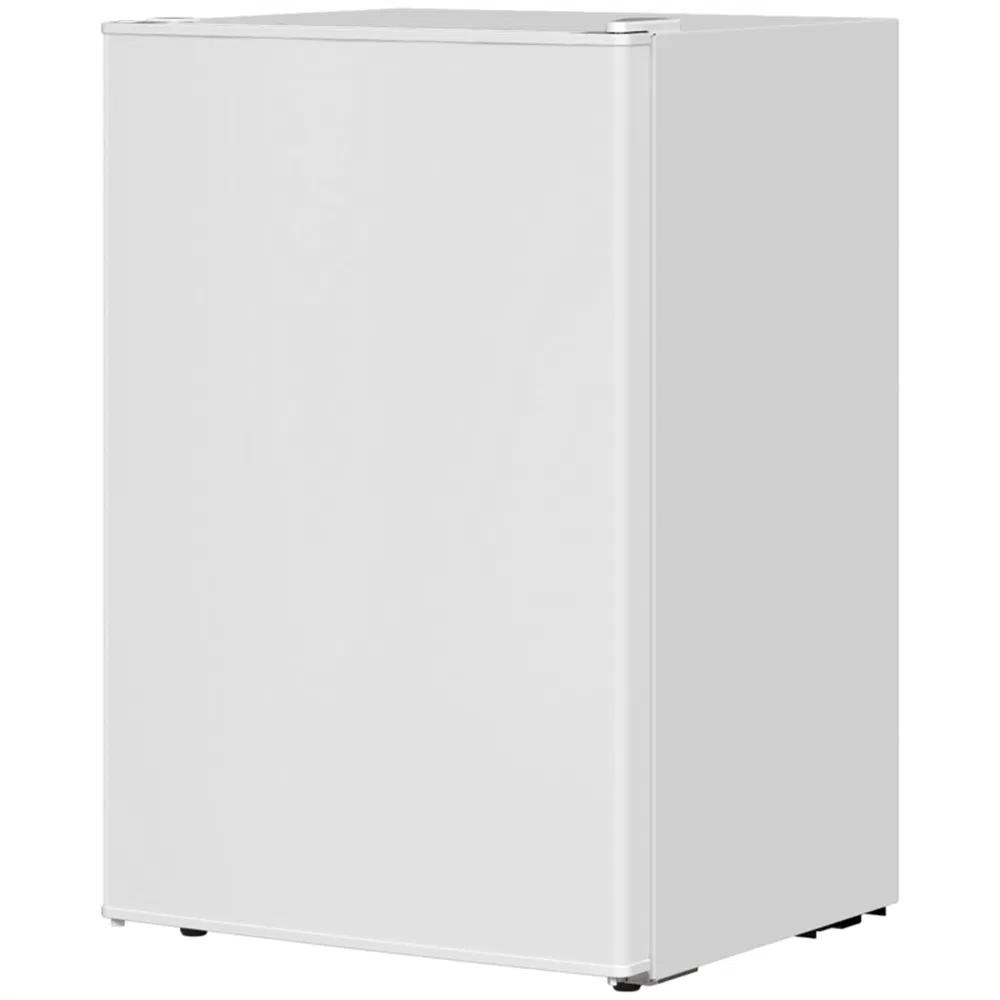 Mini Fridge 2.5 Cu.Ft with Reversible Door, 6 Temperature Settings and Removable Shelves, White$285.99View on Mallflare
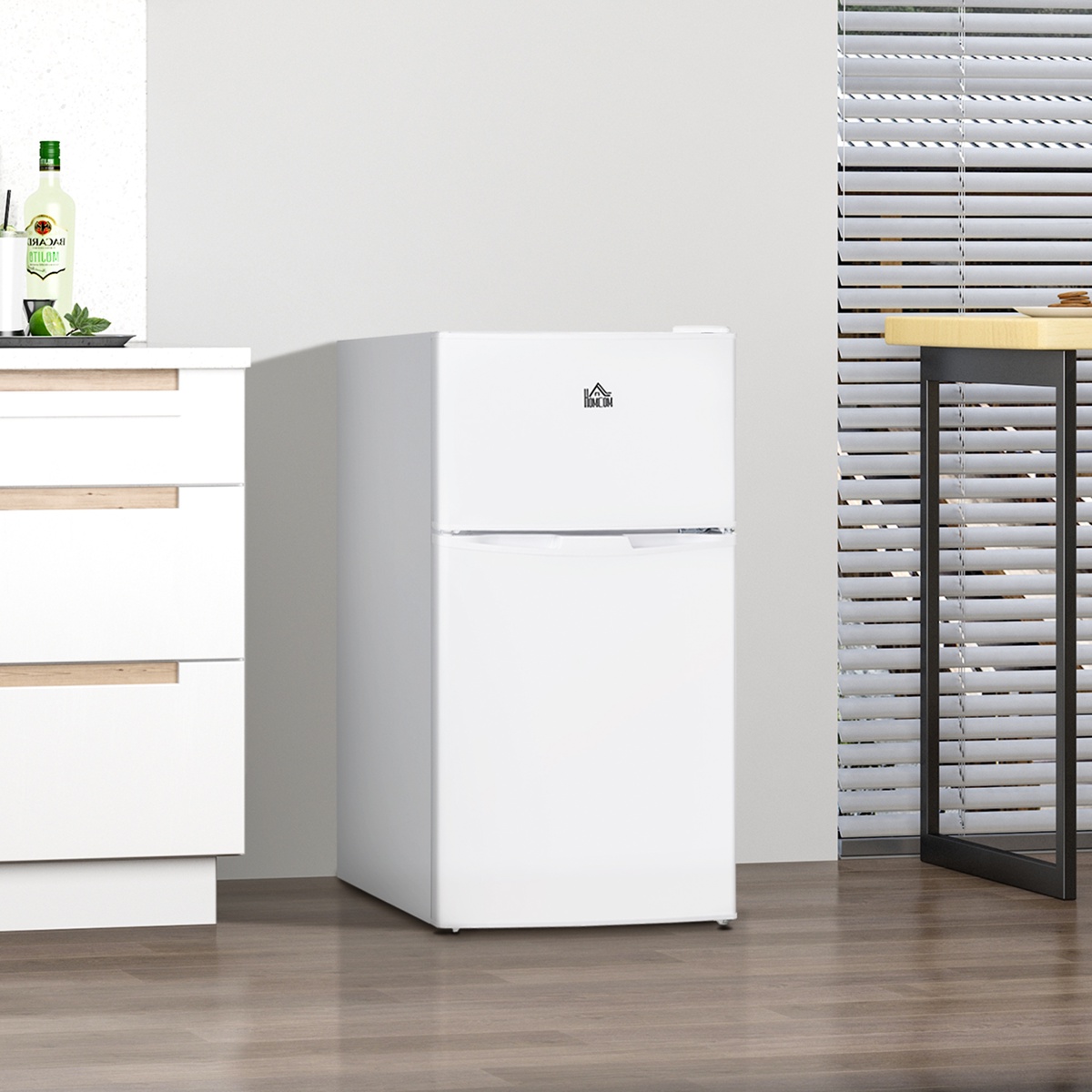 3.2 Cu.Ft Mini Fridge With Freezer, Double Door Compact Refrigerator Adjustable Thermostat, Shelf And Reversible For Bedroom, Dorm, Home Office, Energy Efficient, White$316.99View on Mallflare
 mini fridge$373.99View on Mallflare
Highlights
- Compressor cooling holds 34–40°F regardless of room temperature; thermoelectric (Peltier) units cool only 30–40°F below ambient and cannot freeze.
- Beverage-center glass-door models typically hold 70–126 cans and use air-cooling with digital thermostats; solid-door fridges use manual dials or single thermostats.
- Capacity tiers are 0.3–0.5 cu ft (6–10 cans), 1.6–2.0 cu ft (40–60 cans), 3.0–3.5 cu ft (90–130 cans), and 4.4–4.5 cu ft for family overflow.
- Compressor fridges need 2–4 inches of rear clearance and a level floor; thermoelectric units need 4–6 inches of side venting and run silent but warm the room.
Best use cases
- Pick a 3.0–3.5 cu ft compressor beverage fridge with glass door and digital thermostat for a home bar or office holding 90–130 cans at a stable 37°F.
- Choose a 6–10 L thermoelectric skincare fridge (AC/DC) for a bedroom or desk only if the room stays below 75°F and you chill cosmetics, not food.
- Skip thermoelectric units for garage, dorm, or cabin use where ambient exceeds 80°F—choose a 1.6–2.0 cu ft compressor model instead.
- For a family overflow fridge, select a 4.4–4.5 cu ft compressor single-door with reversible hinge and wheels, not a 1.3 cu ft countertop unit.
Buying tips
- For food safety, only compressor models hold 34–40°F; thermoelectric units are for drinks and skincare and cannot store meat or dairy.
- Size by interior: a 3.2 cu ft fridge fits roughly 130 12-oz cans or 6 wine bottles; a 1.8 cu ft glass-door holds 70 cans.
- Match door swing and hinge reversibility to your space; glass-door beverage fridges often fix the hinge on the right and need 2–4 inches of side clearance.
- Check voltage and plug type: AC 110–120V for home use; AC/DC 12V adapters are only on portable thermoelectric units, not compressor fridges.
Specs
| Cooling Type | Compressor vs Thermoelectric (Peltier) |
|---|---|
| Temperature Range | 34–40°F compressor / 30–40°F below ambient |
| Capacity Tiers | 0.3–0.5 / 1.6–2.0 / 3.0–3.5 / 4.4–4.5 cu ft |
| Door Style | Solid reversible vs glass beverage center |
Related searches
What to check before buying
- Measure the alcove width, depth, and height and add 2–4 inches of rear and side clearance for compressor ventilation.
- Confirm the floor is level and can support a 40–70 lb loaded fridge; thermoelectric units are lighter but still need stable footing.
- Verify the outlet is a standard 110–120V grounded receptacle within cord reach; 12V DC is only for car/portable thermoelectric models.
- For glass-door beverage centers, check that the door opens fully without hitting shelves or counters and that the shelf spacing fits your bottle heights.
FAQ
Data sources: eBay / Amazon listings and product attribute feeds. Updated Nov 28, 2026.
Some links on this page are affiliate links. If you buy after clicking one, we may earn a commission at no extra cost to you. This does not change which products appear here or their order. Affiliate disclosure.