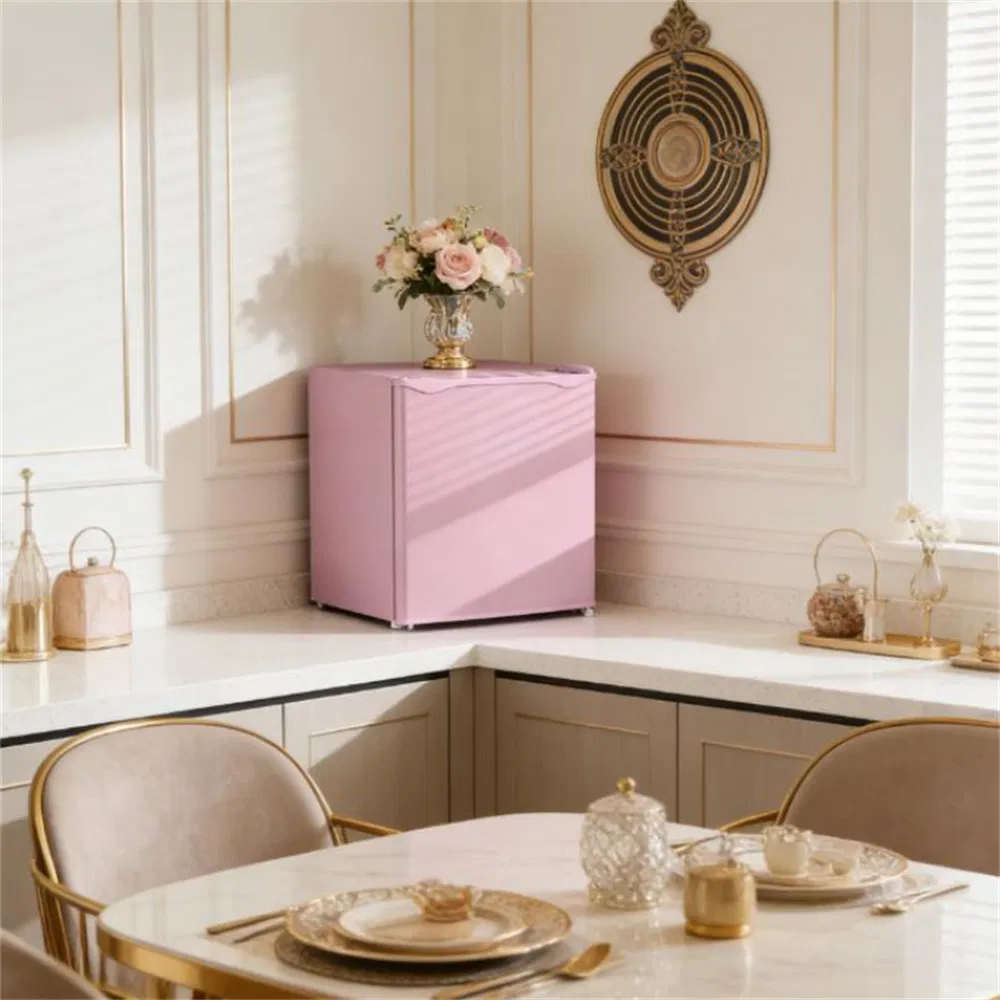

Photos from current listings. Actual item, color, and included accessories may vary.
Portable Fridge Freezer Buying Guide
Portable fridge freezers are 12V/24V DC compressor-driven coolers that replace ice chests for road trips, off-grid camping, and overlanding. The primary trade-off is compressor architecture: true variable-speed DC compressors deliver deep, precise cooling (down to -4°F) at low amp draw, while thermoelectric (Peltier) units only cool 35-45°F below ambient and cannot freeze. The decision rule: buy a DC compressor unit (Danfoss/Secop, or a reputable inverter compressor) if you need freezing or multi-day off-grid use; skip thermoelectric coolers entirely unless you only need beverage chilling on short drives.
Key takeaways
- Compressor type is the deciding spec: variable-speed DC compressors (Danfoss/Secop BD35F/BD50F or equivalent) cool to -4°F/-20°C and average 0.5-1.5 Ah per hour, while thermoelectric units bottom out at 35-45°F below ambient and cannot freeze.
- Capacity tiers scale by trip length: 15-25 qt suits solo day trips and semi-truck cabs; 35-55 qt is the dual-zone sweet spot for two people overlanding; 75-95 qt serves families or long expeditions and typically requires dual-zone or single-zone with a dedicated freezer basket.
- Power input is dual-standard: units accept 12V/24V DC (cigarette plug or hardwire) and 100-240V AC via adapter; a 60-75W typical draw over 24 hours means roughly 400-700 Wh, which dictates a 500-1,000 Wh portable power station for overnight off-grid use.
At a glance
- Category
- Home Refrigerators, Freezers & Wine Coolers
- Last updated
- Nov 28, 2026
Current offers
Highlights
- Compressor type is the deciding spec: variable-speed DC compressors (Danfoss/Secop BD35F/BD50F or equivalent) cool to -4°F/-20°C and average 0.5-1.5 Ah per hour, while thermoelectric units bottom out at 35-45°F below ambient and cannot freeze.
- Capacity tiers scale by trip length: 15-25 qt suits solo day trips and semi-truck cabs; 35-55 qt is the dual-zone sweet spot for two people overlanding; 75-95 qt serves families or long expeditions and typically requires dual-zone or single-zone with a dedicated freezer basket.
- Power input is dual-standard: units accept 12V/24V DC (cigarette plug or hardwire) and 100-240V AC via adapter; a 60-75W typical draw over 24 hours means roughly 400-700 Wh, which dictates a 500-1,000 Wh portable power station for overnight off-grid use.
- Insulation and lid construction determine efficiency and condensation control: PU foam thickness of 2.5-3.5 inches and a magnetic-seal lid with a positive latch hold temperature far better than thin-walled ABS shells; metal (stainless/aluminum) bodies resist vibration cracking better than polypropylene in vehicle mounts.
Best use cases
- Best fit: Overlanding and van life with a 35-55 qt dual-zone DC compressor unit wired to a dedicated 12V circuit or 500 Wh+ power station; skip 12V thermoelectric coolers for extended trips because they drain batteries and cannot freeze.
- Best fit: Semi-truck and RV cab use with a 15-25 qt single-zone compressor cooler on the 12V socket; skip 75 qt+ units in compact cabs unless a dual-zone slide mount and auxiliary battery are already installed.
- Best fit: Family camping and tailgating with a 75-95 qt dual-zone unit paired with a 1,000 Wh power station; skip single-zone large units if you need simultaneous frozen and fresh zones, since ice migration between zones is the main food-spoilage failure.
Buying tips
- Size by daily volume: allow roughly 1.5-2 qt per person per day of food and drinks; a 45 qt unit covers two adults for 3-4 days, so do not size below 35 qt for multi-day trips.
- Confirm the compressor brand and refrigerant: Danfoss/Secop BD series or genuine inverter compressors with R134a/R600a are serviceable and efficient; generic compressors without parts availability turn a repairable cooler into landfill.
- Match the power path: 12V/24V DC input with a 10A fused cigarette plug is minimum; for overnight use, budget a power station of at least 500 Wh per 24 hours of runtime and confirm the cooler's low-voltage cutout can be set to protect the vehicle battery.
- Check temperature range and zone control: single-zone units hold one temperature (fridge or freezer mode); dual-zone units allow independent fridge/freezer setpoints, which matters if you carry both produce and frozen goods.
Specs
| Cooling Type | DC compressor vs thermoelectric |
|---|---|
| Capacity Range | 15-95 qt (solo to family) |
| Power Input | 12V/24V DC + 100-240V AC |
| Temp Range | -4°F to 50°F (compressor) |
Related searches
What to check before buying
- Measure the vehicle or camper bay: confirm external dimensions plus 2-3 inches of ventilation clearance on all sides; compressor coolers need airflow and cannot be sealed into a tight cabinet.
- Verify power infrastructure: confirm a 12V/24V DC outlet or hardwire circuit rated for the unit's peak amp draw (typically 5-7A at 12V startup) and whether a 100-240V AC adapter is included.
- Check floor and mounting compatibility: confirm the unit fits a tie-down or slide mount and that the lid opens fully in the installed position; front-opening vs top-opening changes usable space dramatically.
- Confirm climate rating: units rated for ambient up to 100-110°F maintain setpoint; in hotter climates or direct sun, add insulation wrap and shade, because all compressor coolers lose efficiency as ambient climbs.
FAQ
Data sources: eBay / Amazon listings and product attribute feeds. Updated Nov 28, 2026.
Some links on this page are affiliate links. If you buy after clicking one, we may earn a commission at no extra cost to you. This does not change which products appear here or their order. Affiliate disclosure.