
Photos from current listings. Actual item, color, and included accessories may vary.
Refrigerator Buying Guide
A refrigerator is a compressor-driven appliance where the sealed cooling system, insulation quality, and door/compartment configuration determine longevity and temperature stability. The core trade-off is upfront build quality versus capacity: cheap units use thinner walls, smaller compressors, and manual defrost, while durable units use higher-efficiency compressors, better gaskets, and frost-free cycles. The decision rule is simple: choose a compressor model with a defined cubic-foot capacity and reversible door for daily use, and avoid thermoelectric or cosmetic-only coolers for food storage.
Median $319.99 · New & pre-owned listings
Key takeaways
- Compressor cooling maintains 0–5°F freezer and 34–40°F fresh-food zones; thermoelectric units only hold 35–45°F below ambient and cannot freeze.
- Frost-free (no-frost) evaporator fan systems prevent ice buildup; manual-defrost models require emptying and thawing every few months.
- Insulation thickness and door gasket quality dictate efficiency more than capacity—compact fridges under 4 cu ft often use thin walls and lose cold faster.
At a glance
- Category
- Home Refrigerators, Freezers & Wine Coolers
- Last updated
- Nov 28, 2026
Current offers
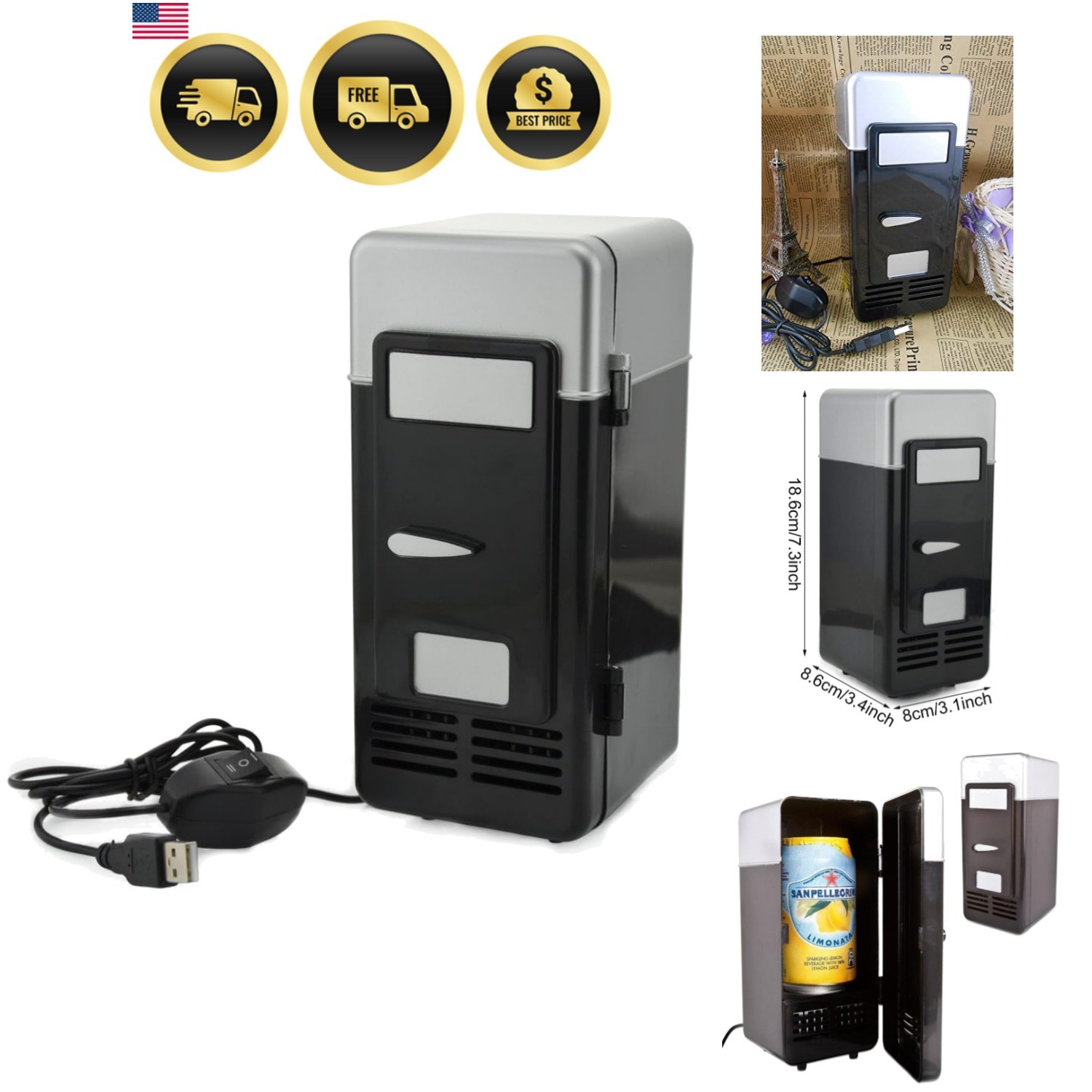 New Mini Red USB Fridge Cooler Beverage Drink Cans Cooler/Warmer Refrigerator...$56.65Last checked Nov 24, 2026View on eBay
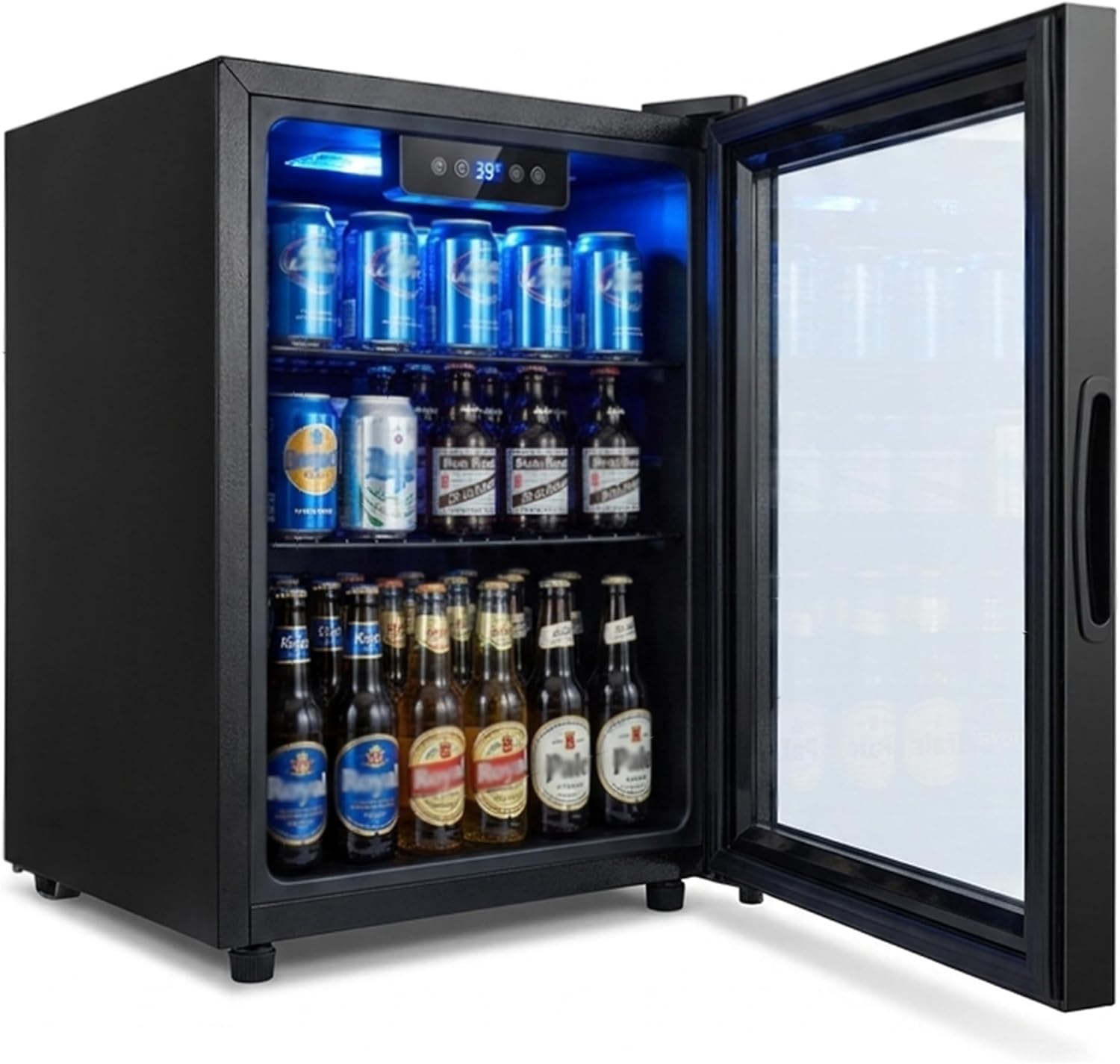 1.8 Cu Ft Beverage Refrigerator, 70 Can Mini Fridge With Glass Door, Digital Temperature Control, Adjustable Shelves, Quiet Cooler For Beer Soda Wine, Office Dorm$149.99View on Mallflare
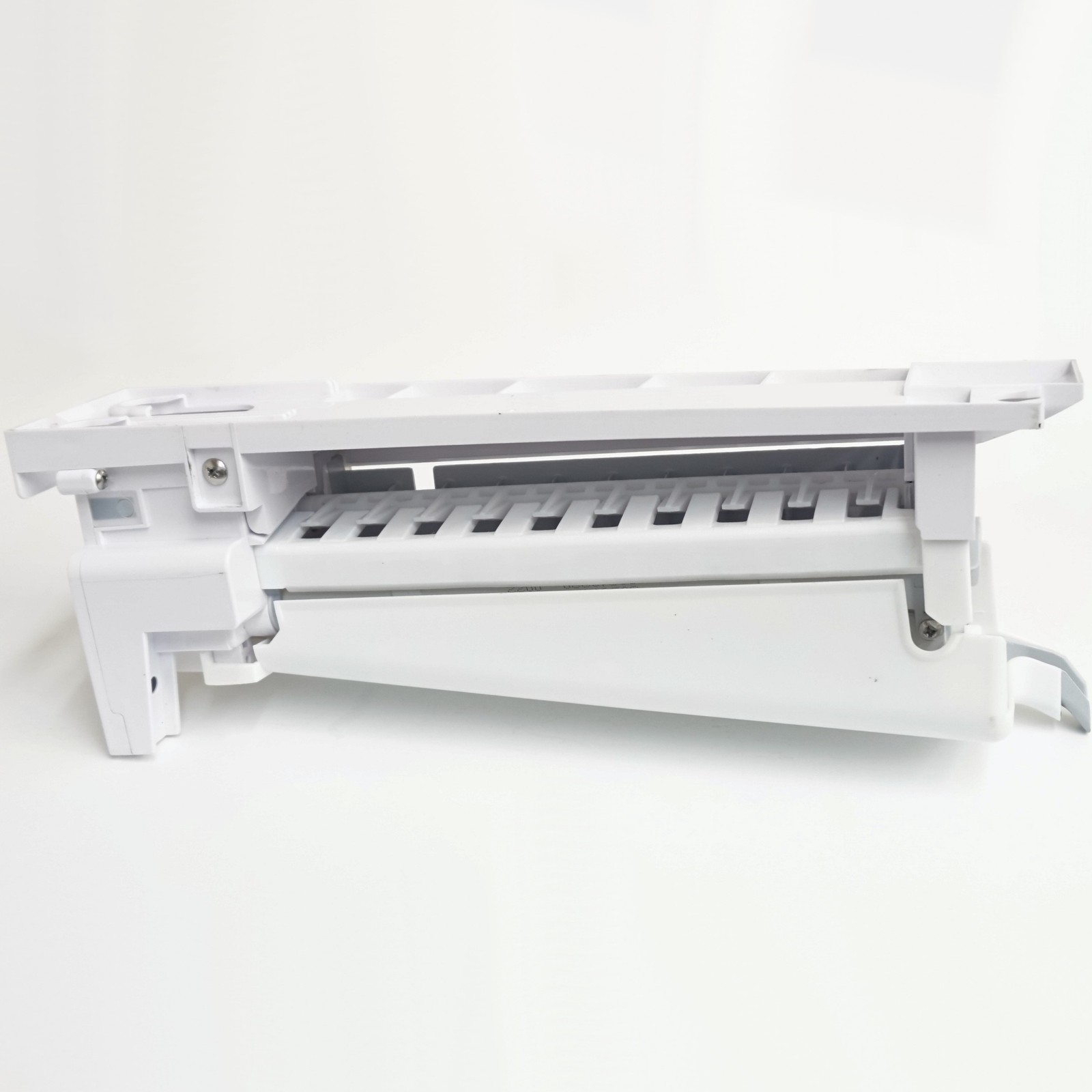 Refrigerator Icemaker Assembly for Samsung, AP6261445, DA97-15217B, DA97-15217D$99.72View on eBay
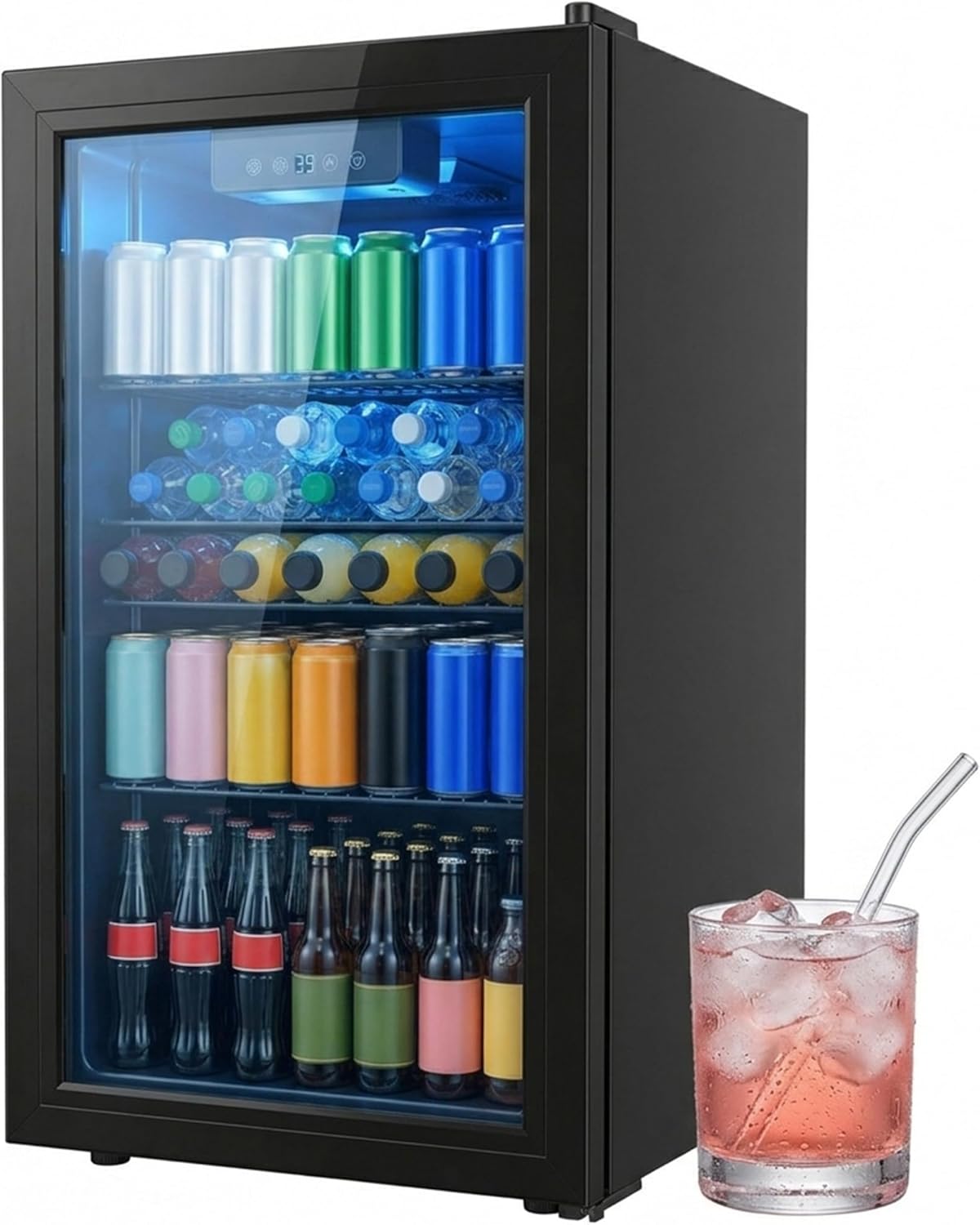 3.3 Cu Ft Beverage Refrigerator, 126 Can Mini Fridge With Glass Door, Digital Temperature Control, Quiet Cooler For Beer Soda Wine, Air Cooling For Home Office Bar$202.99View on Mallflare
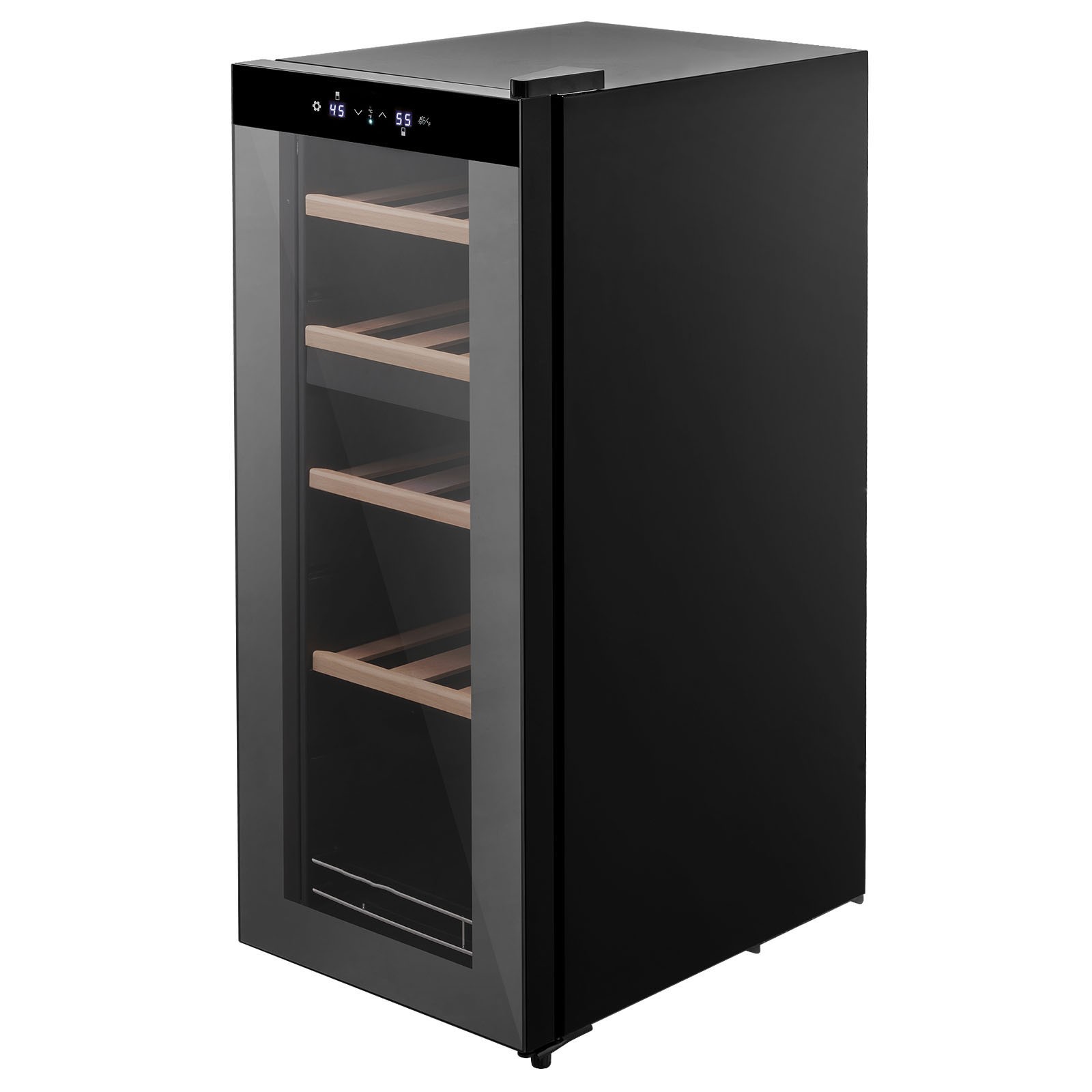 Uimoso 20-Bottle Dual Zone Wine Cooler Freestanding Refrigerator$286.29New · Last checked Nov 22, 2026View on eBay
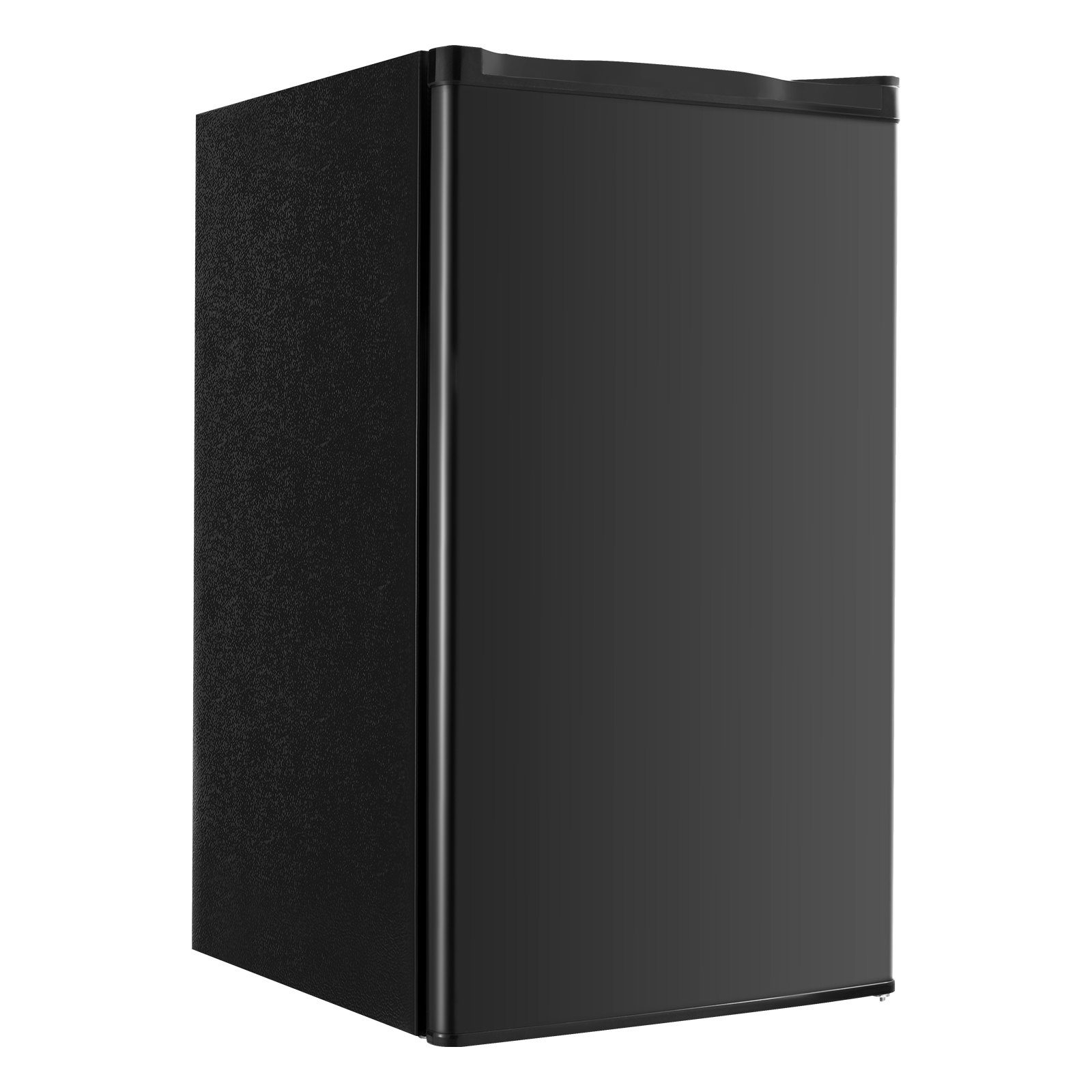 Mini Fridge, 3.2 Cu.Ft, Single Door Compact Refrigerator, Adjustable Temperature, Glass Shelf, Energy Efficient Small Reversible Low Noise, For Bedroom Dorm Office, Black$224.99View on Mallflare
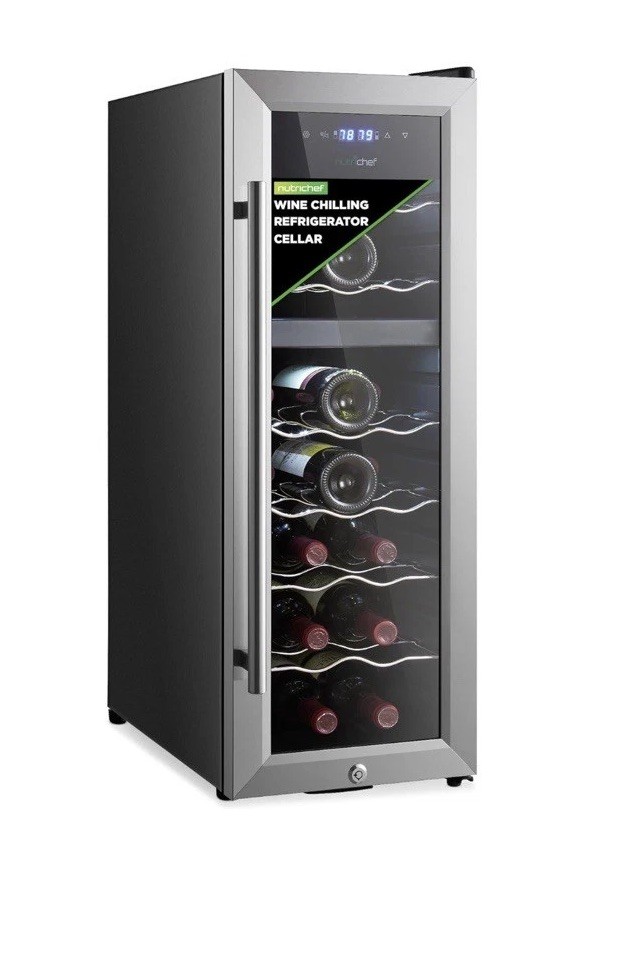 NutriChef PKCWCDS182.5 Chilling Refrigerator Cellar-Dual-Zone Wine Cooler$319.99Last checked Nov 17, 2026View on eBay
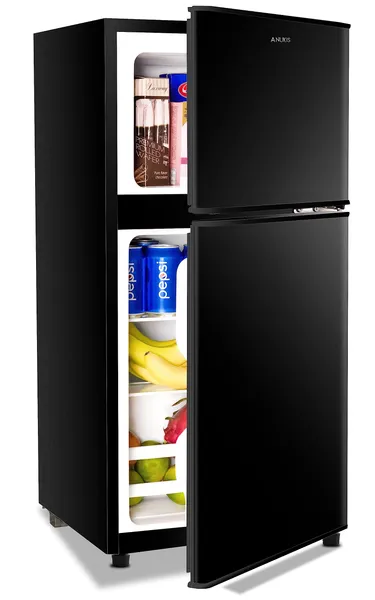 KRIB BLING 3.5Cu.Ft Compact Refrigerator Mini Fridge With Freezer, Small 2 Door, 7 Level Thermostat Removable Shelves For Kitchen, Dorm, Apartment, Bar, Office, Silver/Black/Blue$228.99View on Mallflare
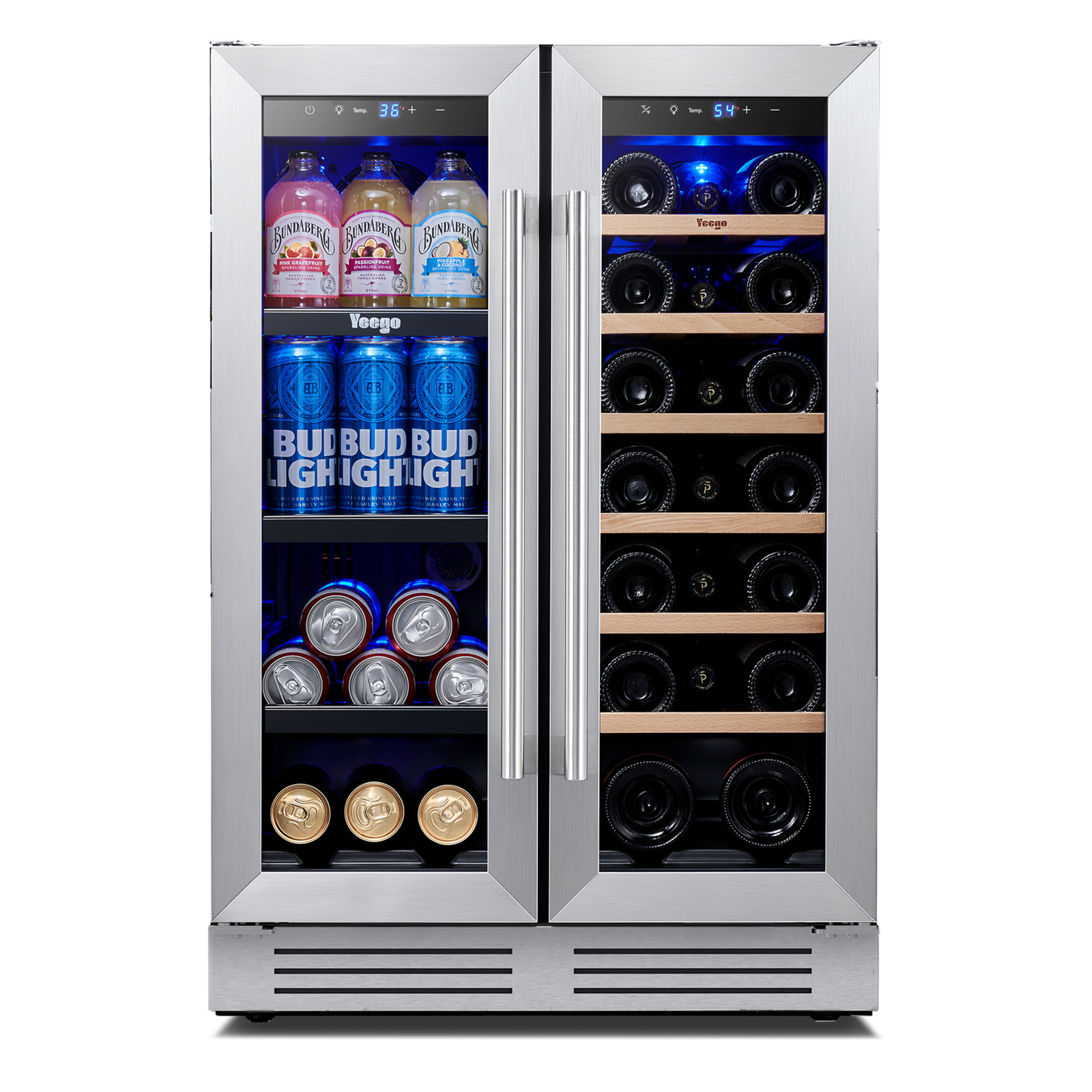 Yeego 24" Wine Cooler&Beverage Refrigerator Dual Zone Large Capacity 2 In 1$386.99Last checked Nov 17, 2026View on eBay
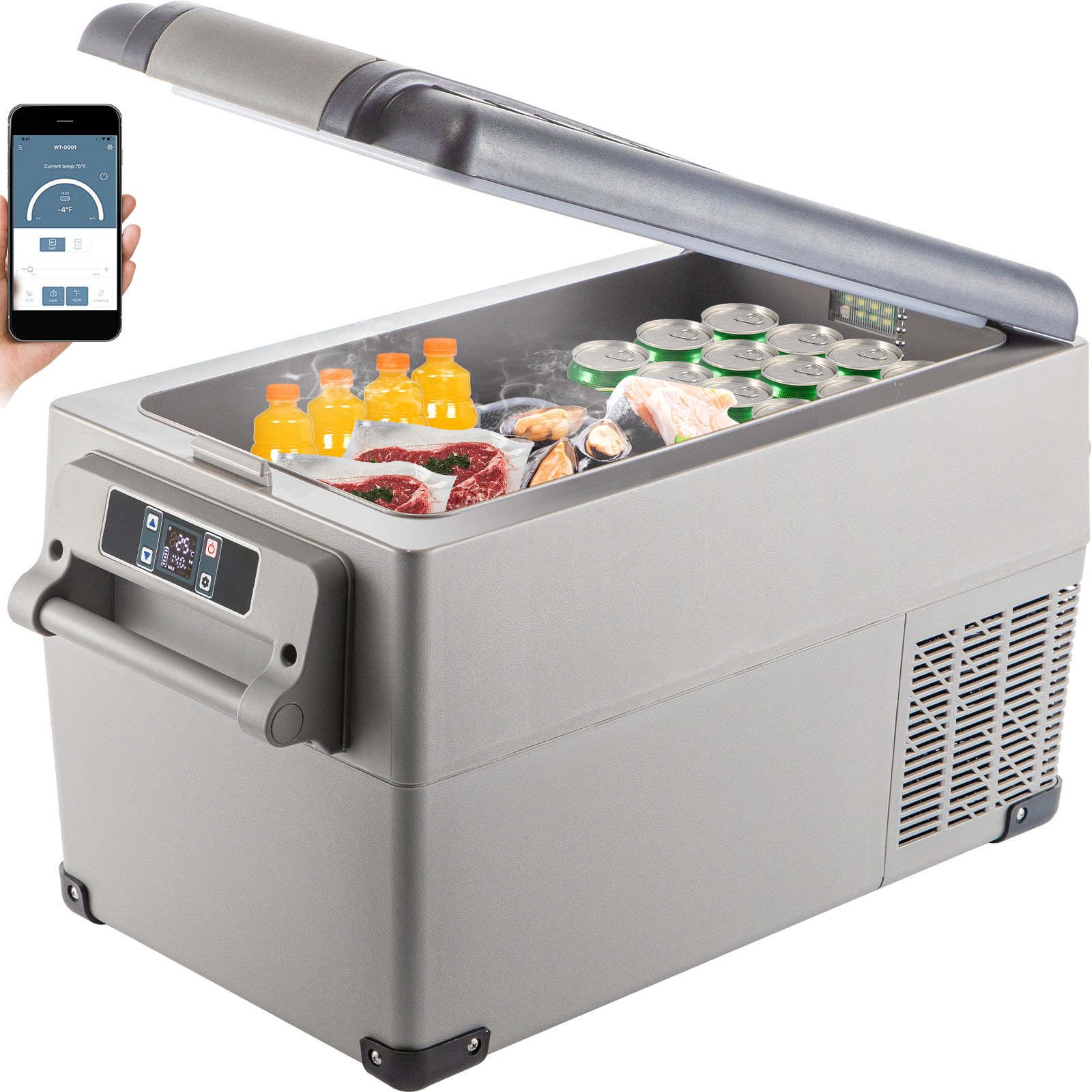 Portable Refrigerator 37 Quart(35 Liter),12 Volt App Control(-4℉~68℉), Car Dual Zone With 12/24v DC & 110-240v AC For Camping, Travel, Fishing, Outdoor Or Home Use$244.99View on Mallflare
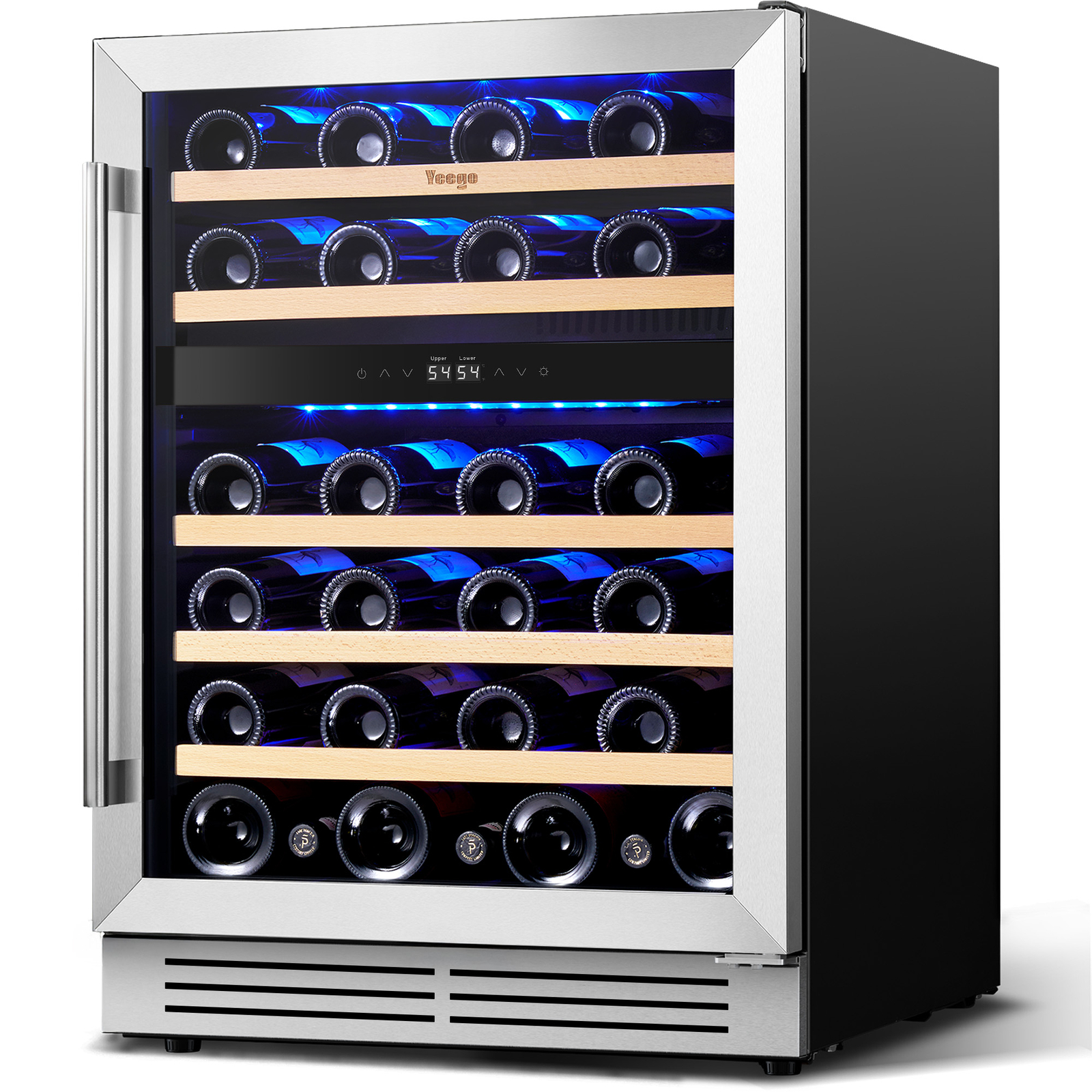 Yeego 24" Wine Cooler Refrigerator Hold 46 Bottles 40°F-65°F Adjustable Home$392.39Last checked Nov 18, 2026View on eBay
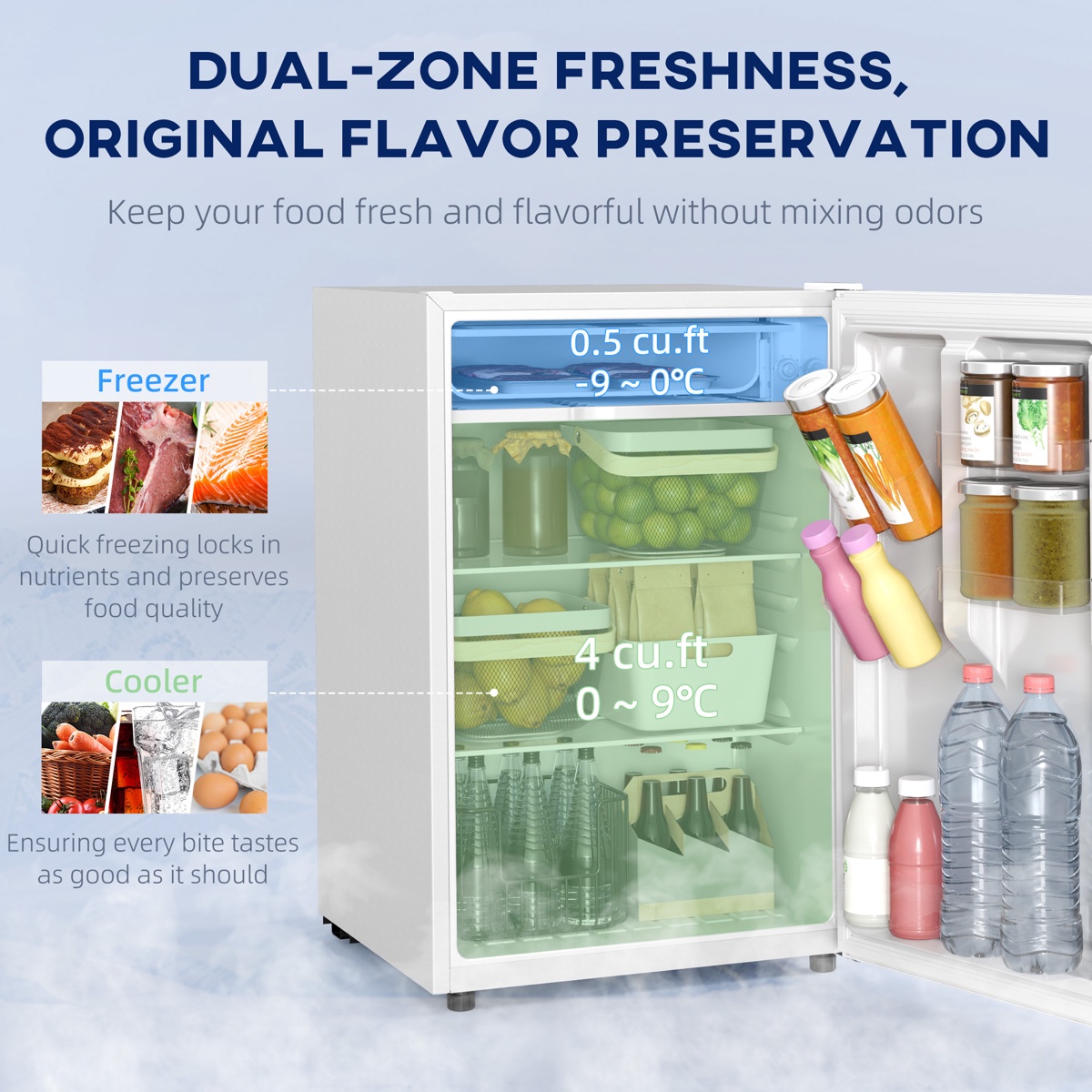 4.5 Cu.Ft Mini Fridge, Single Door Refrigerator with Freezer, Wheels, Adjustable Thermostat, Reversible White$265.99View on Mallflare
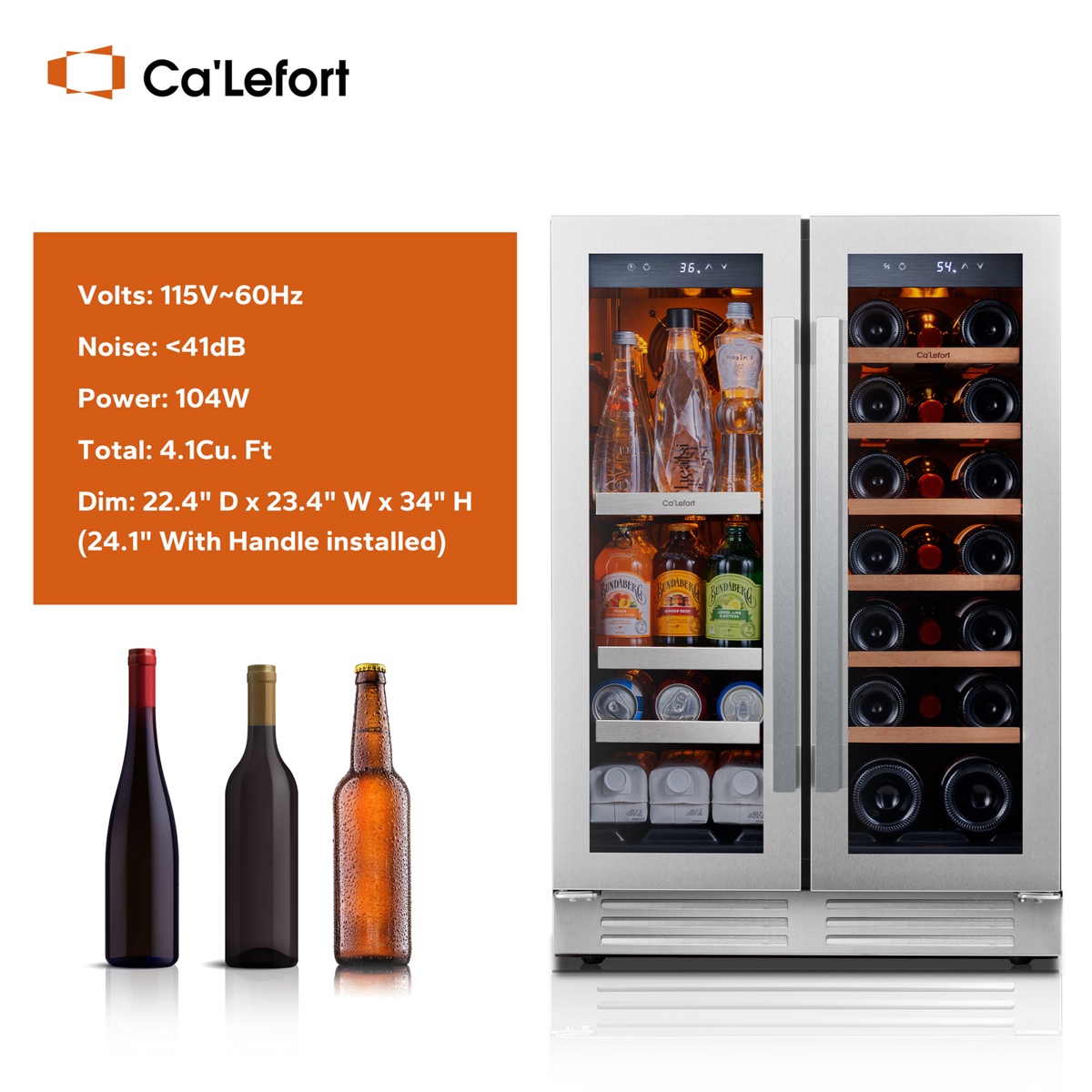 Ca'Lefort 24" Dual Zone Wine Cooler&Beverage Refrigerator 2 In 1 For Beer/Wine$449.99Certified - Refurbished · Last checked Nov 22, 2026View on eBay
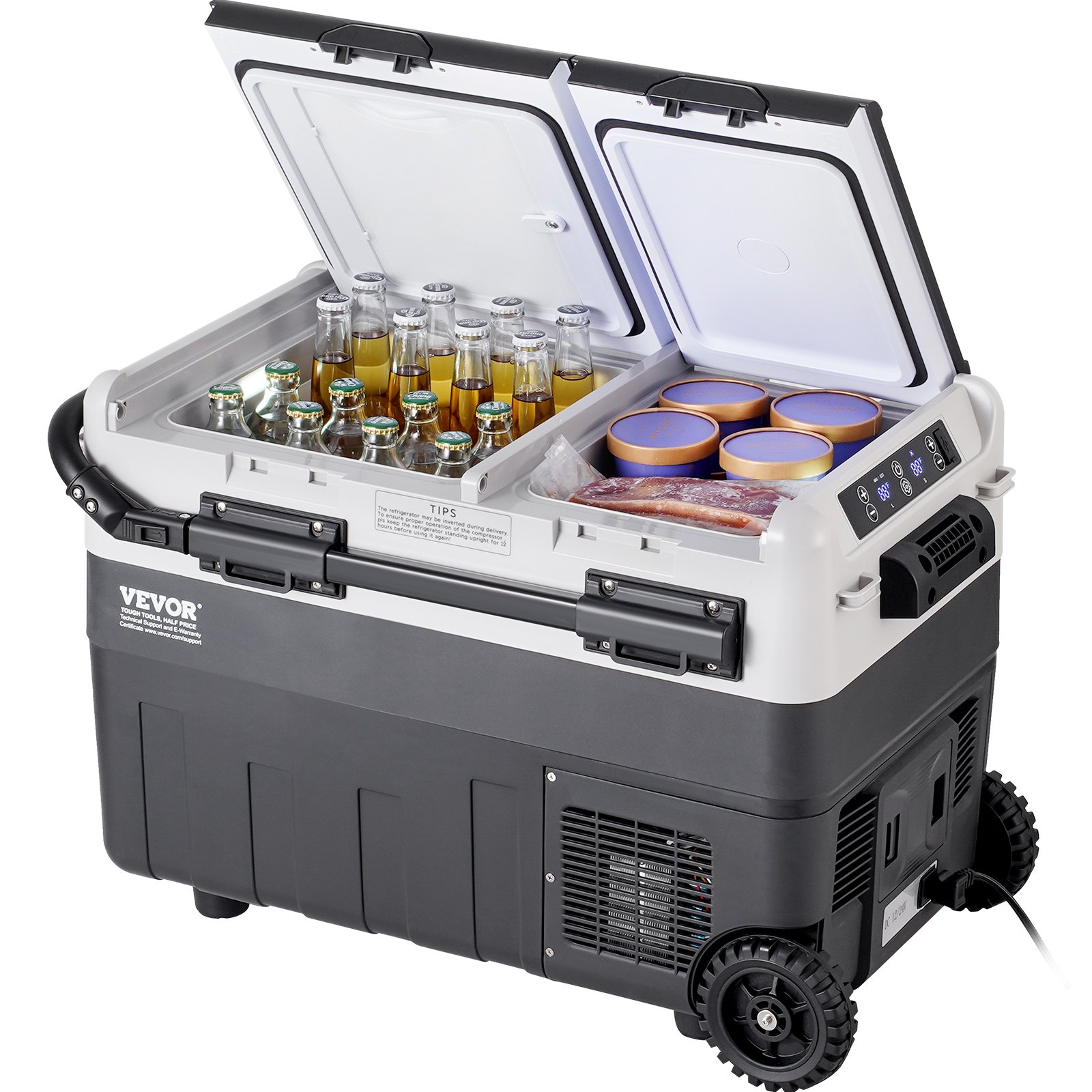 Portable Car Refrigerator Freezer Compressor 50 L Dual Zone For Home Car$361.99View on Mallflare
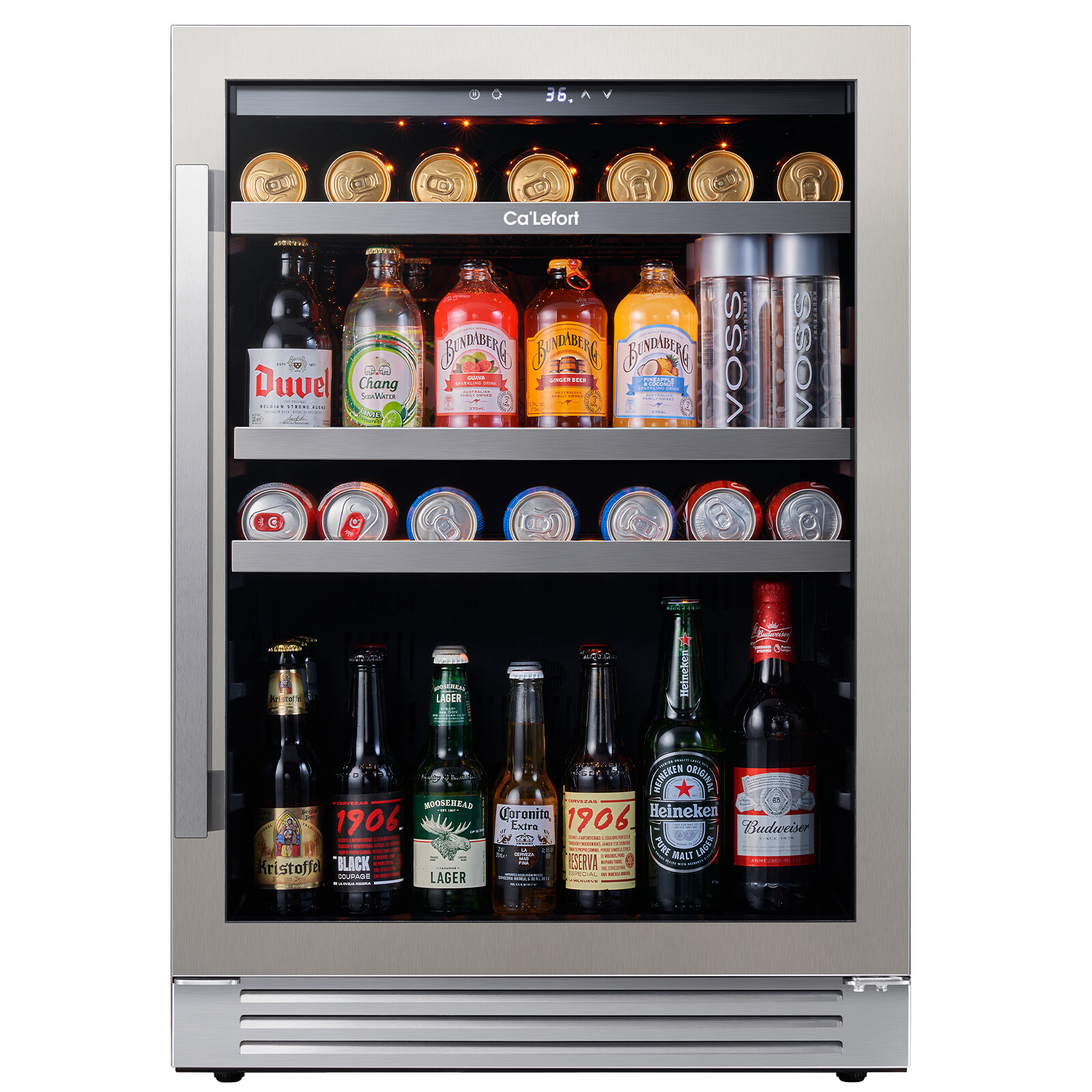 Calefort 24" Beverage Cooler Refrigerator 34°-54°F W/Glass Door,Shelves Home/Bar$459.99Last checked Nov 17, 2026View on eBay
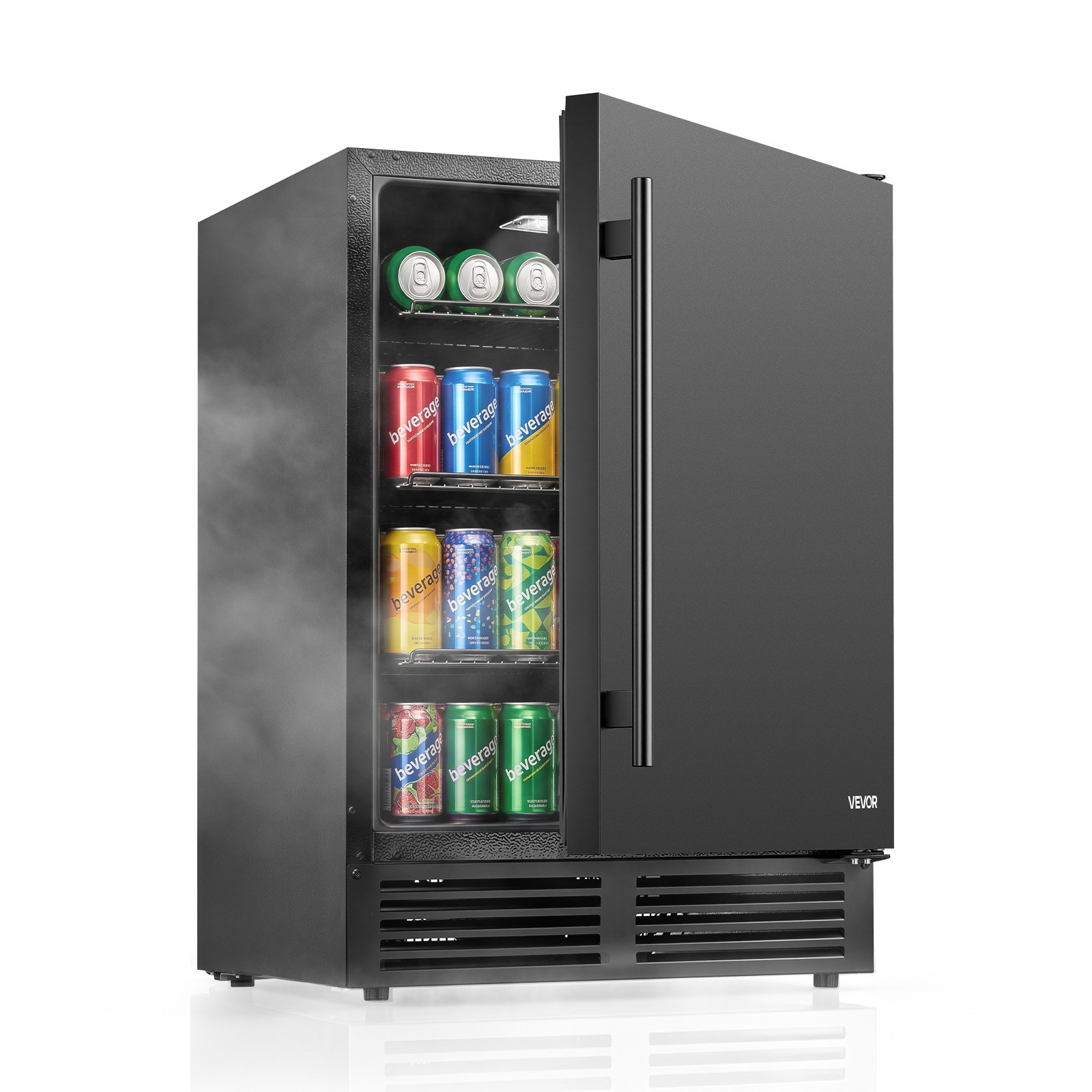 Beverage Refrigerator, 24 Inch Under Counter Drink Fridge, Black, Hold 180 Cans, 5.0 Cu. Ft, Built-in / Freestand Cooler, Powerful Quiet Cooling System, 3 Shelves, Home Kitchen & Bar$560.99View on Mallflare
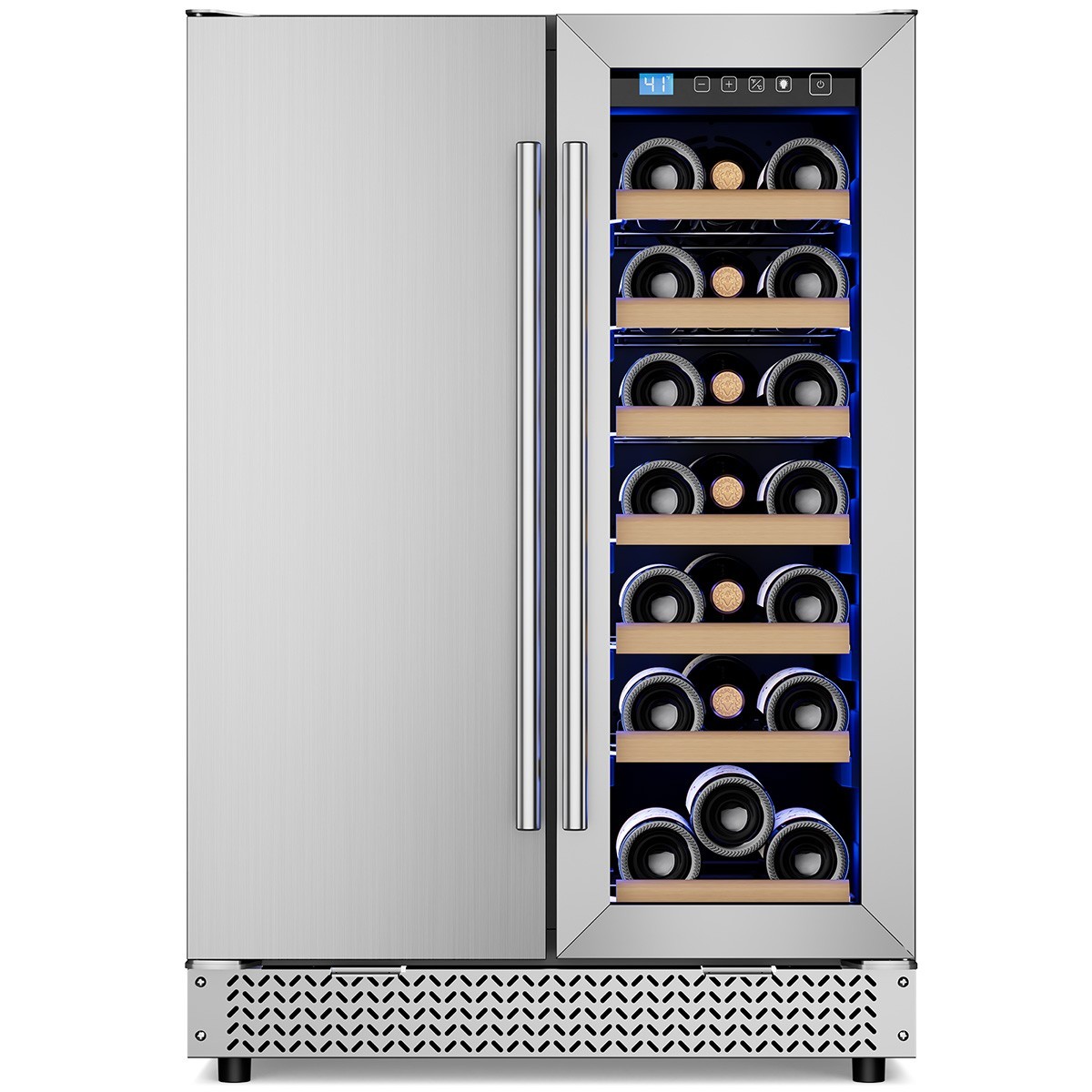 24-inch built-in dual-temperature zone wine and beverage refrigerator$649.99Last checked Nov 17, 2026View on eBay
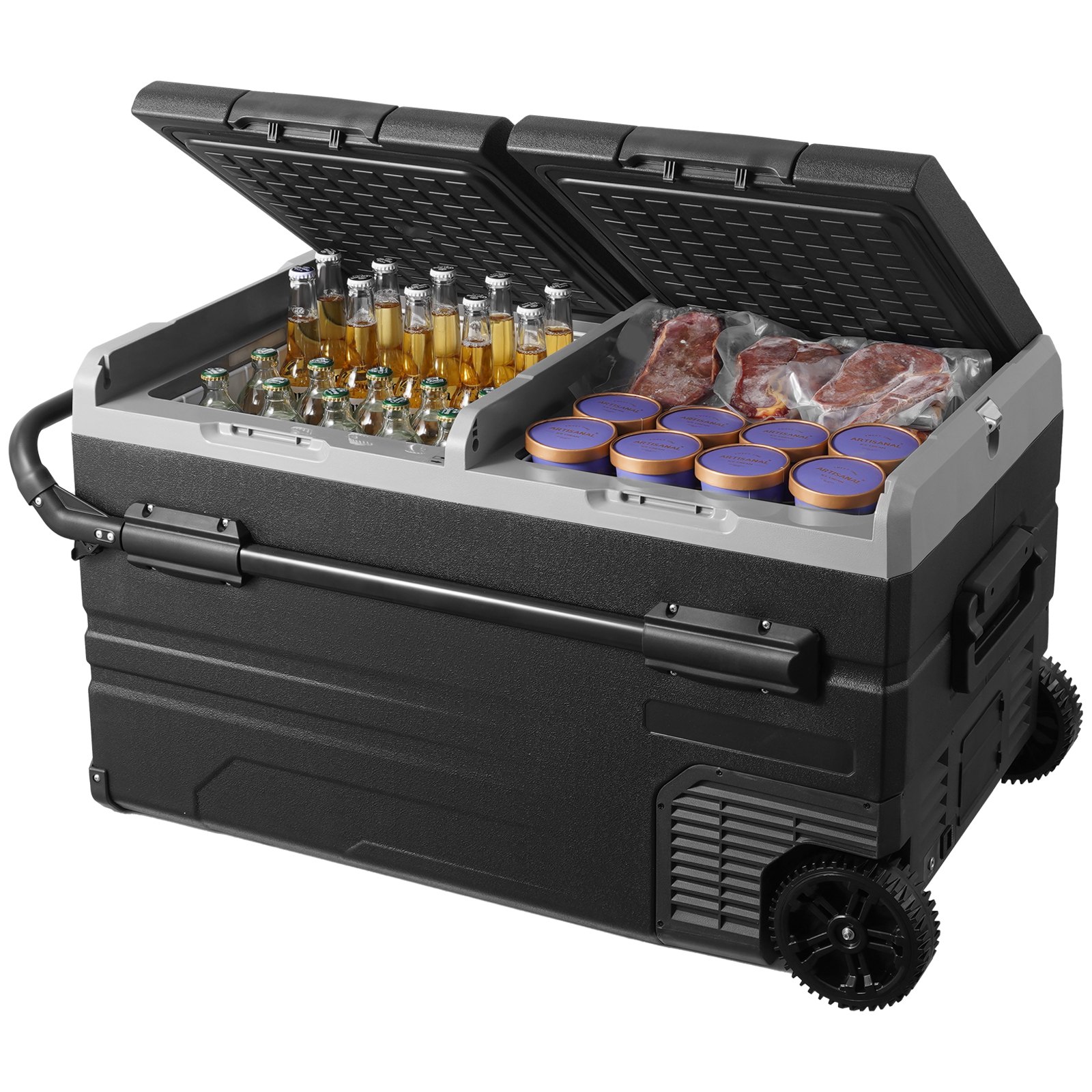 Portable Car Refrigerator Freezer Compressor 115 L Dual Zone For Car Home$676.99View on Mallflare
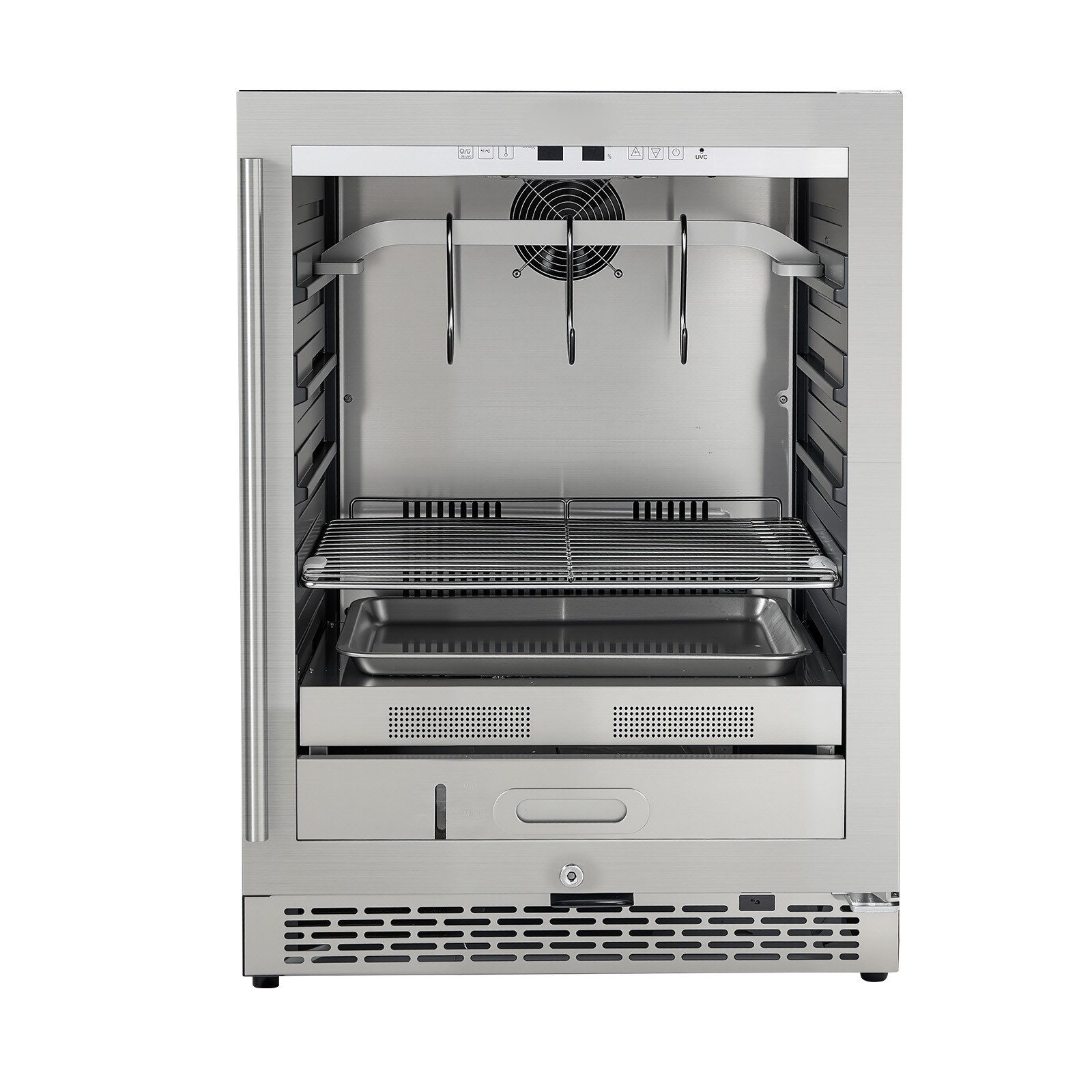 Uimoso 99 LBS Meat Dry Aging Refrigerator for Steaks and Home Use$949.99Last checked Nov 18, 2026View on eBay
Highlights
- Compressor cooling maintains 0–5°F freezer and 34–40°F fresh-food zones; thermoelectric units only hold 35–45°F below ambient and cannot freeze.
- Frost-free (no-frost) evaporator fan systems prevent ice buildup; manual-defrost models require emptying and thawing every few months.
- Insulation thickness and door gasket quality dictate efficiency more than capacity—compact fridges under 4 cu ft often use thin walls and lose cold faster.
- Dual-zone wine and beverage coolers use separate evaporators or dampers to hold 41–64°F independently; single-zone units cannot store reds and whites at once.
Best use cases
- Best fit: a 3.2–4.5 cu ft compressor mini fridge with freezer compartment for a bedroom, dorm, or office—skip 6L skincare coolers, which are thermoelectric and cannot chill food safely.
- Best fit: a 1.8–3.3 cu ft glass-door beverage refrigerator with digital thermostat for cans and bottles—skip it for produce or frozen goods; it holds 34–42°F and no freezer.
- Best fit: a dual-zone wine cooler (12+ bottles) for long-term storage at 55°F—skip single-zone 12-inch units if you need both red and white serving temperatures.
- Wrong fit: compact refrigerators under 2 cu ft with only a chiller plate—skip these for dairy or meat; they lack reliable freezer capability and often run manual defrost.
Buying tips
- Measure the cutout width, depth, and height, then add 2 inches of clearance on each side and 1 inch at the back for compressor airflow and door swing.
- Match capacity to use: 1.7–2.5 cu ft per person for a mini fridge; 3.2–4.5 cu ft for a two-person office or dorm; 12+ bottles for a wine cooler.
- Choose a compressor with R600a refrigerant for quiet, efficient operation; thermoelectric (Peltier) coolers are limited to cooling below ambient by 35–45°F and cannot freeze.
- For wine storage, pick a dual-zone model if serving reds (60–68°F) and whites (45–50°F) together; single-zone only suits one varietal temperature.
Specs
| Cooling Type | Compressor vs Thermoelectric |
|---|---|
| Defrost System | Frost-free vs Manual defrost |
| Capacity Range | 1.7–4.5 cu ft compact; 12+ bottles wine |
| Door & Clearance | Reversible door; 2 in side clearance |
Related searches
What to check before buying
- Confirm the door swing direction and reversible hinge option before fitting into a corner or tight galley kitchen.
- Check the electrical circuit: most compact and wine fridges run on 115V/60Hz with a standard 5-15P plug; verify outlet placement within cord length.
- Verify floor leveling and load: a fully loaded 4.5 cu ft fridge can exceed 100 lb, so ensure the floor or shelf can support it and level the feet.
- For built-in or under-counter placement, confirm the model is front-vented; rear-vented models need clearance and cannot be enclosed.
FAQ
Data sources: eBay / Amazon listings and product attribute feeds. Updated Nov 28, 2026.
Some links on this page are affiliate links. If you buy after clicking one, we may earn a commission at no extra cost to you. This does not change which products appear here or their order. Affiliate disclosure.