
Photos from current listings. Actual item, color, and included accessories may vary.
Refrigerator Without Freezer Buying Guide
A refrigerator without a freezer is a dedicated fresh-food appliance built for full-height cooling without the temperature swings or space sacrifice of a combined unit. The core trade-off is insulation quality and compressor architecture: a purpose-built all-refrigerator holds stable 34–38°F with less cycling, while a converted or dual-zone unit often struggles with humidity and cold-spot consistency. Choose a true all-refrigerator when you chill fresh food daily and already have separate frozen storage; skip freezerless models if you need long-term frozen capacity or ice.
Median $361.99 · New & pre-owned listings
Key takeaways
- Compressor type: variable-speed inverter compressors hold ±1°F and run quieter than single-speed units, which swing 3–5°F and cycle louder.
- Insulation grade: cyclopentane foam or vacuum-insulated panels (VIP) in mid-to-premium all-refrigerators cut heat gain versus standard polyurethane, improving efficiency and temperature stability.
- Defrost system: frost-free (auto) models prevent ice buildup on the evaporator; manual-defrost all-refrigerators stay more humid for produce but require periodic empty-and-melt cycles.
At a glance
- Category
- Home Refrigerators, Freezers & Wine Coolers
- Last updated
- Nov 28, 2026
Current offers
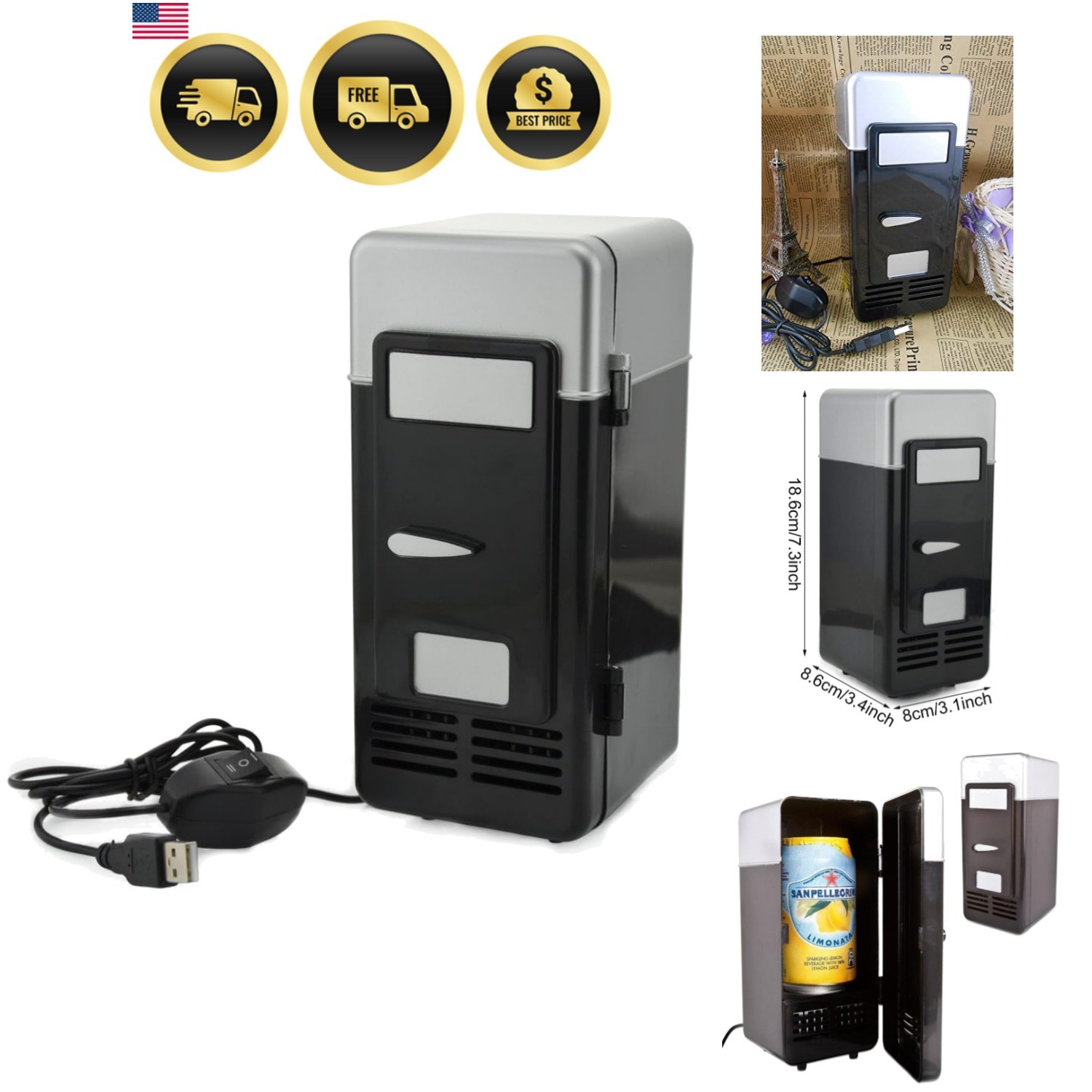 New Mini Red USB Fridge Cooler Beverage Drink Cans Cooler/Warmer Refrigerator...$56.65Last checked Nov 24, 2026View on eBay
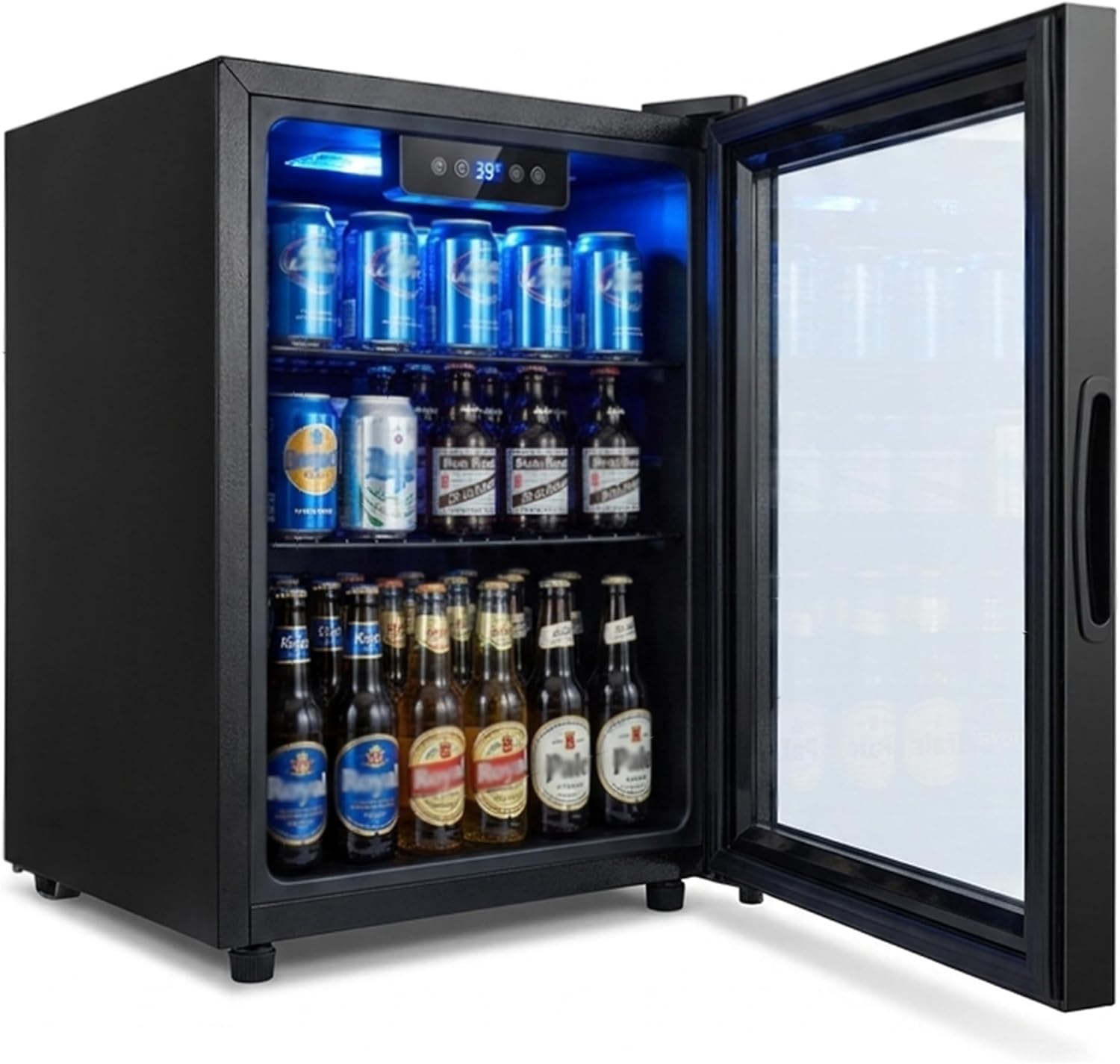 1.8 Cu Ft Beverage Refrigerator, 70 Can Mini Fridge With Glass Door, Digital Temperature Control, Adjustable Shelves, Quiet Cooler For Beer Soda Wine, Office Dorm$149.99View on Mallflare
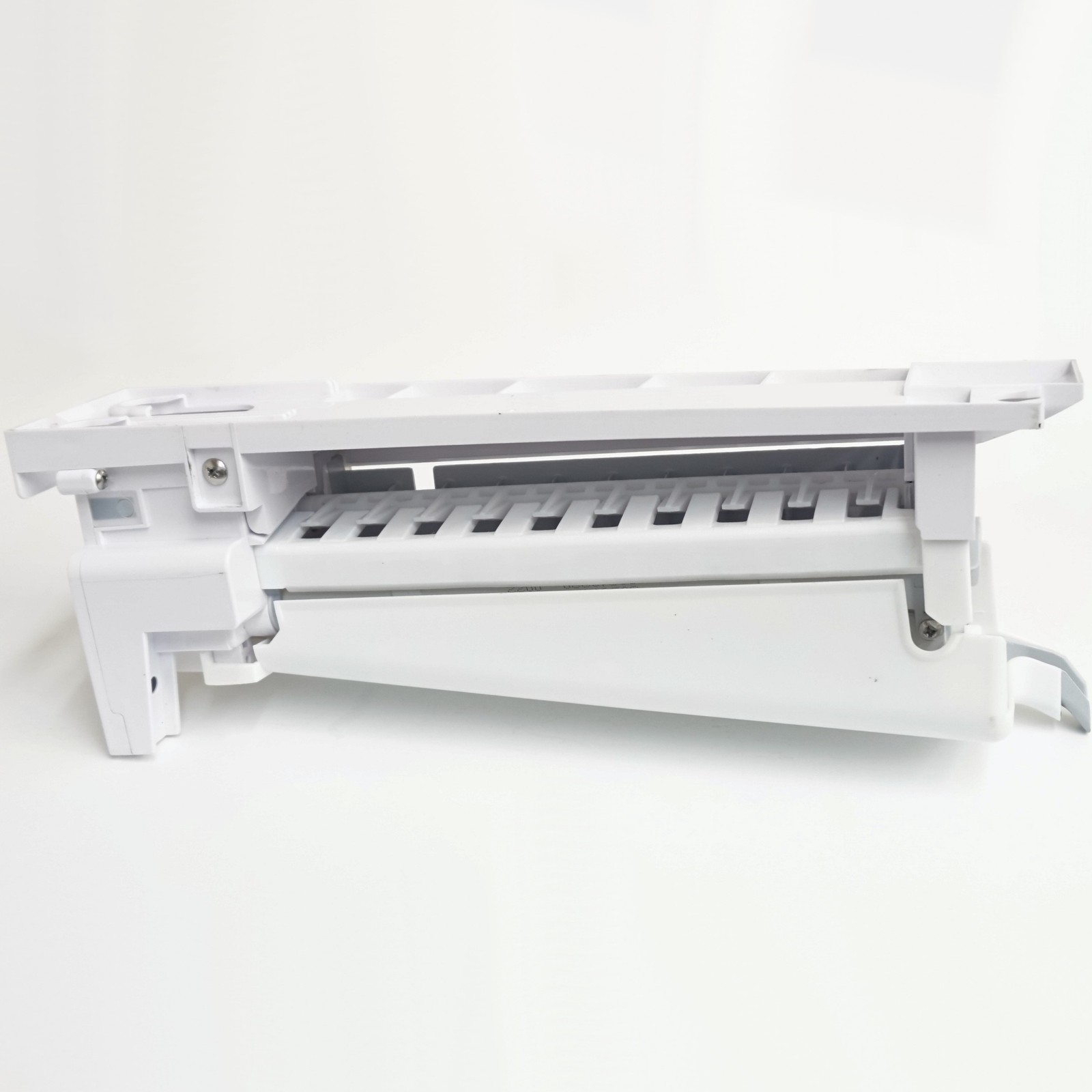 Refrigerator Icemaker Assembly for Samsung, AP6261445, DA97-15217B, DA97-15217D$99.72View on eBay
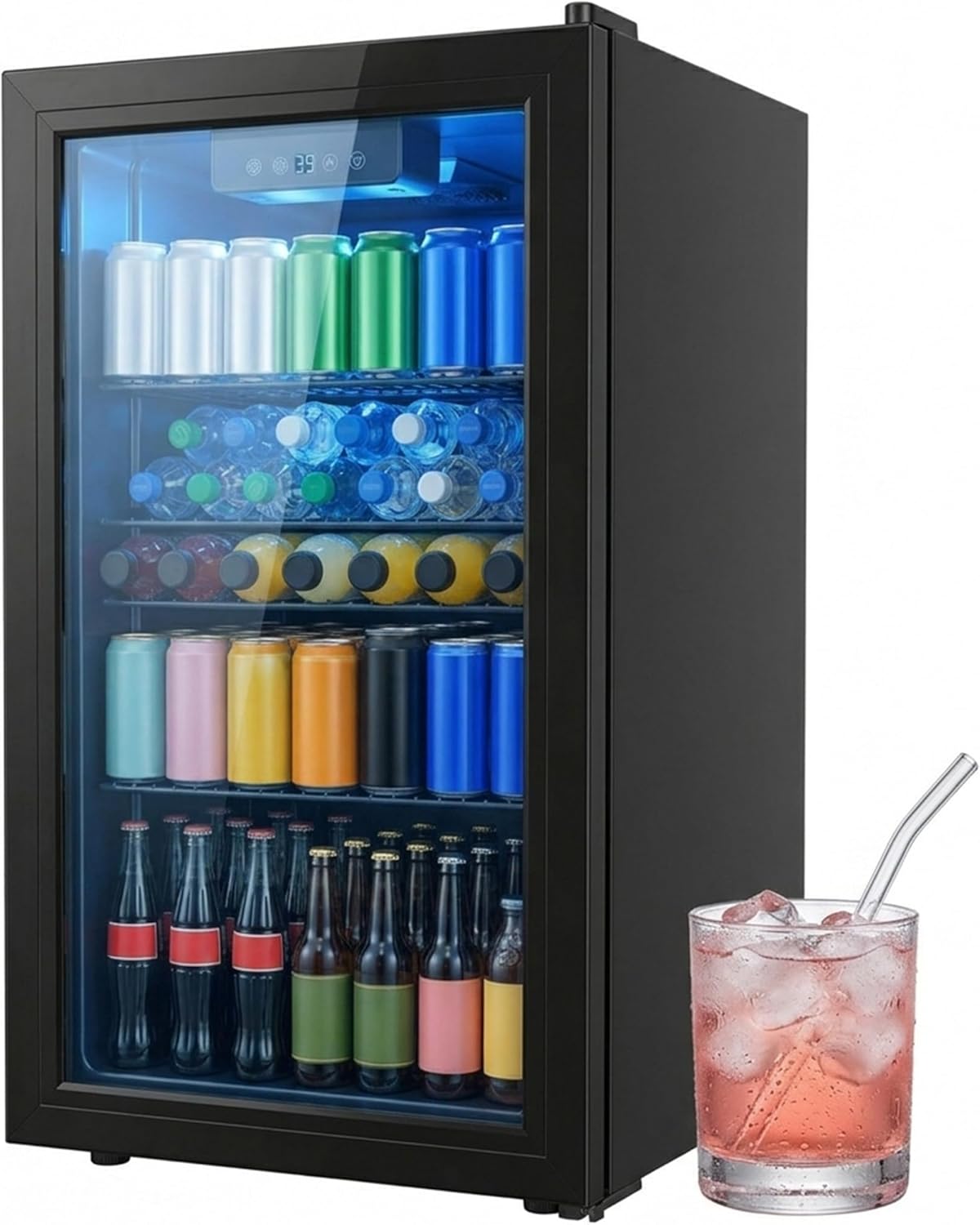 3.3 Cu Ft Beverage Refrigerator, 126 Can Mini Fridge With Glass Door, Digital Temperature Control, Quiet Cooler For Beer Soda Wine, Air Cooling For Home Office Bar$202.99View on Mallflare
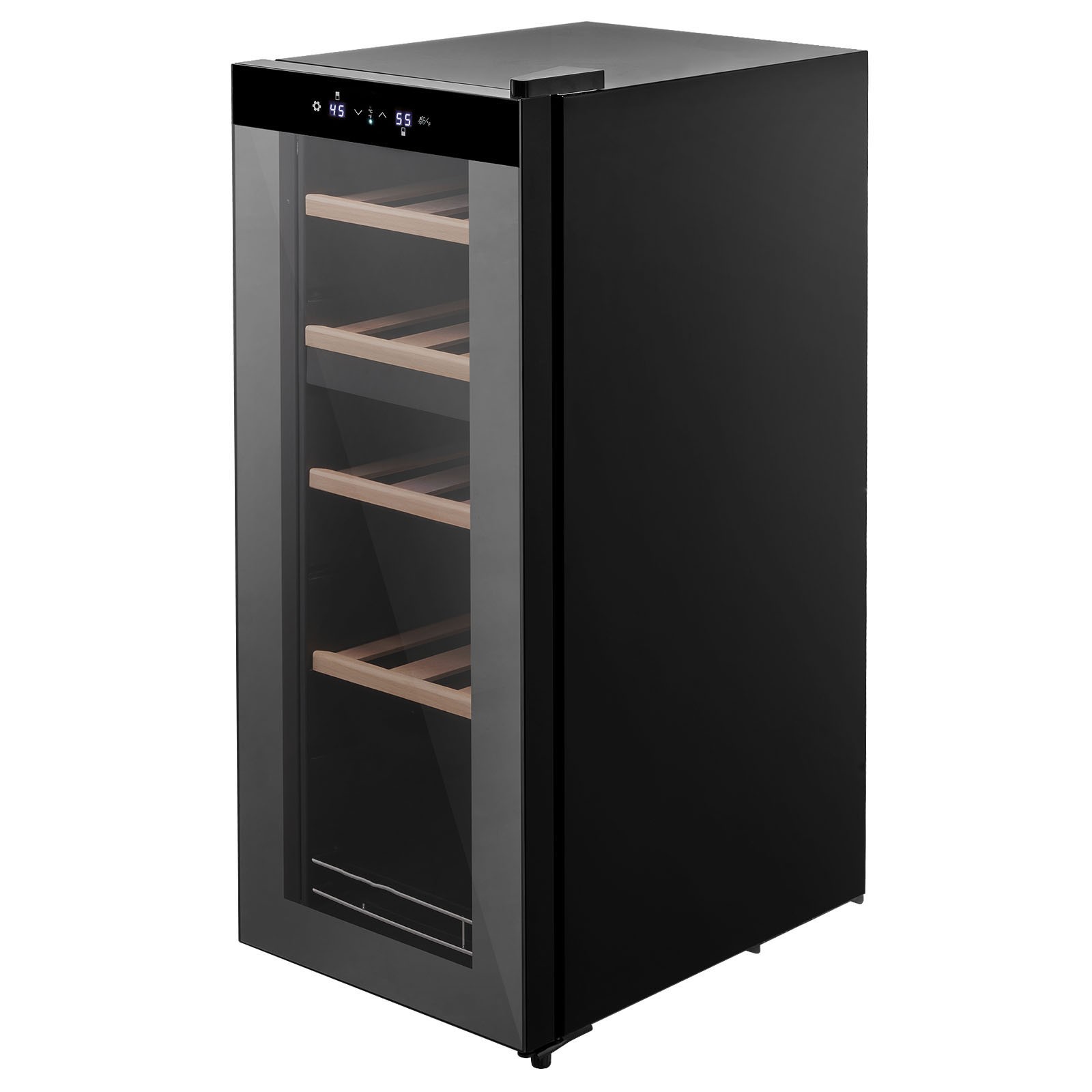 Uimoso 20-Bottle Dual Zone Wine Cooler Freestanding Refrigerator$286.29New · Last checked Nov 22, 2026View on eBay
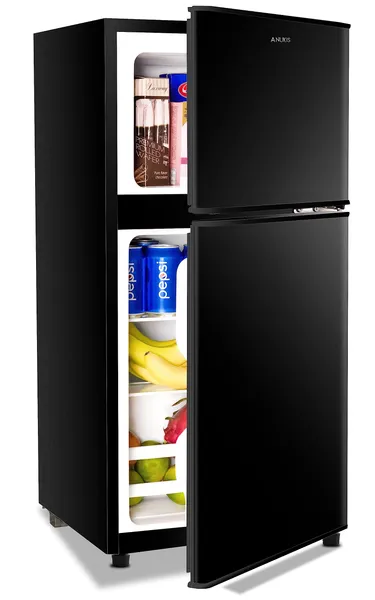 KRIB BLING 3.5Cu.Ft Compact Refrigerator Mini Fridge With Freezer, Small 2 Door, 7 Level Thermostat Removable Shelves For Kitchen, Dorm, Apartment, Bar, Office, Silver/Black/Blue$228.99View on Mallflare
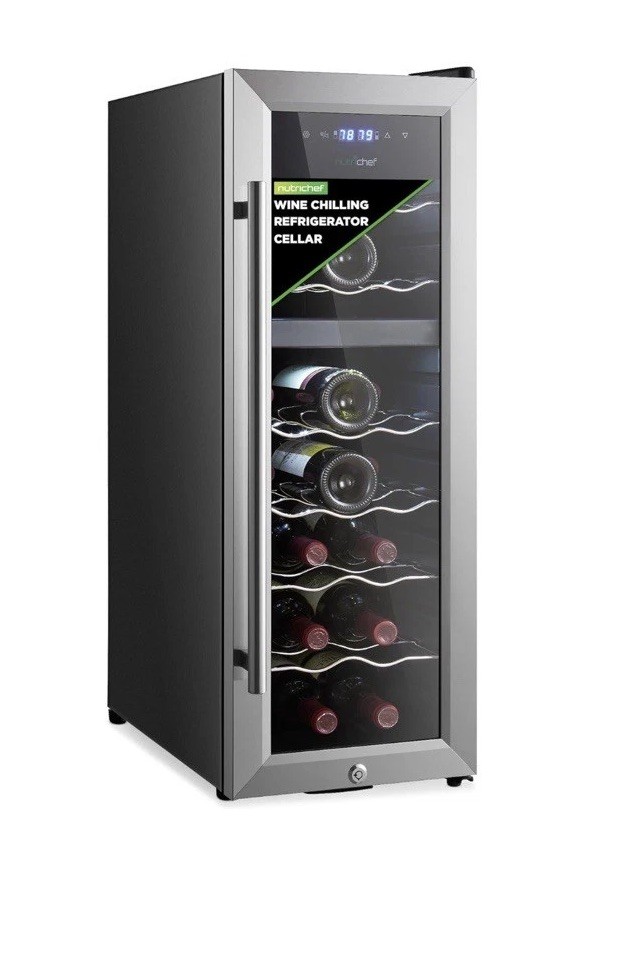 NutriChef PKCWCDS182.5 Chilling Refrigerator Cellar-Dual-Zone Wine Cooler$319.99Last checked Nov 17, 2026View on eBay
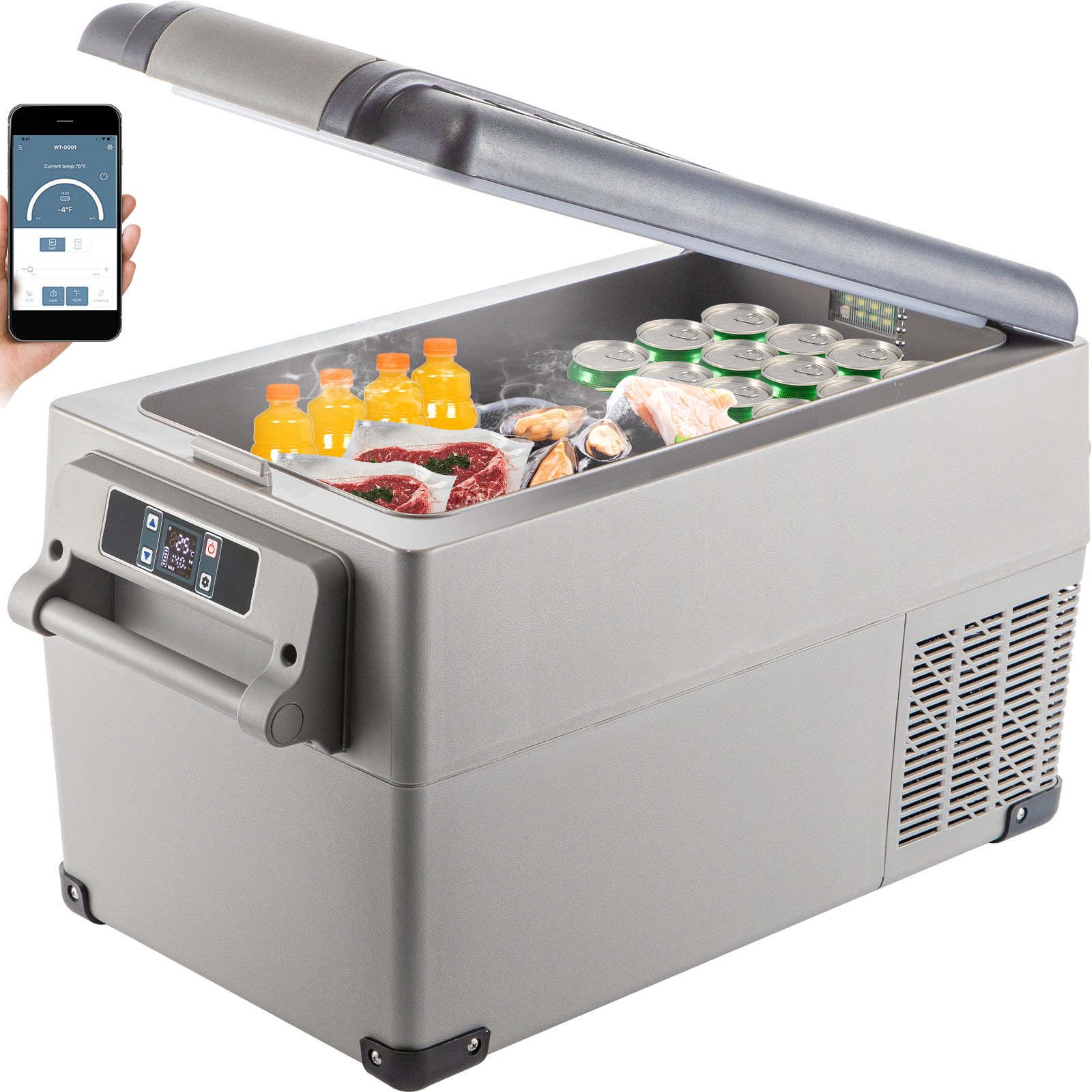 Portable Refrigerator 37 Quart(35 Liter),12 Volt App Control(-4℉~68℉), Car Dual Zone With 12/24v DC & 110-240v AC For Camping, Travel, Fishing, Outdoor Or Home Use$244.99View on Mallflare
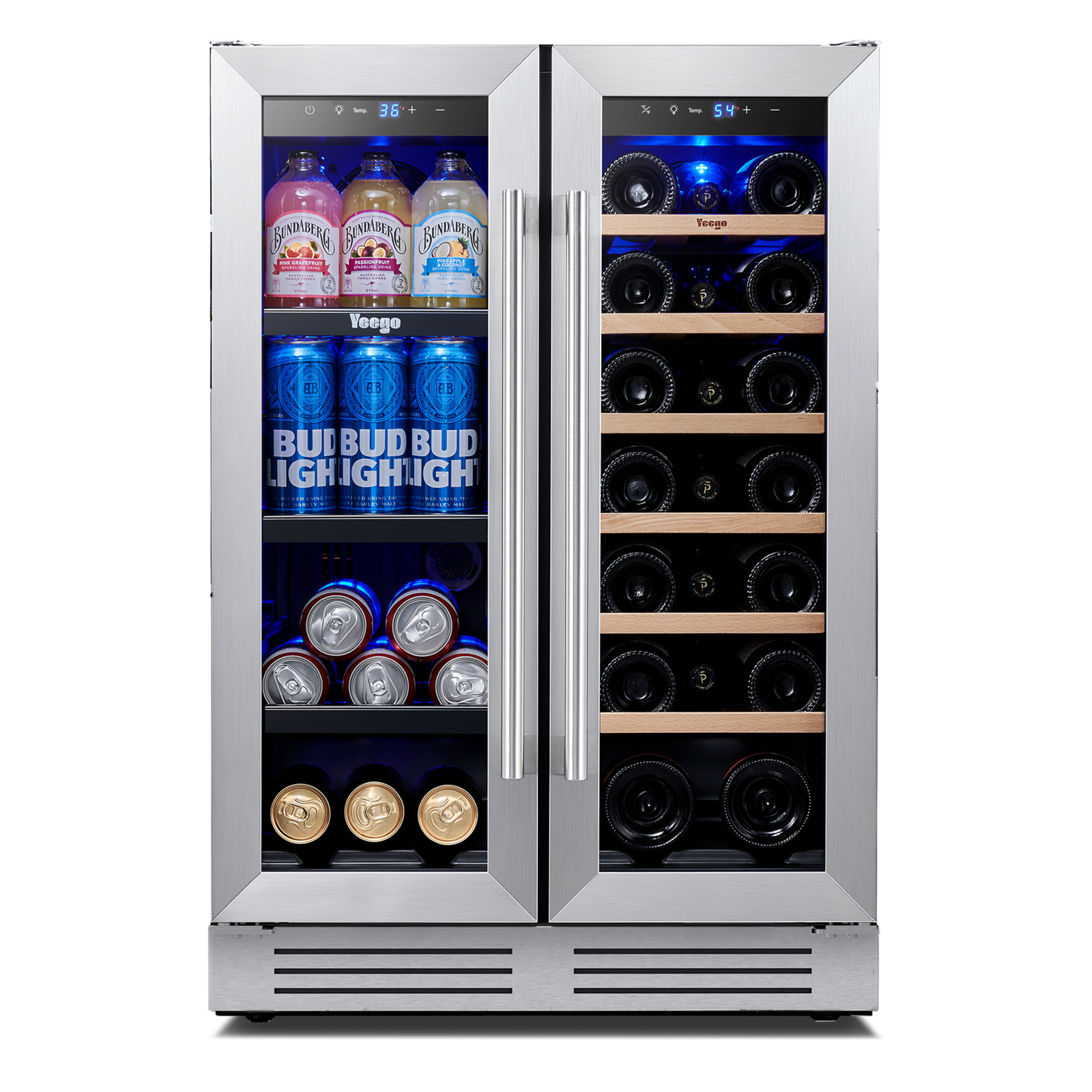 Yeego 24" Wine Cooler&Beverage Refrigerator Dual Zone Large Capacity 2 In 1$386.99Last checked Nov 17, 2026View on eBay
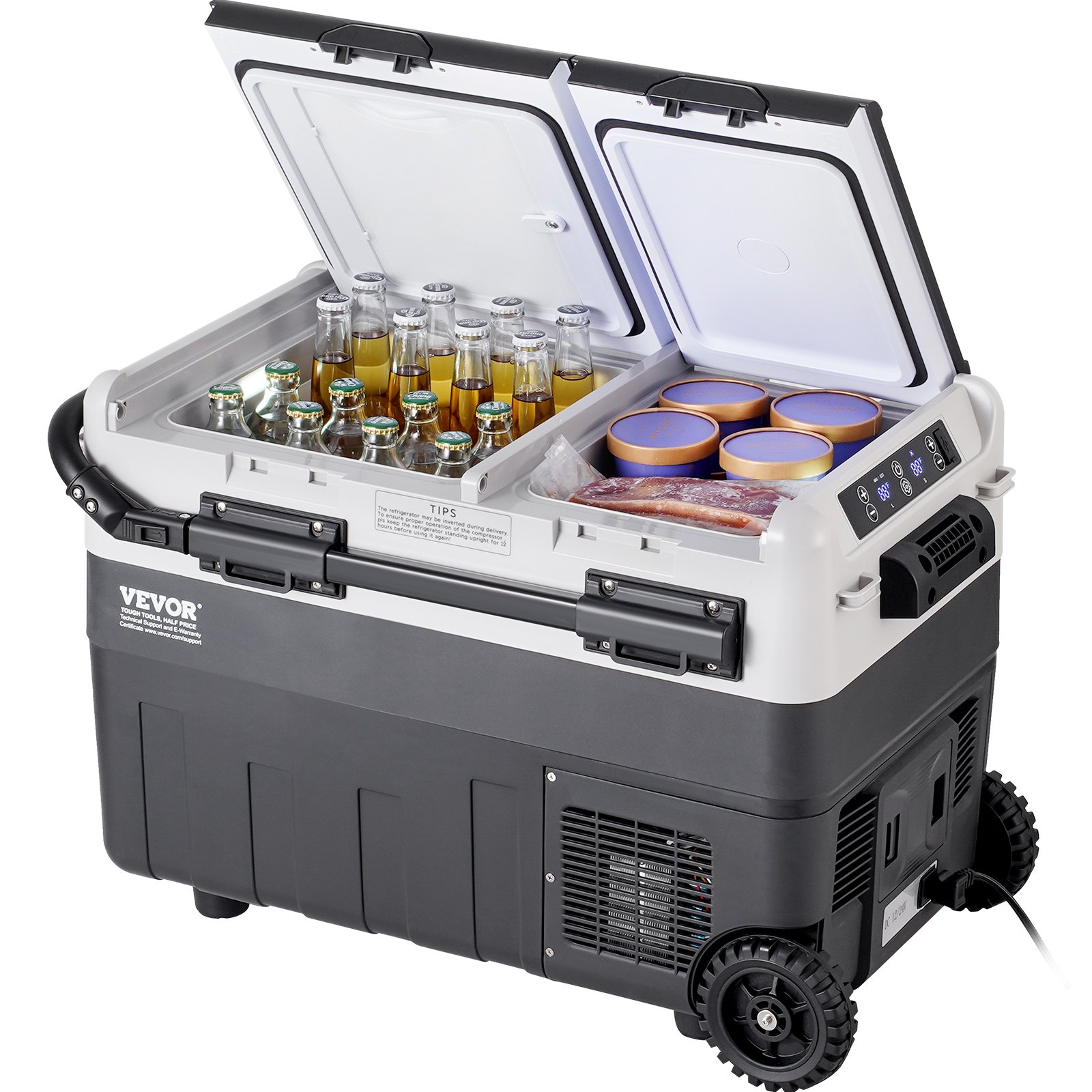 Portable Car Refrigerator Freezer Compressor 50 L Dual Zone For Home Car$361.99View on Mallflare
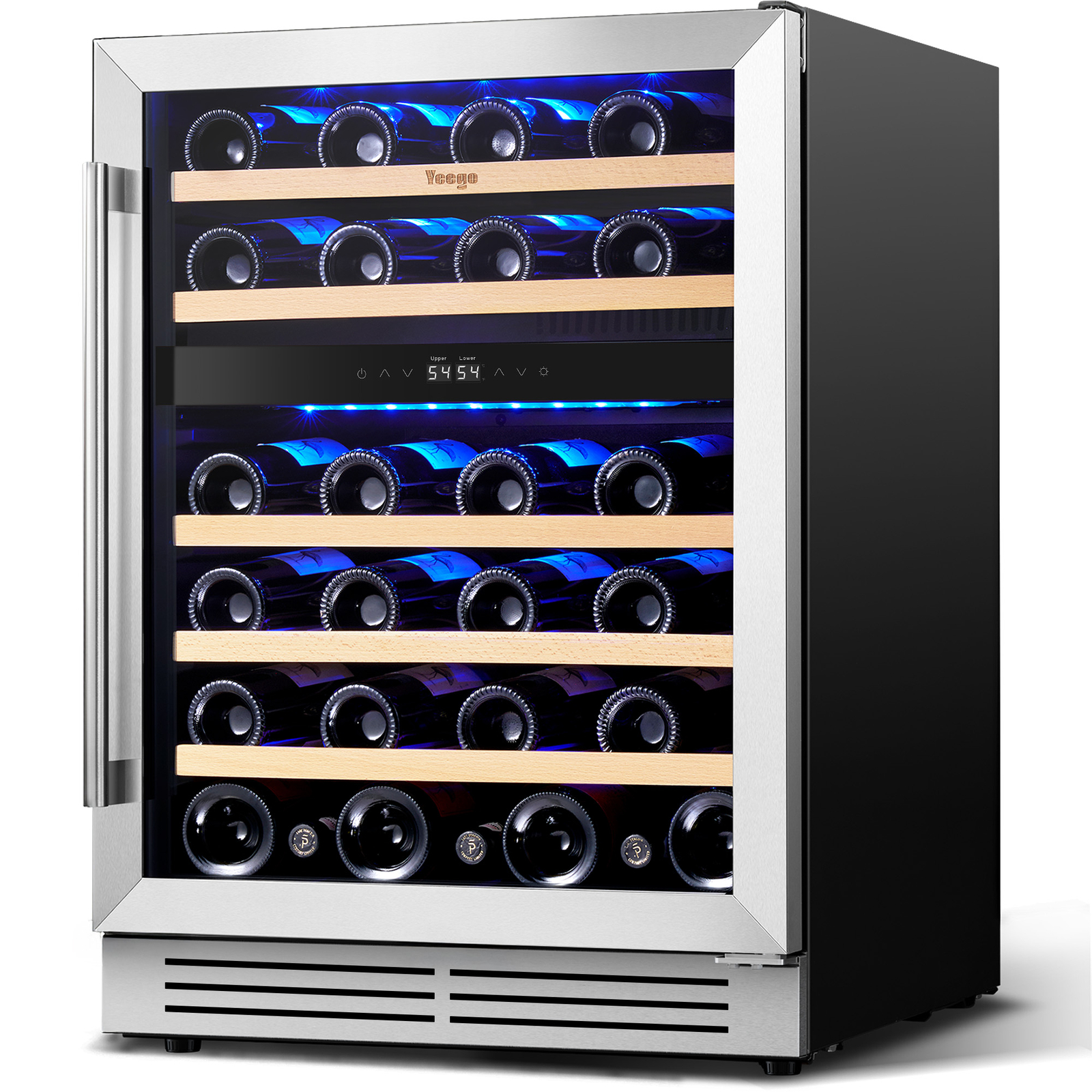 Yeego 24" Wine Cooler Refrigerator Hold 46 Bottles 40°F-65°F Adjustable Home$392.39Last checked Nov 18, 2026View on eBay
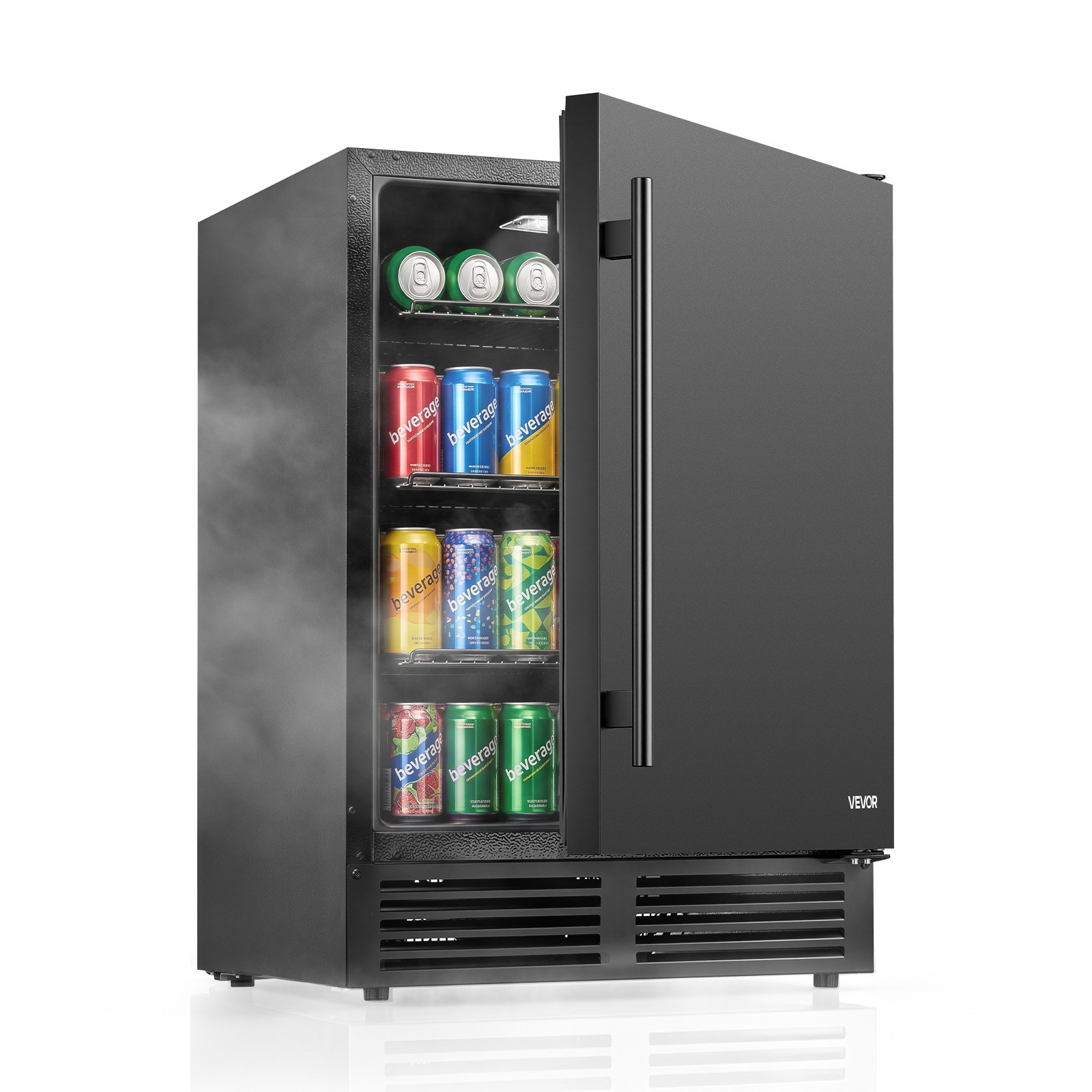 Beverage Refrigerator, 24 Inch Under Counter Drink Fridge, Black, Hold 180 Cans, 5.0 Cu. Ft, Built-in / Freestand Cooler, Powerful Quiet Cooling System, 3 Shelves, Home Kitchen & Bar$560.99View on Mallflare
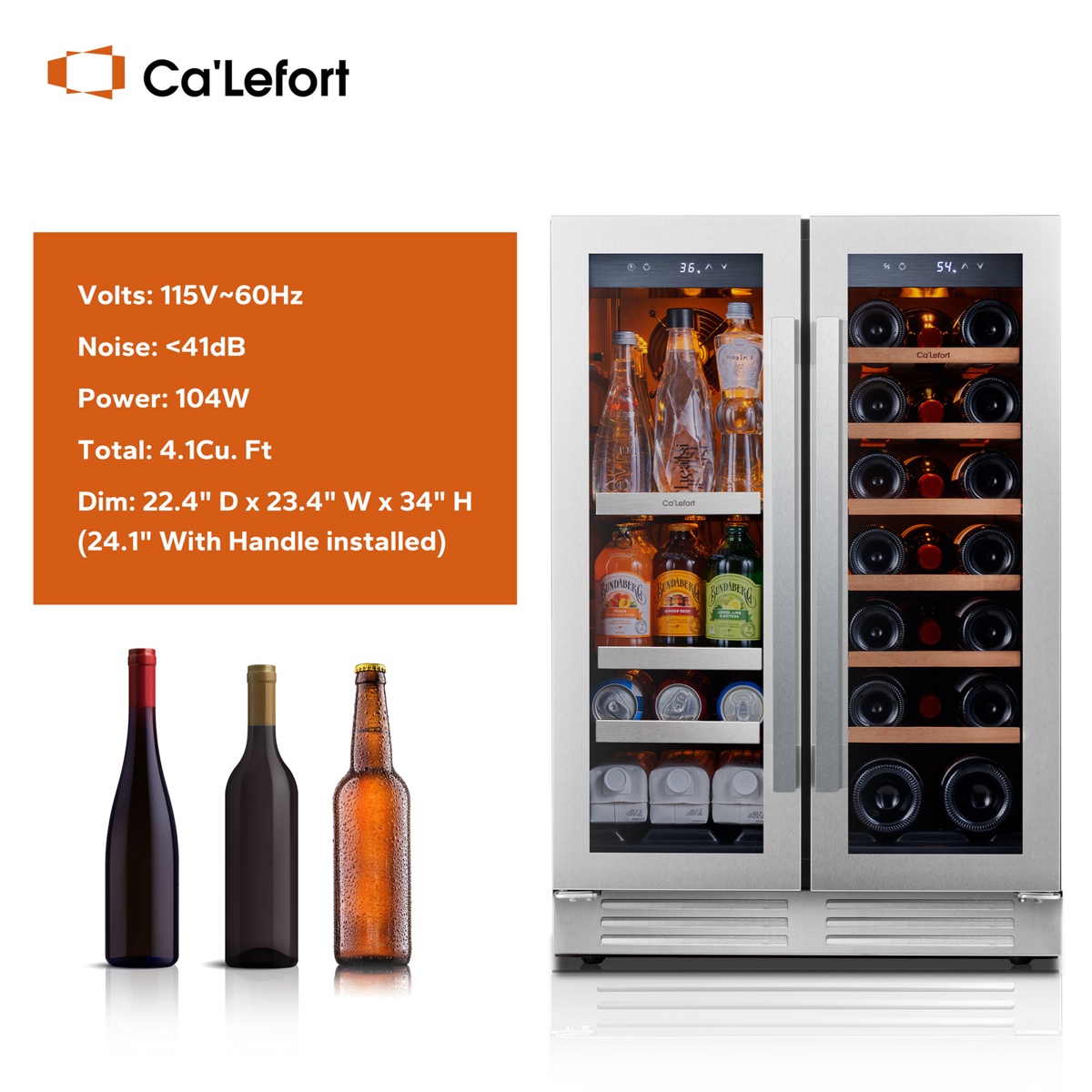 Ca'Lefort 24" Dual Zone Wine Cooler&Beverage Refrigerator 2 In 1 For Beer/Wine$449.99Certified - Refurbished · Last checked Nov 22, 2026View on eBay
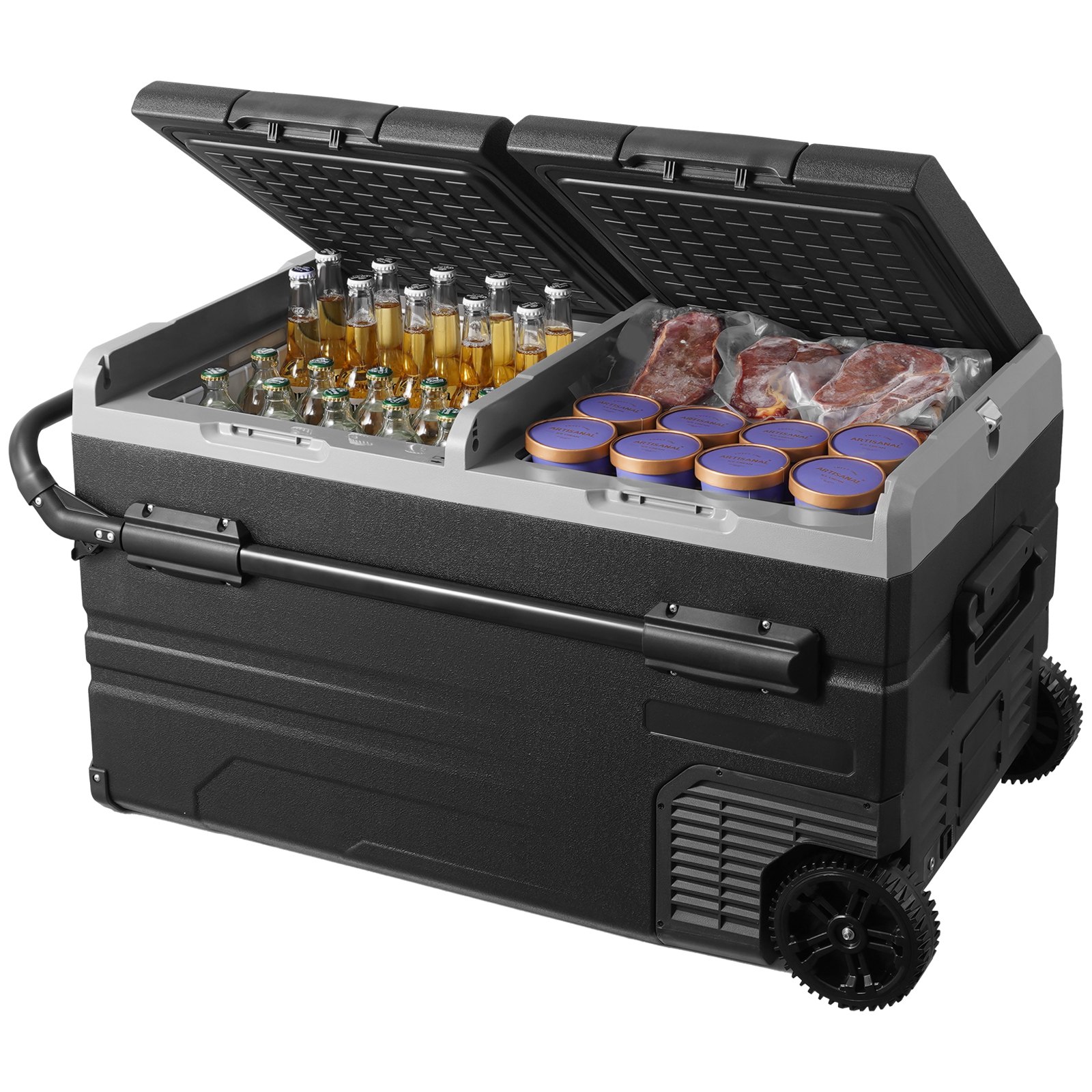 Portable Car Refrigerator Freezer Compressor 115 L Dual Zone For Car Home$676.99View on Mallflare
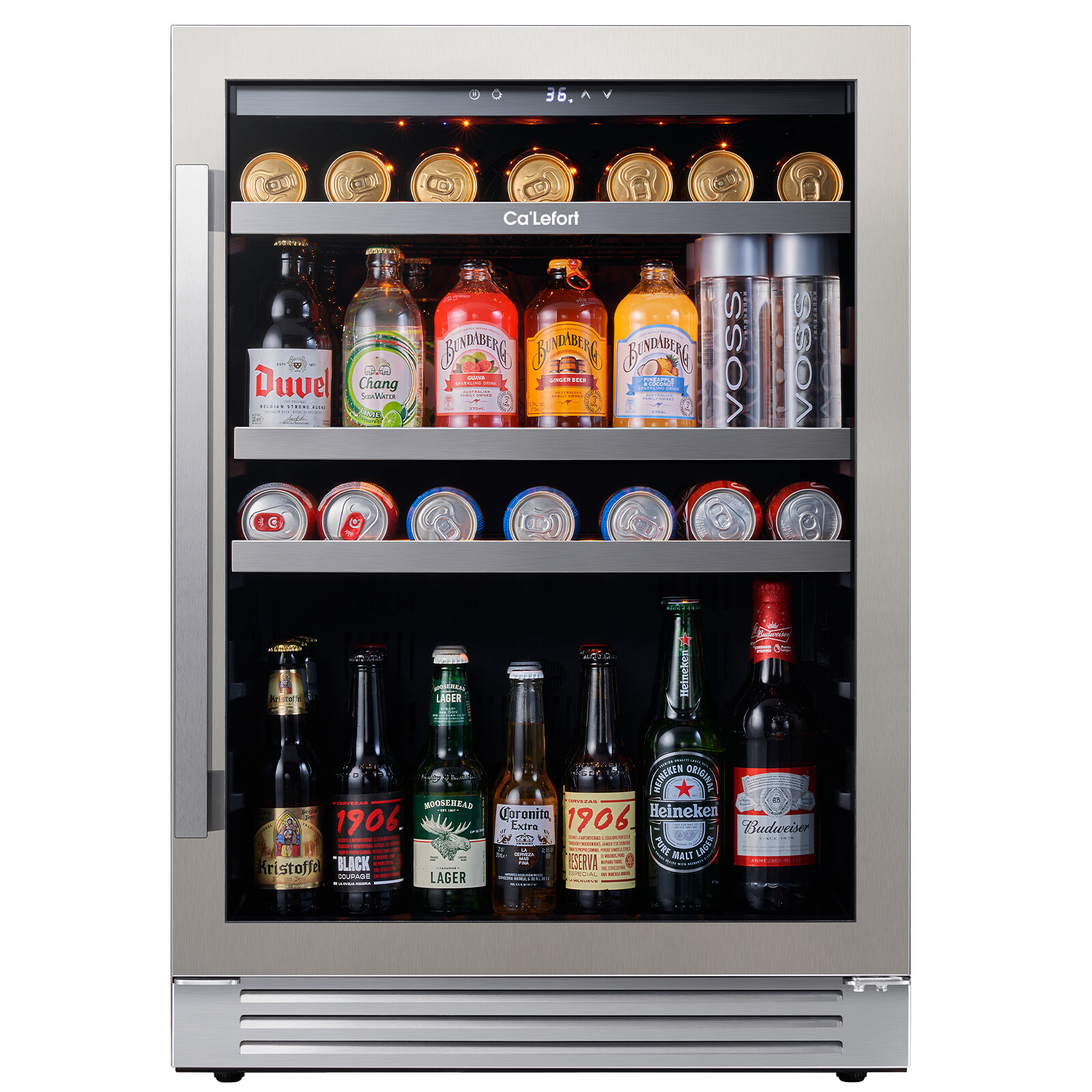 Calefort 24" Beverage Cooler Refrigerator 34°-54°F W/Glass Door,Shelves Home/Bar$459.99Last checked Nov 17, 2026View on eBay
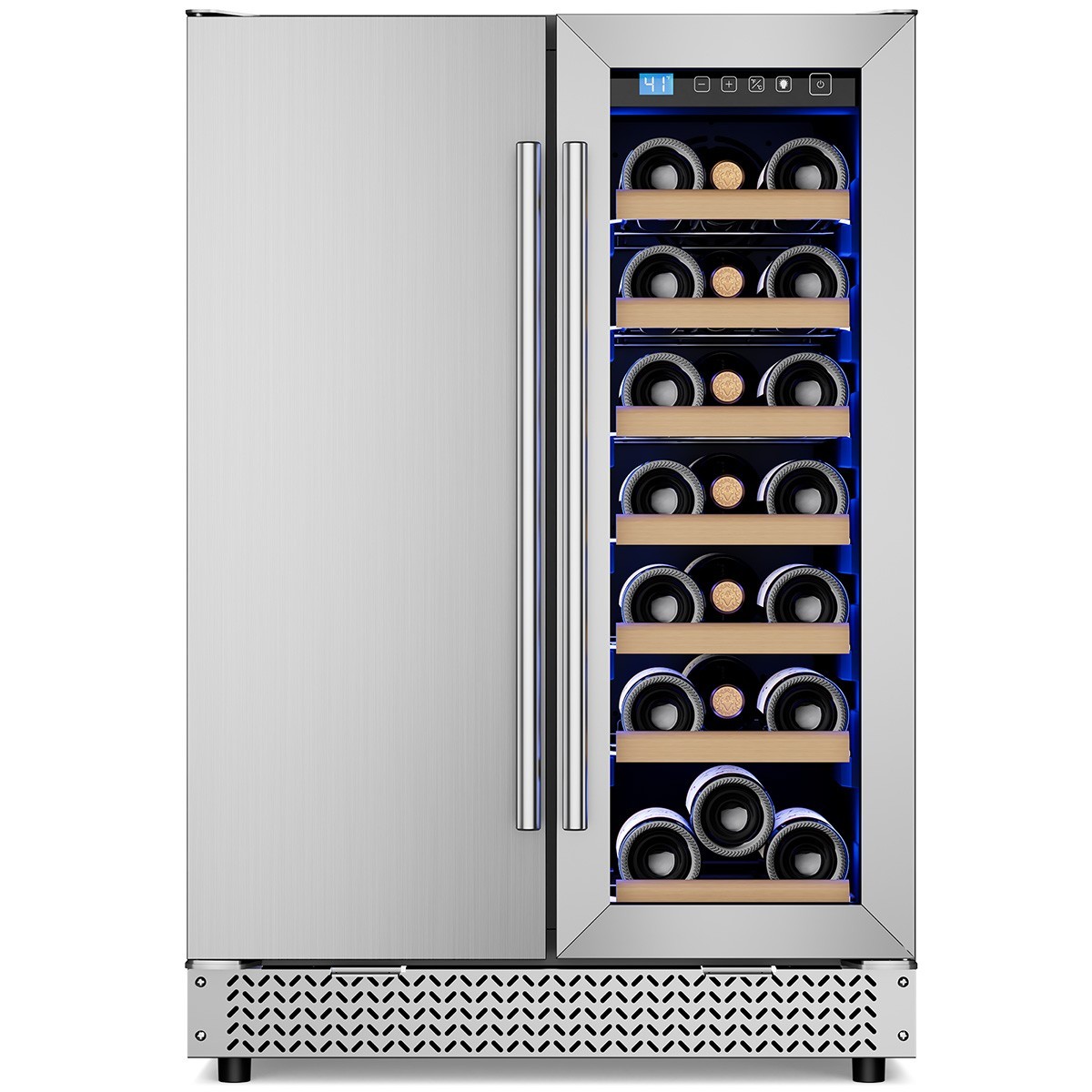 24-inch built-in dual-temperature zone wine and beverage refrigerator$649.99Last checked Nov 17, 2026View on eBay
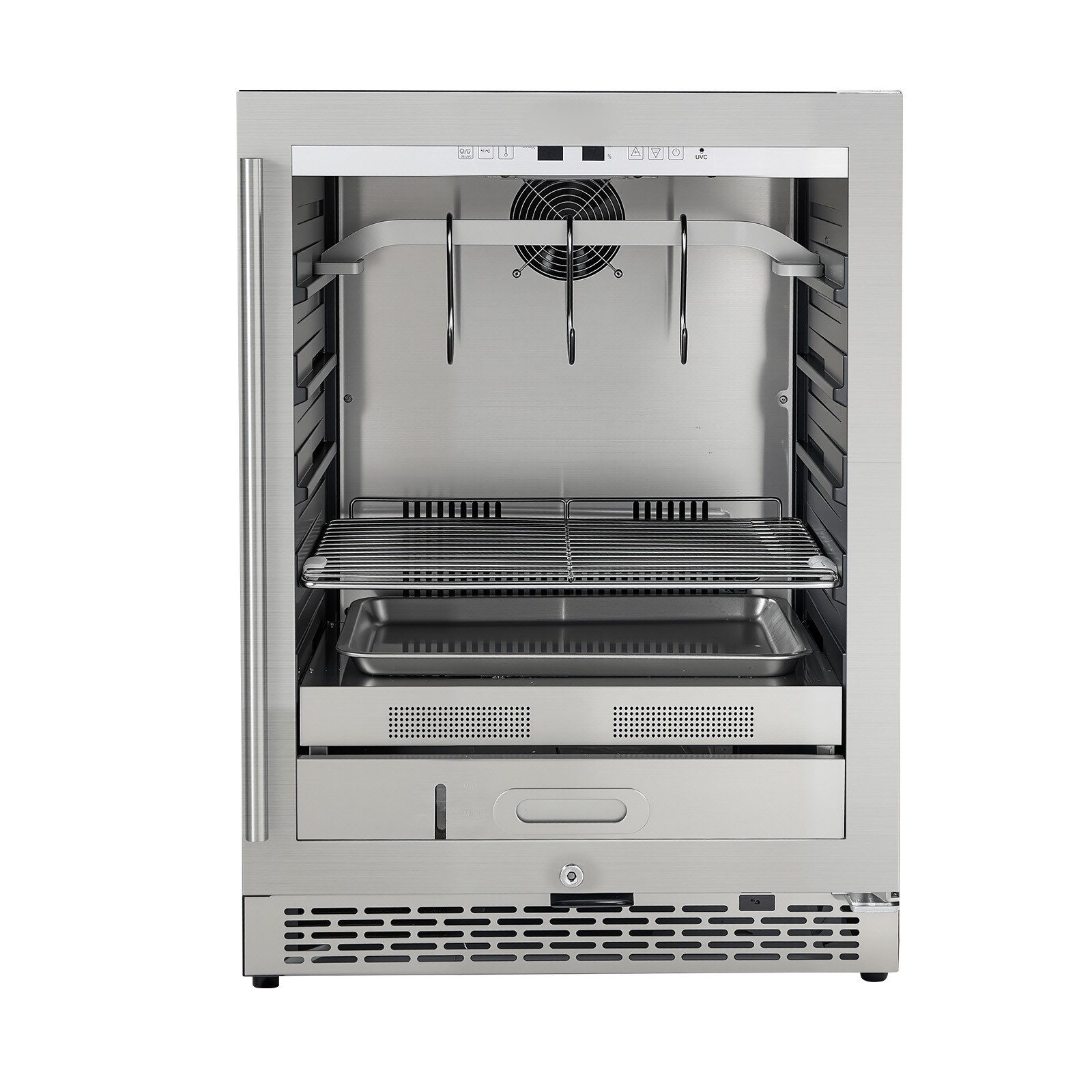 Uimoso 99 LBS Meat Dry Aging Refrigerator for Steaks and Home Use$949.99Last checked Nov 18, 2026View on eBay
Highlights
- Compressor type: variable-speed inverter compressors hold ±1°F and run quieter than single-speed units, which swing 3–5°F and cycle louder.
- Insulation grade: cyclopentane foam or vacuum-insulated panels (VIP) in mid-to-premium all-refrigerators cut heat gain versus standard polyurethane, improving efficiency and temperature stability.
- Defrost system: frost-free (auto) models prevent ice buildup on the evaporator; manual-defrost all-refrigerators stay more humid for produce but require periodic empty-and-melt cycles.
- Door and shelving: full-extension glass shelves with spill-proof trim and reversible doors define usable capacity; wire shelves and fixed-height gaps waste vertical space and limit tall-item loading.
Best use cases
- Best fit: a primary kitchen fresh-food fridge alongside a chest or upright freezer — pick a full-depth all-refrigerator with inverter compressor and frost-free defrost.
- Best fit: beverage and produce overflow in a garage or basement — pick a compact 4.5–7 cu ft mini all-refrigerator with mechanical thermostat and reversible door; skip frost-free if you want higher humidity for produce.
- Wrong fit: households without any other freezer — skip freezerless entirely and buy a top- or bottom-freezer combo; an all-refrigerator offers zero frozen storage and no ice.
- Best fit: undercounter or built-in fresh-food cooling in a wet bar or prep area — pick a panel-ready or stainless undercounter all-refrigerator with front-vented airflow; skip rear-vented models that require clearance behind.
Buying tips
- Size by inside usable volume, not exterior: allow 3.5–4.5 cu ft per adult for fresh food; a family of four needs roughly 14–18 cu ft of all-refrigerator capacity.
- Match voltage and plug: North American models are 115V/60Hz with NEMA 5-15P cords; 220–240V/50Hz units need a step-down transformer or regional model — never plug a 115V compressor into 230V.
- Check door swing and clearance: measure the hinge-side wall gap plus door thickness; a reversible door needs at least the door width plus 2 inches of side clearance to open past 90°.
- Prefer frost-free all-refrigerators with a separate evaporator fan for even cooling; manual-defrost models are acceptable only for beverage or short-term produce storage.
Specs
| Compressor Type | Inverter variable-speed vs single-speed |
|---|---|
| Defrost System | Frost-free auto vs manual defrost |
| Temperature Range | 34–38°F fresh food hold |
| Install Clearance | Front-vented vs rear-clearance |
Related searches
What to check before buying
- Measure the cutout width, depth, and height including door thickness; add 1 inch on each side and 2 inches at the rear for airflow unless the unit is front-vented.
- Confirm the floor is level and can support a fully loaded unit — a 12 cu ft all-refrigerator can weigh 200–300 lb loaded; use shims or leveling legs.
- Verify the electrical circuit: a dedicated 15A grounded outlet within cord reach; avoid shared circuits with high-draw appliances to prevent compressor trips.
- Check ambient temperature rating: garage or unheated spaces need a unit rated for 55–90°F or a garage-ready model; standard indoor fridges lose cooling below 50°F.
FAQ
Data sources: eBay / Amazon listings and product attribute feeds. Updated Nov 28, 2026.
Some links on this page are affiliate links. If you buy after clicking one, we may earn a commission at no extra cost to you. This does not change which products appear here or their order. Affiliate disclosure.