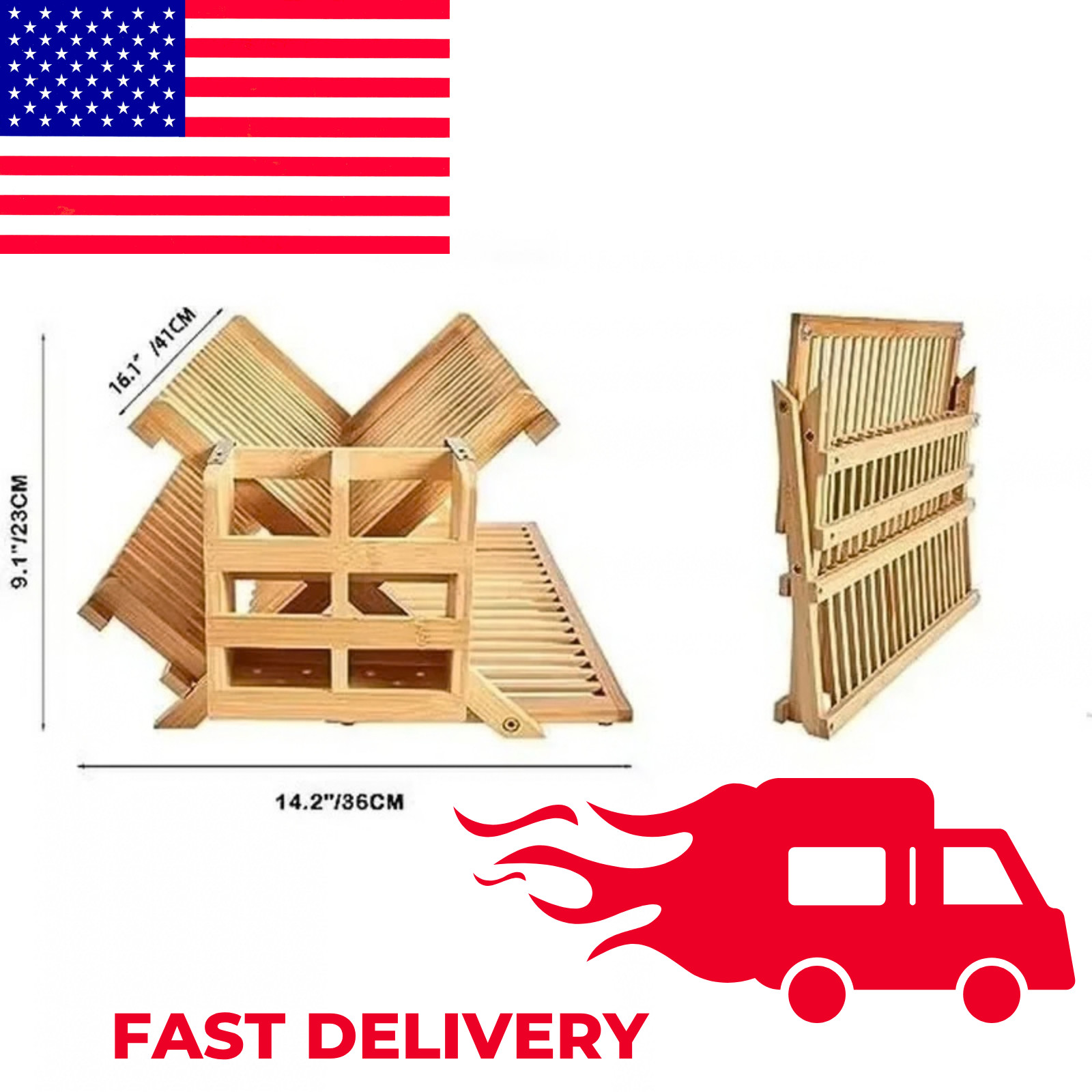

Photos from current listings. Actual item, color, and included accessories may vary.
Cutlery Tray Drawer Buying Guide
A cutlery tray drawer is an in-drawer organizer that separates forks, knives, and spoons into dedicated slots, with expandable side-wing designs or fixed-width molded units being the two main architectures. The core trade-off is between adjustable width range (expandable models fit more drawer sizes but use thinner dividers) and structural rigidity (fixed trays hold heavy utensils without flexing but demand exact drawer measurements). Buy expandable only if your drawer interior width falls within the model's stated min-max span and utensils are under roughly 9 inches; choose a rigid fixed or wood tray when loading heavy servers, cleavers, or long chopsticks.
Key takeaways
- Expandable trays use sliding side wings with a typical adjustment span of 11 to 22 inches, fitting drawers in that range without custom cutting.
- Slot depth of 1.5 to 2.5 inches keeps flatware lying flat; deeper slots accommodate ladles and serving spoons but waste drawer height.
- Bamboo and acacia trays resist knife-edge scoring better than polypropylene; plastic trays are lighter and dishwasher-safe but can crack under heavy cleavers.
At a glance
- Category
- Kitchen Storage & Organization
- Last updated
- Nov 28, 2026
Current offers
Highlights
- Expandable trays use sliding side wings with a typical adjustment span of 11 to 22 inches, fitting drawers in that range without custom cutting.
- Slot depth of 1.5 to 2.5 inches keeps flatware lying flat; deeper slots accommodate ladles and serving spoons but waste drawer height.
- Bamboo and acacia trays resist knife-edge scoring better than polypropylene; plastic trays are lighter and dishwasher-safe but can crack under heavy cleavers.
- Divider count separates tiers: 5-compartment trays handle standard 20-piece flatware sets, while 7 to 9 compartments are needed for serving-piece collections.
Best use cases
- Best fit: standard 24-inch base cabinet drawer with 18 to 21 inch interior width — pick an expandable tray rated for that span, no measuring of individual slots needed.
- Best fit: rental kitchens or uncertain drawer sizes — expandable wings tolerate width error of half an inch or more, while a fixed tray within half an inch of the drawer width will rattle.
- Wrong fit: drawers under 11 inches interior width or over 22 inches — skip expandable models entirely and use a fixed tray or two side-by-side modules.
- Wrong fit: heavy cleavers and cast-iron servers — skip thin plastic dividers and choose solid wood or metal-reinforced trays rated for the load.
Buying tips
- Measure the drawer's interior width and depth, not the cabinet opening; the tray must clear the drawer's side walls and front panel by at least 0.1 inch to slide freely.
- Match tray height to drawer interior height: a 2-inch tray needs a drawer at least 3 inches deep to allow flatware handles to sit below the closed front.
- For expandable models, confirm the minimum collapsed width is below your drawer width and the maximum expanded width exceeds it, so the wings seat under tension.
- Choose 5 compartments for a standard 20-piece set, but step up to 7 or 9 compartments when storing serving spoons, ladles, and steak knives alongside everyday flatware.
Specs
| Tray Type | Expandable vs fixed-width |
|---|---|
| Adjustment Span | 11-22 in typical expandable range |
| Material Grade | Bamboo vs PP plastic vs acacia |
| Compartment Count | 5 to 9 slots |
Related searches
What to check before buying
- Drawer interior width and depth measured with a tape — expandable range must bracket the actual width, and depth must exceed tray length by 0.1 inch.
- Drawer interior height of at least 3 inches for a 2-inch tray so utensils sit fully below the drawer face when closed.
- Drawer slide or roller condition — a fully loaded tray adds several pounds, so weak slides on old drawers may need a lighter plastic model.
- Utensil inventory on hand: count forks, spoons, knives, and serving pieces to pick compartment count before ordering.
FAQ
Data sources: eBay / Amazon listings and product attribute feeds. Updated Nov 28, 2026.
Some links on this page are affiliate links. If you buy after clicking one, we may earn a commission at no extra cost to you. This does not change which products appear here or their order. Affiliate disclosure.