
Photos from current listings. Actual item, color, and included accessories may vary.
Utensil Organizer Buying Guide
A utensil organizer is either a drawer insert for flatware or a countertop crock for cooking tools, and the core trade-off is space efficiency versus tool capacity. Drawer trays optimize flatware in shallow, fixed-width runs, while crocks and caddies handle long, bulky tools. The decision rule is simple: choose a drawer insert only if your drawer depth and width fit the expanded footprint, otherwise choose a freestanding countertop caddy.
Median $47.99
Key takeaways
- Drawer trays are either expandable segmented inserts (typically 13-22 in expanded width) or fixed acrylic compartment caddies; expandable plastic trays use sliding rails that loosen over time.
- Countertop crocks are defined by interior volume and venting: ceramic and stainless steel crocks trap moisture, so open-bottom or slotted designs matter for damp utensils.
- Food-contact plastic trays should be BPA-free polypropylene; acrylic caddies are rigid but brittle and can crack under stacked loads.
At a glance
- Category
- Kitchen Storage & Organization
- Last updated
- Nov 27, 2026
Current offers
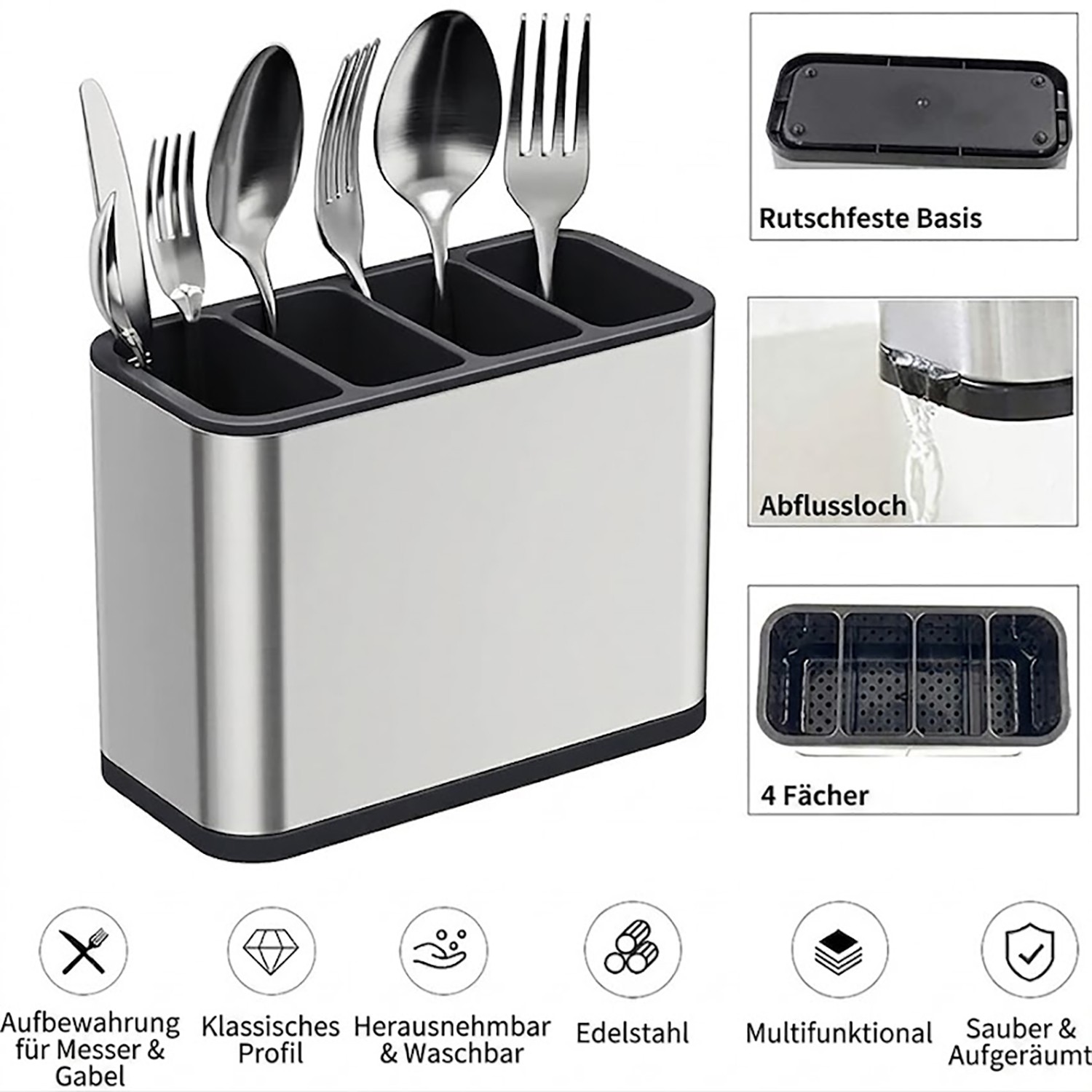 Kitchen Cutlery Holder Spoon Fork Storage Utensils Rack Organizer Chopstick Box$19.99View on Mallflare
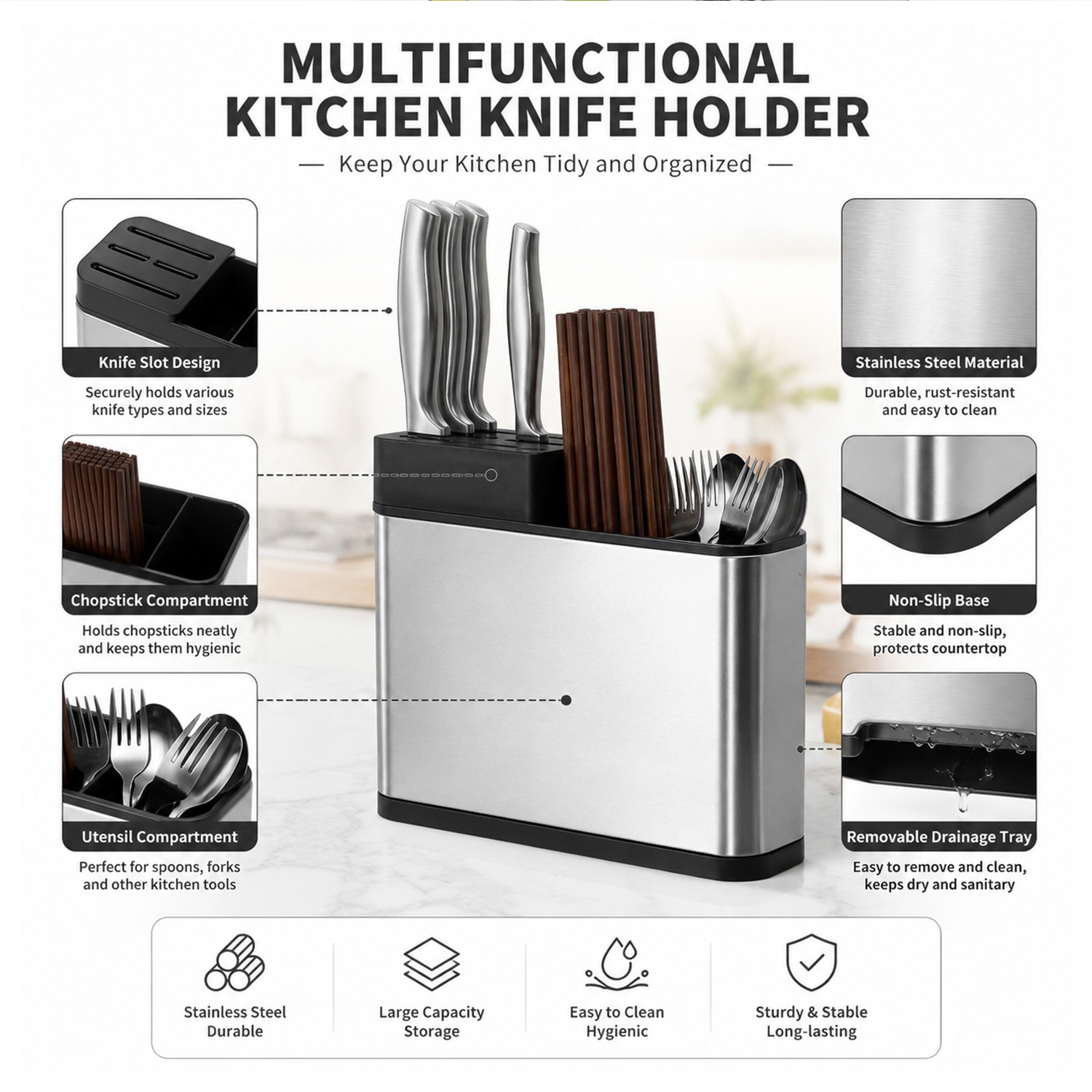 Kitchen Cutlery Knife Holder Spoon Fork Storage Rack Organizer Utensils Chopstick Box$20.99View on Mallflare
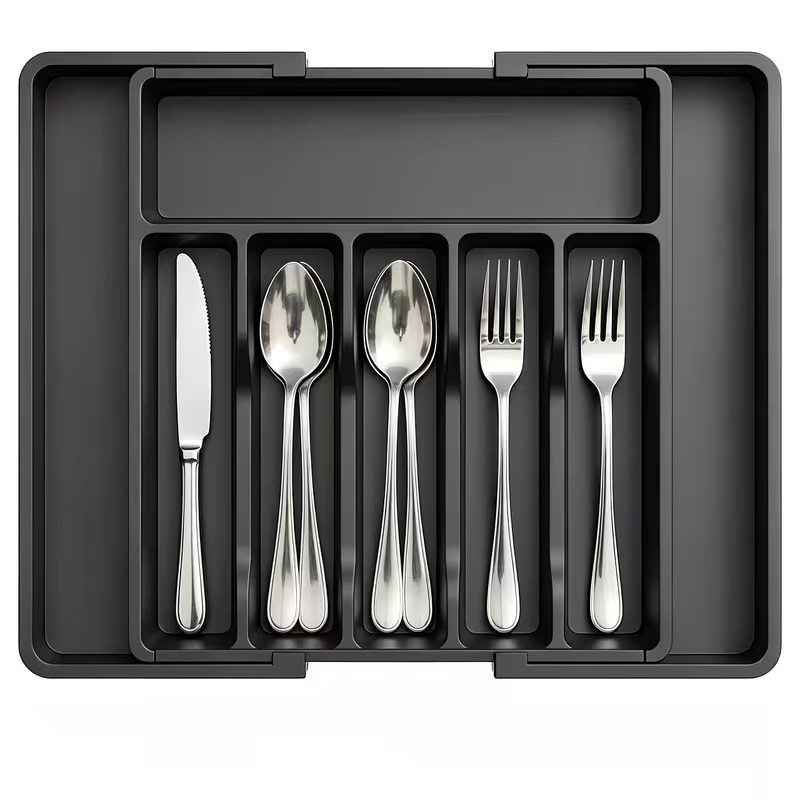 Lifewit Silverware Drawer Organizer, Expandable Utensil Tray For Kitchen, BPA Free Flatware And Cutlery Holder$33.99View on Mallflare
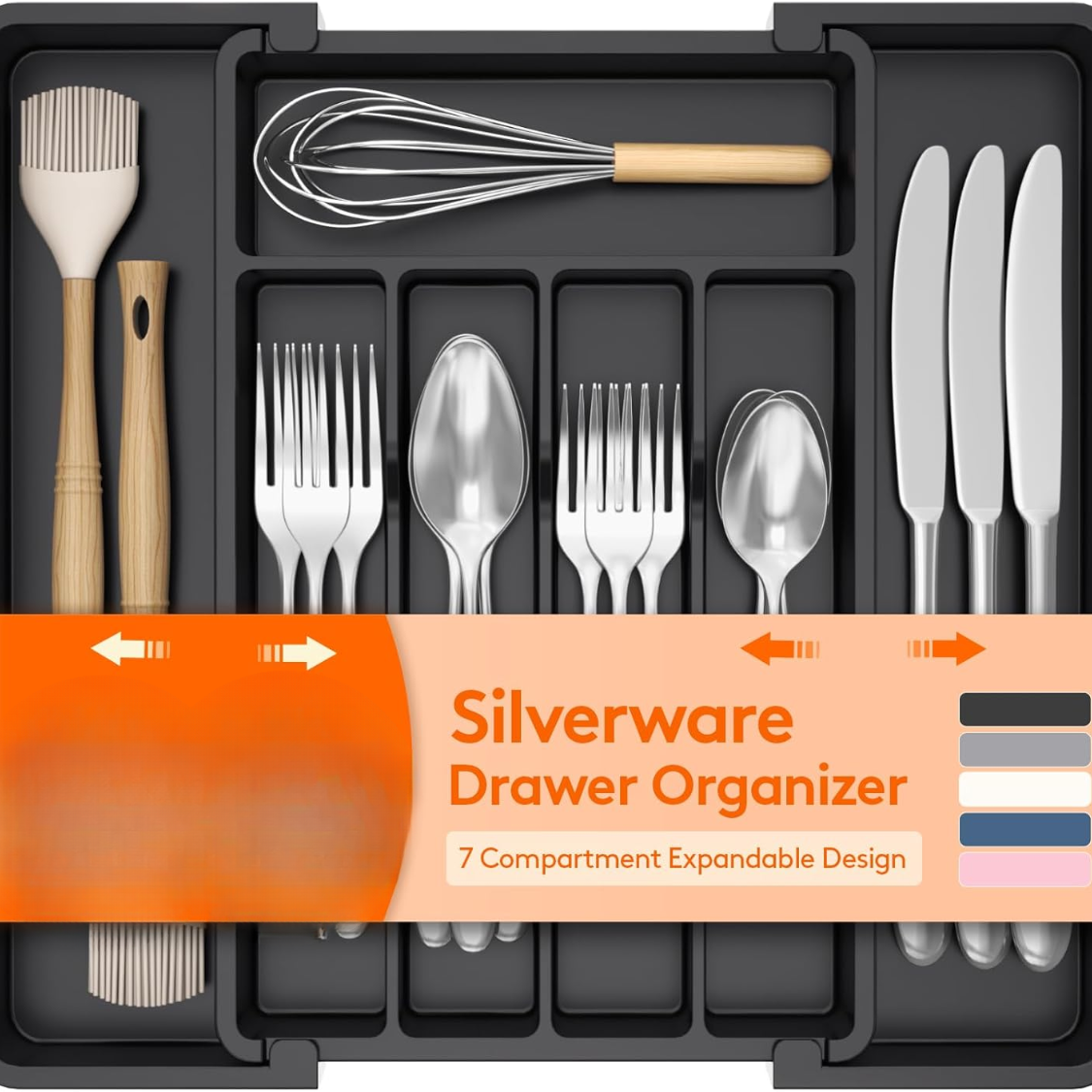 Expandable Silverware Organizer Plastic Utensil Tray For Kitchen Drawer BPA Free Flatware Cutlery Holder Space-Saving Storage For Spoons Forks$37.99View on Mallflare
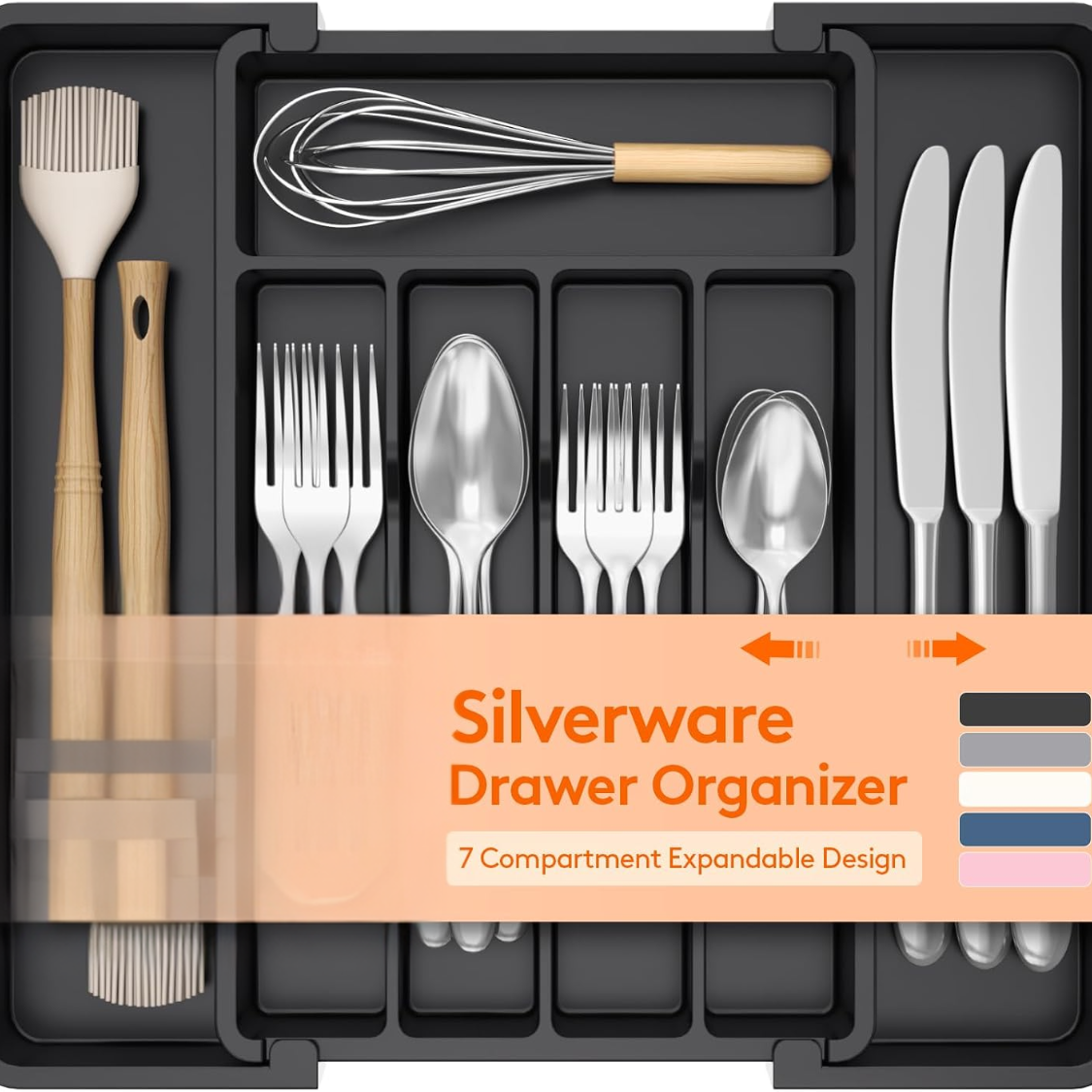 Expandable Silverware Drawer Organizer Kitchen Utensil Tray Adjustable Cutlery Storage For Forks Spoons Knives And Tools$47.99View on Mallflare
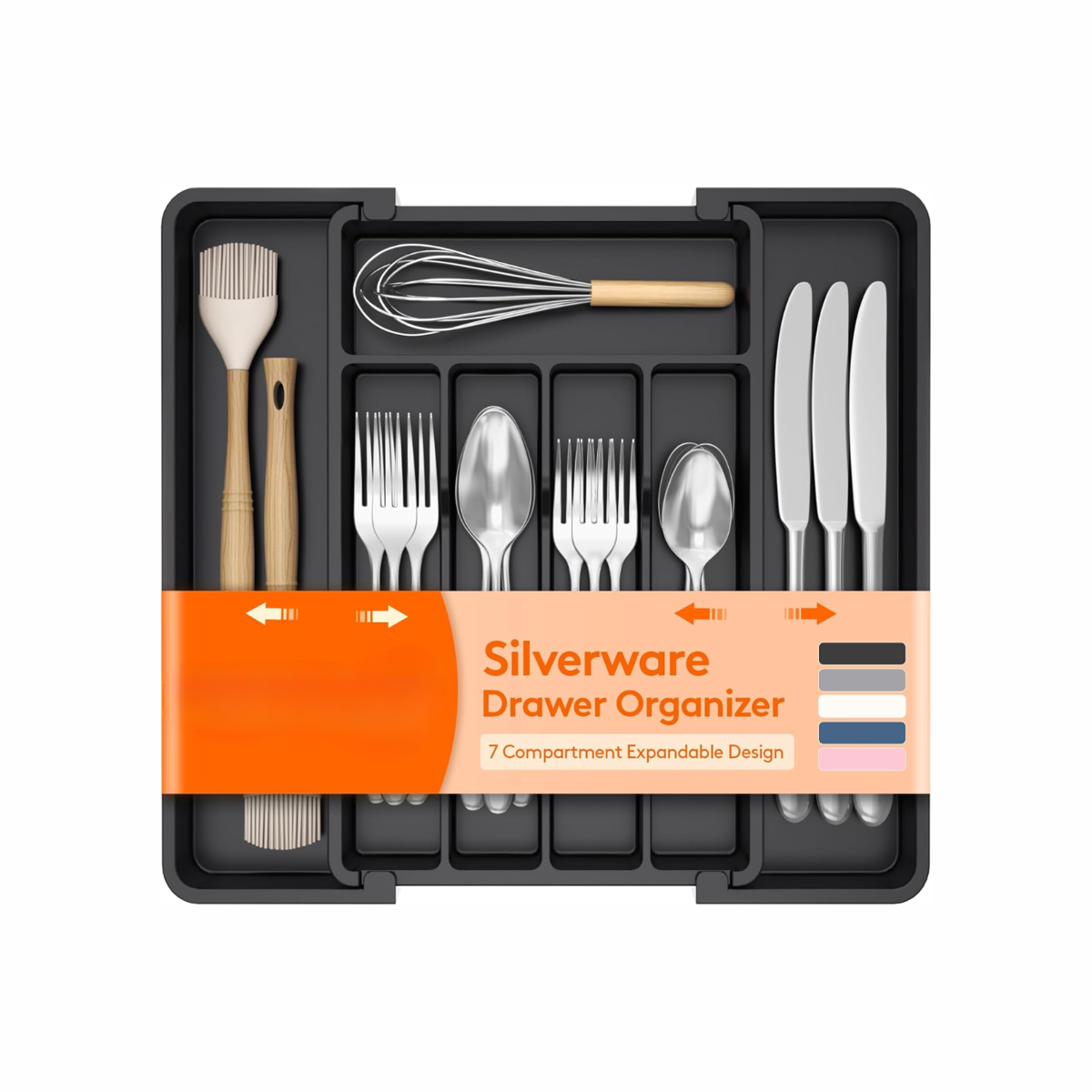 Expandable Silverware Drawer Organizer, Adjustable Kitchen Utensil Tray, Space-Saving Cutlery Storage For Forks, Spoons & Knives$47.99View on Mallflare
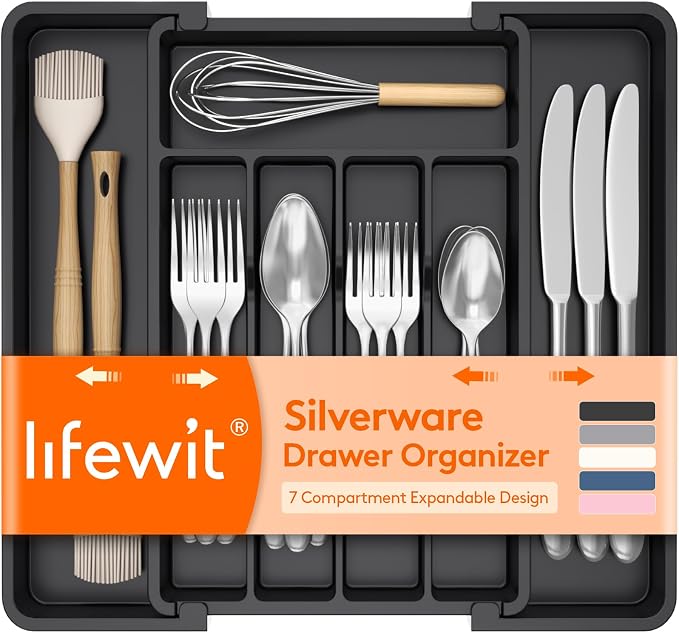 Expandable Silverware Drawer Organizer, Adjustable Kitchen Utensil Tray With Multiple Compartments For Forks, Spoons And Knives$47.99View on Mallflare
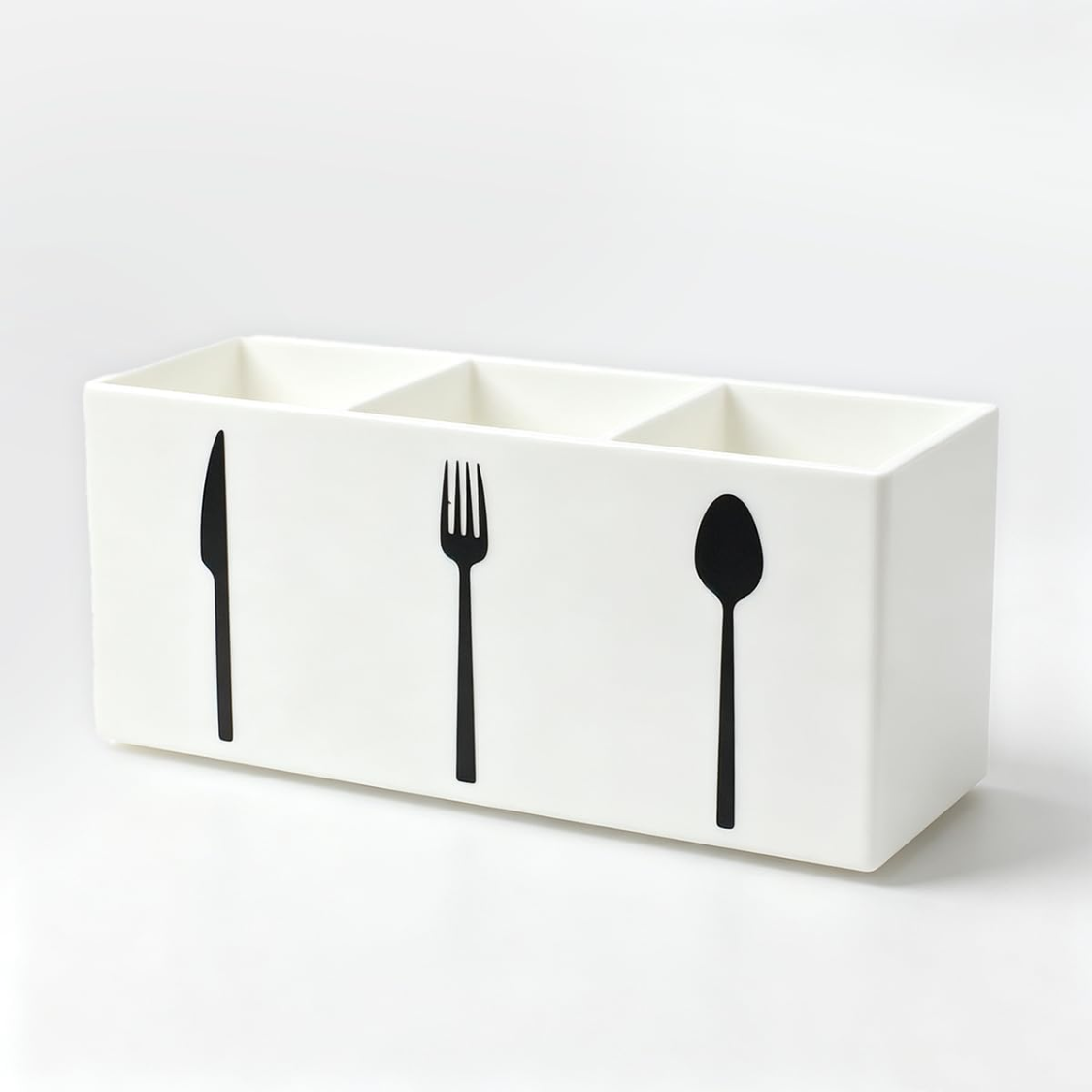 3 Compartment White Acrylic Cutlery Organizer Plastic Flatware Holder Countertop Utensil Storage For Kitchen Dining Room Indoor And Outdoor Use$49.99View on Mallflare
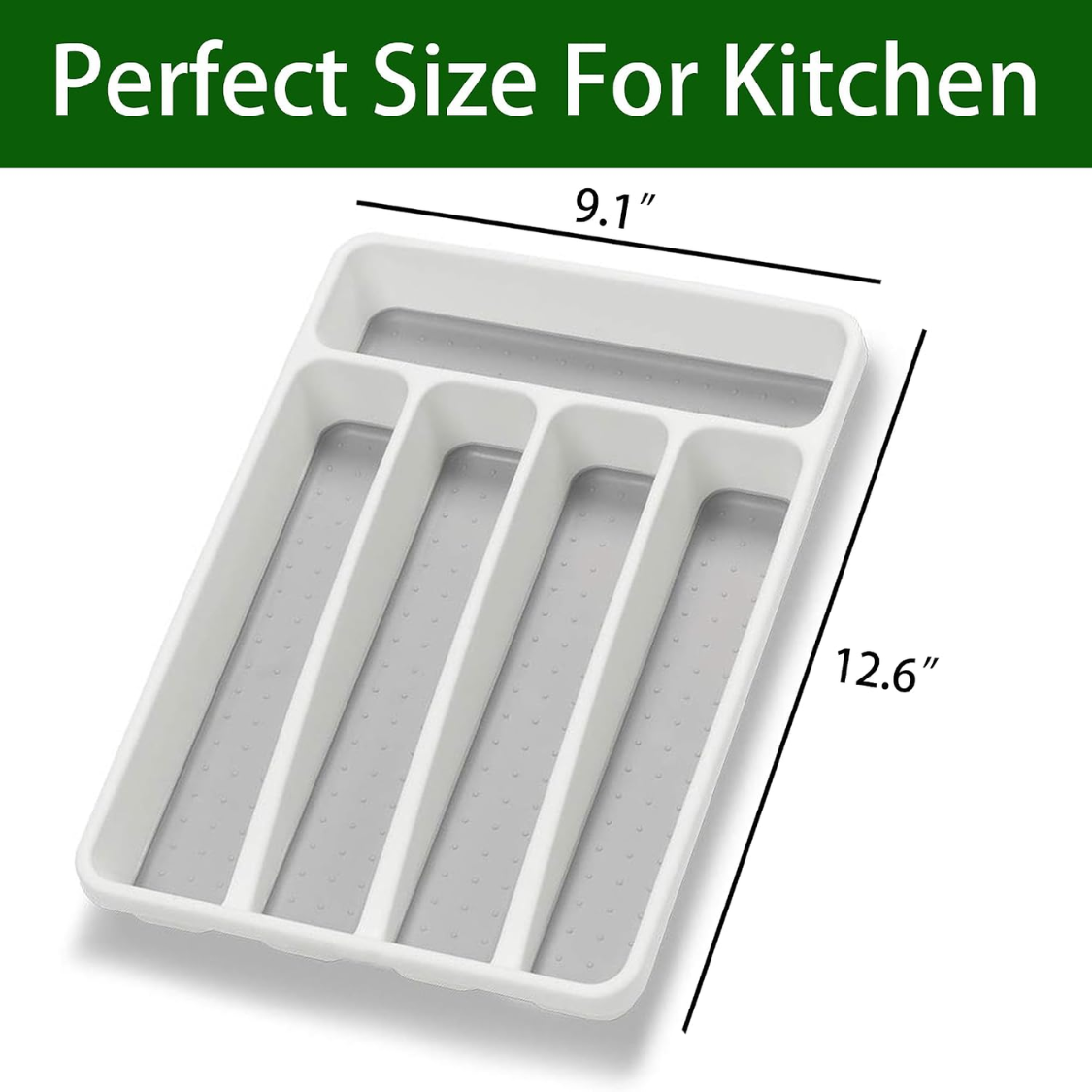 5 Compartment White Silverware Organizer Plastic Kitchen Drawer Utensil Tray Flatware Holder Cutlery Storage For Forks Spoons Knives$52.99View on Mallflare
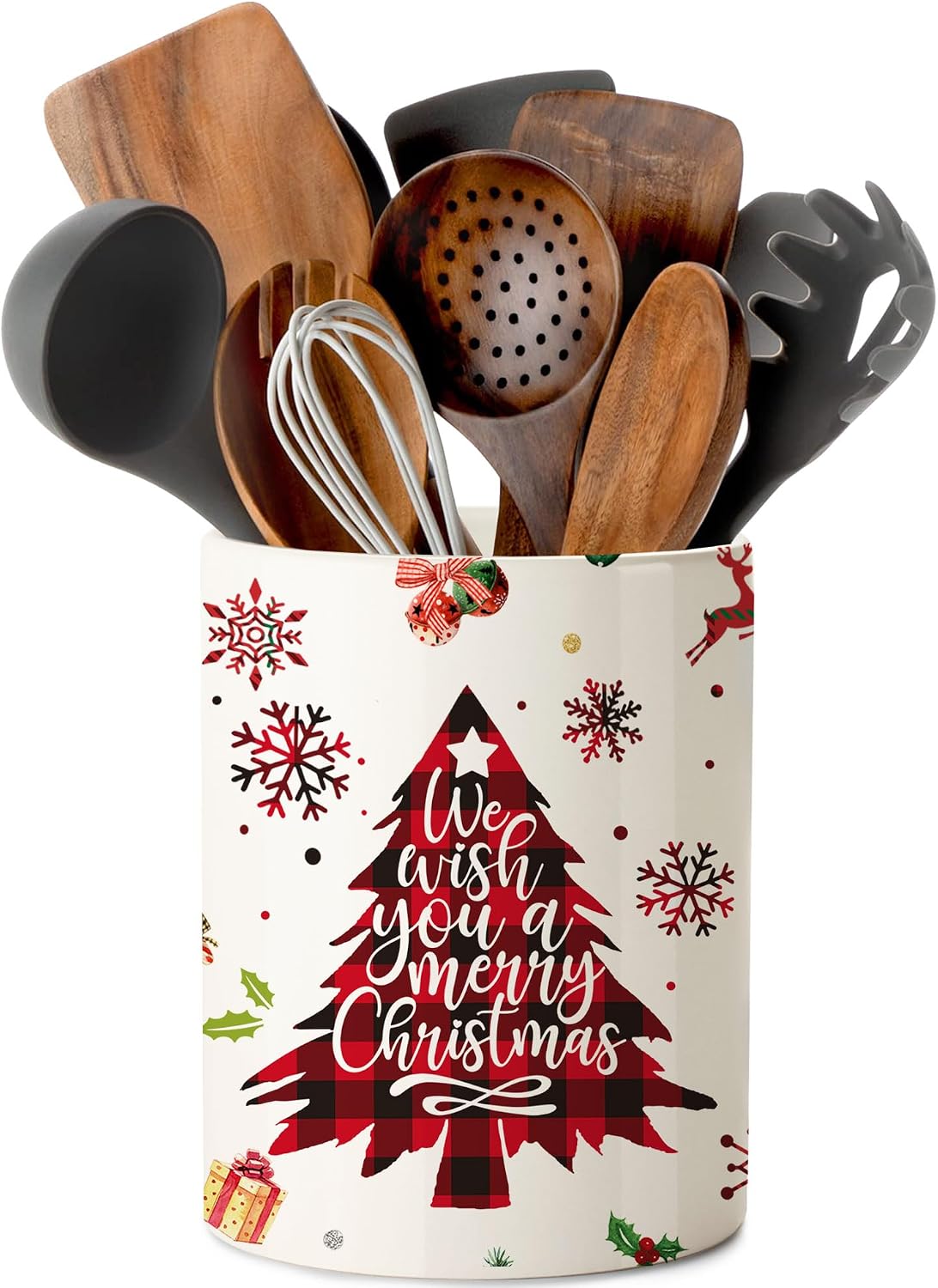 Christmas Kitchen Decor, Tree Ceramic Utensil Holder, Festive Countertop Organizer For Spoons, Forks, Spatulas & Tools$80.99View on Mallflare
Highlights
- Drawer trays are either expandable segmented inserts (typically 13-22 in expanded width) or fixed acrylic compartment caddies; expandable plastic trays use sliding rails that loosen over time.
- Countertop crocks are defined by interior volume and venting: ceramic and stainless steel crocks trap moisture, so open-bottom or slotted designs matter for damp utensils.
- Food-contact plastic trays should be BPA-free polypropylene; acrylic caddies are rigid but brittle and can crack under stacked loads.
- Flatware compartment count matters more than tray width: 5-7 compartments prevent spoon-fork mixing, and knife slots need at least 9 in of usable length.
Best use cases
- Pick an expandable drawer tray if your drawer is deeper than 17 in and at least 13 in wide and you mainly store forks, spoons, and knives; skip crocks if drawer space is the constraint.
- Pick a countertop crock or multi-compartment caddy if you store spatulas, ladles, whisks, and tongs; these tools exceed the depth of drawer trays and need upright clearance.
- Pick a stainless steel or ceramic crock for a permanent countertop anchor near the stove; skip decorative ceramic holiday crocks if the primary goal is heavy daily utensil load.
- Pick an over-sink or pull-out rack only if attached utensil holders are secondary; dedicate a separate caddy for high-volume utensil storage instead of relying on rack attachments.
Buying tips
- Measure your drawer's inside width, not the cabinet opening: expandable trays need 2-3 in of clearance beyond their collapsed width to slide open fully.
- Check drawer depth against tray length: standard trays run 15-17 in long, so a drawer shallower than 18 in front-to-back will not close over a fixed tray.
- For countertop crocks, interior diameter of 4.5-5.5 in holds 15-20 average tools; smaller crocks tip when loaded with heavy ladles.
- Choose BPA-free polypropylene or stainless steel over acrylic for daily flatware; acrylic is fine for light caddy use but cracks under stacked dinnerware.
Specs
| Organizer Type | Drawer tray / countertop crock / caddy |
|---|---|
| Drawer Width Fit | Expandable 13-22 in; fixed 10-17 in |
| Material Grade | BPA-free PP / acrylic / ceramic / steel |
| Compartment Count | 5-7 flatware / 4 caddy slots |
Related searches
What to check before buying
- Measure drawer inside width, depth, and height, including the expanded width of any sliding tray before purchase.
- Confirm drawer height clears stacked cutlery: trays plus flatware need roughly 3 in of vertical clearance to close freely.
- Check countertop footprint and nearby heat: keep ceramic and plastic crocks at least 6 in from open burners.
- For over-sink or pull-out racks, verify sink rim width and cabinet clearance so the utensil holder does not block the faucet swing.
FAQ
Data sources: eBay / Amazon listings and product attribute feeds. Updated Nov 27, 2026.
Some links on this page are affiliate links. If you buy after clicking one, we may earn a commission at no extra cost to you. This does not change which products appear here or their order. Affiliate disclosure.