
Photos from current listings. Actual item, color, and included accessories may vary.
Scoring Knife Buying Guide
A bread scoring knife (lame) is a razor-blade holder used to slash dough before baking, controlling expansion and directing ear formation. The primary trade-off is blade geometry and handle ergonomics: thin, sharp blades cut cleanly without dragging, while flimsy holders or dull blades tear gluten and collapse rise. Choose a lame with a replaceable straight or curved razor, a secure locking mechanism, and a comfortable grip; skip decorative wooden handles that hide loose blade mounts or non-replaceable blades.
Median $42.62 · New listings
Key takeaways
- Blade type drives performance: straight blades suit baguettes and even slashes; curved blades create crescent ears on boules and batards.
- Razor grade matters: stainless steel double-edge blades resist rust and stay sharp for 5–10 loaves; carbon-steel blades are sharper but corrode without drying.
- Handle material affects control: hardwood handles dampen hand torque for precise depth; plastic or metal handles are more durable but transmit vibration.
At a glance
- Category
- Proofing Baskets & Bread Lames
- Last updated
- Nov 23, 2026
Current offers
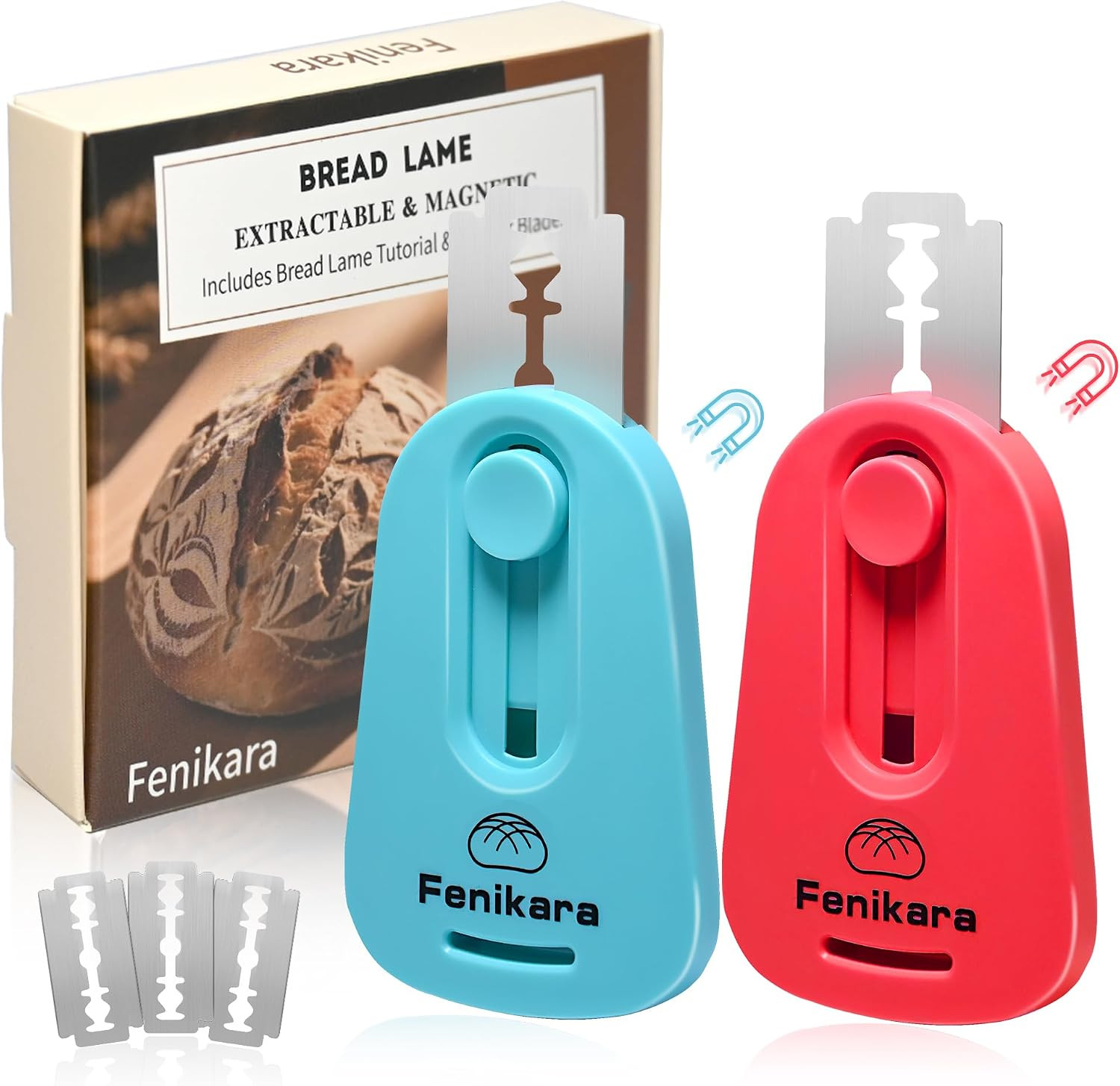 2PCS Upgraded Magnetic Sourdough Scoring Tool & Versatile Bread Scoring Tool- Pr$20.99View on eBay
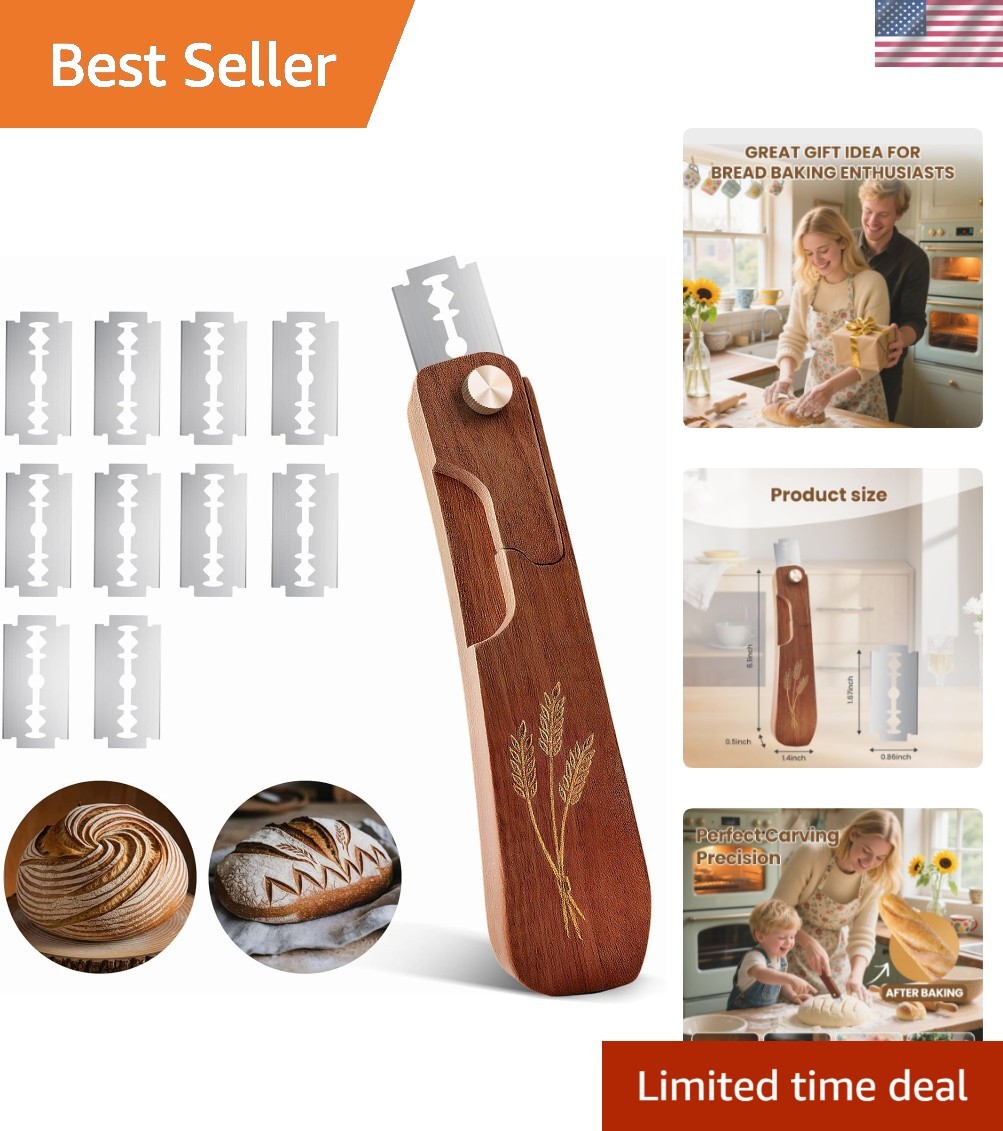 Wooden Bread Lame Dough Scoring Tool, Handcrafted Bread Scoring Tool for Sour...$42.62View on eBay
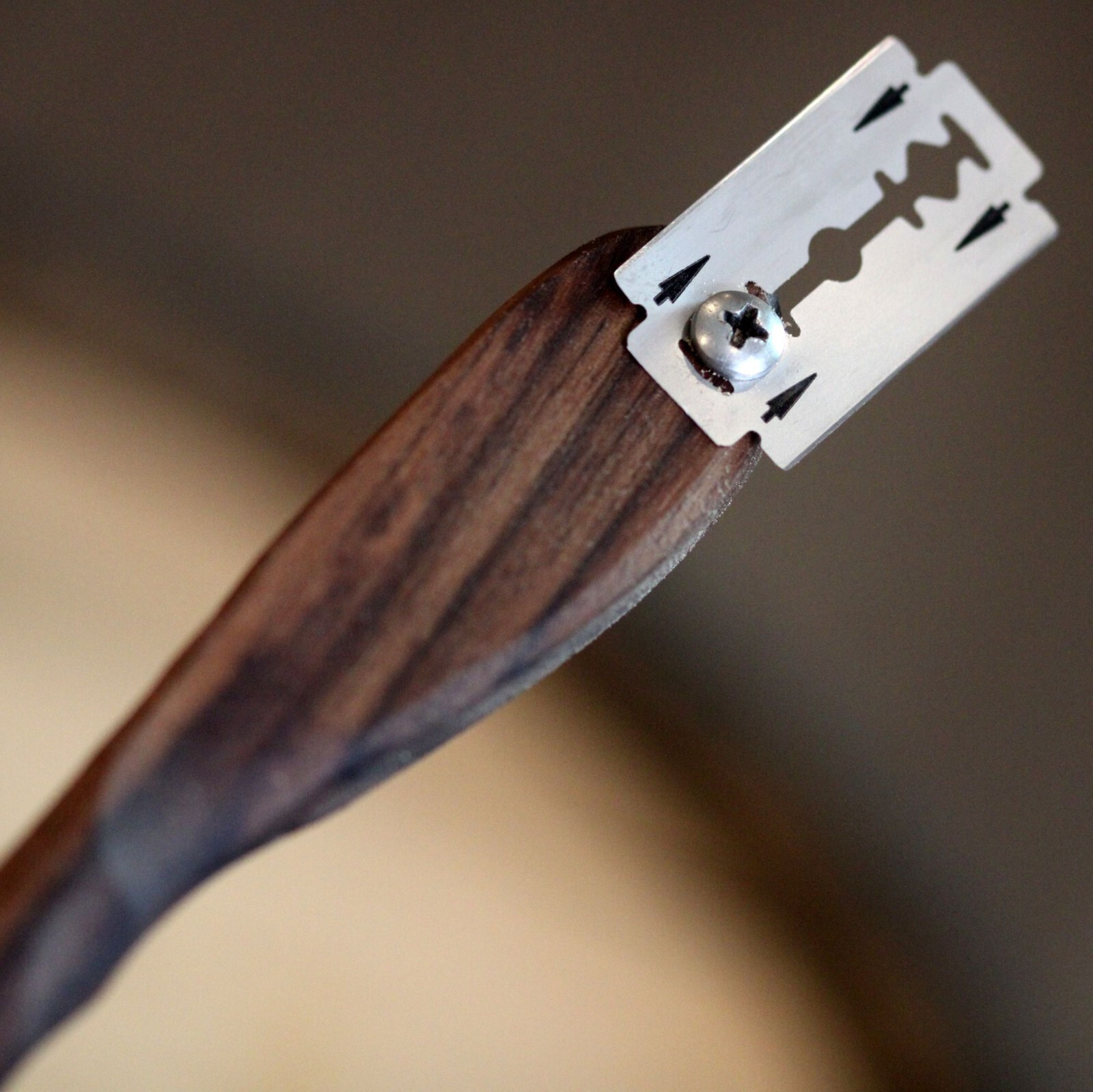 Bread Scoring Lame, Sourdough / Bread Scoring Knife BULK 100PCE WHOLESALE$300.00New · Last checked Nov 17, 2026View on eBay
Highlights
- Blade type drives performance: straight blades suit baguettes and even slashes; curved blades create crescent ears on boules and batards.
- Razor grade matters: stainless steel double-edge blades resist rust and stay sharp for 5–10 loaves; carbon-steel blades are sharper but corrode without drying.
- Handle material affects control: hardwood handles dampen hand torque for precise depth; plastic or metal handles are more durable but transmit vibration.
- Magnetic or screw-lock holders allow blade changes in seconds; friction-fit or glued blades cannot be safely replaced and become unusable when dull.
Best use cases
- Best fit: home sourdough bakers making boules and batards—pick a curved-blade lame with a hardwood handle and replaceable razor for consistent ears.
- Best fit: high-volume or baguette bakers—choose a straight-blade lame with a slim handle for long, shallow slashes and easy blade swaps.
- Wrong fit: bakers wanting a single tool for both scoring and dough handling—skip combination tools with dull fixed blades; use a dedicated lame plus a bench scraper.
- Wrong fit: occasional bakers who won't replace blades—avoid decorative ceramic or plastic lames with non-replaceable edges; they tear dough after a few uses.
Buying tips
- Blade thickness: 0.1–0.2 mm razor blades cut cleanly; thicker 0.3 mm blades drag and compress dough, reducing oven spring.
- Handle length: 10–15 cm handles give leverage and control; shorter handles feel twitchy on deep 1.5–2 cm slashes.
- Blade replacement standard: choose lames that accept standard double-edge razor blades (e.g., 0.23 mm thick, 43×22 mm) for cheap, universal replacements.
- Curved vs straight: curved blades produce ears on round loaves; straight blades excel on baguettes and batards—pick based on your primary loaf shape.
Specs
| Blade Type | Straight vs Curved (replaceable razor) |
|---|---|
| Blade Standard | Double-edge razor 43×22 mm |
| Handle Material | Hardwood / Plastic / Metal |
| Blade Lock | Magnetic / Screw-lock / Friction |
Related searches
What to check before buying
- Confirm blade type and replacement: ensure the lame uses standard double-edge razor blades or includes spare blades; non-standard blades become unusable when dull.
- Check handle grip: handle should be at least 10 cm long and 2 cm thick for a secure grip; thin or short handles increase slip risk on wet dough.
- Verify blade lock: magnetic or screw-lock holders must hold the blade firmly; friction-fit or loose mounts wobble and cause uneven slashes.
- Assess maintenance: stainless blades and hardwood handles require drying after use; carbon-steel blades need oiling—match to your cleaning routine.
FAQ
Data sources: eBay / Amazon listings and product attribute feeds. Updated Nov 23, 2026.
Some links on this page are affiliate links. If you buy after clicking one, we may earn a commission at no extra cost to you. This does not change which products appear here or their order. Affiliate disclosure.