
Photos from current listings. Actual item, color, and included accessories may vary.
Fermentation Buying Guide
Fermentation gear splits into two distinct jobs: maintaining a living sourdough starter and bulk-proofing dough, or anaerobic vegetable fermentation with airlocks and latch lids. The core trade-off is gas management versus dough handling—airtight one-way valves protect brine ferments, while breathable covers or lidded boxes control proofing humidity. Buy by vessel volume, lid architecture, and material; skip anything that seals a proofing dough airtight without headroom.
Median $35.99
Key takeaways
- Anaerobic vegetable kits pair latch lids with silicone-ring airlocks; the one-way valve vents CO2 while blocking oxygen and mold spores.
- Sourdough starter jars use loose or vented lids—34 oz (about 1 L) glass wide-mouth is the practical working size for daily feedings.
- Dough proofing boxes are stackable food-grade acrylic or PP trays with sealed lids; rectangular stackability beats round bowls for fridge space.
At a glance
- Category
- Sourdough Starters & Fermentation
- Last updated
- Nov 24, 2026
Current offers
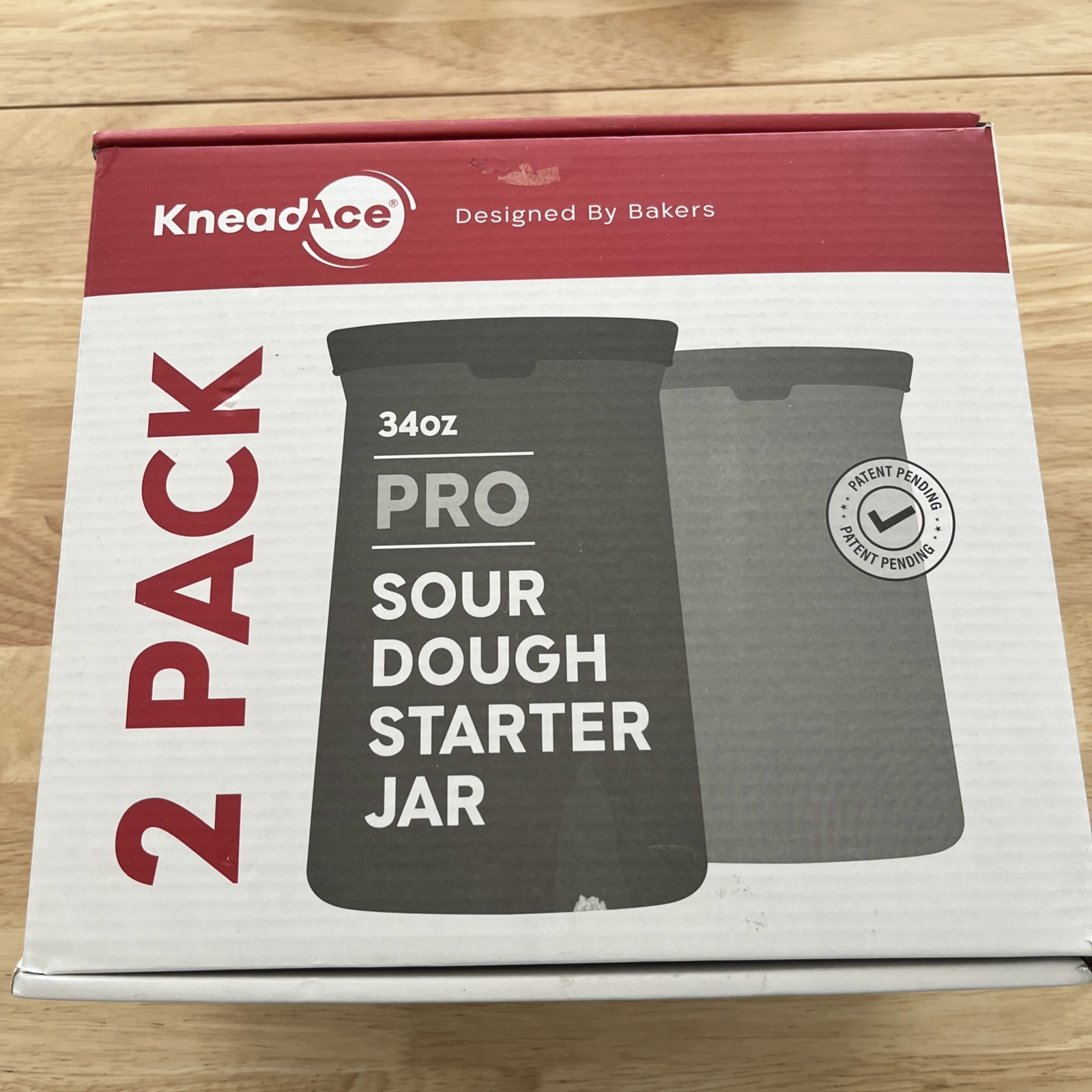 KNEADACE Pro Sourdough Starter Kit 34oz Glass Fermentation Jar 2 Pack with Lids$25.00View on eBay
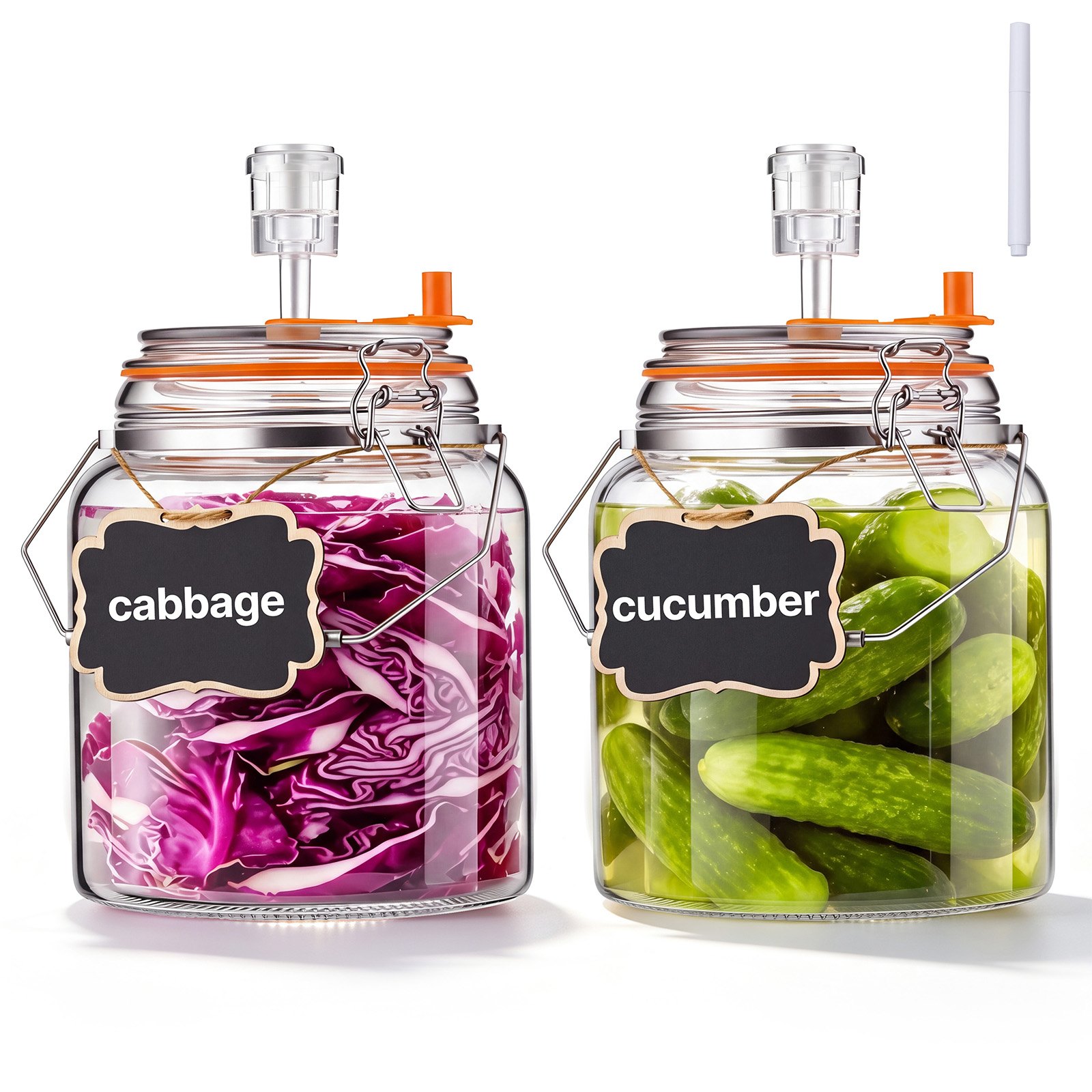 0.66 Gallon Glass Fermentation Jar, Wide Mouth Container Kit, 2-Pack, for Making Sauerkraut, Kimchi, Pickles, Vegetables, Jars for Beginners with Airlocks, Latch Lids, and Silicone Rings$35.99View on Mallflare
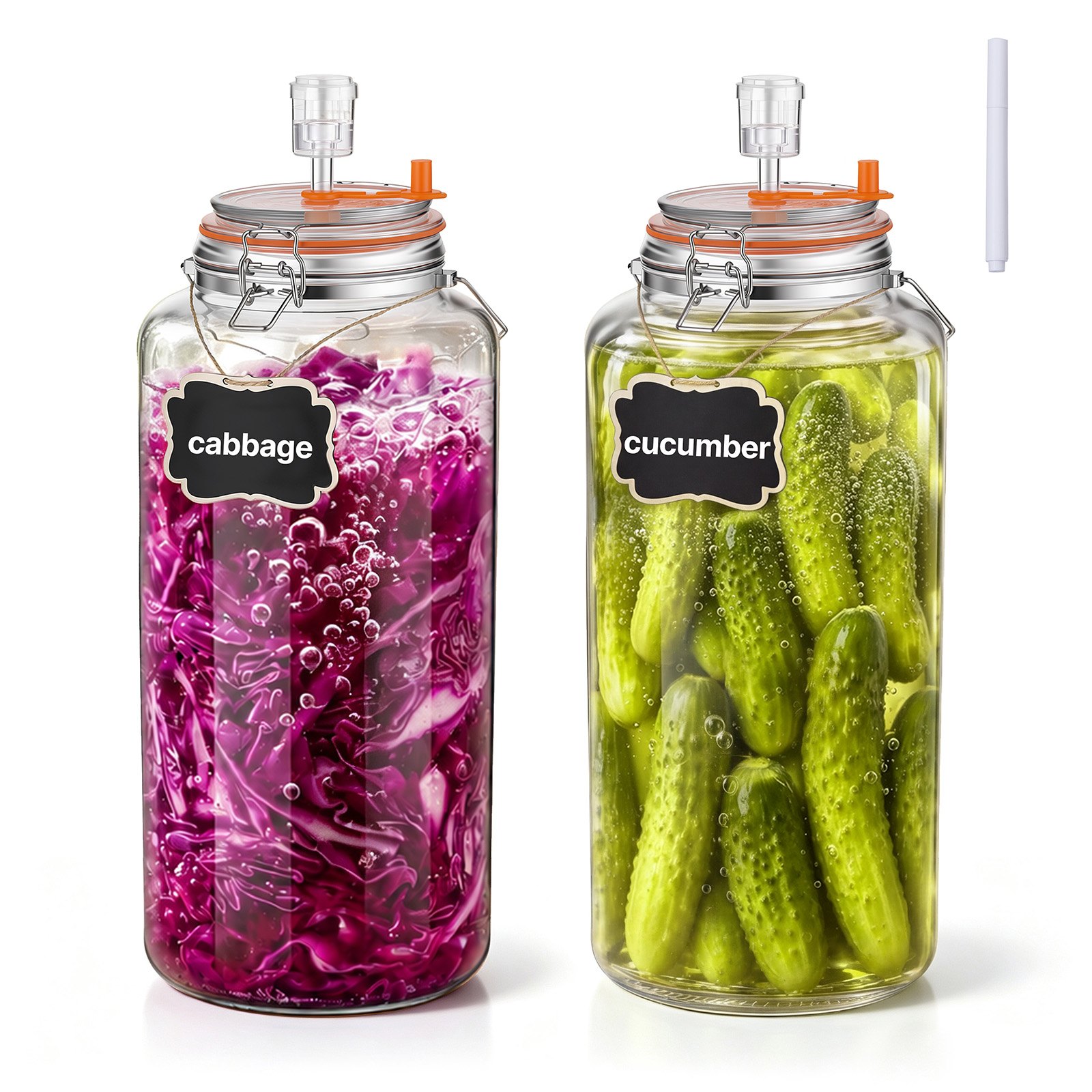 2 Gallon Glass Fermentation Jar, Wide Mouth Container Kit, 2-Pack, for Making Sauerkraut, Kimchi, Pickles and Vegetables, Jars for Beginners with Airlocks, Latch Lids, and Silicone Rings$55.99View on Mallflare
Highlights
- Anaerobic vegetable kits pair latch lids with silicone-ring airlocks; the one-way valve vents CO2 while blocking oxygen and mold spores.
- Sourdough starter jars use loose or vented lids—34 oz (about 1 L) glass wide-mouth is the practical working size for daily feedings.
- Dough proofing boxes are stackable food-grade acrylic or PP trays with sealed lids; rectangular stackability beats round bowls for fridge space.
- Temperature-controlled proofing boxes add a thermostatic element and carry bag, holding dough near 75-80°F for consistent bulk rise.
Best use cases
- Pick a 2-pack latch-lid glass kit with airlocks for sauerkraut, kimchi, and pickles—the airlock prevents kahm yeast and mold on the brine surface.
- Pick a 34 oz glass starter jar 2-pack if you bake weekly sourdough and need to feed, discard, and rotate two starters without cross-contamination.
- Pick stackable acrylic proofing boxes for refrigerated cold-retard pizza or batard dough; skip them for long liquid starters that need venting.
- Skip airtight-sealed containers for active starter—trapped CO2 pressure and condensation cause off-flavors; use a breathable cover or loose lid instead.
Buying tips
- Size starters at 1 qt (32-34 oz) per culture; a 2-pack lets you keep a backup while one is fed and active.
- For vegetable ferments, keep produce submerged under brine—choose jars with included glass weights or a narrow-mouth shoulder that holds cabbage down.
- Match proofing box interior to your dough: a 2-pack of shallow trays fits 2-4 dough balls; round bannetons need a taller lidded box.
- Silicone gaskets and airlock grommets wear—prefer replaceable standard 3-piece airlocks and thick (≥3 mm) silicone rings over glued-in valves.
Specs
| Vessel Type | Glass jar / acrylic box / crock |
|---|---|
| Lid Architecture | Airlock latch / vented / sealed |
| Working Volume | 1 qt starter to 2 gal brine |
| Material Grade | Food-grade glass / acrylic / PP |
Related searches
What to check before buying
- Measure fridge shelf height and door clearance before buying stackable proofing boxes—2-packs often stack taller than a single tub.
- Confirm your dough batch weight fits the tray footprint with 2x rise headroom; overfilled boxes press the lid and collapse the crumb.
- For latch-lid vegetable kits, check jar mouth diameter matches standard wide-mouth (86 mm) accessories like weights and airlock grommets.
- Verify the starter jar lid is vented or loose-fitting; a fully sealed glass jar can build pressure and is unsafe for actively fermenting starter.
FAQ
Data sources: eBay / Amazon listings and product attribute feeds. Updated Nov 24, 2026.
Some links on this page are affiliate links. If you buy after clicking one, we may earn a commission at no extra cost to you. This does not change which products appear here or their order. Affiliate disclosure.