
Photos from current listings. Actual item, color, and included accessories may vary.
Sourdough Starter Yeast Buying Guide
Sourdough starter yeast is the wild yeast and lactobacilli culture you cultivate in flour and water—not a packaged strain—so performance depends on flour type, hydration, temperature control, and feeding cadence. The core trade-off is between passive ambient fermentation (cheap, slow, seasonally unreliable) and active temperature-controlled proofing (consistent 70–78°F range, faster peak predictability). Buy a starter kit only if it includes a straight-sided clear jar, a 0.1g-resolution scale, and a thermometer; skip kits that bundle decorative crocks without measurement tools.
Median $227.99 · New listings
Key takeaways
- Whole-grain rye or whole-wheat flour accelerates starter establishment because bran carries more wild yeast and minerals than white flour alone.
- Starter strength peaks at 70–78°F (21–26°C); every 10°F drop roughly doubles fermentation time, so a 1°F-accurate warmer removes seasonal guesswork.
- A 0.1g-resolution digital scale is mandatory for 1:1:1 feeding ratios; volume scooping drifts hydration and causes inconsistent rise.
At a glance
- Category
- Sourdough Starters & Fermentation
- Last updated
- Nov 28, 2026
Current offers
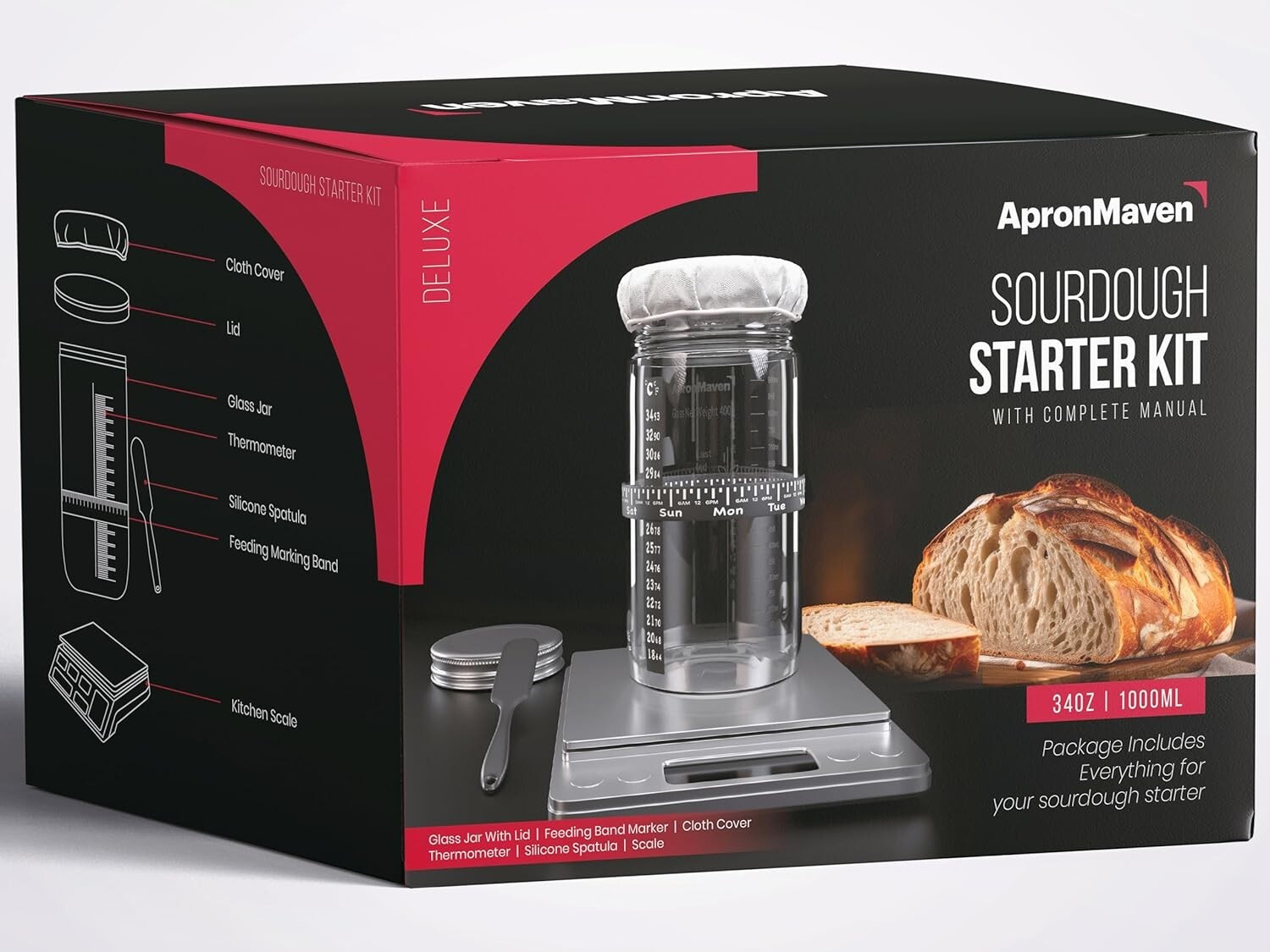 Sourdough Starter Kit Kitchen Scale jar & more For Easy Sourdough Bread Baking!$31.71View on eBay
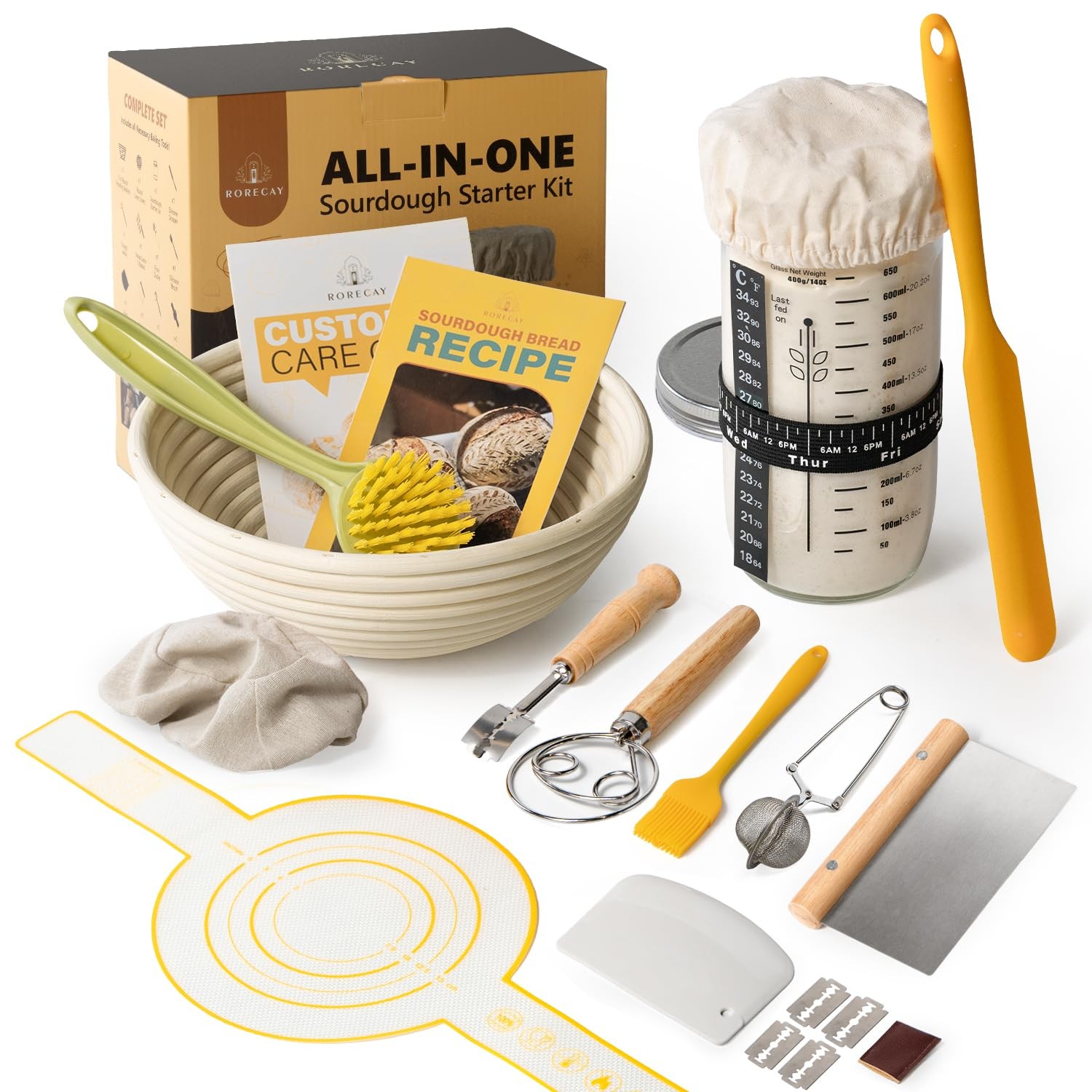 Sourdough Starter Kit with Round Banneton Bread Proofing Basket and Jar Gift Set$42.99View on eBay
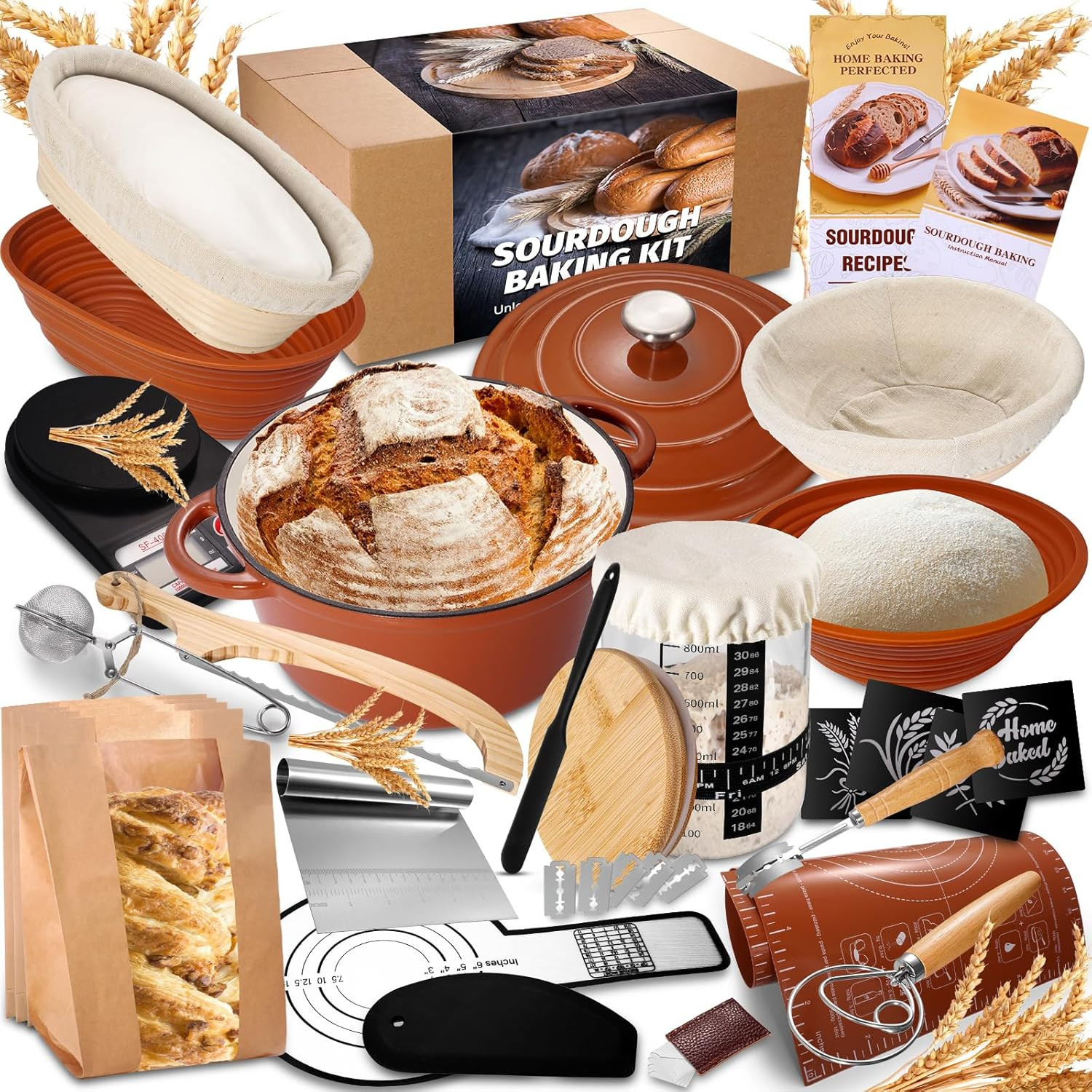 Sourdough Starter Kit with Enamel Cast Iron Pot, Complete Sourdough Bread Baking$144.27View on eBay
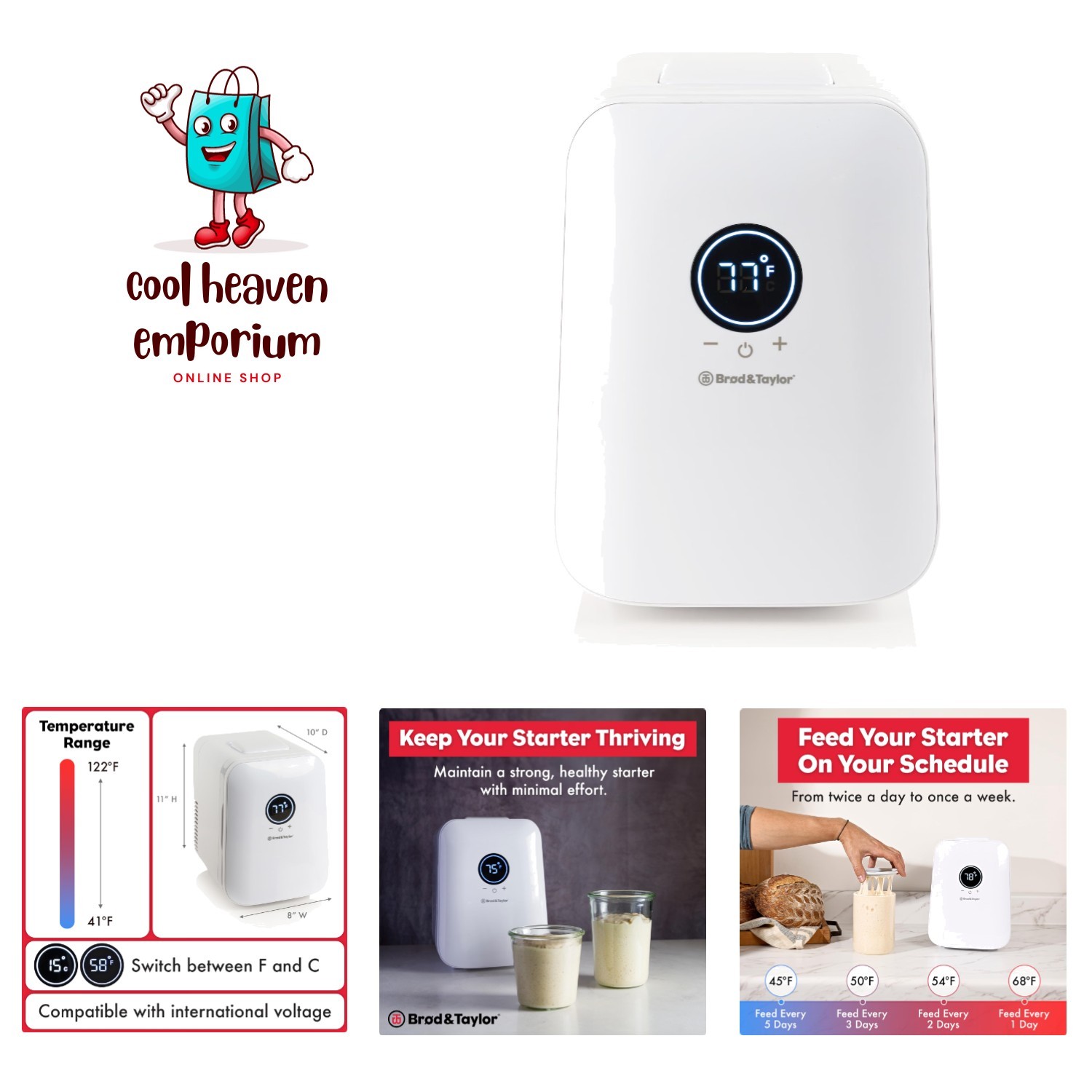 Elevate Your Bread Baking: Sourdough Home Temperature-Controlled Starter Keeper$208.99New · Last checked Nov 16, 2026View on eBay
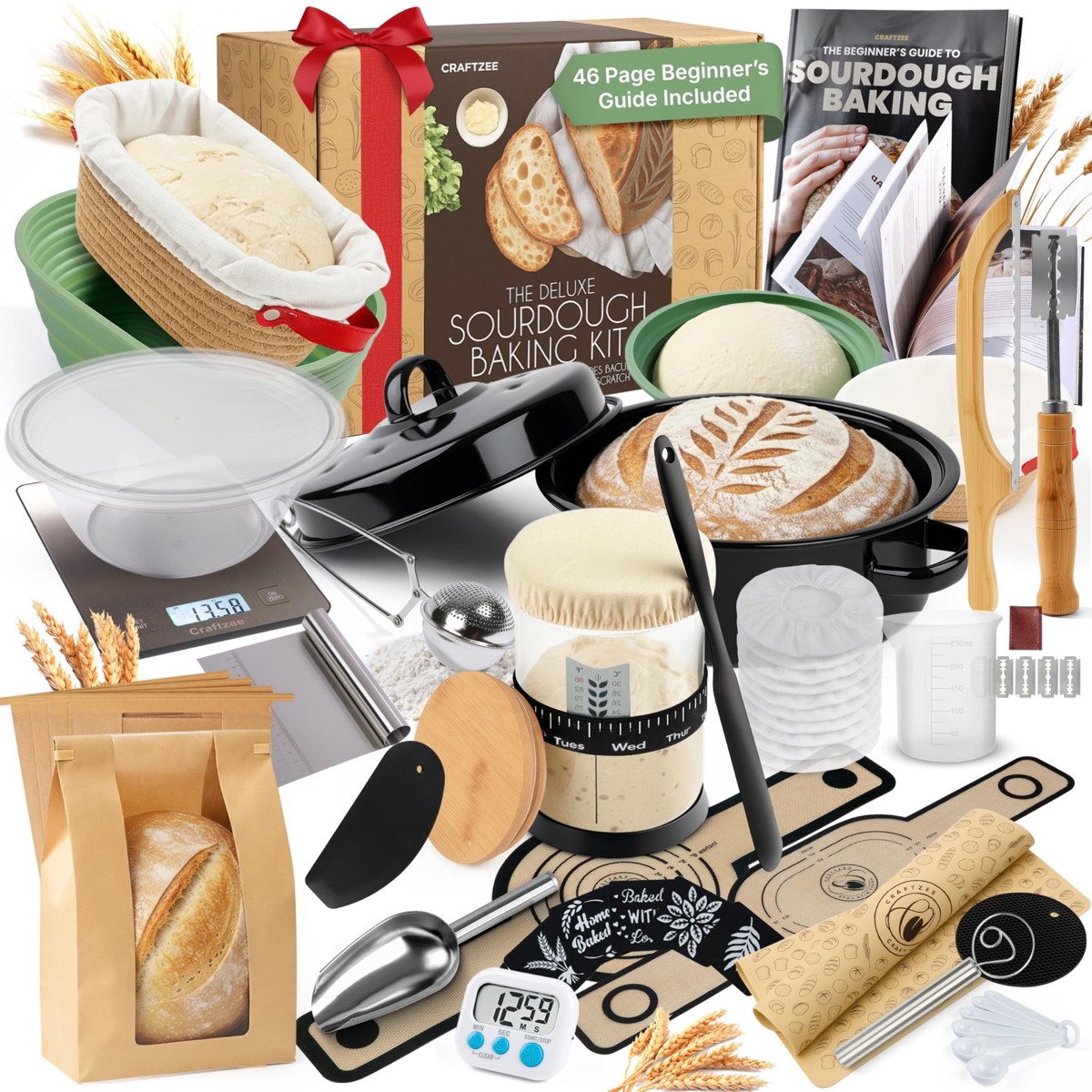 CraftZee Super All-Inclusive Premium Sourdough Starter Kit with Pot$214.29New · Last checked Nov 17, 2026View on eBay
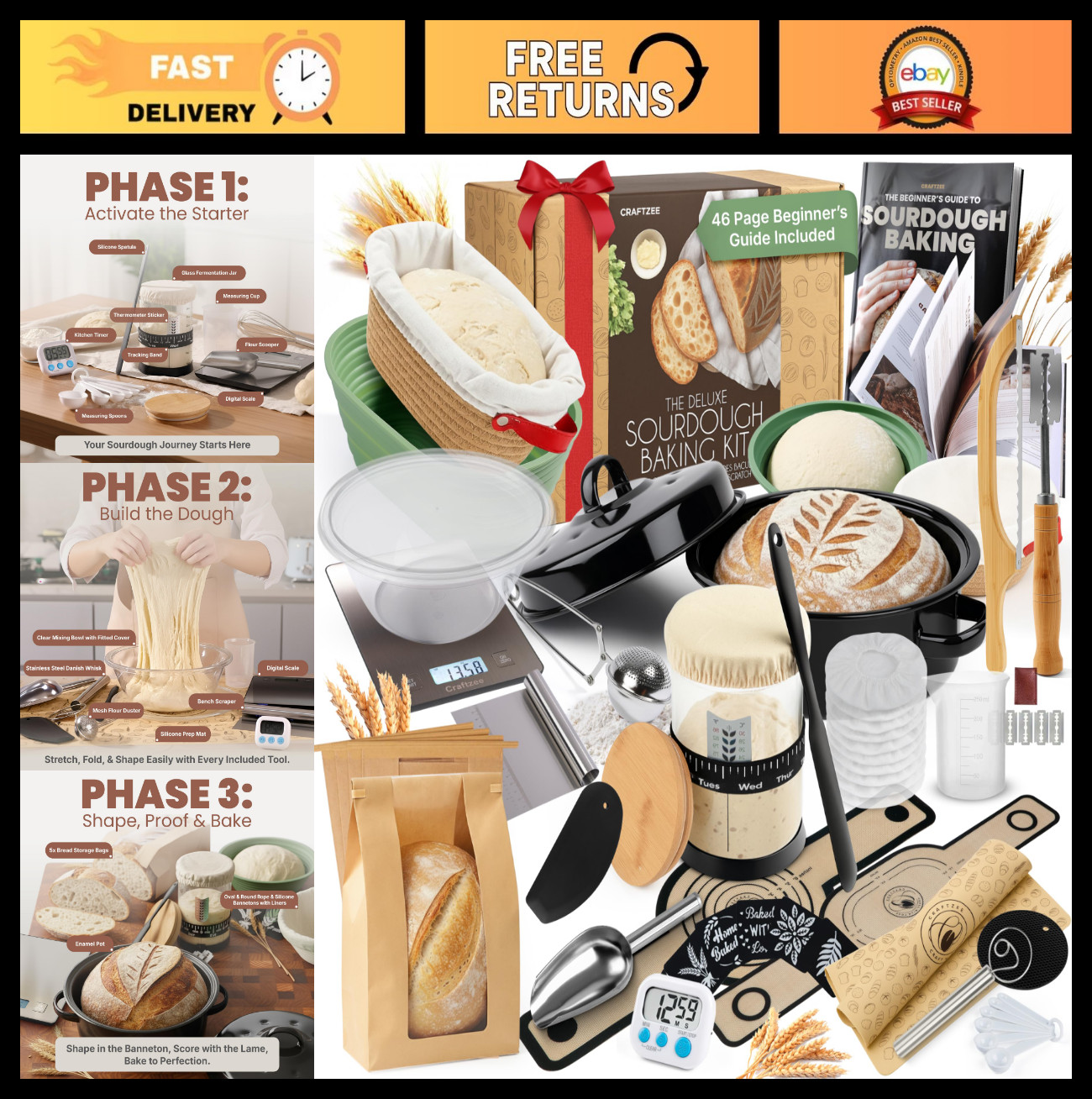 Premium Sourdough Starter Kit with Pot, Baking Supplies, Proofing Baskets & Guid$219.99New · Last checked Nov 27, 2026View on eBay
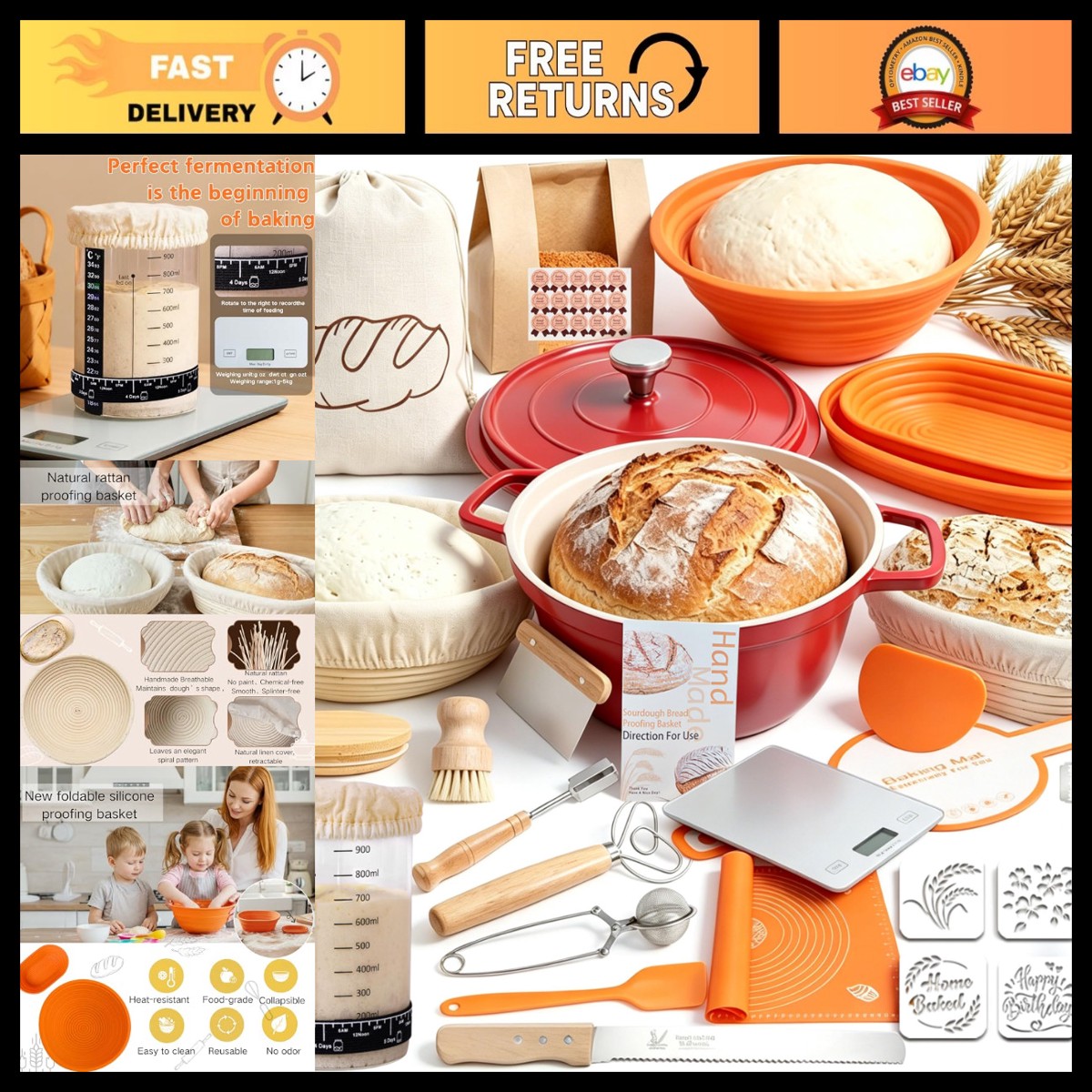 All-Inclusive Sourdough Starter Kit with Pot, 4 Proofing Baskets, Scale & Jar -$219.99New · Last checked Nov 16, 2026View on eBay
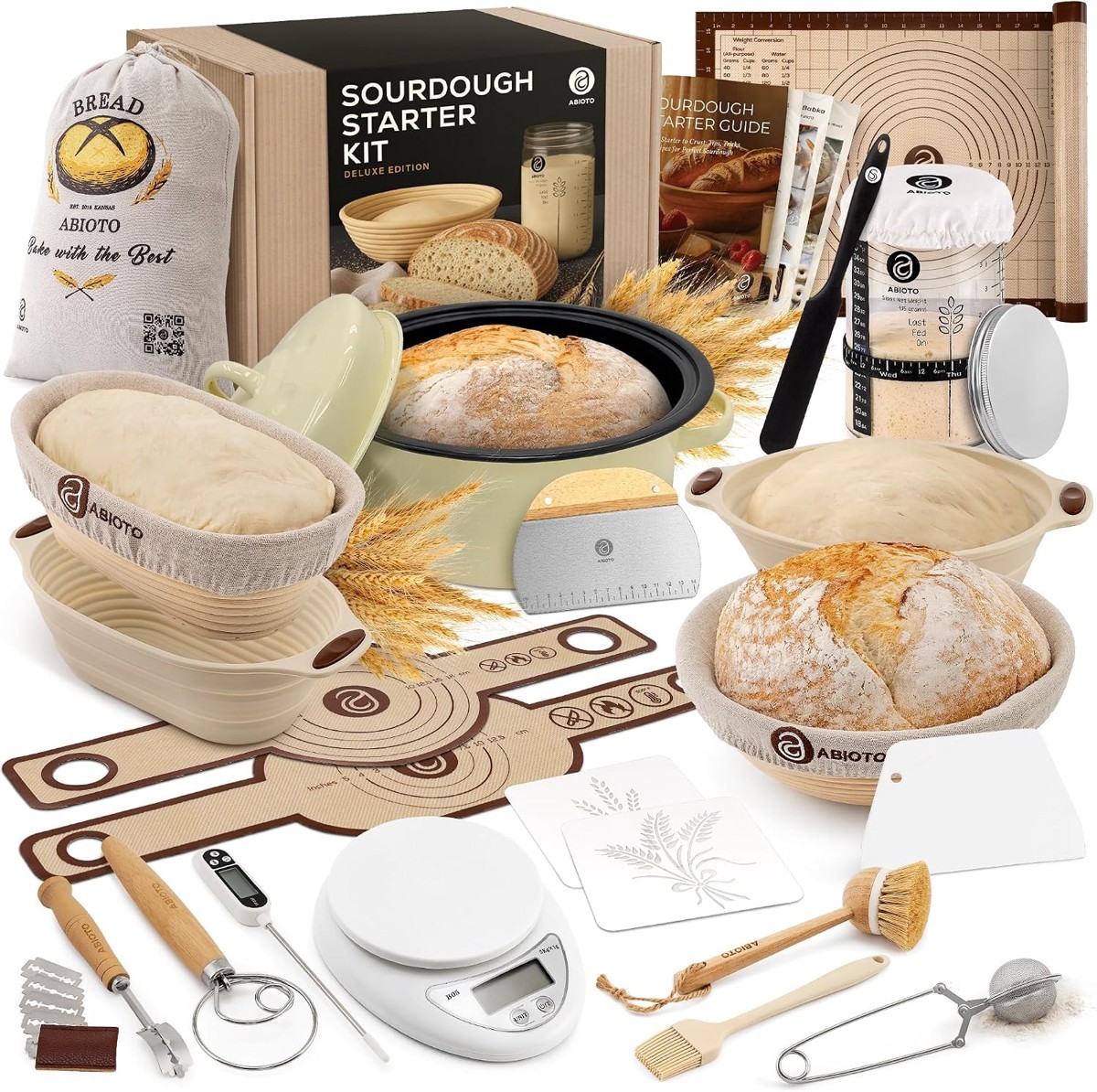 Sourdough Starter Kit w Dutch Oven Scale Proofing Baskets Jar Slings Tools$227.98New · Last checked Nov 16, 2026View on eBay
- Sourdough Starter Kit w Dutch Oven Scale Proofing Baskets Jar Slings Tools$227.98New · Last checked Nov 16, 2026View on eBay
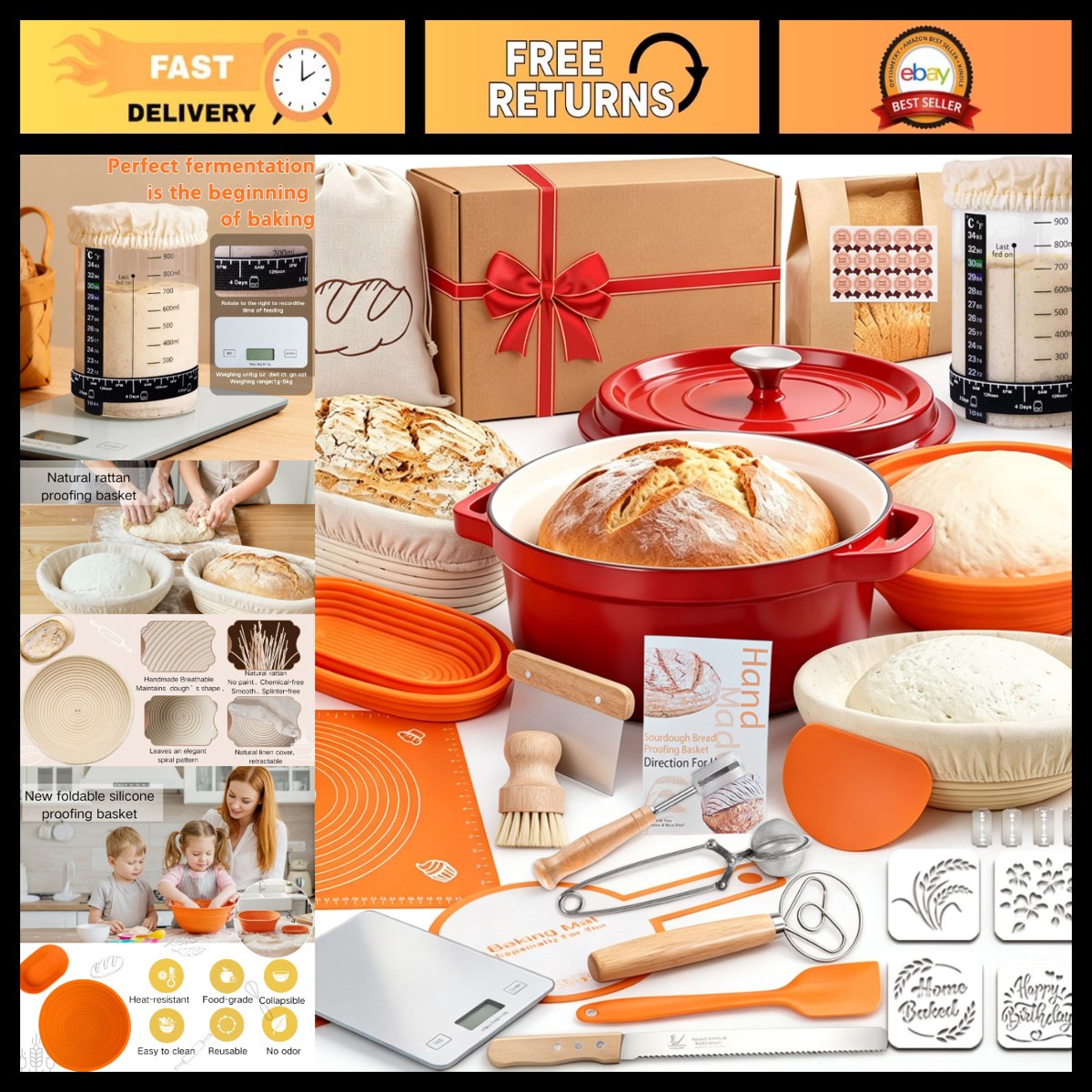 Sourdough Starter Kit with Cast Iron Dutch Oven, Scale & Proofing Baskets - Baki$227.99New · Last checked Nov 16, 2026View on eBay
- Sourdough Starter Kit with Dutch Oven, Scale & Proofing Baskets - Baking Tools f$239.99New · Last checked Nov 17, 2026View on eBay
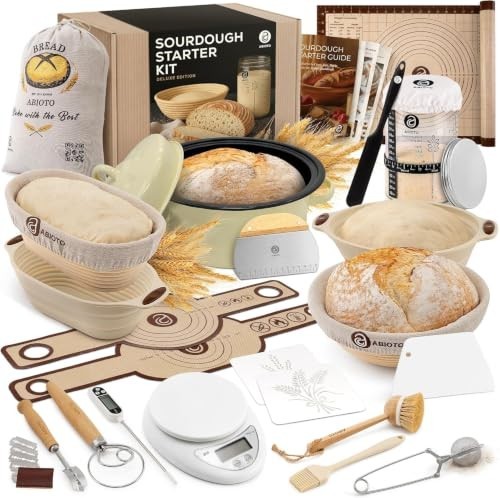 Sourdough Starter Kit w/ Dutch Oven, Scale, 34oz Jar, Baskets, Tools$240.89New · Last checked Nov 17, 2026View on eBay
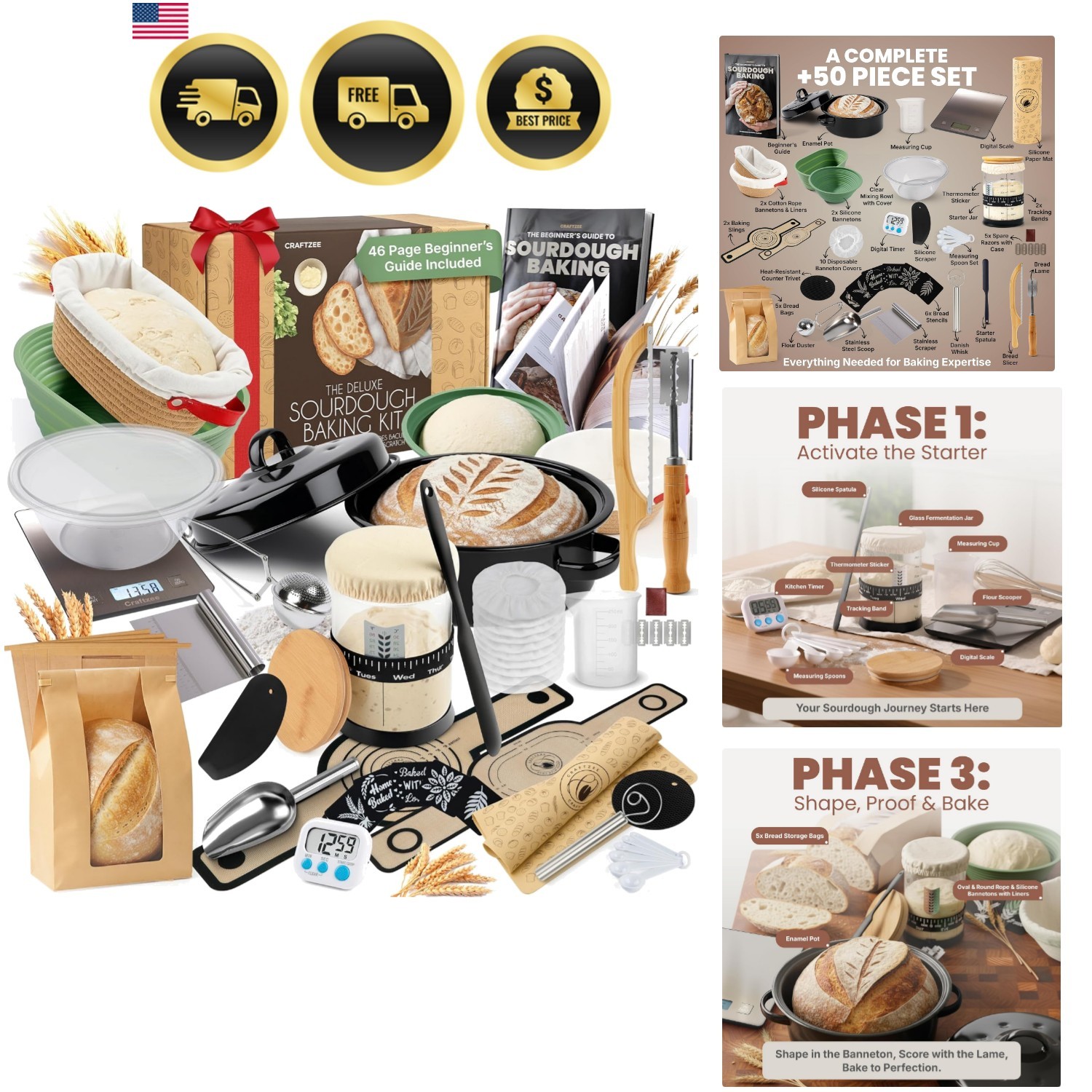 Super All-Inclusive 𝗣𝗥𝗘𝗠𝗜𝗨𝗠 Sourdough Starter Kit with Pot - Sourdough...$249.98New · Last checked Nov 16, 2026View on eBay
- Sourdough Starter Kit W/ Dutch Oven & Scale Complete Sourdough Kit W/ Proofing$251.98New · Last checked Nov 16, 2026View on eBay
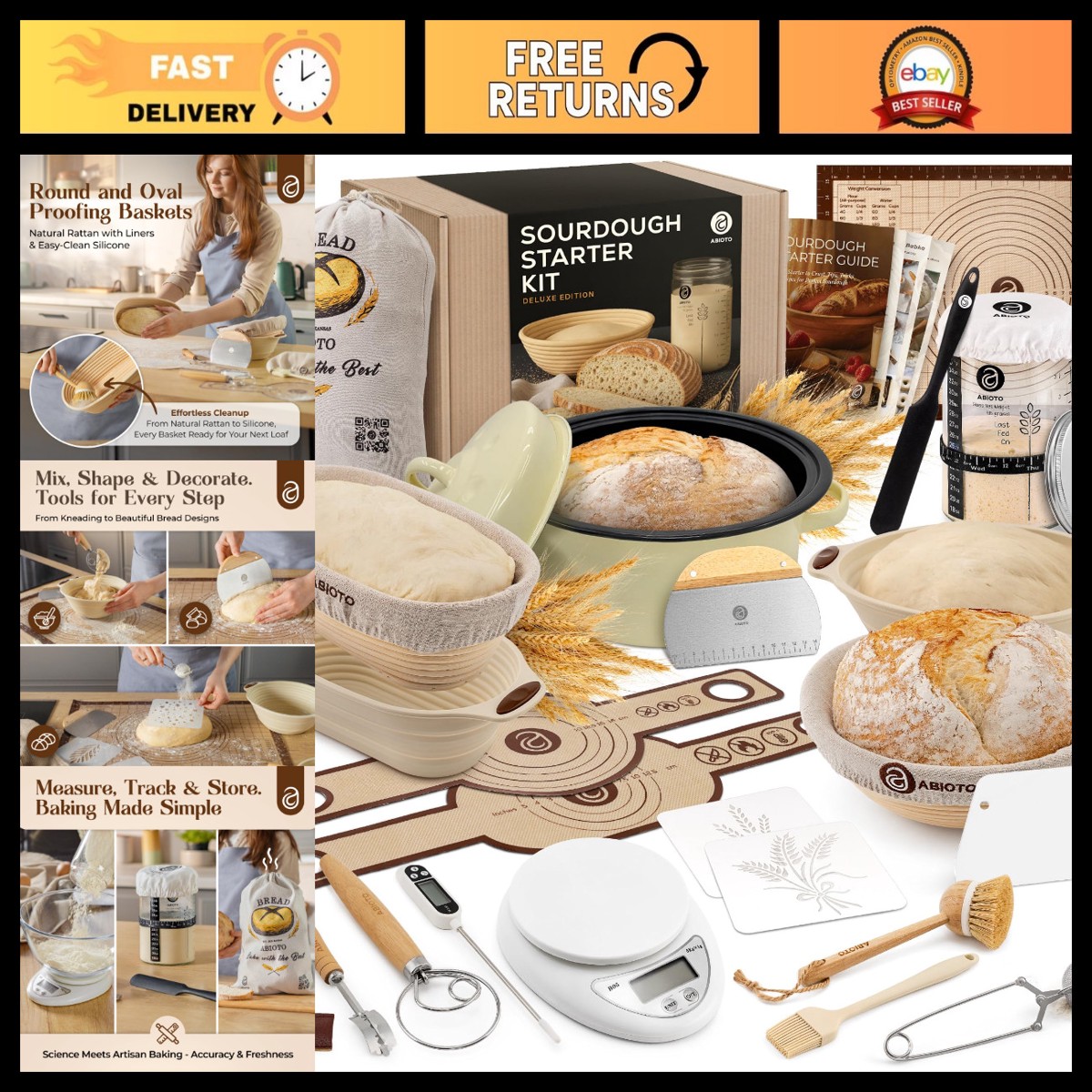 Complete Sourdough Starter Kit with Dutch Oven, Scale & Proofing Baskets - Ideal$284.99New · Last checked Nov 16, 2026View on eBay
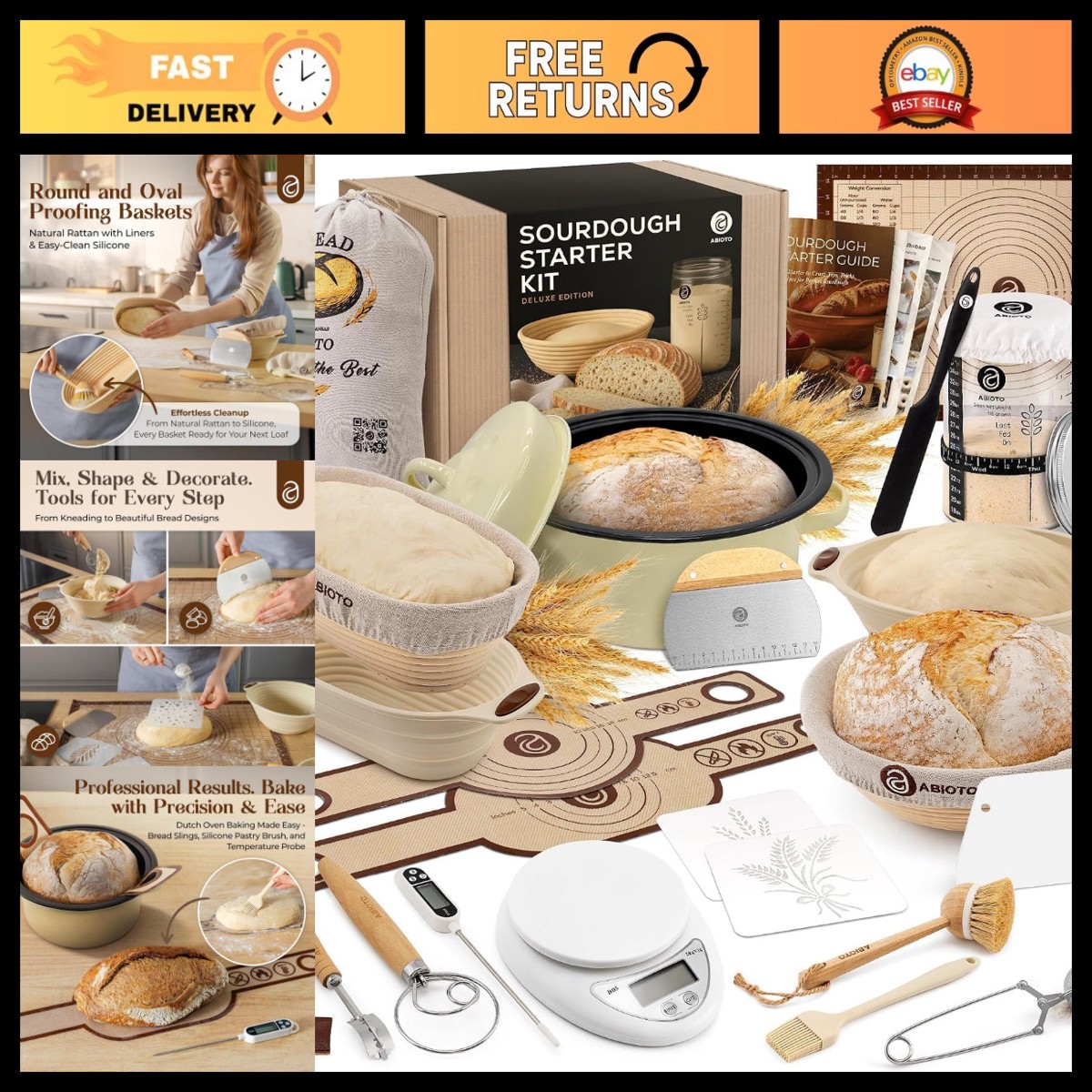 Complete Sourdough Starter Kit with Dutch Oven, Scale & Proofing Baskets - Ideal$284.99New · Last checked Nov 16, 2026View on eBay
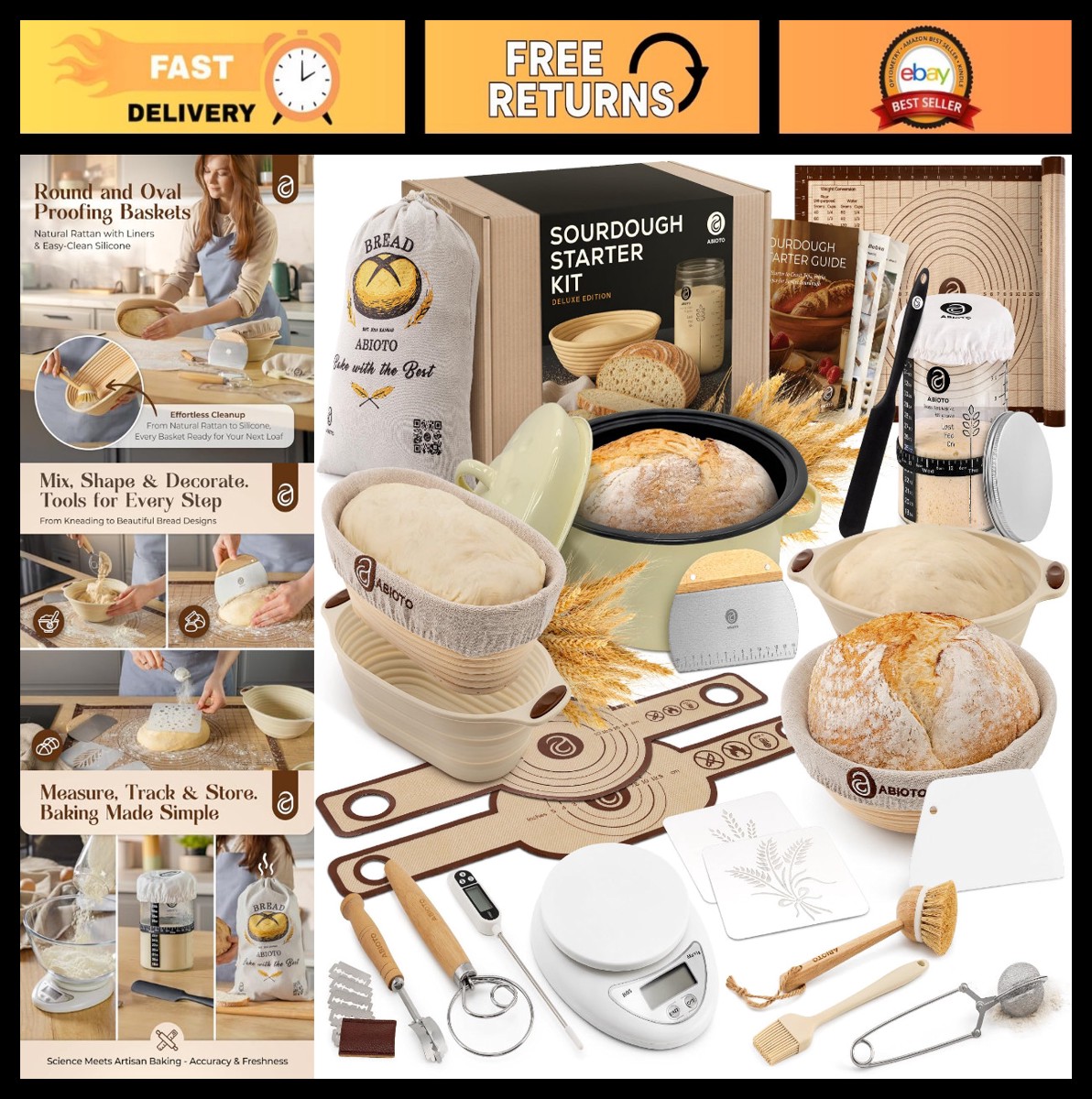 Complete Sourdough Starter Kit with Dutch Oven, Scale, Proofing Baskets & Tools$284.99New · Last checked Nov 16, 2026View on eBay
- Sourdough Starter Kit w/ Dutch Oven, Scale, 34oz Jar, Baskets, Tools$329.99New · Last checked Nov 17, 2026View on eBay
Highlights
- Whole-grain rye or whole-wheat flour accelerates starter establishment because bran carries more wild yeast and minerals than white flour alone.
- Starter strength peaks at 70–78°F (21–26°C); every 10°F drop roughly doubles fermentation time, so a 1°F-accurate warmer removes seasonal guesswork.
- A 0.1g-resolution digital scale is mandatory for 1:1:1 feeding ratios; volume scooping drifts hydration and causes inconsistent rise.
- Straight-sided glass or clear plastic jars with volume markings let you judge doubling by height, not by bubble count.
Best use cases
- Best fit: buy a temperature-controlled starter warmer if your kitchen runs below 68°F in winter or you bake on a fixed weekly schedule and need predictable peak timing.
- Best fit: buy a starter kit with jar and scale if you are starting from zero—skip kits that include a cast iron pot but no thermometer or scale, since the pot is a secondary purchase.
- Wrong fit: skip active warmers in kitchens already held at 75–80°F year-round; ambient fermentation is fast enough and a warmer adds counter clutter.
- Wrong fit: skip 'all-inclusive' bundles with bannetons and scoring tools if you already own bakeware—buy the jar, scale, and thermometer as separates for better quality per part.
Buying tips
- Choose a warmer with ±1°F thermostat accuracy and a 70–110°F range; units rated only 'warm' without a numeric thermostat cannot hold starter at 76°F.
- Pick a jar of at least 1 quart (1L) capacity so a 1:1:1 feed at 100g starter has headroom to double without overflowing.
- Prefer 0.1g-resolution scales over 1g scales; a 5g error on a 50g feed is a 10% hydration drift that compounds over days.
- For rye or whole-wheat starters, expect faster establishment (3–5 days) and sharper acidity; white-flour starters need 7–10 days and warmer temps.
Specs
| Culture Type | Wild yeast + lactobacilli (not commercial) |
|---|---|
| Ideal Temp Range | 70–78°F (21–26°C) fermentation |
| Scale Resolution | 0.1g minimum for 1:1:1 feeds |
| Jar Capacity | 1 qt / 1 L straight-sided clear |
Related searches
What to check before buying
- Counter space: measure clearance for a warmer or proofing box—most units need at least 8×8 inches and a nearby outlet.
- Jar fit: confirm your jar fits under the warmer lid or inside the box; quart mason jars are the common compatibility standard.
- Climate: note your kitchen's winter low; below 65°F ambient, a warmer is functionally required, not optional.
- Companion parts: budget for a thermometer and 0.1g scale if not included—these determine success more than the jar itself.
FAQ
Data sources: eBay / Amazon listings and product attribute feeds. Updated Nov 28, 2026.
Some links on this page are affiliate links. If you buy after clicking one, we may earn a commission at no extra cost to you. This does not change which products appear here or their order. Affiliate disclosure.