
Photos from current listings. Actual item, color, and included accessories may vary.
Reverse Osmosi Water Filter Buying Guide
Reverse osmosis (RO) systems force water through a semipermeable membrane to strip dissolved solids, metals, and contaminants, with the main trade-offs being flow rate (GPD), membrane/stage count, and whether you choose a tanked or tankless architecture. Durable systems use standardized membranes and cartridges with NSF/ANSI 58 or 372 certification; compromises skimp on membrane housing quality, omit a booster pump for high-TDS water, or use proprietary cartridges that lock you into costly replacements.
Median $151.20
Key takeaways
- Flow rate tiers: 75–100 GPD tanked units suit 1–3 users; 400–800 GPD tankless units serve 4+ users or simultaneous kitchen and fridge demand without a storage tank.
- Membrane rejection: standard TFC membranes reject 95–99% of TDS; systems adding alkaline or remineralization stages raise pH but slightly reduce overall TDS rejection.
- Stage count matters less than membrane quality: a 6-stage unit with a cheap membrane underperforms a 3-stage unit with an NSF/ANSI 58-certified filmtec-style membrane.
At a glance
- Category
- Water Filtration
- Last updated
- Nov 29, 2026
Current offers
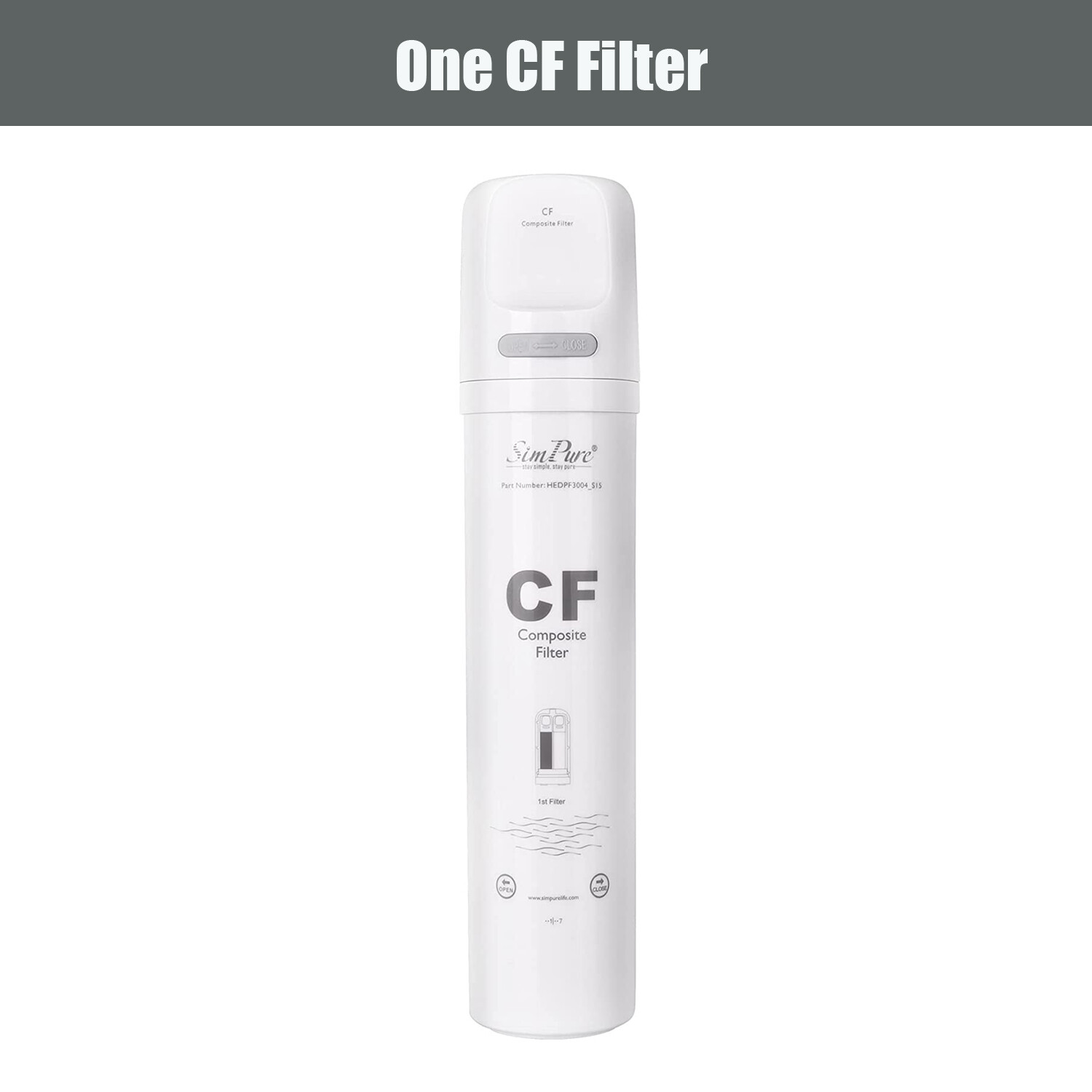 8-Stage Home Countertop Reverse Osmosis Water Filter System Filtration Dispenser$23.00Last checked Nov 18, 2026View on eBay
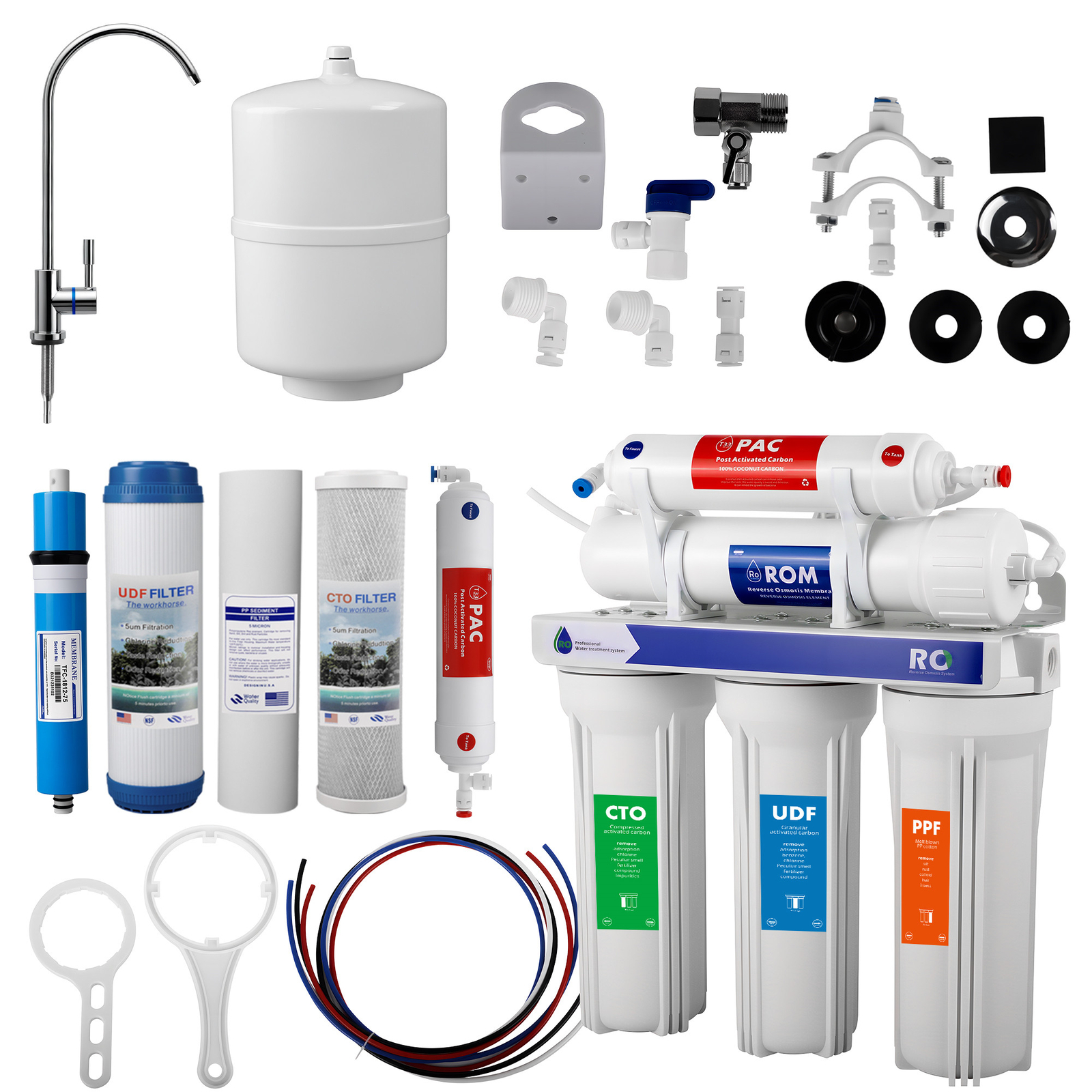 5 Stage Reverse Osmosis Water Filtration System 75 GPD 300L Filters Purifier USA$109.90View on eBay
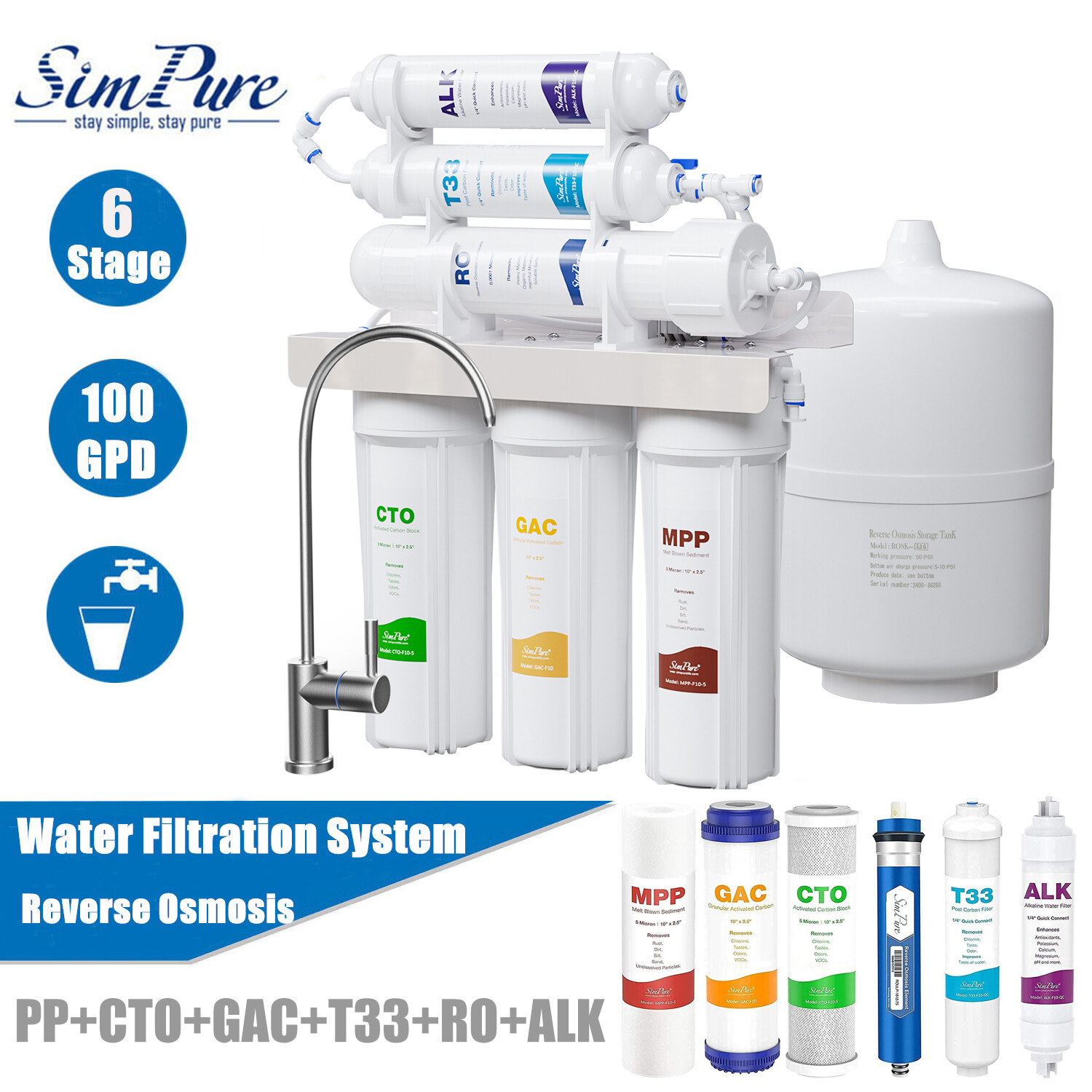 100 GPD 6 Stage Alkaline Reverse Osmosis Drinking Water Filter System Purifier$128.79Last checked Nov 18, 2026View on eBay
- 6 Stage 100GPD Alkaline RO Reverse Osmosis Drinking Water Filter System Purifier$128.79View on eBay
- 6 Stage 100 GPD Reverse Osmosis System Alkaline Drinking Water Filter Purifier$129.19View on eBay
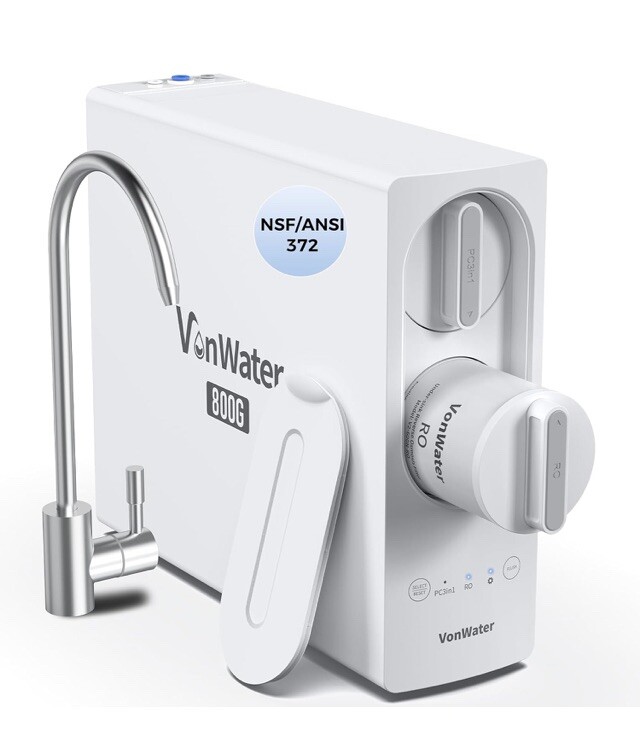 800GPD Tankless Reverse Osmosis Water Filter System high Flow UnderSink-VonWater$151.20Last checked Nov 19, 2026View on eBay
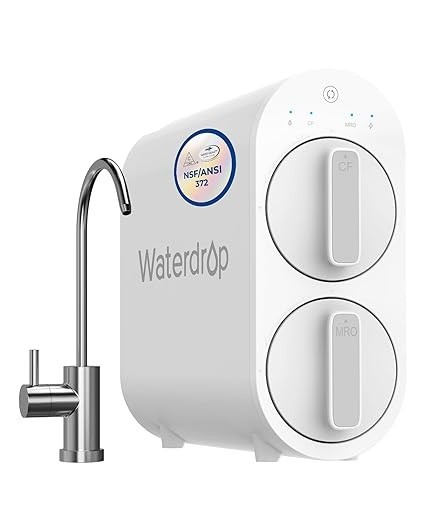 Waterdrop G2 Reverse Osmosis System, 7 Stage Tankless RO Water Filter System$169.00Last checked Nov 18, 2026View on eBay
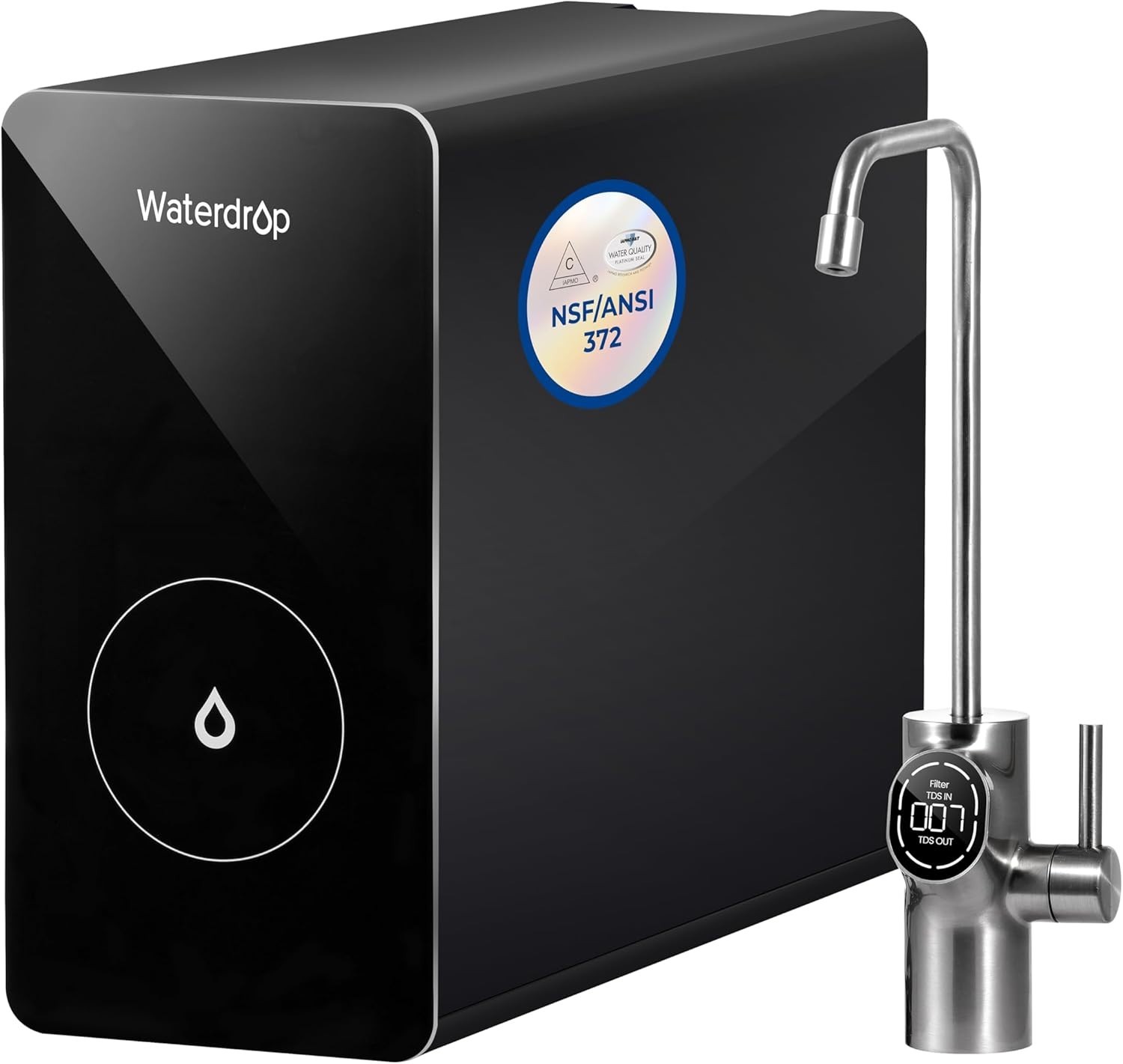 Waterdrop D6 Reverse Osmosis Water Filter, 600 GPD Under Sink Reverse Osmosis$179.00Last checked Nov 18, 2026View on eBay
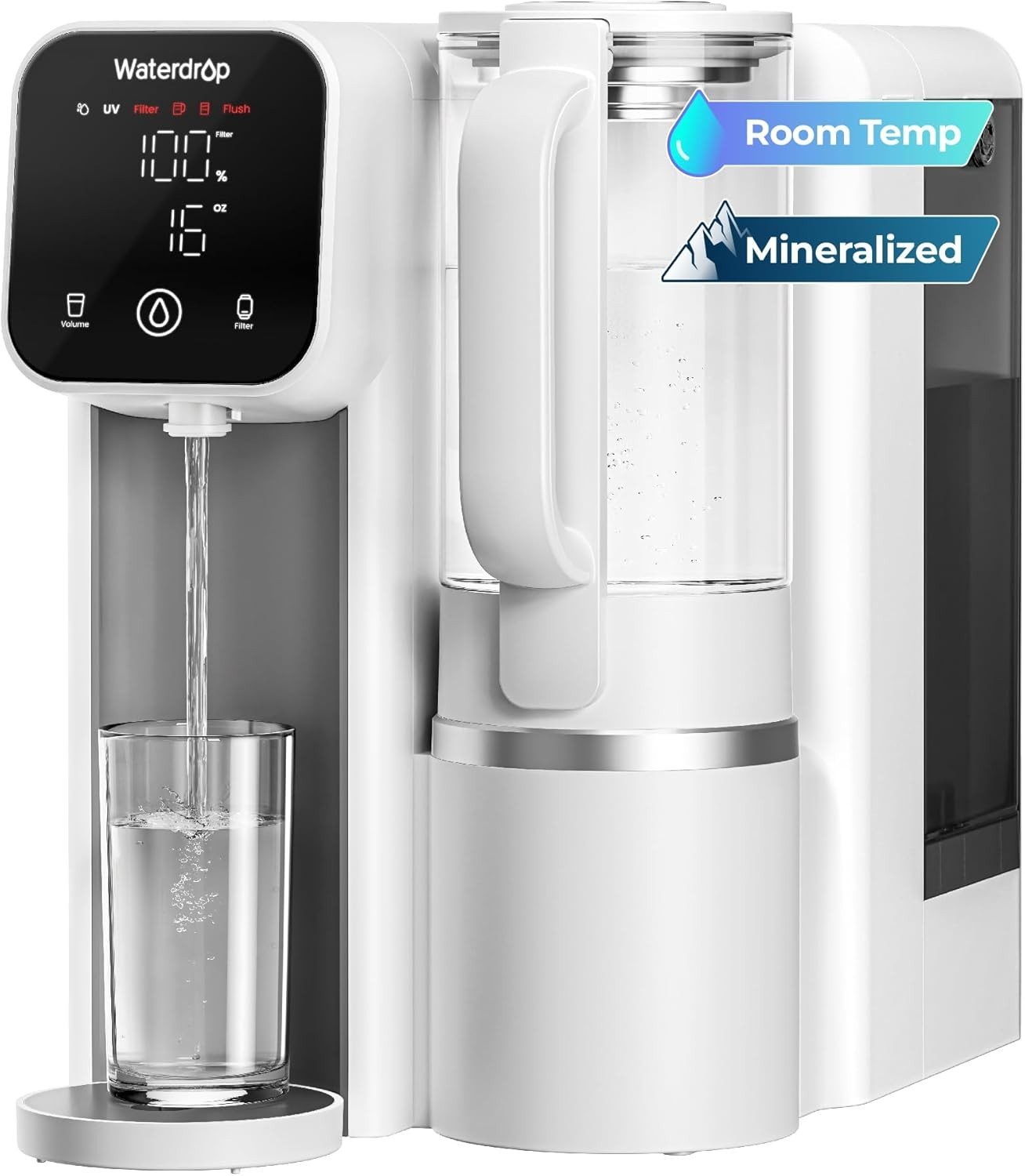 Waterdrop M6SL Mineral Reverse Osmosis System Countertop Water Filter, 8-Stage$199.00Last checked Nov 28, 2026View on eBay
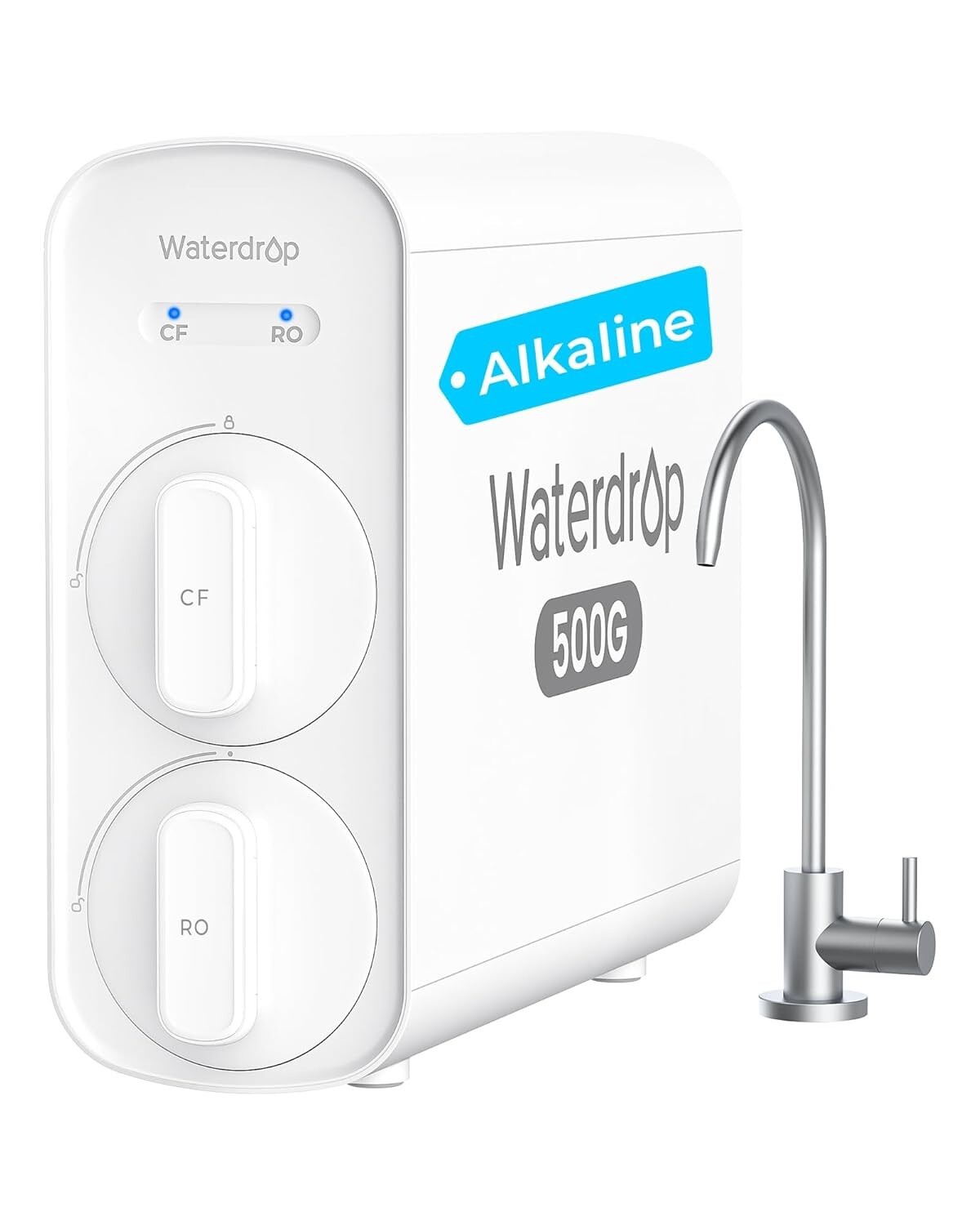 Waterdrop G5P500A Alkaline Mineral pH+ Reverse Osmosis Water Filter, Reduces TDS$199.99View on eBay
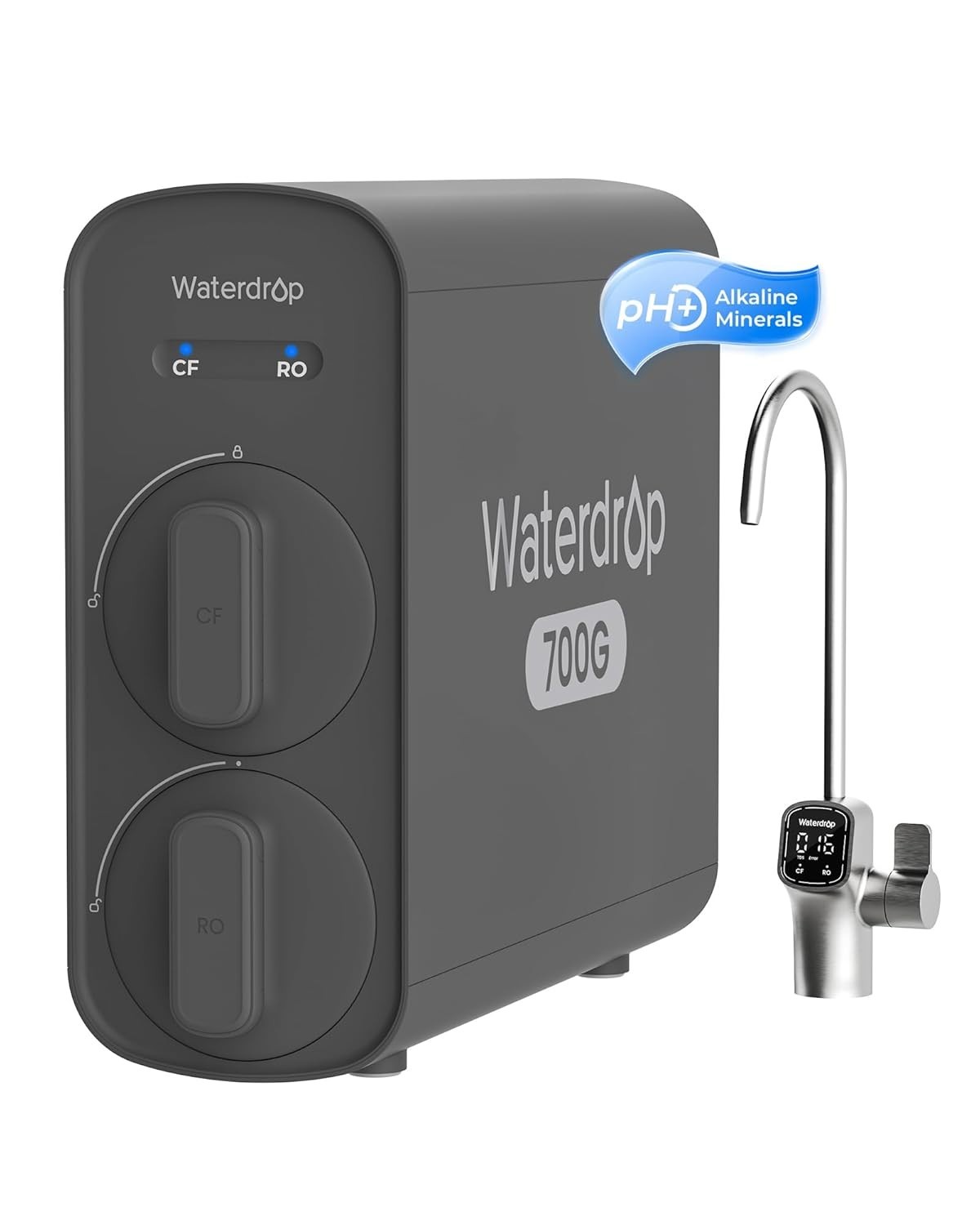 Waterdrop G5P700A Alkaline Mineral pH+ Reverse Osmosis Water Filter,NSF/ANSI 372$286.99Last checked Nov 14, 2026View on eBay
Highlights
- Flow rate tiers: 75–100 GPD tanked units suit 1–3 users; 400–800 GPD tankless units serve 4+ users or simultaneous kitchen and fridge demand without a storage tank.
- Membrane rejection: standard TFC membranes reject 95–99% of TDS; systems adding alkaline or remineralization stages raise pH but slightly reduce overall TDS rejection.
- Stage count matters less than membrane quality: a 6-stage unit with a cheap membrane underperforms a 3-stage unit with an NSF/ANSI 58-certified filmtec-style membrane.
- Tankless systems require 110–240V power and a booster pump; tanked systems run on line pressure but need 2–4 sq ft of under-sink clearance for the pressure tank.
Best use cases
- Best fit: apartment or rental with limited under-sink space — pick a countertop 4–6 stage unit with a 4L dispenser; skip tanked systems that need a drain saddle and permanent plumbing.
- Best fit: family of 4+ with a fridge water line — choose a 600–800 GPD tankless under-sink system with a dedicated faucet; skip 75 GPD tanked units that refill slowly during peak use.
- Best fit: high-TDS well water (over 500 ppm) — select a system with a built-in booster pump and TDS monitor; skip passive tanked units that stall below 40 psi inlet pressure.
- Wrong fit: whole-house treatment — RO systems are point-of-use only; for whole-home filtration choose a sediment/carbon backwash filter instead.
Buying tips
- Size by daily demand: allow 15–25 GPD per person; a 4-person home needs at least 100 GPD tanked or 400 GPD tankless to avoid waiting.
- Check drain ratio: quality systems run 1:1 to 2:1 permeate-to-drain; reject 4:1 or worse units that waste water and load septic systems.
- Prefer standard 10-inch or 11-inch cartridges and 1812/2012 membrane form factors so replacements stay cheap and widely available.
- Verify NSF/ANSI 58 for contaminant reduction and NSF/ANSI 372 for lead-free wetted parts; these are the two certifications that actually matter for drinking-water safety.
Specs
| System Type | Tanked vs Tankless under-sink / Countertop |
|---|---|
| Flow Rate | 75–800 GPD by household size |
| Stage Count | 3–8 stages; membrane quality dominates |
| Certification | NSF/ANSI 58 + 372 for safety |
Related searches
What to check before buying
- Measure under-sink cabinet width, depth, and height: tanked systems need roughly 18 in H × 12 in W × 12 in D including the pressure tank and drain clearance.
- Confirm inlet water pressure is 40–80 psi; below 40 psi requires a booster pump, above 80 psi requires a pressure-reducing valve.
- Check for a drain connection (dishwasher or sink drain pipe) and a nearby GFCI outlet if choosing a tankless or pumped system.
- Test raw water TDS and hardness first; hardness above 10 gpg shortens membrane life and may warrant a softener ahead of the RO stage.
FAQ
Data sources: eBay / Amazon listings and product attribute feeds. Updated Nov 29, 2026.
Some links on this page are affiliate links. If you buy after clicking one, we may earn a commission at no extra cost to you. This does not change which products appear here or their order. Affiliate disclosure.