
Photos from current listings. Actual item, color, and included accessories may vary.
Water Filtration System Buying Guide
Water filtration systems span pitcher and faucet-mount carbon filters, under-sink reverse osmosis units, and whole-house sediment/carbon tanks, each defined by the contaminants it removes and the flow rate it sustains. The core trade-off is filtration pore size versus flow and wastewater: tighter membranes (RO at 0.0001 micron) remove more but need pressure, drain lines, and tank space, while carbon blocks (0.5-5 micron) protect taste at high flow. The decision rule: match the certified reduction standard (NSF/ANSI 42 for taste/chlorine, 53 for health contaminants, 58 for RO) to your known water problem, and skip any unit that cannot document that certification or your required flow.
Median $131.49 · New listings
Key takeaways
- Reverse osmosis units rated at 75 GPD recover roughly 15-25% of feed water; expect 3-4 gallons of brine per gallon produced and a 3-4 hour tank refill.
- Carbon block filters at 0.5 micron reduce chlorine, taste, and VOCs; granular activated carbon (GAC) only handles taste and needs replacement every 2-3 months or 100-200 gallons.
- Whole-house systems must be sized to peak flow: a 1-inch inlet and 10-20 GPM rated housing prevents pressure drop across two bathrooms plus laundry.
At a glance
- Category
- Water Filtration
- Last updated
- Nov 29, 2026
Current offers
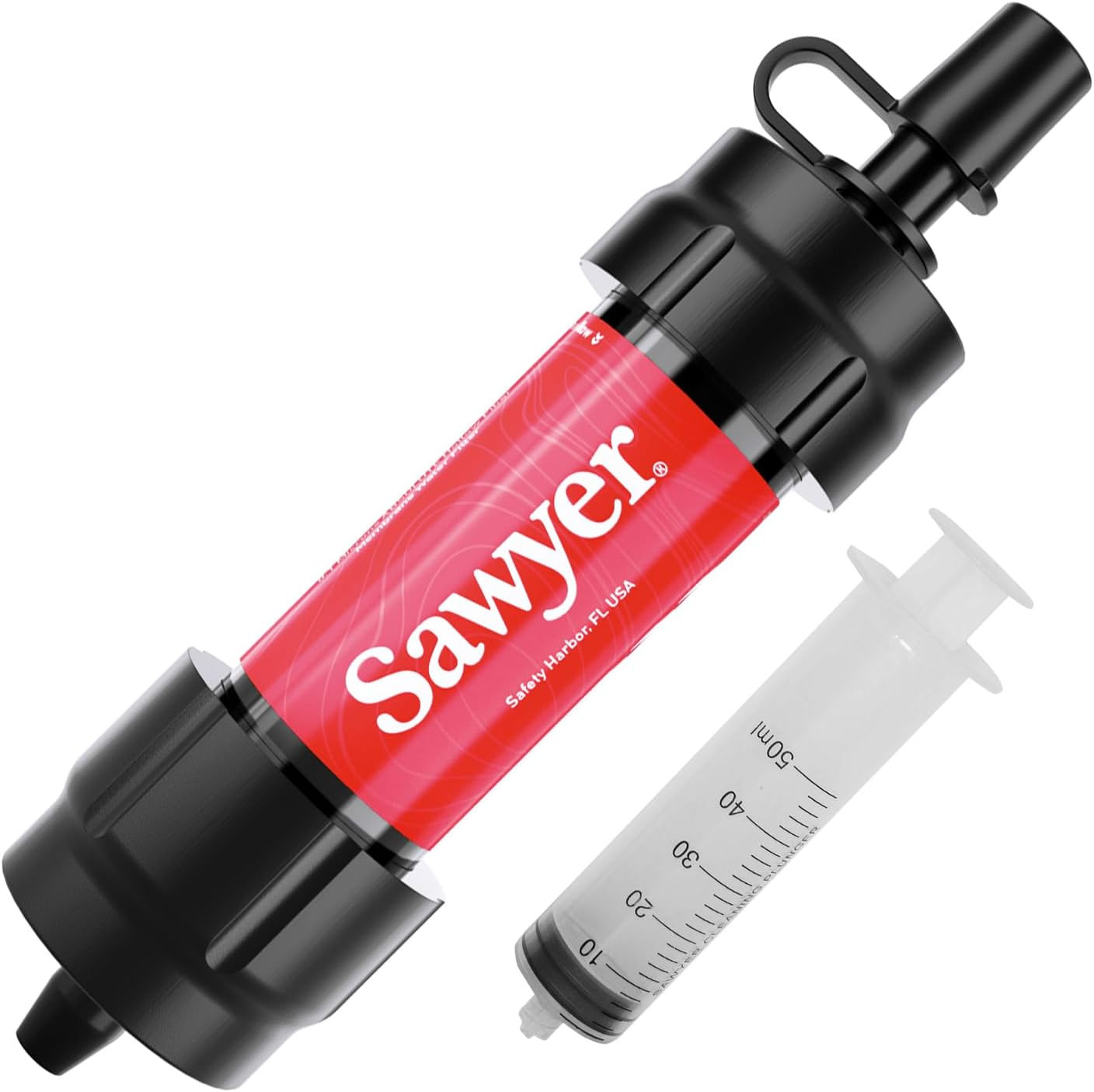 Products Mini Water Filtration System$23.47View on eBay
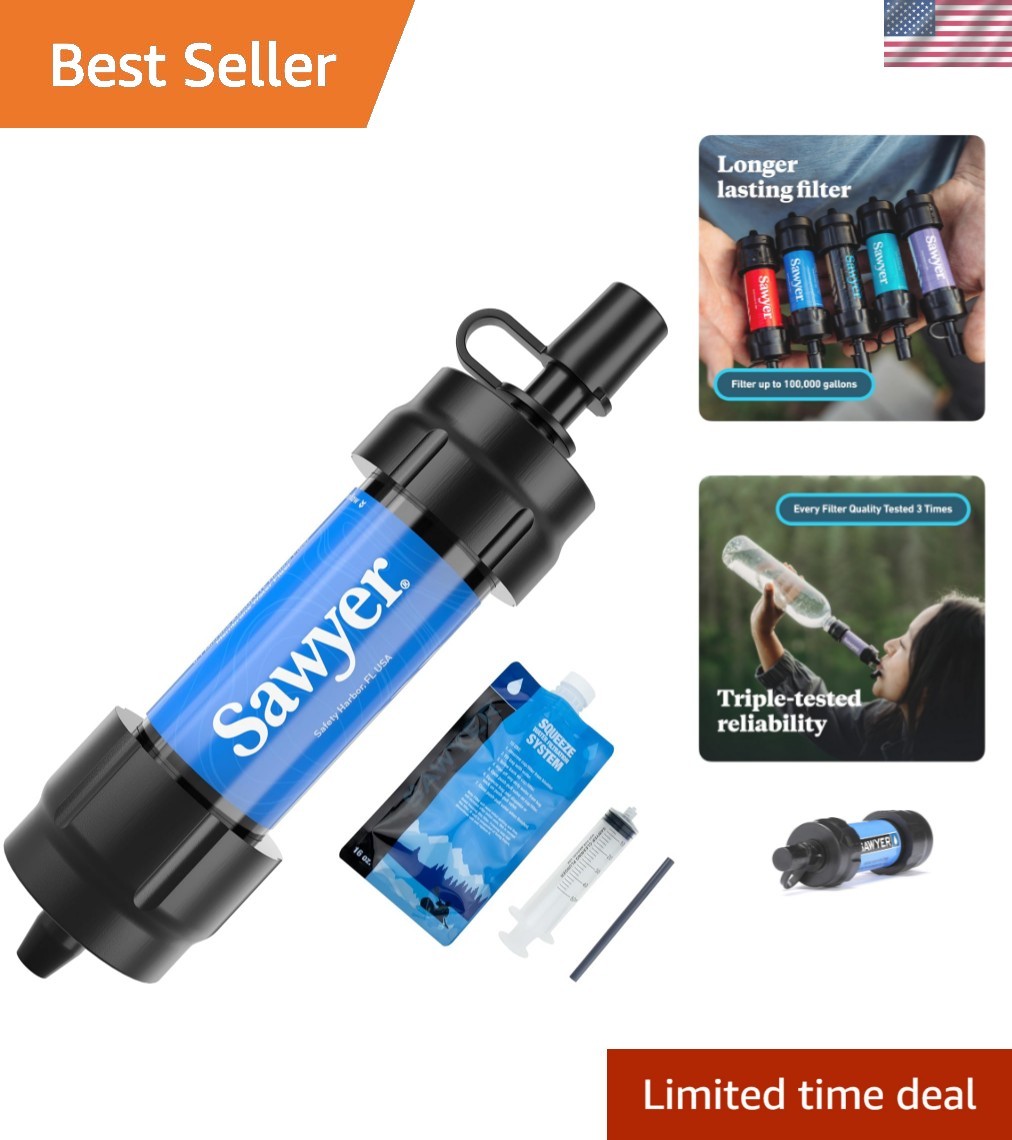 Products Mini Water Filtration System, Single, Blue$57.59View on eBay
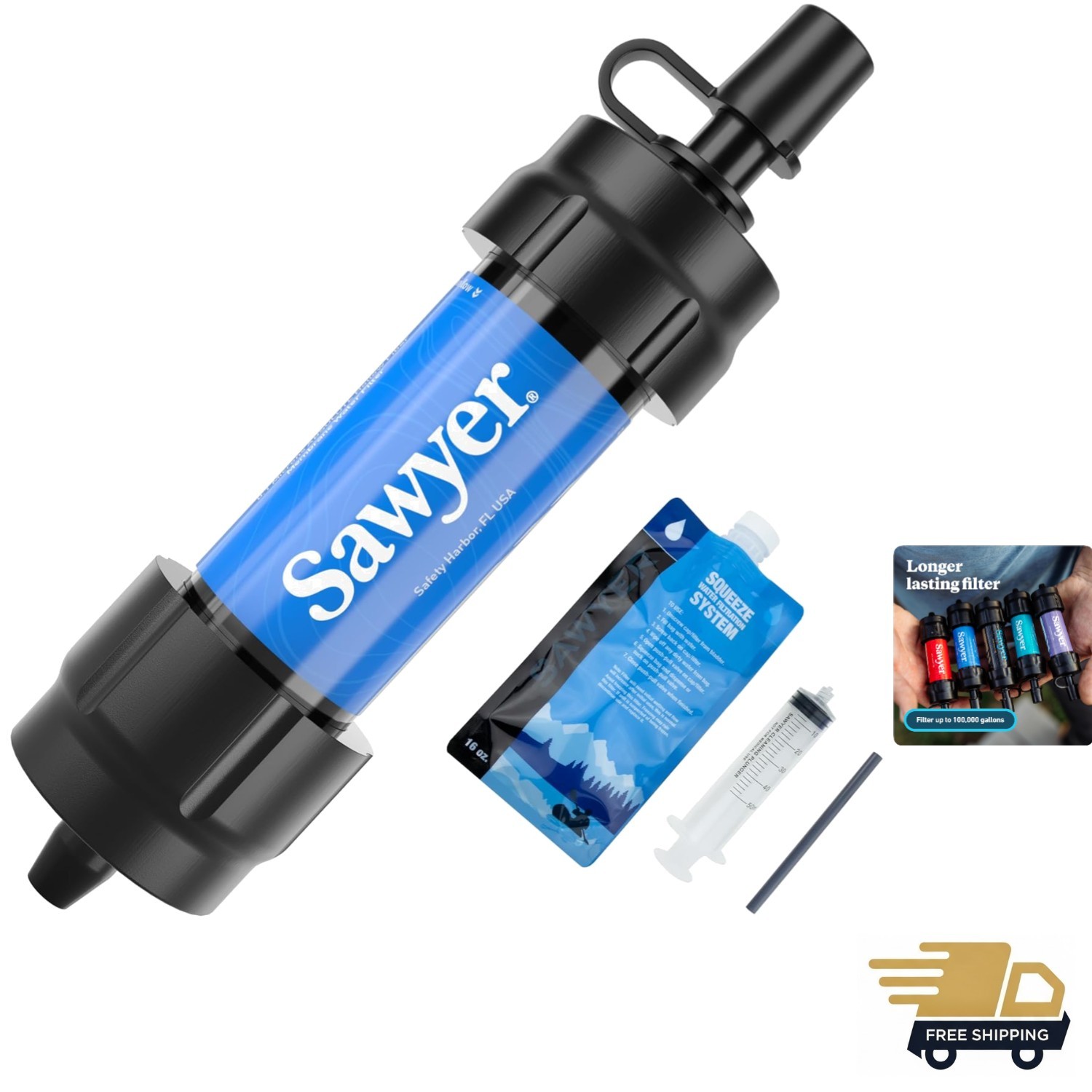 Products Mini Water Filtration System$57.99View on eBay
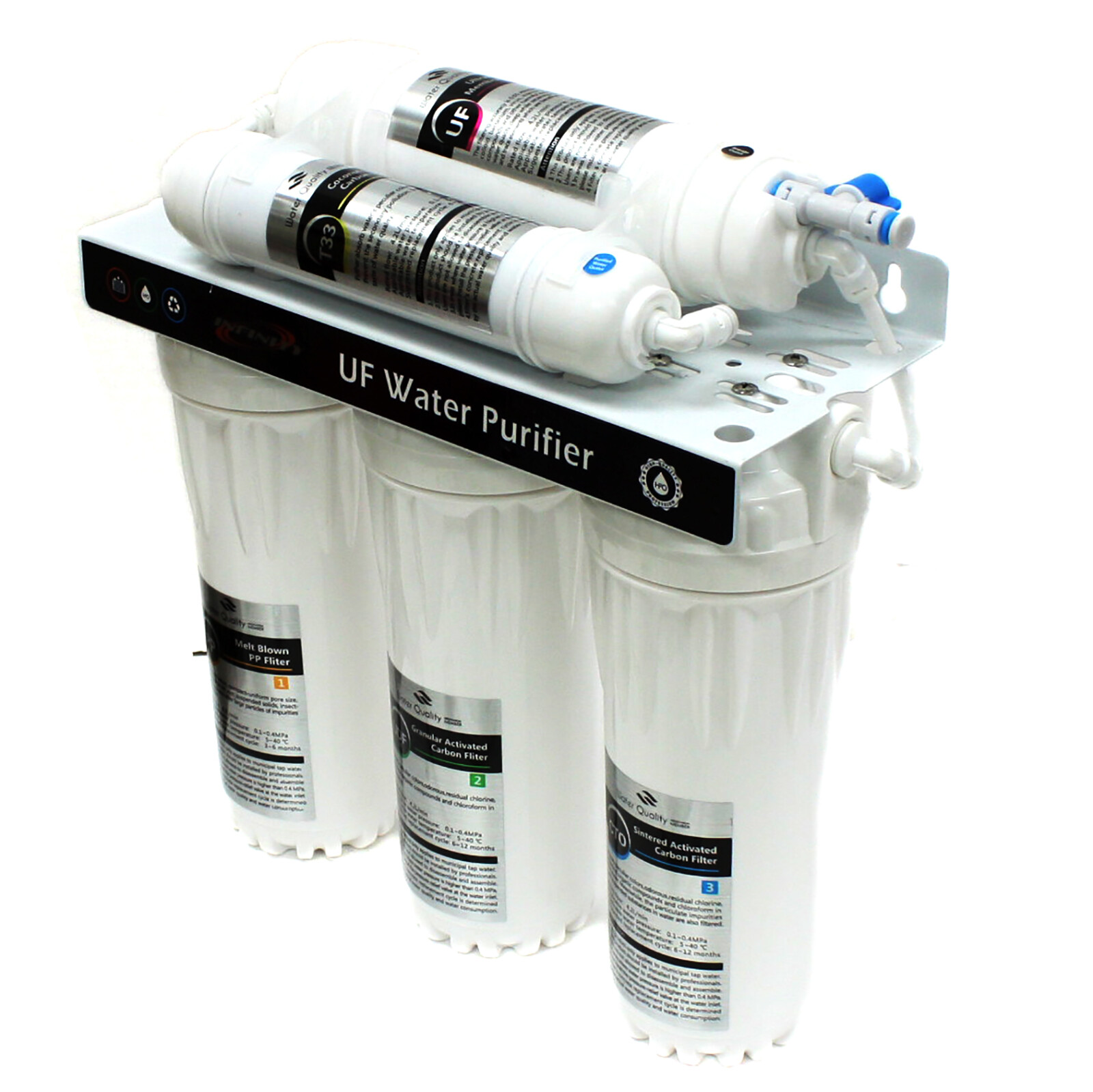 5 Stage Home Drinking Water Filter Purifier Ultra-filtration Fiber Hollow System$68.99View on eBay
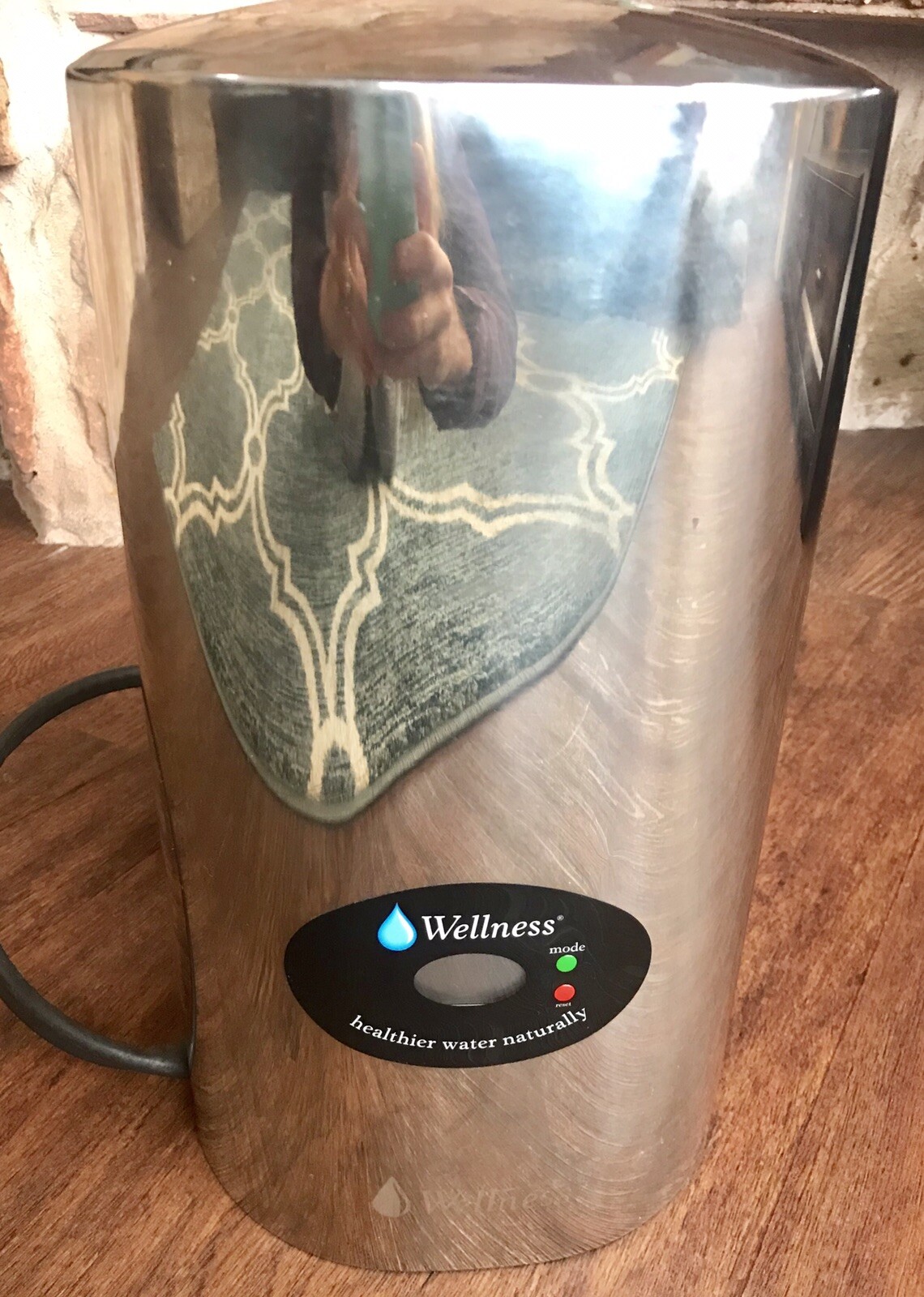 Wellness Kitchen S-III Under Counter Home Water Filtration System W/ Filters$99.00Last checked Nov 22, 2026View on eBay
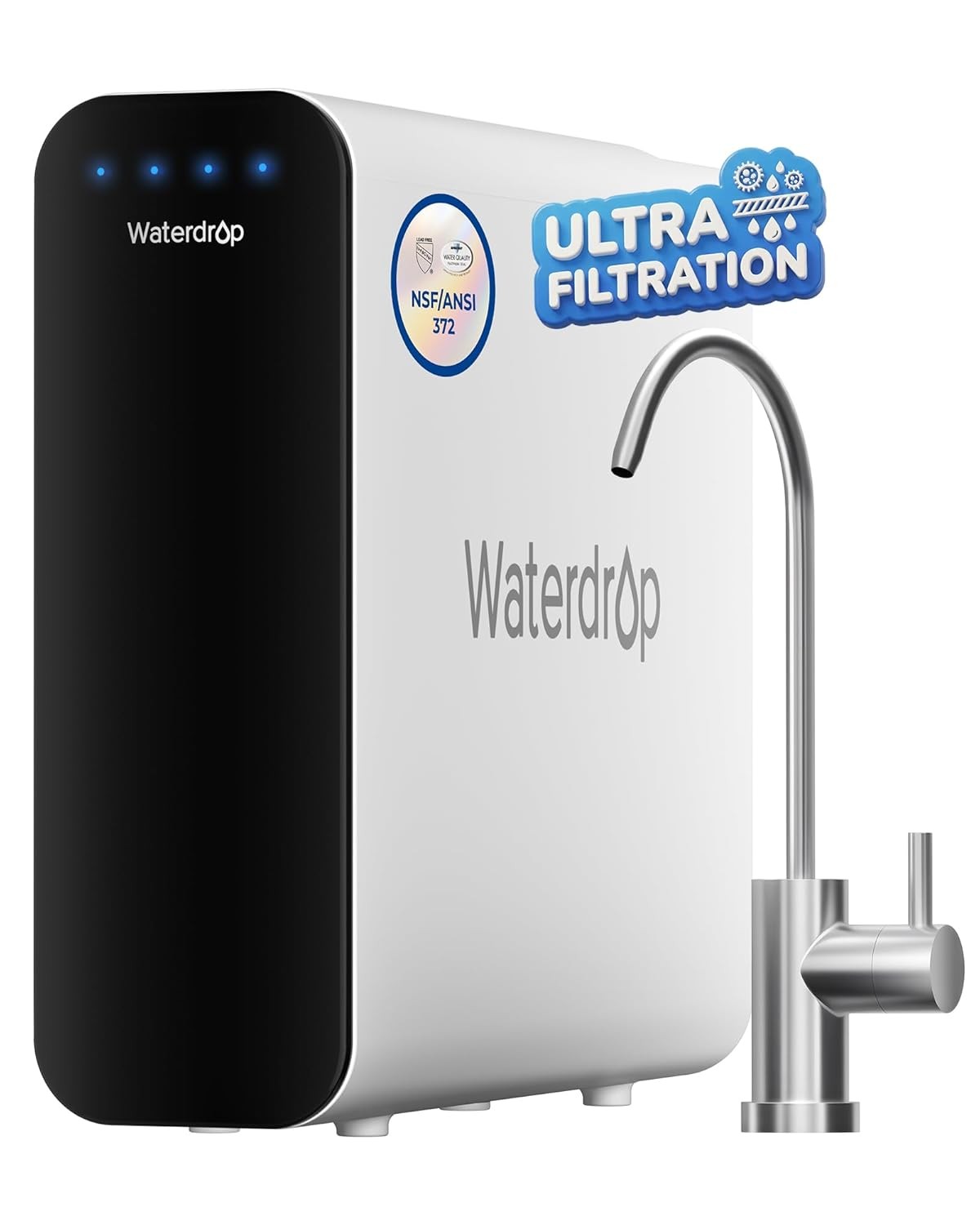 Waterdrop Refurbished TSU 0.01μm Ultra-Filtration Under Sink Water Filter System$99.99Last checked Nov 19, 2026View on eBay
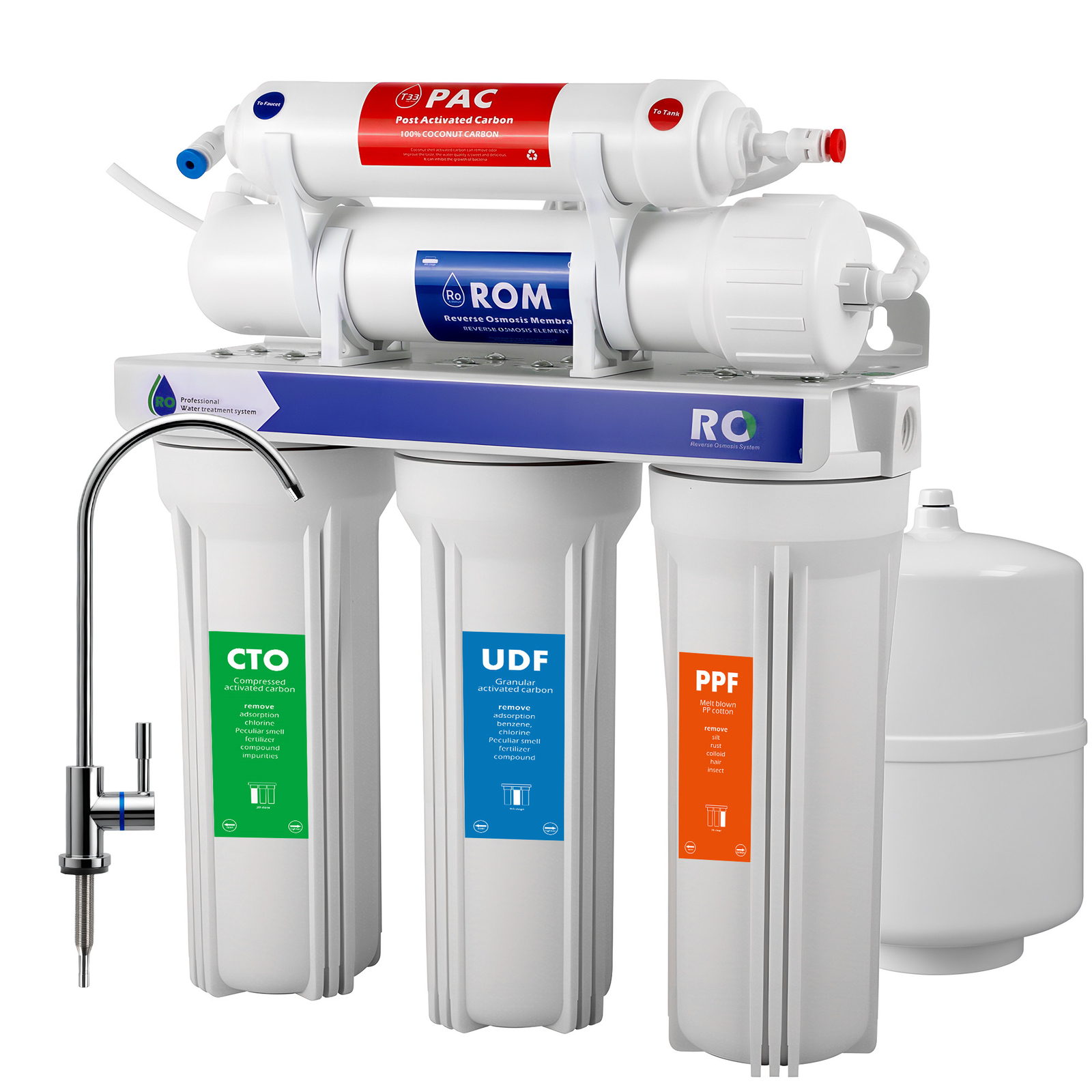 5 Stage Reverse Osmosis Water Filtration System Purifier Home Drinking 75 GPD$109.33View on eBay
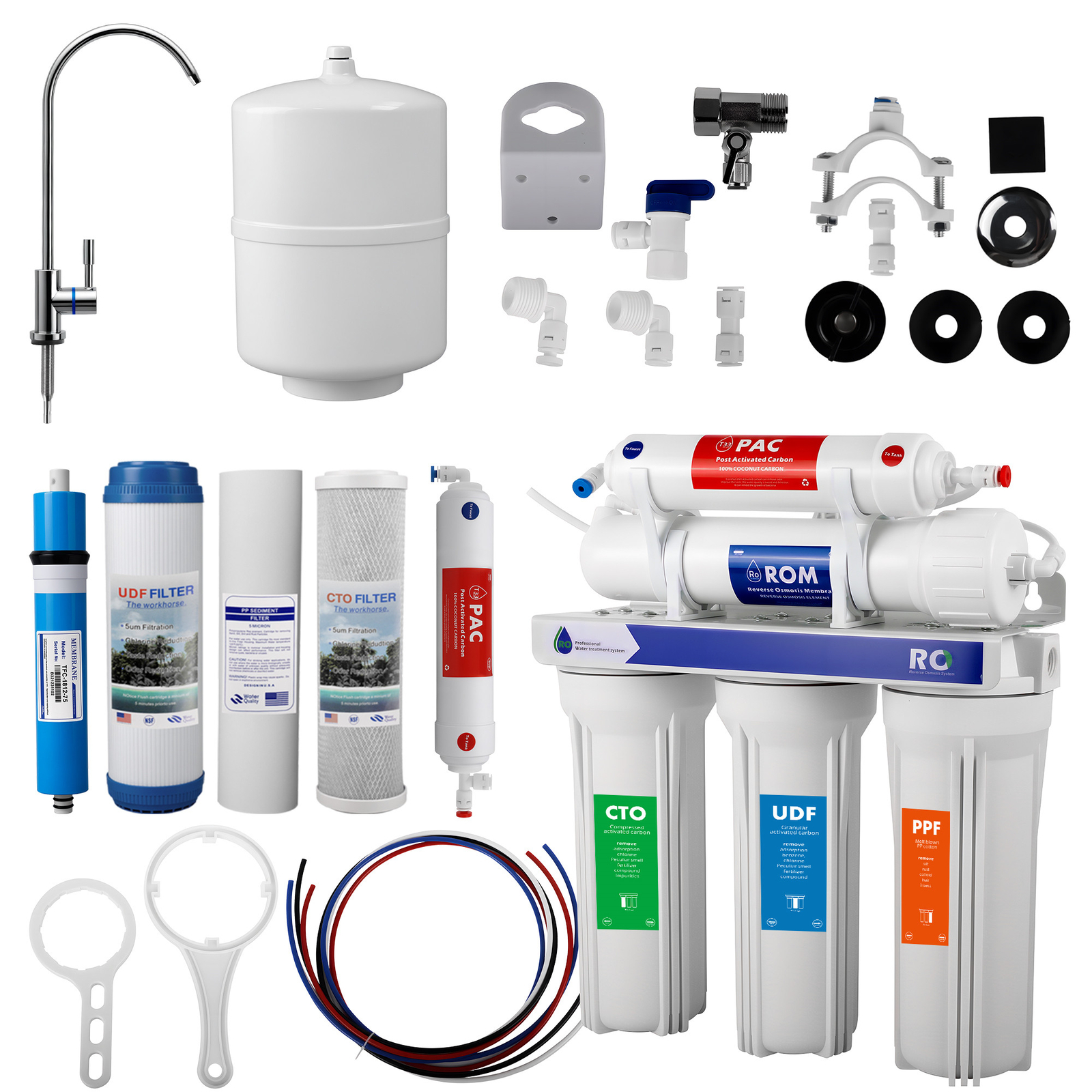 5 Stage Reverse Osmosis Water Filtration System 75 GPD 300L Filters Purifier USA$109.90View on eBay
- 5 Stage Reverse Osmosis Water Filtration System Home Drinking Purifier 75 GPD$115.50Last checked Nov 19, 2026View on eBay
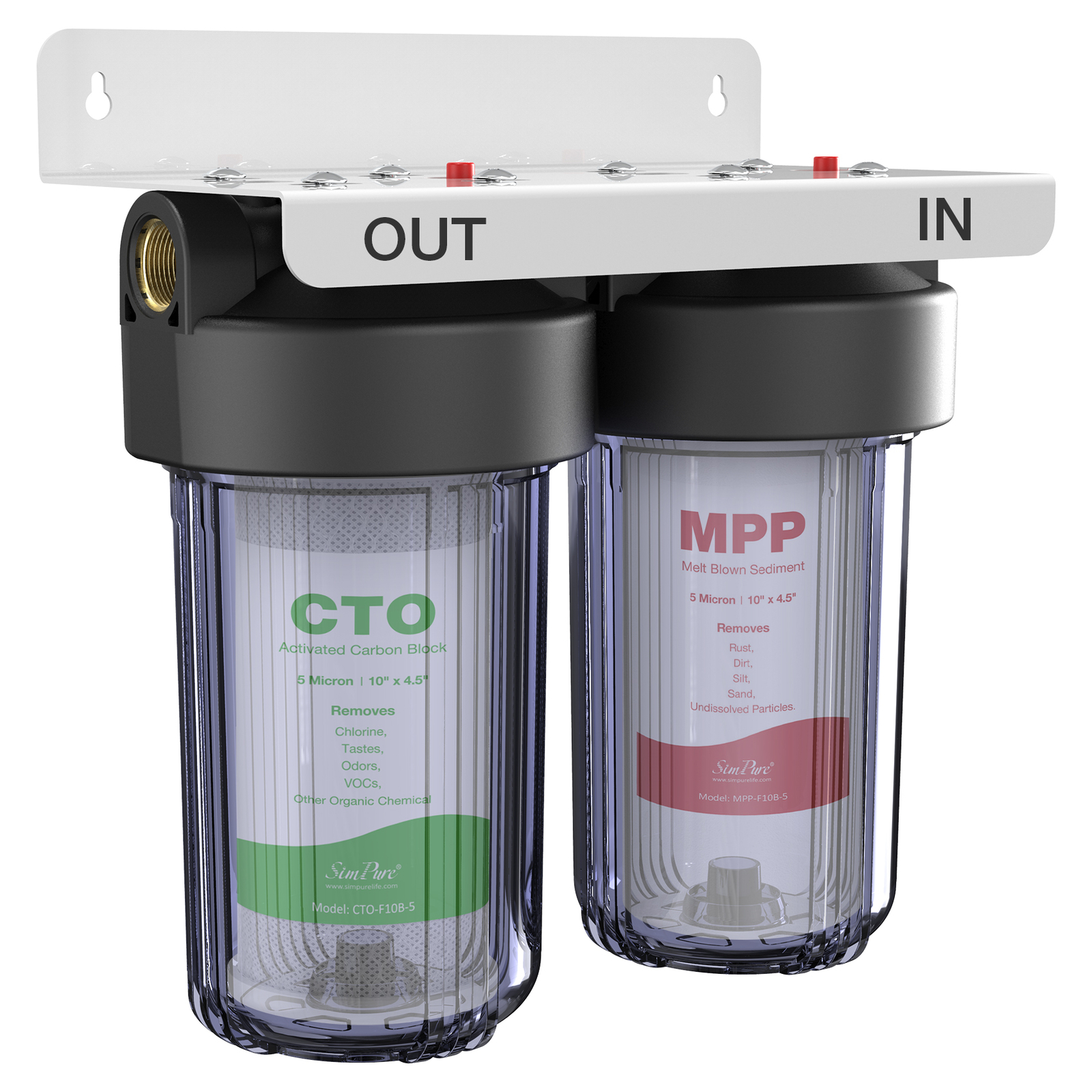 Big Blue Whole House Water Filter System City/Well Water Filtration 100000 Gal$129.99Last checked Nov 18, 2026View on eBay
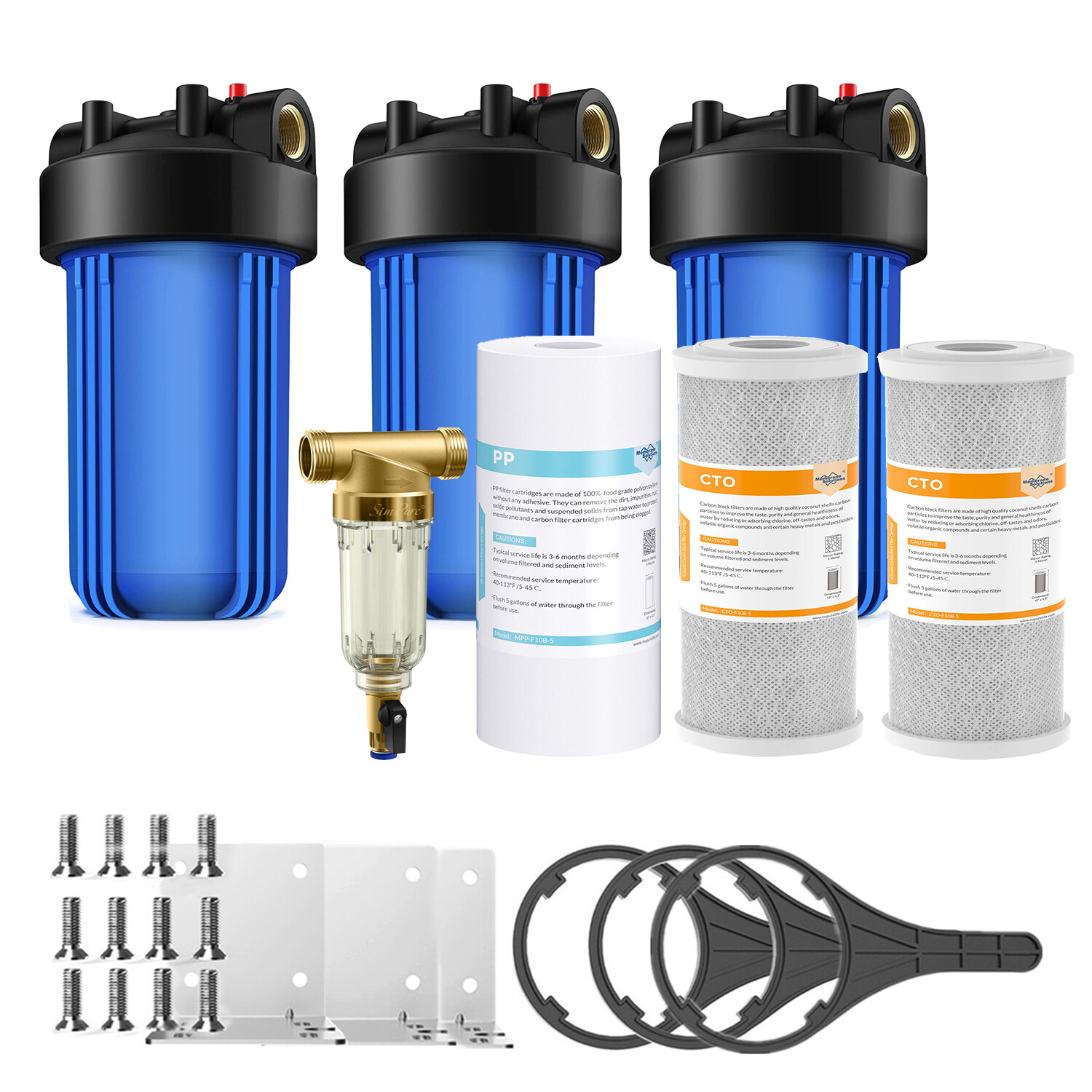 10 Inch Big Blue 10" x 4.5" Whole House Water Filter Housing Filtration System$132.99View on eBay
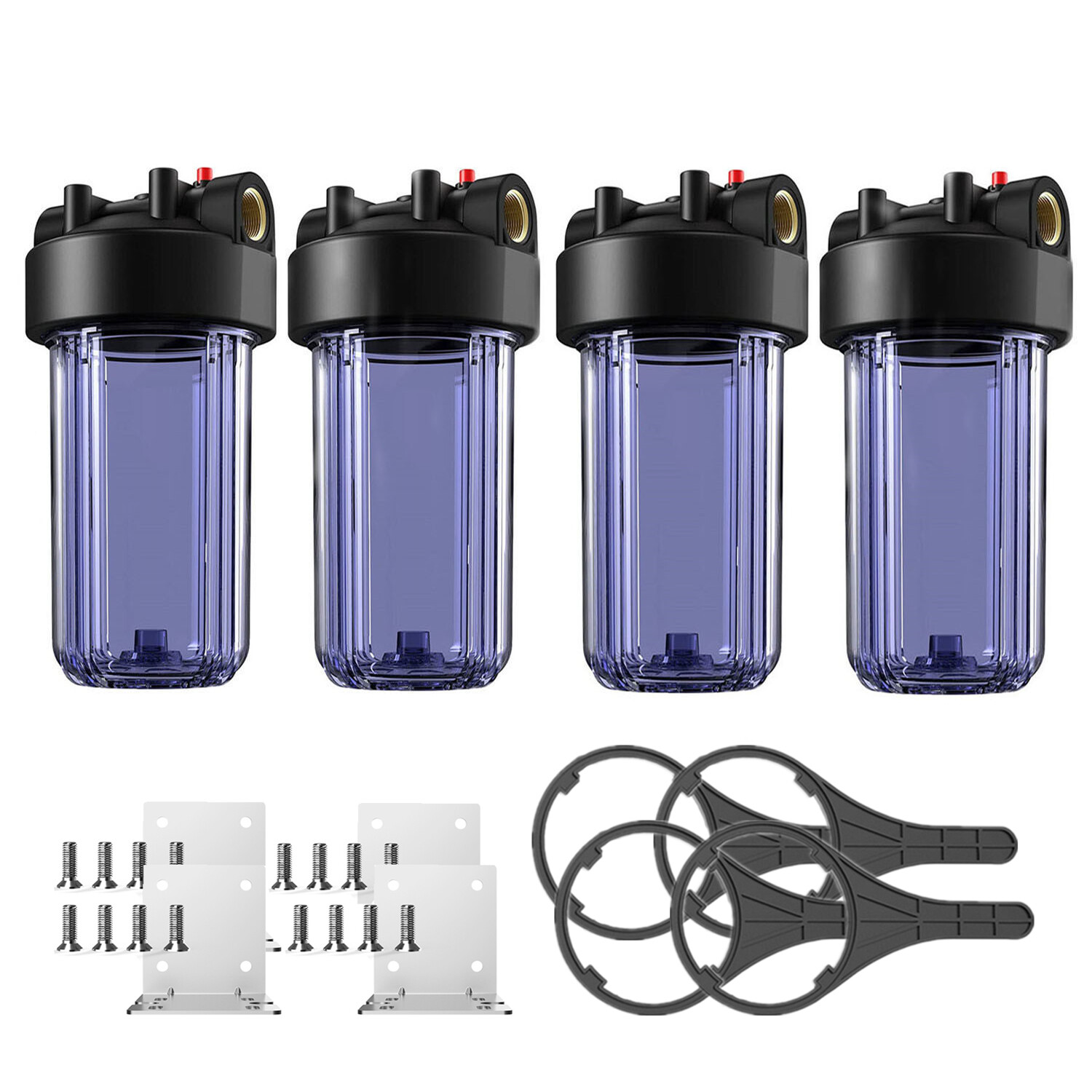 SimPure 10" Clear Whole House Water Filter Housing Filtration System PP Sediment$141.63Last checked Nov 19, 2026View on eBay
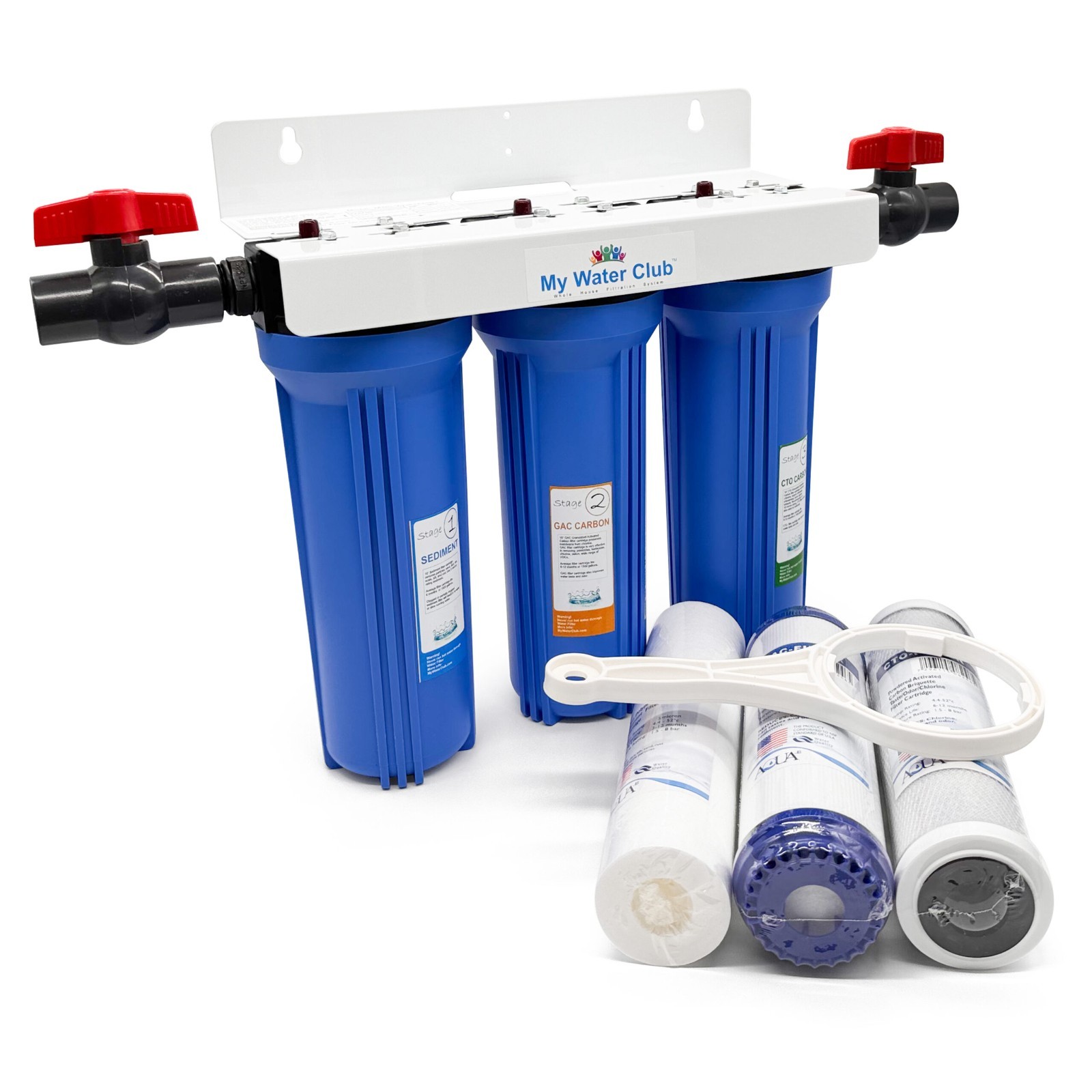 3-Stage Whole House Water Filtration System, 3/4″ Port with extra filter set$149.00Last checked Nov 18, 2026View on eBay
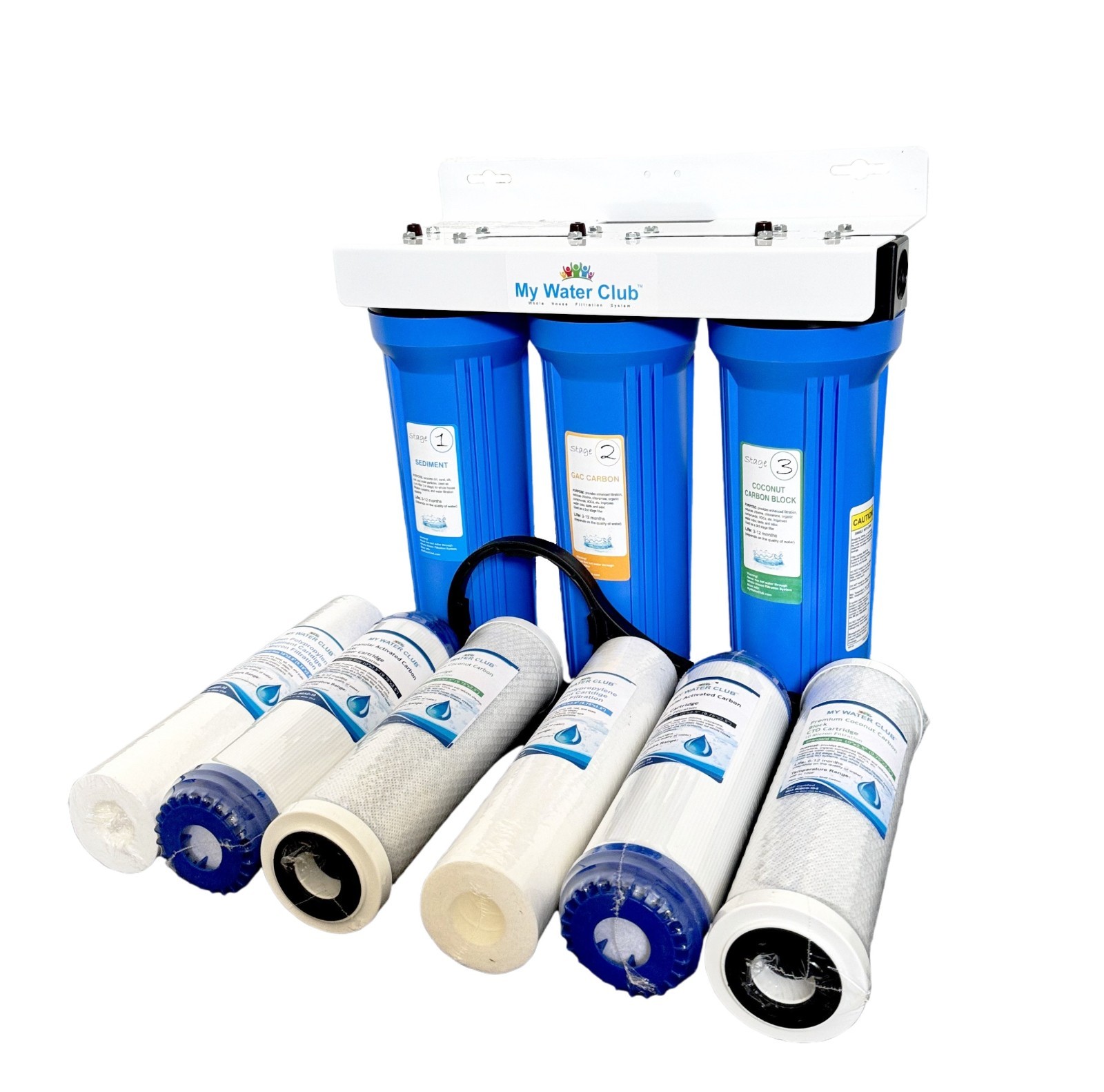 3-Stage Whole House Water Filtration System, 3/4″ Port with 2 extra filter set$159.00Last checked Nov 28, 2026View on eBay
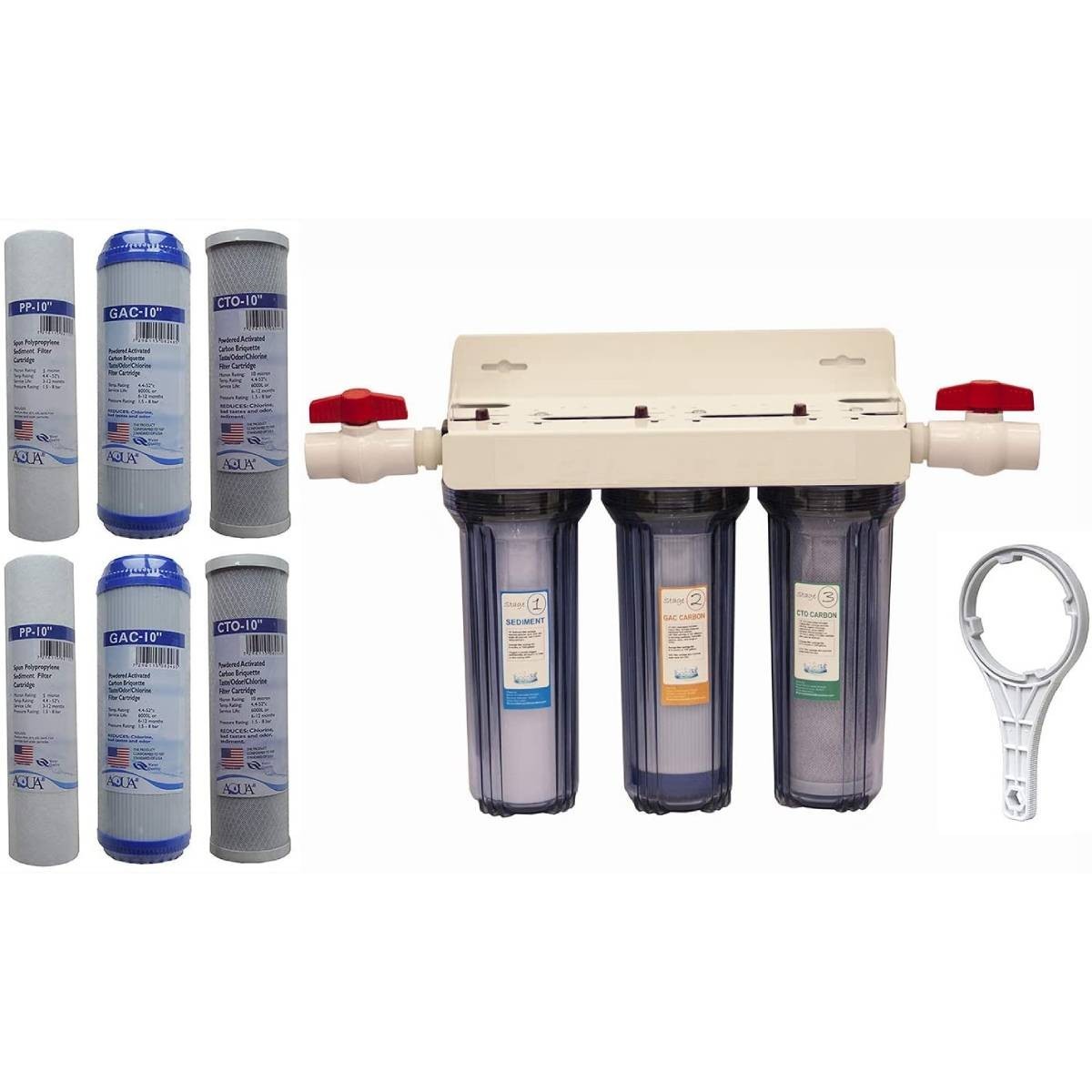 3-Stage Water Filtration System, 3/4″ port with 2 valves and extra 2 sets$159.00Last checked Nov 18, 2026View on eBay
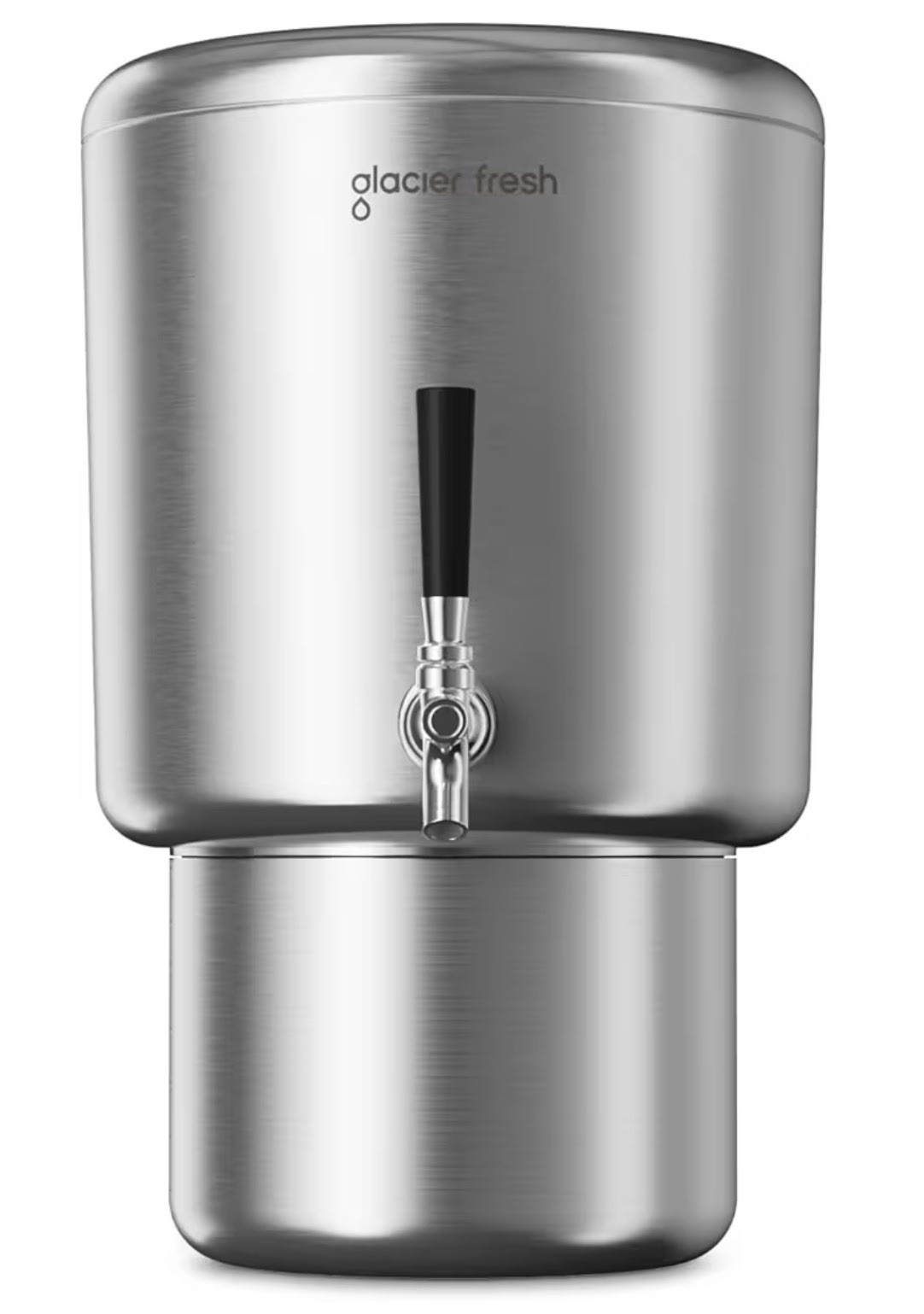 GLACIER FRESH PC04 Gravity-Fed Countertop Water Filtration System, Stainless$182.00View on eBay
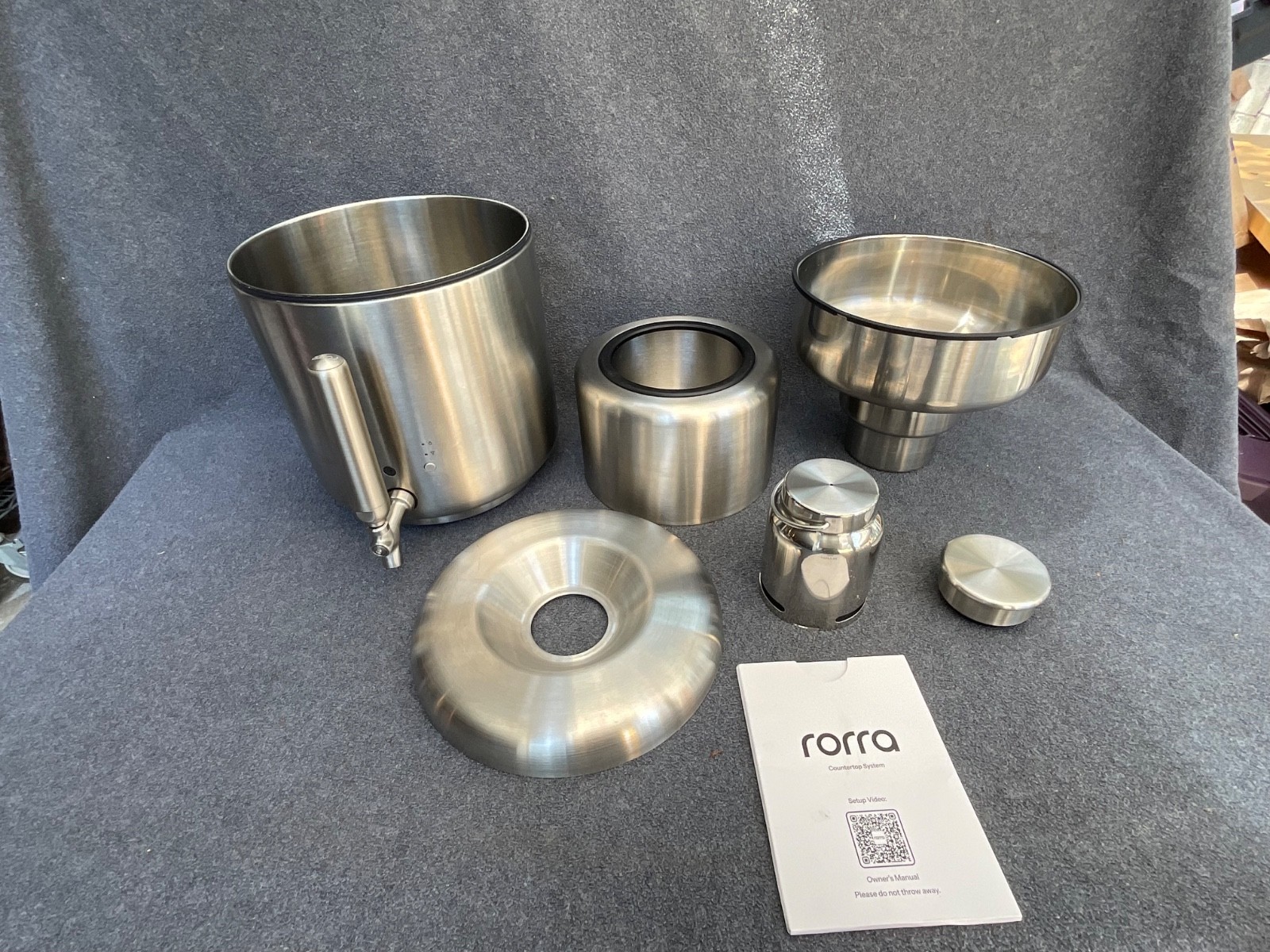 RORRA Countertop Water Filtration System Stainless Steel 2.5 gallon$189.99View on eBay
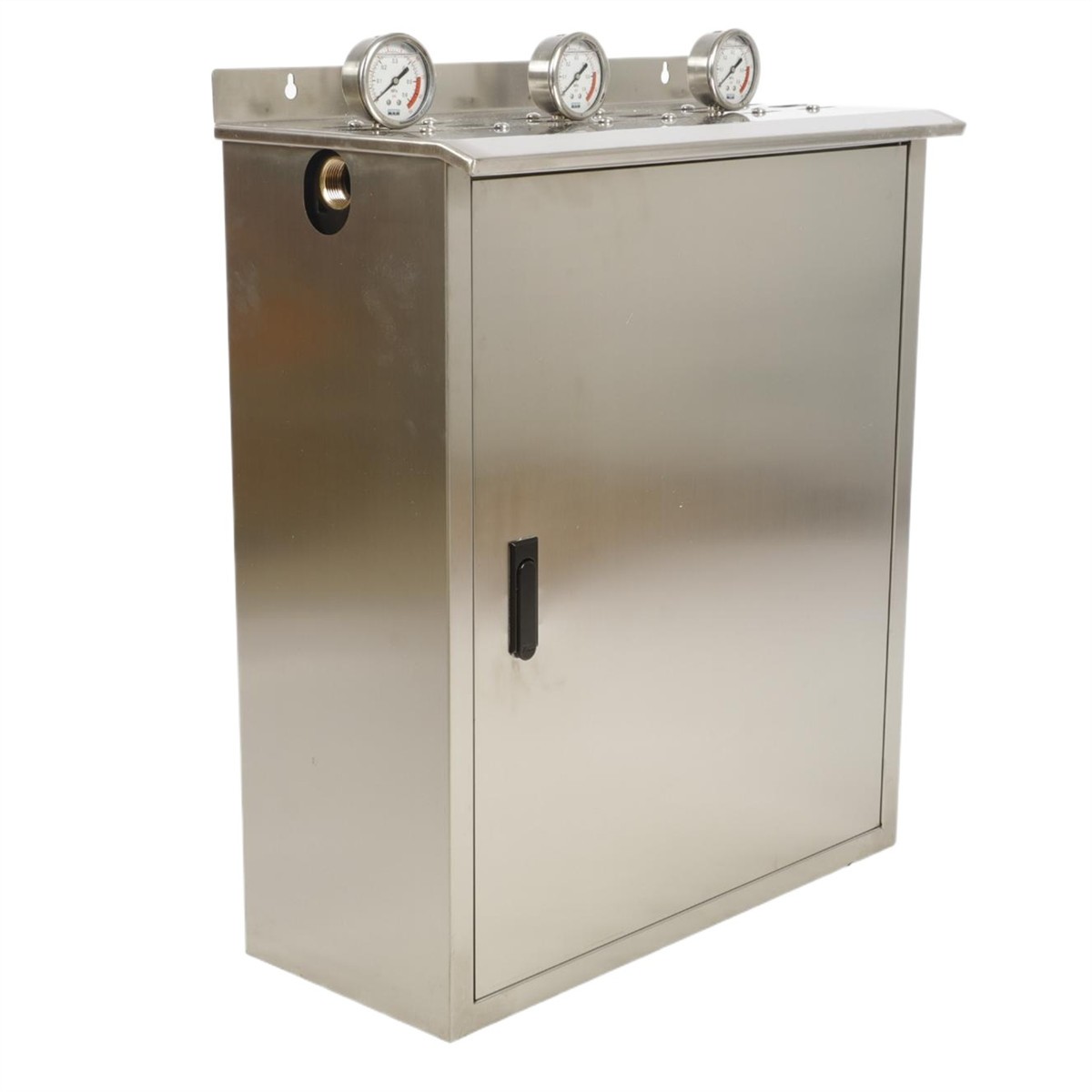 3-Stage Whole House Water Filter System 20"x4.5" Big Blue Home Water Filtration$320.00New · Last checked Nov 24, 2026View on eBay
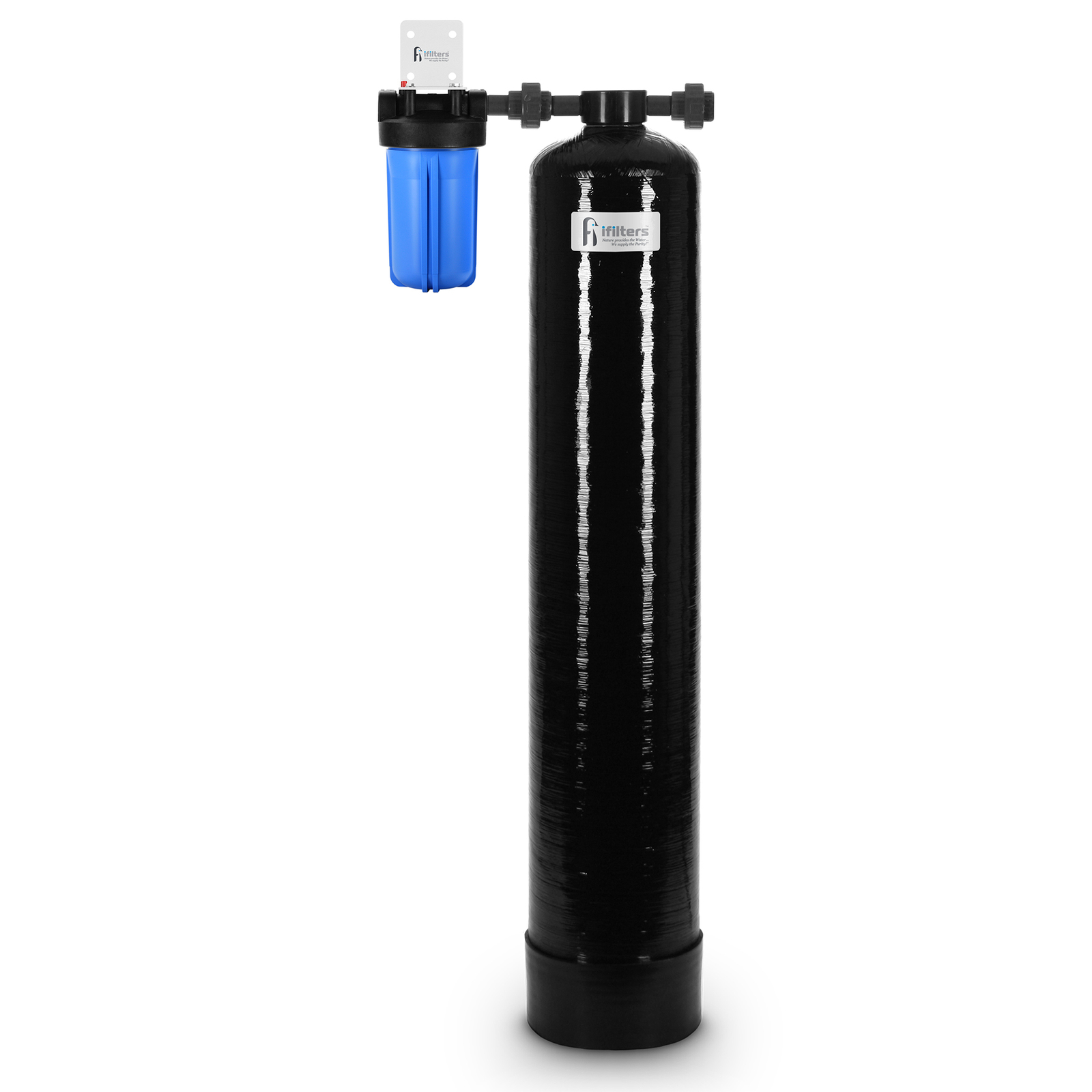 Whole House Water Filtration System 1,000,000 gal capacity w/Pre-filter, GAC/KDF$739.00New · Last checked Nov 24, 2026View on eBay
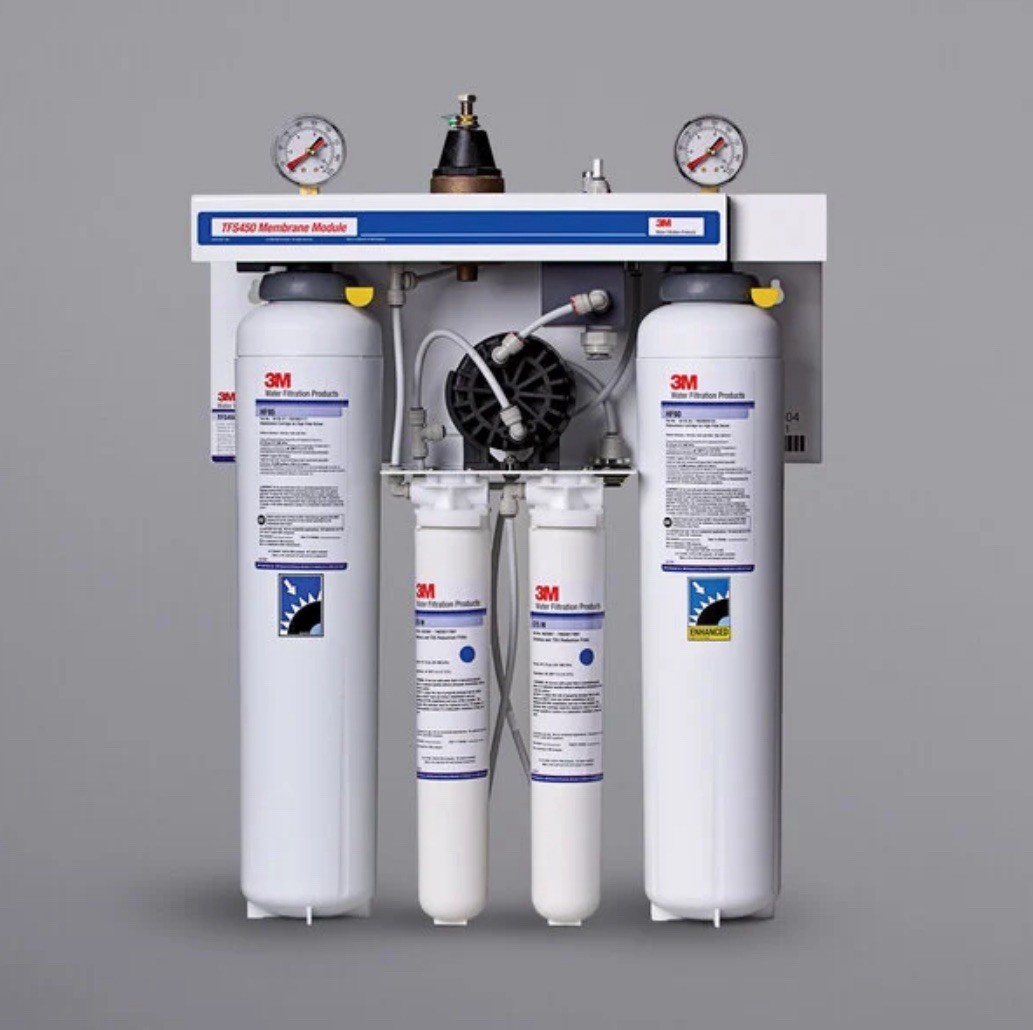 3M Water Filtration Products TFS450 Reverse Osmosis System - 300 GPD$2,950.99Last checked Nov 17, 2026View on eBay
Highlights
- Reverse osmosis units rated at 75 GPD recover roughly 15-25% of feed water; expect 3-4 gallons of brine per gallon produced and a 3-4 hour tank refill.
- Carbon block filters at 0.5 micron reduce chlorine, taste, and VOCs; granular activated carbon (GAC) only handles taste and needs replacement every 2-3 months or 100-200 gallons.
- Whole-house systems must be sized to peak flow: a 1-inch inlet and 10-20 GPM rated housing prevents pressure drop across two bathrooms plus laundry.
- NSF/ANSI 58 covers RO systems; NSF/ANSI 53 covers health-related contaminants like lead and cysts; NSF/ANSI 42 covers only aesthetic chlorine and taste.
Best use cases
- Best fit for municipal water with chlorine taste: a 0.5-micron carbon block under-sink or NSF 42 faucet mount; skip RO if you only want better taste and do not need dissolved solids removal.
- Best fit for well water with sediment and bacteria risk: a whole-house sediment prefilter (5-20 micron) plus UV or 0.2-micron absolute cartridge; skip pitcher filters, which clog fast and do not disinfect.
- Best fit for lead, arsenic, or high TDS: a 5-stage RO with NSF 58 certification and a 75 GPD membrane; skip faucet-mount carbon if you need dissolved contaminant reduction beyond chlorine.
- Wrong fit: a 4-liter pitcher or countertop unit for a family of four or more; capacity forces 3-5 refills daily and carbon contact time drops, so choose under-sink or whole-house instead.
Buying tips
- Size whole-house filters by peak GPM: count fixtures (shower 2.5 GPM, sink 2.0, laundry 2.5) and choose a housing rated above the sum; a 10-inch Big Blue handles about 10-15 GPM.
- For RO, confirm feed pressure of 40-80 psi and a drain connection within 10 feet; below 40 psi add a booster pump or the membrane produces little and wastes water.
- Match filter pore size to goal: 0.5-micron carbon block for chlorine/VOCs, 1-5 micron sediment for well sand, 0.0001-micron RO membrane for TDS, lead, and nitrate.
- Check replacement cartridge availability and standard sizing (10-inch or 20-inch, 2.5-inch or 4.5-inch diameter) before buying; proprietary cartridges lock you into one source.
Specs
| Filtration Type | Carbon block, RO, UV, whole-house |
|---|---|
| Micron Rating | 0.0001 (RO) to 20 (sediment) |
| Certification | NSF/ANSI 42, 53, or 58 |
| Flow Capacity | 0.5-20 GPM by system class |
Related searches
What to check before buying
- Measure under-sink cabinet clearance: RO tanks need 12-18 inches height and 10-12 inches width; confirm shut-off valve and drain line access.
- Test your water first (TDS meter, hardness, iron); iron above 0.3 ppm or hardness above 10 gpg requires pretreatment before carbon or RO to avoid fouling.
- Confirm plumbing thread standard: most under-sink units use 3/8-inch compression or 1/4-inch quick-connect; whole-house uses 3/4-inch or 1-inch NPT.
- Check electrical needs: UV sterilizers and booster pumps need a grounded 120V outlet within cord reach; RO-only units are passive.
FAQ
Data sources: eBay / Amazon listings and product attribute feeds. Updated Nov 29, 2026.
Some links on this page are affiliate links. If you buy after clicking one, we may earn a commission at no extra cost to you. This does not change which products appear here or their order. Affiliate disclosure.