
Photos from current listings. Actual item, color, and included accessories may vary.
Cookware Buying Guide
Cookware is the core of any kitchen, and the defining trade-off is between thermal conductivity (how evenly and quickly a pan heats) and surface durability (how well it resists scratches, sticking, and chemical wear). Fully clad stainless steel and cast iron deliver decades of service, while disc-base pans and thin ceramic coatings are the compromise tiers that trade longevity for lower entry cost. Use the metal-to-coating decision rule: choose clad steel or cast iron for high-heat searing and metal-utensil use, and reserve ceramic or PTFE non-stick for low-heat delicate cooking with dedicated soft utensils.
Median $100.99 · New & pre-owned listings
Key takeaways
- Steel grade 18/10 (304) contains 10% nickel for superior corrosion resistance; 18/0 (430) is nickel-free, magnetic, but less rust-resistant over decades.
- Fully clad tri-ply bonds an aluminum core between two stainless layers across the entire pan, eliminating hot spots that plague disc-base pans where only the bottom plate conducts heat.
- PTFE non-stick survives higher sustained heat (up to ~500°F) but degrades if overheated empty; ceramic sol-gel coatings are PTFE-free but lose release performance faster, typically within 1-2 years of daily use.
At a glance
- Category
- Cookware & Cutlery
- Last updated
- Nov 28, 2026
Current offers
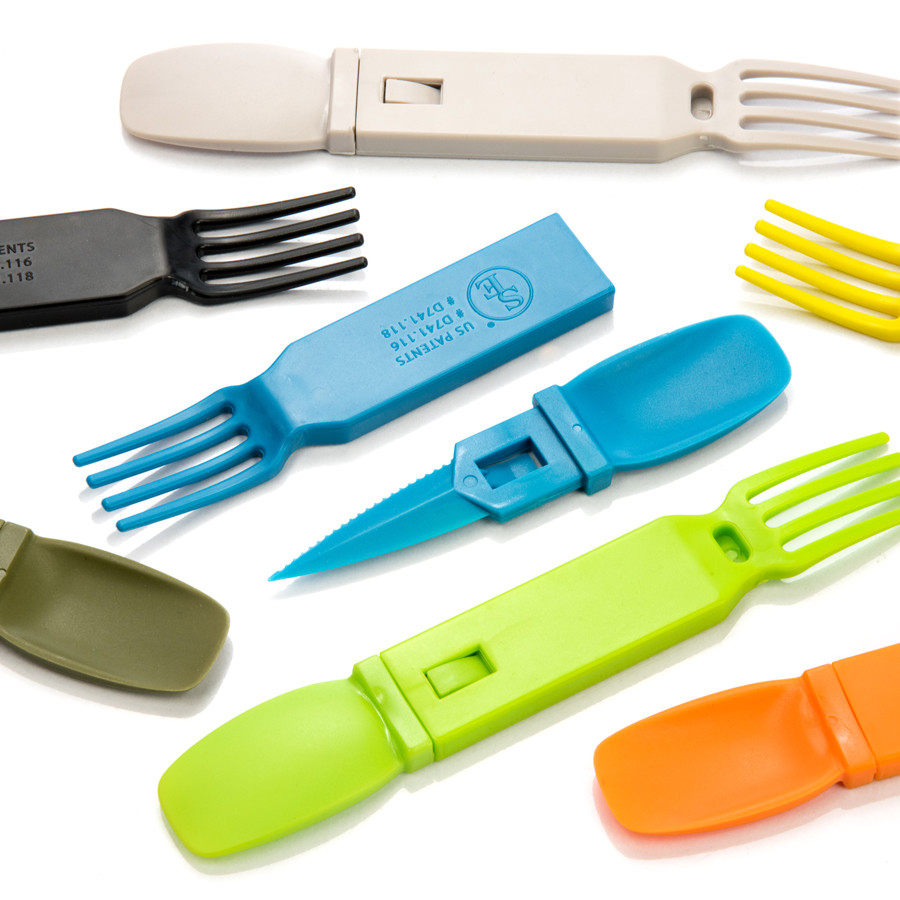 2pc 3-in-1 Spoon Knife Fork Utensil Cutlery Cookware Set Camping Picnic Outdoor$7.99Last checked Nov 21, 2026View on eBay
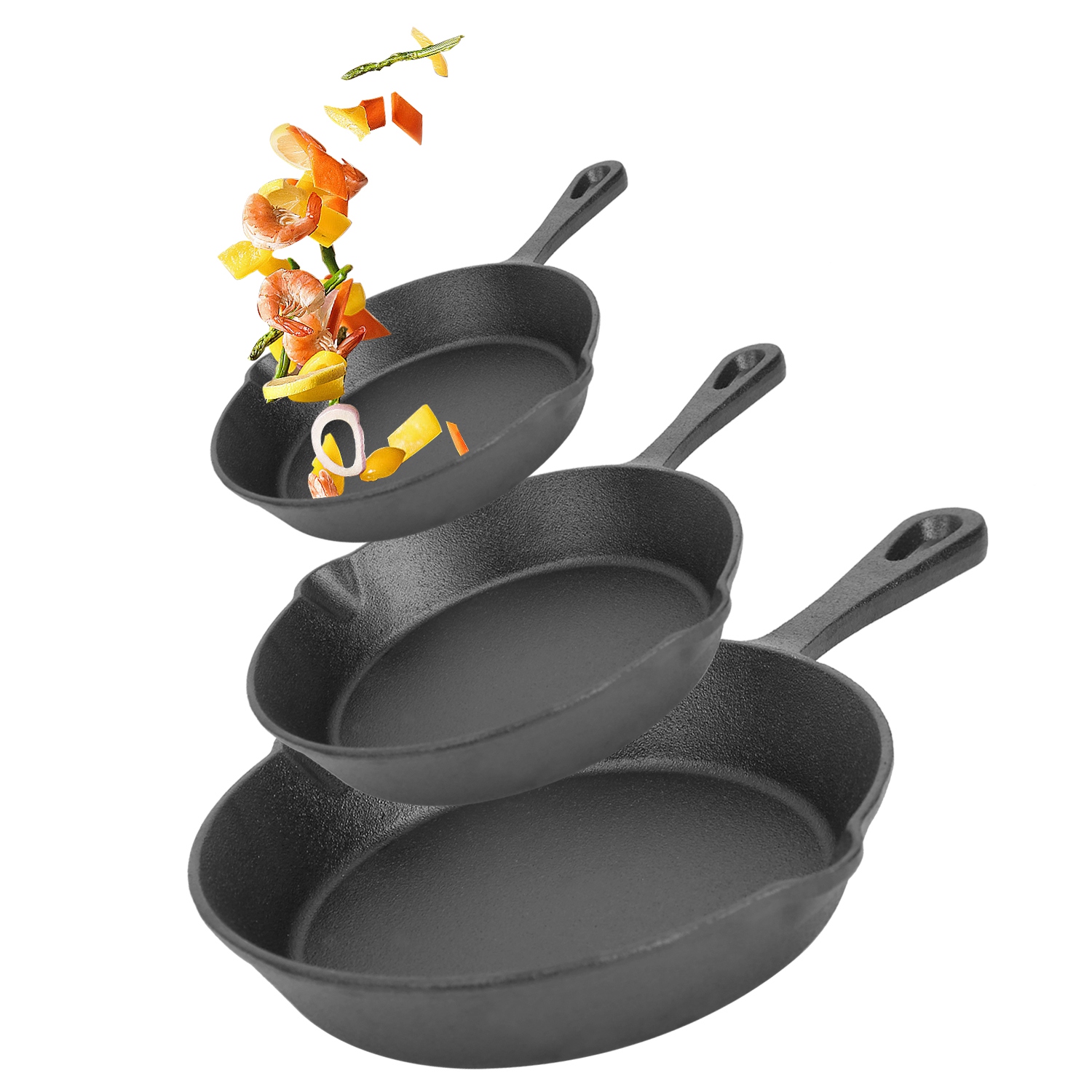 3Pcs Pre-Seasoned Cast Iron Skillet Set For Indoor Outdoor 6in 8in 10in Non-Stick Oven Safe Cookware Heat-Resistant Frying Pan For Cooking Baking$36.99View on Mallflare
- 4pc 3-in-1 Spoon Knife Fork Utensil Cutlery Cookware Set Camping Picnic Outdoor$9.99Last checked Nov 19, 2026View on eBay
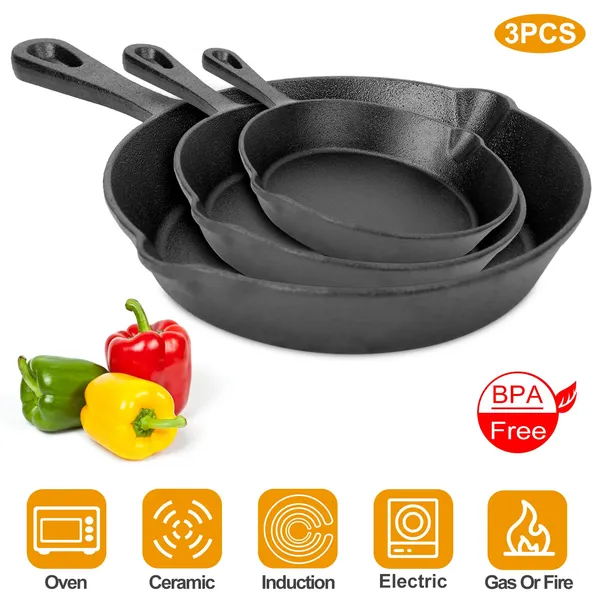 3Pcs Pre-Seasoned Cast Iron Skillet Set 6-8-10in Non-Stick Oven Safe Cookware Heat-Resistant Frying Pan$44.99View on Mallflare
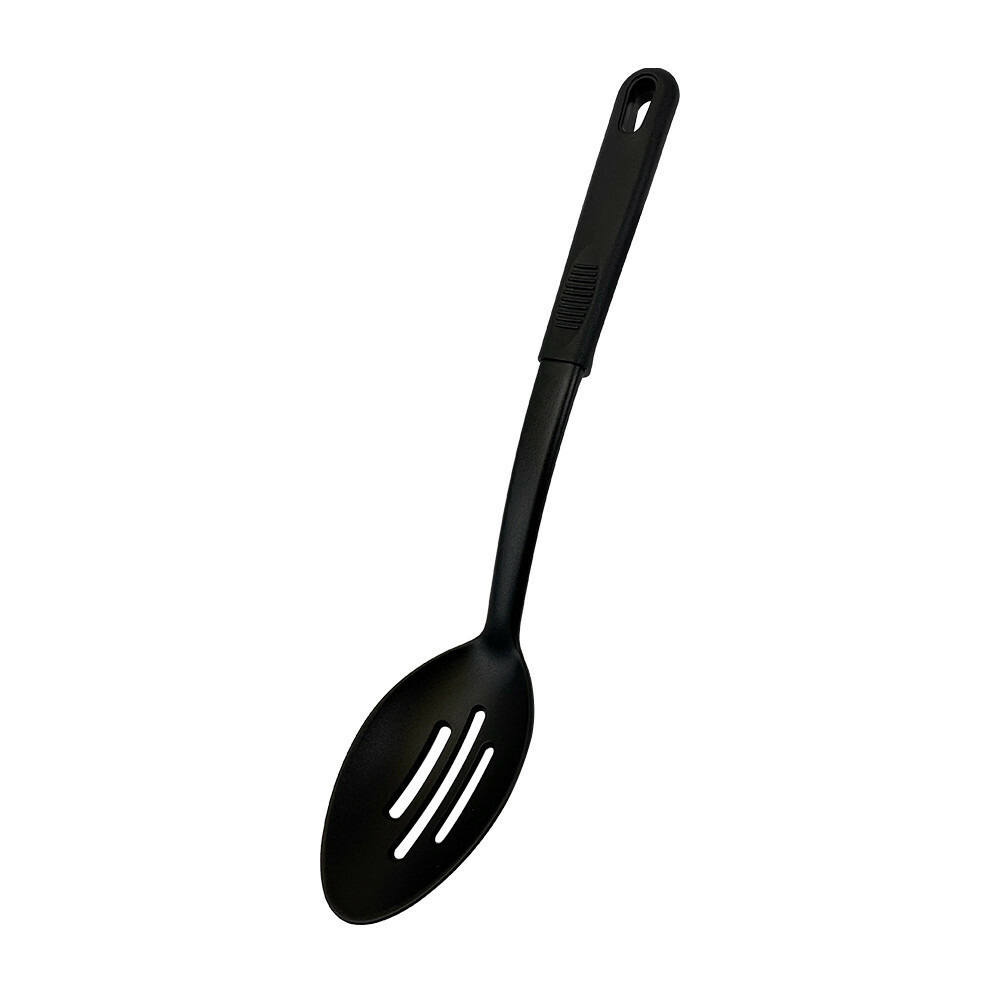 12’’ Black Nylon Slotted Spoon Cookware Kitchen Utensil With Handle$12.50Last checked Nov 19, 2026View on eBay
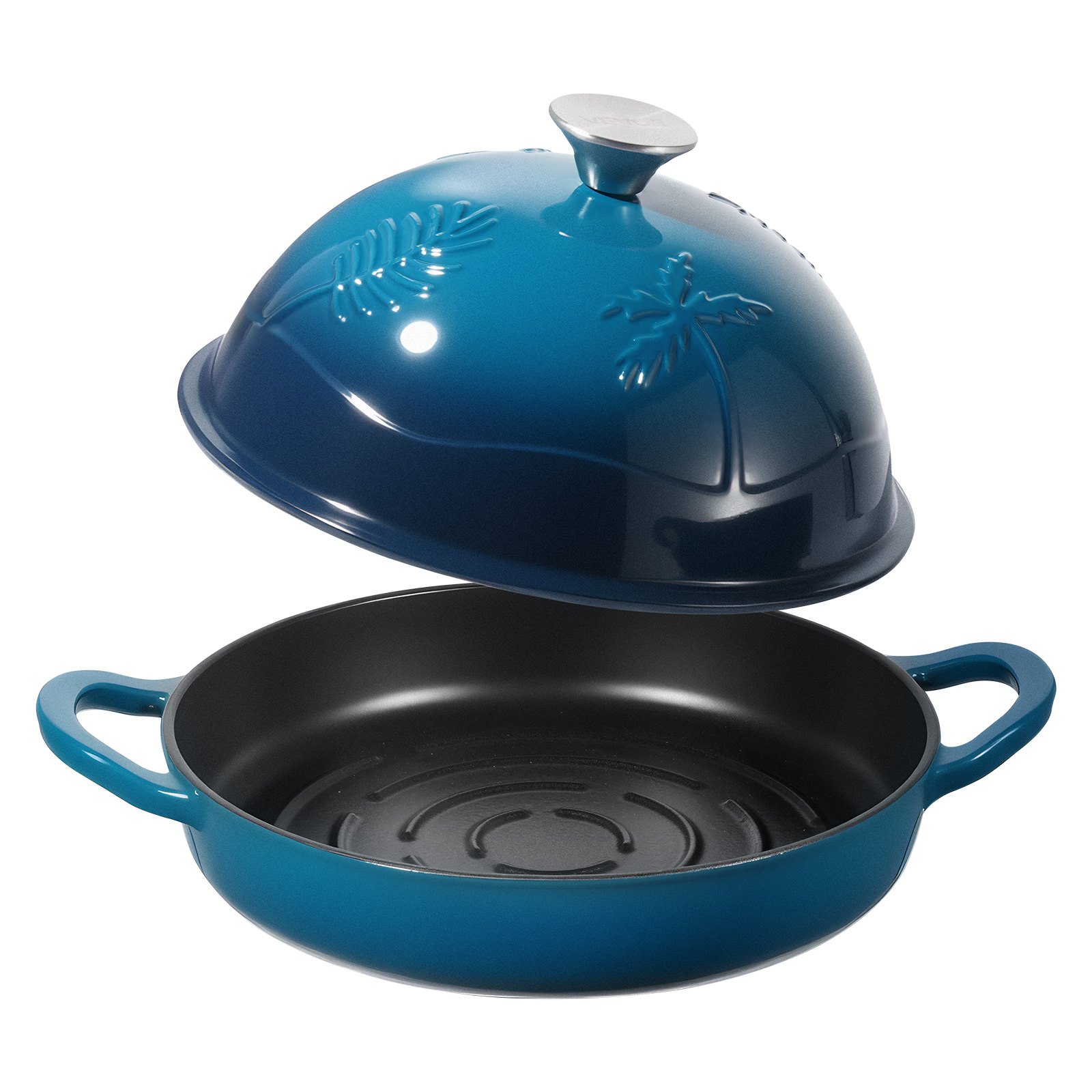 Enameled Cast Iron Dutch Oven Heavy-Duty Cookware With Lid Dual Handles 5 Qt$44.99View on Mallflare
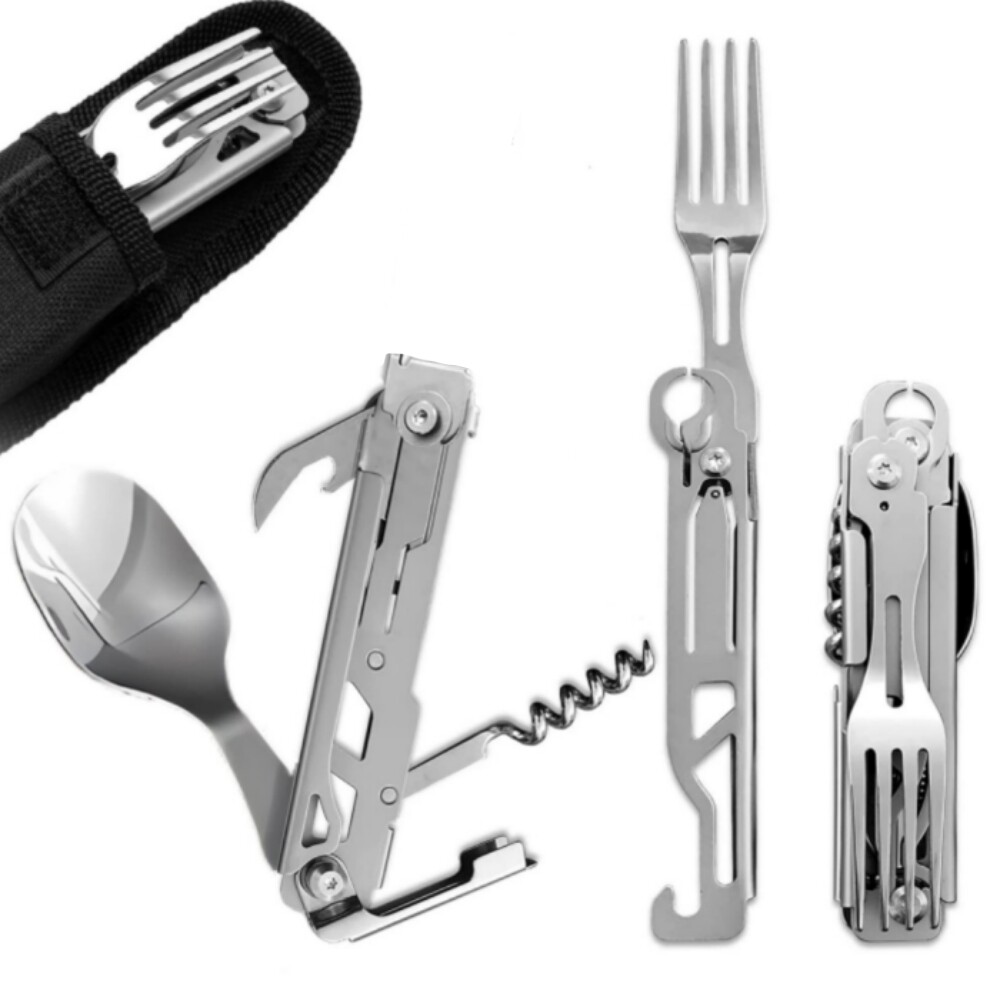 Camping Cookware Set Portable Tableware Kit Outdoor Pot Cooking Water Kettle Pan$12.98Last checked Nov 21, 2026View on eBay
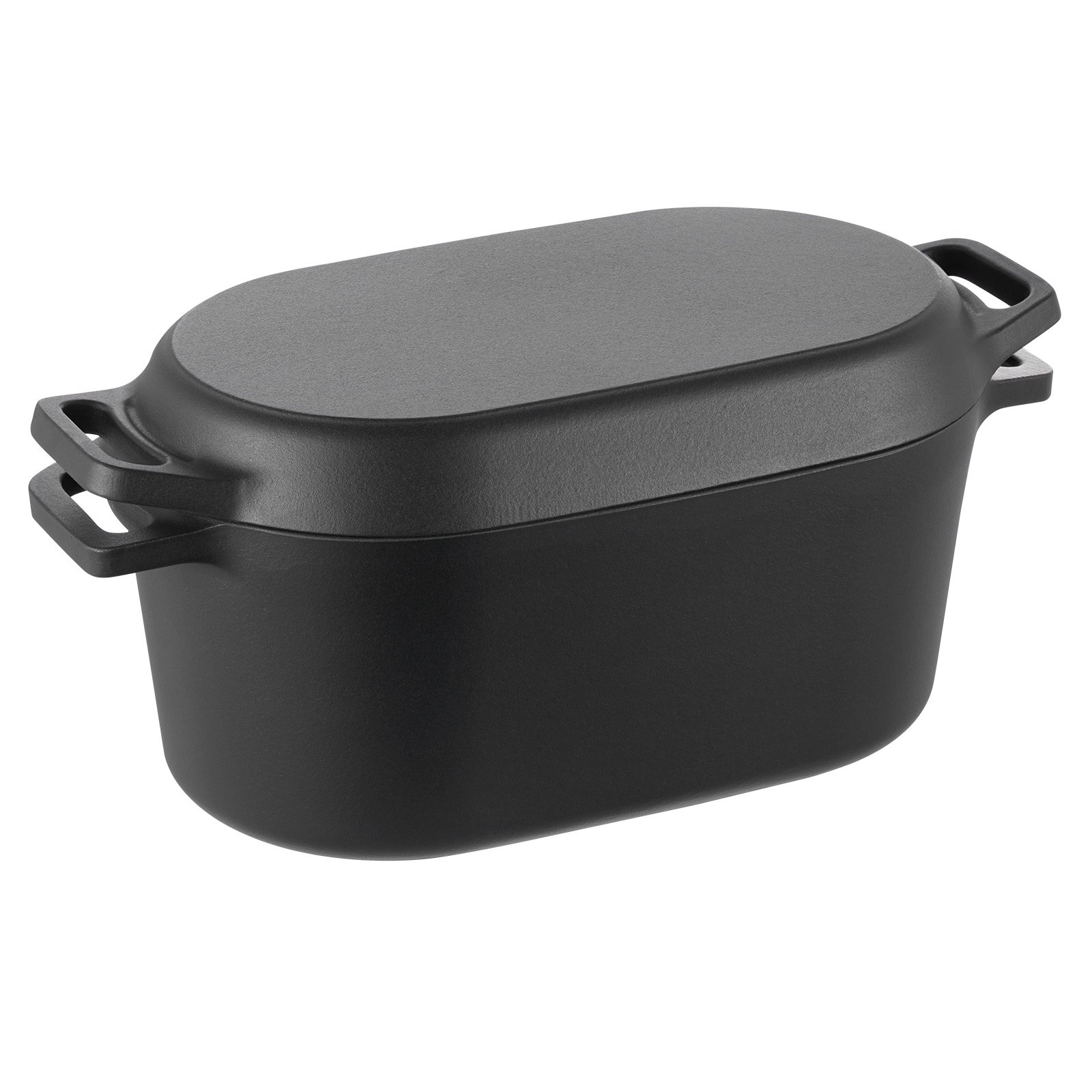 Enameled Cast Iron Dutch Oven Heavy-Duty Cookware With Lid Handles 3.5 Qt Black$44.99View on Mallflare
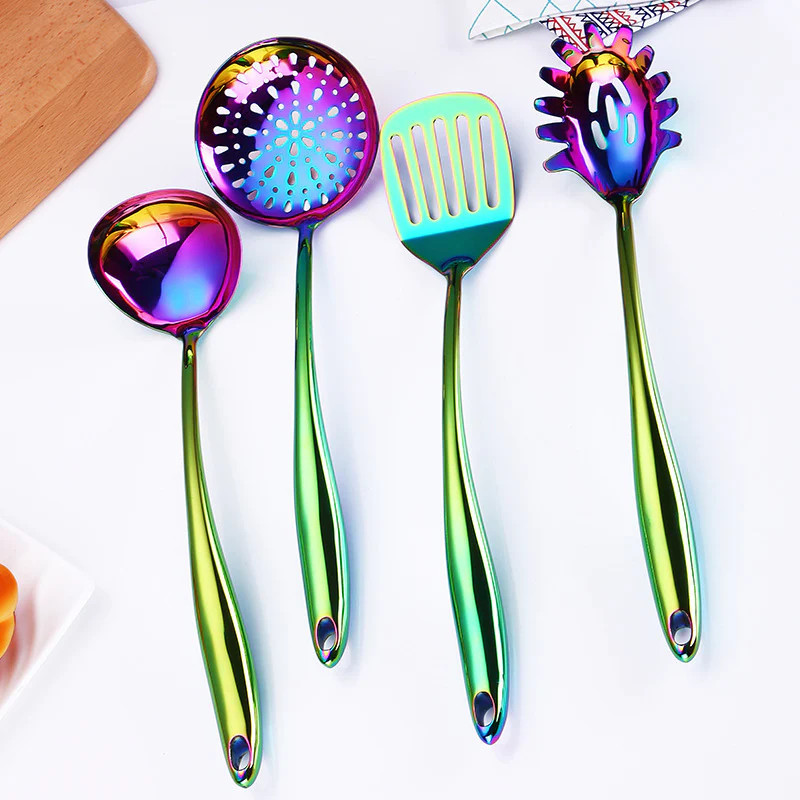 Rainbow Kitchen Tools Cooking Utensils Restaurant Cookware Kitchenware Set Soup$24.94Last checked Nov 19, 2026View on eBay
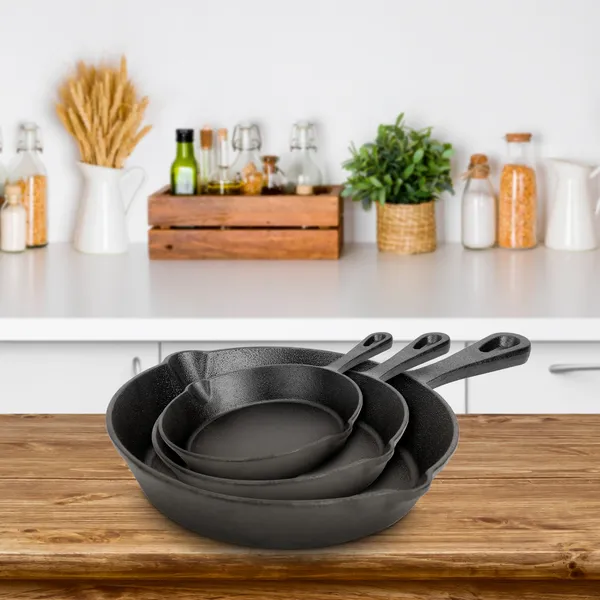 3Pcs Pre-Seasoned Cast Iron Skillet Set 6/8/10in Non-Stick Oven Safe Cookware Heat-Resistant Frying Pan$51.99View on Mallflare
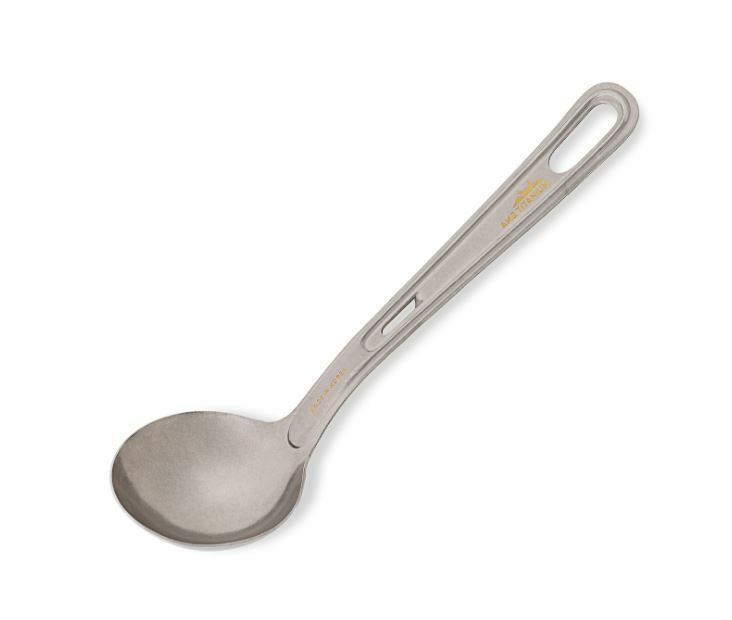 AMG Titanium Soup Ladle Lightweight Outdoor Camping Backpacking Cookware Cutlery$24.99Last checked Nov 19, 2026View on eBay
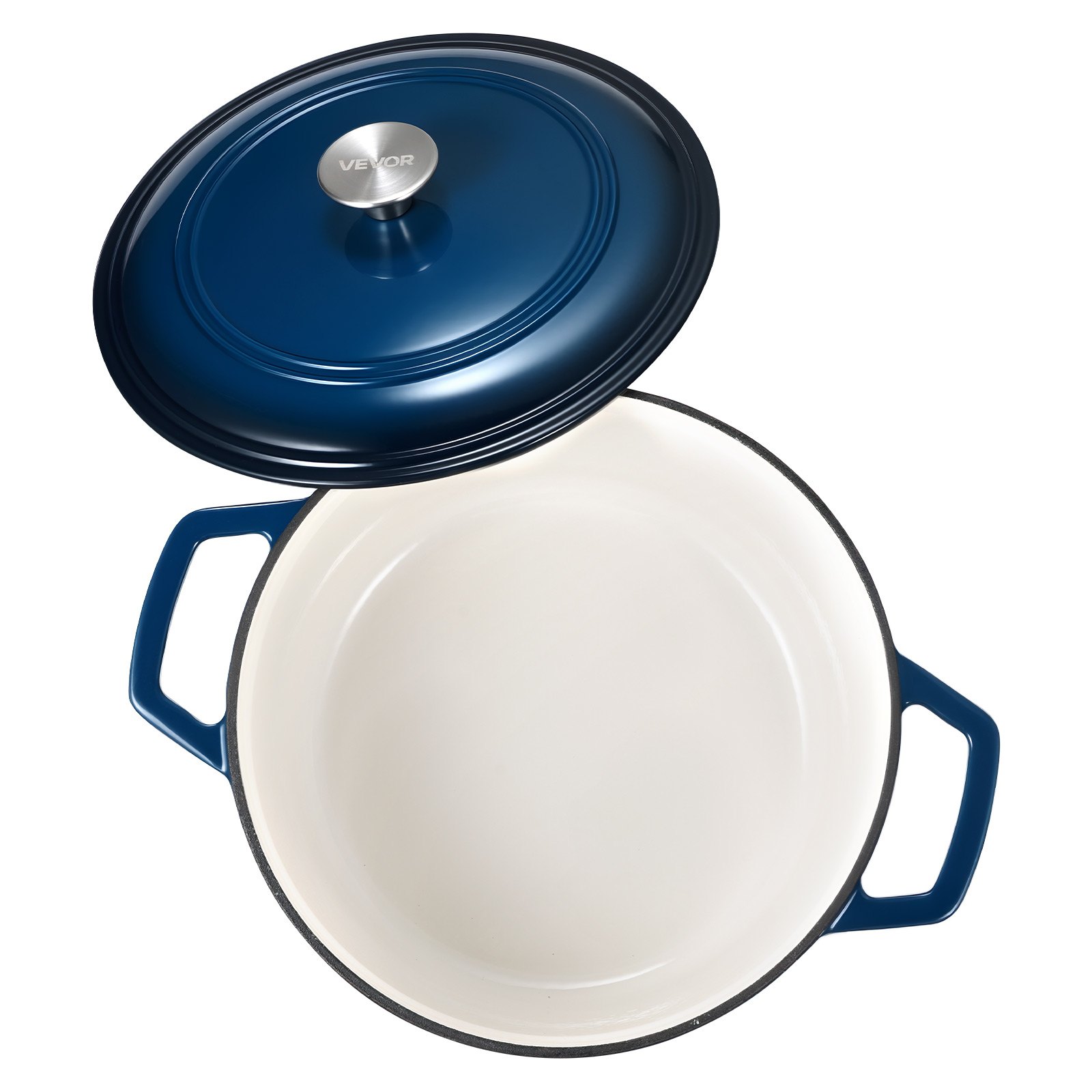 Enameled Cast Iron Dutch Oven Heavy-Duty Cookware With Lid Handles 6 Qt Blue$52.99View on Mallflare
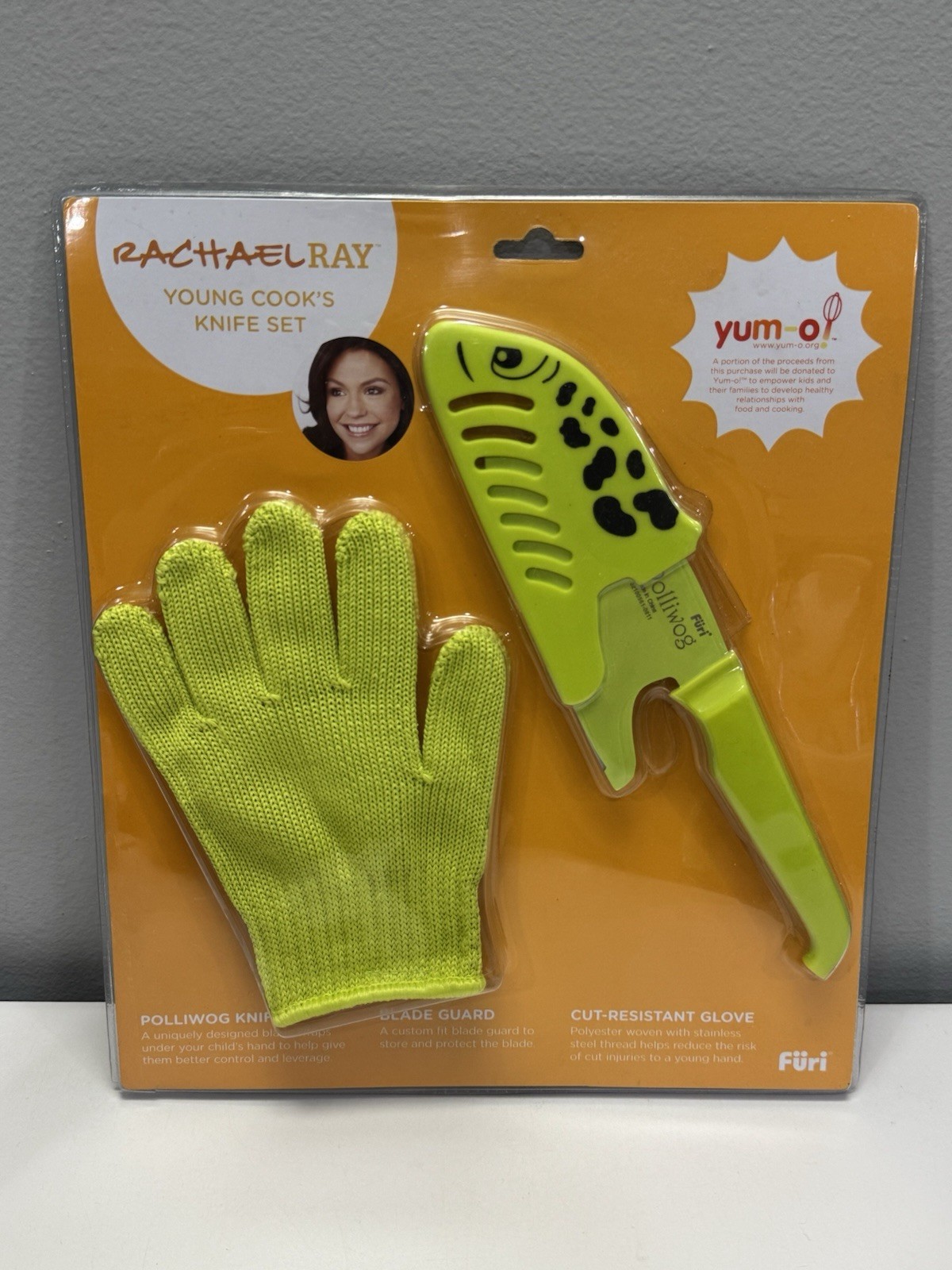 Rachael Ray Young Cook’s Knife Set Polliwog Knife Cookware New In Package$30.00Last checked Nov 21, 2026View on eBay
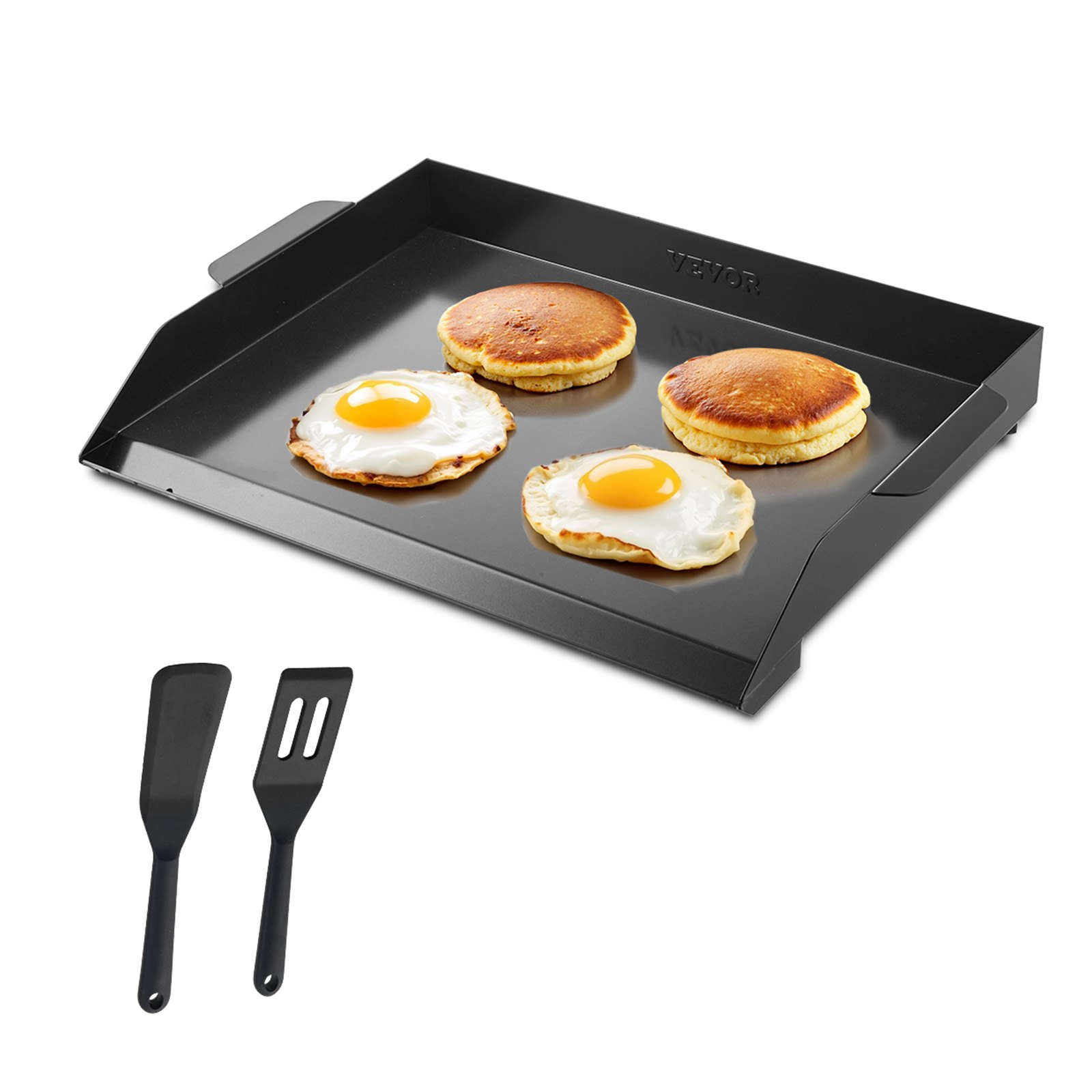 22x16 In Flat Top Griddle Carbon Steel Universal BBQ Grill Pan Cookware$58.99View on Mallflare
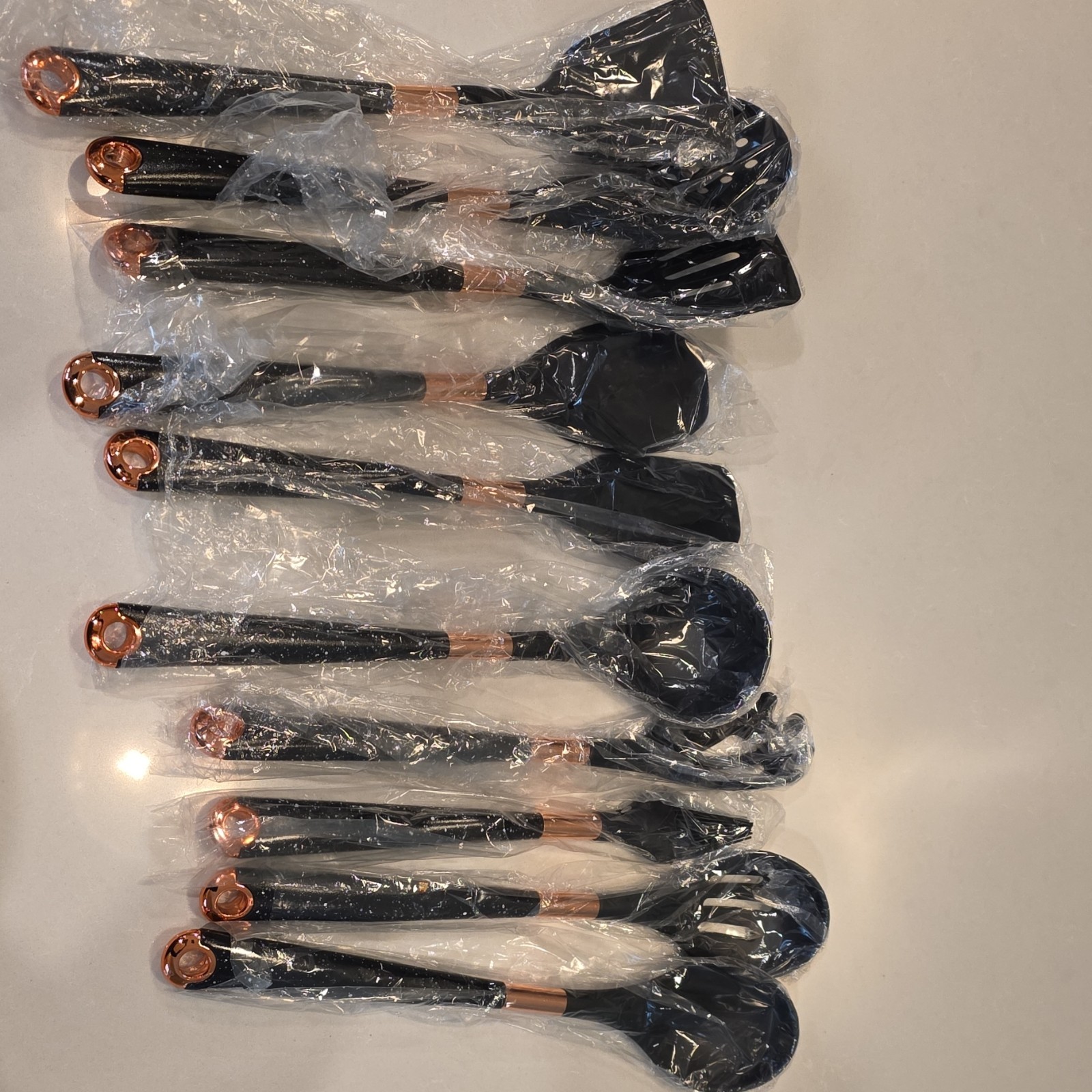 Cutlery Collection Silicone Cooking Utensil Set 10pc Black *Safe Cookware$30.00Last checked Nov 19, 2026View on eBay
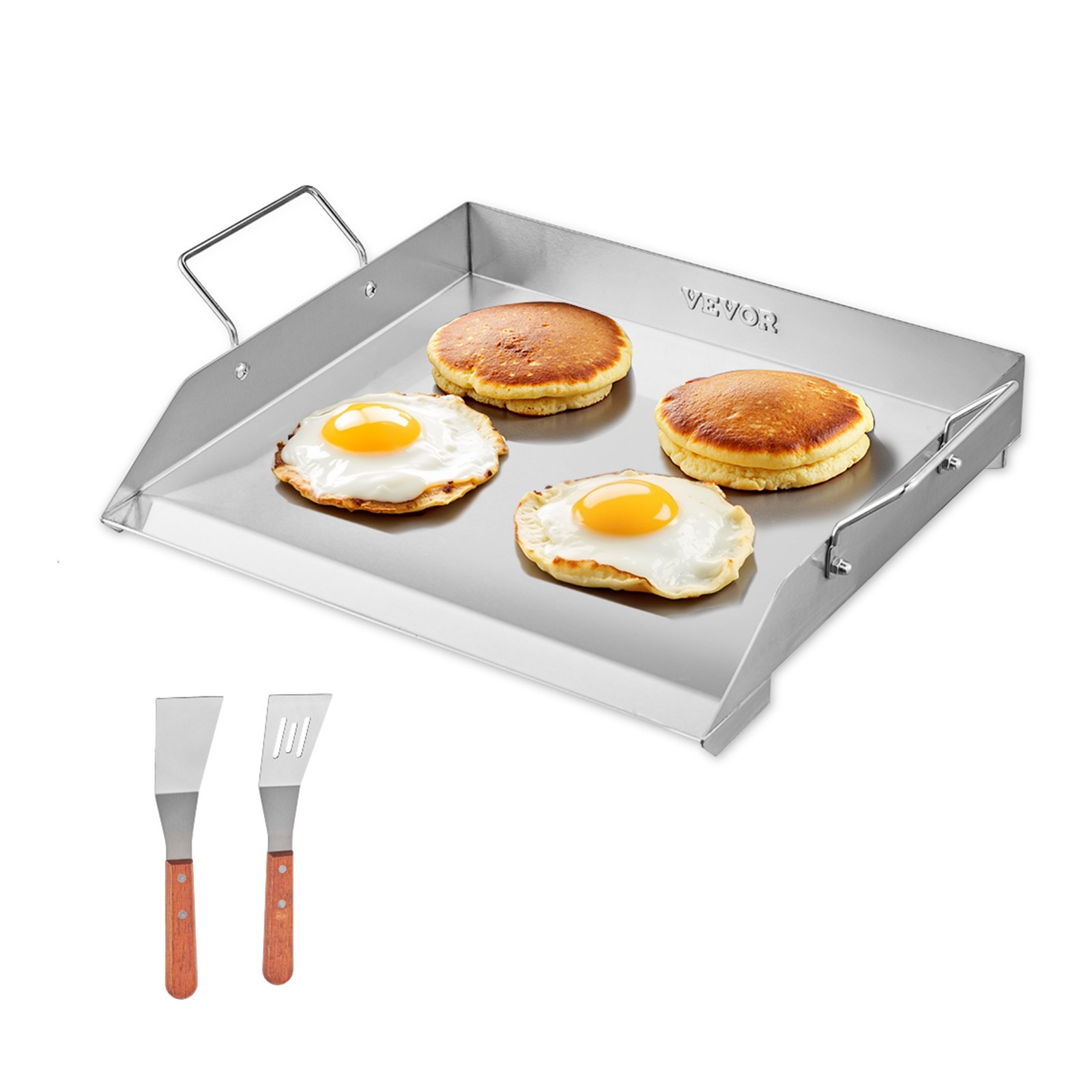 18x16 In Flat Top Griddle Stainless Steel Universal BBQ Grill Pan Cookware$65.99View on Mallflare
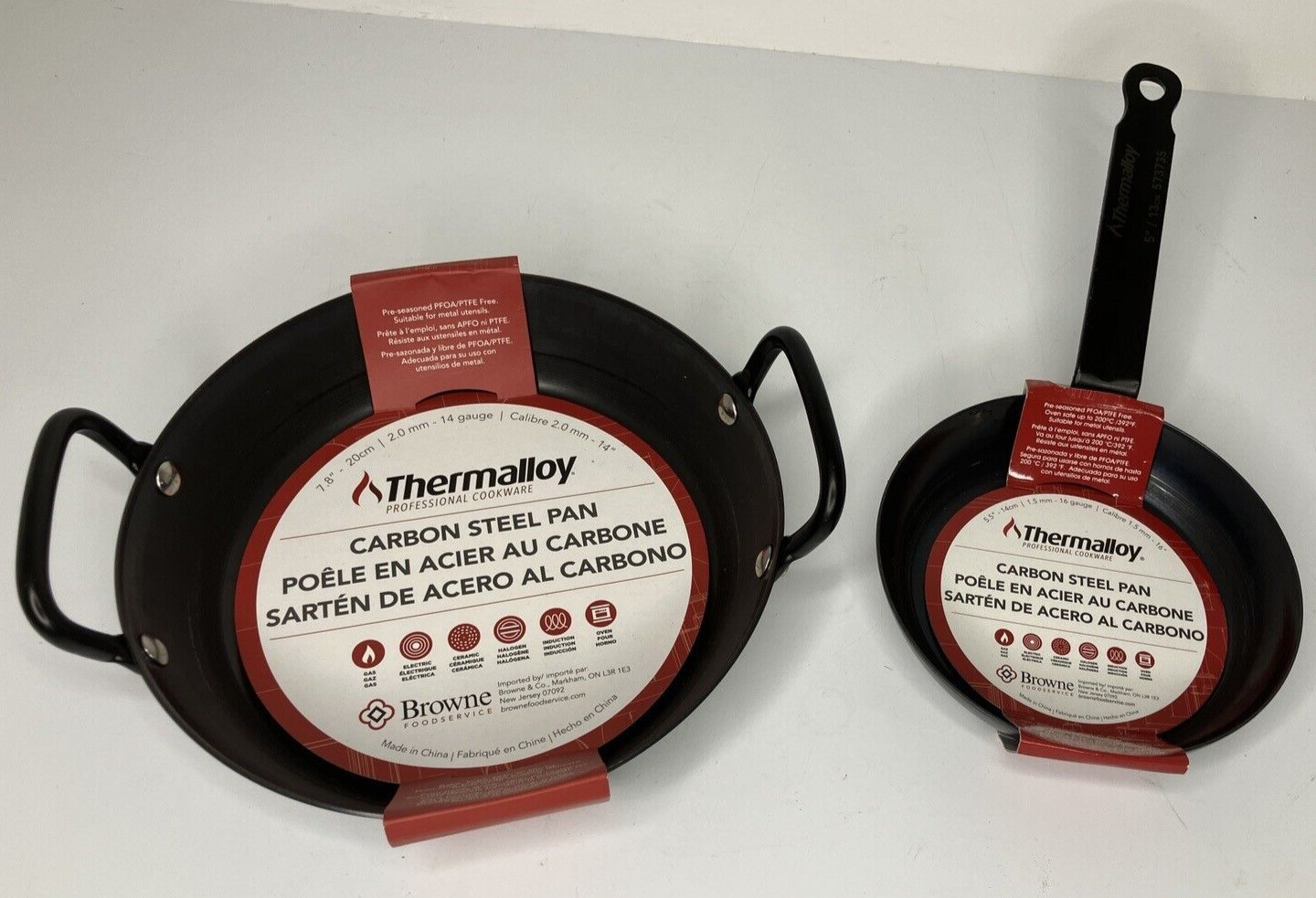 Browne Foodservice Cookware Pans Carbon Steel Professional ~Set/2$40.99View on eBay
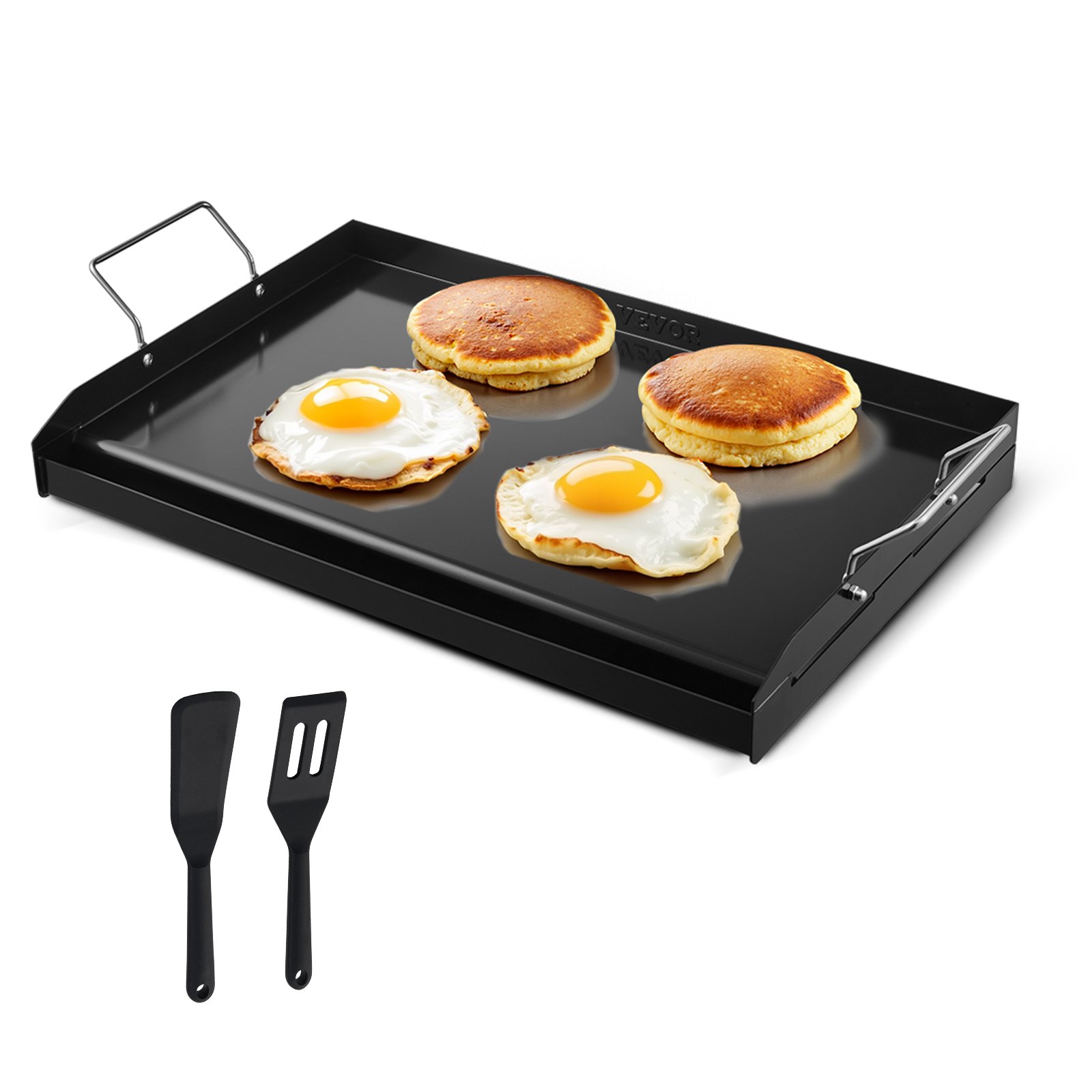 24x16 In Flat Top Griddle Carbon Steel Universal BBQ Grill Pan Cookware$68.99View on Mallflare
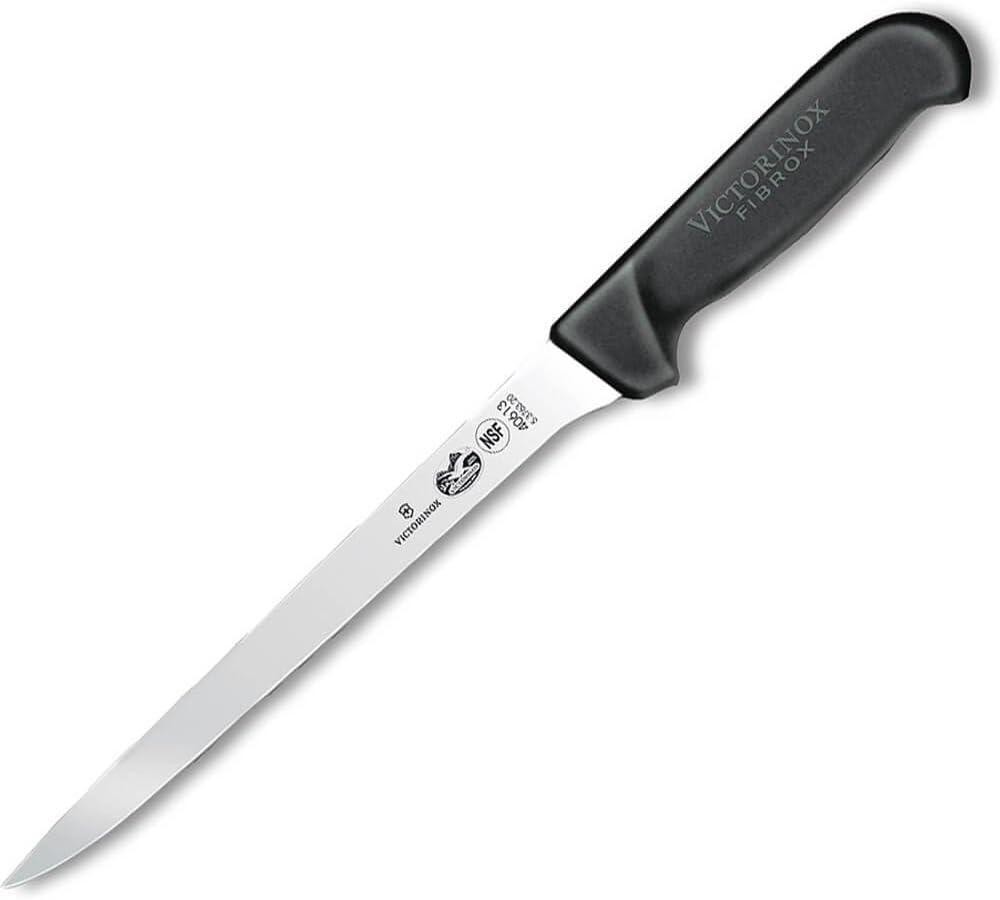 Flexible 8 Inch Fillet Knife Food Service Cookware Preparation Swiss Made[1][2]$45.53View on eBay
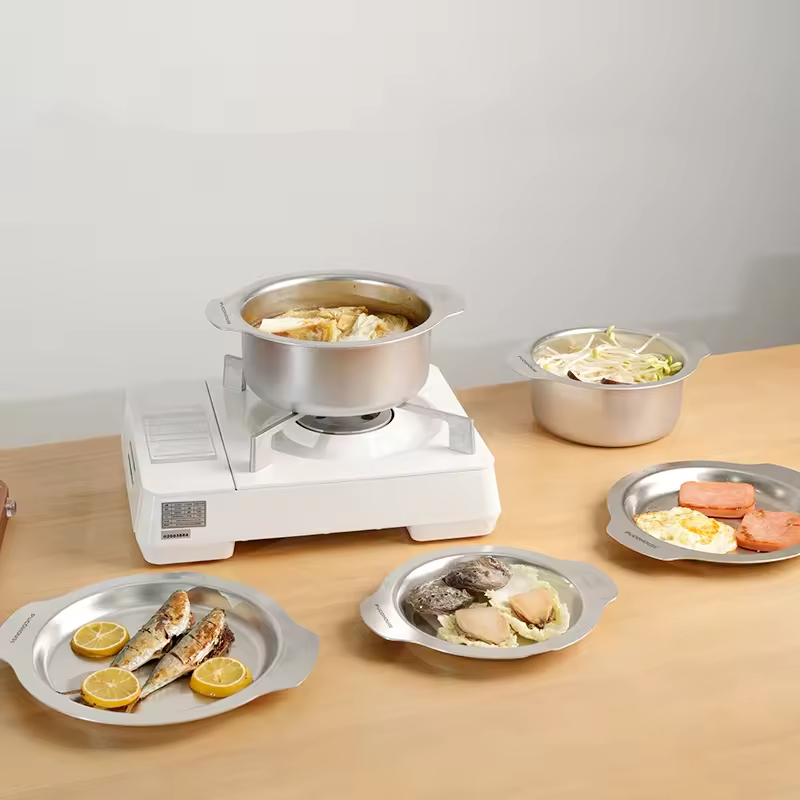 Non-abrasive Stainless Steel Cookware Set With Multifunctional Lids, Suitable For Gas Stoves And Induction Cooktops$76.99View on Mallflare
Highlights
- Steel grade 18/10 (304) contains 10% nickel for superior corrosion resistance; 18/0 (430) is nickel-free, magnetic, but less rust-resistant over decades.
- Fully clad tri-ply bonds an aluminum core between two stainless layers across the entire pan, eliminating hot spots that plague disc-base pans where only the bottom plate conducts heat.
- PTFE non-stick survives higher sustained heat (up to ~500°F) but degrades if overheated empty; ceramic sol-gel coatings are PTFE-free but lose release performance faster, typically within 1-2 years of daily use.
- Induction cooking requires a magnetic base; 18/0 stainless and cast iron are naturally magnetic, while 18/10 stainless needs an added magnetic layer or disc to work on induction cooktops.
Best use cases
- Best fit for daily high-heat searing, deglazing, and metal-utensil use: choose fully clad tri-ply 18/10 stainless steel skillets and saucepans; skip disc-base pans, which warp and hotspot under repeated high heat.
- Best fit for low-heat eggs, pancakes, and delicate fish: choose a PTFE or ceramic non-stick skillet in the 8-10 inch range; skip expensive multi-ply non-stick sets since the coating, not the pan body, determines lifespan.
- Best fit for oven-to-campfire versatility and lifelong durability: choose pre-seasoned cast iron skillets (6/8/10 inch set covers most tasks); skip cast iron if you need lightweight pans or cook acidic tomato sauces frequently.
- Wrong fit for induction cooktops: any pan without a magnetic base, including many 18/10 stainless disc-base pans; verify magnetic attraction with a fridge magnet before buying.
Buying tips
- For induction compatibility, confirm the pan base is magnetic: 18/0 (430) stainless and cast iron always work; 18/10 (304) requires a bonded magnetic layer, so check the base construction, not just the steel grade.
- For even heating without hotspots, prioritize fully clad tri-ply construction over disc-base pans; the aluminum core must run up the sidewalls, not just across the bottom plate.
- For non-stick longevity, expect PTFE to last 3-5 years and ceramic sol-gel 1-2 years with daily use; budget for replacement rather than paying a premium for thick pan bodies under a consumable coating.
- For cast iron, pre-seasoned 6/8/10 inch skillet sets cover most stovetop and oven tasks; bare cast iron requires seasoning maintenance, while enameled cast iron adds acid resistance at higher cost and weight.
Specs
| Steel Grade | 18/10 (304) vs 18/0 (430) |
|---|---|
| Clad Construction | Fully clad tri-ply vs disc base |
| Non-stick Coating | PTFE vs ceramic sol-gel |
| Induction Ready | Magnetic base required |
Related searches
What to check before buying
- Measure your largest burner and oven interior: a 12-inch skillet needs a burner at least 9 inches wide for stable heat, and oven racks must clear the pan plus handle length.
- Confirm your cooktop type: induction requires a magnetic base; glass-ceramic needs flat, warp-resistant bottoms; gas works with any pan but benefits from clad or cast iron for heat retention.
- Check handle and lid compatibility: oven-safe handles rated to 500°F+ for cast iron and clad steel; verify lid diameter matches pan rim (common sizes: 8, 10, 12 inches).
- Assess storage and weight: a 10-inch cast iron skillet weighs 5-8 lbs, and fully clad tri-ply pans are heavier than disc-base; measure cabinet clearance and consider hanging storage.
FAQ
Data sources: eBay / Amazon listings and product attribute feeds. Updated Nov 28, 2026.
Some links on this page are affiliate links. If you buy after clicking one, we may earn a commission at no extra cost to you. This does not change which products appear here or their order. Affiliate disclosure.