
Photos from current listings. Actual item, color, and included accessories may vary.
Microwave Buying Guide
A microwave oven is a cavity-magnetron appliance defined by three build tiers: countertop, over-the-range (OTR), and built-in/under-counter. The core trade-off is between low-wattage solo units (compact, cheap, uneven heating) and inverter or convection models (even heat, browning, higher cost and power draw). The decision rule: buy by cavity size and wattage first, mount type second, and only pay for sensor/inverter features if you routinely reheat diverse foods or bake.
Median $248.99 · New listings
Key takeaways
- Magnetron output wattage is the primary performance metric: 700-800W compact units heat slowly and unevenly; 900-1000W mid-size is the practical reheat sweet spot; 1100W+ handles large loads and convection baking.
- Inverter magnetrons deliver continuous variable power for even defrosting and simmering; conventional transformer units cycle full-power on/off, causing hot spots and overcooked edges.
- OTR microwaves integrate a 300-400 CFM vent hood and require 12-15 inch cabinet depth plus a 30-inch width match to the range below; they also need a dedicated 120V/15A or 20A circuit.
At a glance
- Category
- Microwave Ovens
- Last updated
- Nov 27, 2026
Current offers
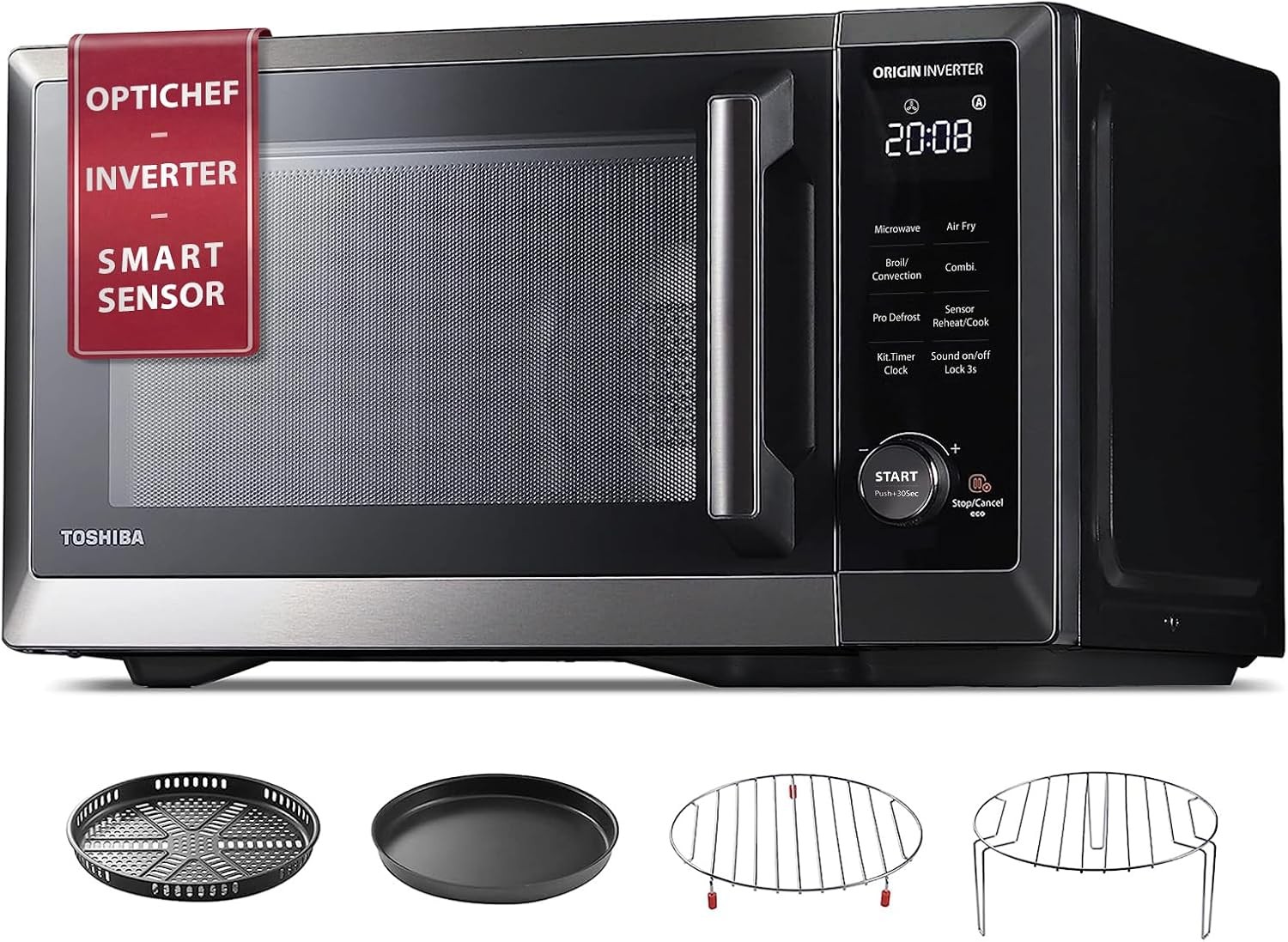 All-in-One Countertop Microwave Air Fryer Combo for Small Kitchens 1.0 Cu.Ft$284.99New · Last checked Nov 26, 2026View on eBay
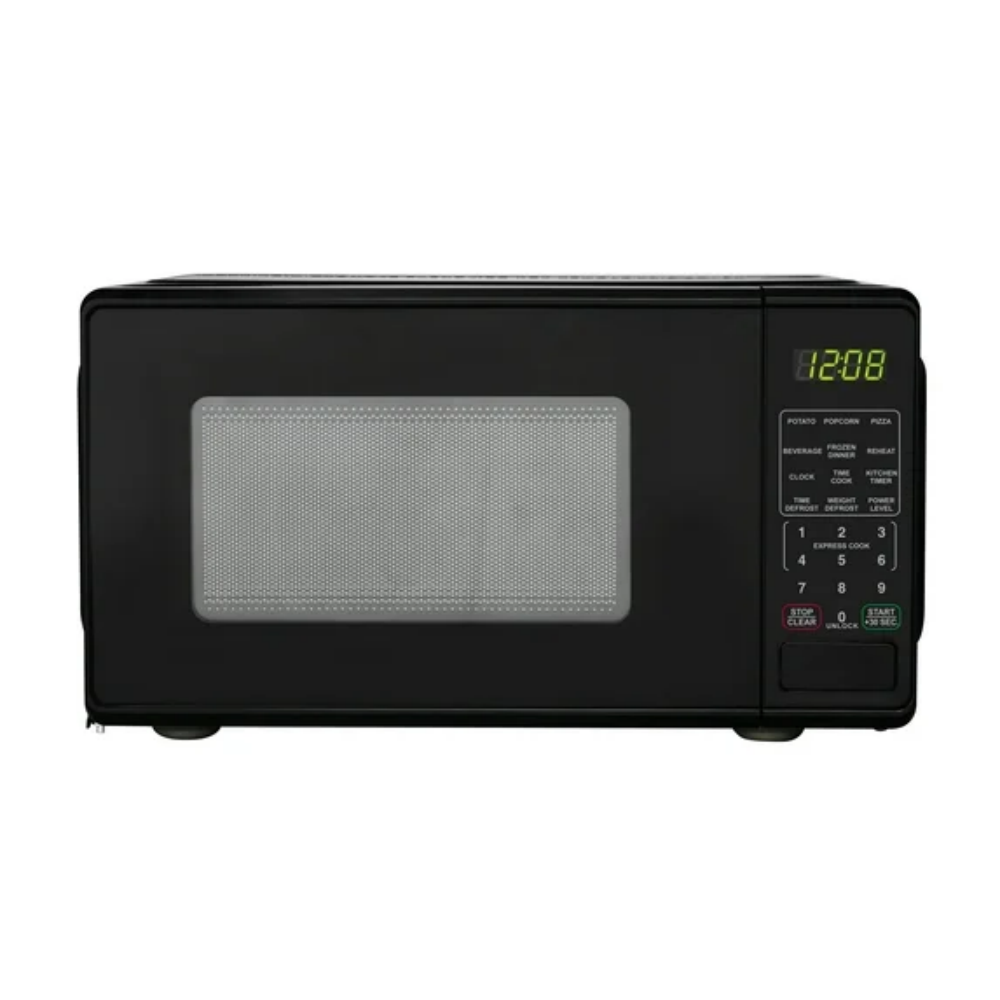 0.7 Cu ft Countertop Microwave Oven, 700 Watts, Black, New$146.99View on Mallflare
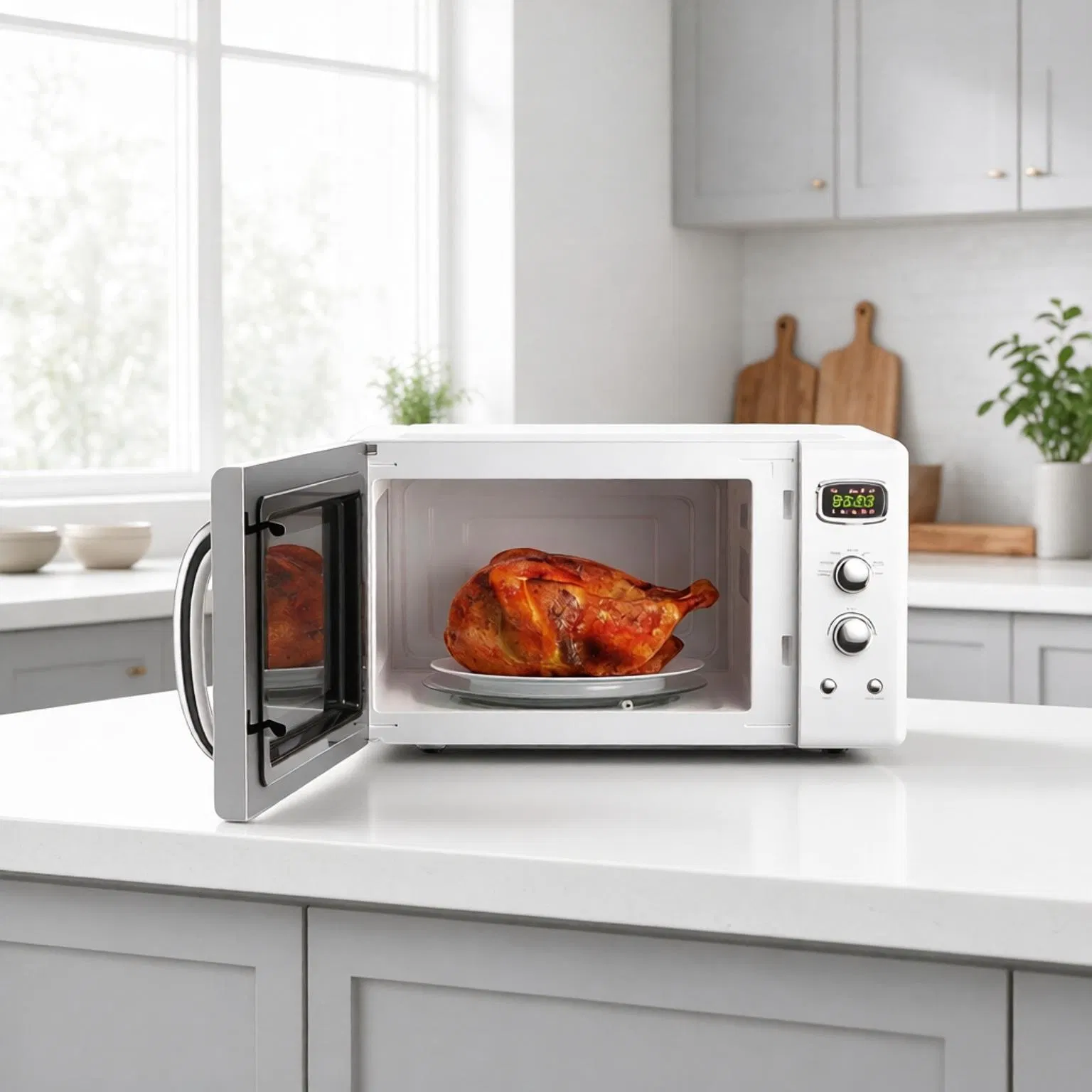 Retro Countertop Compact Microwave Oven, 0.9 Cu.ft Capacity ,Stainless Steel ,Finish Kitchen Appliance, for Home Use$248.99View on Mallflare
Highlights
- Magnetron output wattage is the primary performance metric: 700-800W compact units heat slowly and unevenly; 900-1000W mid-size is the practical reheat sweet spot; 1100W+ handles large loads and convection baking.
- Inverter magnetrons deliver continuous variable power for even defrosting and simmering; conventional transformer units cycle full-power on/off, causing hot spots and overcooked edges.
- OTR microwaves integrate a 300-400 CFM vent hood and require 12-15 inch cabinet depth plus a 30-inch width match to the range below; they also need a dedicated 120V/15A or 20A circuit.
- Sensor cooking uses humidity/temperature feedback to stop at doneness; convection adds a heating element and fan for true baking and crisping, but these tiers roughly double energy draw and unit weight.
Best use cases
- Small kitchens or dorms: pick a 0.7-0.9 cu ft, 700-800W countertop solo unit; skip OTR and convection—they add cost and installation complexity you do not need.
- Replacing a range hood over a standard 30-inch range: choose a 1.6-1.9 cu ft OTR with 300+ CFM venting and match the cabinet depth; skip countertop models that block counter space and lack venting.
- Baking and browning (casseroles, pizza, roasted vegetables): select a convection microwave with 1000W+ and a metal rack; skip solo microwaves, which steam rather than crisp.
- Built-in or under-counter aesthetics: specify a trim-kit-compatible model with front venting and 120V hardwired or plug option; skip standard countertop units that vent rear/side and overheat in enclosed cabinetry.
Buying tips
- Size the cavity to your largest common dish: 0.7 cu ft fits a dinner plate; 1.2 cu ft fits a 9x13 pan; 1.6+ cu ft fits a turkey or large casserole. Measure the turntable diameter, not just exterior width.
- Match wattage to use: 700-800W for reheating and popcorn; 900-1000W for family meals; 1100W+ only if you bake or cook raw foods. Higher wattage draws more current—confirm a 15A dedicated circuit for 1000W+ units.
- For OTR, verify the venting configuration: recirculating (ductless, charcoal filter) vs. external venting (duct to outside). External venting needs a 3.25x10 inch or 6-inch round duct and a 12-15 inch cabinet depth.
- Check door and chassis construction: stainless steel interiors resist stains and heat better than painted steel; sealed-in glass turntables are easier to clean than removable roller rings, which collect debris.
Specs
| Mount Type | Countertop / OTR / Built-in |
|---|---|
| Wattage Tier | 700-800W / 900-1000W / 1100W+ |
| Cavity Size | 0.7-0.9 / 1.2-1.5 / 1.6+ cu ft |
| Heating Tech | Solo / Inverter / Convection |
Related searches
What to check before buying
- Measure the installation cavity: countertop width/depth/height with 2-3 inches clearance on all sides for airflow; OTR requires 30-inch width, 12-15 inch depth, and 16-18 inches clearance above the range.
- Confirm electrical: 120V/60Hz grounded outlet; 1000W+ units may require a 20A circuit—check your breaker. OTR models often need a dedicated 15A or 20A circuit and cannot share with the range.
- Verify venting path for OTR: whether you have existing ductwork to the exterior or must use recirculating mode; recirculating requires charcoal filters replaced every 6-12 months.
- For built-in/under-counter, confirm the trim kit part number is compatible with your exact model and that the unit vents from the front, not the rear or sides.
FAQ
Data sources: eBay / Amazon listings and product attribute feeds. Updated Nov 27, 2026.
Some links on this page are affiliate links. If you buy after clicking one, we may earn a commission at no extra cost to you. This does not change which products appear here or their order. Affiliate disclosure.