
Photos from current listings. Actual item, color, and included accessories may vary.
Microwave Oven Buying Guide
Microwave ovens are countertop, over-the-range, or built-in appliances that heat food via magnetron-generated 2.45 GHz microwaves, with the primary trade-off being wattage/inverter technology vs. cavity size and build quality. The clear decision rule: buy 1000W+ with inverter or flatbed design for even cooking, and skip sub-900W mechanical-dial units unless portability or minimal footprint is the only constraint.
Median $248.99 · New listings
Key takeaways
- Magnetron output wattage (700W–1250W) determines heating speed and evenness; 1000W is the practical floor for raw-food defrosting and full-meal reheating.
- Inverter technology delivers continuous variable power, eliminating the cycling hot/cold spots of traditional transformer-based units at the same wattage.
- Flatbed (no turntable) cavities accept rectangular dishes and simplify cleaning; turntable models remain cheaper but restrict usable volume.
At a glance
- Category
- Microwave Ovens
- Last updated
- Nov 27, 2026
Current offers
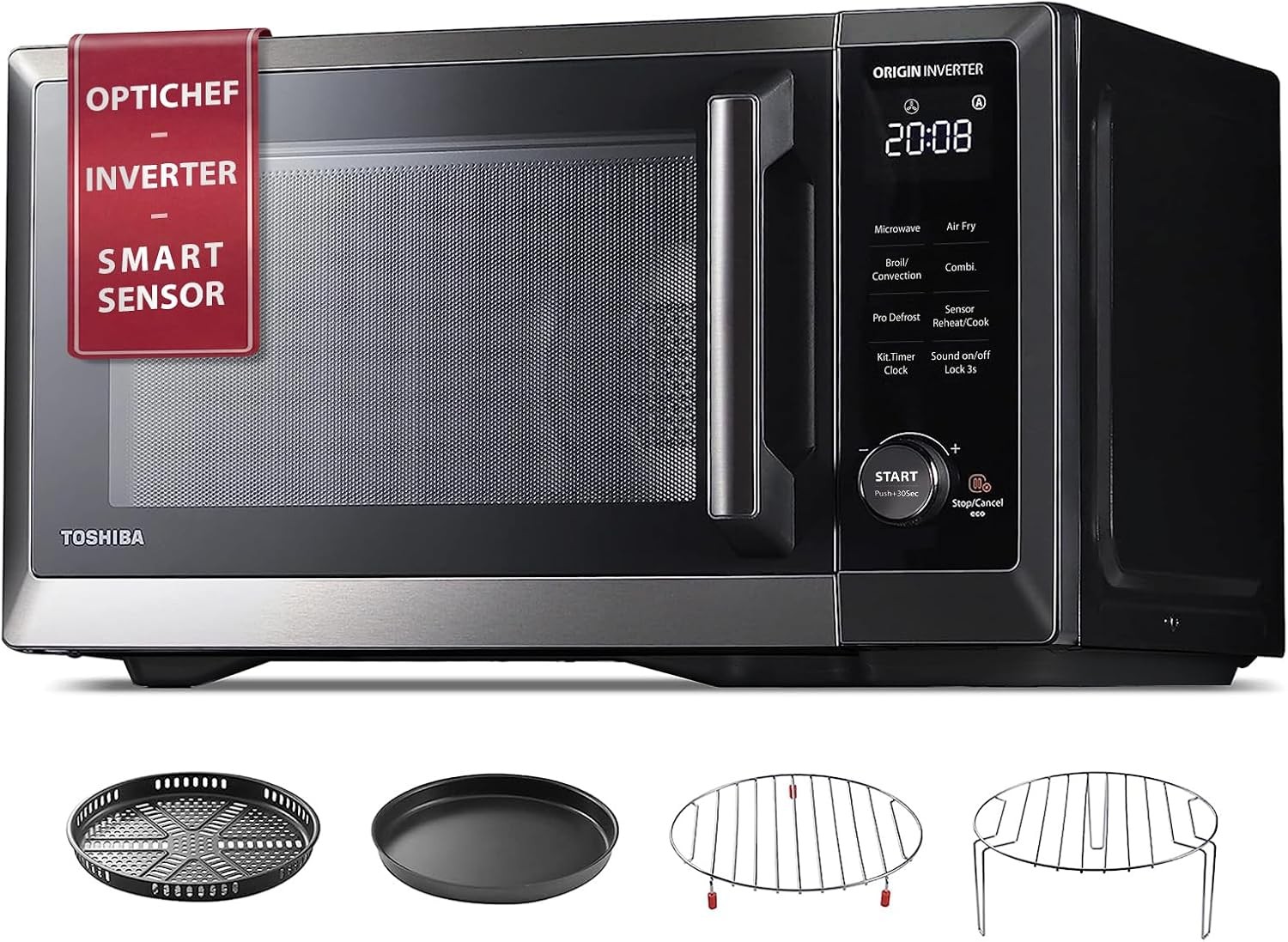 All-in-One Countertop Microwave Air Fryer Combo for Small Kitchens 1.0 Cu.Ft$284.99New · Last checked Nov 26, 2026View on eBay
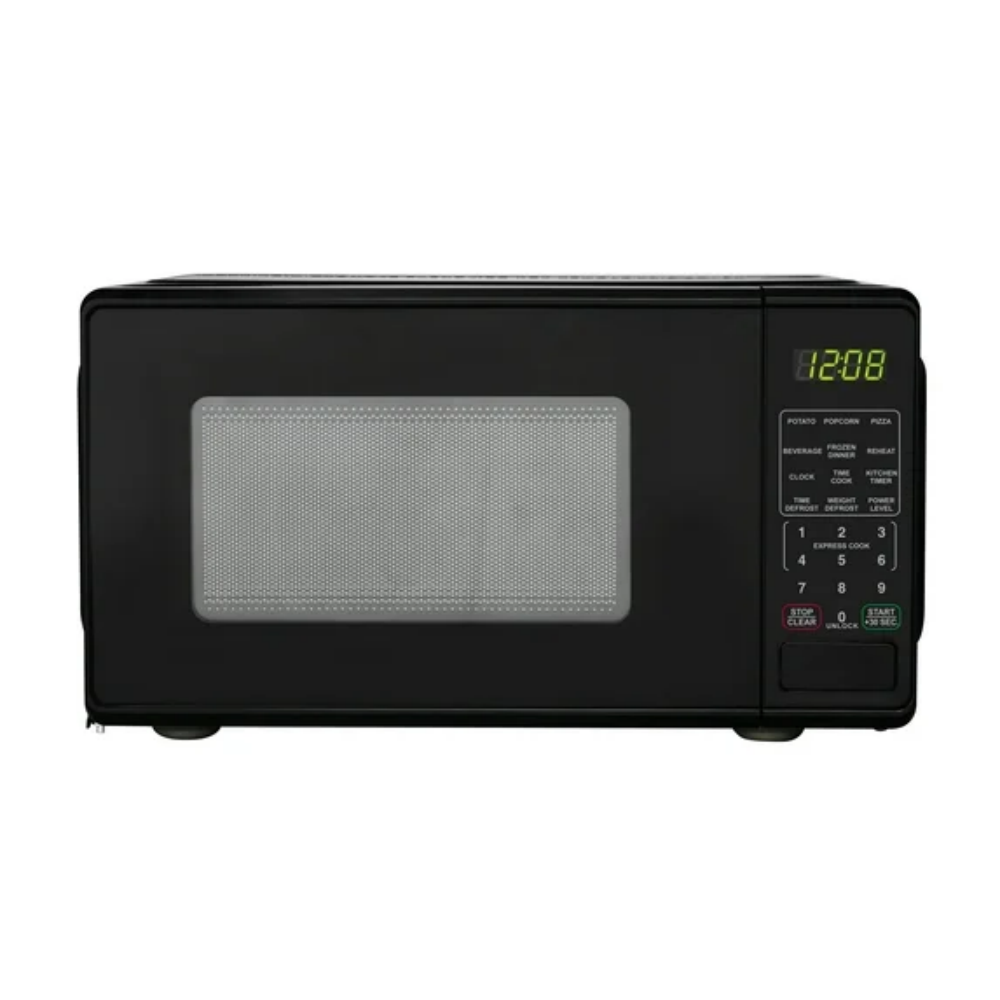 0.7 Cu ft Countertop Microwave Oven, 700 Watts, Black, New$146.99View on Mallflare
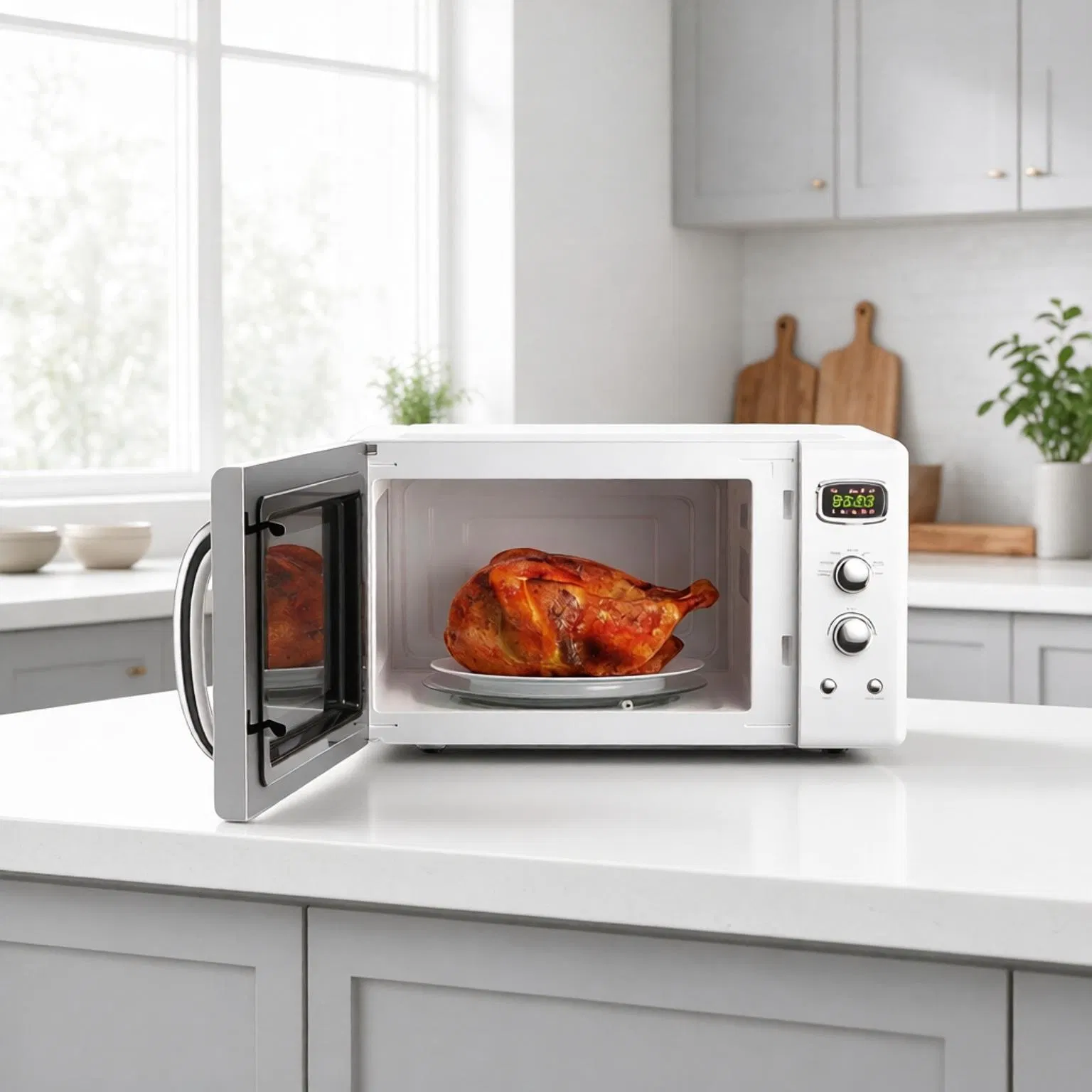 Retro Countertop Compact Microwave Oven, 0.9 Cu.ft Capacity ,Stainless Steel ,Finish Kitchen Appliance, for Home Use$248.99View on Mallflare
Highlights
- Magnetron output wattage (700W–1250W) determines heating speed and evenness; 1000W is the practical floor for raw-food defrosting and full-meal reheating.
- Inverter technology delivers continuous variable power, eliminating the cycling hot/cold spots of traditional transformer-based units at the same wattage.
- Flatbed (no turntable) cavities accept rectangular dishes and simplify cleaning; turntable models remain cheaper but restrict usable volume.
- Over-the-range (OTR) units require 13–16 inch clearance above the cooktop and a dedicated 120V/15A circuit, plus compatible cabinet depth and venting configuration.
Best use cases
- Choose a 1000–1200W inverter countertop model with 1.2–1.6 cu ft cavity for daily family reheating and defrosting; skip 700W mechanical-dial units, which heat unevenly and struggle with dense foods.
- Choose a 0.7–0.9 cu ft low-wattage (700–900W) unit only for office breakrooms, dorm rooms, or RV/marine use where footprint and amperage matter more than speed.
- Choose an OTR model with integrated vent hood (300–400 CFM) when replacing a range hood and cabinet cutout matches; skip OTR if cabinet depth is under 12 inches or no external vent path exists.
- Choose a built-in trim-kit model only when cabinetry is already framed to the manufacturer's cutout spec; skip universal trim kits, which rarely seal correctly across brands.
Buying tips
- Match wattage to use: 700–900W for reheating only, 1000–1200W for raw defrosting and cooking, 1250W+ for commercial or large-batch use.
- Size the cavity by interior dimensions, not advertised cubic feet: a 1.2 cu ft unit typically fits a 9x13 inch dish; 0.7 cu ft fits only 8-inch plates.
- Confirm the electrical circuit: most countertop units draw 12–15A at 120V; OTR and built-in units may require a dedicated 20A circuit.
- Prefer inverter models when cooking fish, vegetables, or defrosting meat; traditional transformer units cycle full-power bursts and cause edge overcooking.
Specs
| Wattage Tier | 700–900W / 1000–1200W / 1250W+ |
|---|---|
| Power System | Inverter vs transformer cycling |
| Cavity Type | Flatbed vs turntable |
| Install Type | Countertop / OTR / built-in trim kit |
Related searches
What to check before buying
- Measure counter depth and height clearance: allow 3 inches rear and 4 inches top/side ventilation for countertop units.
- For OTR: verify cabinet width (typically 30 inches), depth (12–13 inches), and that the existing vent path exits outside or recirculates with a charcoal filter.
- Check plate and dish sizes against interior dimensions: turntable diameter must exceed your largest plate by at least 1 inch.
- Confirm voltage and plug standard: North American units are 120V/60Hz with NEMA 5-15P; export or marine units may be 220–240V.
FAQ
Data sources: eBay / Amazon listings and product attribute feeds. Updated Nov 27, 2026.
Some links on this page are affiliate links. If you buy after clicking one, we may earn a commission at no extra cost to you. This does not change which products appear here or their order. Affiliate disclosure.