
Photos from current listings. Actual item, color, and included accessories may vary.
Drinking Water Filter Buying Guide
Drinking water filters span under-sink reverse osmosis systems, inline RV/boat cartridges, and countertop gravity purifiers, each defined by the contaminants it removes and its installation footprint. The core trade-off is filtration stages and membrane quality versus flow rate, wastewater ratio, and plumbing complexity. Buy a system whose certified contaminant list matches your water source, and skip any filter that cannot state its micron rating or membrane type.
Median $128.79 · Pre-owned listings
Key takeaways
- RO systems are rated by membrane output in gallons per day (GPD) and stage count; a 6-stage unit adds alkaline or remineralization cartridges after the RO membrane to raise pH and restore taste.
- Inline RV filters are rated by gallons of capacity (e.g. 1057 gallons) and connect via garden-hose thread (GHT) fittings; they reduce sediment, chlorine, and odor but do not remove dissolved salts or heavy metals.
- Hollow-fiber ultra-filtration cartridges filter down to about 0.01-0.1 micron, removing bacteria and cysts while retaining dissolved minerals; they do not soften water or remove nitrates.
At a glance
- Category
- Water Filtration
- Last updated
- Nov 27, 2026
Current offers
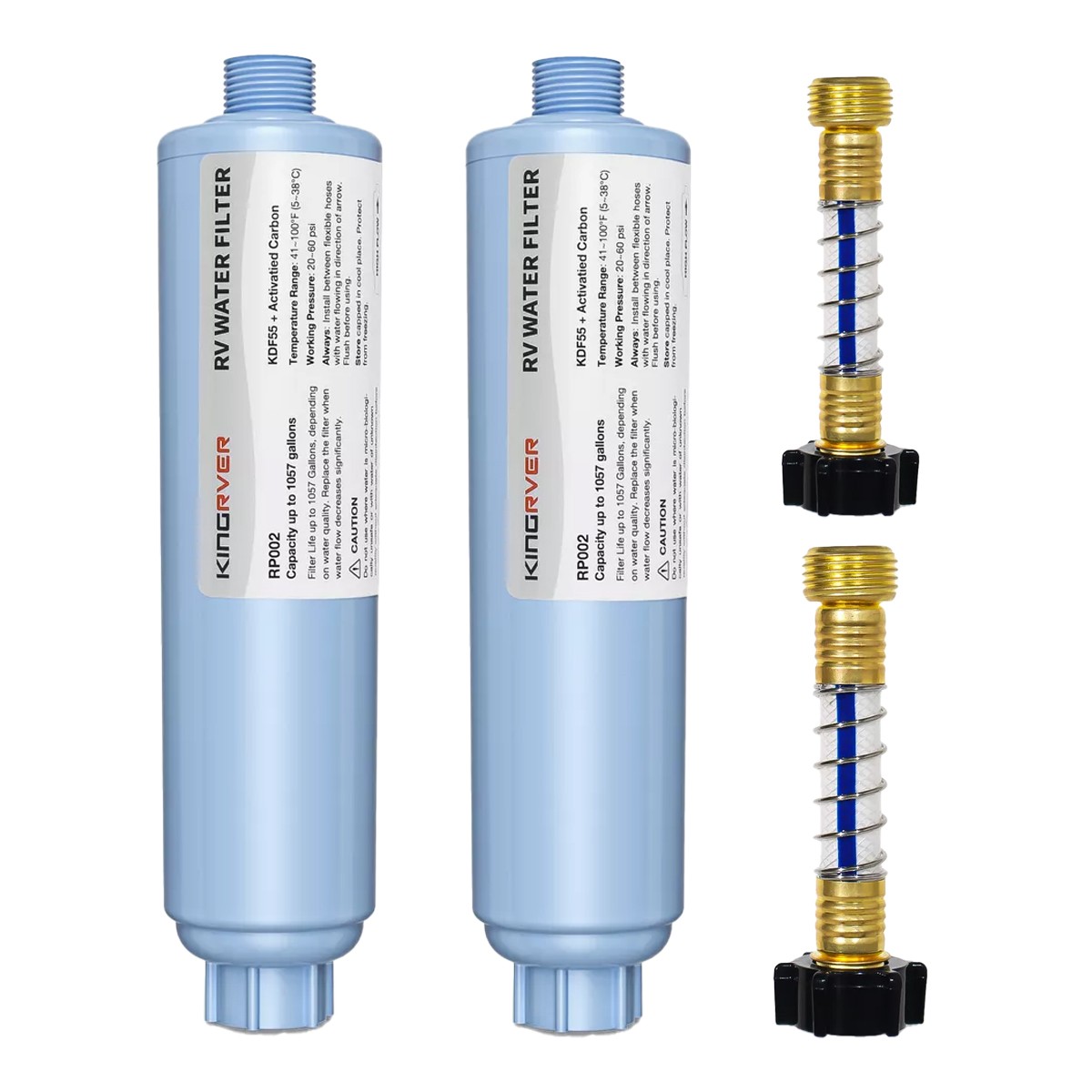 2 Pack RV Inline Water Filter w/Flexible Hose for Drinking & Washing Filter$17.99View on eBay
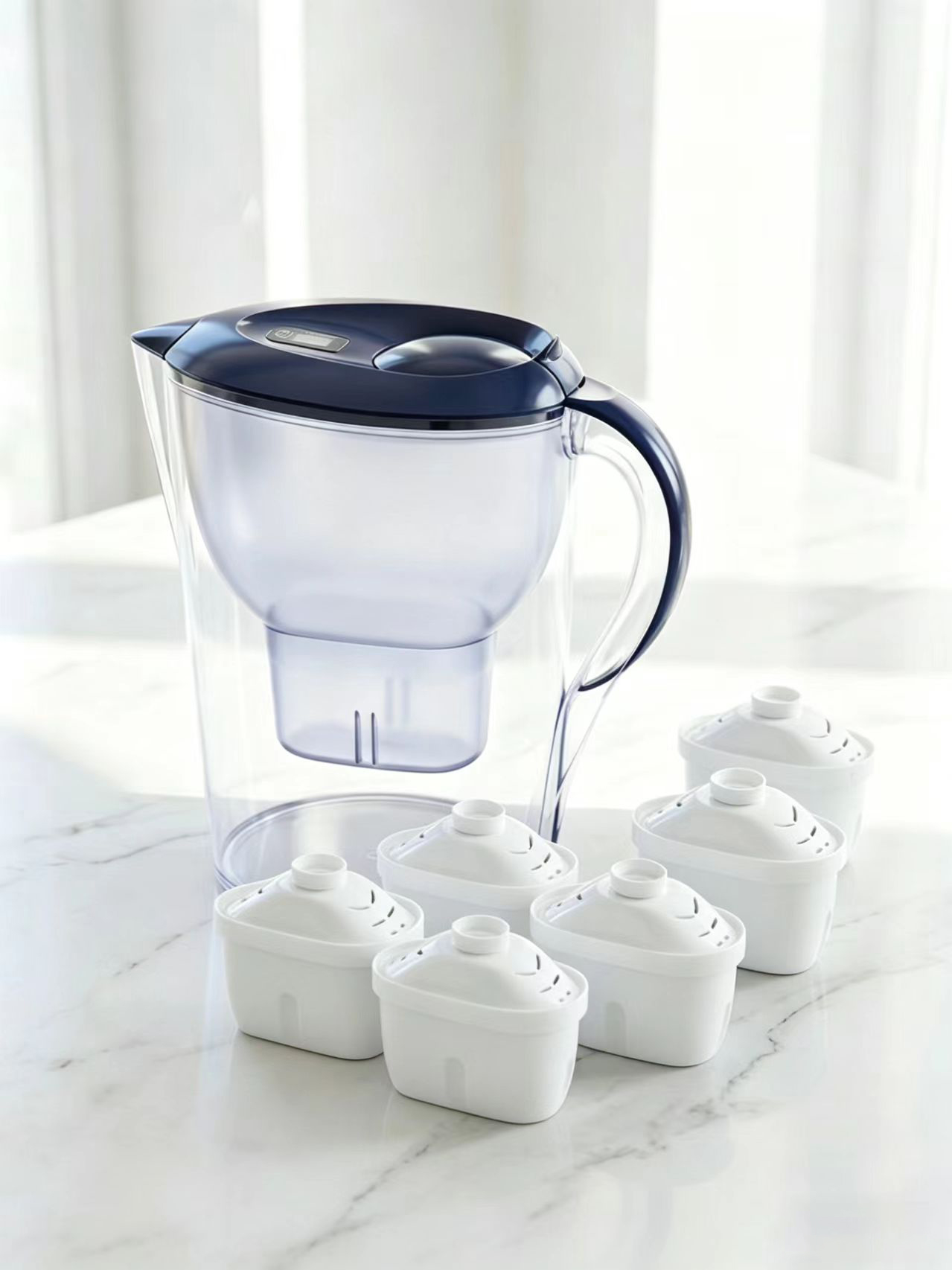 10-Cup 3.5L BPA-Free Water Filter Pitcher With 4 Filters, Reduces TDS For Clean Drinking Standard Fridge Size$30.99View on Mallflare
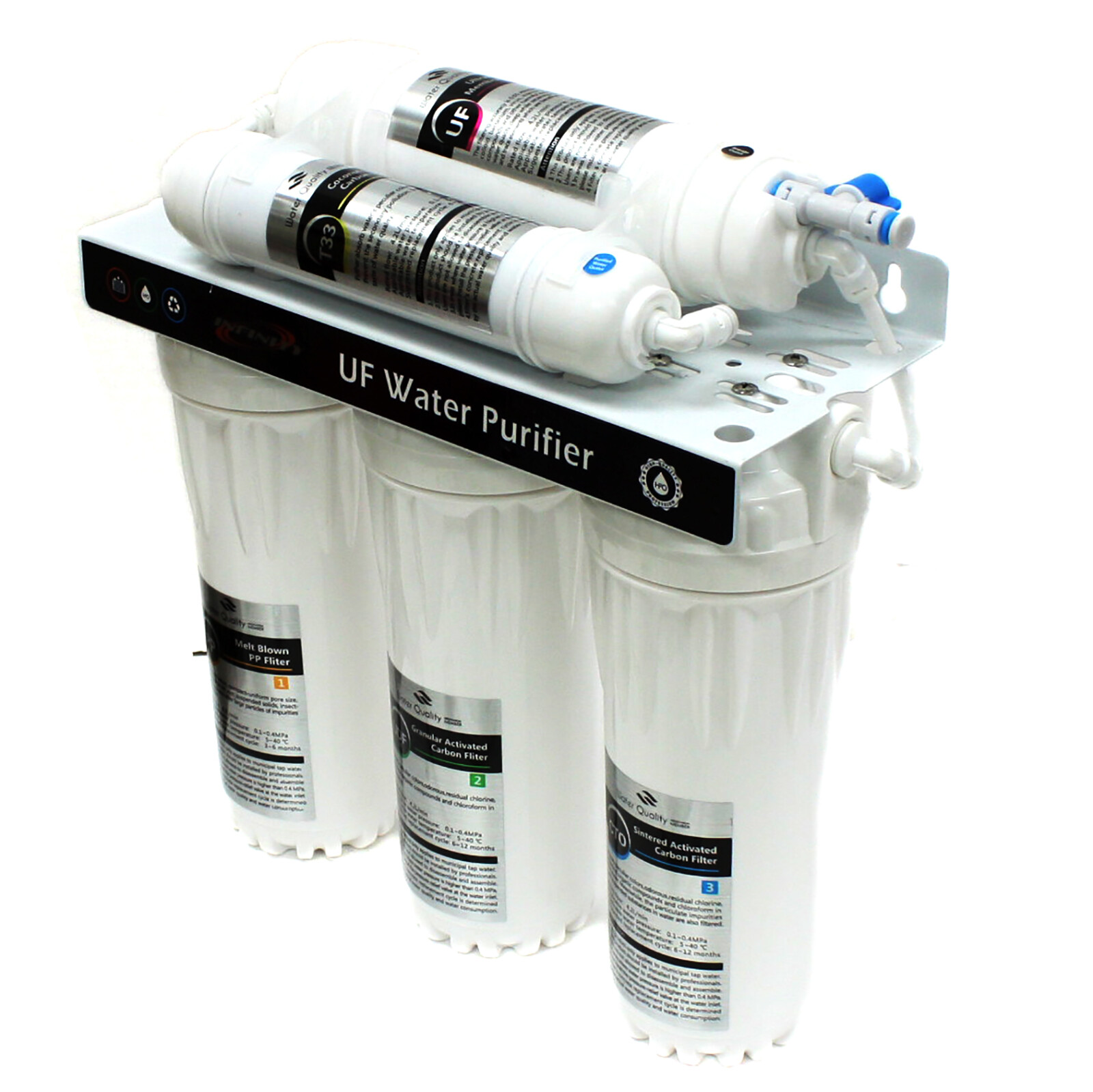 5 Stage Home Drinking Water Filter Purifier Ultra-filtration Fiber Hollow System$68.99View on eBay
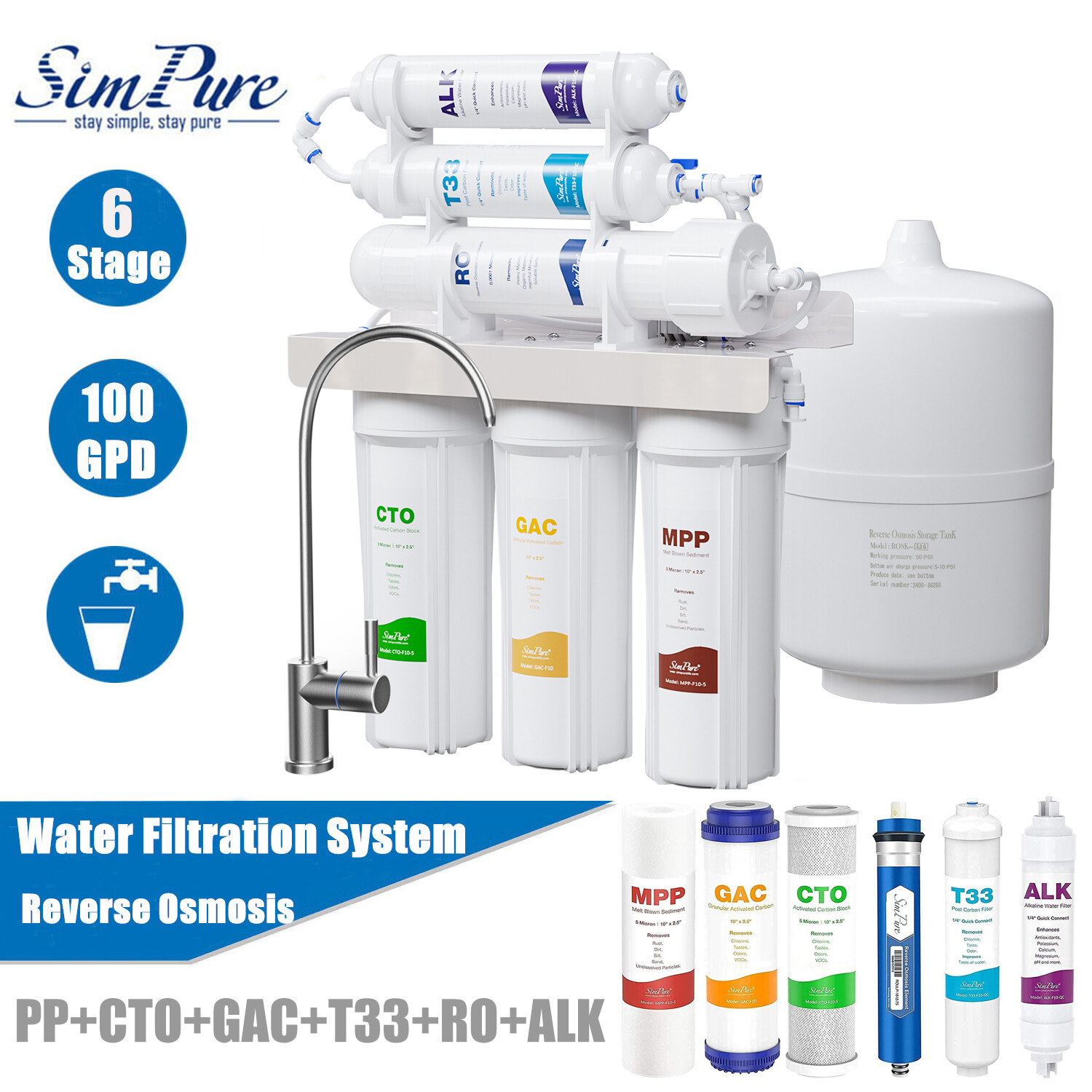 100 GPD 6 Stage Alkaline Reverse Osmosis Drinking Water Filter System Purifier$128.79Last checked Nov 18, 2026View on eBay
- 6 Stage 100GPD Alkaline RO Reverse Osmosis Drinking Water Filter System Purifier$128.79View on eBay
- 6 Stage 100 GPD Reverse Osmosis System Alkaline Drinking Water Filter Purifier$129.19View on eBay
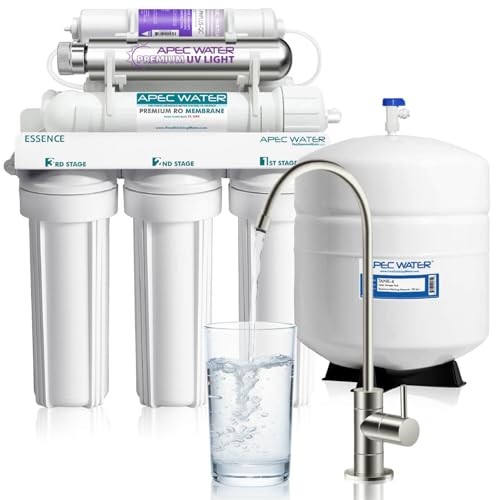 APEC WATER WQA CERTIFIED 7-STAGE DRINKING WATER FILTER SYSTEM BRUSHED NICKEL$274.90Open box · Last checked Nov 24, 2026View on eBay
Highlights
- RO systems are rated by membrane output in gallons per day (GPD) and stage count; a 6-stage unit adds alkaline or remineralization cartridges after the RO membrane to raise pH and restore taste.
- Inline RV filters are rated by gallons of capacity (e.g. 1057 gallons) and connect via garden-hose thread (GHT) fittings; they reduce sediment, chlorine, and odor but do not remove dissolved salts or heavy metals.
- Hollow-fiber ultra-filtration cartridges filter down to about 0.01-0.1 micron, removing bacteria and cysts while retaining dissolved minerals; they do not soften water or remove nitrates.
- Carbon block stage quality determines chlorine, VOC, and taste/odor removal; solid carbon block outperforms granular activated carbon because it prevents channeling and bypass.
Best use cases
- Choose a 5-6 stage 100 GPD RO system if you are on municipal water with acceptable pressure and want drinking water at a dedicated faucet with reduced TDS, lead, and nitrates; skip it if you lack under-sink space or a drain connection.
- Choose an inline GHT cartridge (around 1057-gallon capacity) for RV, boat, or campsite hookups where you need portable chlorine and sediment reduction; skip it if your water is microbiologically unsafe or heavily mineralized.
- Choose a hollow-fiber ultra-filtration system if you want bacteria and cyst removal without wastewater and without stripping minerals; skip it if you need nitrate, arsenic, or TDS reduction, which require RO.
- Choose a countertop gravity or pitcher filter for renters and small kitchens needing basic chlorine and taste improvement; skip it for well water with bacteria or high nitrate, where certified RO or UV is required.
Buying tips
- Match RO membrane GPD to household size: 50-75 GPD serves 1-3 people, 100 GPD serves 3-5, and 150+ GPD suits large households or simultaneous kitchen and fridge use.
- Check that the system uses standard-sized cartridges (10-inch or 11-inch inline) so replacements are widely available; proprietary cartridges lock you into one vendor.
- For RV inline filters, confirm 3/4-inch GHT male/female ends and a 1057-gallon or similar rated capacity; replace at that gallon mark or annually, whichever comes first.
- Verify third-party certification (NSF/ANSI 42 for taste and chlorine, 53 for health contaminants, 58 for RO) rather than relying on stage count alone; uncertified multi-stage systems may not meet claimed reduction.
Specs
| Filtration Type | RO / UF / Carbon / Inline GHT |
|---|---|
| Membrane Output | 50-150 GPD (RO systems) |
| Stage Count | 3-6 stages; 6 adds alkaline |
| Cartridge Standard | 10-11 in inline / proprietary |
Related searches
What to check before buying
- Measure under-sink cabinet width, height, and depth against the RO system footprint, and confirm a drain saddle and faucet hole (1.25-1.5 inch) can be installed.
- Test incoming water pressure; RO membranes need at least 40 psi to produce rated GPD, so a booster pump is required below that threshold.
- Check your water source: municipal chlorinated water suits carbon and RO, while well water requires a bacterial test before choosing between UF, UV, or RO.
- Confirm electrical outlet availability if the system includes a booster pump, UV lamp, or alkaline remineralization pump; passive stages need no power.
FAQ
Data sources: eBay / Amazon listings and product attribute feeds. Updated Nov 27, 2026.
Some links on this page are affiliate links. If you buy after clicking one, we may earn a commission at no extra cost to you. This does not change which products appear here or their order. Affiliate disclosure.