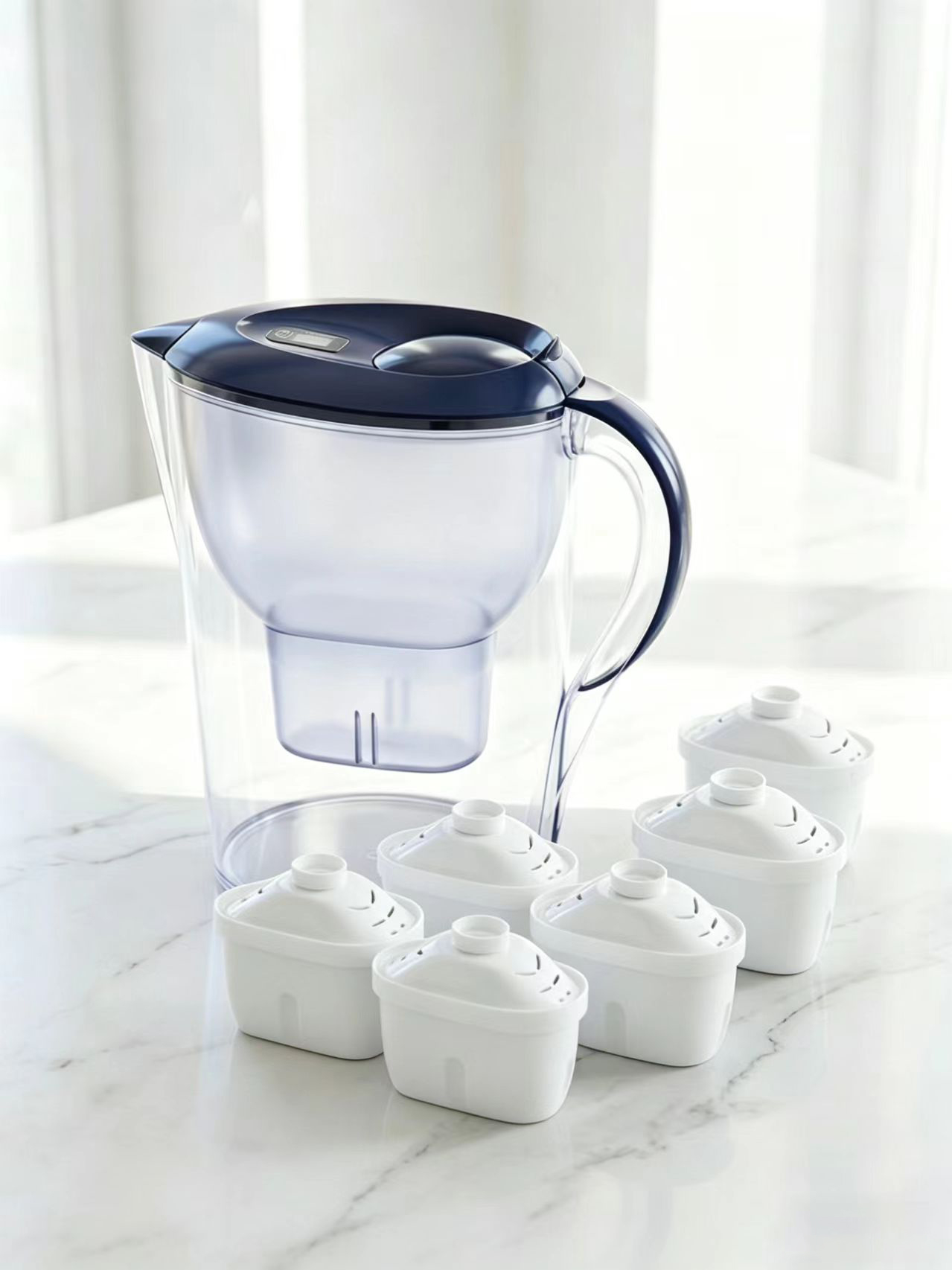

Photos from current listings. Actual item, color, and included accessories may vary.
Fridge Water Filter Buying Guide
Fridge water filters are carbon-block cartridges that replace OEM or compatible units in refrigerator dispensers to reduce chlorine, sediment, and taste/odor. The primary trade-off is between genuine OEM filters with certified fit and third-party compatible cartridges using generic carbon blocks that may bypass safety certifications. A durable choice is a certified filter (NSF/ANSI 42 and 53) with an exact model match and a secure twist-lock or push-in connector; a compromise is an uncertified universal-fit filter that risks leaks or bypass.
Median $34.69
Key takeaways
- Carbon block pore rating of 0.5–5 microns determines sediment and cyst reduction; granular carbon only handles taste/odor.
- NSF/ANSI 42 covers chlorine taste/odor; NSF/ANSI 53 covers health contaminants like lead and cysts—look for both on the label.
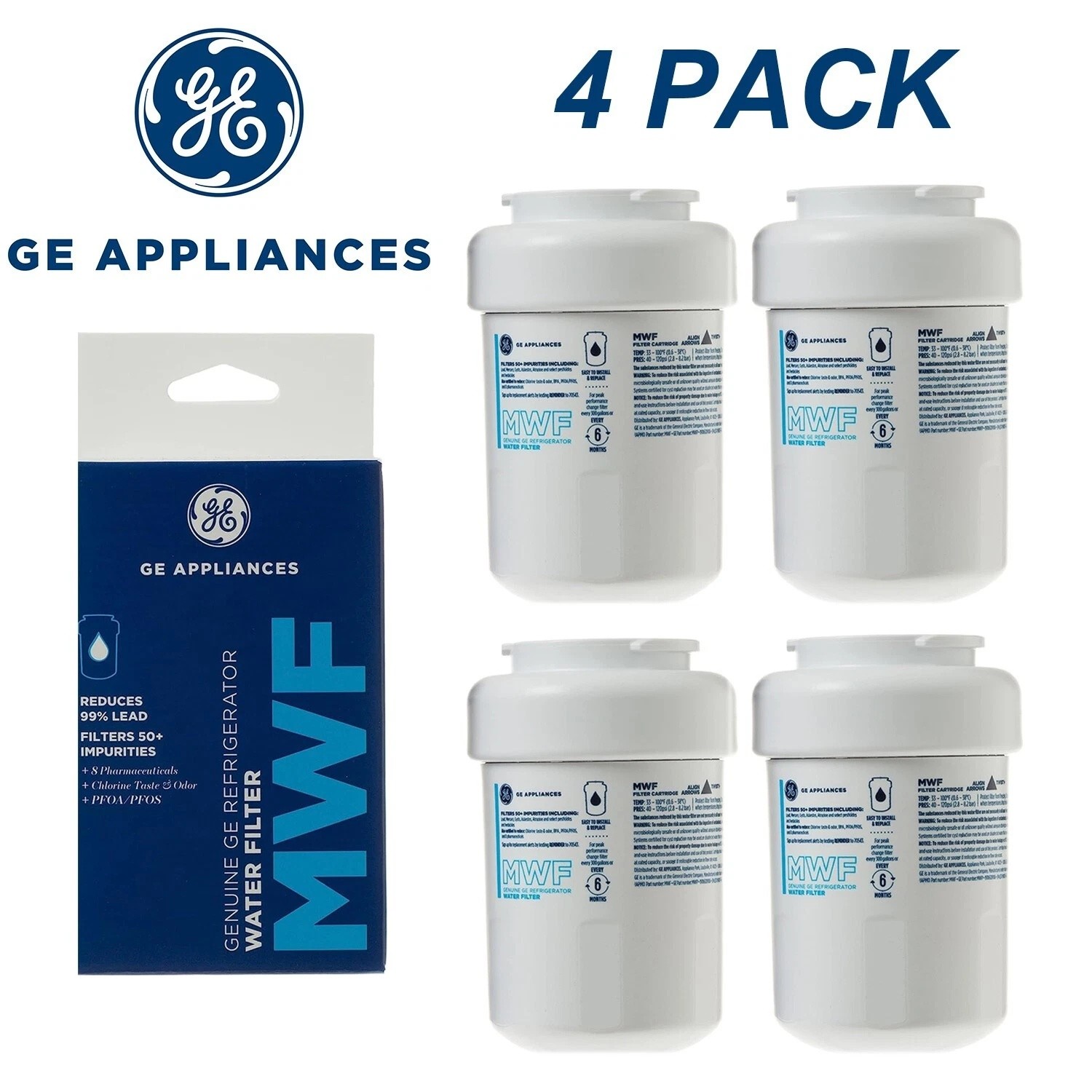
- OEM filters use model-specific end caps and O-rings (e.g., GE MWF twist-lock vs. push-in styles) to prevent cross-model leaks.
At a glance
- Category
- Water Filtration
- Last updated
- Nov 28, 2026
Current offers
Highlights
- Carbon block pore rating of 0.5–5 microns determines sediment and cyst reduction; granular carbon only handles taste/odor.
- NSF/ANSI 42 covers chlorine taste/odor; NSF/ANSI 53 covers health contaminants like lead and cysts—look for both on the label.
- OEM filters use model-specific end caps and O-rings (e.g., GE MWF twist-lock vs. push-in styles) to prevent cross-model leaks.
- Capacity is rated in gallons (typically 200–500 gallons) or months (6 months); flow rate drops as the block loads with sediment.
Best use cases
- Best fit: household with a GE, Whirlpool, or Samsung fridge using a twist-lock cartridge — buy the exact OEM model or a certified compatible with matching connector geometry.
- Wrong fit: fridge with an inline push-in filter behind the crisper — skip twist-lock cartridges; you need a push-in style with retaining clip.
- Best fit: municipal water with chlorine taste — a basic NSF/42 carbon block at 6-month intervals is sufficient; skip expensive multi-stage units.
- Wrong fit: well water with sediment or bacteria — skip fridge filters alone; use a whole-house sediment prefilter and UV, then a fridge filter for polishing.
Buying tips
- Match the cartridge connector exactly: twist-lock (quarter-turn bayonet) vs. push-in (quick-connect) vs. threaded; wrong style will not seal.
- Verify certification: genuine NSF/ANSI 42 and 53 logos on the cartridge label; uncertified compatibles may use loose carbon that channels and bypasses.
- Replace every 6 months or at rated gallon capacity (e.g., 300 gallons), whichever comes first; waiting longer risks bacterial growth in the block.
- For multi-pack compatibles, confirm each cartridge is individually sealed and has the same O-ring durometer; dried or undersized O-rings cause drips.
Specs
| Filtration Media | Carbon block vs granular carbon |
|---|---|
| Certification | NSF/ANSI 42 & 53 vs 42 only |
| Connector Type | Twist-lock / push-in / threaded |
| Capacity | 200–500 gal or 6 months |
Related searches
What to check before buying
- Measure the filter housing recess: twist-lock cartridges require 3–4 inches of clearance above the housing to rotate; push-in needs side access.
- Confirm fridge model number (not just brand) on the rating plate inside the door; cross-reference the OEM part number exactly.
- Check water line pressure: 30–100 psi is the typical operating range; above 100 psi requires a pressure regulator before the filter.
- Verify the filter head O-ring groove is clean and undamaged; a cracked head will leak regardless of cartridge quality.
FAQ
Data sources: eBay / Amazon listings and product attribute feeds. Updated Nov 28, 2026.
Some links on this page are affiliate links. If you buy after clicking one, we may earn a commission at no extra cost to you. This does not change which products appear here or their order. Affiliate disclosure.