
Photos from current listings. Actual item, color, and included accessories may vary.
Reverse Osmosi System With Booster Pump Buying Guide
A reverse osmosis system with a booster pump solves the low-pressure problem that cripples standard RO membranes in many homes, but the pump adds its own selection rules around pressure, tank sizing, and noise. Choose a pump-equipped unit when your incoming water pressure sits below the membrane's sweet spot, and skip it only if you have verified high pressure and a permeate pump already in place.
Median $140.20 · Pre-owned listings
Key takeaways
- Booster pumps raise feed pressure to the 60–80 psi range most residential RO membranes need to hit rated recovery and rejection rates.
- Pump-equipped systems typically use either a diaphragm pump or a rotary vane pump, with rotary vane units running quieter and lasting longer under continuous duty.
- A permeate pump is not a booster pump: it recovers waste-water energy to improve tank fill and reduce drain flow, but it cannot raise low feed pressure.
At a glance
- Category
- Water Filtration
- Last updated
- Nov 27, 2026
Current offers
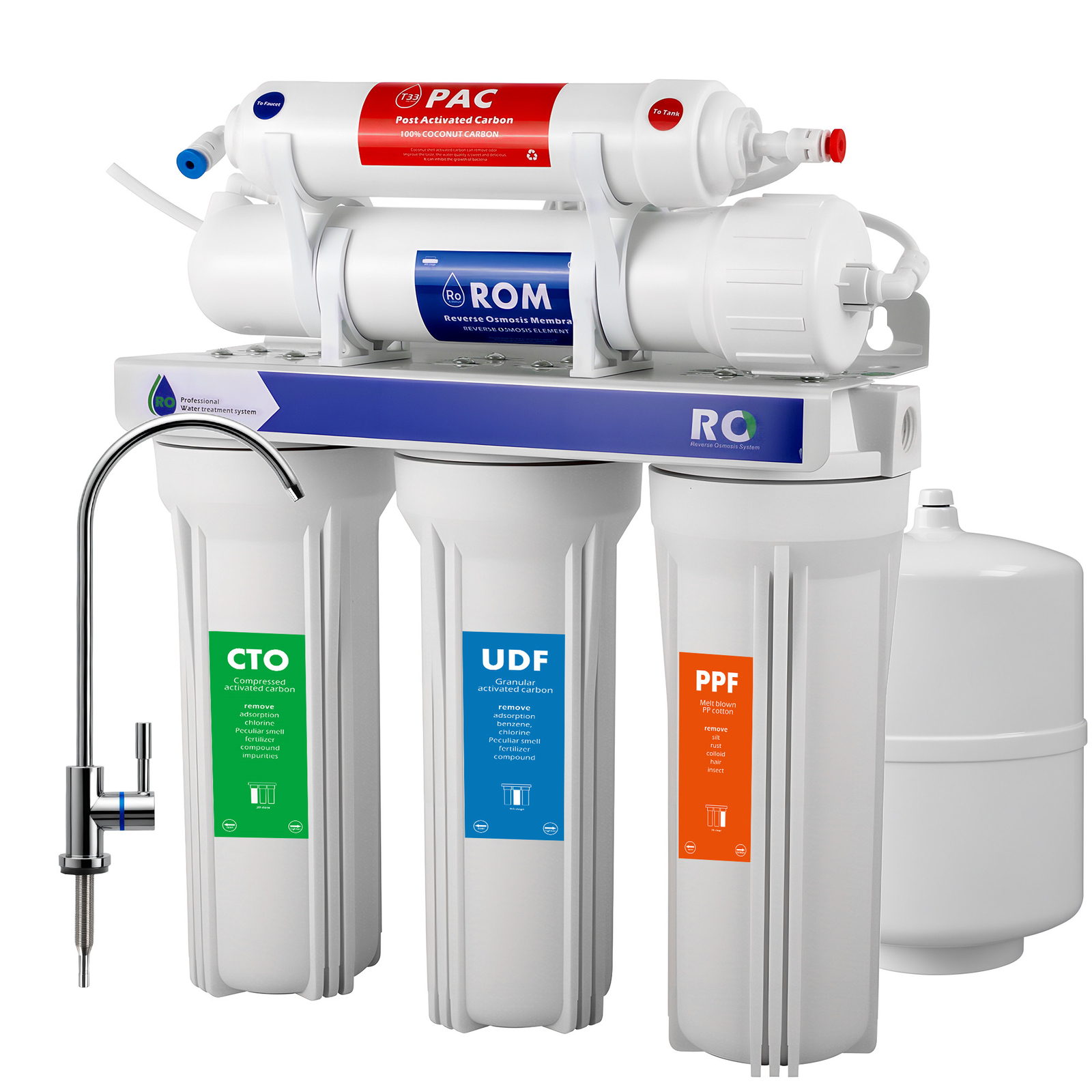 5 Stage Reverse Osmosis Water Filtration System Purifier Home Drinking 75 GPD$109.33View on eBay
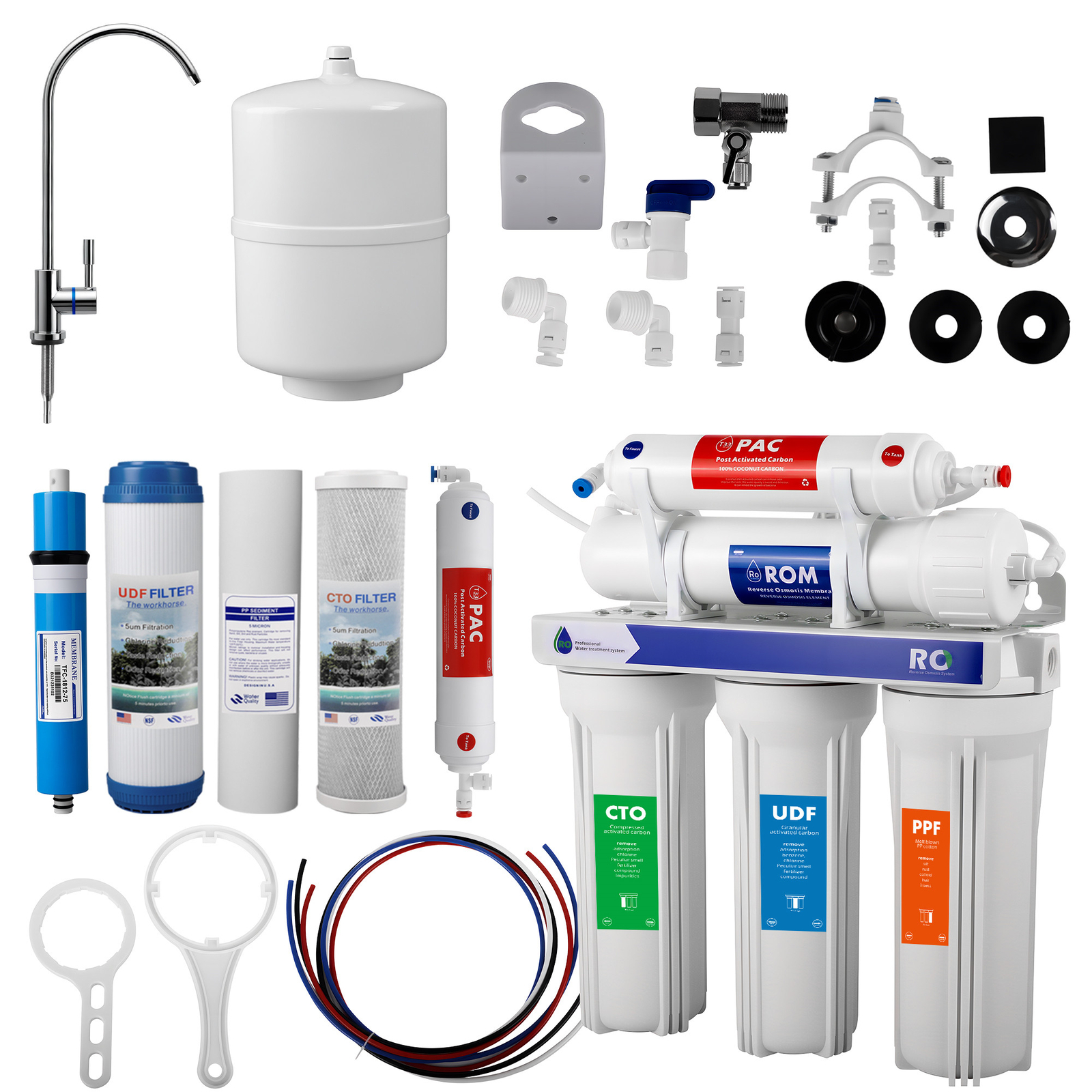 5 Stage Reverse Osmosis Water Filtration System 75 GPD 300L Filters Purifier USA$109.90View on eBay
- 5 Stage Reverse Osmosis Water Filtration System Home Drinking Purifier 75 GPD$115.50Last checked Nov 19, 2026View on eBay
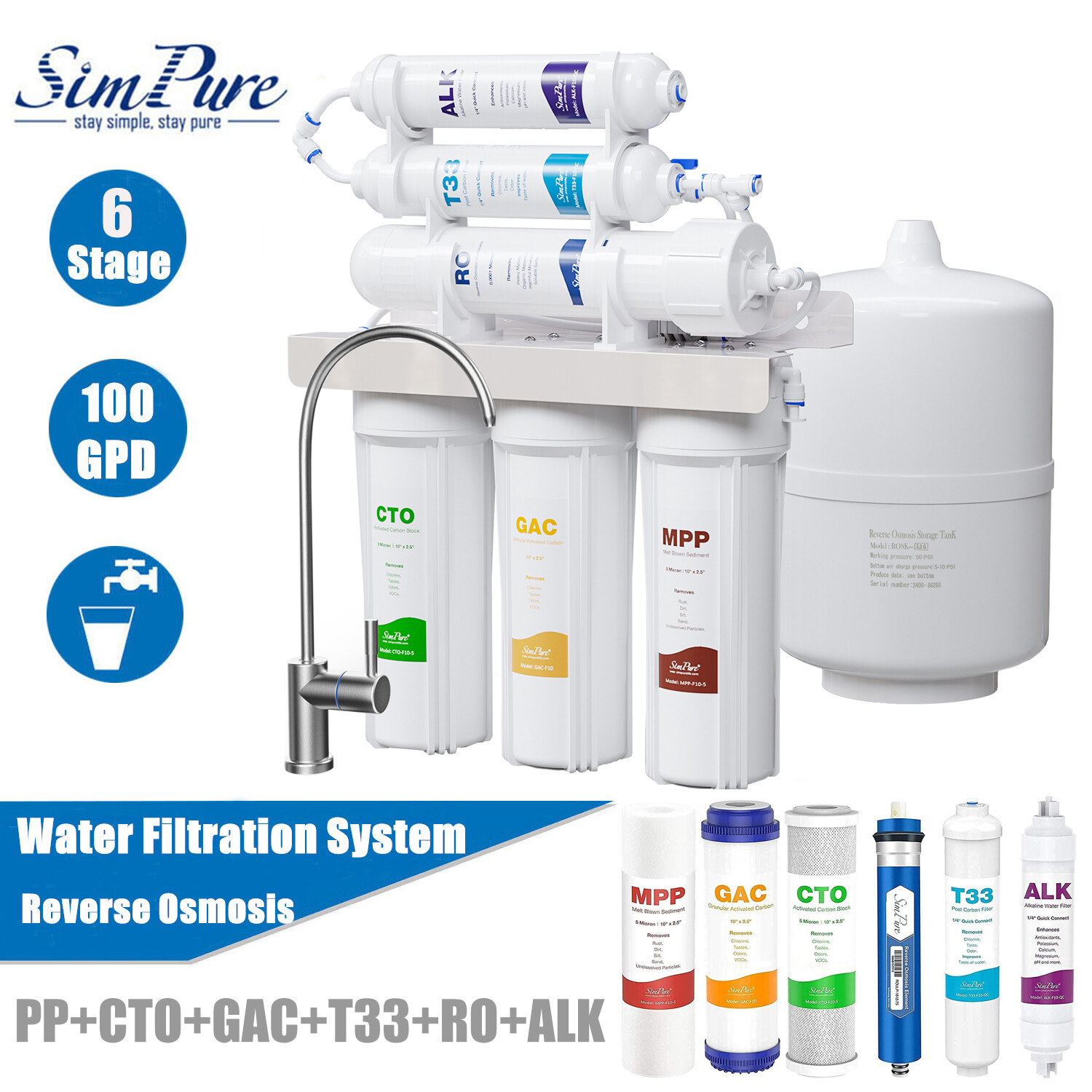 100 GPD 6 Stage Alkaline Reverse Osmosis Drinking Water Filter System Purifier$128.79Last checked Nov 18, 2026View on eBay
- 6 Stage 100GPD Alkaline RO Reverse Osmosis Drinking Water Filter System Purifier$128.79View on eBay
- 6 Stage 100 GPD Reverse Osmosis System Alkaline Drinking Water Filter Purifier$129.19View on eBay
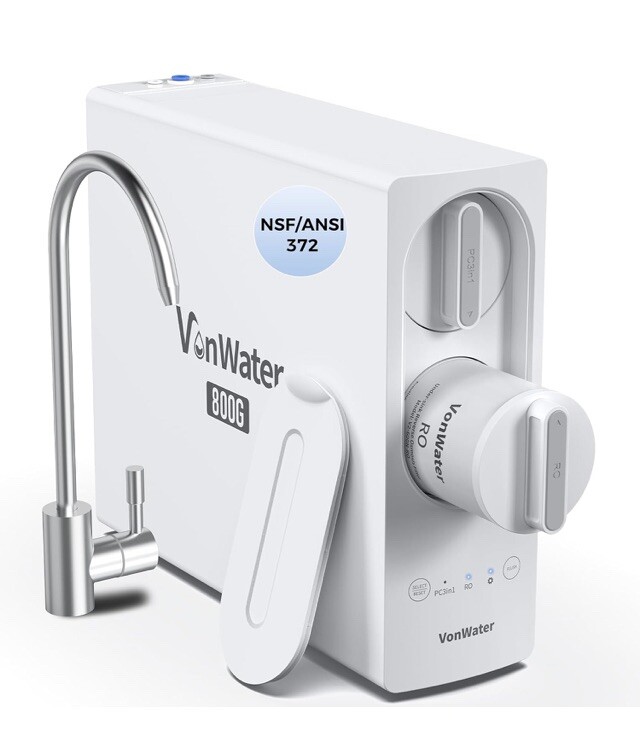 800GPD Tankless Reverse Osmosis Water Filter System high Flow UnderSink-VonWater$151.20Last checked Nov 19, 2026View on eBay
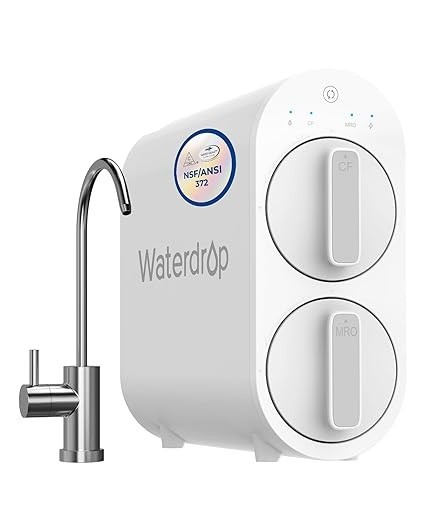 Waterdrop G2 Reverse Osmosis System, 7 Stage Tankless RO Water Filter System$169.00Last checked Nov 18, 2026View on eBay
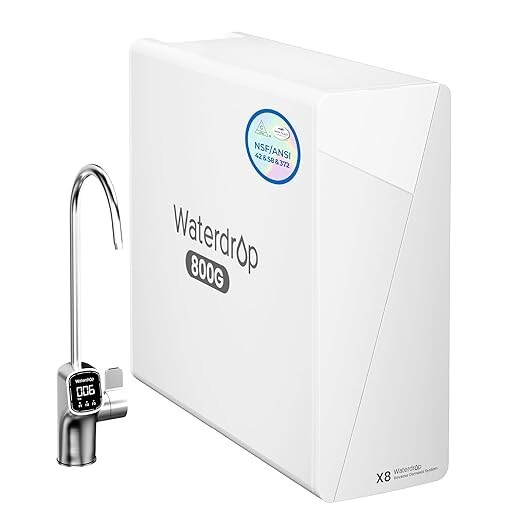 Waterdrop X8-Basic Reverse Osmosis System, 800 GPD Tankless, 9-Stage Filtration$419.00Last checked Nov 17, 2026View on eBay
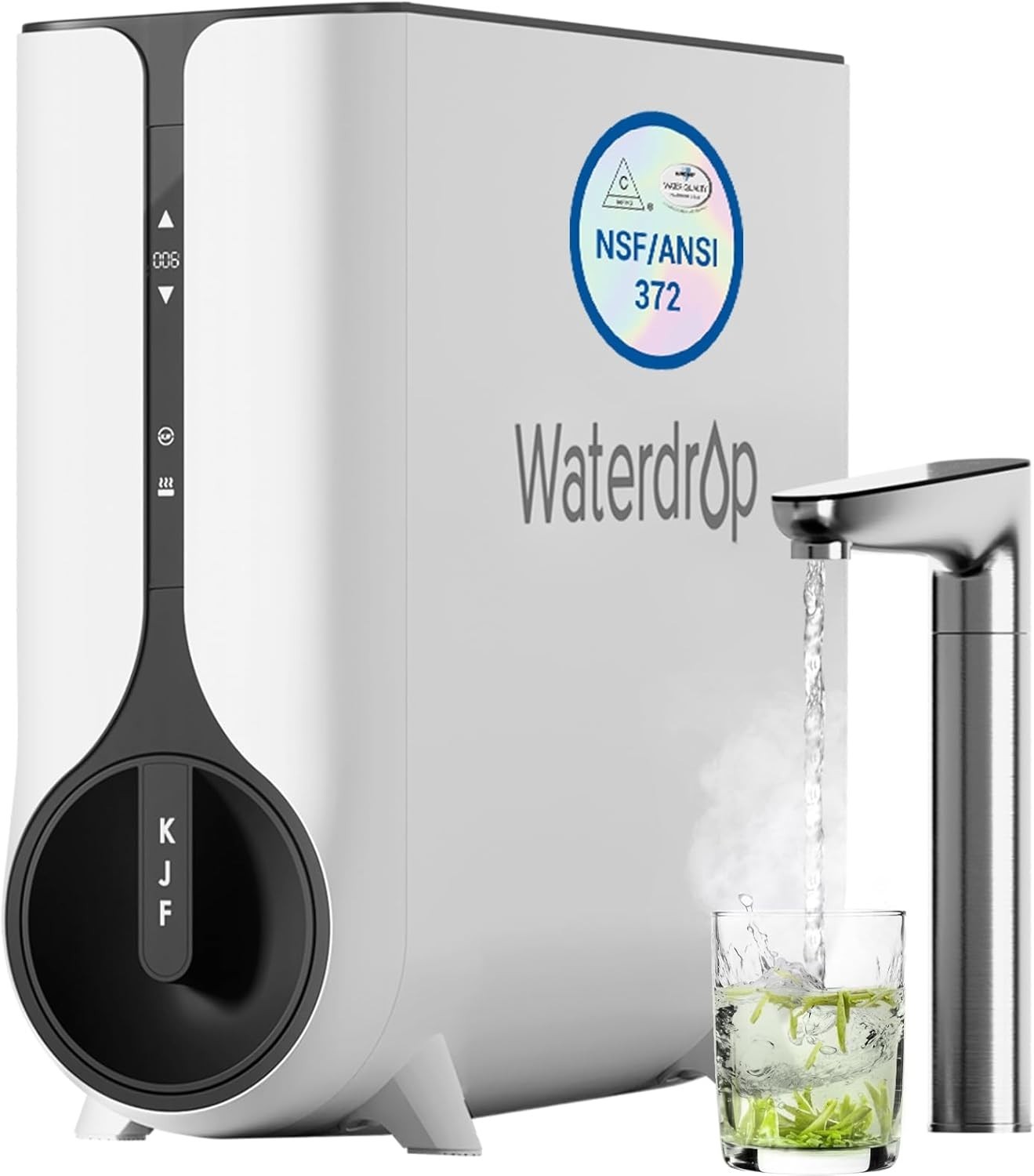 Waterdrop KJ600 Reverse Osmosis System, Instant Hot Water Dispenser, 600 GPD$436.00Last checked Nov 14, 2026View on eBay
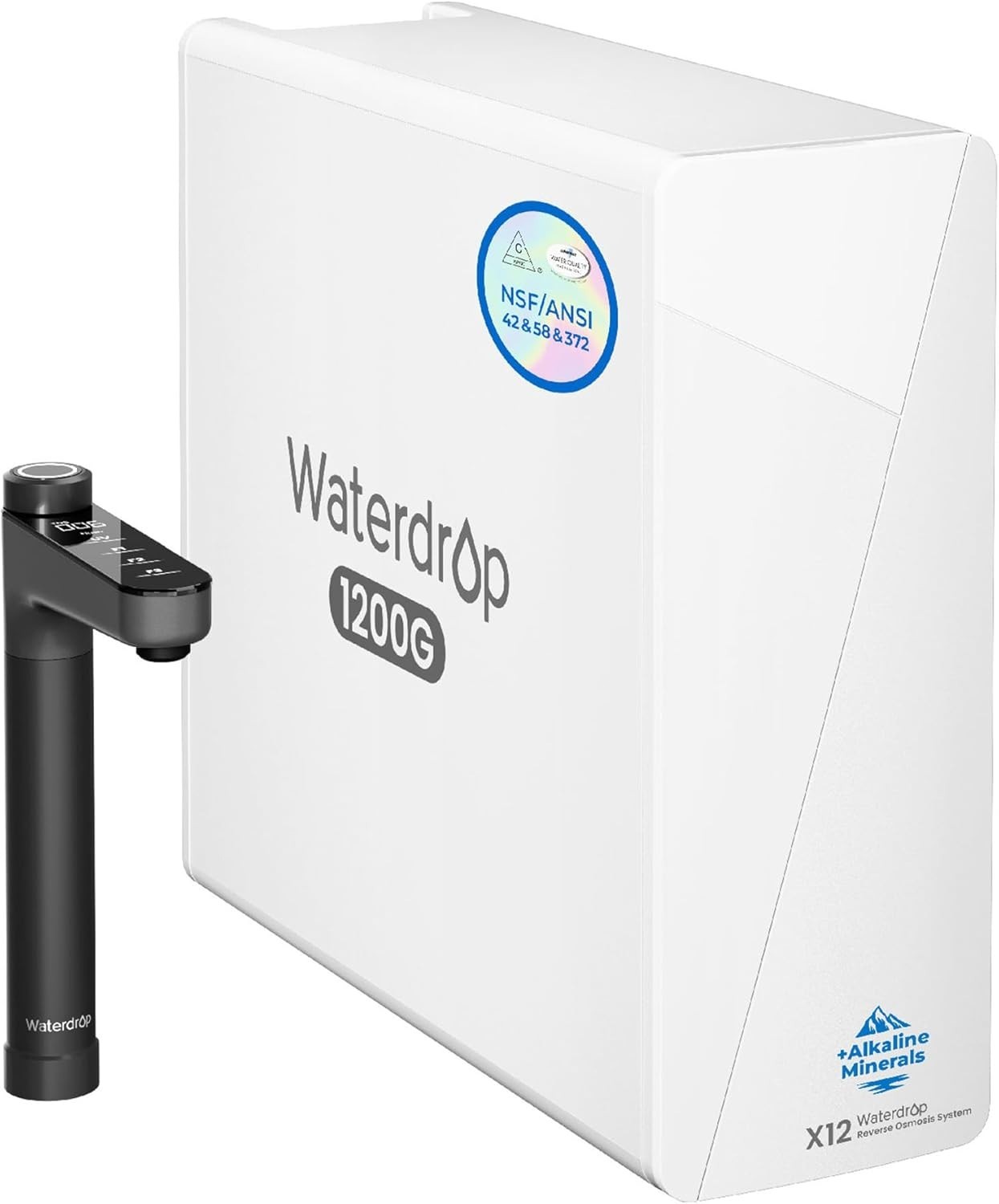 Waterdrop X12 Alkaline Mineral pH+ Reverse Osmosis System, 1200 GPD Fast Flow RO$719.00Certified - Refurbished · Last checked Nov 20, 2026View on eBay
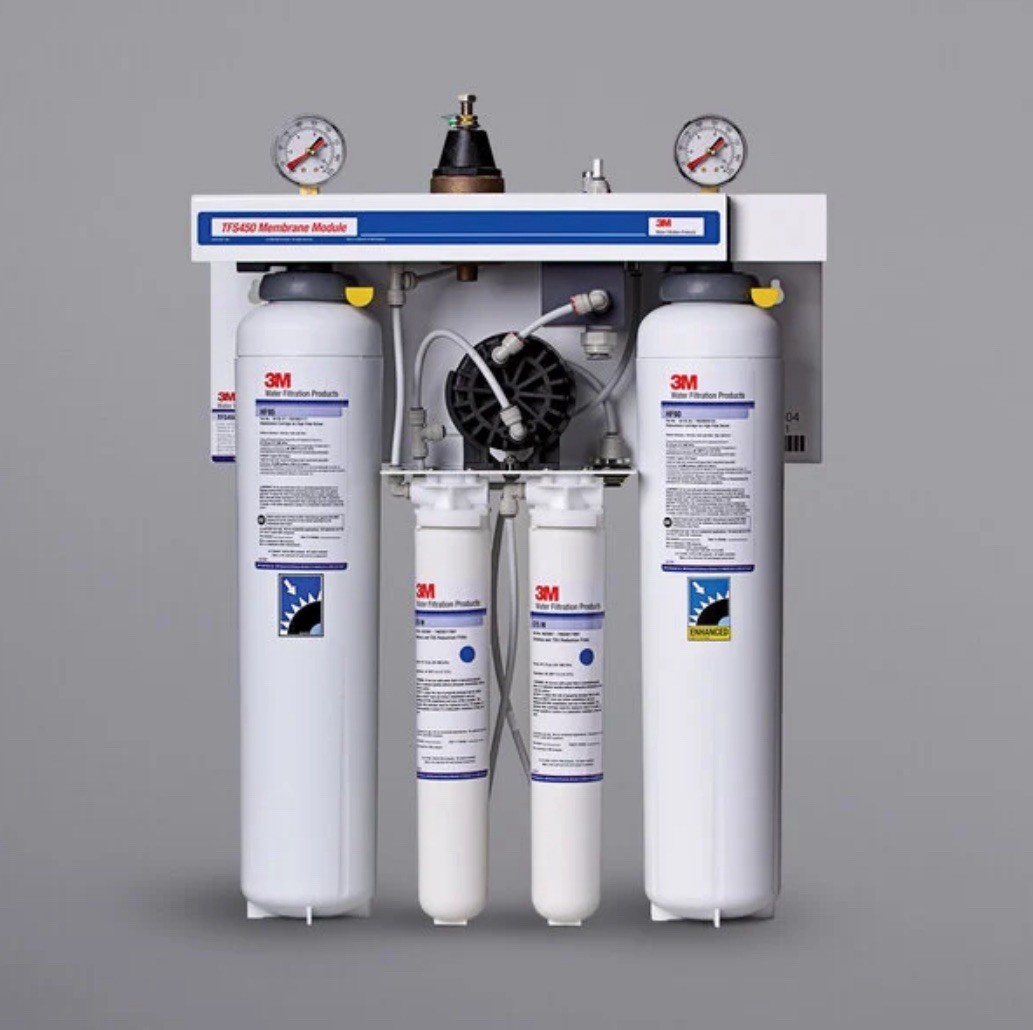 3M Water Filtration Products TFS450 Reverse Osmosis System - 300 GPD$2,950.99Last checked Nov 17, 2026View on eBay
Highlights
- Booster pumps raise feed pressure to the 60–80 psi range most residential RO membranes need to hit rated recovery and rejection rates.
- Pump-equipped systems typically use either a diaphragm pump or a rotary vane pump, with rotary vane units running quieter and lasting longer under continuous duty.
- A permeate pump is not a booster pump: it recovers waste-water energy to improve tank fill and reduce drain flow, but it cannot raise low feed pressure.
- Tank capacity must be matched to pump output; undersized pressure tanks short-cycle the pump and cause pressure fluctuations at the faucet.
Best use cases
- Best fit: homes on private wells or municipal lines with measured pressure under 40 psi—choose a system with an integrated booster pump and a pressure switch rated for your line voltage.
- Best fit: multi-stage under-sink units feeding a refrigerator or second faucet—pick a pump with a higher flow rating and a tank large enough to buffer peak draw.
- Wrong fit: city-water homes already at 70–80 psi—skip the booster pump and spend the budget on membrane quality and pre-filtration instead.
- Wrong fit: renters or temporary installations—choose a pump-free system or a portable countertop RO, since booster pumps require a dedicated outlet and plumbing tie-in.
Buying tips
- Measure static line pressure with a gauge before buying; only systems with a pump are justified below roughly 40 psi, and above 80 psi you need a pressure-reducing valve instead.
- Prioritize pumps with brass or stainless-steel heads and EPDM diaphragms over all-plastic budget pumps, which crack and lose prime under frequent cycling.
- Check the pump's duty cycle and decibel rating: continuous-duty rotary vane pumps are the quiet choice for open-plan kitchens, while intermittent diaphragm pumps are louder but cheaper.
- Confirm the system includes a low-pressure switch and check-valve so the pump shuts off when the tank is full rather than running dry and burning out.
Specs
| Pump Type | Diaphragm vs rotary vane |
|---|---|
| Feed Pressure Range | 40–80 psi (pump-assisted) |
| Tank Capacity | 3–4 gal standard; 11–14 gal high-demand |
| Membrane Rating | 50–100 GPD TFC |
Related searches
What to check before buying
- Measure under-sink clearance and tank diameter: a standard 3–4 gallon pressure tank plus pump bracket needs roughly 18 inches of vertical and 12 inches of horizontal space.
- Verify a dedicated 110–120V GFCI outlet is within the pump cord's reach, since most booster pumps ship with short leads and no battery backup.
- Test feed-water pressure and temperature at the sink; membranes are rated for 40–100 psi feed and 40–100°F, and a pump cannot compensate for hot feed water.
- Inspect the included fittings: pump-equipped systems often use 1/4-inch or 3/8-inch quick-connect tubing, and mismatched adapters are the most common leak source.
FAQ
Data sources: eBay / Amazon listings and product attribute feeds. Updated Nov 27, 2026.
Some links on this page are affiliate links. If you buy after clicking one, we may earn a commission at no extra cost to you. This does not change which products appear here or their order. Affiliate disclosure.