
Photos from current listings. Actual item, color, and included accessories may vary.
Water Purifier Buying Guide
A water purifier is a device that removes contaminants via carbon block, reverse osmosis, distillation, or ion-exchange media, and the primary trade-off is filtration efficacy versus flow rate, cartridge life, and installation footprint. Durable options use certified multi-stage media with standard cartridge interfaces and realistic capacity ratings; compromises use thin carbon pads, vague micron ratings, and proprietary cartridges with no third-party certification.
Median $122.15 · New & pre-owned listings
Key takeaways
- Carbon-block purifiers with NSF/ANSI 42 and 53 certification remove chlorine, taste, and VOCs at 0.5-1 micron; RO systems add a 0.0001-micron membrane for dissolved solids and heavy metals.
- Countertop reverse-osmosis units (e.g., AquaTru carafe) run 3-4 stages and waste 2-4 gallons per gallon produced unless permeate-pump equipped; under-sink RO with a pump cuts wastewater to near 1:1.
- Pitcher and refrigerator filters use coconut-shell activated carbon at 100-200 gallon life; 7-cup pitchers and LG LT1000P-style fridge cartridges are snap-in replacements, not whole-home solutions.
At a glance
- Category
- Water Filtration
- Last updated
- Nov 27, 2026
Current offers
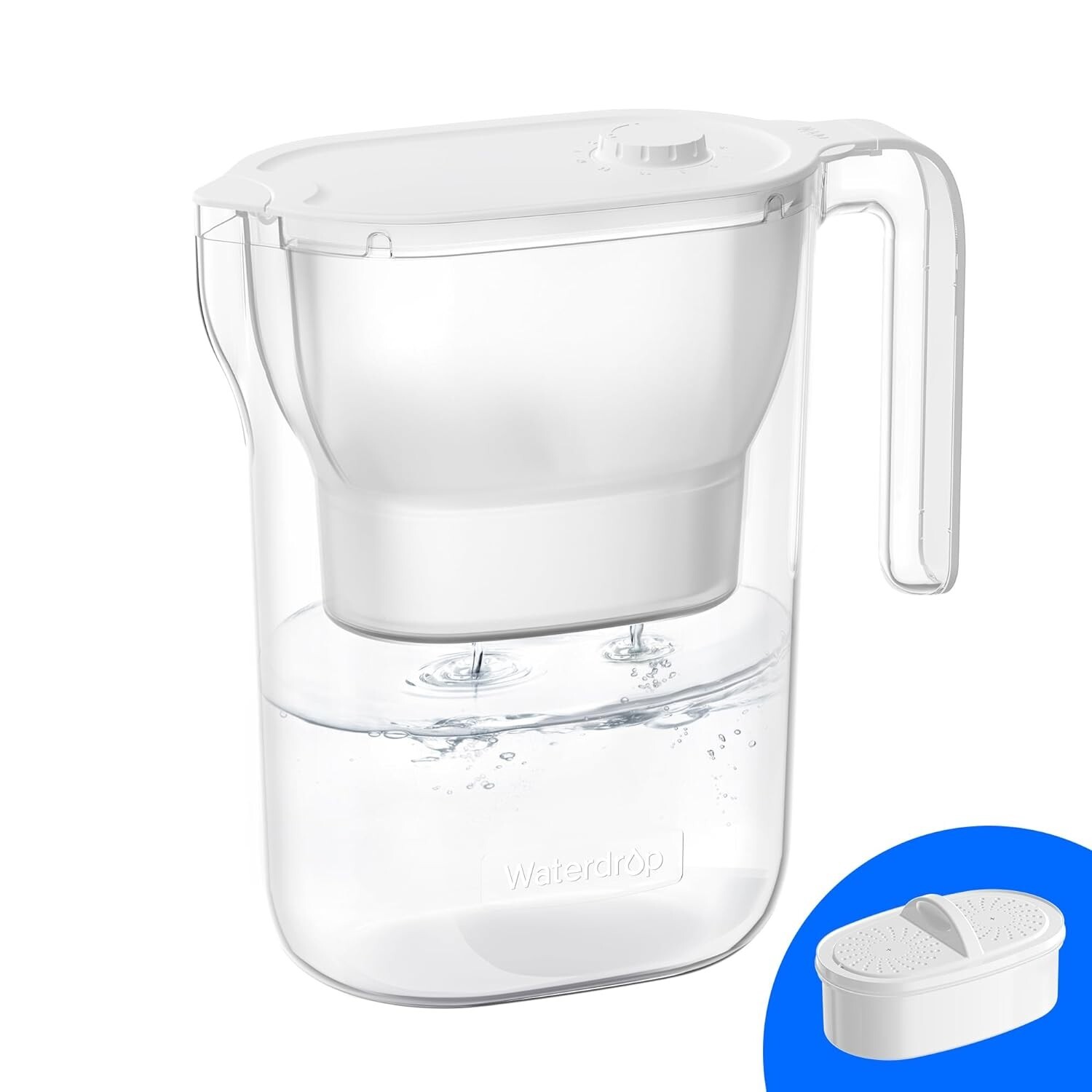 Waterdrop 200-Gallon Long-Life Water Filter Pitcher, NSF Certified,7-Cup, White$14.99Last checked Nov 19, 2026View on eBay
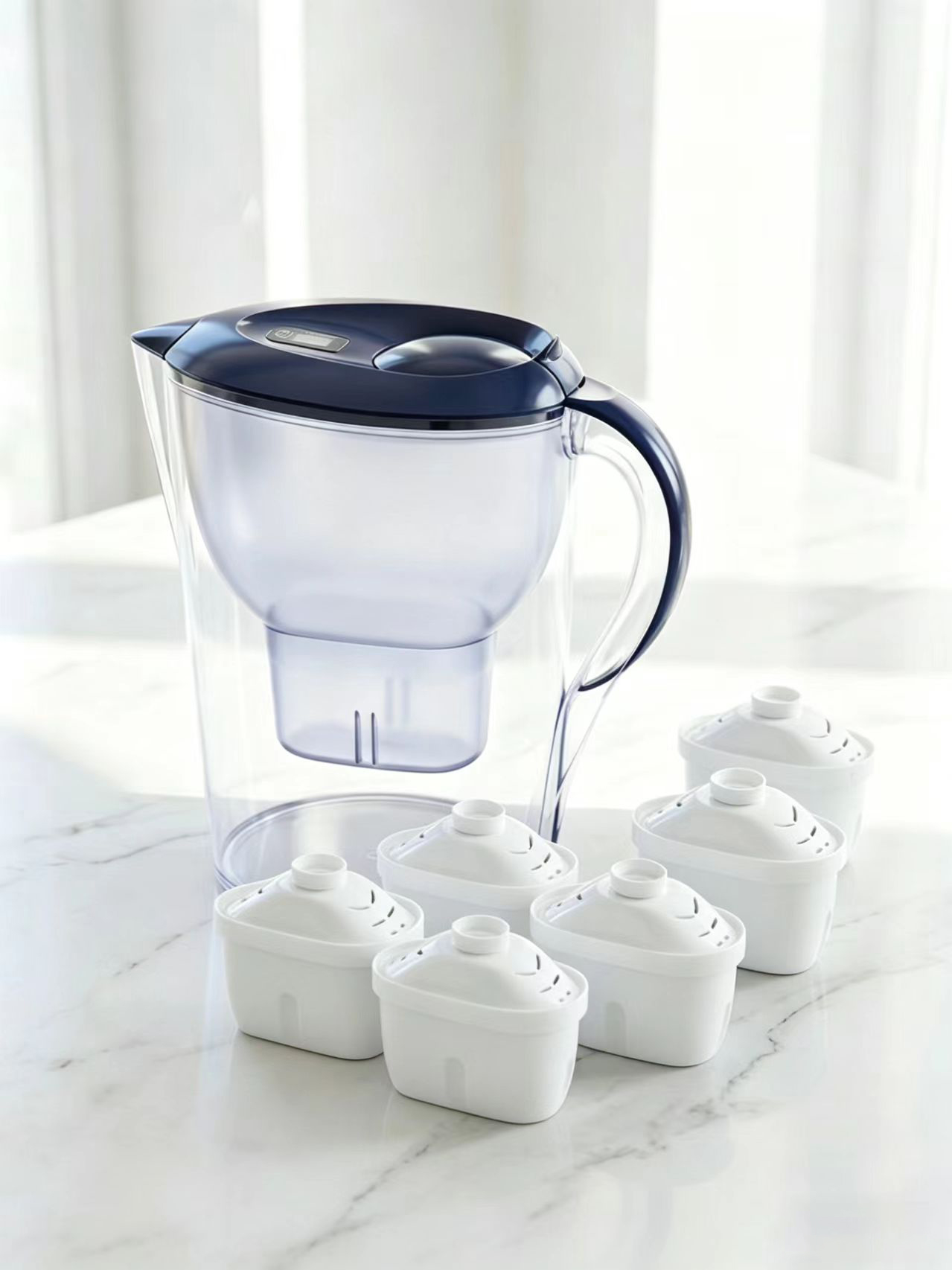 10-Cup 3.5L BPA-Free Water Filter Pitcher With 4 Filters, Reduces TDS For Clean Drinking Standard Fridge Size$30.99View on Mallflare
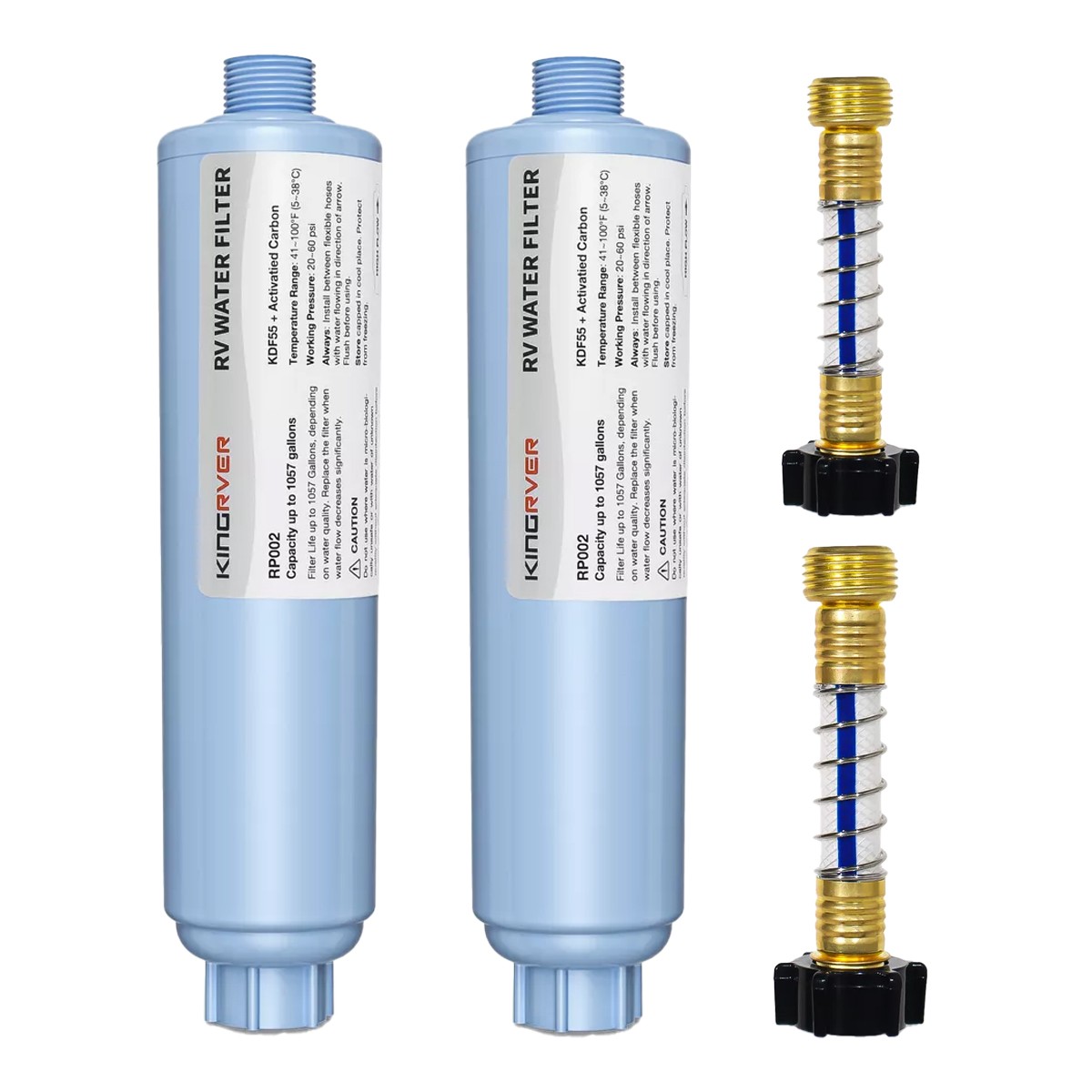 2 Pack RV Inline Water Filter w/Flexible Hose for Drinking & Washing Filter$17.99View on eBay
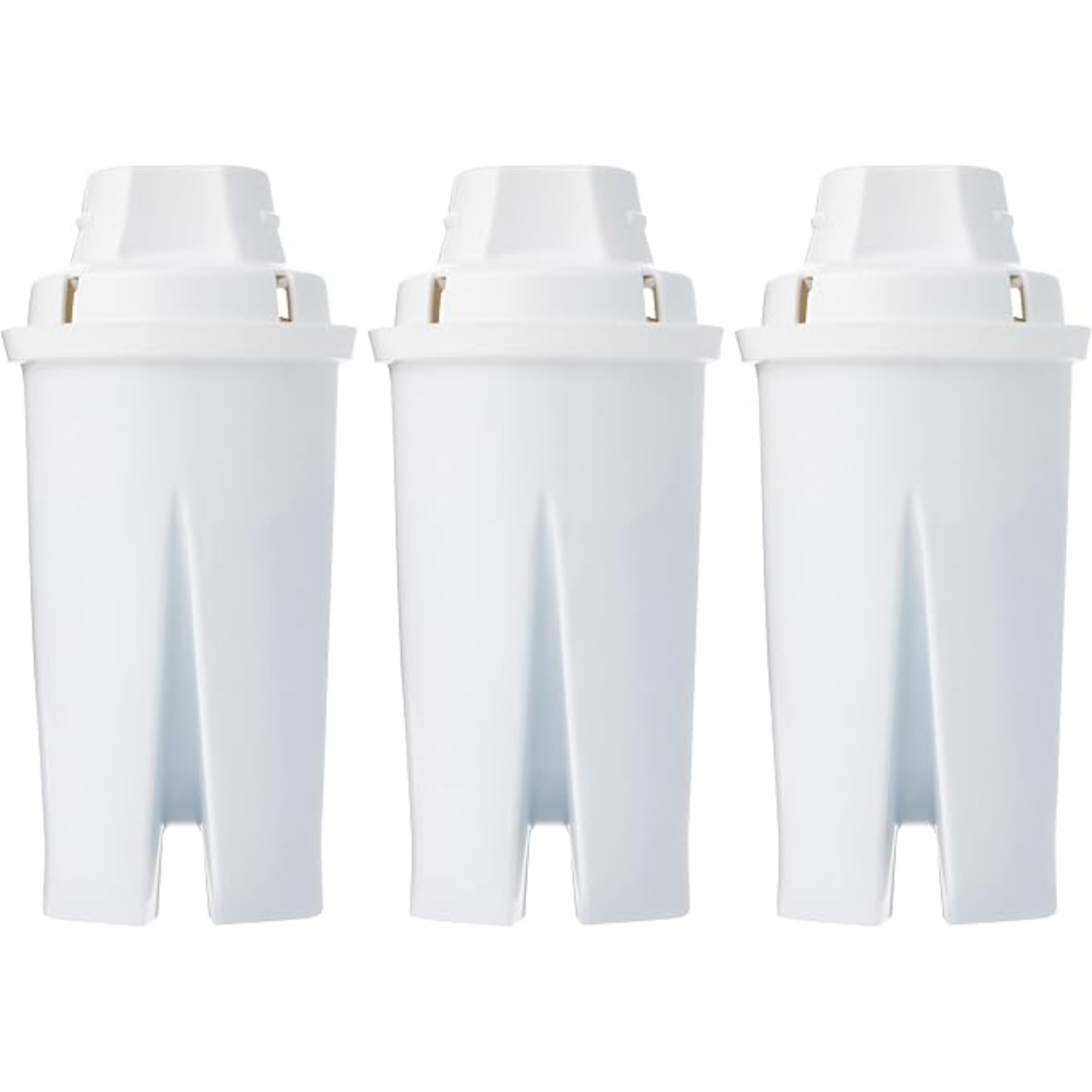 Enhanced Water Filters For Pitcher, Brita Compatible, 3-Pack$49.99View on Mallflare
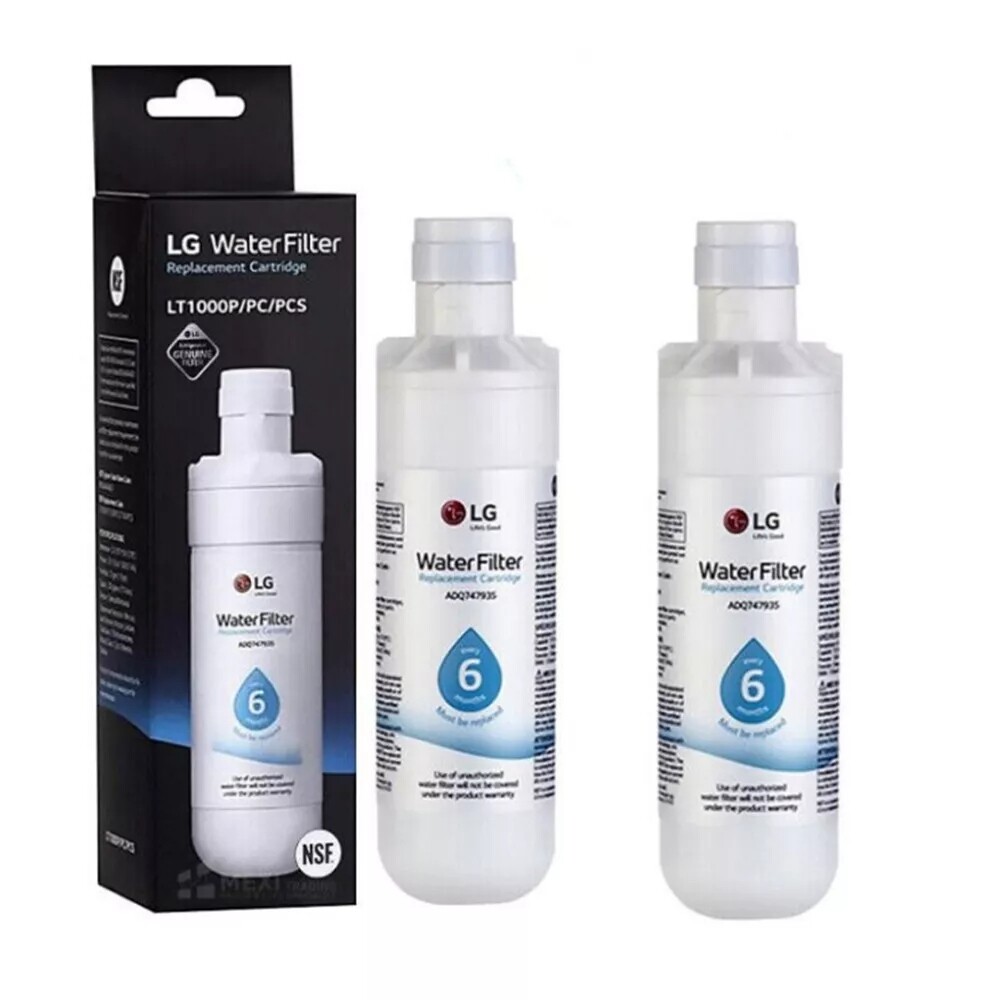 2 Pack LG LT1000P Refresh Refrigerator Ice Water Filter ADQ747935 GF-D706BSL US$18.38View on eBay
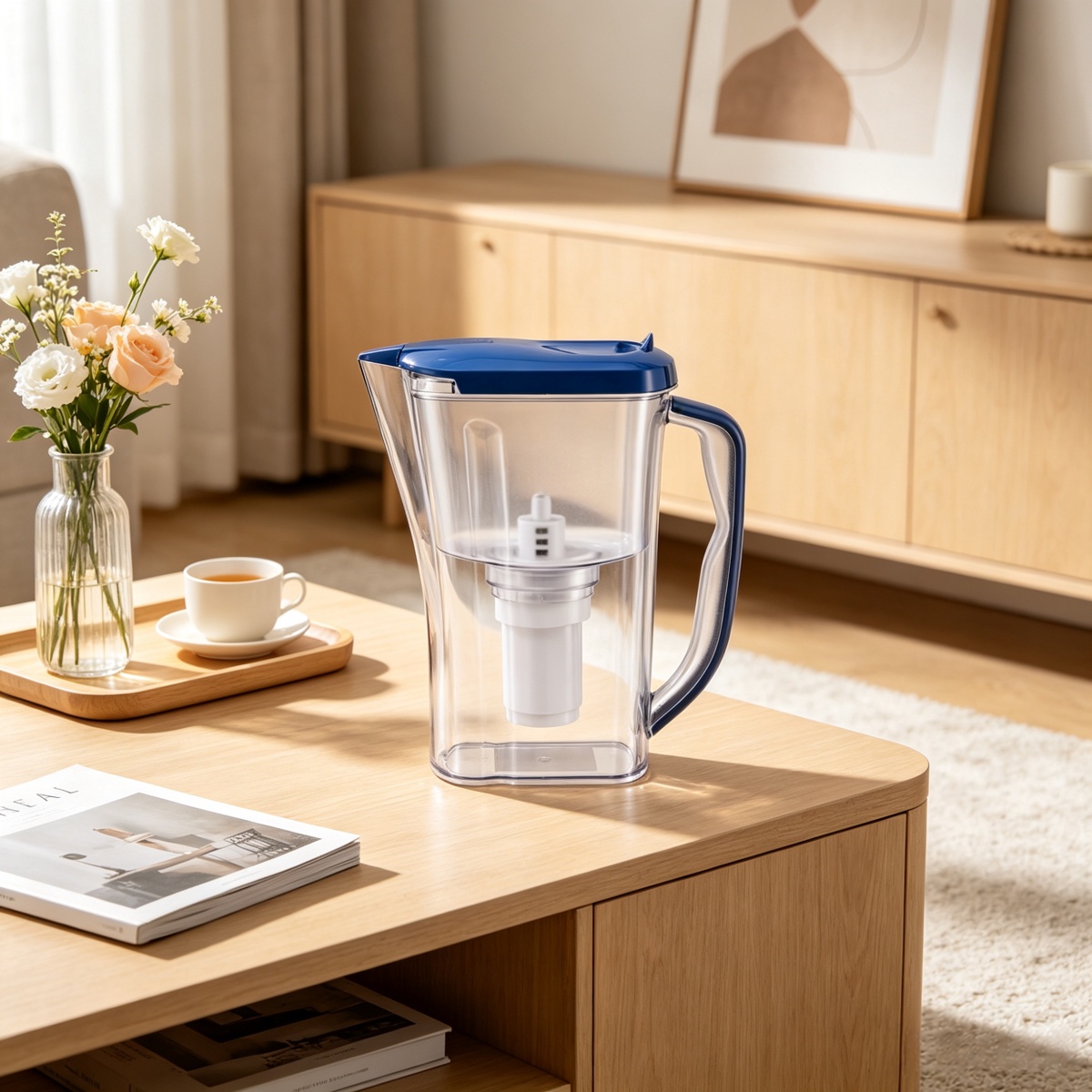 9 Cup 5-Stage Water Filter Pitcher, BPA-Free with Change Indicator, Reduces Limescale, Lead, Chlorine & Odors$59.99View on Mallflare
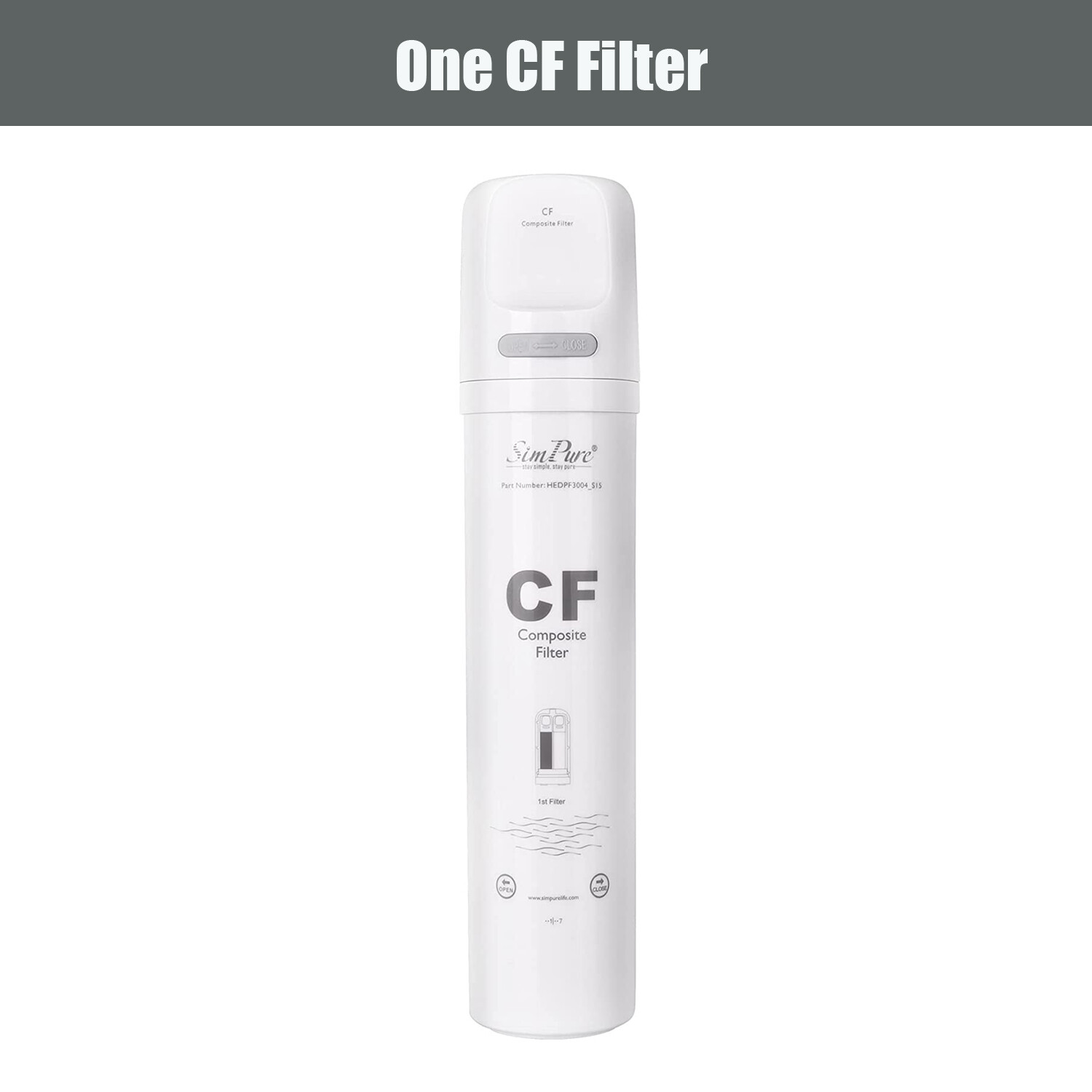 8-Stage Home Countertop Reverse Osmosis Water Filter System Filtration Dispenser$23.00Last checked Nov 18, 2026View on eBay
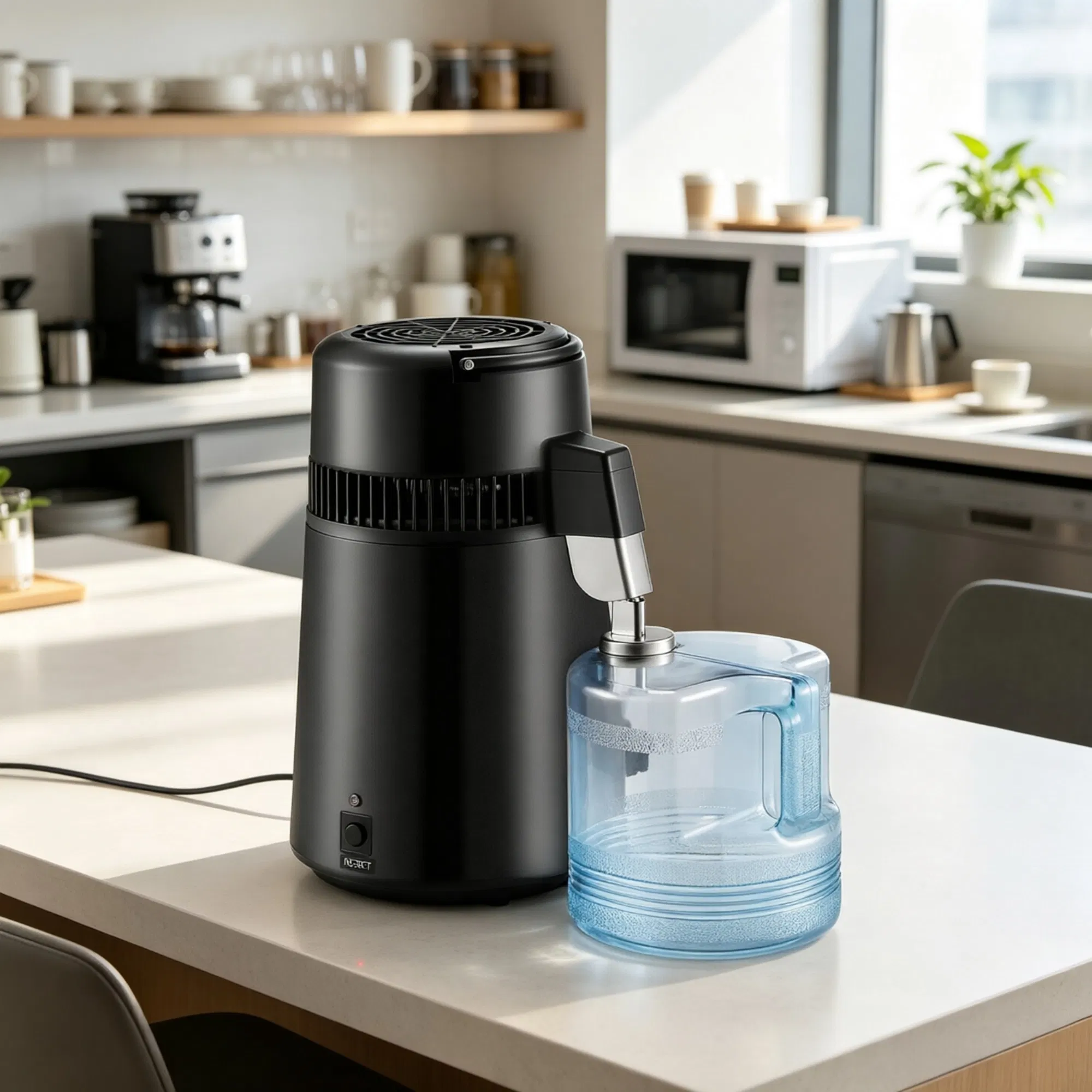 1.05 Gallon Pure Water Distiller, 750W Countertop Purifier with Stainless Steel Interior & Filter, Distilled Maker for Home, Black$146.99View on Mallflare
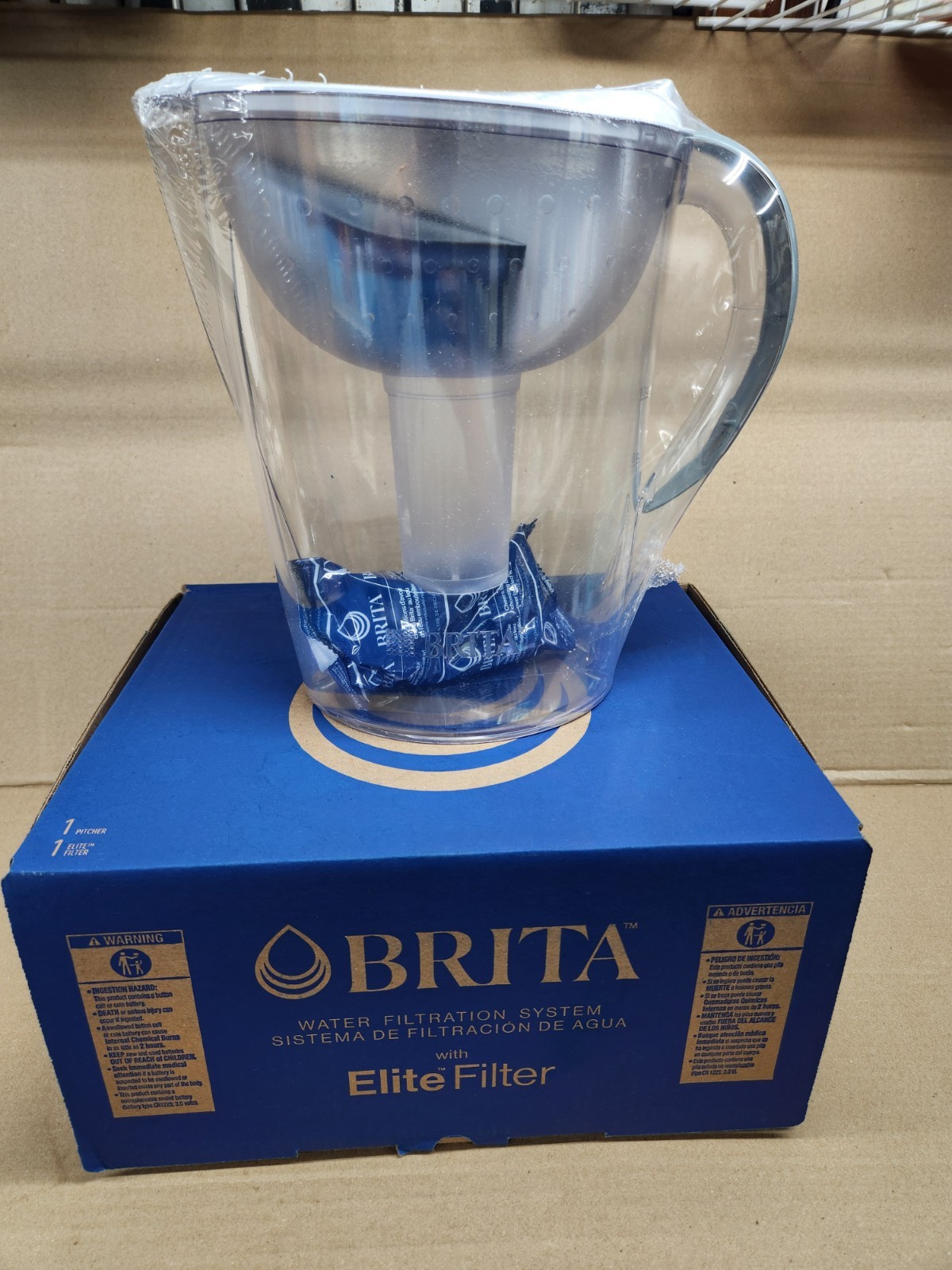 Brita 10 Cup Water Filter Pitcher White Pacifica with 1 Elite Filter BPA Free$26.39View on eBay
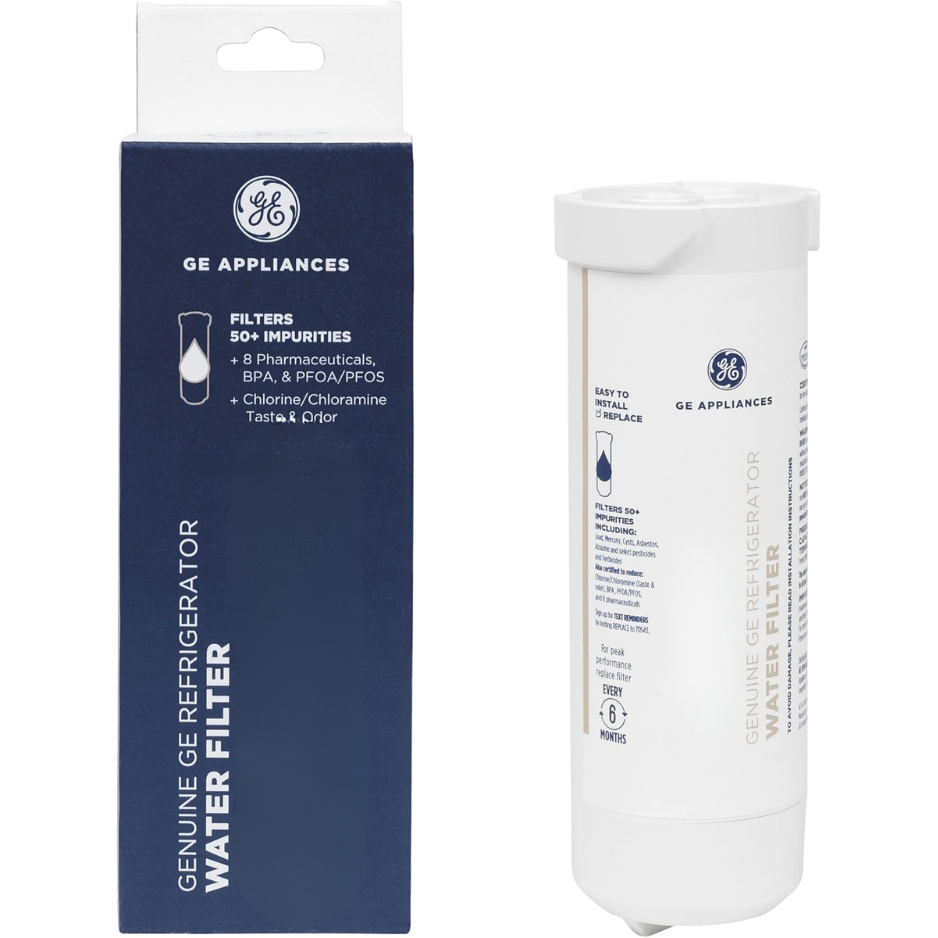 Water Filter Genuine Guaranteed Fit 1 Pack$151.99View on Mallflare
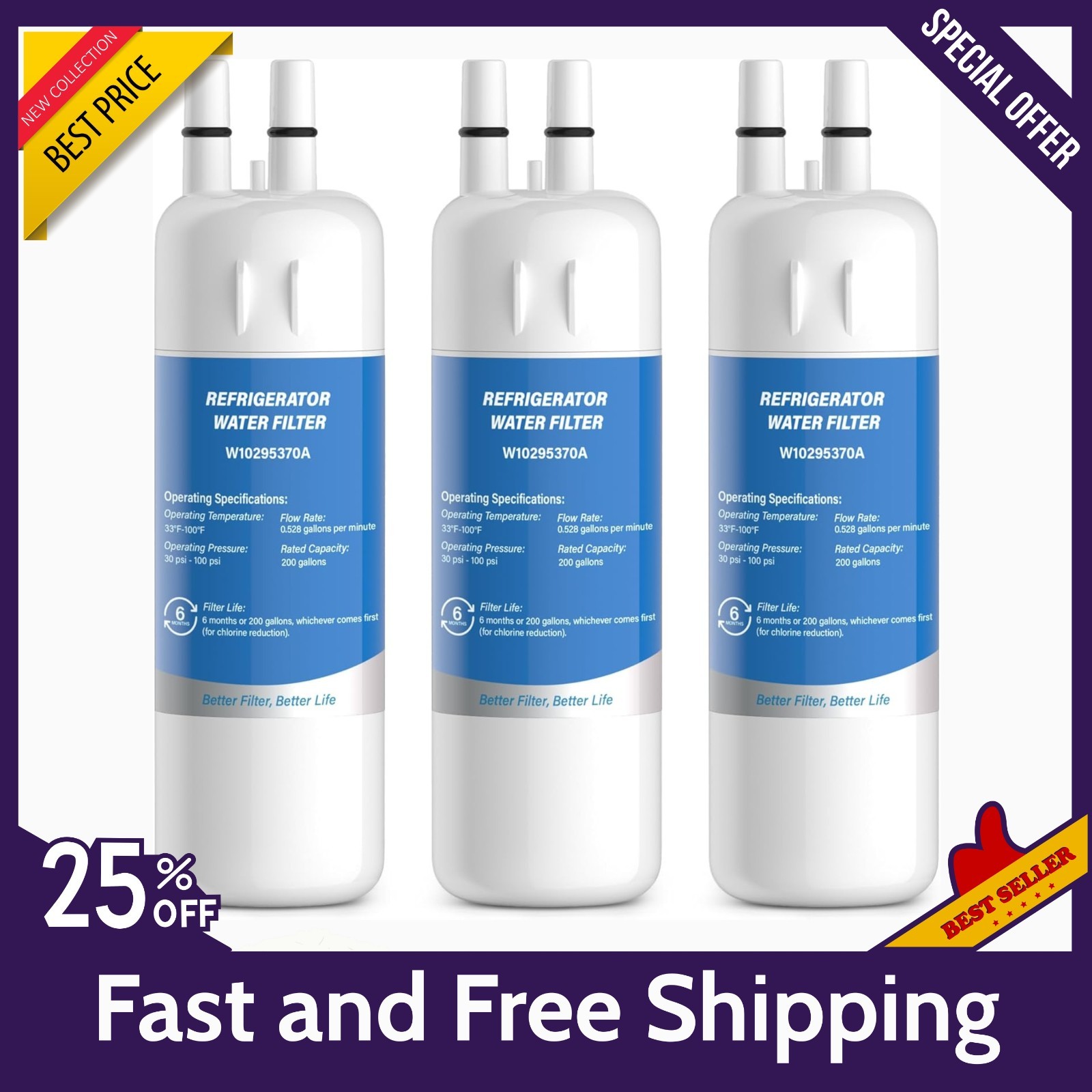 Whirlpool EDR1RXD1 Refrigerator Water Filter 1 | OEM Certified | 3- Pack Genuine$27.66Last checked Nov 23, 2026View on eBay
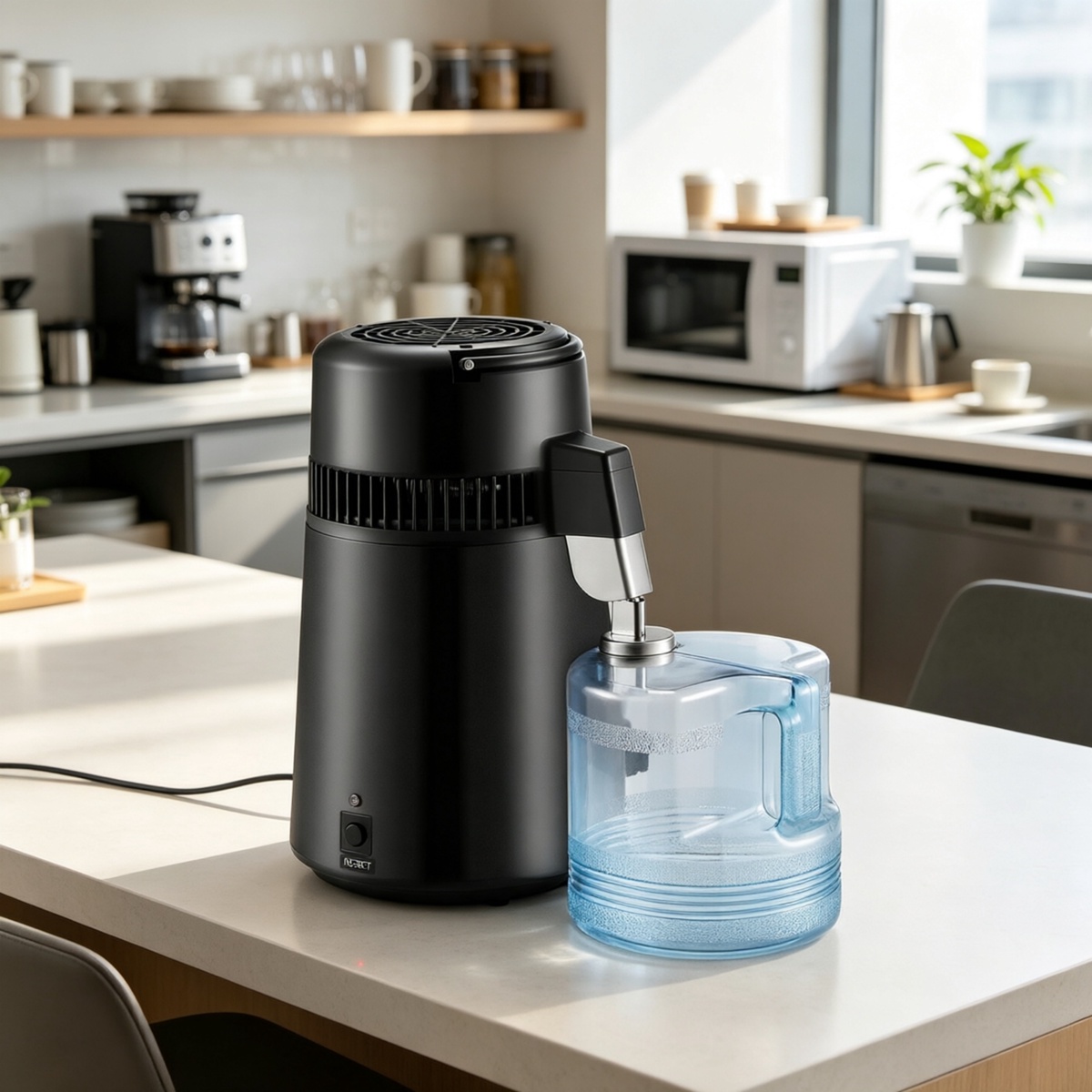 1.05 Gallon Pure Water Distiller, 750W Countertop Purifier with Stainless Steel Interior & Filter, Distilled Maker for Home, Black$162.99View on Mallflare
- Whirlpool EDR1RXD1 Refrigerator Water Filter 1 | OEM Certified | 3- Pack Genuine$27.66Last checked Nov 22, 2026View on eBay
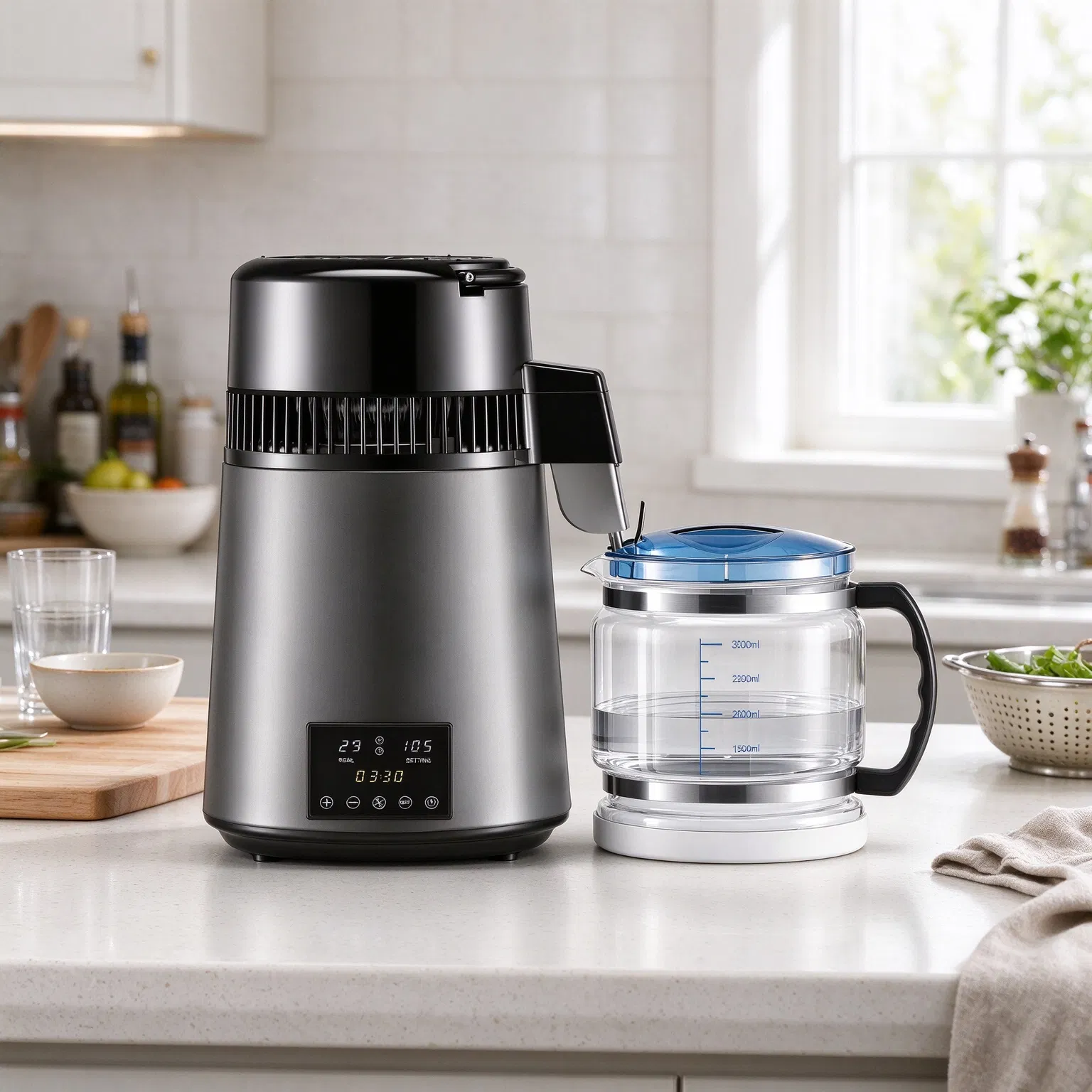 4L/1.1gallon household desktop distilled water purifier, 750W pure with glass pot, indoor clean drinking machine$231.99View on Mallflare
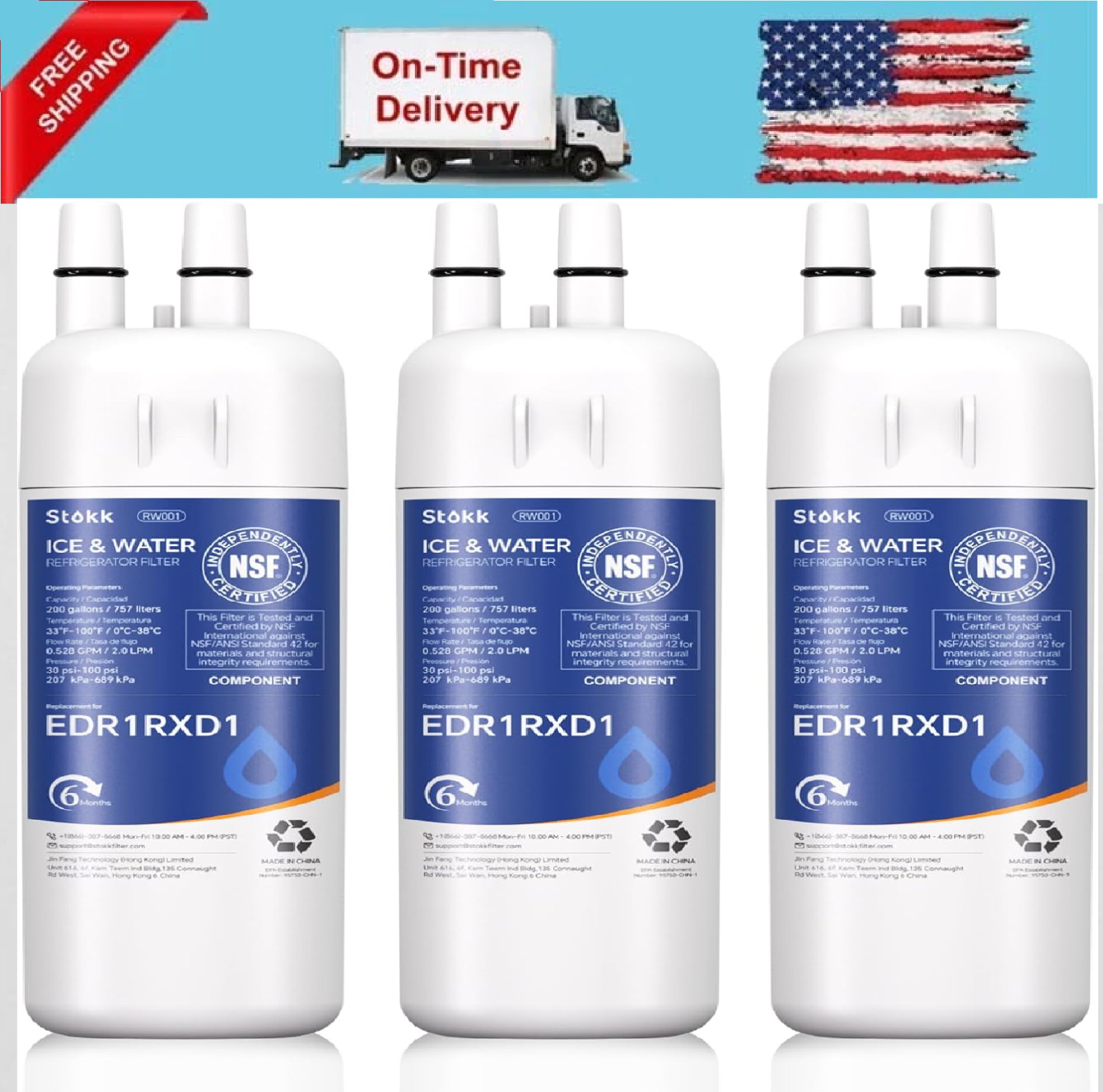 Whirlpool EDR1RXD1 Refrigerator Water Filter 1 | OEM Certified | 3-Pack Genuine$29.88Last checked Nov 23, 2026View on eBay
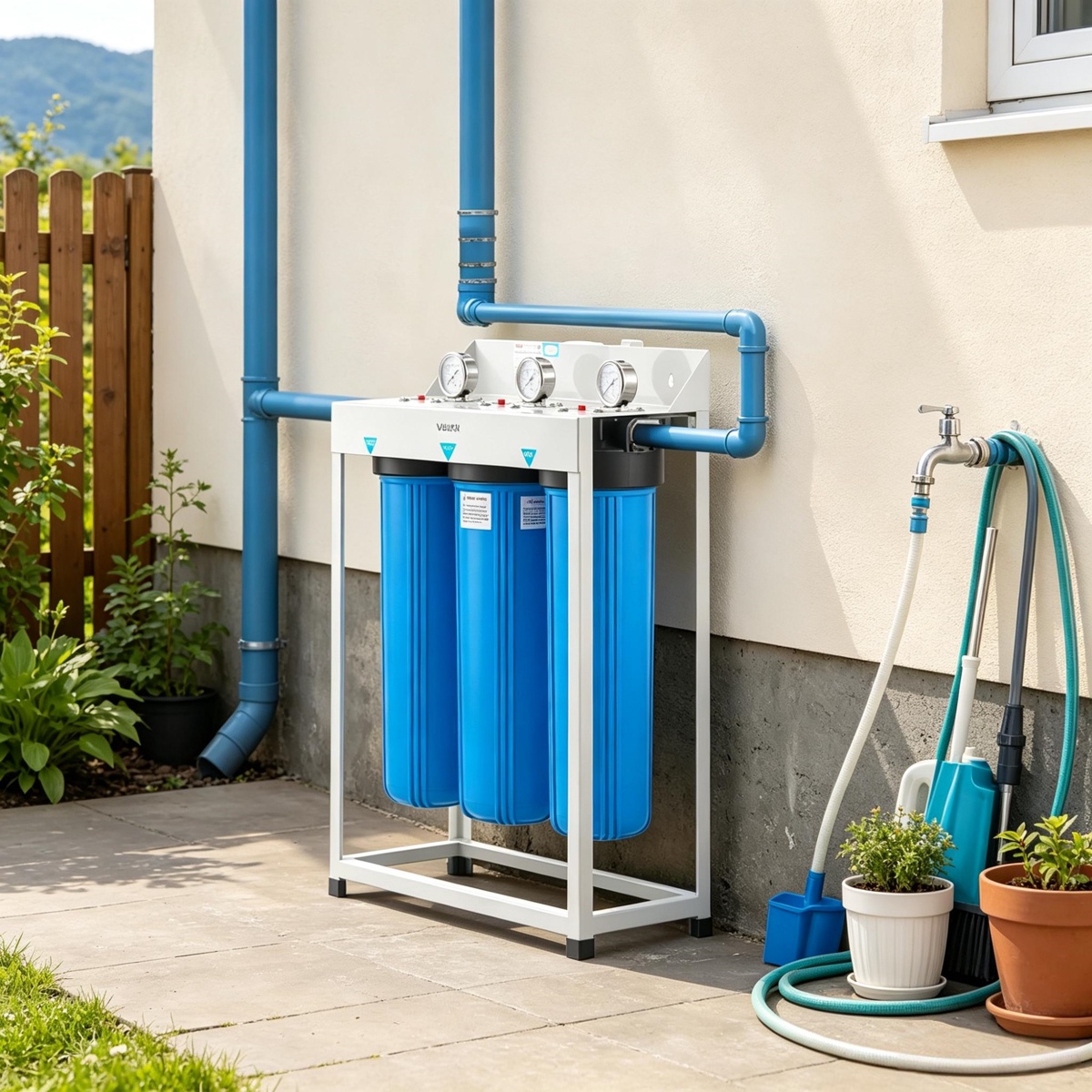 Whole House Water Filter System, 4.5" x 20" Home Purifier$625.99View on Mallflare
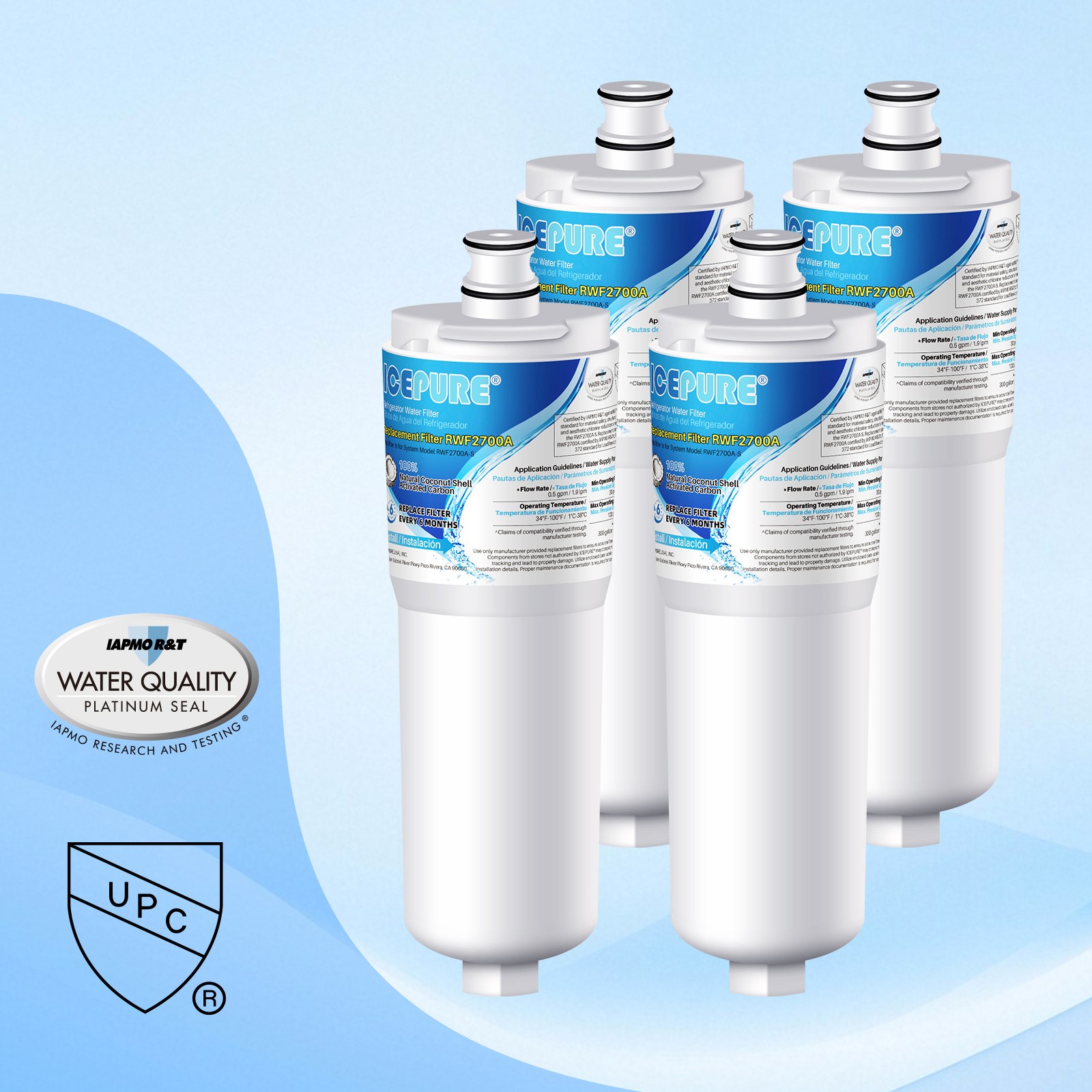 4 Pack Icepure 640565 EVOLFLTR10 AP3961137 WHKF-R-Plus Comparable Water Filter$34.99Last checked Nov 25, 2026View on eBay
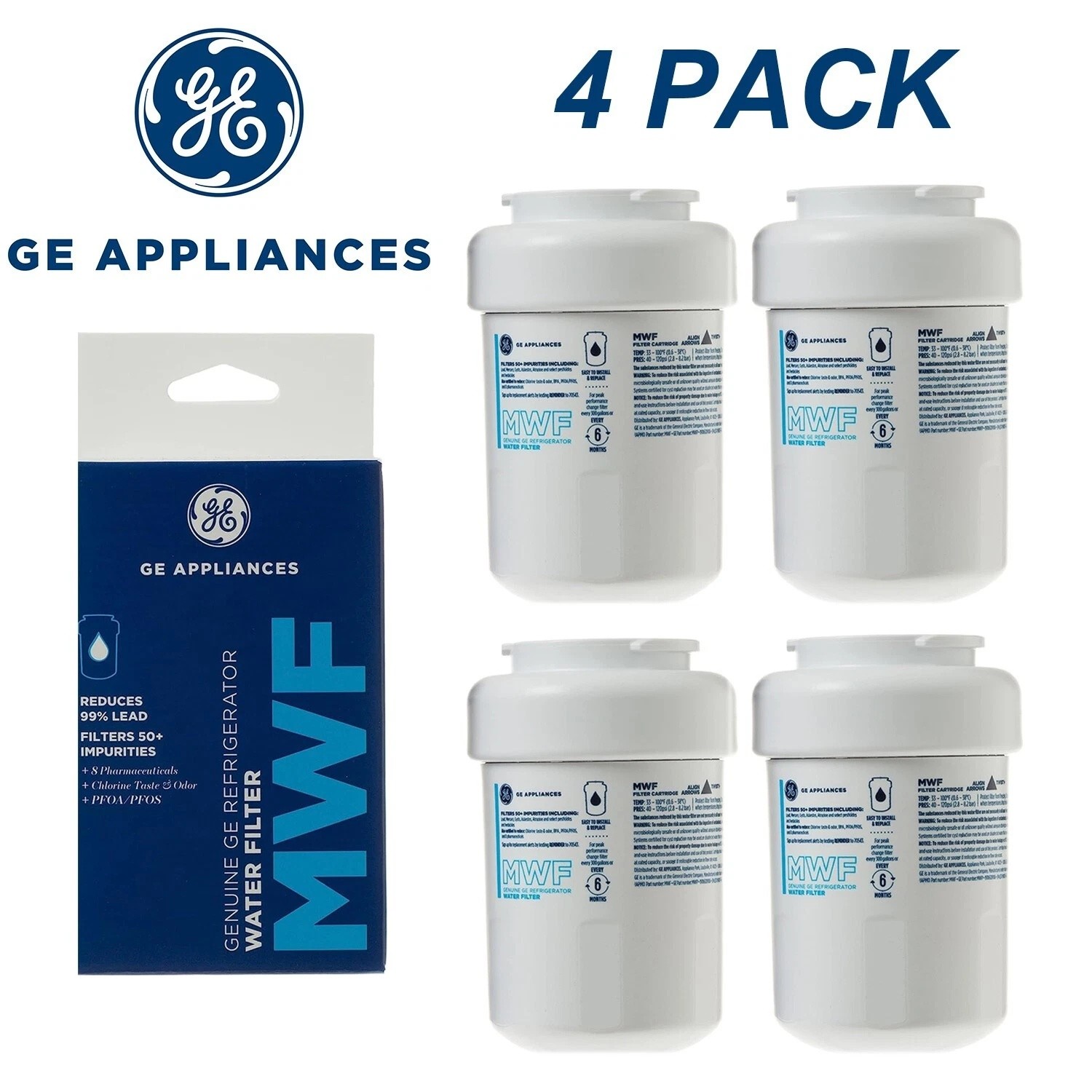 4pack GE MWF New Genuine Sealed GWF 46-9991 MWFP Smartwater Fridge Water Filter$38.39Last checked Nov 22, 2026View on eBay
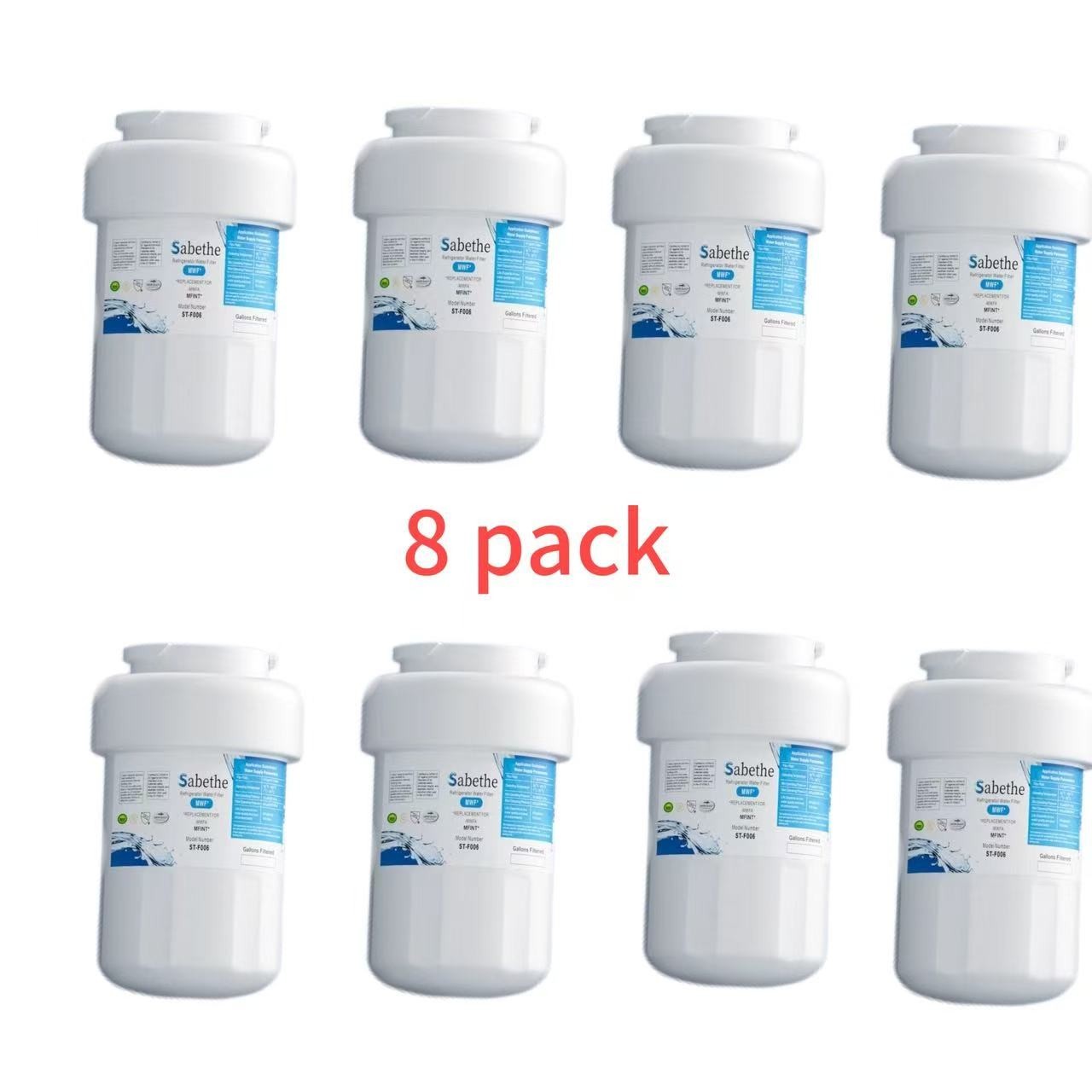 8 Pack Refrigerator Water Filter for GE MWF, MWFINT, MWFA, PC75009$39.99Last checked Nov 23, 2026View on eBay
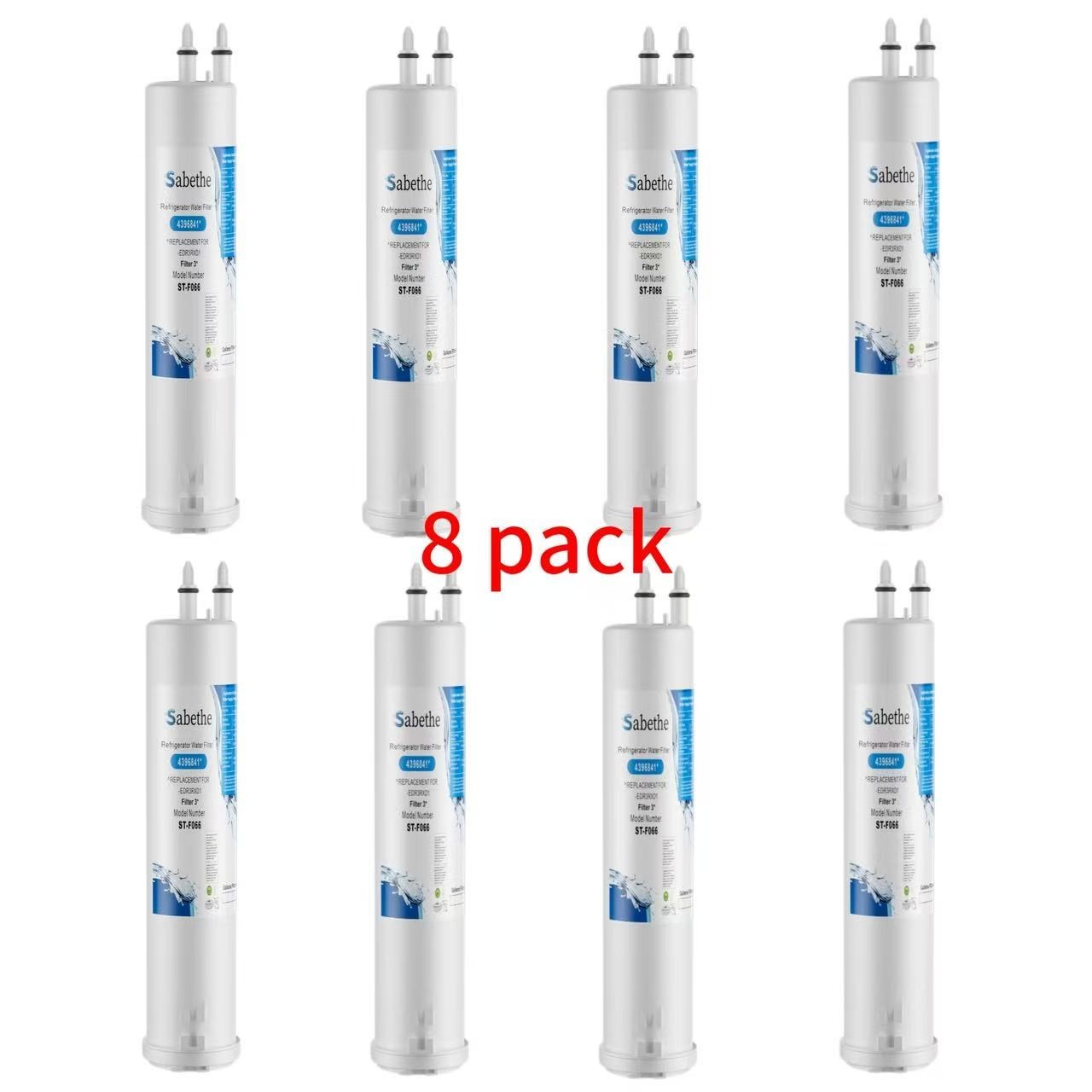 8 pack Refrigerator water filter for KAD3RXD1,WHR3RXD1,W101211416, W10177635$39.99Last checked Nov 22, 2026View on eBay
Highlights
- Carbon-block purifiers with NSF/ANSI 42 and 53 certification remove chlorine, taste, and VOCs at 0.5-1 micron; RO systems add a 0.0001-micron membrane for dissolved solids and heavy metals.
- Countertop reverse-osmosis units (e.g., AquaTru carafe) run 3-4 stages and waste 2-4 gallons per gallon produced unless permeate-pump equipped; under-sink RO with a pump cuts wastewater to near 1:1.
- Pitcher and refrigerator filters use coconut-shell activated carbon at 100-200 gallon life; 7-cup pitchers and LG LT1000P-style fridge cartridges are snap-in replacements, not whole-home solutions.
- Distillers at 750W boil 1.05 gallons per cycle and remove nearly all dissolved solids but draw 0.75 kWh per batch and require descaling every 20-30 cycles.
Best use cases
- Best fit for municipal tap water with chlorine taste: a certified carbon-block under-sink or pitcher filter at 0.5 micron, skipping RO to preserve minerals and flow.
- Best fit for well water or high TDS: a 4-stage under-sink RO with permeate pump; skip countertop RO carafes if you need more than 2-3 gallons per day.
- Best fit for renters or small kitchens: countertop RO or 7-cup pitcher; skip permanent under-sink installation if you cannot drill a faucet hole.
- Wrong fit for whole-home sediment: pitcher and fridge filters cannot handle 100,000-gallon whole-house loads; use a 3-stage big-blue sediment-carbon system instead.
Buying tips
- Match capacity to use: 7-cup pitchers suit 1-2 people at 100-200 gallons per cartridge; families over 3 people should size under-sink carbon at 6-12 months or 500-1,000 gallons.
- Check certifications: NSF/ANSI 42 covers taste and chlorine, 53 covers health effects, 58 covers RO; a purifier claiming health removal without 53 or 58 is unverified.
- Measure under-sink clearance: RO systems need 14-18 inches vertical and 10-12 inches width; confirm faucet hole diameter of 1.375-1.5 inches for a dedicated drinking faucet.
- For fridge filters, match the OEM model number exactly (e.g., LG LT1000P/ADQ747935) and replace every 6 months or 200 gallons; compatible 3-packs fit only if the housing key matches.
Specs
| Filtration Type | Carbon block / RO / Distiller |
|---|---|
| Certification | NSF/ANSI 42, 53, or 58 |
| Cartridge Life | 200-1,000 gal or 6-24 months |
| Install Form | Under-sink / Countertop / Pitcher / Fridge |
Related searches
What to check before buying
- Measure cabinet interior height, width, and depth under the sink before choosing an RO or carbon system; add 2 inches for tubing bend radius.
- Confirm water pressure is 40-80 psi; RO membranes below 40 psi need a booster pump, and above 80 psi requires a pressure-reducing valve.
- Check faucet mounting: standard 1.375-inch hole for dedicated purifier faucet; countertop units need 6-8 inches of counter clearance and a nearby outlet.
- Verify electrical needs: distillers and pumped RO draw 60-750W and require a grounded GFCI outlet within cord reach.
FAQ
Data sources: eBay / Amazon listings and product attribute feeds. Updated Nov 27, 2026.
Some links on this page are affiliate links. If you buy after clicking one, we may earn a commission at no extra cost to you. This does not change which products appear here or their order. Affiliate disclosure.