
Photos from current listings. Actual item, color, and included accessories may vary.
Water System Home Buying Guide
Home water systems span point-of-use filters, under-sink reverse osmosis, and whole-house treatment, each defined by the contaminants it removes and the flow rate it sustains. The core trade-off is filtration capability versus flow/pressure loss and installation complexity—RO removes dissolved solids but wastes water and needs a drain, while carbon and hollow-fiber units preserve flow but leave minerals. Choose by contaminant priority and plumbing access: whole-house for sediment/chlorine, under-sink RO for TDS/lead, pitcher or faucet-mount for taste-only fixes.
Median $149.00 · New & pre-owned listings
Key takeaways
- RO membranes are rated in gallons per day (GPD); 400 GPD suits a family of 2–4, while 800 GPD units need a booster pump to maintain pressure with tankless setups.
- Cartridge pore size determines removal: 0.01 µm hollow-fiber blocks bacteria and cysts, 5 µm carbon blocks handle sediment and chlorine taste, and RO membranes reject 90–99% of dissolved solids.
- Whole-house systems must match pipe diameter (typically 3/4-inch or 1-inch NPT) and pressure tank bypass; undersized housings cause 5–15 psi pressure drop at high flow.
At a glance
- Category
- Water Filtration
- Last updated
- Nov 29, 2026
Current offers
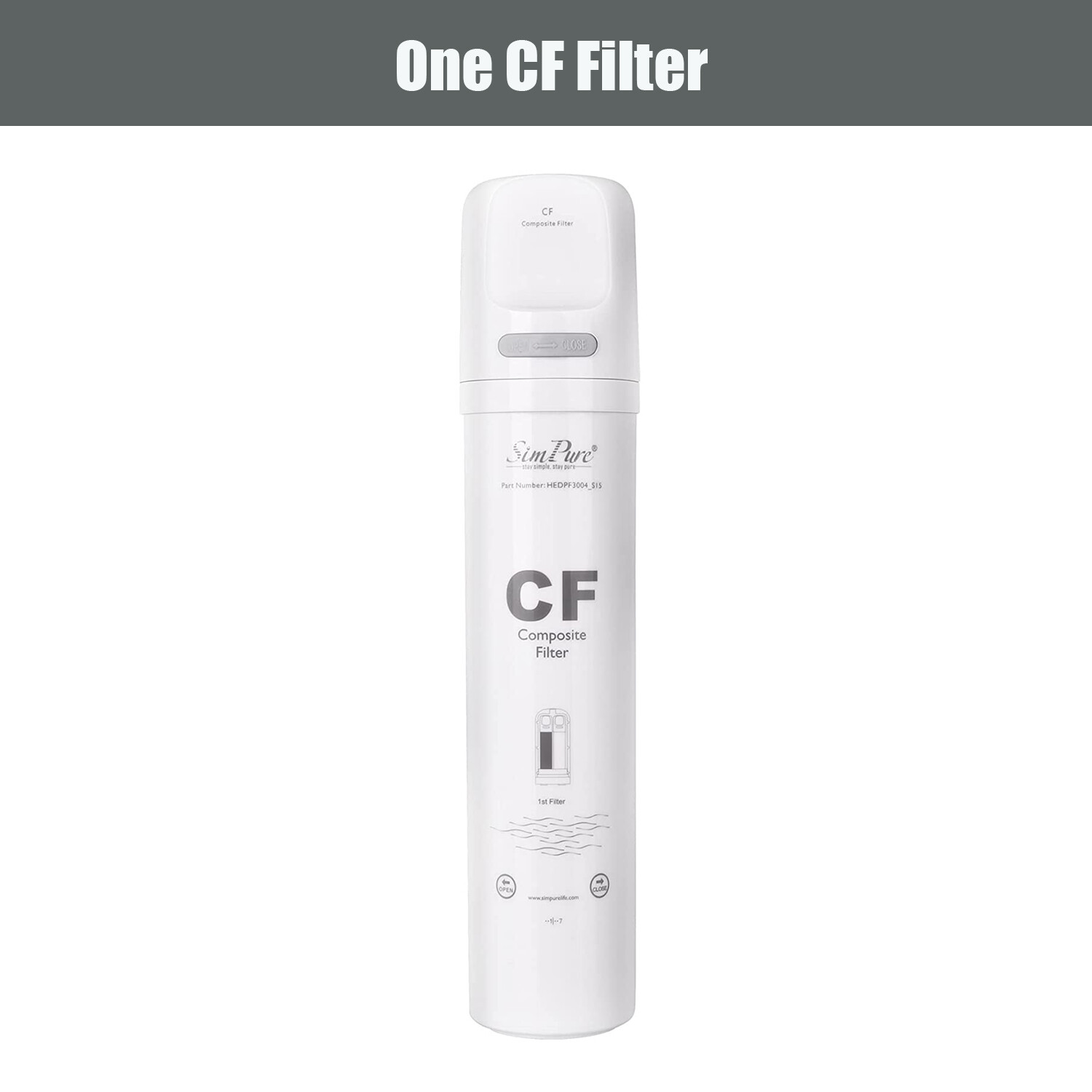 8-Stage Home Countertop Reverse Osmosis Water Filter System Filtration Dispenser$23.00Last checked Nov 18, 2026View on eBay
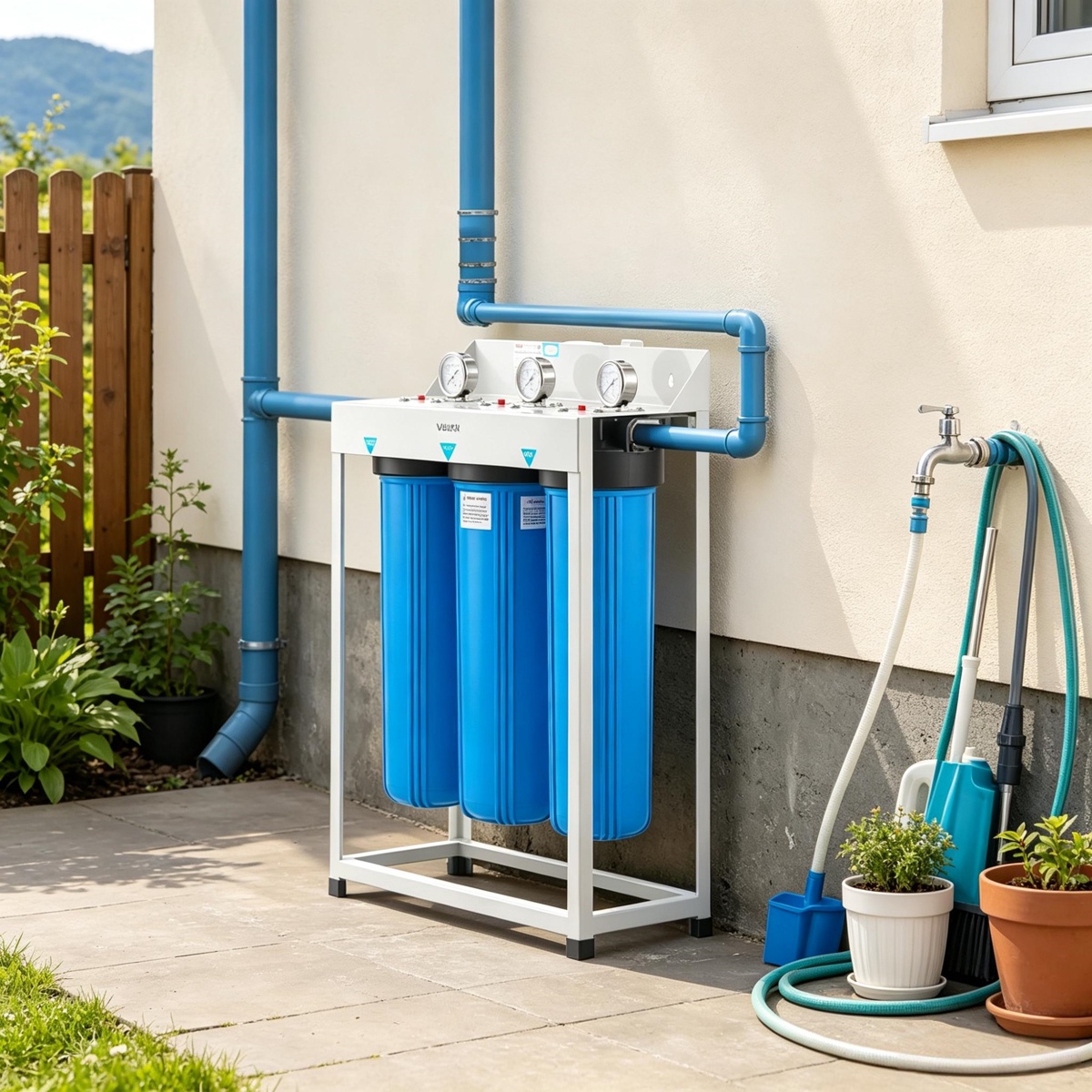 Whole House Water Filter System, 4.5" x 20" Home Purifier$625.99View on Mallflare
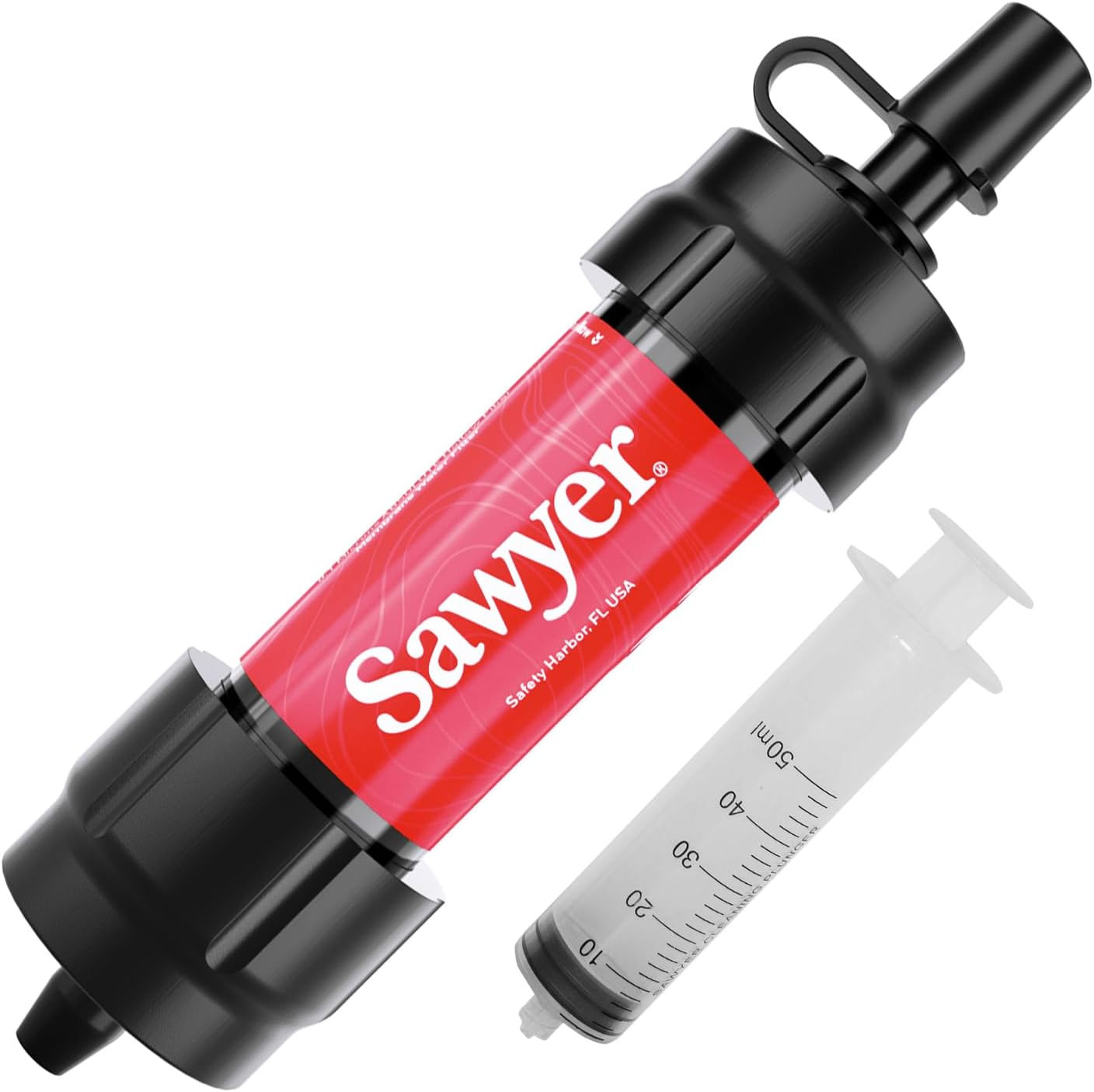 Products Mini Water Filtration System$23.47View on eBay
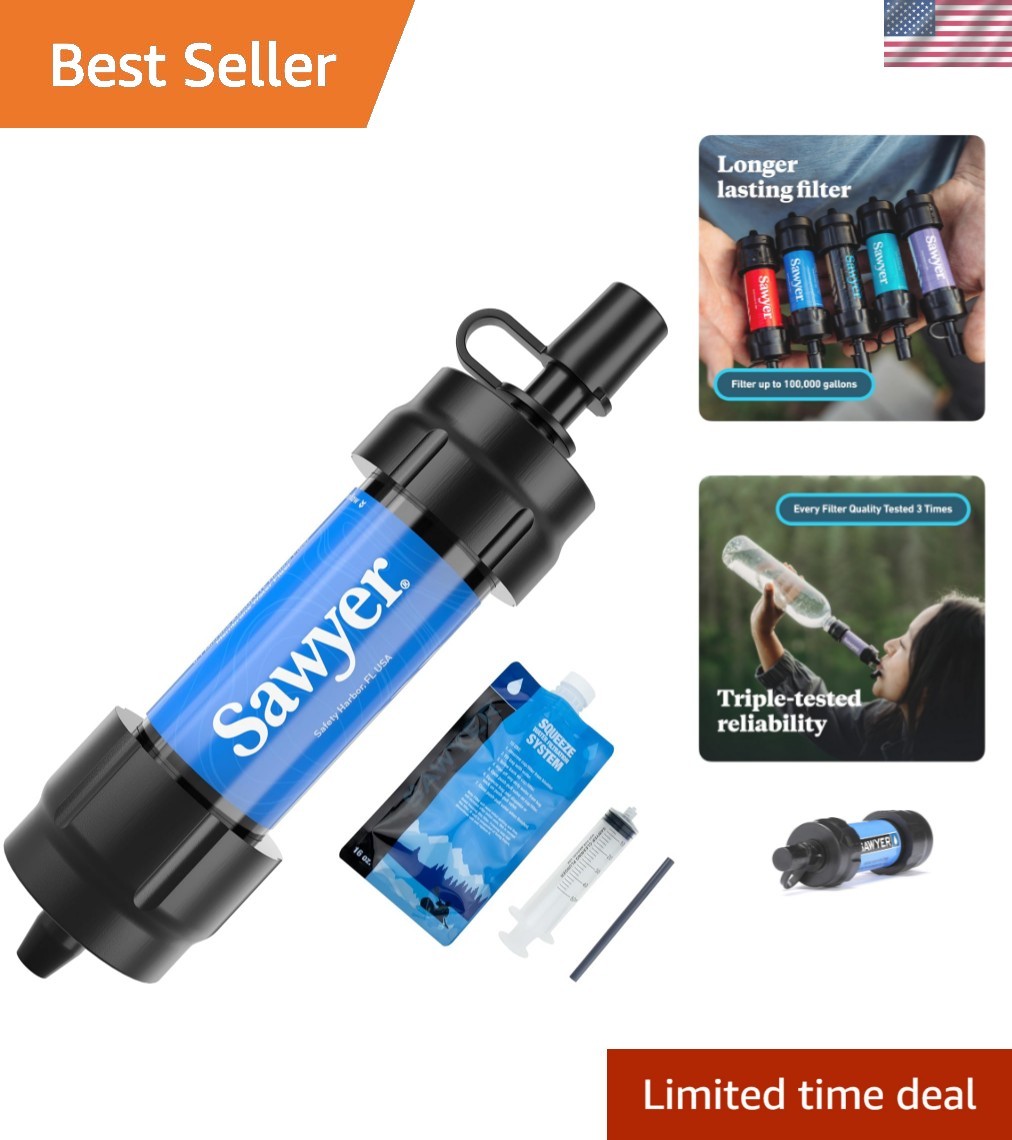 Products Mini Water Filtration System, Single, Blue$57.59View on eBay
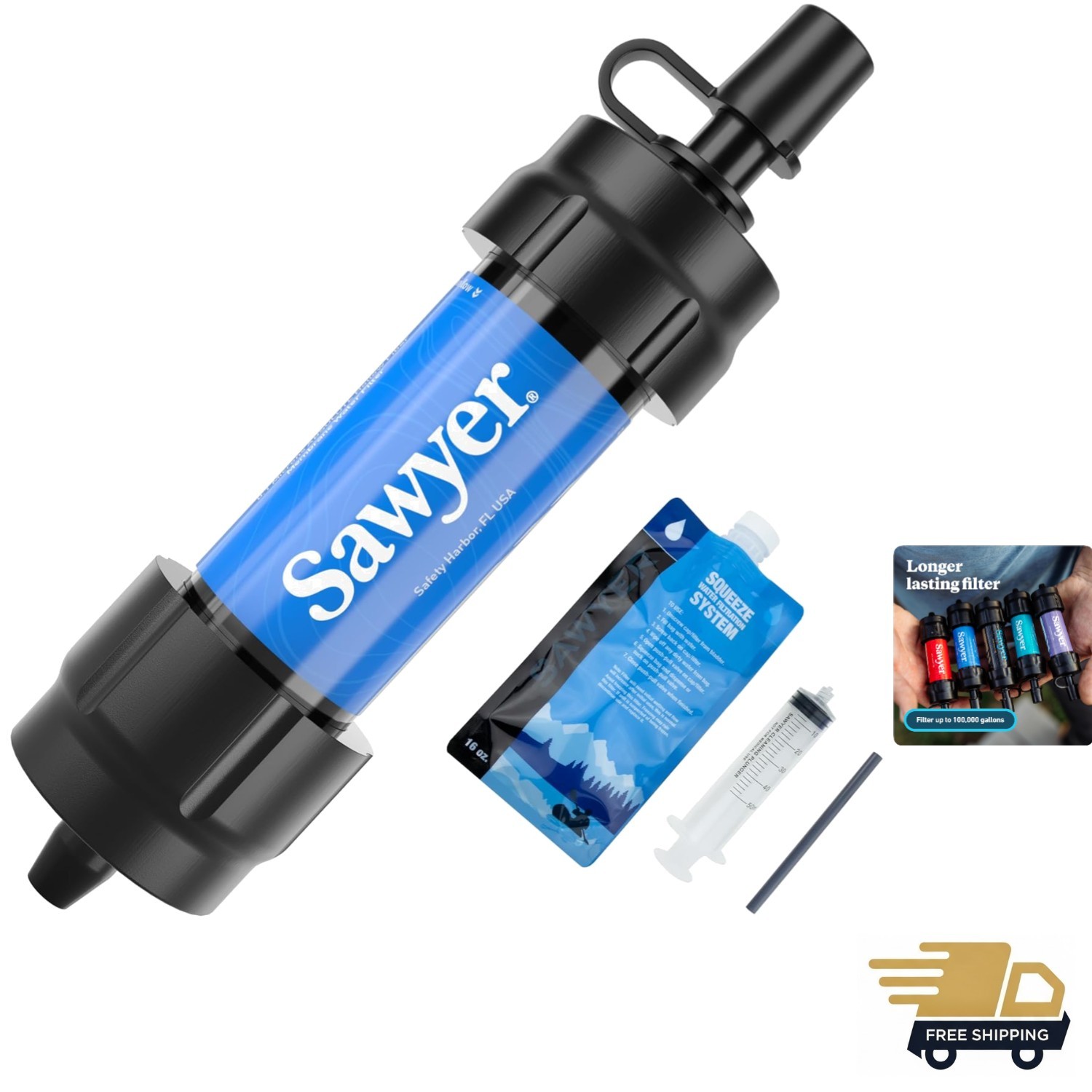 Products Mini Water Filtration System$57.99View on eBay
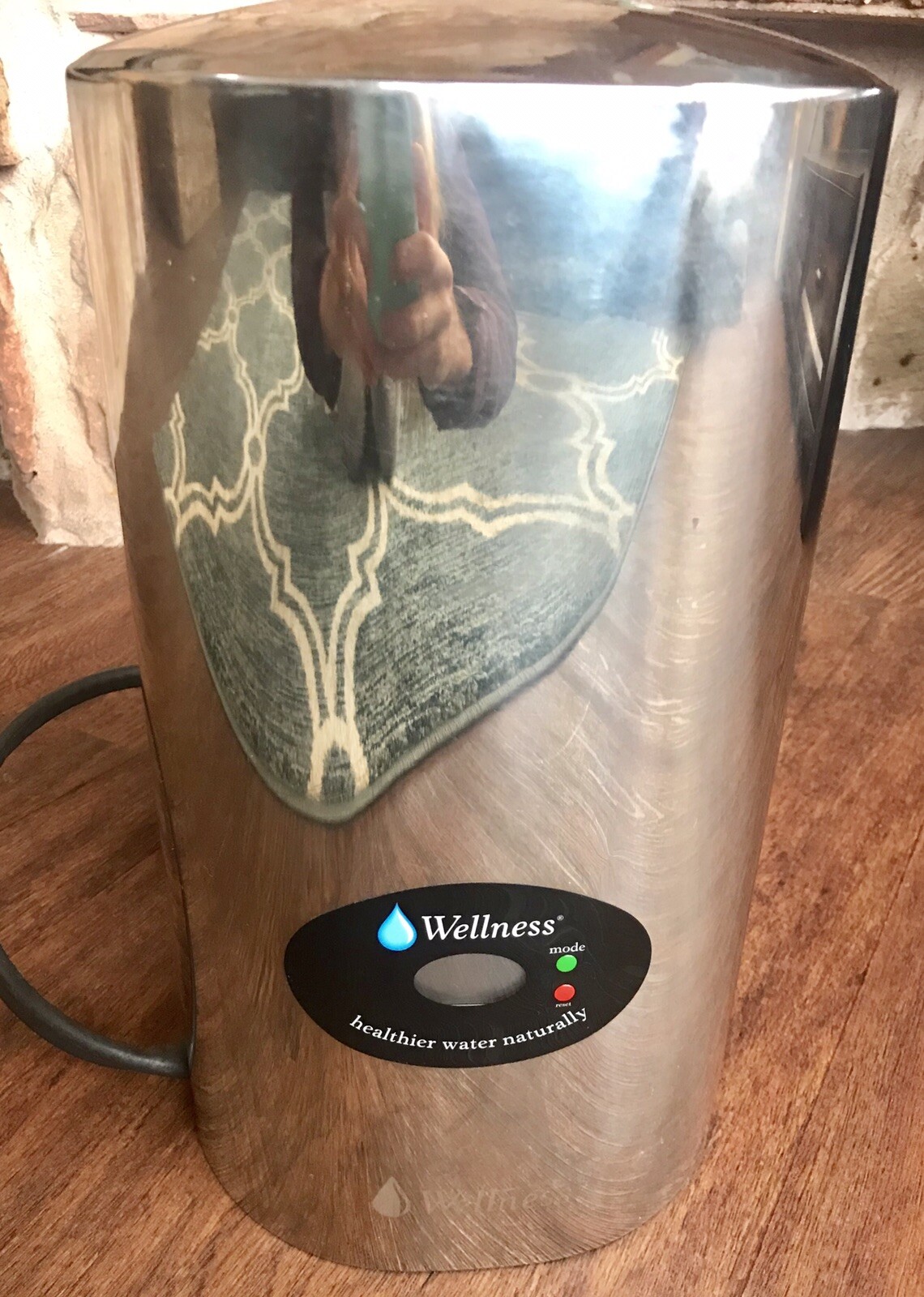 Wellness Kitchen S-III Under Counter Home Water Filtration System W/ Filters$99.00Last checked Nov 22, 2026View on eBay
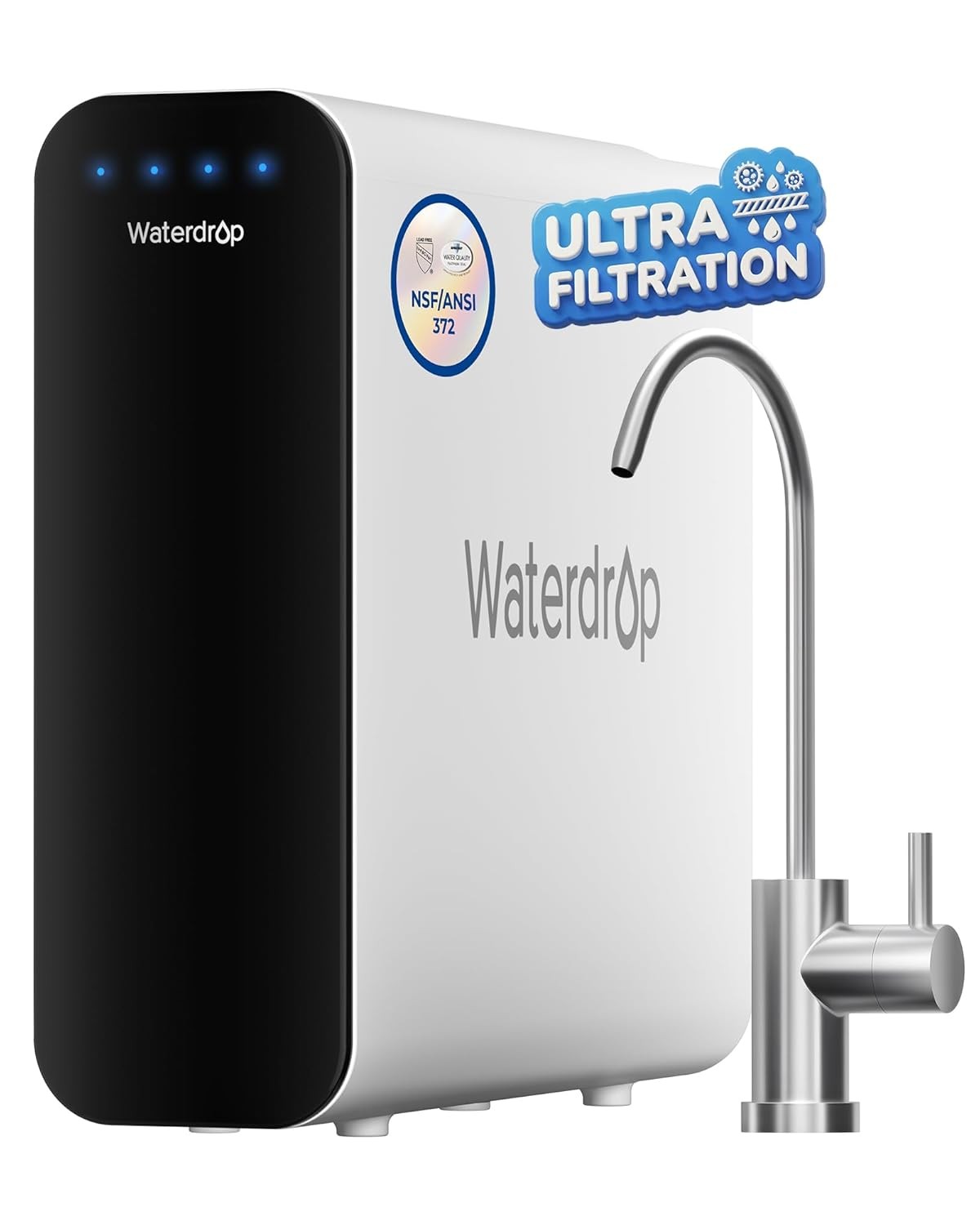 Waterdrop Refurbished TSU 0.01μm Ultra-Filtration Under Sink Water Filter System$99.99Last checked Nov 19, 2026View on eBay
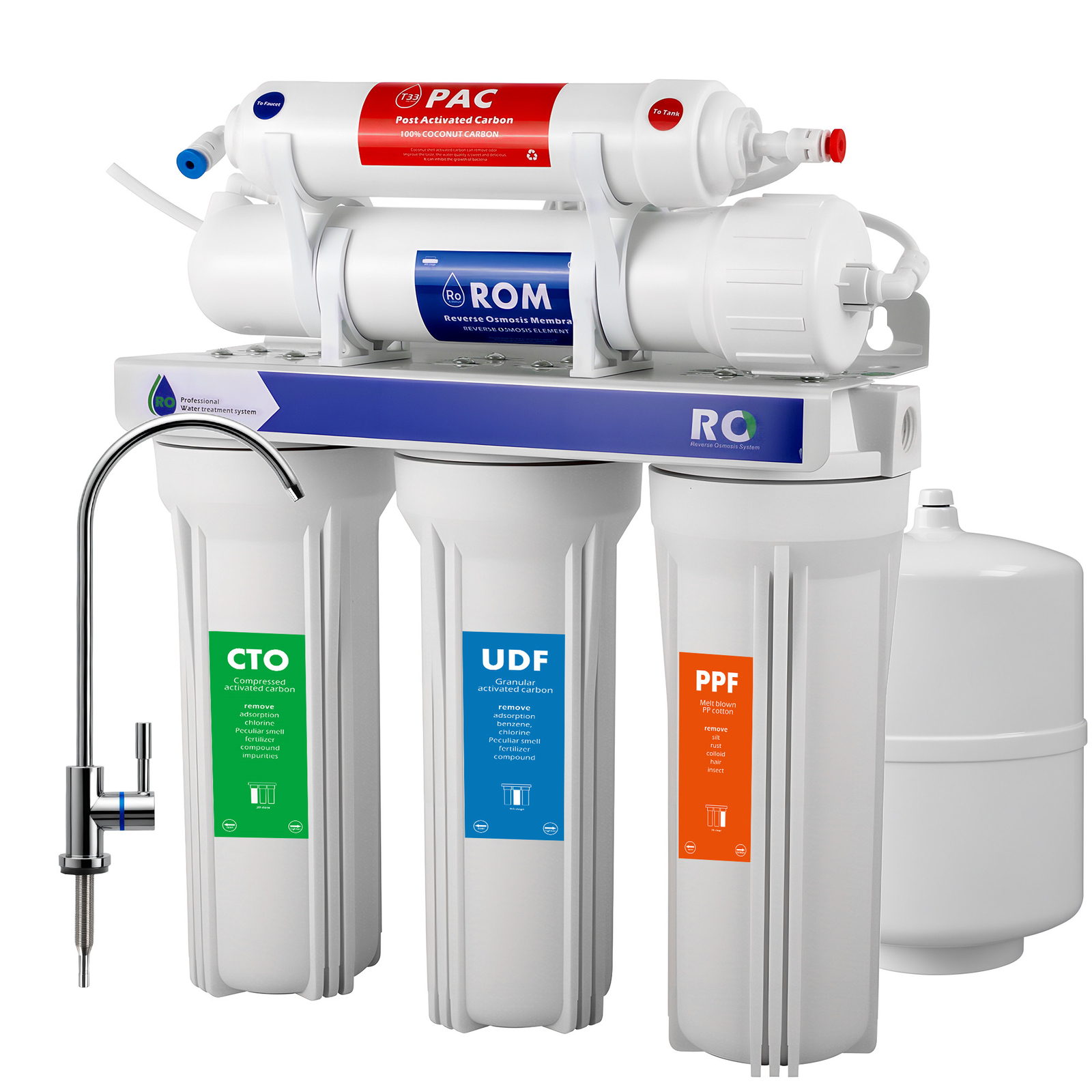 5 Stage Reverse Osmosis Water Filtration System Purifier Home Drinking 75 GPD$109.33View on eBay
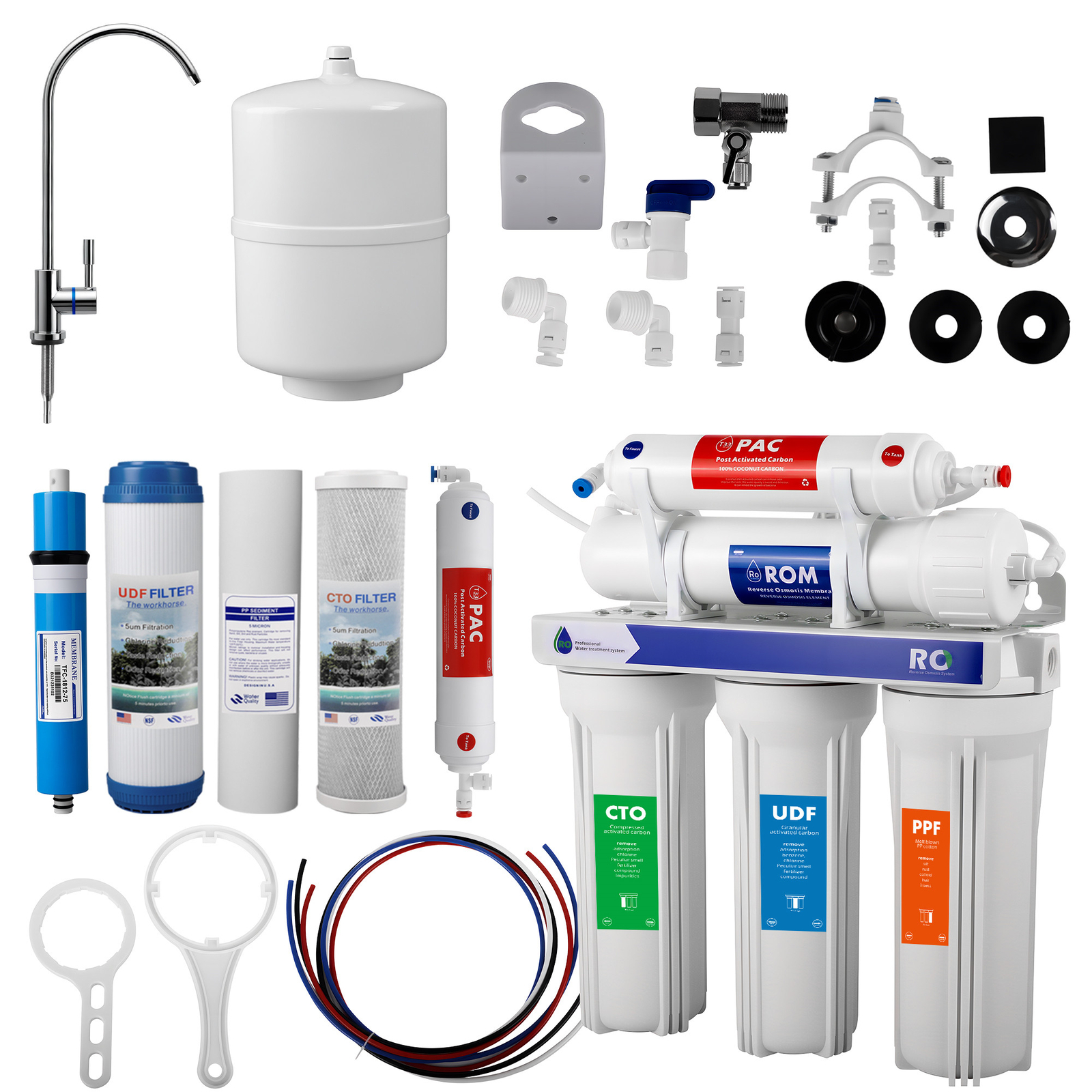 5 Stage Reverse Osmosis Water Filtration System 75 GPD 300L Filters Purifier USA$109.90View on eBay
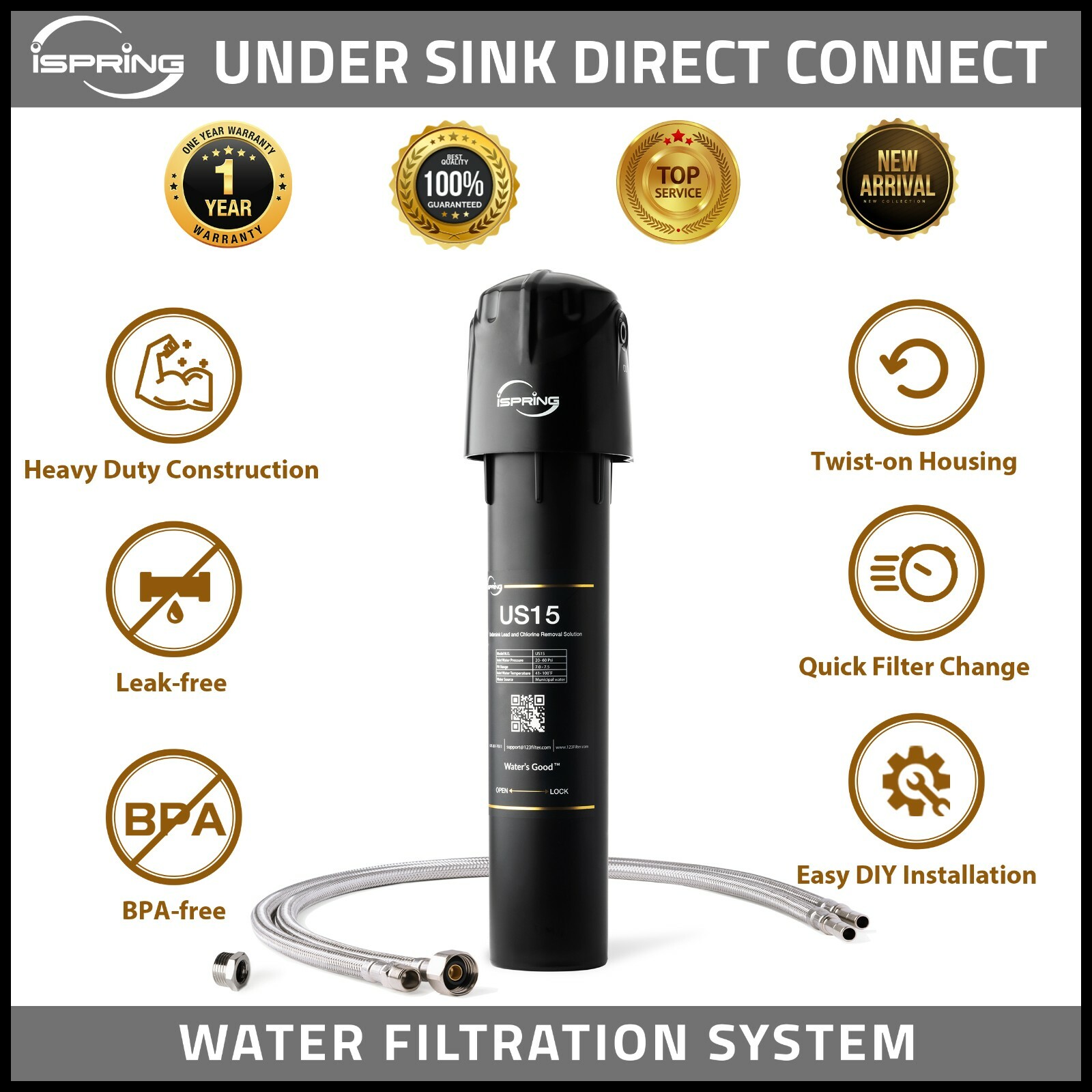 iSpring Under Sink Water Filter System, Leak-Free, Reduce Chlorine Heavy Metals$110.19View on eBay
- 5 Stage Reverse Osmosis Water Filtration System Home Drinking Purifier 75 GPD$115.50Last checked Nov 19, 2026View on eBay
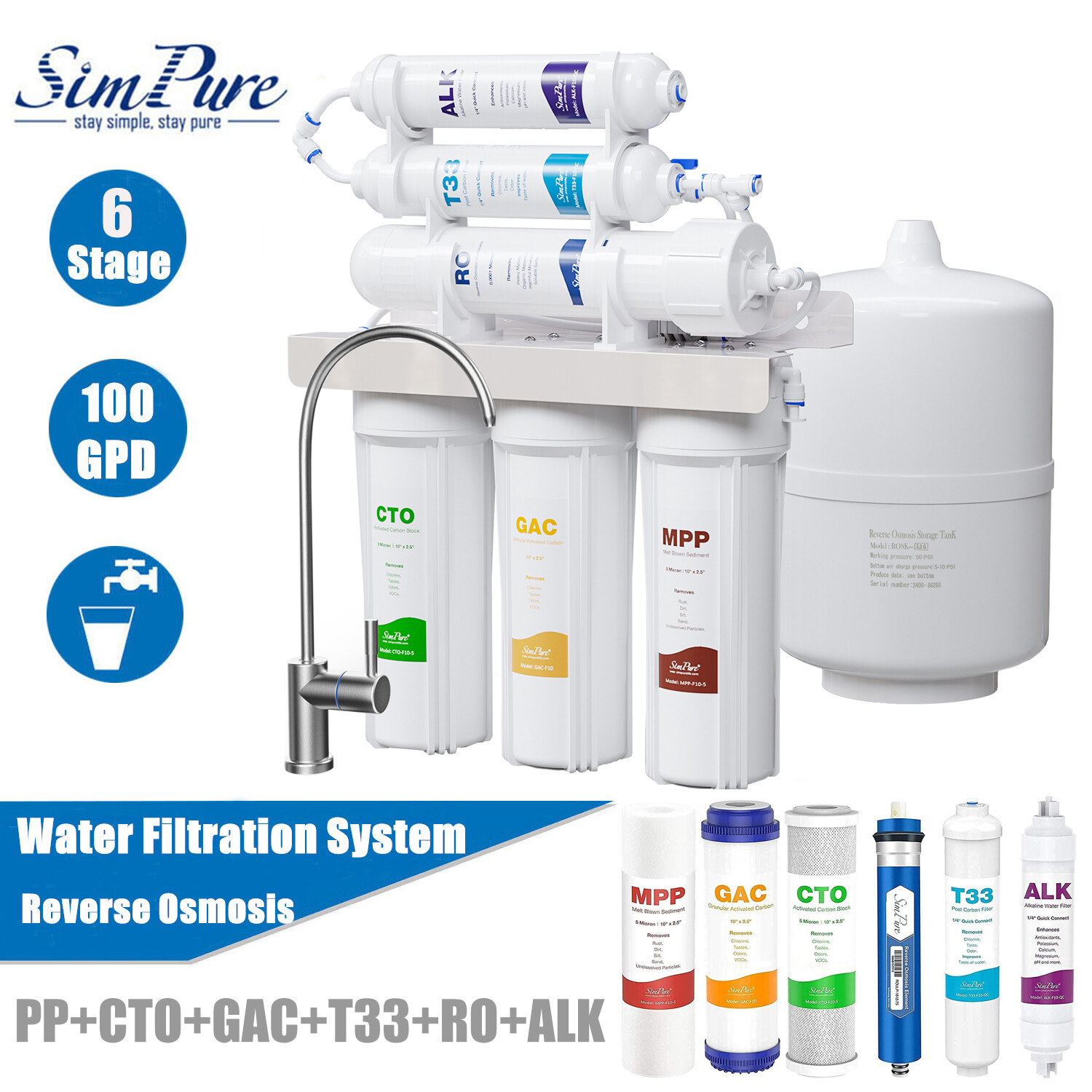 100 GPD 6 Stage Alkaline Reverse Osmosis Drinking Water Filter System Purifier$128.79Last checked Nov 18, 2026View on eBay
- 6 Stage 100GPD Alkaline RO Reverse Osmosis Drinking Water Filter System Purifier$128.79View on eBay
- 6 Stage 100 GPD Reverse Osmosis System Alkaline Drinking Water Filter Purifier$129.19View on eBay
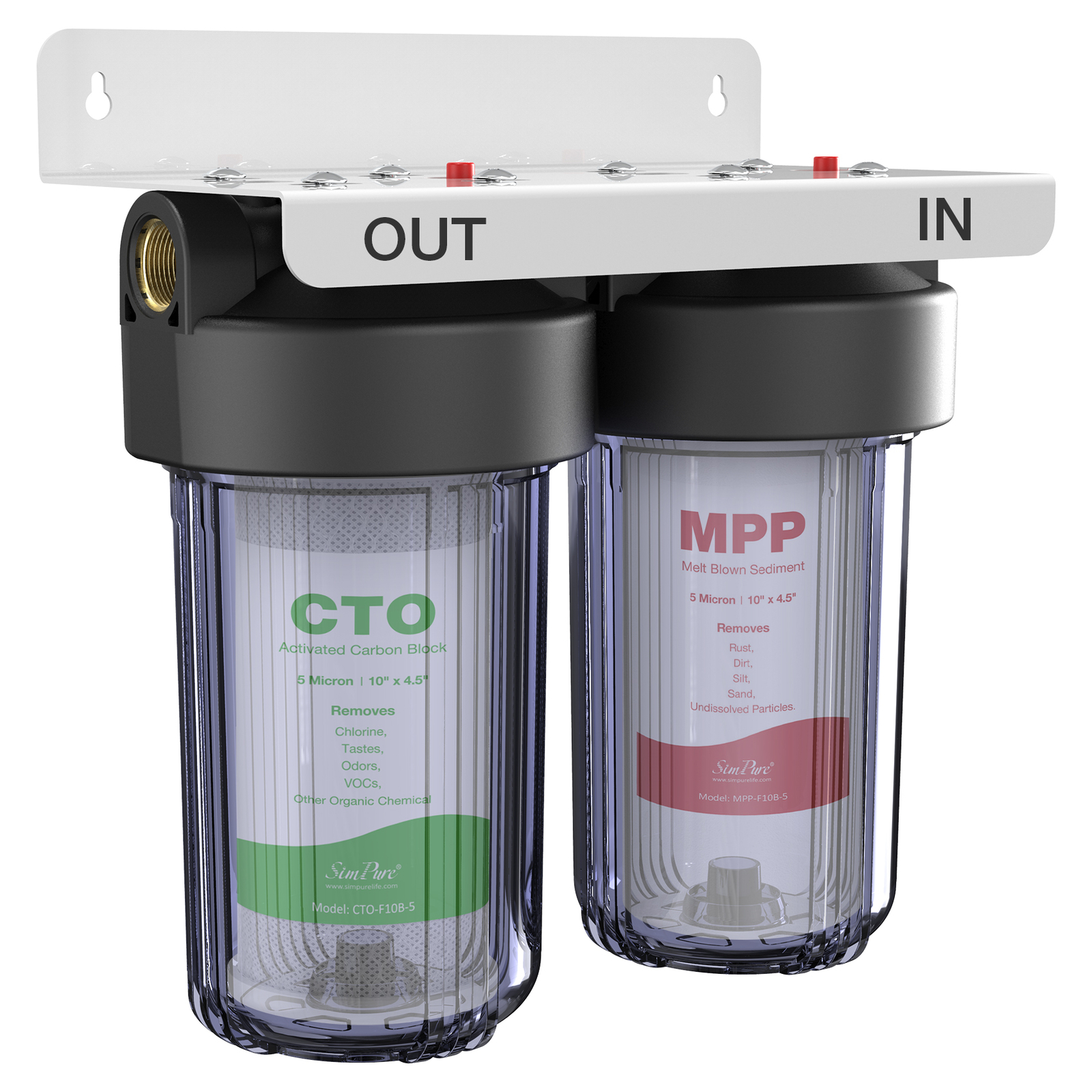 Big Blue Whole House Water Filter System City/Well Water Filtration 100000 Gal$129.99Last checked Nov 18, 2026View on eBay
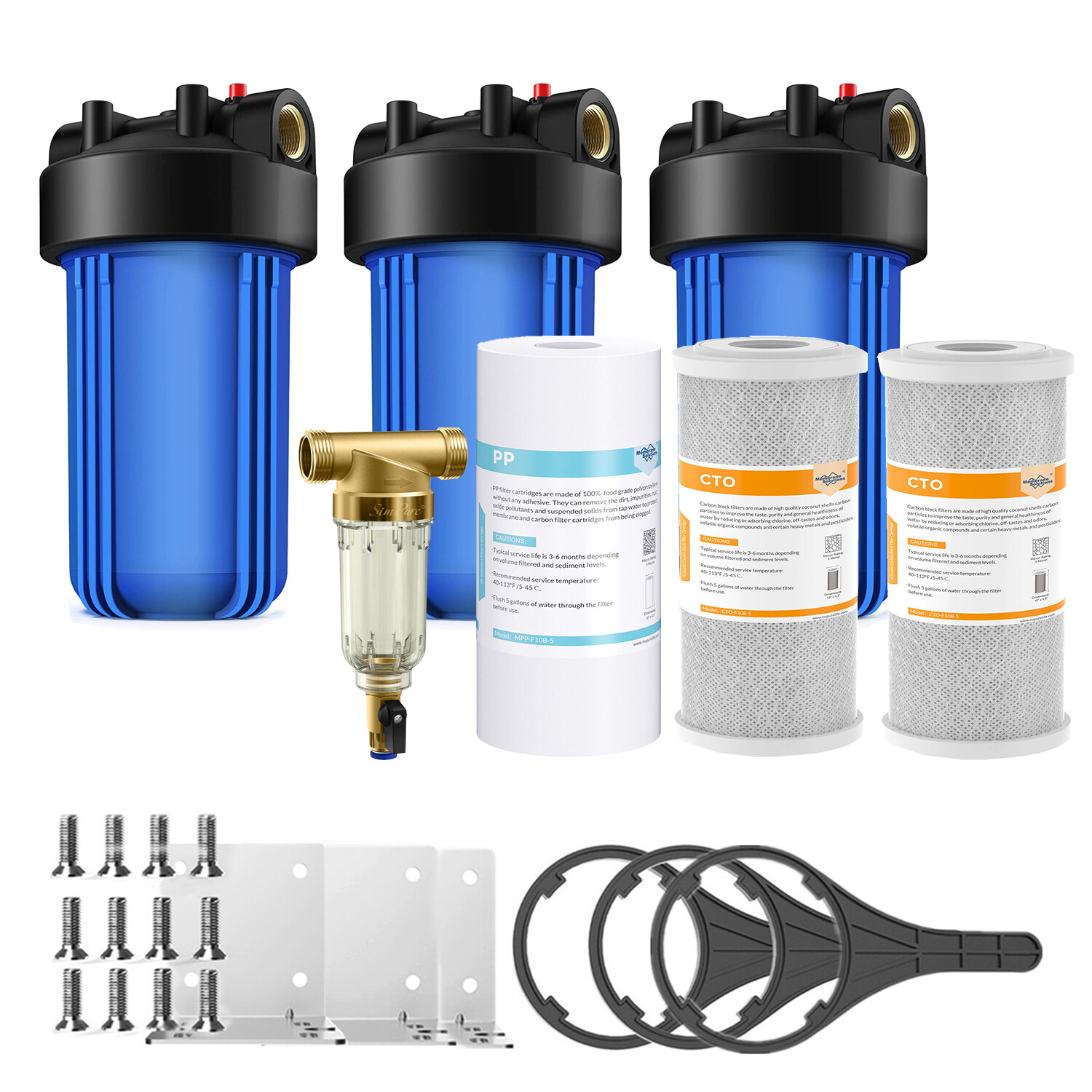 10 Inch Big Blue 10" x 4.5" Whole House Water Filter Housing Filtration System$132.99View on eBay
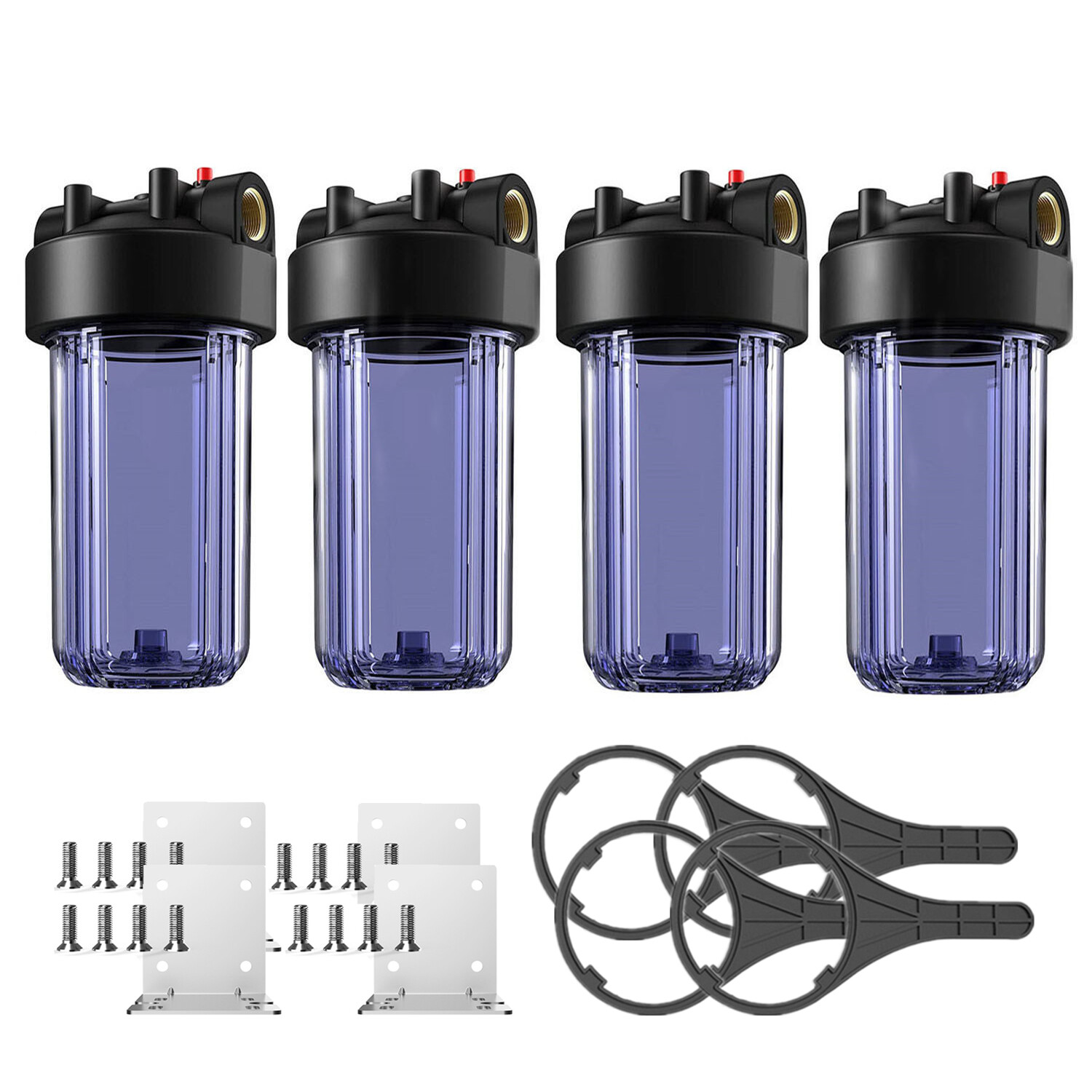 SimPure 10" Clear Whole House Water Filter Housing Filtration System PP Sediment$141.63Last checked Nov 19, 2026View on eBay
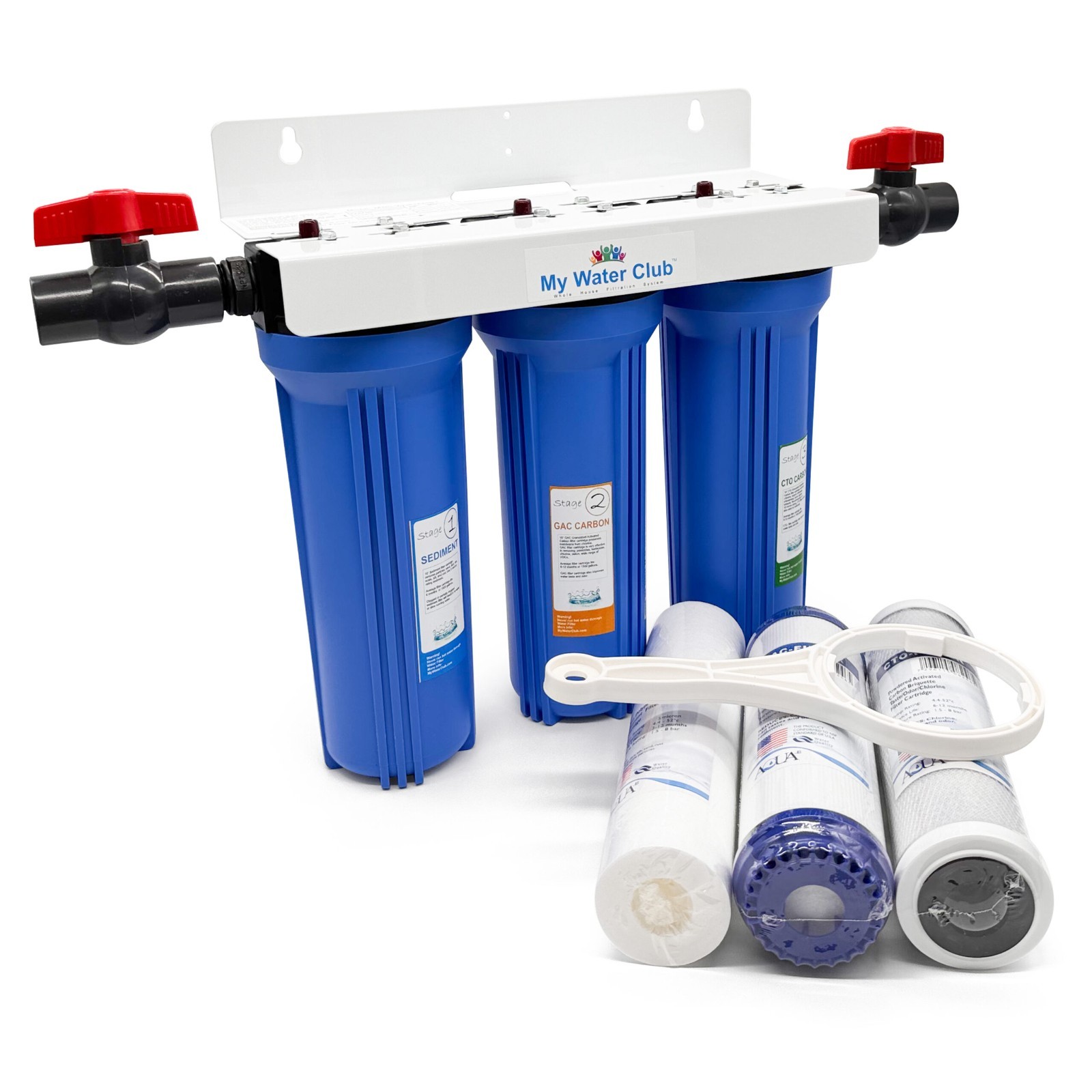 3-Stage Whole House Water Filtration System, 3/4″ Port with extra filter set$149.00Last checked Nov 18, 2026View on eBay
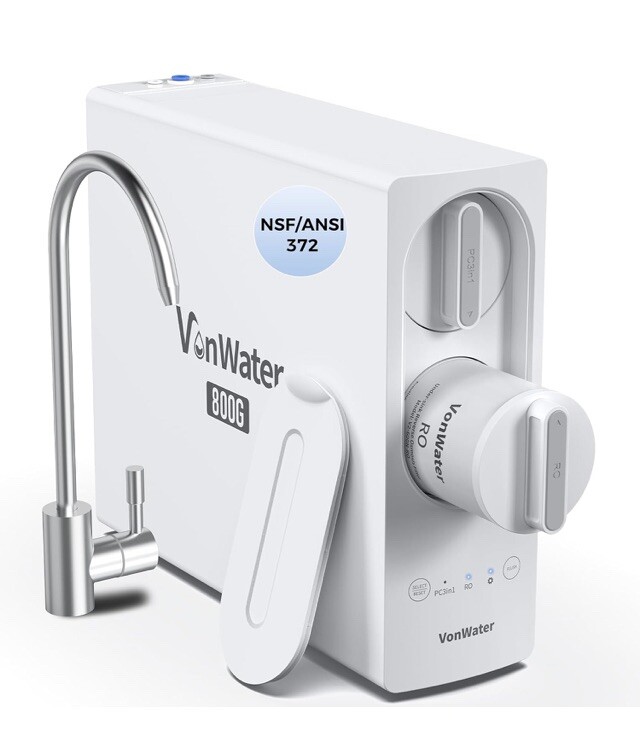 800GPD Tankless Reverse Osmosis Water Filter System high Flow UnderSink-VonWater$151.20Last checked Nov 19, 2026View on eBay
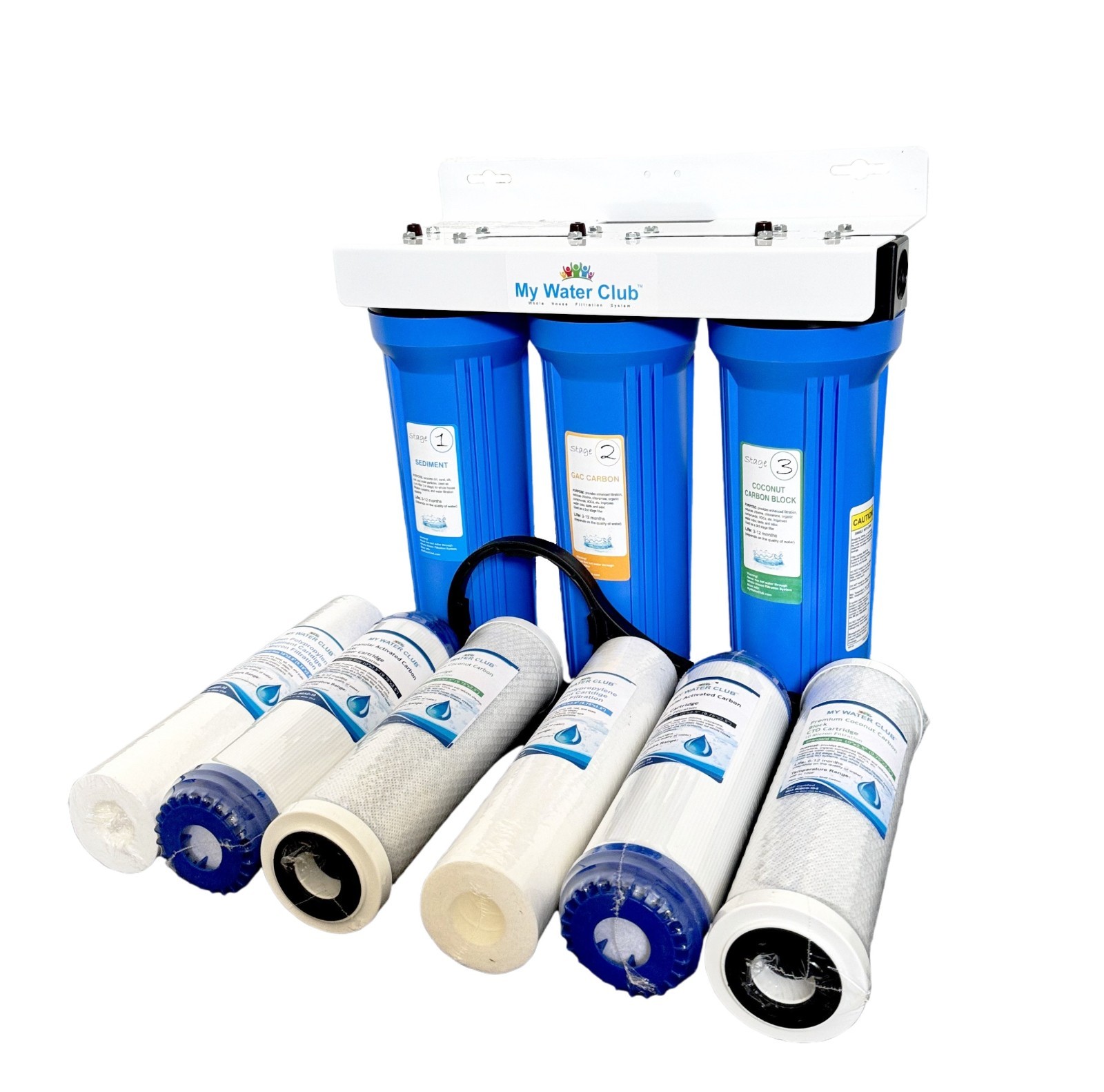 3-Stage Whole House Water Filtration System, 3/4″ Port with 2 extra filter set$159.00Last checked Nov 28, 2026View on eBay
Highlights
- RO membranes are rated in gallons per day (GPD); 400 GPD suits a family of 2–4, while 800 GPD units need a booster pump to maintain pressure with tankless setups.
- Cartridge pore size determines removal: 0.01 µm hollow-fiber blocks bacteria and cysts, 5 µm carbon blocks handle sediment and chlorine taste, and RO membranes reject 90–99% of dissolved solids.
- Whole-house systems must match pipe diameter (typically 3/4-inch or 1-inch NPT) and pressure tank bypass; undersized housings cause 5–15 psi pressure drop at high flow.
- Under-sink RO requires a dedicated 1/4-inch feed line and drain saddle, plus 12–15 inches of vertical clearance; countertop RO units need only a standard faucet adapter and electrical outlet.
Best use cases
- Best for municipal water with taste/chlorine issues: a 2–3 stage carbon under-sink filter (10-inch standard housings) preserves flow and needs no drain—skip RO if TDS is already below 250 ppm.
- Best for well water or suspected lead/arsenic: choose a 4–5 stage RO with sediment prefilter and carbon postfilter, or a whole-house backwashing filter for sediment—skip faucet-mount units that cannot handle high turbidity.
- Best for apartments or renters: countertop RO or faucet-mount carbon filters install without plumbing modifications—skip whole-house systems that require cutting main lines and landlord approval.
- Wrong fit: buying a whole-house system for a single drinking tap wastes capacity and pressure; use point-of-use under-sink instead. Likewise, a pitcher filter cannot address volatile organic compounds at the flow rates a shower or washing machine demands.
Buying tips
- Size whole-house systems by peak flow: count fixtures (1 GPM per shower, 2.5 GPM per washer) and pick a unit rated at least 10 GPM to avoid pressure loss during simultaneous use.
- Match filter housing to standard cartridge sizes: 10-inch x 2.5-inch for under-sink and whole-house sediment/carbon; 20-inch x 4.5-inch for high-flow whole-house. Non-standard sizes lock you into proprietary cartridges.
- For RO, check feed-water pressure: below 40 psi requires a permeate pump or booster; above 80 psi needs a pressure-reducing valve to protect the membrane. Verify drain-line compatibility with 1/4-inch or 3/8-inch tubing.
- Choose lead-free, NSF/ANSI 42 or 53 certified housings and cartridges; certification number on the label confirms third-party validation of contaminant reduction claims.
Specs
| System Type | Under-sink / Whole-house / Countertop |
|---|---|
| Filtration Stage | 2–5 stage; RO or carbon/hollow-fiber |
| Flow Capacity | 0.3–2 GPM (point-of-use); 10+ GPM whole-house |
| Cartridge Standard | 10-inch or 20-inch; 2.5-inch or 4.5-inch OD |
Related searches
What to check before buying
- Measure under-sink cabinet clearance: RO systems need 12–15 inches vertical and 10–12 inches width; tankless units save space but may need a pump.
- Check incoming water pressure with a gauge (40–80 psi ideal for RO; 50–80 psi for whole-house). Low pressure requires a booster pump; high pressure requires a regulator.
- Confirm electrical outlet within 6 feet for RO booster pumps or UV stages; passive carbon filters need no power.
- Verify plumbing connection type: 3/8-inch compression for most under-sink feeds, 1/2-inch or 3/4-inch NPT for whole-house. Renters should confirm faucet-mount or countertop adapter compatibility.
FAQ
Data sources: eBay / Amazon listings and product attribute feeds. Updated Nov 29, 2026.
Some links on this page are affiliate links. If you buy after clicking one, we may earn a commission at no extra cost to you. This does not change which products appear here or their order. Affiliate disclosure.